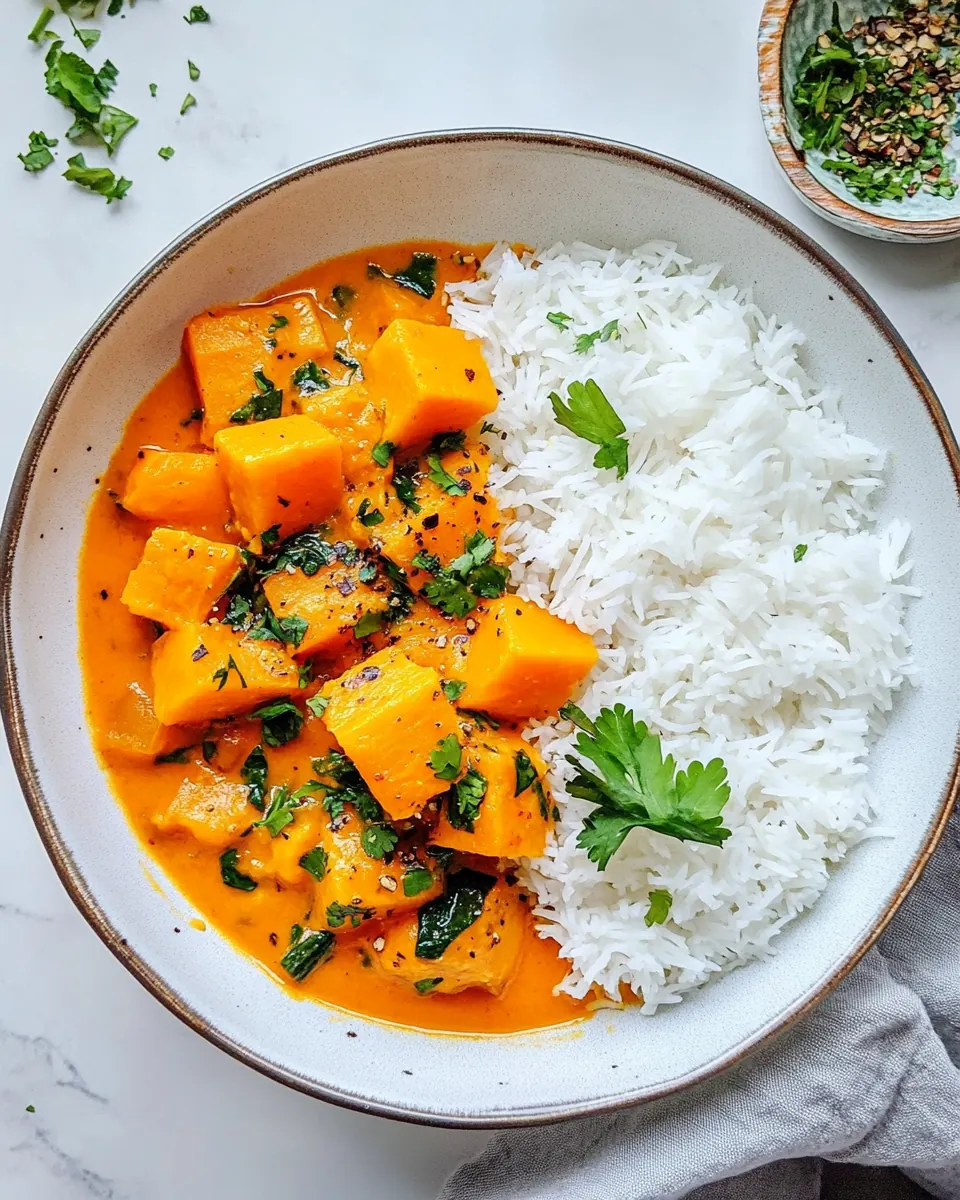
Butternut Squash Curry
Butternut Squash Curry is one of those recipes I return to when I want food that feels both comforting and bright, the kind that warms you from the inside out while still tasting fresh. The first time I made this dish I had a wildly lumpy butternut squash and a half used tin of coconut milk in the fridge, and I decided to riff on pantry staples. I remember the kitchen filling with a fragrant steam of coconut and tomato as the squash softened, and how the simple stir of shredded kale at the end made the whole pot feel lively and complete.
I also love how forgiving Butternut Squash Curry is. I have a tendency to get distracted during weekday evenings, yet this curry tolerates a little wandering. The spices wake up the squash without overpowering it, and even on nights when I rushed the rice a touch, the meal still came together and tasted like a hug. Over time I learned the small tweaks that make it consistently delicious, like choosing ripe squash and not overcooking the greens.
Recipe Snapshot
30 mins
10 mins
20 mins
Medium
450 kcal
Indian
Vegan, Gluten-Free
Dinner
Pot, Wooden spoon, Fork, Strainer
What Sets This Butternut Squash Curry Apart
Comforting yet bright
I adore how Butternut Squash Curry balances creamy coconut with the natural sweetness of butternut squash. When I serve it, guests often comment on the contrasting textures, the silky sauce enveloping tender cubes of squash. It feels indulgent without being heavy, which is exactly what I want on chilly evenings.
Fast but thoughtful
One of the reasons I reach for this recipe is speed. You get a full, layered curry in about the time it takes to cook rice, so it fits into busy weeknights. Still, the method encourages attention to aroma and color, so you end up with a dish that tastes like you spent more time on it than you actually did.
Ingredient-forward cooking
I love recipes where every ingredient earns its keep. The combination of coconut milk, crushed tomatoes, and gentle spice notes from cumin and coriander builds depth without clutter. This makes the squash the star, while the sauce supports it in a complementary way.
Flexible and forgiving
Over the years I have swapped in what I had on hand and this curry still shone. It accepts extra greens, a squeeze of citrus, or a different grain, and it rarely punishes improvisation. That makes it perfect for cooks who like structure but appreciate flexibility.
Vibrant leftovers
Leftovers are another reason I love this curry. The flavors meld overnight and the texture remains pleasing, so it’s a reliable meal to pack for lunch. Reheating gently helps revive the sauce and keeps the squash from turning mushy.
What’s In This Butternut Squash Curry
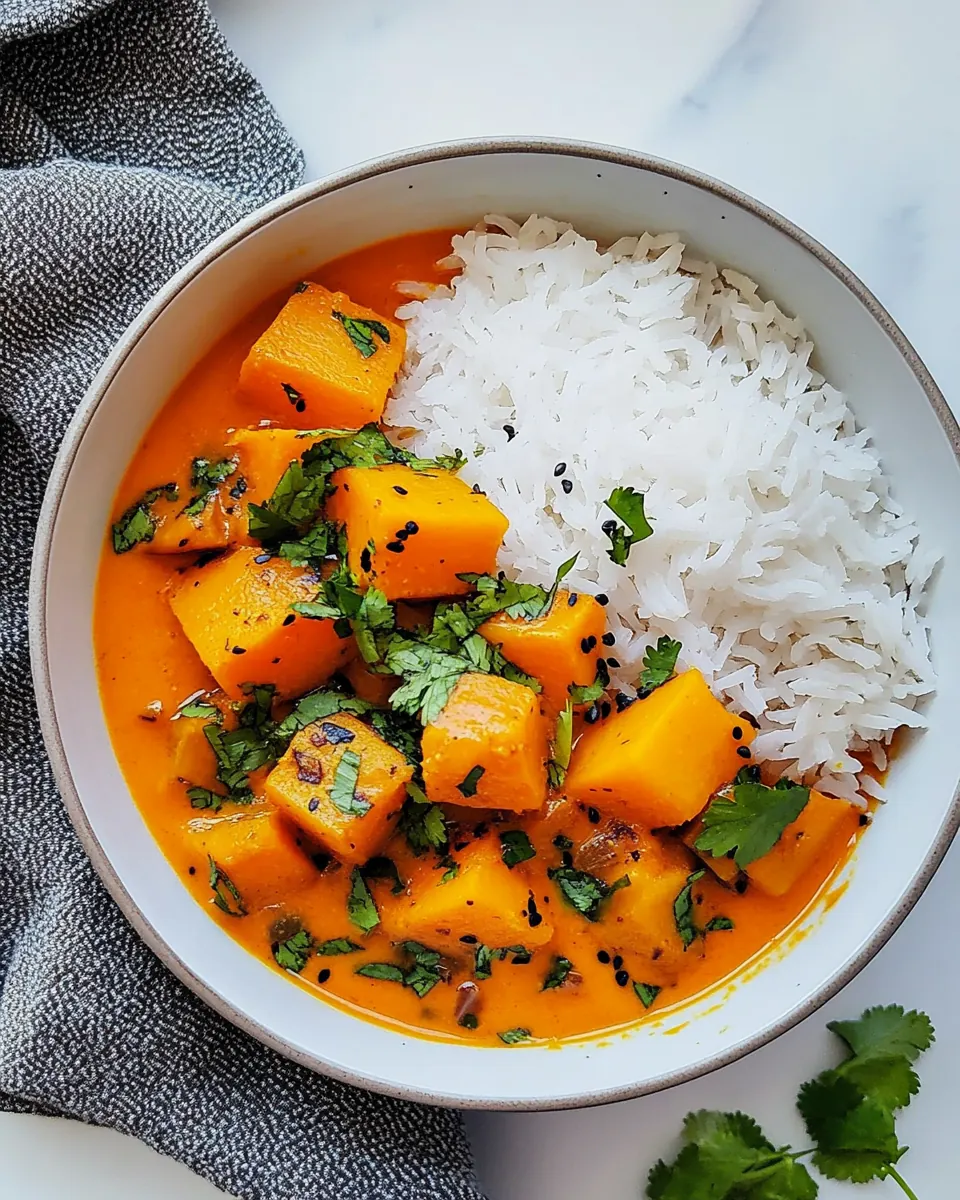
These ingredients form a simple, harmonious lineup that emphasizes warmth and balance. The core players are the butternut squash for body and sweetness, the coconut milk and crushed tomatoes for a creamy, tangy base, and fragrant ground spices that pull everything together. Together they create a curry that is both cozy and bright.
- 1 tbsp vegetable oil: Heat oil in a pan to create a cooking medium that prevents sticking and helps release aromas; it also serves as the base for frying aromatics, allowing spices to bloom and coat other ingredients evenly.
- 1 yellow onion diced: Finely diced to provide sweetness and body; sauté until translucent to form a flavorful foundation and add mild savory depth to the curry base.
- 1 cm ginger root peeled and grated or diced: Finely peeled and grated or diced to contribute a warm, peppery bite and a bright, slightly citrusy note; sauté briefly to mellow its sharpness and infuse the dish with fresh zing.
- 1 cm turmeric root peeled and grated or diced: Finely peeled and grated or diced to add an earthy, slightly bitter warmth and vibrant color; cook briefly with other aromatics to unlock anti-inflammatory compounds and deepen flavor.
- 1 green chilli deseeded and diced: Deseeded and diced to introduce fresh heat and a vegetal brightness; adjust amount to control spice level and add a layered chili flavor throughout the curry.
- 1 clove garlic minced: Minced to provide pungent, savory umami and aromatic depth; cook early to soften harshness and meld with ginger and onion for a rounded base.
- 1 tsp ground coriander: Ground to offer citrusy, floral notes and warm, slightly sweet spice; bloom in hot oil to release essential oils and enhance the curry’s overall complexity.
- 1 tsp ground cumin: Ground to supply earthy, nutty flavors with a warm backbone; toasting or frying briefly intensifies aroma and helps it integrate with other spices.
- 1 large butternut squash peeled and cubed: Peeled and cubed to serve as the main body and natural sweetness of the dish; roast or simmer until tender so it soaks up spices and contributes creamy texture.
- 1 (400 ml) tin (1 3/4 cups) coconut milk: Measured and added to impart rich, creamy coconut flavor and a silky mouthfeel; stir into the simmering curry to create a smooth, mildly sweet sauce.
- 1 (400 ml) tin (1 3/4 cups) crushed tomatoes: Measured and added to contribute acidity, umami, and tomatoey depth; simmer with the squash to build body and balance the coconut’s richness.
- 2 tsp lemongrass paste – if available (optional): Measured as optional to provide bright, lemony herbaceousness and subtle citrus complexity; stir in for extra aromatic lift if available.
- 1/2 tsp salt: Measured to season and enhance all flavors evenly; add during cooking to ensure proper absorption and balanced taste throughout the dish.
- 1/4 tsp ground black pepper: Ground to add a mild bite and background heat; season to taste and use sparingly to avoid overpowering delicate flavors.
- 1/2 cup kale shredded: Shredded to contribute leafy texture, color contrast, and a mild earthy bitterness; stir in near the end to wilt gently and retain nutrients.
- 280 grams 10 oz basmati rice: Measured to cook as the primary carbohydrate accompaniment; rinse and measure precisely to achieve fluffy grains that pair with the curry.
- water water must cover rice by 1 inch: Added in sufficient quantity to ensure rice is submerged by one inch, creating even steam and consistent cooking for tender rice.
- 1/2 tsp salt: Measured to season the rice as it cooks, ensuring the grains are flavorful and balanced before serving with the curry.
Making Butternut Squash Curry
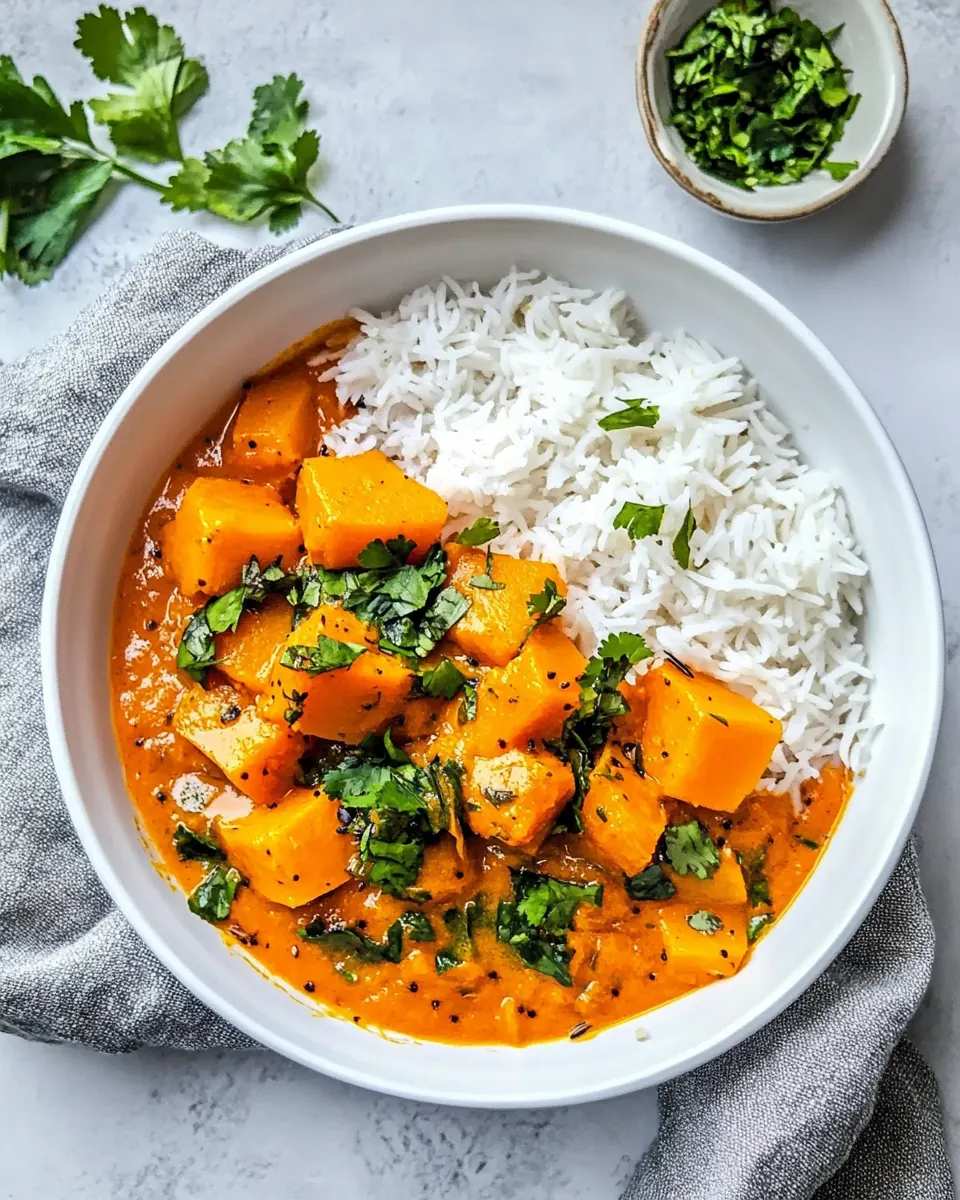
These directions form a clear path from raw produce to a fragrant, comforting meal. Below I expand each step into sensory, helpful guidance so you know what to look, smell, and hear for at every moment. Take your time with the aromatics, and treat the squash gently so it stays pleasantly textured.
- Heat oil in a pot, then saute the onion until it's soft and translucent.: The kitchen will begin to smell sweet and savory as the onion softens, with tiny bubbles forming around the edges of the pan, indicating gentle heat. You will want to see the onion turn from opaque to translucent and slightly glossy, not browned, because this stage releases sugars that build a rounded base flavor. The sound is a soft sizzle, steady and reassuring, not a loud splatter which would signal excessive heat. Use a wooden spoon to stir and watch for steam rising from the pan, a sign that moisture is escaping and flavor is concentrating. One common mistake is cooking too hot and letting the onion brown too quickly, which can introduce bitter notes; reduce the heat if you see browning starting.
- Add the ginger, turmeric, garlic and chilli. Cook for 1-2 minutes. Then add cumin and coriander and cook for 1 more minute.: Right after adding the fresh aromatics you should notice a bright, peppery lift as the grated ginger and turmeric hit the warm oil, followed by a roasted garlic scent as the garlic softens. The green chilli will add a whisper of sharp heat. Keep the pan moving, and watch the spices bloom into tiny darker flecks in the oil; this releases essential oils and amplifies flavor. When you add the ground cumin and coriander , a nutty, warm aroma will deepen the mix. Trouble arises if you leave spices unattended, they can burn quickly and become acrid, so stir constantly and lower heat if the smell turns bitter.
- Add butternut squash, crushed tomatoes and coconut milk. Cover with a lid, and simmer until the butternut squash is cooked but not too soft. Turn off the heat.: As the butternut squash and liquids come together you will see the pot fill with a gentle simmer, tiny bubbles rising steadily. The sauce color will shift to a warm orange with flecks of spice. Partially covering the pot traps steam, which helps the squash become tender while allowing the sauce to concentrate. You'll know the squash is ready when a fork slides in with slight resistance, not falling apart. The aroma will become richer and rounded, with sweetness from the squash and tang from the crushed tomatoes . Avoid overcooking the squash, otherwise it will turn mushy and lose its pleasant bite.
- Season with salt and pepper. Then add the kale, and give the curry a gentle stir for the kale to wilt.: After turning off the heat, add the finishing seasonings and you should smell the bright lift of black pepper against the creamy sauce. Tossing in the shredded kale at this moment allows the residual heat to wilt it quickly, preserving color and some texture. The kale will soften and integrate within a minute or two, releasing a fresh, leafy aroma. One error to avoid is adding the kale too early, which yields limp, overcooked greens; add it at the end to maintain vibrancy.
- Wash the rice under running water until water is clear, and soak it in cold water for 20 minutes.: Rinsing rice removes excess starch so the grains cook up separate and fluffy. You will see the rinse water go from cloudy to clear; that visual cue tells you the rice is ready. Soaking hydrates the grains and helps them cook evenly, reducing cooking time and promoting tender texture. After soaking the grains will feel plumper and more translucent to the touch. A common slip is skipping the rinse which can result in gummy rice, so take the extra minute to wash until clear.
- Add rice to a pot, and cover with water. The water must cover the rice by 1 inch. Season with salt. Bring to a boil, reduce the heat to the lowest possible and with the lid covered simmer for 7-10 minutes.: When the pot comes to a boil you will see vigorous bubbling and steam, and then lowering to the gentlest simmer produces a soft whisper of bubbles. The one inch water rule gives consistent hydration so the grains absorb evenly. Keep the lid on to trap steam and avoid peeking, which releases heat and can prolong cooking. After about 7 to 10 minutes the rice should be tender with a slight bite at the core if you prefer a bit of texture. Overcooking on too high heat can make rice sticky or mushy, so maintain the lowest simmer and resist opening the lid.
- Fluff with a fork when it's done (if you accidentally end up with too much liquid and the rice is already cooked, then simply strain it and pot the rice back in the pot with the heat switched off).: Fluffing aerates the grains, releasing steam and preventing clumps, leaving fragrant, separate rice with a light texture. If there is excess water but the rice is cooked, straining removes the extra liquid quickly; returning it to the pot off the heat allows residual steam to even out the moisture. You should hear a soft whisper as you fluff, and the rice will smell subtly nutty. A frequent mistake is stirring vigorously which crushes grains and makes them sticky, so use a gentle fork and lift rather than mash.
Expert Tips about Butternut Squash Curry
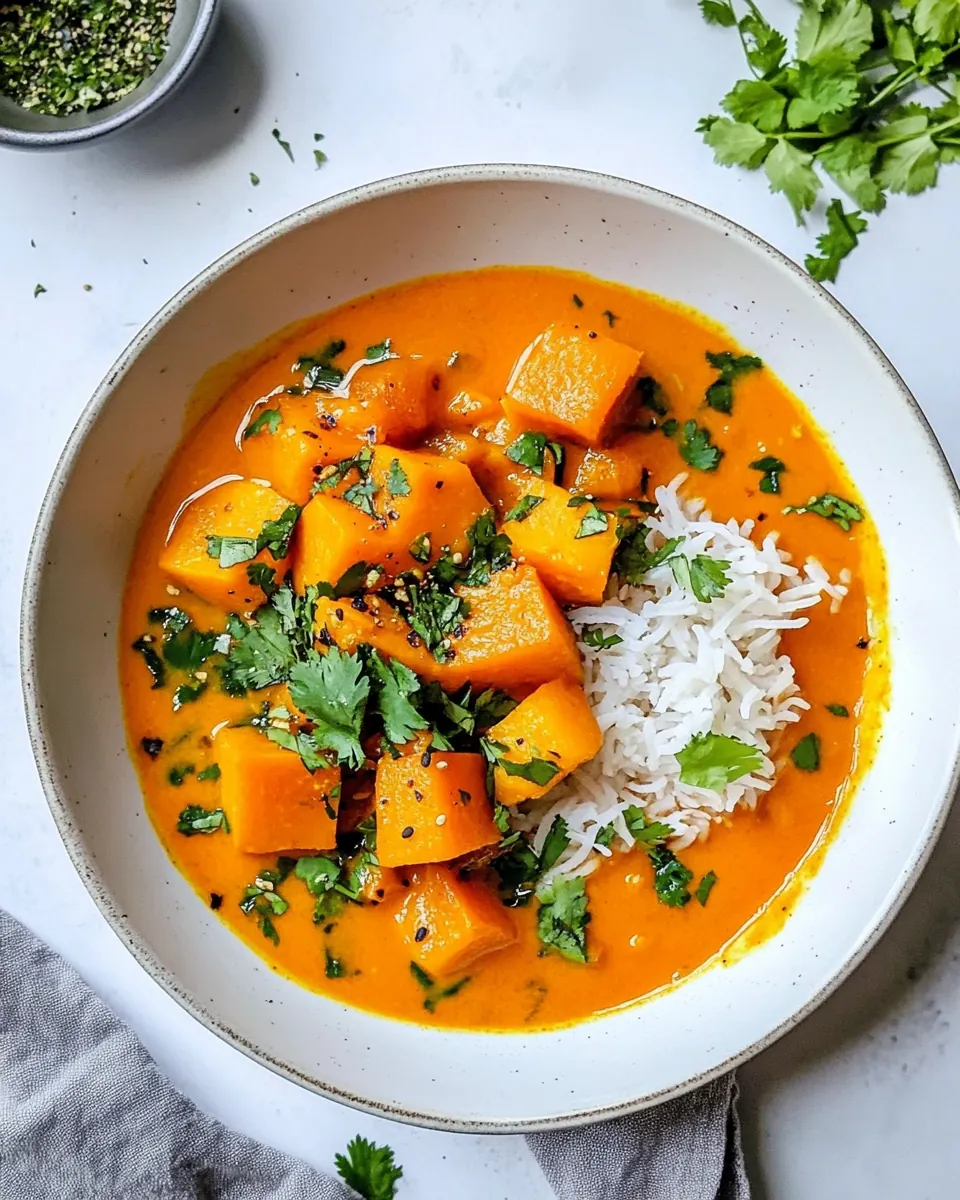
This curry benefits from small, thoughtful choices that make the final dish sing. Below are extended tips I use when I want reliable results, each one practical and rooted in experience.
- Choose firm squash 2 Pick a butternut squash with smooth skin and a heavy feel for its size. This helps ensure the cubes hold up during simmering and gives you a satisfying texture from each bite, rather than turning to mash.
- Bloom spices in oil 2 Toasting the ground cumin and coriander briefly in warm oil releases their essential oils, producing a fuller aroma and richer curry base. Keep the heat moderate and stir to prevent burning.
- Use full fat coconut milk 2 Full fat coconut milk creates a silkier sauce and better mouthfeel. If using light coconut milk, expect a thinner sauce and slightly less rounded flavor, but it will still be delicious.
- Adjust chili to taste 2 Deseeding the green chilli reduces heat while preserving flavor. Taste as you go and add a bit more if you prefer a stronger kick, especially if serving chilled leftovers.
- Finish with greens 2 Add shredded kale at the end and off the heat for a bright finish. This keeps the texture lively and offers a pleasant contrast to the creamy sauce.
- Rest before serving 2 Let the curry sit for a few minutes after cooking so flavors meld. This short rest improves integration of aromas and makes the dish taste more cohesive when plated.
What to Pair With Butternut Squash Curry
This curry pairs well with simple, fragrant sides and suits a range of occasions from casual dinners to more thoughtful seasonal gatherings. Below I outline pairing ideas, serving styles, and storage tips in detail so you can present the dish beautifully every time.
- Serve with basmati rice 2 The fragrant basmati rice included in the recipe soaks up the sauce and balances the creamy curry. Spoon the curry over a bed of rice so each bite combines sauce and grain.
- Light salads for contrast 2 A crisp green salad with a lemony dressing provides a refreshing contrast to the warm, creamy curry, cutting through the richness and brightening the plate.
- Family dinners and weeknights 2 This recipe shines as an easy weeknight dinner because it comes together quickly and satisfies varied palates. It also scales well for family meals when you need a comforting center dish.
- Ramadan or seasonal dinners 2 The warming spices and nourishing squash make this curry a thoughtful option for evening meals during seasonal gatherings like fall dinners or Ramadan iftar, where something cozy and filling is welcome.
- Storage tips 2 Store leftovers in an airtight container in the refrigerator for up to three days. Reheat gently over low heat to preserve the texture of the butternut squash and the vibrancy of the sauce. Avoid high heat which can break down the squash too much.
- Seasonal pairings 2 In fall, serve this curry alongside roasted root vegetables or a warm grain salad to lean into seasonal produce and create a comforting spread.
FAQ
Conclusion
This Butternut Squash Curry stands out for its balance of creamy coconut, bright tomatoes, and warmly spiced aromatics, all built around sweet, tender squash. It is an approachable, flexible recipe that works beautifully on weeknights or for seasonal gatherings when you want something both comforting and vibrant. Give it a try the next time you want a fuss free meal that still feels thoughtful, and enjoy how the flavors deepen with even a short rest.

Butternut Squash Curry
Equipment
- Pot
- Wooden Spoon
- Fork
- Strainer
Ingredients
- 1 tbsp vegetable oil Heat oil in a pan to create a cooking medium that prevents sticking and helps release aromas; it also serves as the base for frying aromatics, allowing spices to bloom and coat other ingredients evenly.
- 1 yellow onion diced Finely diced to provide sweetness and body; sauté until translucent to form a flavorful foundation and add mild savory depth to the curry base.
- 1 cm ginger root peeled and grated or diced Finely peeled and grated or diced to contribute a warm, peppery bite and a bright, slightly citrusy note; sauté briefly to mellow its sharpness and infuse the dish with fresh zing.
- 1 cm turmeric root peeled and grated or diced Finely peeled and grated or diced to add an earthy, slightly bitter warmth and vibrant color; cook briefly with other aromatics to unlock anti-inflammatory compounds and deepen flavor.
- 1 green chilli deseeded and diced Deseeded and diced to introduce fresh heat and a vegetal brightness; adjust amount to control spice level and add a layered chili flavor throughout the curry.
- 1 clove garlic minced Minced to provide pungent, savory umami and aromatic depth; cook early to soften harshness and meld with ginger and onion for a rounded base.
- 1 tsp ground coriander Ground to offer citrusy, floral notes and warm, slightly sweet spice; bloom in hot oil to release essential oils and enhance the curry’s overall complexity.
- 1 tsp ground cumin Ground to supply earthy, nutty flavors with a warm backbone; toasting or frying briefly intensifies aroma and helps it integrate with other spices.
- 1 large butternut squash peeled and cubed Peeled and cubed to serve as the main body and natural sweetness of the dish; roast or simmer until tender so it soaks up spices and contributes creamy texture.
- 1 (400 ml) tin (1 3/4 cups) coconut milk Measured and added to impart rich, creamy coconut flavor and a silky mouthfeel; stir into the simmering curry to create a smooth, mildly sweet sauce.
- 1 (400 ml) tin (1 3/4 cups) crushed tomatoes Measured and added to contribute acidity, umami, and tomatoey depth; simmer with the squash to build body and balance the coconut’s richness.
- 2 tsp lemongrass paste optional – if available Measured as optional to provide bright, lemony herbaceousness and subtle citrus complexity; stir in for extra aromatic lift if available.
- 1/2 tsp salt Measured to season and enhance all flavors evenly; add during cooking to ensure proper absorption and balanced taste throughout the dish.
- 1/4 tsp ground black pepper Ground to add a mild bite and background heat; season to taste and use sparingly to avoid overpowering delicate flavors.
- 1/2 cup kale shredded Shredded to contribute leafy texture, color contrast, and a mild earthy bitterness; stir in near the end to wilt gently and retain nutrients.
- 280 grams 10 oz basmati rice Measured to cook as the primary carbohydrate accompaniment; rinse and measure precisely to achieve fluffy grains that pair with the curry.
- water water must cover rice by 1 inch Added in sufficient quantity to ensure rice is submerged by one inch, creating even steam and consistent cooking for tender rice.
- 1/2 tsp salt Measured to season the rice as it cooks, ensuring the grains are flavorful and balanced before serving with the curry.
Instructions
- Heat oil in a pot, then saute the onion until it's soft and translucent.: The kitchen will begin to smell sweet and savory as the onion softens, with tiny bubbles forming around the edges of the pan, indicating gentle heat. You will want to see the onion turn from opaque to translucent and slightly glossy, not browned, because this stage releases sugars that build a rounded base flavor. The sound is a soft sizzle, steady and reassuring, not a loud splatter which would signal excessive heat. Use a wooden spoon to stir and watch for steam rising from the pan, a sign that moisture is escaping and flavor is concentrating. One common mistake is cooking too hot and letting the onion brown too quickly, which can introduce bitter notes; reduce the heat if you see browning starting.
- Add the ginger, turmeric, garlic and chilli. Cook for 1-2 minutes. Then add cumin and coriander and cook for 1 more minute.: Right after adding the fresh aromatics you should notice a bright, peppery lift as the grated ginger and turmeric hit the warm oil, followed by a roasted garlic scent as the garlic softens. The green chilli will add a whisper of sharp heat. Keep the pan moving, and watch the spices bloom into tiny darker flecks in the oil; this releases essential oils and amplifies flavor. When you add the ground cumin and coriander , a nutty, warm aroma will deepen the mix. Trouble arises if you leave spices unattended, they can burn quickly and become acrid, so stir constantly and lower heat if the smell turns bitter.
- Add butternut squash, crushed tomatoes and coconut milk. Cover with a lid, and simmer until the butternut squash is cooked but not too soft. Turn off the heat.: As the butternut squash and liquids come together you will see the pot fill with a gentle simmer, tiny bubbles rising steadily. The sauce color will shift to a warm orange with flecks of spice. Partially covering the pot traps steam, which helps the squash become tender while allowing the sauce to concentrate. You'll know the squash is ready when a fork slides in with slight resistance, not falling apart. The aroma will become richer and rounded, with sweetness from the squash and tang from the crushed tomatoes . Avoid overcooking the squash, otherwise it will turn mushy and lose its pleasant bite.
- Season with salt and pepper. Then add the kale, and give the curry a gentle stir for the kale to wilt.: After turning off the heat, add the finishing seasonings and you should smell the bright lift of black pepper against the creamy sauce. Tossing in the shredded kale at this moment allows the residual heat to wilt it quickly, preserving color and some texture. The kale will soften and integrate within a minute or two, releasing a fresh, leafy aroma. One error to avoid is adding the kale too early, which yields limp, overcooked greens; add it at the end to maintain vibrancy.
- Wash the rice under running water until water is clear, and soak it in cold water for 20 minutes.: Rinsing rice removes excess starch so the grains cook up separate and fluffy. You will see the rinse water go from cloudy to clear; that visual cue tells you the rice is ready. Soaking hydrates the grains and helps them cook evenly, reducing cooking time and promoting tender texture. After soaking the grains will feel plumper and more translucent to the touch. A common slip is skipping the rinse which can result in gummy rice, so take the extra minute to wash until clear.
- Add rice to a pot, and cover with water. The water must cover the rice by 1 inch. Season with salt. Bring to a boil, reduce the heat to the lowest possible and with the lid covered simmer for 7-10 minutes.: When the pot comes to a boil you will see vigorous bubbling and steam, and then lowering to the gentlest simmer produces a soft whisper of bubbles. The one inch water rule gives consistent hydration so the grains absorb evenly. Keep the lid on to trap steam and avoid peeking, which releases heat and can prolong cooking. After about 7 to 10 minutes the rice should be tender with a slight bite at the core if you prefer a bit of texture. Overcooking on too high heat can make rice sticky or mushy, so maintain the lowest simmer and resist opening the lid.
- Fluff with a fork when it's done (if you accidentally end up with too much liquid and the rice is already cooked, then simply strain it and pot the rice back in the pot with the heat switched off).: Fluffing aerates the grains, releasing steam and preventing clumps, leaving fragrant, separate rice with a light texture. If there is excess water but the rice is cooked, straining removes the extra liquid quickly; returning it to the pot off the heat allows residual steam to even out the moisture. You should hear a soft whisper as you fluff, and the rice will smell subtly nutty. A frequent mistake is stirring vigorously which crushes grains and makes them sticky, so use a gentle fork and lift rather than mash.
Notes
- Choose firm squash 2 Pick a butternut squash with smooth skin and a heavy feel for its size. This helps ensure the cubes hold up during simmering and gives you a satisfying texture from each bite, rather than turning to mash.
- Bloom spices in oil 2 Toasting the ground cumin and coriander briefly in warm oil releases their essential oils, producing a fuller aroma and richer curry base. Keep the heat moderate and stir to prevent burning.
- Use full fat coconut milk 2 Full fat coconut milk creates a silkier sauce and better mouthfeel. If using light coconut milk, expect a thinner sauce and slightly less rounded flavor, but it will still be delicious.
- Adjust chili to taste 2 Deseeding the green chilli reduces heat while preserving flavor. Taste as you go and add a bit more if you prefer a stronger kick, especially if serving chilled leftovers.
- Finish with greens 2 Add shredded kale at the end and off the heat for a bright finish. This keeps the texture lively and offers a pleasant contrast to the creamy sauce.
- Rest before serving 2 Let the curry sit for a few minutes after cooking so flavors meld. This short rest improves integration of aromas and makes the dish taste more cohesive when plated.
