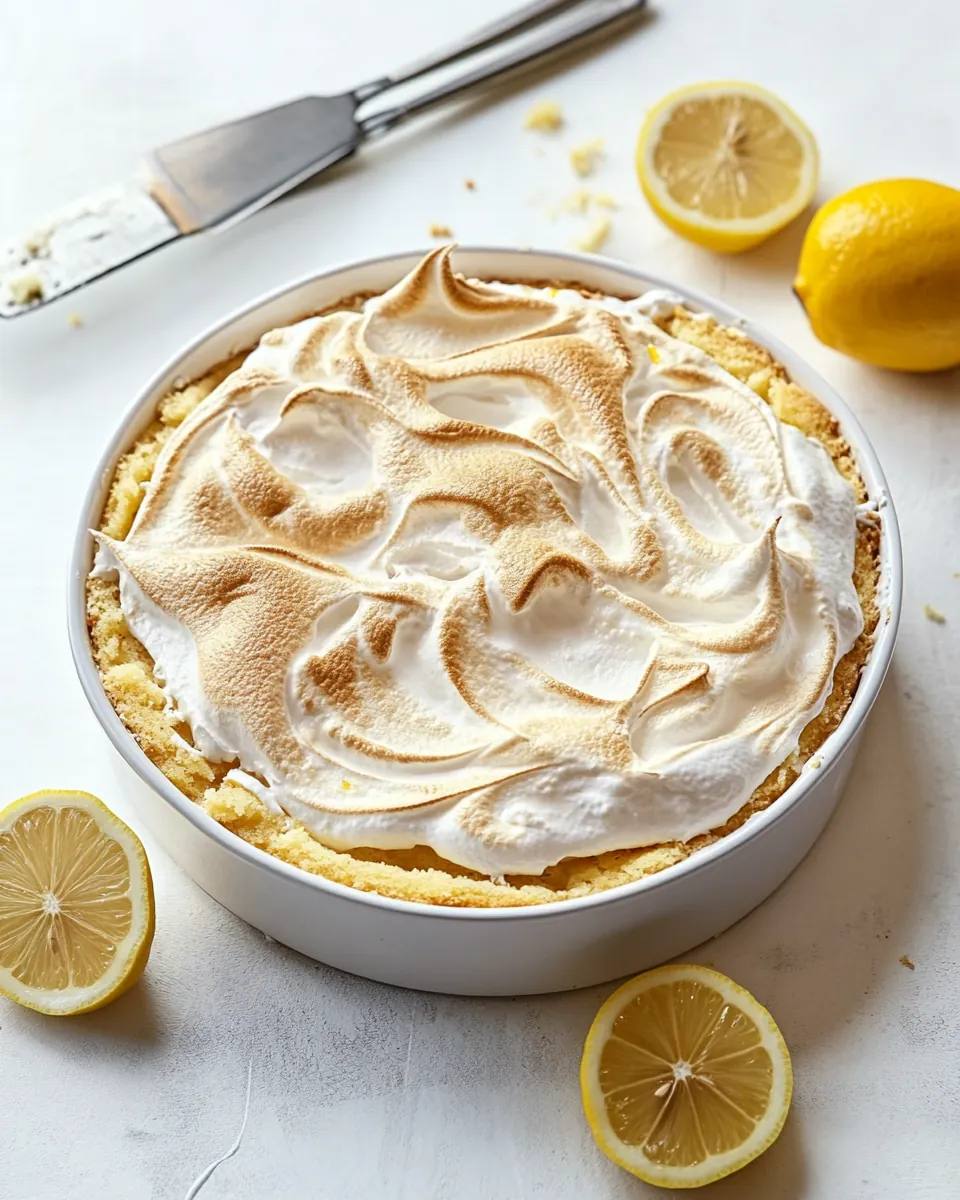
Lemon Meringue Butter Cake
Lemon Meringue Butter Cake is the sort of dessert that brings a sunny little chaos to my kitchen, the kind that makes the island counter look like the aftermath of a small, very fragrant science experiment. The first time I made this cake I was chasing a lemony possibility after lunch guests stayed longer than planned, and I remember the bright zing of citrus filling the house as I zested and folded, feeling equal parts nervous and excited. That initial scent hooked me, and by the time the meringue browned just so, everyone was clamoring for a bite.
Since then I make Lemon Meringue Butter Cake whenever I want something both comforting and showy, something that feels like a hug but doubles as a centerpiece. I love how the buttery crumb provides a gentle, tender base while the glossy meringue swoops on top like a cloud, toasted to warm color. The interplay of textures is my favorite part, and each forkful tends to be a conversation starter at the table.
Recipe Snapshot
1 hr 5 mins
30 mins
35 mins
Medium
250 kcal
American
Gluten-Free, Low FODMAP
Desserts
8-by-8-inch square baking pan, Parchment paper, Stand mixer or mixing bowl and whisk, Wire rack
What We Adore About This Lemon Meringue Butter Cake
Bright citrus character
I adore how Lemon Meringue Butter Cake bursts with lemon at every turn. The lemon zest and fresh juice lift the batter, creating a lively acidity that balances the richer elements. I find that this brightness keeps each bite from feeling heavy, and it makes the cake feel fresh even after a full meal.
Luxurious, tender crumb
The combination of unsalted butter and full fat sour cream produces a soft, tender crumb that melts in your mouth. We get a cake that is substantial enough to hold a generous meringue top, yet delicate enough to feel indulgent without being dense. I like to think of it as texture engineering, where the fat and acid collaborate for the perfect outcome.
Showstopping meringue top
The meringue transforms this cake from everyday to special occasion. Whipping large egg whites to glossy stiffness and folding them onto the batter creates that theatrical dome that browns beautifully in the oven. I often watch it while it bakes; the smell of sugar caramelizing is such a rewarding signal that you did the right thing.
Simple technique, impressive result
Even though there are a few steps, none of them are fussy, and you do not need professional equipment to get it right. I appreciate recipes that reward attention with a big payoff. This one fits that bill, because familiar kitchen moves like creaming, folding, and whipping translate into something that looks like you spent hours on it, when really you were just focused and present.
Versatile for gatherings
Whether I am serving this for a spring brunch or a light dessert after dinner, Lemon Meringue Butter Cake feels appropriate. It reads festive without being formal, and guests always comment on how the meringue changes the whole experience, making it both sentimental and celebratory in one slice.
Key Ingredients for Lemon Meringue Butter Cake
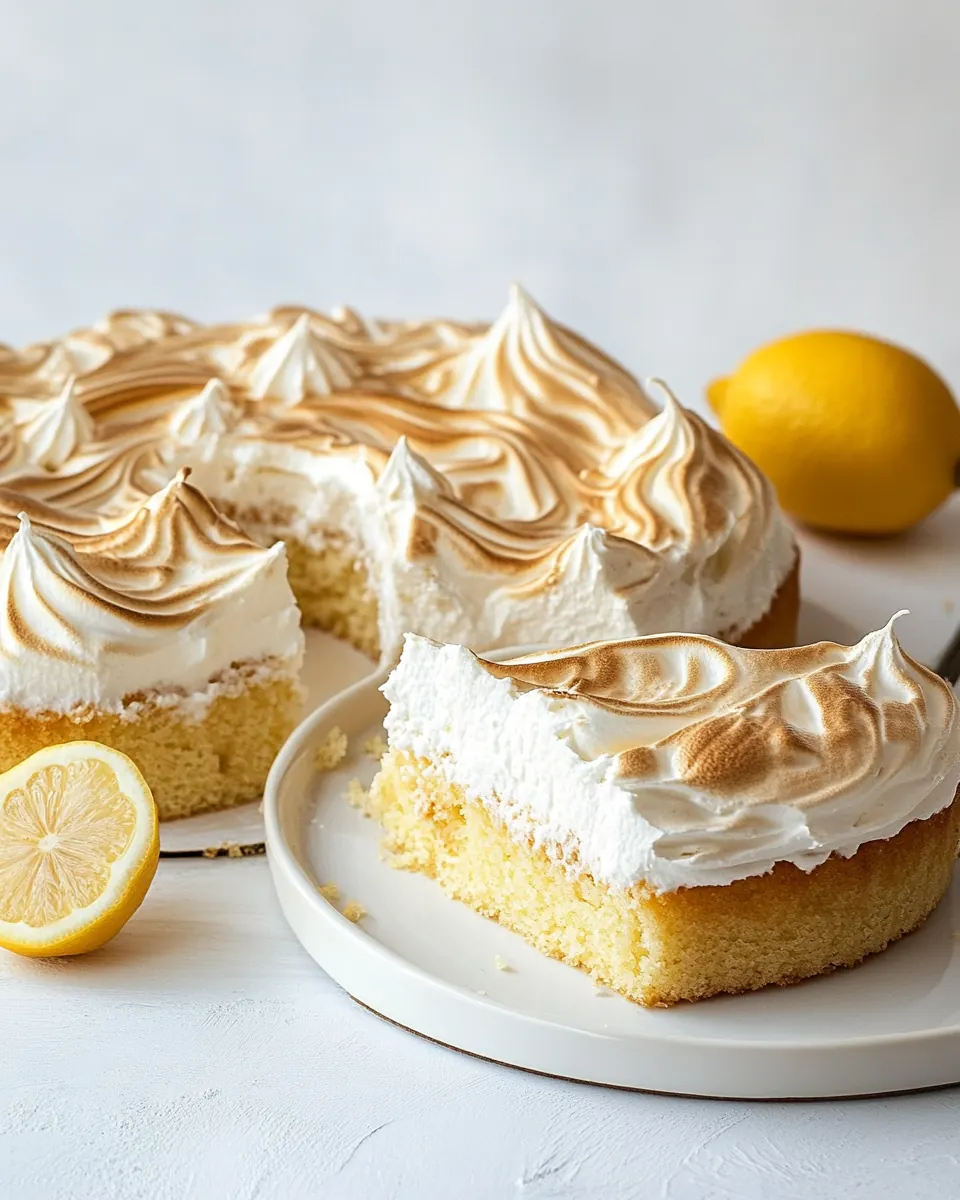
These ingredients are about balance. The cake relies on a few key players that each have an obvious purpose: acids to brighten, fats to enrich, and structure builders to give the cake shape. Together they make a tender, moist base that supports a lofty meringue. When combined thoughtfully, they deliver contrast in flavor and texture that keeps every bite interesting.
- 2/65 g large egg whites: Whip to glossy stiff peaks that provide structure and lift to the meringue topping; gently fold into sugar and cream of tartar to stabilize the foam for baking.
- 1/2 cup 100 g granulated sugar: Sweeten the meringue and cake batter while aiding in creaming; dissolve into egg whites for shine and contribute to overall sweetness and texture.
- 1/4 teaspoon cream of tartar: Stabilize the beaten egg whites to create a firmer, longer-lasting meringue; add a subtle tang that helps maintain volume during whipping and baking.
- 1/4 cup 56 g unsalted butter (1/2 stick), at room temperature: Cream until smooth to incorporate air and create a tender crumb; contribute rich flavor and moisture while helping to emulsify wet ingredients with sugar and eggs.
- 1/2 cup 100 g granulated sugar: Sweeten the butter cake batter, balancing acidity and providing bulk for caramelization and tender crumb; combine with butter to trap air when creamed.
- 1 teaspoon finely grated lemon zest, from 1 lemon: Infuse bright citrus aroma and concentrated lemon oils into the batter; enhance overall lemon flavor and provide fragrant top notes that complement the filling and meringue.
- 1 large egg, at room temperature: Bind the batter and provide structure from proteins and moisture; whisk with other wet ingredients to create an emulsion that supports leavening agents.
- 1/2 cup 120 g full fat sour cream, at room temperature: Add moisture, tang, and richness while tenderizing the crumb; react with baking soda to give gentle lift and contribute to the cake's moist texture.
- 1/2 teaspoon baking soda: React with acidic components like sour cream and lemon juice to produce carbon dioxide for leavening; help the cake rise and develop a lighter crumb.
- 1 cup 125 g all-purpose flour: Provide bulk and structure through gluten formation; absorb liquids and work with leaveners to create a tender yet stable cake crumb.
- 3/4 teaspoons baking powder: Provide additional chemical leavening to complement baking soda, ensuring an even, reliable rise and light texture throughout the cake.
- 1/2 teaspoon fine sea salt: Enhance overall flavor and balance sweetness with a subtle saline note; help strengthen gluten and improve dough handling while rounding flavors.
- 2 tablespoons 42 g Amoretti Natural Lemon Meringue Artisan flavor: Concentrate intense natural lemon–meringue flavor without altering moisture; boost aroma and mimic the signature custard-meringue profile in small, potent amounts.
- 1 tablespoon freshly squeezed lemon juice: Add fresh acidity and bright citrus flavor that reacts with baking soda for lift; balance sweetness and intensify the lemon profile in the cake.
- 1/2 teaspoon vanilla extract: Contribute floral warmth and rounded vanilla notes that deepen the cake's flavor; enhance the perception of sweetness and complement the lemon components.
Cooking Method for Lemon Meringue Butter Cake
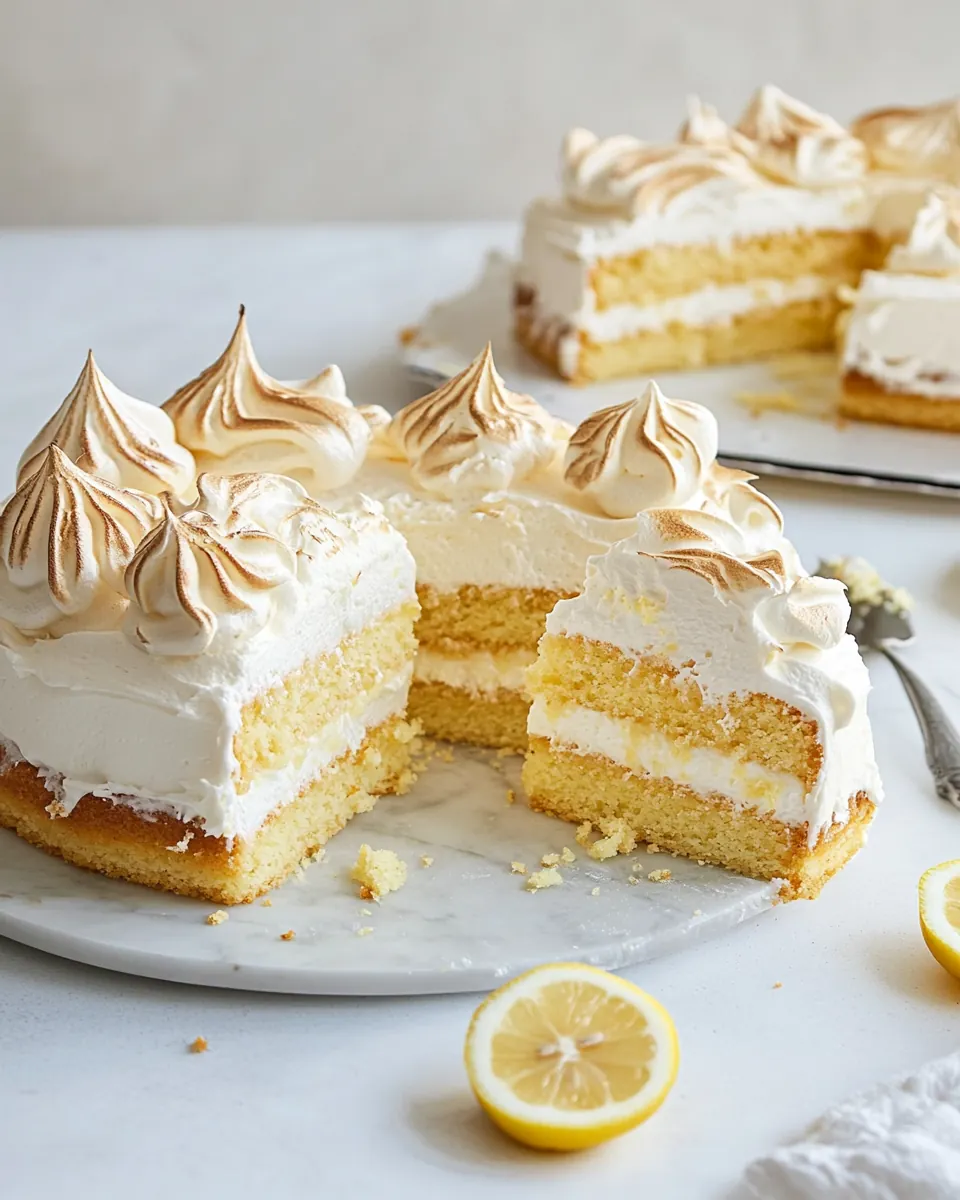
I enjoy the rhythm of assembling this cake, from warming the oven to watching the meringue take on that golden glow. The method blends familiar baking motions with attentive moments for whipping and folding. With a little patience you end up with contrasts of texture and a deeply lemony personality.
- Preheat oven to 350 degrees F. Butter an 8-by-8-inch square baking pan; line with parchment paper (but leave parchment unbuttered).: You will notice the warm scent of the oven air as it reaches temperature, which gives you a reassuring cue that everything is progressing. Buttering the pan and lining it with parchment helps the cake release cleanly when it cools, while leaving the parchment unbuttered prevents the edges from getting greasy and interfering with the meringue adhesion. If you skip properly preparing the pan, the cake can stick and tear when you lift it out. A common mistake is not centering the pan in the oven, which can lead to uneven browning; place the pan on the middle rack for the most even heat exposure.
- To make meringue, whisk sugar with cream of tartar. Place egg whites in a clean mixing bowl or the bowl of a stand mixer fitted with the whisk attachment. Whip on medium speed until egg whites form fine bubbles and hold soft peaks. Slowly add sugar, 1 tablespoon at a time, whipping about 30 seconds before the next addition. After 10 to 15 minutes the meringue should be thick and glossy and hold stiff peaks; when you rub some between your fingers you should not feel any grains of sugar.: As you whip, listen for the change from a thin liquid to a billowing, glossy foam, and you will feel the bowl warm slightly from the friction. The sugar dissolving into the foam creates that mirror shine and stable structure needed to sit on top of the batter and brown without collapsing. If the sugar is added too quickly, grains can remain and leave a gritty texture, so patience in gradual addition is essential. Another pitfall is having residual grease in the bowl, which will prevent stiff peaks; wipe any traces away first. Visually, you want a peak that stands tall and gleams, not a droopy, dull mound.
- If you have two mixing bowls, just trade the clean one onto the mixer and set the bowl of meringue aside; otherwise transfer the meringue to another bowl and then put the used mixing bowl back on the mixer (no need to clean it completely before proceeding with the next step).: Handling bowls this way saves time and keeps the meringue stable while you prepare the batter. The sensory cue here is the contrast between the cool, glossy meringue bowl and the mixing bowl you will use next. Avoid vigorous jostling of the meringue when transferring, because rough movement can deflate it. A mistake people make is letting the meringue sit uncovered in a warm spot, which will make it weep; keep it slightly covered in a cool area if you need to pause.
- In a small bowl, rub lemon zest with sugar until fragrant and evenly distributed.: Rubbing zest with sugar releases essential oils, filling the air with an intensely fresh lemon aroma that signals flavor concentration. This step integrates citrus oils into the sugar so that when the sugar dissolves into the batter the lemon notes are evenly dispersed. If you skip rubbing, you may end up with spots of zest rather than a consistent lemon profile. Be mindful of grating only the colored zest avoiding white pith, which carries bitterness and can disrupt the bright flavor you want.
- In a mixing bowl or the bowl of a stand mixer fitted with the paddle attachment, cream butter and sugar together until fluffy, 2 to 3 minutes. Add egg and mix until incorporated.: Creaming traps air into the softened unsalted butter which helps the cake rise, and the mixture should lighten in color and texture. When you add the large egg , it should blend in smoothly, creating a silky batter without lumps. If the butter is too cold, the creaming will be ineffective and the cake may be dense, whereas overly warm butter will lead to a greasy batter. A common error is overbeating after adding flour, which tightens gluten and creates a tougher crumb, so once the dry ingredients go in, mix gently.
- Mix baking soda in with sour cream; whisk baking powder and salt in with flour.: Pre-mixing these components ensures even distribution in the batter. The aroma is subtle here, but you will notice a smoother, lump-free wet mixture once you combine the baking soda with the full fat sour cream . The chemical reaction between acid and base helps create lift during baking, so accurate measurement matters. A mistake is adding leaveners directly into wet batter without pre-blending, which can cause uneven pockets of lift and inconsistent texture.
- With the mixer on low speed, add half of dry ingredients to batter, followed by half of sour cream and all of the lemon flavoring, lemon juice, and vanilla. Scrape down the sides of the bowl, then mix in remaining flour, then remaining sour cream until just incorporated.: You should notice the batter smoothing out in stages, and those small pauses let you gauge consistency and avoid overworking gluten. The lemon aroma will deepen as the zest, lemon juice, and Amoretti lemon flavor mingle with the batter, creating a layered citrus profile. The reason for alternating dry and wet is to incorporate ingredients gently and evenly without shocking the batter or creating dense pockets. Avoid vigorous mixing after adding flour to keep the crumb tender; a common misstep is to overmix here, which can lead to a firmer, less tender cake.
- Spread batter into prepared pan. Dollop meringue on top, then spread evenly over top of cake, using the back of a spoon to make swoops and swirls.: The visual is satisfying, with a pale batter base and a glossy white meringue that you shape into peaks and waves. Those swoops help the meringue brown attractively and trap small pockets of air that toast into crisp edges. When you spoon the meringue, be gentle so you do not deflate it; the idea is to keep its volume intact. A mistake is overhandling the meringue, which causes it to collapse and lose the dramatic top that makes the cake special.
- Bake for about 30 to 35 minutes or until meringue is lightly golden brown and a long skewer inserted near the center comes out with a few moist crumbs attached.: In the oven you will smell caramelizing sugar and a gentle lemon perfume as the meringue and cake finish together. The meringue should take on a delicate gold without charring, and the skewer test checks that the cake is set but still moist. If you underbake, the center will be gummy, while overbaking can dry the crumb and toughen the meringue. Try not to open the oven repeatedly, because sudden temperature changes can affect how the meringue sets.
- Place pan on a wire rack to cool completely before lifting out of pan to slice. Cut into squares. Cake is best the day it is made, but will keep, refrigerated in an airtight container, for up to 3 days (though meringue will soften the longer it sits).: Cooling fully allows the cake crumb to finish setting and prevents the meringue from sweating immediately. As it cools you will see the structure firm up, and the aroma will mellow from hot citrus to a settled, fragrant profile. If you try to unmold while warm you risk tears and a collapsed presentation. Note that refrigeration preserves freshness but softens the meringue over time, so serve sooner rather than later for the best texture experience.
Tips for Success
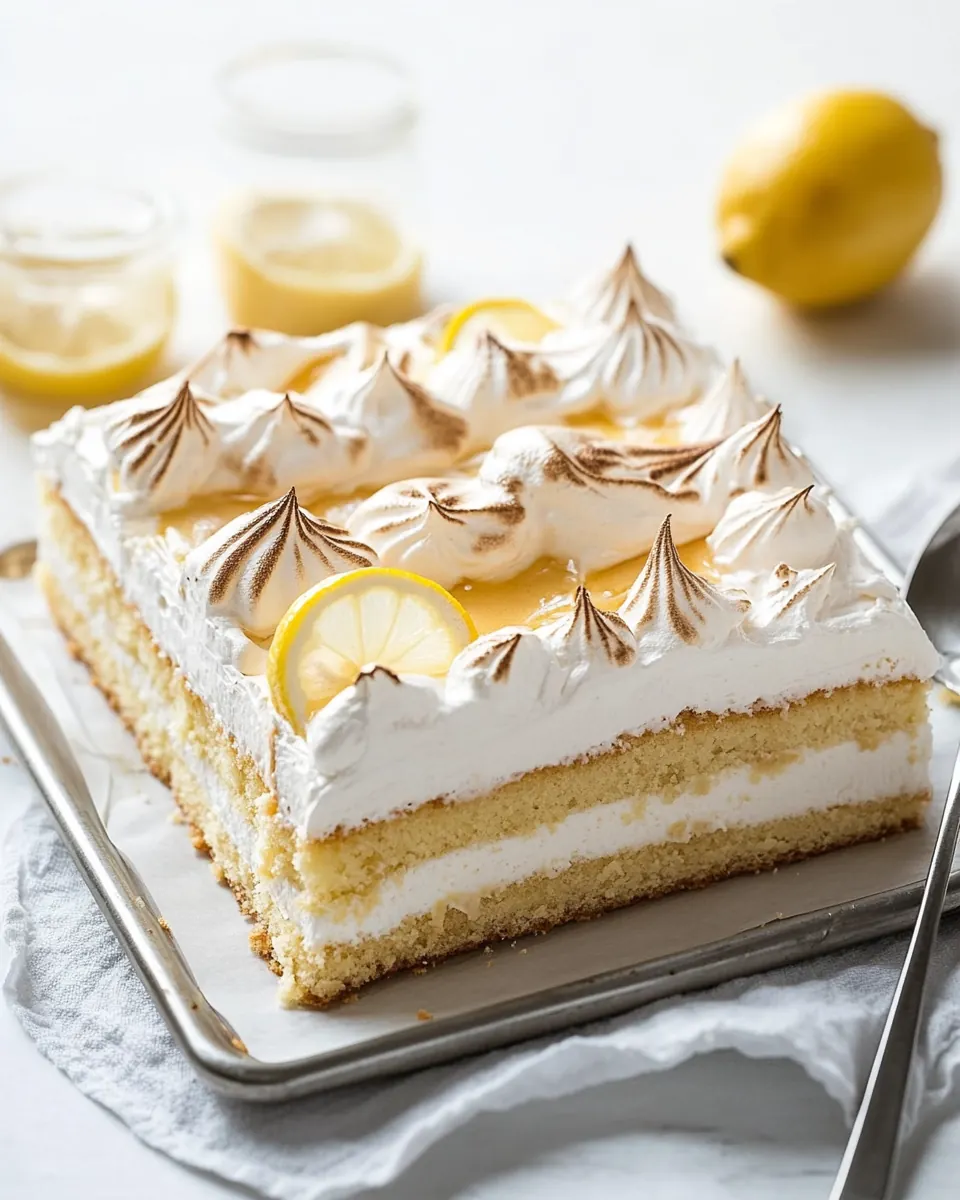
These tips come from repeated bakes and a few small experiments. I share what consistently works for me, and the list below highlights practical ways to avoid common pitfalls while elevating flavor and texture.
- Measure accurately Use a kitchen scale when possible so the balance of flour, sugar, and butter remains consistent across bakes.
- Keep tools clean Any fat residue will interfere with whipping the large egg whites, so wipe bowls and beaters with vinegar if in doubt.
- Slow sugar addition For the meringue, add sugar one tablespoon at a time to ensure it fully dissolves and yields a glossy finish.
- Control oven placement Bake on the middle rack for even heat, avoiding too close to the top element to prevent overbrowning the meringue.
- Serve fresh This cake shines the first day, as the meringue gradually softens with refrigeration; plan to serve within 24 hours for the best texture contrast.
Serve This Lemon Meringue Butter Cake With
This cake works for bright spring gatherings as well as casual after-dinner treats. Below I outline pairing ideas, serving situations, and storage notes to help you present this dessert with confidence.
- Lightly sweetened tea or coffee A cup of warm beverage balances the citrus and cuts through richness, ideal for a relaxed brunch or afternoon gathering.
- Fresh berries Serve a small bowl of berries on the side to add a fresh, juicy contrast and a visual pop for springtime occasions.
- Small scoops of yogurt For a tangy accompaniment, plain or lightly sweetened yogurt complements the cake without overwhelming the lemon notes.
- Occasion suggestions This is a lovely dessert for spring celebrations, casual dinner parties, or Ramadan if you want a sweet that is bright and shareable after sunset.
- Storage tips Keep leftover squares refrigerated in an airtight container for up to three days, though the meringue will soften over time; reheat briefly under a warm broiler if you want to refresh the top gently, watching closely to avoid burning.
- Presentation ideas Slice into neat squares and plate with a thin curl of lemon zest for a simple, elegant finish that highlights the lemon character.
FAQ
Conclusion
This Lemon Meringue Butter Cake stands out because it marries a tender, buttery crumb with a glossy, toasted meringue for a bright, textured dessert experience. It is both approachable and impressive, a recipe that rewards attention with dramatic results that are perfect for spring gatherings or cozy dinners. I hope you give it a try; the combination of lemon lift and cloudlike meringue makes it a repeatable favorite. Share it with friends, watch the smiles, and enjoy the small theatrical moment when you slice into that golden top.
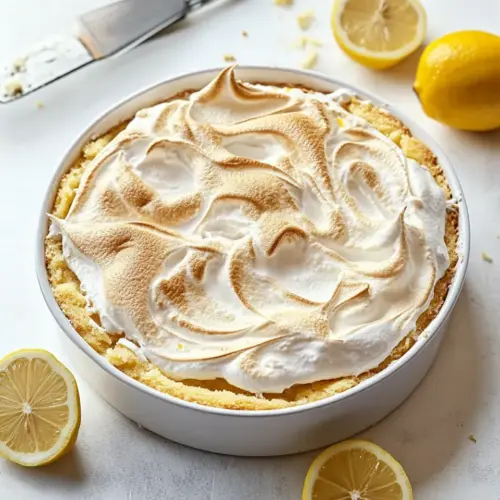
Lemon Meringue Butter Cake
Equipment
- 8-by-8-inch square baking pan
- Parchment Paper
- Stand mixer or mixing bowl and whisk
- Wire Rack
Ingredients
- 2/65 g large egg whites Whip to glossy stiff peaks that provide structure and lift to the meringue topping; gently fold into sugar and cream of tartar to stabilize the foam for baking.
- 1/2 cup 100 g granulated sugar Sweeten the meringue and cake batter while aiding in creaming; dissolve into egg whites for shine and contribute to overall sweetness and texture.
- 1/4 teaspoon cream of tartar Stabilize the beaten egg whites to create a firmer, longer-lasting meringue; add a subtle tang that helps maintain volume during whipping and baking.
- 1/4 cup 56 g unsalted butter (1/2 stick), at room temperature Cream until smooth to incorporate air and create a tender crumb; contribute rich flavor and moisture while helping to emulsify wet ingredients with sugar and eggs.
- 1/2 cup 100 g granulated sugar Sweeten the butter cake batter, balancing acidity and providing bulk for caramelization and tender crumb; combine with butter to trap air when creamed.
- 1 teaspoon finely grated lemon zest, from 1 lemon Infuse bright citrus aroma and concentrated lemon oils into the batter; enhance overall lemon flavor and provide fragrant top notes that complement the filling and meringue.
- 1 large egg, at room temperature Bind the batter and provide structure from proteins and moisture; whisk with other wet ingredients to create an emulsion that supports leavening agents.
- 1/2 cup 120 g full fat sour cream, at room temperature Add moisture, tang, and richness while tenderizing the crumb; react with baking soda to give gentle lift and contribute to the cake's moist texture.
- 1/2 teaspoon baking soda React with acidic components like sour cream and lemon juice to produce carbon dioxide for leavening; help the cake rise and develop a lighter crumb.
- 1 cup 125 g all-purpose flour Provide bulk and structure through gluten formation; absorb liquids and work with leaveners to create a tender yet stable cake crumb.
- 3/4 teaspoons baking powder Provide additional chemical leavening to complement baking soda, ensuring an even, reliable rise and light texture throughout the cake.
- 1/2 teaspoon fine sea salt Enhance overall flavor and balance sweetness with a subtle saline note; help strengthen gluten and improve dough handling while rounding flavors.
- 2 tablespoons 42 g Amoretti Natural Lemon Meringue Artisan flavor Concentrate intense natural lemon-meringue flavor without altering moisture; boost aroma and mimic the signature custard-meringue profile in small, potent amounts.
- 1 tablespoon freshly squeezed lemon juice Add fresh acidity and bright citrus flavor that reacts with baking soda for lift; balance sweetness and intensify the lemon profile in the cake.
- 1/2 teaspoon vanilla extract Contribute floral warmth and rounded vanilla notes that deepen the cake's flavor; enhance the perception of sweetness and complement the lemon components.
Instructions
- Preheat oven to 350 degrees F. Butter an 8-by-8-inch square baking pan; line with parchment paper (but leave parchment unbuttered).: You will notice the warm scent of the oven air as it reaches temperature, which gives you a reassuring cue that everything is progressing. Buttering the pan and lining it with parchment helps the cake release cleanly when it cools, while leaving the parchment unbuttered prevents the edges from getting greasy and interfering with the meringue adhesion. If you skip properly preparing the pan, the cake can stick and tear when you lift it out. A common mistake is not centering the pan in the oven, which can lead to uneven browning; place the pan on the middle rack for the most even heat exposure.
- To make meringue, whisk sugar with cream of tartar. Place egg whites in a clean mixing bowl or the bowl of a stand mixer fitted with the whisk attachment. Whip on medium speed until egg whites form fine bubbles and hold soft peaks. Slowly add sugar, 1 tablespoon at a time, whipping about 30 seconds before the next addition. After 10 to 15 minutes the meringue should be thick and glossy and hold stiff peaks; when you rub some between your fingers you should not feel any grains of sugar.: As you whip, listen for the change from a thin liquid to a billowing, glossy foam, and you will feel the bowl warm slightly from the friction. The sugar dissolving into the foam creates that mirror shine and stable structure needed to sit on top of the batter and brown without collapsing. If the sugar is added too quickly, grains can remain and leave a gritty texture, so patience in gradual addition is essential. Another pitfall is having residual grease in the bowl, which will prevent stiff peaks; wipe any traces away first. Visually, you want a peak that stands tall and gleams, not a droopy, dull mound.
- If you have two mixing bowls, just trade the clean one onto the mixer and set the bowl of meringue aside; otherwise transfer the meringue to another bowl and then put the used mixing bowl back on the mixer (no need to clean it completely before proceeding with the next step).: Handling bowls this way saves time and keeps the meringue stable while you prepare the batter. The sensory cue here is the contrast between the cool, glossy meringue bowl and the mixing bowl you will use next. Avoid vigorous jostling of the meringue when transferring, because rough movement can deflate it. A mistake people make is letting the meringue sit uncovered in a warm spot, which will make it weep; keep it slightly covered in a cool area if you need to pause.
- In a small bowl, rub lemon zest with sugar until fragrant and evenly distributed.: Rubbing zest with sugar releases essential oils, filling the air with an intensely fresh lemon aroma that signals flavor concentration. This step integrates citrus oils into the sugar so that when the sugar dissolves into the batter the lemon notes are evenly dispersed. If you skip rubbing, you may end up with spots of zest rather than a consistent lemon profile. Be mindful of grating only the colored zest avoiding white pith, which carries bitterness and can disrupt the bright flavor you want.
- In a mixing bowl or the bowl of a stand mixer fitted with the paddle attachment, cream butter and sugar together until fluffy, 2 to 3 minutes. Add egg and mix until incorporated.: Creaming traps air into the softened unsalted butter which helps the cake rise, and the mixture should lighten in color and texture. When you add the large egg , it should blend in smoothly, creating a silky batter without lumps. If the butter is too cold, the creaming will be ineffective and the cake may be dense, whereas overly warm butter will lead to a greasy batter. A common error is overbeating after adding flour, which tightens gluten and creates a tougher crumb, so once the dry ingredients go in, mix gently.
- Mix baking soda in with sour cream; whisk baking powder and salt in with flour.: Pre-mixing these components ensures even distribution in the batter. The aroma is subtle here, but you will notice a smoother, lump-free wet mixture once you combine the baking soda with the full fat sour cream . The chemical reaction between acid and base helps create lift during baking, so accurate measurement matters. A mistake is adding leaveners directly into wet batter without pre-blending, which can cause uneven pockets of lift and inconsistent texture.
- With the mixer on low speed, add half of dry ingredients to batter, followed by half of sour cream and all of the lemon flavoring, lemon juice, and vanilla. Scrape down the sides of the bowl, then mix in remaining flour, then remaining sour cream until just incorporated.: You should notice the batter smoothing out in stages, and those small pauses let you gauge consistency and avoid overworking gluten. The lemon aroma will deepen as the zest, lemon juice, and Amoretti lemon flavor mingle with the batter, creating a layered citrus profile. The reason for alternating dry and wet is to incorporate ingredients gently and evenly without shocking the batter or creating dense pockets. Avoid vigorous mixing after adding flour to keep the crumb tender; a common misstep is to overmix here, which can lead to a firmer, less tender cake.
- Spread batter into prepared pan. Dollop meringue on top, then spread evenly over top of cake, using the back of a spoon to make swoops and swirls.: The visual is satisfying, with a pale batter base and a glossy white meringue that you shape into peaks and waves. Those swoops help the meringue brown attractively and trap small pockets of air that toast into crisp edges. When you spoon the meringue, be gentle so you do not deflate it; the idea is to keep its volume intact. A mistake is overhandling the meringue, which causes it to collapse and lose the dramatic top that makes the cake special.
- Bake for about 30 to 35 minutes or until meringue is lightly golden brown and a long skewer inserted near the center comes out with a few moist crumbs attached.: In the oven you will smell caramelizing sugar and a gentle lemon perfume as the meringue and cake finish together. The meringue should take on a delicate gold without charring, and the skewer test checks that the cake is set but still moist. If you underbake, the center will be gummy, while overbaking can dry the crumb and toughen the meringue. Try not to open the oven repeatedly, because sudden temperature changes can affect how the meringue sets.
- Place pan on a wire rack to cool completely before lifting out of pan to slice. Cut into squares. Cake is best the day it is made, but will keep, refrigerated in an airtight container, for up to 3 days (though meringue will soften the longer it sits).: Cooling fully allows the cake crumb to finish setting and prevents the meringue from sweating immediately. As it cools you will see the structure firm up, and the aroma will mellow from hot citrus to a settled, fragrant profile. If you try to unmold while warm you risk tears and a collapsed presentation. Note that refrigeration preserves freshness but softens the meringue over time, so serve sooner rather than later for the best texture experience.
Notes
- Measure accurately Use a kitchen scale when possible so the balance of flour, sugar, and butter remains consistent across bakes.
- Keep tools clean Any fat residue will interfere with whipping the large egg whites, so wipe bowls and beaters with vinegar if in doubt.
- Slow sugar addition For the meringue, add sugar one tablespoon at a time to ensure it fully dissolves and yields a glossy finish.
- Control oven placement Bake on the middle rack for even heat, avoiding too close to the top element to prevent overbrowning the meringue.
- Serve fresh This cake shines the first day, as the meringue gradually softens with refrigeration; plan to serve within 24 hours for the best texture contrast.