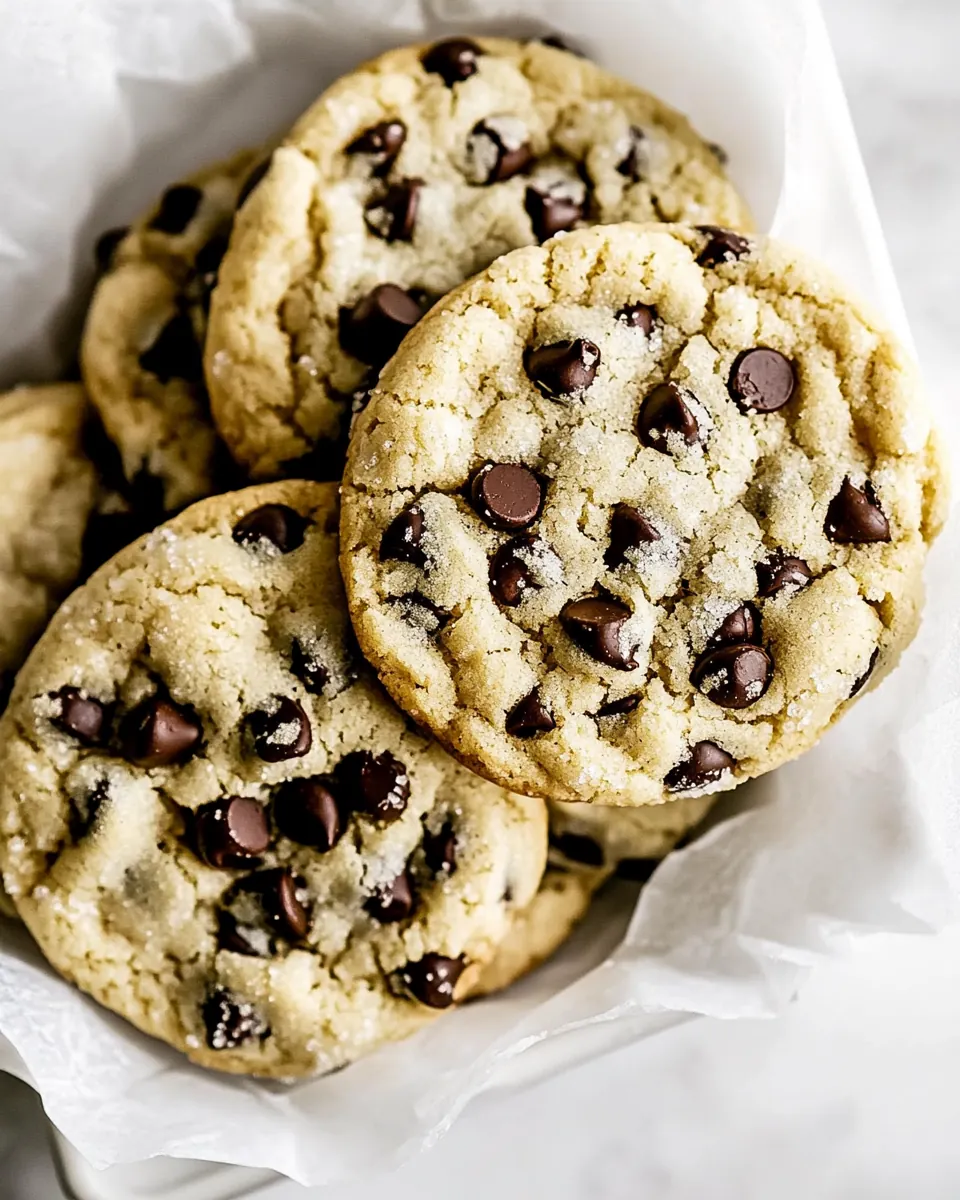
Chocolate Chip Sugar Cookies
Chocolate Chip Sugar Cookies have been my go to when I want something that feels both nostalgic and exciting at the same time.
I remember the first time I made these, the kitchen smelled of warm butter and toasted flour, and a bowl of glossy mini chocolate chips winked at me from the counter. I was making treats for a neighborhood get together, and instead of fussy pastries, I chose something simple that would let conversation flow while the oven worked its magic.
What I love about Chocolate Chip Sugar Cookies is how they bridge the gap between a classic sugar cookie and a chocolate chip cookie, with little crunchy sugar edges and soft, tender centers studded with tiny bursts of chocolate. That balance is why these cookies keep showing up at last minute gatherings, weekday baking experiments, and celebratory cookie boxes.
There’s a comforting rhythm to the process, measuring, mixing, rolling in sugar, then watching the tops crack and the chips slightly melt. Each batch has its own personality based on the temperature of the butter and how long the cookies sit before going in the oven. Over time I learned small tricks that make these cookies reliably tender and charmingly rustic.
Recipe Snapshot
25 mins
15 mins
10 mins
Medium
120 kcal
American
Gluten-Free, Low FODMAP
Desserts
Stand mixer, Paddle attachment, Mixing bowls, Spatula, Baking sheet, Parchment paper, Cooling rack
Why This Chocolate Chip Sugar Cookies Shines
1. Texture that surprises
I adore how these cookies deliver a contrast between a crisp sugared exterior and a cloud like, chewy center. The combination of all purpose flour and cornstarch creates that tender crumb, so when you bite in you get a little crunch followed by a soft, pillowy chew.
2. Bright, familiar flavors
We get sweet, buttery depth from the unsalted butter and granulated sugar, with tiny pockets of melted mini chocolate chips that make every bite interesting. The addition of a single egg yolk enriches the dough, adding silkiness without making the cookie cakey.
3. Easy to scale and share
I appreciate recipes that travel well, and these do just that. The dough is forgiving, the rolling sugar step is simple, and you can bake multiple sheets without fuss. That makes them perfect for cookie swaps, lunchbox surprises, or baking with kids.
4. Visual appeal and finishing touch
Garnishing with a few extra mini chocolate chips and a pinch of flaky sea salt elevates the look and flavor. The cracks on top make them look homemade and honest, while the salt adds a pop that wakes up the sweetness.
5. Reliable technique
From creaming the butter and sugar to the gentle mixing of dry ingredients, each step protects the cookie structure. This recipe feels like a dependable friend in the kitchen, one that rewards attention but forgives small missteps.
Shopping List for Chocolate Chip Sugar Cookies
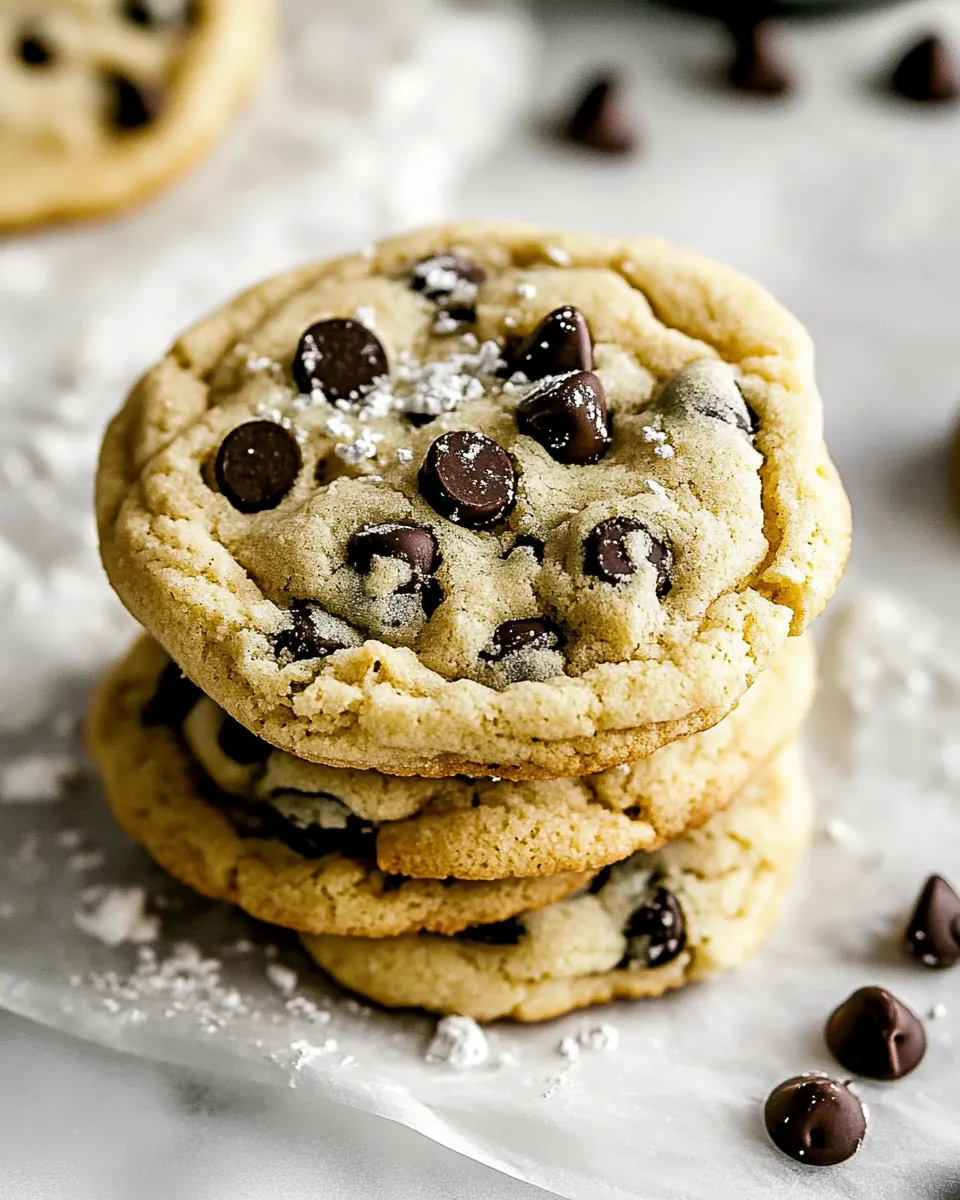
These ingredients are intentionally simple, aimed at producing the most tender, sweet cookie you can make with everyday pantry staples. The key players are the all purpose flour and cornstarch which conspire to create a delicate crumb, while the butter and sugar form the backbone of flavor and texture. Tiny mini chocolate chips add chocolate bursts without overwhelming the dough.
- 2 3/4 cups all-purpose flour, spooned and leveled: Provide structure and bulk to the dough while creating a tender crumb when measured spooned and leveled; combine with leaveners and dry ingredients for even distribution and proper texture. Ensure proper mixing to avoid overworking gluten, which keeps cookies soft rather than chewy. Measure accurately for consistent cookie spread and bake time.
- 2 teaspoons cornstarch: Lighten the texture and help set the cookie by tenderizing the flour proteins for a softer bite; cornstarch also reduces spread during baking. Sift or whisk with other dry ingredients to evenly incorporate and prevent lumps. Use the specified amount to maintain the intended delicate crumb.
- 1 teaspoon baking soda: Leaven the dough by producing carbon dioxide when reacting with acidic components, contributing lift and a slightly airy texture. Ensure it’s evenly mixed with dry ingredients so cookies rise uniformly. Replace or adjust only if recipe chemistry is altered.
- 3/4 teaspoons salt: Enhance overall flavor balance and control yeast-like rising by seasoning the dough; salt also strengthens gluten bonds slightly, improving texture. Dissolve or mix thoroughly with dry ingredients to avoid concentrated salty pockets. Adjust only for dietary needs, as it affects sweetness perception.
- 1/2 teaspoon baking powder: Provide a secondary leavening boost for fine crumb and slight tenderness when used with baking soda and heat; baking powder helps achieve consistent rise. Whisk with other dry ingredients to ensure even distribution. Use measured amount to preserve intended cookie structure.
- 1 cup unsalted butter, at cool room temperature: Cream with sugar to incorporate air, creating a light, tender cookie base; cool room temperature butter blends smoothly without becoming greasy. Contribute to flavor richness and mouthfeel, so avoid using melted or overly soft butter which alters spread. Chill dough if necessary to control shape during baking.
- 1 3/4 cup granulated sugar: Sweeten and aerate when creamed with butter, creating structure and a tender crumb while contributing to browning and caramelized notes. Provide bulk sweetness and influence spread, so measure precisely to maintain cookie texture. Granulated sugar also offers slight crisp edges when baked.
- 1 large egg: Bind ingredients and add moisture while contributing to leavening and richness; whole egg adds structure through coagulated proteins and emulsification. Beat or add at room temperature for even incorporation and smoother dough. Adjust only if altering overall fat or liquid balance.
- 1 large egg yolk: Enrich dough with additional fat and richness while increasing chewiness and tender texture; the yolk adds concentrated emulsifiers for smoother dough. Combine with other wet ingredients to ensure even distribution and improved mouthfeel. Use exactly one yolk to maintain intended moisture.
- 1 tablespoon pure vanilla extract: Boost overall flavor profile with warm, aromatic sweetness and enhance perceived complexity; pure vanilla extract complements the chocolate and sugar. Add with wet ingredients for even dispersion and avoid using artificial imitations if seeking deeper flavor. Use measured amount to prevent overpowering other flavors.
- 1 cup mini chocolate chips, plus more for garnish: Provide concentrated chocolate flavor and textural pops distributed through the cookie for delightful bites; mini size ensures even chocolate in every mouthful. Fold in gently to keep dough aeration, and reserve extra for garnish to enhance appearance. Use quality chocolate for best taste.
- 1/3 cup granulated sugar, for rolling cookies: Create a subtle crunchy exterior contrast by rolling cookie dough balls before baking, adding sparkle and extra sweetness to the edges. Use fine granulated sugar to coat evenly without melting excessively, preserving shape and texture. Roll immediately before baking for best adherence.
- Flaky sea salt, for sprinkling (optional): Finish cookies with a touch of briny contrast and highlight the sweetness when sprinkled after baking; flaky sea salt enhances complexity and depth of flavor. Apply sparingly to avoid overpowering the cookie and to maintain balance. Use optional according to personal taste preferences.
Recipe Steps for Chocolate Chip Sugar Cookies
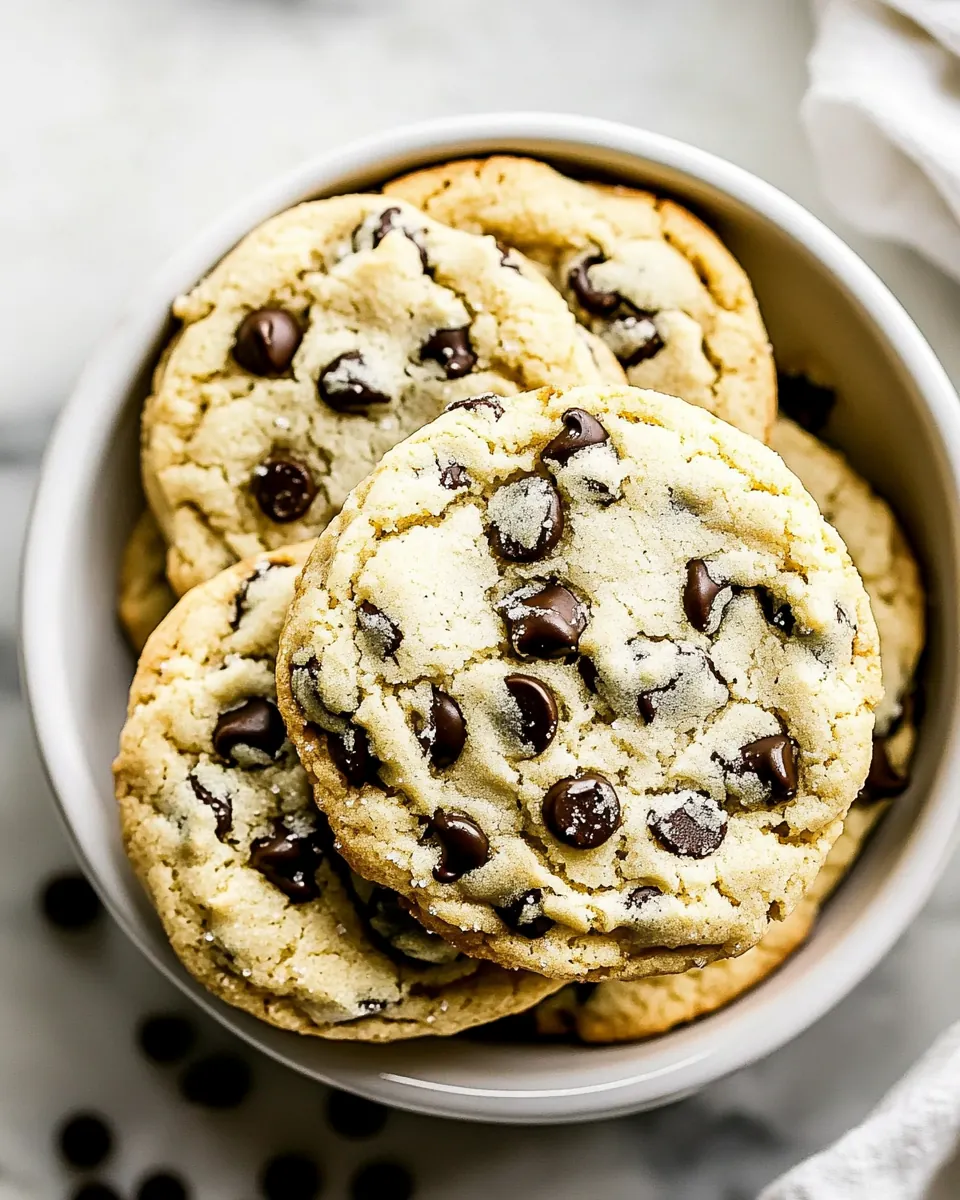
These directions are straightforward, but small choices produce big results. I like to move deliberately through each stage so the cookies develop the right balance of crackled top, soft center, and caramelized edges.
- Preheat oven to 350 degrees F. Line a large baking sheet with parchment paper and set aside.: When the oven warms, you will notice a dry, warm air that makes preheating essential, because consistent oven heat ensures even spread and browning. The parchment prevents sticking and promotes uniform bottoms, reducing the risk of overbrowned undersides. A common mistake is skipping preheat, which can cause uneven rise and flatter cookies.
- In a medium bowl, whisk together the flour, cornstarch, baking soda, salt, and baking powder. Set aside.: Mixing the dry ingredients until homogenous lets you see the pale, powdery blend that signals even leavening and seasoning. The cornstarch should be evenly dispersed so each bite is tender. If you under mix here, you may end up with pockets of baking soda causing odd flavor and uneven texture.
- In the bowl of a stand mixer fitted with the paddle attachment, beat the butter on medium speed for 1 minute. Add 1 3/4 cups of the sugar and beat until light and fluffy, about 2 minutes. Stop and scrape down the sides of the bowl with a spatula, as necessary.: You'll see the pale, whipped mixture transform into a soft, airy cream as tiny sugar crystals aerate the butter . This is the moment the dough builds its lift and tenderness, plus the sound changes to a light whir. Scraping ensures no dense pockets remain; failing to scrape often results in uneven texture.
- Add the egg, egg yolk, vanilla extract and mix until well combined.: The batter will go glossy and smooth, and the aroma of vanilla will open up. Incorporating the yolk adds richness, while the egg gives structure. Over mixing at this stage can introduce too much air, leading to excessive spread, so stop when the mixture looks cohesive.
- With the mixer off, add the dry ingredients. Mix on low until just combined.: At this point, the dough should come together into a slightly sticky, dense mass without visible streaks of flour. Mixing gently avoids developing gluten, which keeps the cookies tender. Overworking will produce chewier, tougher cookies.
- Stir in the mini chocolate chips with a spatula. Don’t over mix.: Folding by hand preserves the dough's soft structure, and you will see countless tiny dots of chocolate distributed through the pale dough. Gentle incorporation prevents the chips from melting into large streaks. A common error is vigorous stirring which warms the dough and causes the chips to clump.
- Put the 1/3 cup of sugar in a small bowl. Form the dough into balls, about 2 tablespoons per cookie. Roll each ball in the sugar until well coated. Place on the prepared baking sheet, about 2 inches apart.: Rolling creates a sparkling shell that caramelizes slightly while baking, producing texture contrast. You'll feel the dough yield under your fingers, and the sugar will cling to the surface. Crowding the pan causes the cookies to merge, so give them space.
- Gently press extra mini chocolate chips on top of the cookie dough balls.: Pressing a few extra chips gives a pretty finish and guarantees visible chocolate on the top of each cookie. The chips will sink slightly in the heat, creating inviting pockets. Avoid pressing too hard, which can flatten the dough and alter the intended height.
- Bake for 10 to 12 minutes or until the cookies start to crack. They will be soft in the centers and slightly set around the edges. Check early, every oven is different. Don’t over bake or the cookies won’t be soft and chewy.: As the cookies bake, you will notice edges take on golden color and tops form those signature cracks, with a warm, sugary aroma filling the kitchen. The centers should still look a touch underdone, because residual heat finishes them on the sheet. Overbaking makes them dry and crisp rather than tender.
- Remove the pan from the oven and sprinkle with flaky sea salt, if using. Let the cookies cool on the baking sheet for 5 minutes. Transfer the cookies to a cooling rack and cool completely.: Cooling on the sheet allows the cookies to set while retaining chewiness, and the salt will melt slightly into the warm surface, making the flavor lively. If you move them too soon they can break, and if you leave them too long they can flatten from residual heat. Wait the recommended minutes for best texture.
Ways to Adapt This Recipe
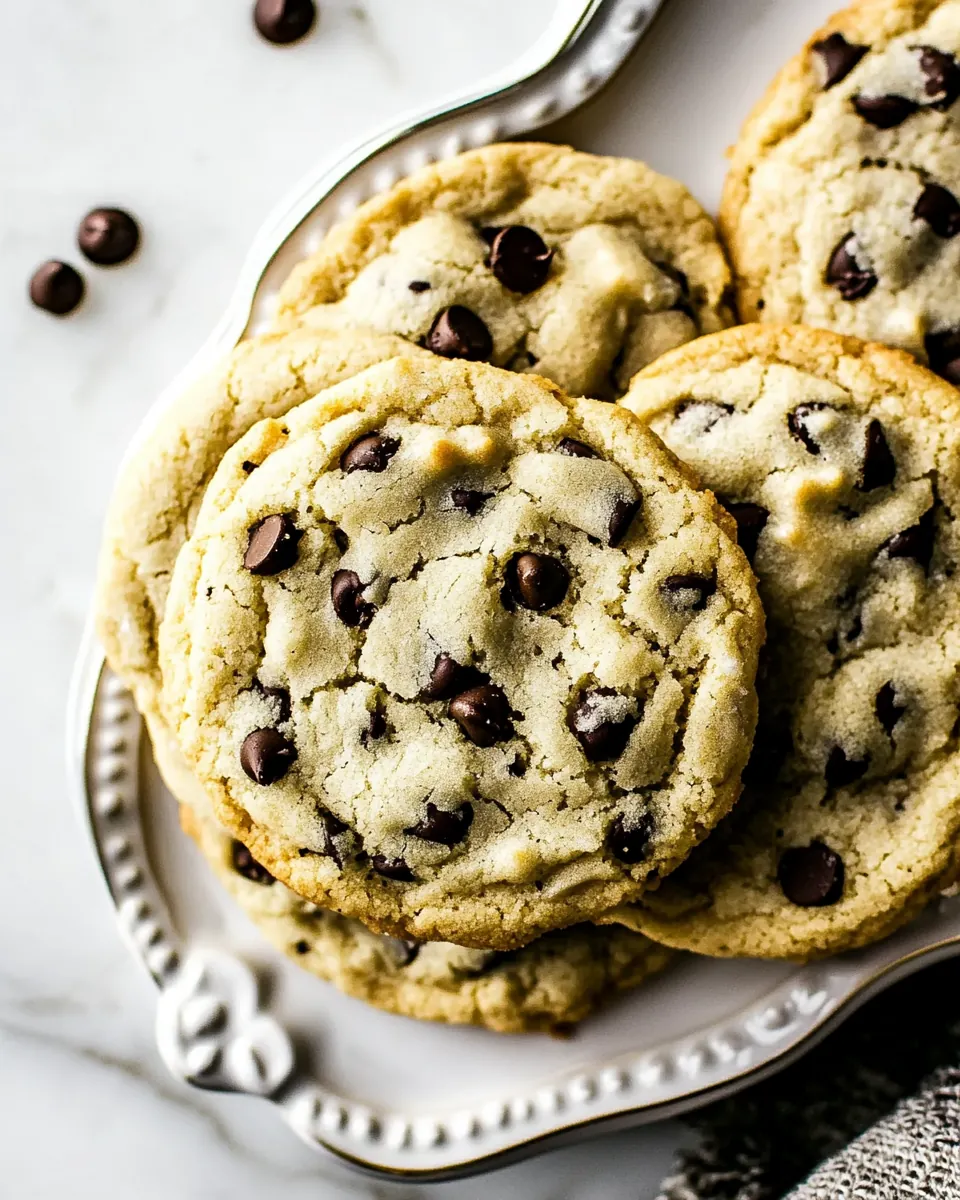
These adaptations help you personalize texture, sweetness, and presentation while keeping the core method intact. Each tip begins with a short highlight to make it easy to scan, then explains the technique and expected result.
- Use browned butter to add deep nutty notes, simply brown the butter until it smells toasty, cool slightly, then proceed. Browned butter adds complexity but will liquefy the dough more so chill slightly before shaping.
- Chill the dough for firmer, thicker cookies, refrigerate for 30 minutes to an hour after mixing. Chilled dough spreads less and yields taller cookies, but let it soften slightly so it is scoopable for rolling.
- Adjust sugar coating for texture contrast, use raw turbinado for a crunchier edge or superfine for a subtle sheen. Different sugars change the bite and appearance, so choose based on the finish you prefer.
- Freeze dough balls for bake ahead convenience, place rolled, sugared balls on a tray, freeze solid, then store in a bag. Bake from frozen adding an extra minute or two to the time, and space them well on the sheet.
- Use mini chips only for even chocolate distribution, mini chips maintain structure and give pockets of sweetness without weighing down the dough. Larger chips can create uneven melt zones.
Best Served With
These cookies work in many settings, from afternoon tea to festive cookie boxes. Below I outline pairing ideas, serving styles, and storage notes to help you present them beautifully.
- For informal gatherings: Stack a plate of warm Chocolate Chip Sugar Cookies on a serving board with a simple ribbon. They travel well to potlucks and pair nicely with plain beverages for a crowd pleasing snack.
- For celebrations: Arrange on a tiered tray or in a decorative box, sprinkle tops with flaky sea salt for an elevated touch, and include a note about the bake date for gifting.
- Lunchbox friendly: Pack one or two cookies in a small container with parchment to prevent sticking, they make a sweet treat for school or work and hold their texture for a day.
- Storage and make ahead: Place cooled cookies in an airtight container at room temperature for up to three days, or freeze baked cookies for up to three months. Thaw at room temperature before serving for best texture.
- Seasonal pairings: These cookies shine during year round occasions, set them out at holiday cookie exchanges, springtime picnics, or cozy winter tea breaks, because their timeless flavor suits every season.
FAQ
Conclusion
These Chocolate Chip Sugar Cookies stand out because they marry a crisp, sugared exterior with a soft, chewy center and even pockets of chocolate, making them irresistibly approachable. Give them a whirl the next time you want a reliable, crowd pleasing cookie that photographs and tastes great, and you might find yourself baking them on repeat. I hope you enjoy the satisfying ritual of mixing, rolling, and sharing these cookies, and that they become a go to treat in your kitchen.
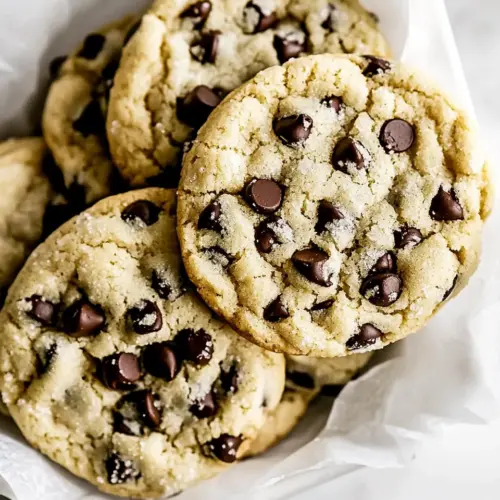
Chocolate Chip Sugar Cookies
Equipment
- Stand mixer
- Paddle attachment
- Mixing Bowls
- Spatula
- Baking Sheet
- Parchment Paper
- Cooling rack
Ingredients
- 2 3/4 cups all-purpose flour, spooned and leveled Provide structure and bulk to the dough while creating a tender crumb when measured spooned and leveled; combine with leaveners and dry ingredients for even distribution and proper texture. Ensure proper mixing to avoid overworking gluten, which keeps cookies soft rather than chewy. Measure accurately for consistent cookie spread and bake time.
- 2 teaspoons cornstarch Lighten the texture and help set the cookie by tenderizing the flour proteins for a softer bite; cornstarch also reduces spread during baking. Sift or whisk with other dry ingredients to evenly incorporate and prevent lumps. Use the specified amount to maintain the intended delicate crumb.
- 1 teaspoon baking soda Leaven the dough by producing carbon dioxide when reacting with acidic components, contributing lift and a slightly airy texture. Ensure it’s evenly mixed with dry ingredients so cookies rise uniformly. Replace or adjust only if recipe chemistry is altered.
- 3/4 teaspoons salt Enhance overall flavor balance and control yeast-like rising by seasoning the dough; salt also strengthens gluten bonds slightly, improving texture. Dissolve or mix thoroughly with dry ingredients to avoid concentrated salty pockets. Adjust only for dietary needs, as it affects sweetness perception.
- 1/2 teaspoon baking powder Provide a secondary leavening boost for fine crumb and slight tenderness when used with baking soda and heat; baking powder helps achieve consistent rise. Whisk with other dry ingredients to ensure even distribution. Use measured amount to preserve intended cookie structure.
- 1 cup unsalted butter, at cool room temperature Cream with sugar to incorporate air, creating a light, tender cookie base; cool room temperature butter blends smoothly without becoming greasy. Contribute to flavor richness and mouthfeel, so avoid using melted or overly soft butter which alters spread. Chill dough if necessary to control shape during baking.
- 1 3/4 cup granulated sugar Sweeten and aerate when creamed with butter, creating structure and a tender crumb while contributing to browning and caramelized notes. Provide bulk sweetness and influence spread, so measure precisely to maintain cookie texture. Granulated sugar also offers slight crisp edges when baked.
- 1 large egg Bind ingredients and add moisture while contributing to leavening and richness; whole egg adds structure through coagulated proteins and emulsification. Beat or add at room temperature for even incorporation and smoother dough. Adjust only if altering overall fat or liquid balance.
- 1 large egg yolk Enrich dough with additional fat and richness while increasing chewiness and tender texture; the yolk adds concentrated emulsifiers for smoother dough. Combine with other wet ingredients to ensure even distribution and improved mouthfeel. Use exactly one yolk to maintain intended moisture.
- 1 tablespoon pure vanilla extract Boost overall flavor profile with warm, aromatic sweetness and enhance perceived complexity; pure vanilla extract complements the chocolate and sugar. Add with wet ingredients for even dispersion and avoid using artificial imitations if seeking deeper flavor. Use measured amount to prevent overpowering other flavors.
- 1 cup mini chocolate chips, plus more for garnish Provide concentrated chocolate flavor and textural pops distributed through the cookie for delightful bites; mini size ensures even chocolate in every mouthful. Fold in gently to keep dough aeration, and reserve extra for garnish to enhance appearance. Use quality chocolate for best taste.
- 1/3 cup granulated sugar, for rolling cookies Create a subtle crunchy exterior contrast by rolling cookie dough balls before baking, adding sparkle and extra sweetness to the edges. Use fine granulated sugar to coat evenly without melting excessively, preserving shape and texture. Roll immediately before baking for best adherence.
- Flaky sea salt, for sprinkling, optional Finish cookies with a touch of briny contrast and highlight the sweetness when sprinkled after baking; flaky sea salt enhances complexity and depth of flavor. Apply sparingly to avoid overpowering the cookie and to maintain balance. Use optional according to personal taste preferences.
Instructions
- Preheat oven to 350 degrees F. Line a large baking sheet with parchment paper and set aside.: When the oven warms, you will notice a dry, warm air that makes preheating essential, because consistent oven heat ensures even spread and browning. The parchment prevents sticking and promotes uniform bottoms, reducing the risk of overbrowned undersides. A common mistake is skipping preheat, which can cause uneven rise and flatter cookies.
- In a medium bowl, whisk together the flour, cornstarch, baking soda, salt, and baking powder. Set aside.: Mixing the dry ingredients until homogenous lets you see the pale, powdery blend that signals even leavening and seasoning. The cornstarch should be evenly dispersed so each bite is tender. If you under mix here, you may end up with pockets of baking soda causing odd flavor and uneven texture.
- In the bowl of a stand mixer fitted with the paddle attachment, beat the butter on medium speed for 1 minute. Add 1 3/4 cups of the sugar and beat until light and fluffy, about 2 minutes. Stop and scrape down the sides of the bowl with a spatula, as necessary.: You'll see the pale, whipped mixture transform into a soft, airy cream as tiny sugar crystals aerate the butter . This is the moment the dough builds its lift and tenderness, plus the sound changes to a light whir. Scraping ensures no dense pockets remain; failing to scrape often results in uneven texture.
- Add the egg, egg yolk, vanilla extract and mix until well combined.: The batter will go glossy and smooth, and the aroma of vanilla will open up. Incorporating the yolk adds richness, while the egg gives structure. Over mixing at this stage can introduce too much air, leading to excessive spread, so stop when the mixture looks cohesive.
- With the mixer off, add the dry ingredients. Mix on low until just combined.: At this point, the dough should come together into a slightly sticky, dense mass without visible streaks of flour. Mixing gently avoids developing gluten, which keeps the cookies tender. Overworking will produce chewier, tougher cookies.
- Stir in the mini chocolate chips with a spatula. Don’t over mix.: Folding by hand preserves the dough's soft structure, and you will see countless tiny dots of chocolate distributed through the pale dough. Gentle incorporation prevents the chips from melting into large streaks. A common error is vigorous stirring which warms the dough and causes the chips to clump.
- Put the 1/3 cup of sugar in a small bowl. Form the dough into balls, about 2 tablespoons per cookie. Roll each ball in the sugar until well coated. Place on the prepared baking sheet, about 2 inches apart.: Rolling creates a sparkling shell that caramelizes slightly while baking, producing texture contrast. You'll feel the dough yield under your fingers, and the sugar will cling to the surface. Crowding the pan causes the cookies to merge, so give them space.
- Gently press extra mini chocolate chips on top of the cookie dough balls.: Pressing a few extra chips gives a pretty finish and guarantees visible chocolate on the top of each cookie. The chips will sink slightly in the heat, creating inviting pockets. Avoid pressing too hard, which can flatten the dough and alter the intended height.
- Bake for 10 to 12 minutes or until the cookies start to crack. They will be soft in the centers and slightly set around the edges. Check early, every oven is different. Don’t over bake or the cookies won’t be soft and chewy.: As the cookies bake, you will notice edges take on golden color and tops form those signature cracks, with a warm, sugary aroma filling the kitchen. The centers should still look a touch underdone, because residual heat finishes them on the sheet. Overbaking makes them dry and crisp rather than tender.
- Remove the pan from the oven and sprinkle with flaky sea salt, if using. Let the cookies cool on the baking sheet for 5 minutes. Transfer the cookies to a cooling rack and cool completely.: Cooling on the sheet allows the cookies to set while retaining chewiness, and the salt will melt slightly into the warm surface, making the flavor lively. If you move them too soon they can break, and if you leave them too long they can flatten from residual heat. Wait the recommended minutes for best texture.
Notes
- Use browned butter to add deep nutty notes, simply brown the butter until it smells toasty, cool slightly, then proceed. Browned butter adds complexity but will liquefy the dough more so chill slightly before shaping.
- Chill the dough for firmer, thicker cookies, refrigerate for 30 minutes to an hour after mixing. Chilled dough spreads less and yields taller cookies, but let it soften slightly so it is scoopable for rolling.
- Adjust sugar coating for texture contrast, use raw turbinado for a crunchier edge or superfine for a subtle sheen. Different sugars change the bite and appearance, so choose based on the finish you prefer.
- Freeze dough balls for bake ahead convenience, place rolled, sugared balls on a tray, freeze solid, then store in a bag. Bake from frozen adding an extra minute or two to the time, and space them well on the sheet.
- Use mini chips only for even chocolate distribution, mini chips maintain structure and give pockets of sweetness without weighing down the dough. Larger chips can create uneven melt zones.
