Kosher Chicken Paprikash
Kosher Chicken Paprikash is the kind of dish that wrapped my childhood Sundays in warm, fragrant comfort. The moment my mother would set a heavy pot on the stove, the whole apartment would change, a gentle hush falling as the scent of paprika and sizzling onion promised an evening of slow conversation and full plates. I still remember the slightly sweet, smoky aroma that drifted down the hallway, the kind that made you hurry home from errands and drop your bags at the door.
Years later I learned to make my own version, leaning into the simplicity of tender chicken simmered in a vibrant, pepper and tomato based sauce. There is a comfort to the routine of chopping, blending, and stirring, and I love how the flavors deepen if you give the pot more time. Friends often ask how such humble ingredients can yield something so soul satisfying. The answer, for me, is attention to texture and seasoning, and the little rituals that turn cooking into memory.
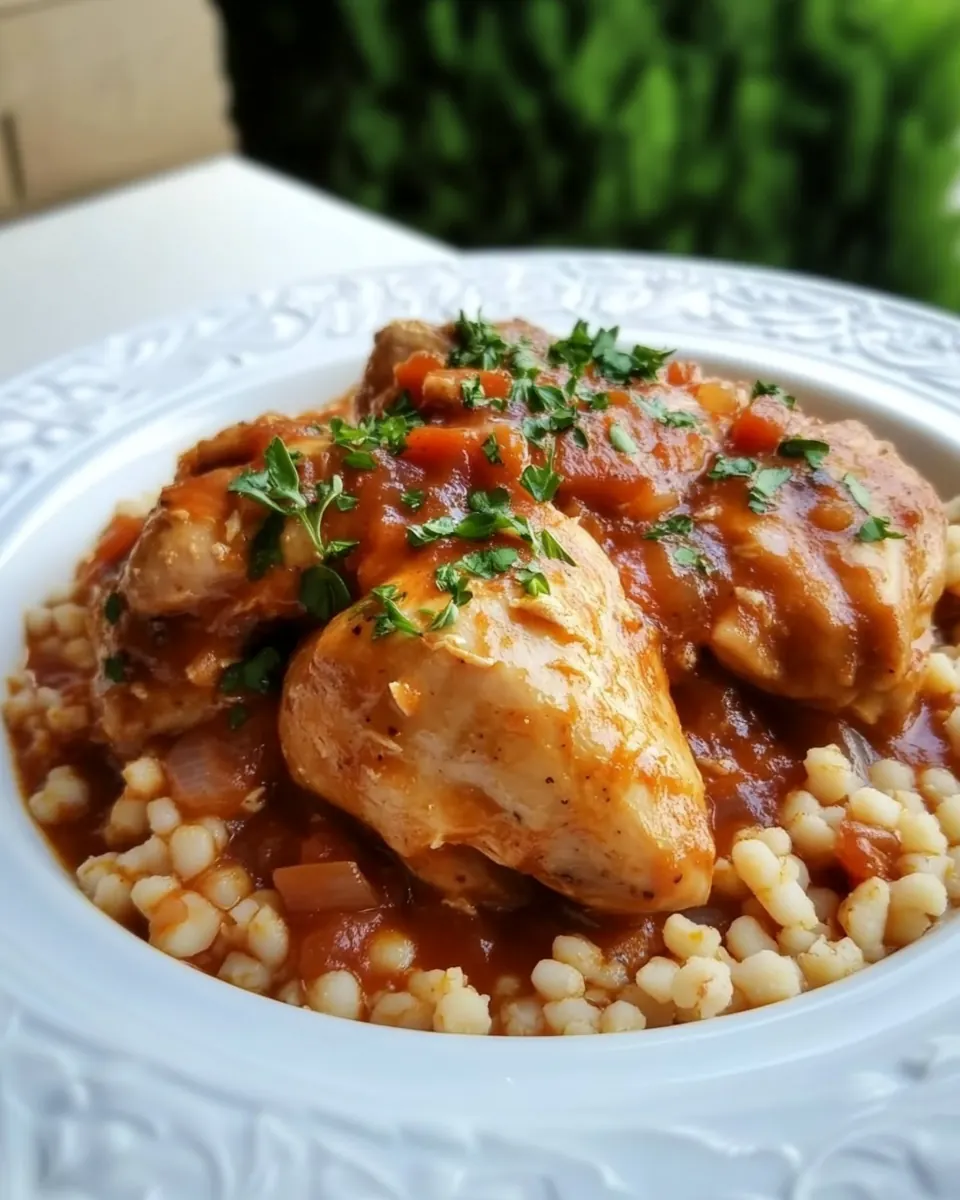
When I serve Kosher Chicken Paprikash I like to ladle it over homemade nokedli or pillowy egg noodles, watching the sauce cling to each morsel, the parsley flecks bright against the warm red. It is a dish that invites company, quiet conversation, and leftovers that somehow taste even better the next day. I learned to vary the heat and the thickness depending on the mood, and those small choices keep the recipe feeling personal every time I make it.
Recipe Snapshot
1 hr 45 mins
15 mins
90 mins
Medium
450 kcal
Hungarian
Gluten-Free, Paleo
Dinner
Large pot, Blender
What’s Great About This Kosher Chicken Paprikash
Rich, balanced flavor
I adore how Kosher Chicken Paprikash balances smoky paprika with the natural sweetness of blended tomatoes and roasted bell peppers. The mix provides depth without overwhelming the chicken, and you can taste each layer as the sauce slowly reduces.
Comforting texture
The long, gentle simmer turns tough connective tissue into silk, yielding chicken that pulls apart tenderly. I love the mouthfeel, the way the sauce thickens and clings to the meat when you finish with a cornstarch slurry.
Family friendly and flexible
This recipe adapts to what you have at home, and it keeps well. I often make a larger batch because it reheats beautifully, and the flavors meld even more overnight. It is hearty enough for company, but cozy enough for a weekday supper.
Simple techniques, big payoff
The method relies on a few straightforward tricks, like caramelizing onion to build sweetness and blending roasted vegetables for a silky sauce. Those steps are approachable even if you are not a seasoned cook, and they make a huge difference.
Kosher mindful
Because it uses plain ingredients and clear steps, it is easy to keep this recipe kosher. I appreciate that the end result feels celebratory while staying comfortably traditional.
What to Gather for Kosher Chicken Paprikash
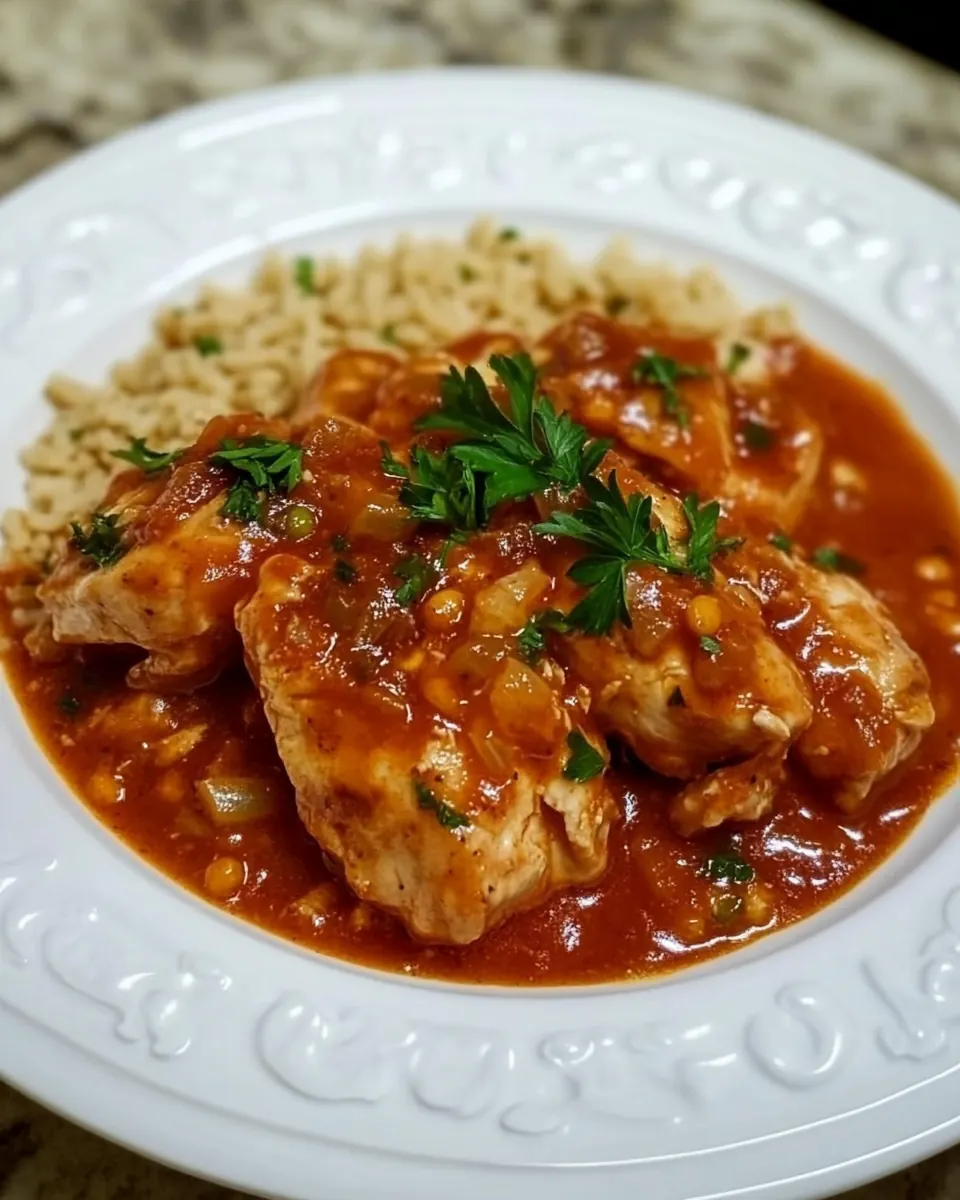
These ingredients form a simple, purposeful pantry for a classic Eastern European stew. Each item plays a distinct role, from the meat that provides body, to the aromatics that build flavor, and the cornstarch that finishes the sauce. I think of the onion and garlic as the foundation, the blended tomatoes and bell peppers as the color and brightness, and the paprika as the signature note that defines the dish.
- 12 pieces chicken legs and thighs: Provide rich, meaty flavor and substantial protein while forming the main body of the dish; brown to develop a caramelized crust before simmering to keep meat tender and infuse the sauce.
- 2 teaspoons paprika (Hungarian paprika is best): Add warm, smoky sweetness and color; sprinkle during cooking to build the classic paprika-forward taste and stir in gently to avoid burning which would turn it bitter.
- 2 red bell peppers, seeded: Contribute bright, sweet, and slightly vegetal notes while adding texture; roast or sauté after seeding to deepen flavor and help create a saucy base when combined with tomatoes.
- 2 tomatoes: Introduce fresh acidity and juiciness to balance richness; chop and cook down to form part of the sauce that complements the paprika and peppers.
- 1 teaspoon chicken consomme powder: Enhance savory depth and umami to amplify chicken flavor; dissolve into the cooking liquid to bolster the broth-like elements of the paprikash.
- 4 cloves fresh garlic: Provide pungent aromatic lift and savory depth; mince and sauté briefly with onions to release fragrance and support the overall savory profile.
- 1 1/2 tablespoons olive oil: Supply fat for browning and a subtle fruity undertone; use to sear chicken and sauté vegetables to prevent sticking and carry flavors.
- 2 onions (peeled and sliced): Offer sweet, aromatic foundation and body to the sauce; slice and caramelize slowly to impart natural sweetness and help thicken the base.
- 1/4 cup fresh chopped parsley, divided: Add fresh herbal brightness and a clean finish; reserve some for garnish to lift the dish and mix the rest into the sauce for subtle green notes.
- Salt and black pepper to taste: Season and balance flavors by enhancing savory components and controlling taste; add gradually while tasting to achieve the desired savory profile.
- 2 tablespoons cornstarch: Act as a thickening agent to achieve a silky, clingy sauce; whisk with a bit of liquid before adding to the simmer to prevent lumps and cook until translucent.
- Homemade nokedli (spätzle) for serving (see notes): Provide traditional starchy accompaniment to soak up sauce and complete the meal; serve alongside the paprikash to make the dish hearty and authentic.
Making Kosher Chicken Paprikash
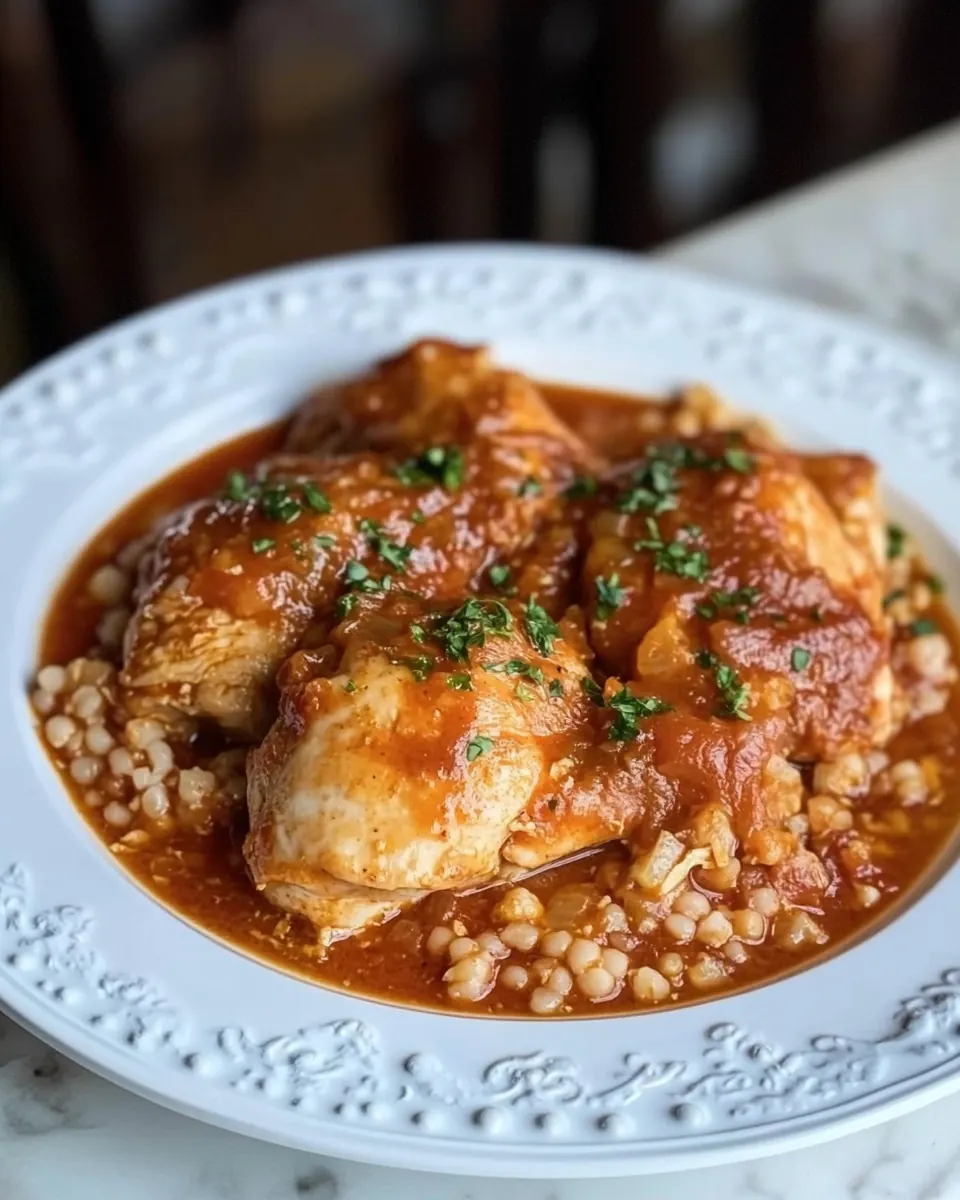
We approach the cooking as a sequence of thoughtful acts, each building a layer of flavor. Start by seasoning, then blend the vegetables into a bright sauce, caramelize your onion, and simmer patiently. Keep an eye on visual cues and aroma to know when each stage is complete.
- Before he begins, Michael likes to take the skin off of the chicken, so the dish doesn't contain as much fat. You can leave the skin on if you prefer. Sprinkle the chicken pieces generously with paprika, salt and pepper (if using kosher chicken, salt lightly).: As you handle the chicken , you will notice the texture change depending on whether the skin stays. Removing the skin reduces surface fat, leading to a lighter sauce and a cleaner mouthfeel, while leaving it on will give more unctuous richness. The sound of the pieces hitting the cutting board and the sight of pale flesh is reassuring, and you should pat each piece dry to promote even seasoning adhesion. A common mistake is skipping this drying step, which makes spices slide off, so take a moment to blot the chicken with paper towel before seasoning. If you choose to keep the skin, expect rendered oil during cooking; skim if you prefer a leaner finish.
- Place the bell peppers, tomatoes, chicken consomme powder and garlic into a blender.: When you dust the chicken with paprika , the vibrant red instantly lifts the visual appeal and begins contributing smoky sweet aromatics. The gentle grain of the spice coats the meat, and you may feel the slight texture under your fingers. Seasoning early allows the flavors to penetrate as it rests. Watch out for over salting, especially with kosher chicken , because it can draw out moisture and dry the meat if left too long.
- Blend to form a sauce.: Adding the prepared bell peppers and tomatoes to the blender with the garlic and consomme readies the sauce base. You will hear the blender whir and see the colors turn from separate ingredients into a unified mixture. The aroma will sharpen, with a fresh vegetal note rising. A common pitfall is overfilling the blender, which can lead to uneven blending, so work in batches if needed.
- In a large pot, heat olive oil over medium. Saute the onion slices in olive oil until tender.: As the blades chop, the mixture will become smooth and glossy, and a cohesive scent of tangy tomato and smoky paprika will emerge. The texture should be pourable, not chunky, so pause and scrape down the sides if necessary. If your sauce seems thin, you will notice it runs quickly; that is fine because it will reduce while cooking. Avoid overblending to a completely frothy state, which can change the mouthfeel of the finished sauce.
- Once the onions have softened and are starting to caramelize, add the seasoned chicken pieces to the pot. Saute for a few minutes.: When the olive oil warms, you will see it shimmer and smell a soft fruitiness. Add the sliced onion and listen for a gentle sizzle. As the onion softens and its edges take on gold, a sweet, caramel aroma will tell you it is ready. Stir occasionally to promote even browning. A frequent error is cooking too fast, which leads to bitter burnt edges, so maintain a steady medium heat and patience.
- Pour the blended sauce over the top of the chicken pieces. Add water till the sauce just covers the chicken.: Adding the seasoned chicken produces a louder sizzle and an immediate change in aroma, a deeper roasted scent as the spices hit hot oil. Browning the exterior locks in flavor and creates caramelized fond on the pot bottom, which will enrich the sauce later. Move the pieces to avoid sticking and to brown evenly. If the pot is overcrowded the chicken will steam instead of browning, so brown in batches if needed.
- Sprinkle with 3 tbsp of the chopped parsley, season with salt and pepper to taste (I used about 1 1/4 tsp of each), and bring to a boil. Reduce heat to a low simmer. Cover the pot, vented slightly.: When the sauce meets the browned bits, it will hiss slightly and release a burst of savory smell. The liquid should come up to just cover the chicken , creating a simmering environment that slowly tenderizes the meat. Visual balance matters here; too much water dilutes flavor, while too little risks scorching. A common mistake is over thinning the sauce, so start conservatively and add more if necessary.
- Cook the chicken for about 1 hour or to desired tenderness. The longer it simmers the more tender it becomes. When the chicken is finished cooking, adjust salt and pepper seasoning to taste. Mix together 2 tbsp cornstarch with 3 tbsp of cold water. Gently stir the corn starch mixture into the chicken sauce and simmer for a minute or two to thicken.: As the pot comes to a boil you will see bubbles rise and hear the liquid moving. Reducing to a low simmer produces gentle movement and a soft, cozy steam. The parsley adds a fresh grassy scent that blends with the warm sauce. Leaving the lid slightly vented prevents excessive pressure and helps flavors concentrate. Avoid a rolling boil, which can toughen the meat and cause the sauce to evaporate too quickly.
- Serve chicken and sauce over warm nokedli – spätzle or the starch of your choice. Mashed potatoes, egg noodles and rice will also work well. Sprinkle with remaining 1 tbsp chopped parsley to garnish (optional).: During this long simmer the aromas will deepen and the kitchen will fill with a rounded, homey perfume. The meat should pull away from the bone easily when it is done, and the sauce will have slightly reduced. After tasting, adjust seasoning because flavors concentrate with time. Creating the cornstarch slurry with cold water prevents lumps, and stirring it in will cause the sauce to thicken quickly into a silky coating. A mistake to avoid is adding cornstarch directly without mixing it with water first, which leads to clumps and uneven texture.
- Serve chicken and sauce over warm nokedli – spätzle or the starch of your choice. Mashed potatoes, egg noodles and rice will also work well. Sprinkle with remaining 1 tbsp chopped parsley to garnish (optional): The final service moment is sensory rich, with steam rising and bright parsley adding visual contrast. Spoon the glossy sauce over the nokedli so each bite is saucy and comforting. If you choose mashed potatoes or rice, the effect is equally satisfying, since the starch captures every drop. A common error is serving on cold plates, which lets the sauce congeal faster, so warm your serving dishes if possible.
Ways to Adapt This Recipe
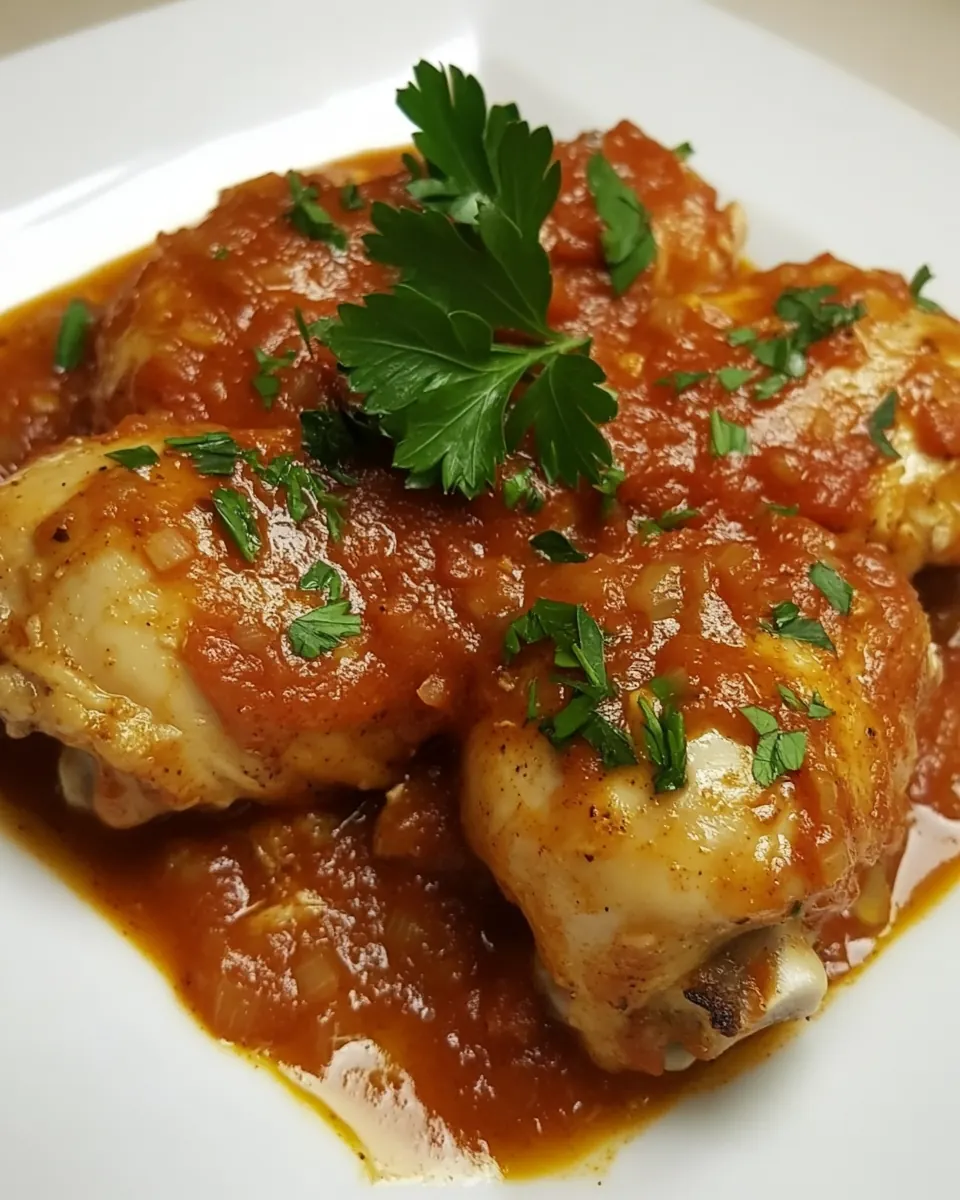
There are small, smart ways to adapt Kosher Chicken Paprikash to fit what you have on hand or the occasion. Below I share ideas that respect the original while offering flexibility for texture, heat, and serving style.
- Swap the starch for variety: Serve over nokedli, egg noodles, mashed potatoes, or rice depending on what you want to highlight; each choice changes the mouthfeel and how the sauce is showcased.
- Adjust the paprika intensity: Use more or less Hungarian paprika to tune the smoky sweet note, remembering that it is the defining flavor of the dish.
- Remove skin for a lighter finish: If you prefer a leaner sauce, take the skin off the chicken before cooking, which reduces rendered fat during simmering.
- Make-ahead advantage: This dish often improves after resting overnight, so cook it a day in advance for deeper flavor and easier entertaining the next day.
- Finish with fresh parsley: Reserve some chopped parsley to sprinkle at the end for a bright contrast to the rich sauce and a cleaner finish on the palate.
Serve This Kosher Chicken Paprikash With
This recipe is versatile for many occasions, from family dinners to festive gatherings. It pairs beautifully with comforting starches, and a warm presentation makes it ideal for colder months when you crave heartier fare. Think about serving it where the sauce can be savored and shared.
- Nokedli or spätzle: The classic choice, small dumplings capture sauce and offer a tender bite that complements the chicken.
- Mashed potatoes: Creamy mashed potatoes are perfect for soaking up every drop of the flavorful sauce, adding a silky contrast.
- Egg noodles: Long, ribboned noodles work well and are accessible if you do not have nokedli on hand.
- Rice: For a lighter starch, steamed rice absorbs sauce and keeps the meal simple and comforting.
- Occasions: Serve for a family dinner, winter holiday meal, or cozy Sunday supper; the dish feels celebratory yet homey.
- Storage tips: Store in an airtight container in the refrigerator for up to 3 days. Reheat gently on low to preserve tenderness and prevent over reduction.
- Serving style: Garnish with the reserved parsley for freshness, and offer extra paprika at the table for those who want a little more color and spice.
FAQ
Conclusion
Kosher Chicken Paprikash is special because it turns simple, honest ingredients into a deeply flavored, comforting meal that feels both traditional and approachable. The combination of smoky paprika, sweet blended vegetables, and slowly simmered chicken creates a sauce that clings to every bite, making it perfect for sharing with family or serving at a cozy gathering. Give it a try this winter or whenever you want a dinner that warms the kitchen and the heart, and don’t be surprised if it becomes one of your go to comfort meals.
Kosher Chicken Paprikash
Equipment
- Large Pot
- Blender
Ingredients
- 12 pieces chicken legs and thighs Provide rich, meaty flavor and substantial protein while forming the main body of the dish; brown to develop a caramelized crust before simmering to keep meat tender and infuse the sauce.
- 2 teaspoons paprika (Hungarian paprika is best) Add warm, smoky sweetness and color; sprinkle during cooking to build the classic paprika-forward taste and stir in gently to avoid burning which would turn it bitter.
- 2 red bell peppers, seeded Contribute bright, sweet, and slightly vegetal notes while adding texture; roast or sauté after seeding to deepen flavor and help create a saucy base when combined with tomatoes.
- 2 tomatoes Introduce fresh acidity and juiciness to balance richness; chop and cook down to form part of the sauce that complements the paprika and peppers.
- 1 teaspoon chicken consomme powder Enhance savory depth and umami to amplify chicken flavor; dissolve into the cooking liquid to bolster the broth-like elements of the paprikash.
- 4 cloves fresh garlic Provide pungent aromatic lift and savory depth; mince and sauté briefly with onions to release fragrance and support the overall savory profile.
- 1 1/2 tablespoons olive oil Supply fat for browning and a subtle fruity undertone; use to sear chicken and sauté vegetables to prevent sticking and carry flavors.
- 2 onions (peeled and sliced) Offer sweet, aromatic foundation and body to the sauce; slice and caramelize slowly to impart natural sweetness and help thicken the base.
- 1/4 cup fresh chopped parsley, divided Add fresh herbal brightness and a clean finish; reserve some for garnish to lift the dish and mix the rest into the sauce for subtle green notes.
- Salt and black pepper to taste Season and balance flavors by enhancing savory components and controlling taste; add gradually while tasting to achieve the desired savory profile.
- 2 tablespoons cornstarch Act as a thickening agent to achieve a silky, clingy sauce; whisk with a bit of liquid before adding to the simmer to prevent lumps and cook until translucent.
- Homemade nokedli (spätzle) for serving (see notes) Provide traditional starchy accompaniment to soak up sauce and complete the meal; serve alongside the paprikash to make the dish hearty and authentic.
Instructions
- Before he begins, Michael likes to take the skin off of the chicken, so the dish doesn't contain as much fat. You can leave the skin on if you prefer. Sprinkle the chicken pieces generously with paprika, salt and pepper (if using kosher chicken, salt lightly).: As you handle the chicken , you will notice the texture change depending on whether the skin stays. Removing the skin reduces surface fat, leading to a lighter sauce and a cleaner mouthfeel, while leaving it on will give more unctuous richness. The sound of the pieces hitting the cutting board and the sight of pale flesh is reassuring, and you should pat each piece dry to promote even seasoning adhesion. A common mistake is skipping this drying step, which makes spices slide off, so take a moment to blot the chicken with paper towel before seasoning. If you choose to keep the skin, expect rendered oil during cooking; skim if you prefer a leaner finish.
- Place the bell peppers, tomatoes, chicken consomme powder and garlic into a blender.: When you dust the chicken with paprika , the vibrant red instantly lifts the visual appeal and begins contributing smoky sweet aromatics. The gentle grain of the spice coats the meat, and you may feel the slight texture under your fingers. Seasoning early allows the flavors to penetrate as it rests. Watch out for over salting, especially with kosher chicken , because it can draw out moisture and dry the meat if left too long.
- Blend to form a sauce.: Adding the prepared bell peppers and tomatoes to the blender with the garlic and consomme readies the sauce base. You will hear the blender whir and see the colors turn from separate ingredients into a unified mixture. The aroma will sharpen, with a fresh vegetal note rising. A common pitfall is overfilling the blender, which can lead to uneven blending, so work in batches if needed.
- In a large pot, heat olive oil over medium. Saute the onion slices in olive oil until tender.: As the blades chop, the mixture will become smooth and glossy, and a cohesive scent of tangy tomato and smoky paprika will emerge. The texture should be pourable, not chunky, so pause and scrape down the sides if necessary. If your sauce seems thin, you will notice it runs quickly; that is fine because it will reduce while cooking. Avoid overblending to a completely frothy state, which can change the mouthfeel of the finished sauce.
- Once the onions have softened and are starting to caramelize, add the seasoned chicken pieces to the pot. Saute for a few minutes.: When the olive oil warms, you will see it shimmer and smell a soft fruitiness. Add the sliced onion and listen for a gentle sizzle. As the onion softens and its edges take on gold, a sweet, caramel aroma will tell you it is ready. Stir occasionally to promote even browning. A frequent error is cooking too fast, which leads to bitter burnt edges, so maintain a steady medium heat and patience.
- Pour the blended sauce over the top of the chicken pieces. Add water till the sauce just covers the chicken.: Adding the seasoned chicken produces a louder sizzle and an immediate change in aroma, a deeper roasted scent as the spices hit hot oil. Browning the exterior locks in flavor and creates caramelized fond on the pot bottom, which will enrich the sauce later. Move the pieces to avoid sticking and to brown evenly. If the pot is overcrowded the chicken will steam instead of browning, so brown in batches if needed.
- Sprinkle with 3 tbsp of the chopped parsley, season with salt and pepper to taste (I used about 1 1/4 tsp of each), and bring to a boil. Reduce heat to a low simmer. Cover the pot, vented slightly.: When the sauce meets the browned bits, it will hiss slightly and release a burst of savory smell. The liquid should come up to just cover the chicken , creating a simmering environment that slowly tenderizes the meat. Visual balance matters here; too much water dilutes flavor, while too little risks scorching. A common mistake is over thinning the sauce, so start conservatively and add more if necessary.
- Cook the chicken for about 1 hour or to desired tenderness. The longer it simmers the more tender it becomes. When the chicken is finished cooking, adjust salt and pepper seasoning to taste. Mix together 2 tbsp cornstarch with 3 tbsp of cold water. Gently stir the corn starch mixture into the chicken sauce and simmer for a minute or two to thicken.: As the pot comes to a boil you will see bubbles rise and hear the liquid moving. Reducing to a low simmer produces gentle movement and a soft, cozy steam. The parsley adds a fresh grassy scent that blends with the warm sauce. Leaving the lid slightly vented prevents excessive pressure and helps flavors concentrate. Avoid a rolling boil, which can toughen the meat and cause the sauce to evaporate too quickly.
- Serve chicken and sauce over warm nokedli - spätzle or the starch of your choice. Mashed potatoes, egg noodles and rice will also work well. Sprinkle with remaining 1 tbsp chopped parsley to garnish (optional).: During this long simmer the aromas will deepen and the kitchen will fill with a rounded, homey perfume. The meat should pull away from the bone easily when it is done, and the sauce will have slightly reduced. After tasting, adjust seasoning because flavors concentrate with time. Creating the cornstarch slurry with cold water prevents lumps, and stirring it in will cause the sauce to thicken quickly into a silky coating. A mistake to avoid is adding cornstarch directly without mixing it with water first, which leads to clumps and uneven texture.
- Serve chicken and sauce over warm nokedli - spätzle or the starch of your choice. Mashed potatoes, egg noodles and rice will also work well. Sprinkle with remaining 1 tbsp chopped parsley to garnish (optional): The final service moment is sensory rich, with steam rising and bright parsley adding visual contrast. Spoon the glossy sauce over the nokedli so each bite is saucy and comforting. If you choose mashed potatoes or rice, the effect is equally satisfying, since the starch captures every drop. A common error is serving on cold plates, which lets the sauce congeal faster, so warm your serving dishes if possible.
Notes
- Swap the starch for variety: Serve over nokedli, egg noodles, mashed potatoes, or rice depending on what you want to highlight; each choice changes the mouthfeel and how the sauce is showcased.
- Adjust the paprika intensity: Use more or less Hungarian paprika to tune the smoky sweet note, remembering that it is the defining flavor of the dish.
- Remove skin for a lighter finish: If you prefer a leaner sauce, take the skin off the chicken before cooking, which reduces rendered fat during simmering.
- Make-ahead advantage: This dish often improves after resting overnight, so cook it a day in advance for deeper flavor and easier entertaining the next day.
- Finish with fresh parsley: Reserve some chopped parsley to sprinkle at the end for a bright contrast to the rich sauce and a cleaner finish on the palate.