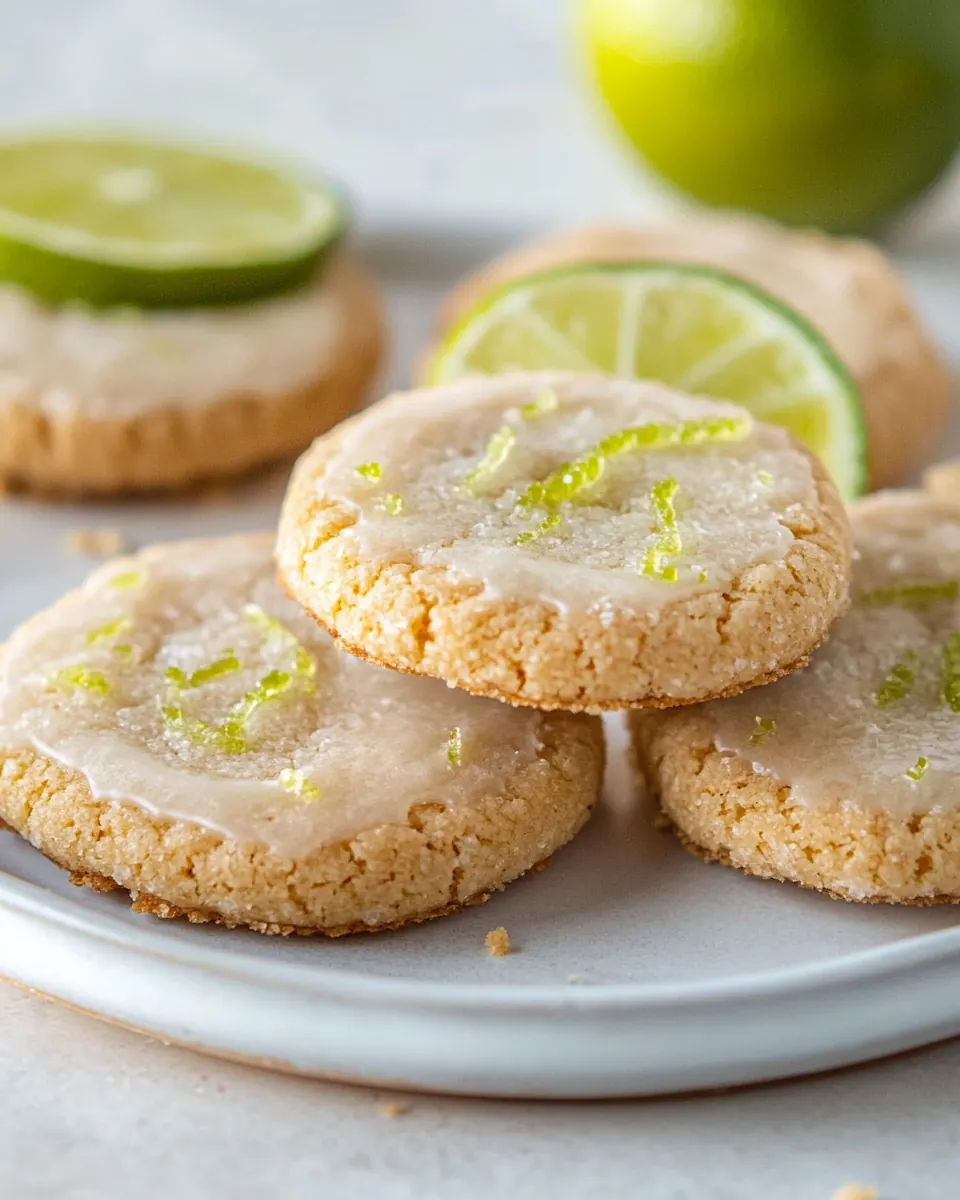
Key Lime Pie Cookies
Key Lime Pie Cookies are one of those treats I reach for when I want a little sunshine in cookie form. The first time I made them I was chasing a memory of warm summer afternoons and a tart slice of pie, but I wanted something bite sized to pass around at a porch party. I swapped the classic pie crust for a tender cookie dough, folded in bright key lime zest and a splash of key lime juice, and the result tasted like a portable version of my favorite citrus dessert.
Over the years I’ve tweaked the balance of sweetness and tang, and I can tell you how those tiny adjustments change everything. Sometimes I go heavy on the graham cracker crumbs for a rustic texture, other times I keep the dough silky smooth so the zing from the key lime juice shines. Friends who call themselves pie purists are always surprised when one of these cookies disappears first at a gathering.
Recipe Snapshot
29 mins
20 mins
9 mins
Easy
150 kcal
American
Gluten-Free, Low FODMAP
Desserts
Stand mixer, Paddle attachment, Mixing bowl, Baking sheet, Wire rack
Why This Key Lime Pie Cookies Stands Out
Bright, concentrated flavor
I love how Key Lime Pie Cookies pack the citrus punch of a whole pie into a single bite. The combination of key lime zest and key lime juice creates an intense aromatic hit that wakes up your palate. You get immediate tang up front, then the sugars smooth it into a pleasant finish.
Playful texture contrasts
These cookies are a little creamy, a little crumbly. The use of room temperature unsalted butter creamed with sugars gives a tender crumb, while the graham cracker crumbs add subtle crunch and a toasty note that echoes the classic pie crust. That contrast keeps every bite interesting.
Simple, pantry friendly
I appreciate recipes that do not demand obscure supplies. Most of the ingredients are staples like all purpose flour and granulated sugar, which makes these cookies easy to whip up at short notice. When I want a quick treat for guests, this is one of my go to recipes.
Flexible for decorating
Whether you drizzle a light icing or leave them plain, Key Lime Pie Cookies adapt well. The base cookie holds up to toppings without getting soggy, so you can get creative with presentation for holidays or casual get togethers.
Great for gatherings
These cookies travel well and keep their flavor after a day, which makes them a staple for potlucks and picnics. I often bake a double batch because they never last long. They feel special, yet they are downright easy to share.
Key Lime Pie Cookies Ingredients
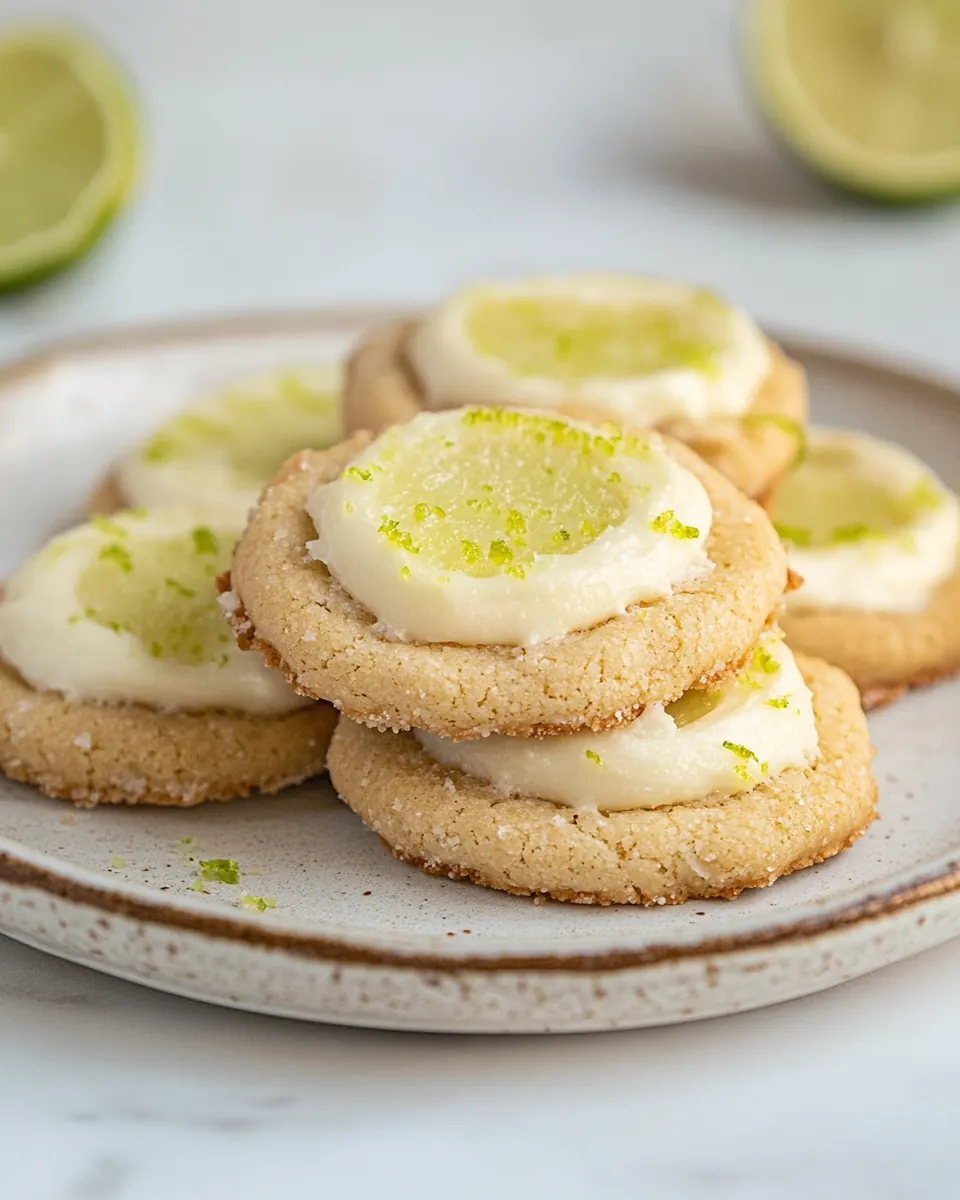
These ingredients are chosen to recreate the essence of Key Lime Pie Cookies while keeping the process straightforward. The key players are the citrus elements, the butter for tenderness, and the graham crumbs for a hint of crust like texture. Together they form a balanced dough that bakes into cookies with a bright, buttery profile and a whisper of graham aroma.
- 2 1/4 cups all-purpose flour: Provide structure and bulk to the cookie dough, creating the framework that holds other ingredients together; measure accurately for proper texture and bake time.
- 1/2 teaspoon baking soda: Leaven gently by reacting with acidic components to create slight lift and tenderness in the cookies; distribute evenly through the dry mixture for consistent results.
- 1/4 teaspoons salt: Season and enhance overall flavor while balancing sweetness; dissolve into the dry ingredients so the taste is uniform throughout the dough.
- 4 teaspoons key lime zest: Impart bright citrus aroma and concentrated lime oils that elevate the cookie’s fragrance and flavor; zest finely to release essential oils without bitterness.
- 8 ounces unsalted butter room temperature: Contribute richness, moisture, and tenderness while aiding in aeration when creamed with sugars; bring to room temperature to ensure smooth incorporation into the batter.
- 1/2 cup granulated sugar: Sweeten and help with creaming to incorporate air for a lighter texture; dissolve into butter until pale for even sweetness and structure.
- 1/4 cup brown sugar: Add deeper, molasses-like sweetness and extra moisture for chewiness and complex flavor; cream with butter to distribute its moisture and color evenly.
- 1 large egg: Provide moisture, structure, and emulsification by binding ingredients and contributing to leavening through steam; beat in until just combined to maintain tenderness.
- 1/2 teaspoon pure vanilla extract: Enhance and round out flavors while adding a subtle sweet floral note; add with wet ingredients to help aroma permeate the dough.
- 2 tablespoons key lime juice: Introduce bright, tart acidity to balance sweetness and react slightly with leaveners for lift; measure precisely to avoid an overly wet dough.
- 1/2 cup graham cracker crumbs: Add a toasty, slightly sweet crunch and classic pie-inspired flavor while contributing a bit of structure; fold in to distribute crumbs evenly without overmixing.
- Icing for decorating () (optional): Decorate and finish cookies with glossy sweetness or texture contrast; apply sparingly or pipe for controlled presentation and additional flavor.
Preparation Steps for Key Lime Pie Cookies
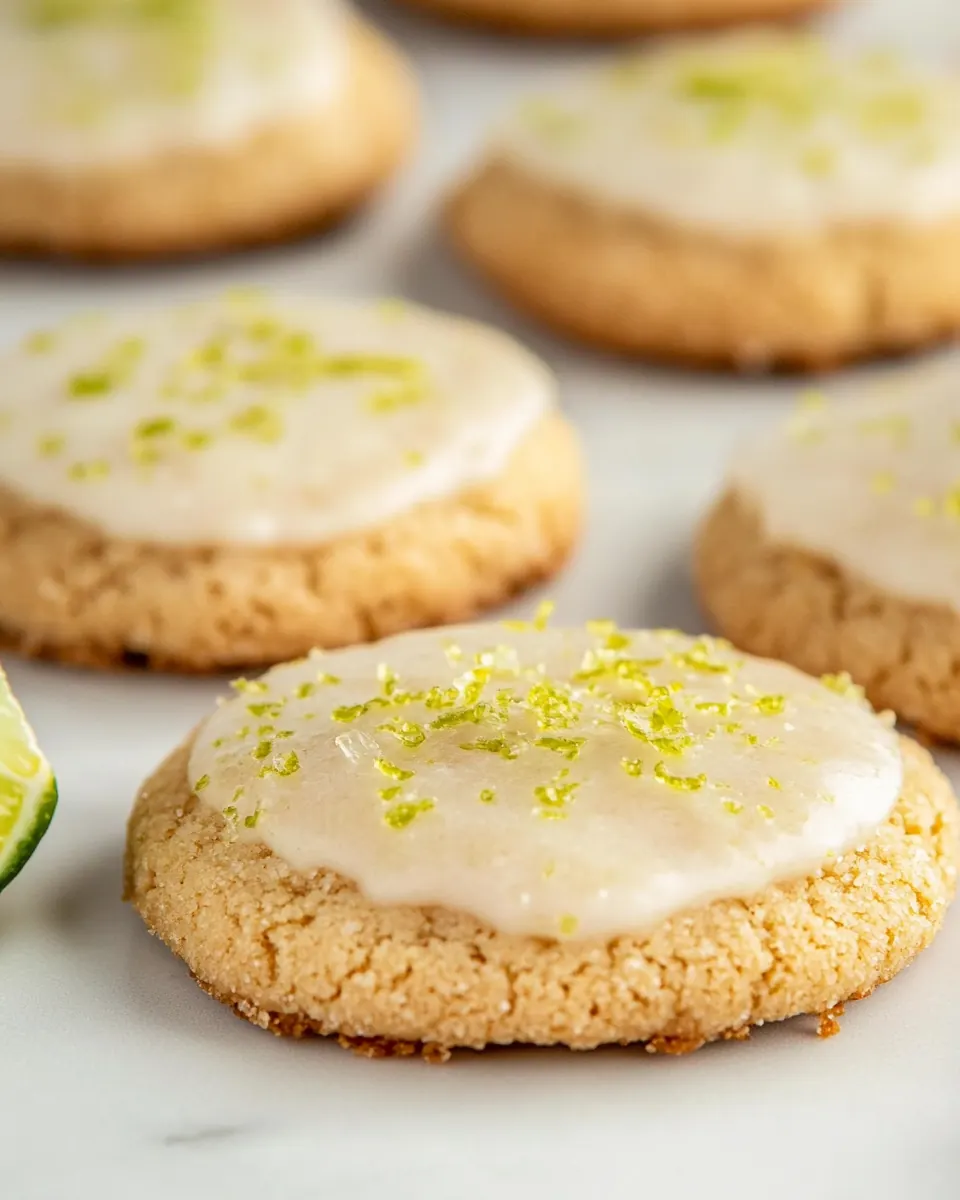
These directions will walk you through creating dough that bakes into cookies with bright citrus aroma and tender texture. I wrote these steps based on the original method, expanding with sensory cues and troubleshooting so you can feel confident at every stage.
- In a large mixing bowl, sift together the flour, baking soda, and salt. Whisk in the key lime zest.: Your nose will catch the first lift of citrus as you sift and whisk. The dry mixture should look uniform, with the flecks of key lime zest dispersed through the pale all purpose flour . This step matters because it distributes the leavening and zest evenly, preventing pockets of baking soda or intense citrus. If the zest clumps, break it apart with your fingers so each bite has brightness. A common mistake is skipping the sifting, which can lead to uneven rising and a denser cookie texture.
- In the bowl of a stand mixer fitted with the paddle attachment, cream the butter, granulated sugar, and brown sugar until light and fluffy, about 2 minutes.: As you cream, you will notice the mixture lighten in color and grow slightly in volume, a sign the sugars are aerating the softened unsalted butter . This creates tiny air pockets that translate to a tender crumb. Listen for the quiet hum of the mixer and watch for a pale, creamy texture. If your butter is too cold the mixture will remain lumpy, so let it soften until it yields to gentle pressure. Overmixing can make the butter too soft; stop once it looks fluffy and holds soft peaks.
- Add the egg, vanilla extract, and key lime juice to the butter mixture, mixing until fully incorporated.: When you add the egg , you will see the mixture become silkier and more cohesive. The aroma will shift as the vanilla extract and key lime juice meld with the butter, releasing a fragrant, slightly tangy scent. Mix just until incorporated to avoid overworking the batter, which can cause a tough result. If the mixture appears curdled after adding the egg, keep mixing briefly and it should come together; this is normal and not a cause for alarm.
- Gradually add the dry ingredients to the wet ingredients, mixing until just combined. Stir in the graham cracker crumbs.: As you fold the dry into the wet, the dough will thicken and pull away from the bowl sides. The gradual addition prevents lumps and helps maintain a tender texture. Once the dough forms, sprinkle in the graham cracker crumbs and fold until you see small, toasty flecks throughout. These crumbs add both flavor and structure. Avoid overmixing here, since excessive stirring develops gluten and can make the cookies tough; stop when you no longer see streaks of flour.
- Scoop the cookie dough onto prepared baking sheets, spacing them a few inches apart. Bake at 350°F for 9 minutes or until the edges are just set. Let cool on the pan for 10 minutes before transferring to a wire rack.: As the cookies bake, watch for the edges to set and the centers to look slightly soft but not raw. The oven will coax out fragrant citrus and a faint caramel note from the sugars. The first minute after removing from the oven is noisy with residual bubbling, then the cookies settle; cooling on the pan allows carryover heat to finish them without overbaking. A common error is leaving them in too long which dries the centers, so take them out when the edges are firm and the centers still yield slightly to touch.
- If desired, mix powdered sugar with a small amount of milk to create an icing; drizzle icing over cooled cookies.: The glossy drizzle offers a sweet counterpoint to the tart lime. The icing should be thin enough to drizzle but thick enough to set, so add milk sparingly until you reach a ribbon like consistency. Work on a wire rack with parchment underneath to catch drips. One misstep is icing warm cookies, which will cause the glaze to melt into the surface rather than form a pretty sheen; always ice after the cookies are fully cooled.
Helpful Hints
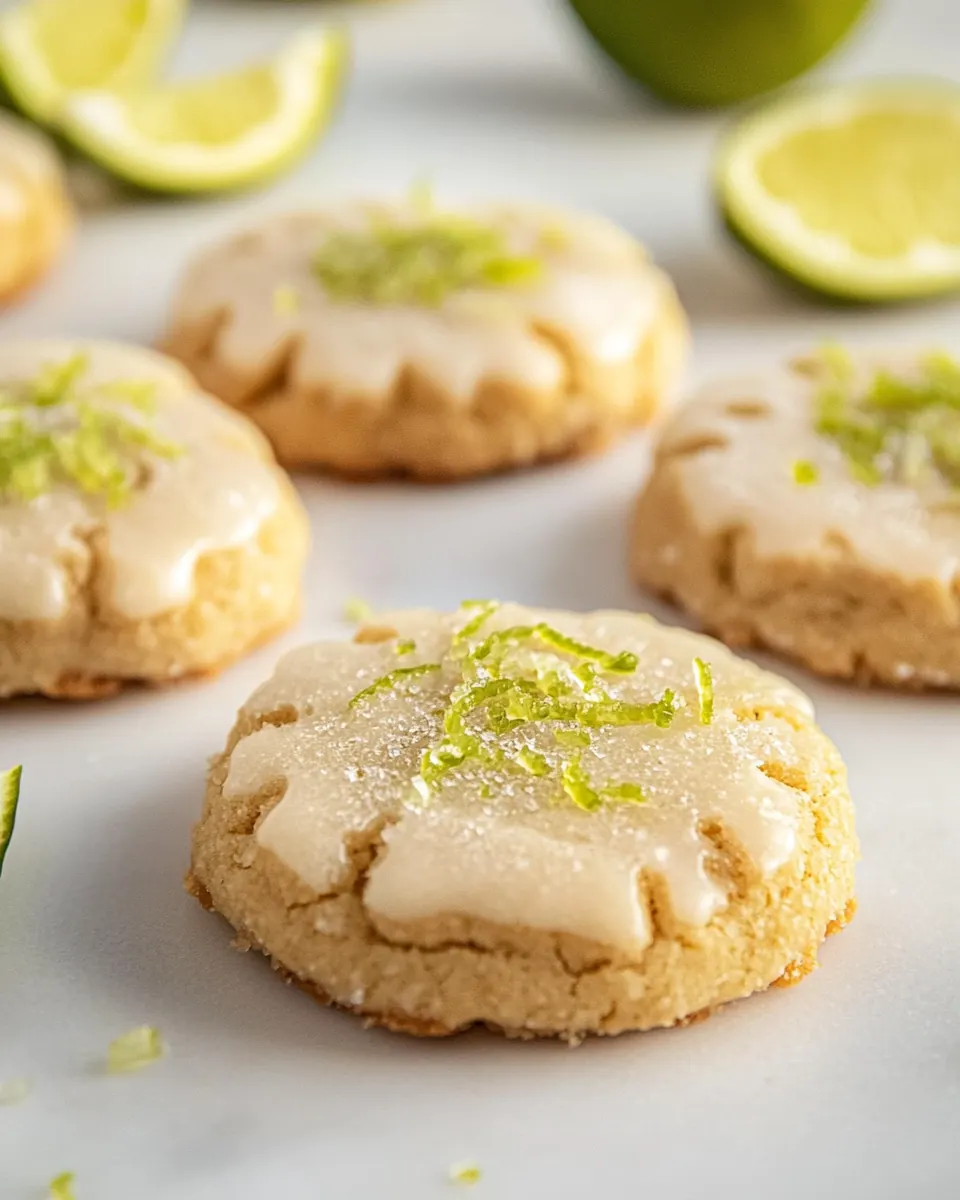
Below are practical pointers I rely on to make every batch of Key Lime Pie Cookies shine. These tips cover technique, ingredient handling, and presentation so your cookies come out consistent and flavorful.
- Butter temperature: Keep the unsalted butter at room temperature so it creams easily with the sugars; too cold and it will not aerate, too warm and it will become greasy.
- Zesting technique: Use a fine grater or microplane for the key lime zest, and zest directly over the mixing bowl to capture the aromatic oils.
- Mixing order: Combine wet and dry in stages to avoid overdeveloping gluten and to ensure even distribution of the key lime zest and leavening.
- Baking sheet prep: Line sheets with parchment or a silicone mat to promote even browning and easy transfer to a cooling rack.
- Icing consistency: Thin powdered sugar with very small amounts of milk for a drizzle that sets, and wait until cookies are cool to preserve texture.
Pairing Suggestions for Key Lime Pie Cookies
These cookies are bright and versatile, suitable for casual snacks or dressed up for a celebration. Below are serving ideas, storage tips, and occasions where they shine. Each suggestion keeps the spotlight on the citrus flavor while offering practical guidance.
- Afternoon tea: Serve with a pot of unsweetened green tea to offset the cookie sweetness, arranging cookies on a simple platter.
- Summer picnic: Pack in a single layer in an airtight tin at room temperature for a few hours, avoiding direct sun to keep the icing from melting.
- Party platter: Mix with other small cookies for a colorful dessert spread, placing the Key Lime Pie Cookies near darker chocolates for contrast.
- Gift boxes: Layer between parchment when gifting, and include a note about the fragile icing if you used it.
- Storage: Store in an airtight container at room temperature for up to three days, or freeze cooled cookies for up to one month, thawing at room temperature before serving.
- Occasions: Great for brunch buffets, baby showers, or holiday cookie swaps when you want a bright counterpoint to richer sweets.
FAQ
Conclusion
What makes these cookies special is how they condense the bright, tart character of key lime pie into a tender, shareable cookie. You get aromatic zest, a tangy squeeze of juice, and a hint of graham cracker in every bite, which feels both familiar and playful. Give them a try when you want a dessert that is quick, transportable, and endlessly crowd pleasing. Once you taste that citrus lift, I think you will find yourself reaching for this recipe again and again.
Key Lime Pie Cookies
Equipment
- Stand mixer
- Paddle attachment
- Mixing Bowl
- Baking Sheet
- Wire Rack
Ingredients
- 2 1/4 cups all-purpose flour Provide structure and bulk to the cookie dough, creating the framework that holds other ingredients together; measure accurately for proper texture and bake time.
- 1/2 teaspoon baking soda Leaven gently by reacting with acidic components to create slight lift and tenderness in the cookies; distribute evenly through the dry mixture for consistent results.
- 1/4 teaspoons salt Season and enhance overall flavor while balancing sweetness; dissolve into the dry ingredients so the taste is uniform throughout the dough.
- 4 teaspoons key lime zest Impart bright citrus aroma and concentrated lime oils that elevate the cookie’s fragrance and flavor; zest finely to release essential oils without bitterness.
- 8 ounces unsalted butter room temperature Contribute richness, moisture, and tenderness while aiding in aeration when creamed with sugars; bring to room temperature to ensure smooth incorporation into the batter.
- 1/2 cup granulated sugar Sweeten and help with creaming to incorporate air for a lighter texture; dissolve into butter until pale for even sweetness and structure.
- 1/4 cup brown sugar Add deeper, molasses-like sweetness and extra moisture for chewiness and complex flavor; cream with butter to distribute its moisture and color evenly.
- 1 large egg Provide moisture, structure, and emulsification by binding ingredients and contributing to leavening through steam; beat in until just combined to maintain tenderness.
- 1/2 teaspoon pure vanilla extract Enhance and round out flavors while adding a subtle sweet floral note; add with wet ingredients to help aroma permeate the dough.
- 2 tablespoons key lime juice Introduce bright, tart acidity to balance sweetness and react slightly with leaveners for lift; measure precisely to avoid an overly wet dough.
- 1/2 cup graham cracker crumbs Add a toasty, slightly sweet crunch and classic pie-inspired flavor while contributing a bit of structure; fold in to distribute crumbs evenly without overmixing.
- Icing for decorating (optional) Decorate and finish cookies with glossy sweetness or texture contrast; apply sparingly or pipe for controlled presentation and additional flavor.
Instructions
- In a large mixing bowl, sift together the flour, baking soda, and salt. Whisk in the key lime zest.: Your nose will catch the first lift of citrus as you sift and whisk. The dry mixture should look uniform, with the flecks of key lime zest dispersed through the pale all purpose flour . This step matters because it distributes the leavening and zest evenly, preventing pockets of baking soda or intense citrus. If the zest clumps, break it apart with your fingers so each bite has brightness. A common mistake is skipping the sifting, which can lead to uneven rising and a denser cookie texture.
- In the bowl of a stand mixer fitted with the paddle attachment, cream the butter, granulated sugar, and brown sugar until light and fluffy, about 2 minutes.: As you cream, you will notice the mixture lighten in color and grow slightly in volume, a sign the sugars are aerating the softened unsalted butter . This creates tiny air pockets that translate to a tender crumb. Listen for the quiet hum of the mixer and watch for a pale, creamy texture. If your butter is too cold the mixture will remain lumpy, so let it soften until it yields to gentle pressure. Overmixing can make the butter too soft; stop once it looks fluffy and holds soft peaks.
- Add the egg, vanilla extract, and key lime juice to the butter mixture, mixing until fully incorporated.: When you add the egg , you will see the mixture become silkier and more cohesive. The aroma will shift as the vanilla extract and key lime juice meld with the butter, releasing a fragrant, slightly tangy scent. Mix just until incorporated to avoid overworking the batter, which can cause a tough result. If the mixture appears curdled after adding the egg, keep mixing briefly and it should come together; this is normal and not a cause for alarm.
- Gradually add the dry ingredients to the wet ingredients, mixing until just combined. Stir in the graham cracker crumbs.: As you fold the dry into the wet, the dough will thicken and pull away from the bowl sides. The gradual addition prevents lumps and helps maintain a tender texture. Once the dough forms, sprinkle in the graham cracker crumbs and fold until you see small, toasty flecks throughout. These crumbs add both flavor and structure. Avoid overmixing here, since excessive stirring develops gluten and can make the cookies tough; stop when you no longer see streaks of flour.
- Scoop the cookie dough onto prepared baking sheets, spacing them a few inches apart. Bake at 350°F for 9 minutes or until the edges are just set. Let cool on the pan for 10 minutes before transferring to a wire rack.: As the cookies bake, watch for the edges to set and the centers to look slightly soft but not raw. The oven will coax out fragrant citrus and a faint caramel note from the sugars. The first minute after removing from the oven is noisy with residual bubbling, then the cookies settle; cooling on the pan allows carryover heat to finish them without overbaking. A common error is leaving them in too long which dries the centers, so take them out when the edges are firm and the centers still yield slightly to touch.
- If desired, mix powdered sugar with a small amount of milk to create an icing; drizzle icing over cooled cookies.: The glossy drizzle offers a sweet counterpoint to the tart lime. The icing should be thin enough to drizzle but thick enough to set, so add milk sparingly until you reach a ribbon like consistency. Work on a wire rack with parchment underneath to catch drips. One misstep is icing warm cookies, which will cause the glaze to melt into the surface rather than form a pretty sheen; always ice after the cookies are fully cooled.
Notes
- Butter temperature: Keep the unsalted butter at room temperature so it creams easily with the sugars; too cold and it will not aerate, too warm and it will become greasy.
- Zesting technique: Use a fine grater or microplane for the key lime zest, and zest directly over the mixing bowl to capture the aromatic oils.
- Mixing order: Combine wet and dry in stages to avoid overdeveloping gluten and to ensure even distribution of the key lime zest and leavening.
- Baking sheet prep: Line sheets with parchment or a silicone mat to promote even browning and easy transfer to a cooling rack.
- Icing consistency: Thin powdered sugar with very small amounts of milk for a drizzle that sets, and wait until cookies are cool to preserve texture.