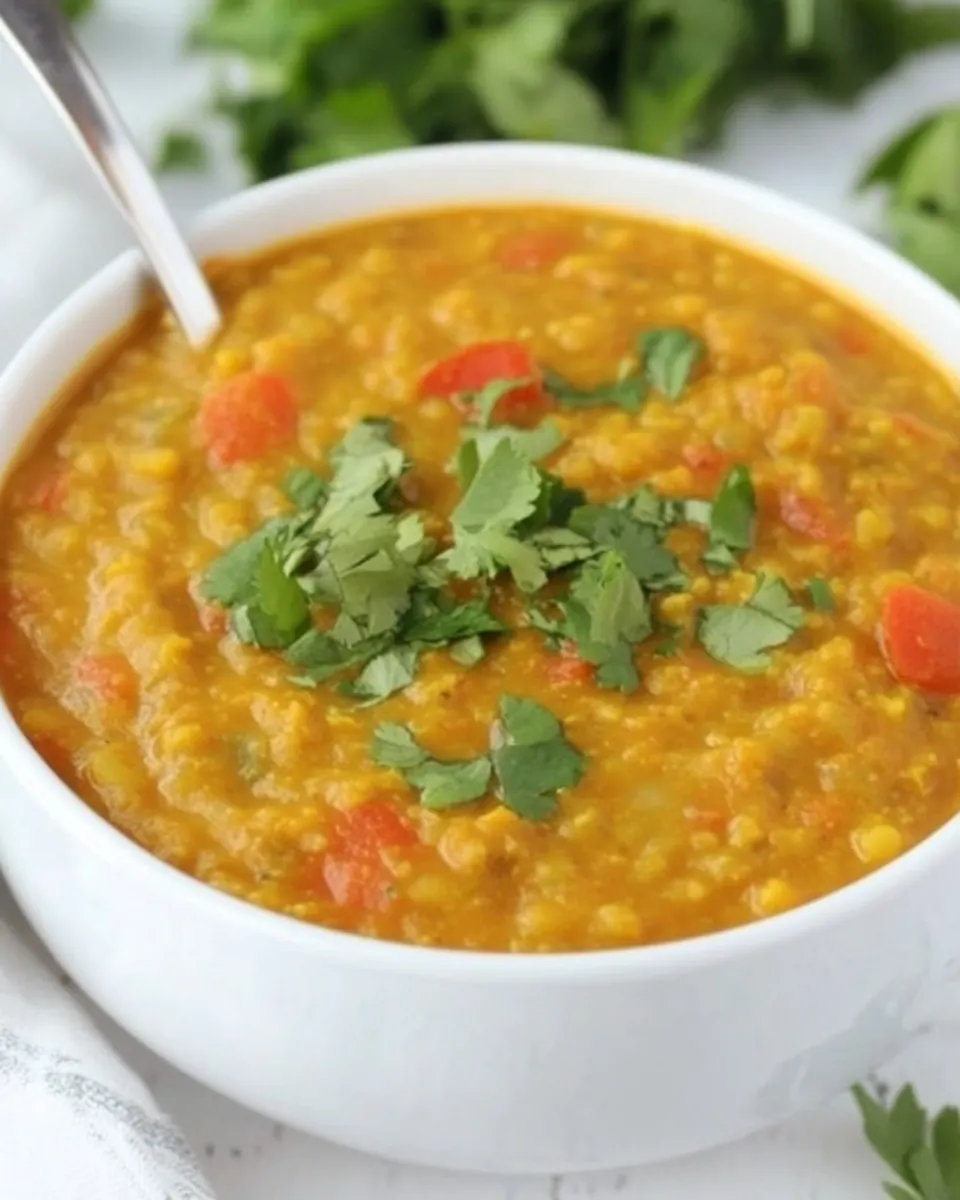
Instant Pot Masoor Dal
Instant Pot Masoor Dal is one of those bowls I turn to when I want comfort that is also fast and soulful.
I remember the first time I made Instant Pot Masoor Dal on a cramped weeknight, juggling a phone call and watching the kids practice piano. The pressure cooker hissed like a small theater curtain rising, and the scent of toasted cumin and mustard seeds filled the kitchen, instantly calming the chaos. That evening taught me that a simple pot of Instant Pot Masoor Dal can anchor a meal, bringing warmth and a bright squeeze of lime that makes everyone quiet down and eat. Over the years I’ve tweaked textures and spice balances until I found the version I return to again and again, the one in this recipe.
When I cook Instant Pot Masoor Dal for guests, I love that it feels homemade without being fussy. The red lentils break down to create a creamy body while the tempering of seeds and aromatics adds a lively crackle and perfume. I also relish how forgiving this dish is, forgiving small timing missteps and rewarding little adjustments, like a splash more broth or a scattering of cilantro. It’s become my go to for busy nights and calm weekends alike, a recipe that travels well to potlucks and sits comfortably on a Ramadan iftar table where simple, nourishing food matters most.
Recipe Snapshot
35 mins
10 mins
25 mins
Easy
250 kcal
Indian
Gluten-Free, Vegan
Dinner
Instant Pot, Wooden spoon, Measuring spoons
The Charm of This Instant Pot Masoor Dal
Bright, layered flavors from simple steps
I love how Instant Pot Masoor Dal builds complexity with modest effort. Toasting the mustard seeds and cumin seeds releases essential oils that perfume the whole dish, while the tomatoes add an acidic counterpoint that keeps the lentils from tasting flat. This contrast of toasted spice, tangy tomato, and creamy lentil makes each spoonful interesting.
Speed without sacrificing depth
Using the Instant Pot lets the red lentils break down quickly into a velvety texture, so you get hours of slow cooked flavor in a fraction of the time. I appreciate being able to press a button and step away, knowing the pressure cooking extracts flavor from spices and aromatics in a concentrated way. For busy weeknights, that convenience is a game changer.
Flexible and forgiving
One of the reasons I adore this recipe is how forgiving it is. If the dal thickens while resting, a splash of broth loosens it. If you prefer more heat, a pinch more kashmiri chili powder wakes it up; if you want milder results, omit the chilies. That flexibility makes it a reliable crowd pleaser.
Nutrition that comforts
Red lentils are a protein rich pantry staple, so this dish is satisfying and nourishing. The combination of spices like turmeric and ginger adds antioxidant and soothing qualities. I often pick this when I want food that feels restorative without being heavy.
Universally pairable
This dal works for many occasions, from solo lunches to family dinners. It pairs with simple sides like warm flatbreads or rice, and the final squeeze of lime and scatter of cilantro lifts the flavors, making leftovers taste fresh the next day. I keep this recipe in rotation because it fills so many culinary roles with ease.
Ingredients Required for Instant Pot Masoor Dal
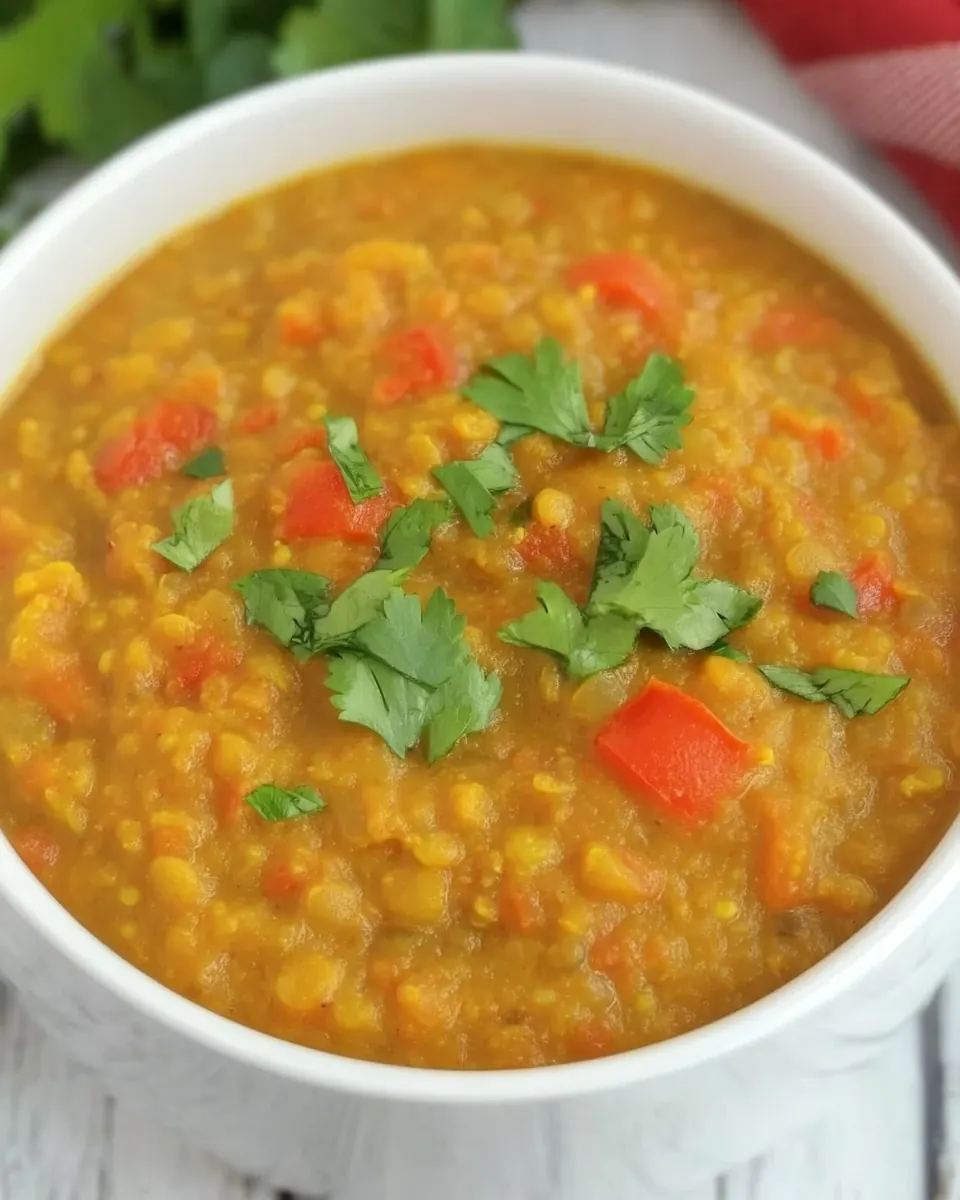
These ingredients are straightforward and purposeful, each playing a specific role in texture and flavor. The red lentils form the creamy base, while the tempering of seeds and aromatics creates an aromatic top note. Tomatoes and lime add acid to balance richness, and the spice blend gives warmth and character. Together they make a balanced, comforting bowl.
- 1 tablespoon extra virgin olive oil: Adds a fruity, slightly peppery fat for sautéing spices and aromatics; helps transfer heat evenly and prevents sticking while contributing a subtle Mediterranean flavor that complements the dal.
- 1 teaspoon yellow mustard seeds: Provides a sharp, pungent crunch when toasted that pops in hot oil to release a nutty, mustardy aroma and forms part of the tempering that layers depth into the dish.
- 1 teaspoon cumin seeds: Lends an earthy, warm aroma when browned in oil and acts as a foundational spice that complements other whole spices and enhances the savory base of the dal.
- 1 small yellow onion, finely chopped: Builds sweetness and body when softened; releases natural sugars and creates a tender aromatic base that balances the lentils and spices during pressure cooking.
- 1 teaspoon fresh minced ginger: Adds a bright, warming heat and aromatic sharpness when minced; helps cut through the richness and contributes a fresh ginger bite to the dal.
- 1 2 green chilies, () discard the seeds and, for less heat, discard the membranes as well, minced (there are a number of Indian green chilies but you can also substitute with jalapeno) (optional): Delivers variable heat and fresh vegetal flavor when minced; seeds and membranes control spice level, while jalapeno substitution gives accessible heat and brightness.
- 1 teaspoon minced garlic: Imparts pungent, savory depth and an aromatic backbone when minced and sautéed; melds with ginger to build a classic Indian flavor base.
- 1 1/2 cups red lentils, rinsed and drained: Provides the creamy, protein-rich bulk of the dish; rinsing removes excess starch, ensuring even cooking and a smooth, slightly velvety texture when pressure-cooked.
- 2 Roma tomatoes (OR 1/2 to 3/4 of a 14.5 ounce can of diced tomatoes), finely chopped: Contributes acidity, sweetness, and body when chopped or from a can; helps balance the lentils and spices and creates a slightly chunky, fresh tomato element.
- 4 cups chicken or vegetable broth (see Note)(vegetarian/vegan: use vegetable broth): Forms the cooking liquid that hydrates the lentils and carries flavors; choice of chicken or vegetable broth adds savory depth and determines vegetarian suitability.
- 1 teaspoon salt: Brings essential seasoning to the dal; ensures proper flavor balance and enhances the natural tastes of lentils and spices throughout cooking.
- 1 black cardamom, but recommended (optional): Adds a smoky, camphor-like aroma when included; contributes complex menthol and resinous notes that deepen the overall spice profile when simmered.
- 2 teaspoons ground coriander: Introduces warm, citrusy, and slightly floral notes; ground coriander brightens and ties together both fresh and toasted spices in the dal.
- 1/2 teaspoon ground turmeric: Provides a warm, slightly bitter earthiness and golden color; turmeric also offers mild anti-inflammatory properties and a characteristic Indian flavor.
- 1/4 teaspoon asafoetida (aka hing powder): Delivers a pungent umami-like aroma in small amounts; asafoetida enhances savory depth and helps mimic onion–garlic complexity, especially in lentil dishes.
- 1/8 teaspoon ground cinnamon: Adds a faint sweet warmth and woody depth; cinnamon in tiny amounts complements other warm spices without overt sweetness.
- 1/8 teaspoon ground cloves: Contributes a strong, sweetly spicy background note; ground cloves in small measure enrich the spice blend and provide aromatic intensity.
- pinch of kashmiri chili powder (or cayenne), (for heat) (optional): Supplies a touch of mild heat and vibrant red color; kashmiri chili or cayenne can be used sparingly to lift the flavor profile without overpowering the dal.
- juice of one lime: Provides bright, tangy acidity to finish and balance the richness; lime juice brightens flavors and adds a fresh citrus lift just before serving.
- 2 3 tablespoons chopped fresh cilantro: Adds a fresh, herbal finish and visual contrast when chopped; cilantro contributes bright, slightly citrusy and peppery notes to round out the dish.
The Method for Instant Pot Masoor Dal
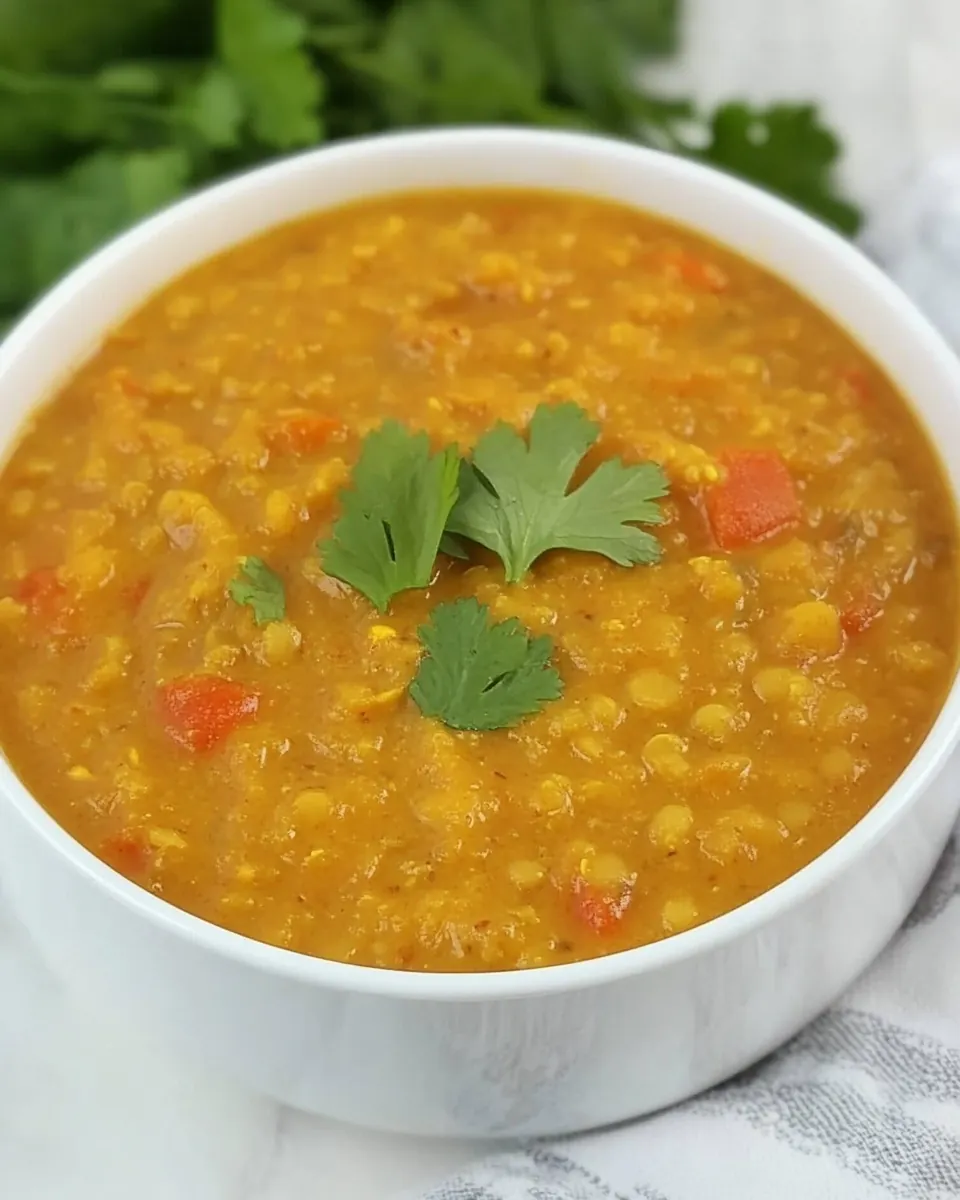
I like to approach the cooking in stages so the flavors develop properly and the textures are right. The Instant Pot does the heavy lifting, but the initial sauté and spice bloom are essential for aromatic depth. Follow each step with attention to smell and visual cues for the best results.
- Set the Instant Pot to sauté. Heat the oil in the Instant Pot and add the mustard and cumin seeds. Cook until the mustard seeds begin to pop, about 15-20 seconds. Add the onions and cook until soft and translucent about 5-7 minutes. Add the garlic, ginger and chilies (if using) and cook for another minute. Add the turmeric, chili powder, asafoetida, coriander, cinnamon and cloves and cook for a minute. Add the lentils, tomatoes, salt, black cardamom, and broth. Stir to combine. Cancel the 'sauté' setting and set to pressure cook on HIGH for 10 minutes followed by a quick release. Stir in the lime juice and cilantro, add salt to taste, and serve immediately with some fresh naan. Note: Masoor dal thickens over time and if serving as leftovers you can thin it out with a little more broth if you like.: When you start this stage you should hear a soft clicking and see the display change, indicating the pot is warming. The oil should shimmer when hot but not smoke. This brief preheat helps the mustard seeds and cumin seeds pop cleanly, ensuring the spices bloom instead of burning. If your oil begins to smoke, reduce the heat or cancel sauté for a moment to let it cool, because burnt oil will impart a bitter flavor that is hard to recover from. A common mistake is rushing this step, which leads to spices that are underdeveloped and a less fragrant dal.
- Heat the oil in the Instant Pot and add the mustard and cumin seeds: You will hear the mustard seeds start to pop like tiny popcorn and smell a nutty perfume as the cumin seeds toast. Allowing those audible pops to run their course, about a few seconds, releases essential oils that brighten the dish. Avoid stirring too vigorously, because the seeds can splatter; instead tilt the inner pot away from you if splatter becomes an issue. If the seeds brown too fast, lower the heat and try again to avoid a charred taste.
- Cook until the mustard seeds begin to pop, about 15 to 20 seconds: This short sensory moment is defined by crisp popping sounds and a sharp toasty scent that fills the pot, signaling readiness. Letting this go longer will deepen the flavor but risks bitterness, so watch and listen closely. A frequent error is leaving the seeds unattended, which can lead from perfect toast to burnt bitterness in seconds, so stay present.
- Add the onions and cook until soft and translucent about 5 to 7 minutes: The onions should go from opaque to glossy and soft, releasing sweet aromas and a gentle sizzling sound. This transformation mellows raw sharpness and creates a sweet base that complements the spices. If your onions start to stick or brown too quickly, add a splash of broth to deglaze the pot and loosen any fond, because burnt fond will add an acrid note to the dal.
- Add the garlic, ginger and chilies (if using) and cook for another minute: In this minute you will smell the garlic turn fragrant and the ginger release its bright, peppery oils, while chilies bring a fresh heat. The sizzling will be brief and lively. Overcooking these aromatics can lead to a harsh, bitter edge, so aim for translucent and fragrant rather than browned. A typical oversight is letting the garlic sit too long, which creates an unpleasant bitterness rather than the desired savory warmth.
- Add the turmeric, chili powder, asafoetida, coriander, cinnamon and cloves and cook for a minute: The spices should bloom in the residual oil, releasing clean, warm aromas that layer on top of the onion and garlic. You may notice a floral citrus hint from the coriander and a warm spice from the cinnamon and cloves. This step is about coaxing essential oils from dried spices; if you overheat them they can lose vibrancy, so keep the sauté gentle. A common mistake is adding spices to a pot that is not hot enough, which prevents full flavor extraction, leaving the dish one dimensional.
- Add the lentils, tomatoes, salt, black cardamom, and broth: At this point the pot will look vibrant, with the red lentils and tomatoes settling into the spice mixture. The broth should be warm or room temperature to avoid shocking the pot and splattering. The black cardamom will scent the liquid subtly as it infuses. Stir gently to combine and ensure the lentils sit evenly for consistent cooking. If you skip stirring the lentils into the spices well, you might end up with unevenly cooked pockets; stirring avoids that.
- Stir to combine: You should notice a uniform orange to red color as the spices coat the lentils and tomatoes, and the mixture will sound quieter as it becomes more homogenous. This integration step helps distribute salt and aromatics so flavors cook evenly. If you hear loud bubbling or a lot of splatter, allow it to settle before sealing, because trapped splatter can trigger a burn warning in the Instant Pot. A mistake people make is not scraping the bottom well; leftover bits can trigger safety cutoffs or create uneven textures.
- Cancel the 'sauté' setting and set to pressure cook on HIGH for 10 minutes followed by a quick release: Once sealed and pressurized, the pot will hum quietly; during pressure cooking the lentils will soften and break down into a creamy consistency. The high pressure extracts deep flavor quickly, producing a slow cooked richness in minutes. When you perform a quick release you will hear a rapid hiss and a rush of steam; stand back and use a long handled utensil if needed. Avoid using a natural release here unless you want a thicker result because more time under pressure will reduce liquid and concentrate the dal.
- Stir in the lime juice and cilantro, add salt to taste, and serve immediately with some fresh naan: After opening the pot, the first thing you'll notice is a fragrant citrus lift from the lime , and the chopped cilantro will add herbaceous freshness and a bright green contrast. Tasting and adjusting salt at this stage is crucial because flavors settle as the dal cools. If the dal seems too thick after resting, thin with a little warmed broth to reach your desired consistency. A slip many make is adding lime too early; the acid can flatten if cooked too long, so add it at the end for maximum brightness.
- Note: Masoor dal thickens over time and if serving as leftovers you can thin it out with a little more broth if you like : As the dal sits, the lentils continue to absorb liquid and the texture becomes thicker and more pudding like, which some people prefer. To revive leftover servings, warm gently and stir in broth until the texture is restored. Over thinning with cold water will cool the dish and dilute flavor; always use warm broth and reheat slowly to maintain the seasoning balance.
Helpful Notes about Instant Pot Masoor Dal
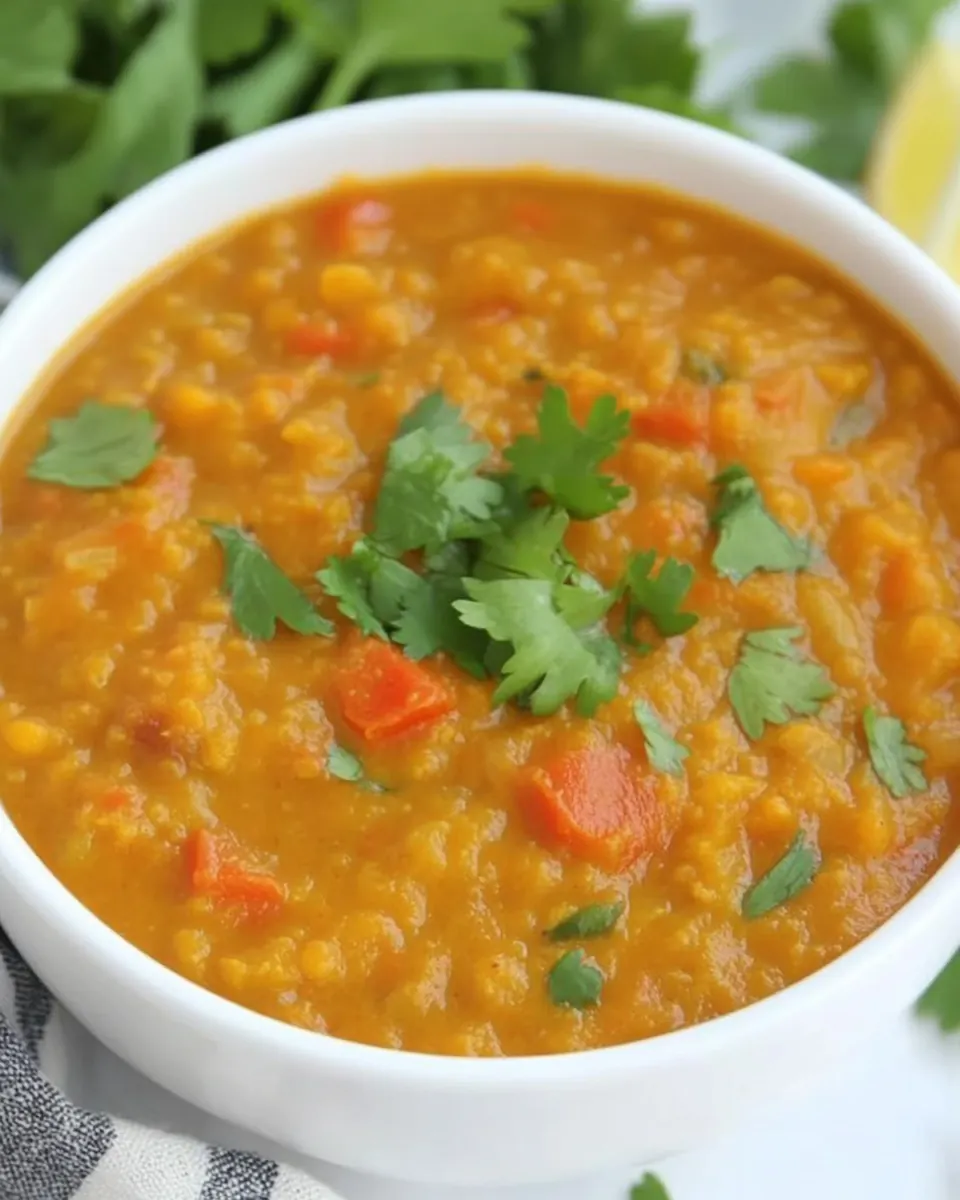
This collection of tips expands on small decisions that change the final result. They are practical, recipe specific notes I use in my kitchen to ensure consistent, delicious dal every time.
- Warm your broth first by microwaving or warming on the stove to avoid a dramatic temperature drop in the pot and to prevent splatter when you bring the pressure cooker to seal.
- Toast seeds gently until the mustard seeds pop and the cumin smells nutty, because this releases oils that create the signature fragrance of the tempering without burning the spices.
- Rinse lentils well under running water until it runs clear, which reduces surface dust and excess starch, leading to a cleaner tasting and more consistent texture.
- Use lime at the end to preserve that bright, acidic lift; adding citrus before cooking blunts the freshness and changes the final balance of flavors.
- Store properly in an airtight container in the refrigerator for up to four days, and reheat gently with a splash of warm broth to restore the original consistency.
What to Pair With Instant Pot Masoor Dal
This dal pairs exceptionally well with simple starches and fresh accoutrements that complement its creamy texture and spiced profile. Below are serving ideas, occasions, and storage tips that help you present the dish beautifully.
- Warm flatbreads, such as naan or roti, are perfect for scooping and provide a soft vehicle for the dal, especially for casual family dinners or communal meals.
- Steamed basmati rice offers a neutral, fragrant base that lets the dal shine, ideal for weeknight dinners when you want a comforting, filling plate.
- Light salads with cucumber and tomato balance the warm spices and make the meal feel fresher, suitable for lunch or summer gatherings where you want contrast in texture.
- Pickles and chutneys add concentrated acidity and sweetness that cut through the creaminess, turning a simple meal into a layered feast for festive occasions or potlucks.
- Serve for Ramadan iftar as a nourishing, warming option that restores energy after fasting, pairing well with dates and a light salad to start.
- Leftovers storage is straightforward; refrigerate in airtight containers for up to four days, and when reheating add warm broth gradually to regain a silky consistency.
- Seasonal pairing in winter, the warming spices and comforting texture make this a go to; for lighter spring meals, serve smaller bowls with bright herb garnishes for balance.
FAQ
Conclusion
What makes this recipe special is how it balances speed and soul with simple pantry ingredients that sing together. The combination of toasted seeds, fragrant spices, and creamy red lentils yields a bowl that is both nourishing and flavorful. I hope you give this Instant Pot Masoor Dal a try; it rewards small attentions with big comfort and becomes easier each time you make it. Make a batch, savor a bowl tonight, and enjoy the way leftovers grow even more flavorful the next day.

Instant Pot Masoor Dal
Equipment
- Instant Pot
- Wooden Spoon
- Measuring Spoons
Ingredients
- 1 tablespoon extra virgin olive oil Adds a fruity, slightly peppery fat for sautéing spices and aromatics; helps transfer heat evenly and prevents sticking while contributing a subtle Mediterranean flavor that complements the dal.
- 1 teaspoon yellow mustard seeds Provides a sharp, pungent crunch when toasted that pops in hot oil to release a nutty, mustardy aroma and forms part of the tempering that layers depth into the dish.
- 1 teaspoon cumin seeds Lends an earthy, warm aroma when browned in oil and acts as a foundational spice that complements other whole spices and enhances the savory base of the dal.
- 1 small yellow onion, finely chopped Builds sweetness and body when softened; releases natural sugars and creates a tender aromatic base that balances the lentils and spices during pressure cooking.
- 1 teaspoon fresh minced ginger Adds a bright, warming heat and aromatic sharpness when minced; helps cut through the richness and contributes a fresh ginger bite to the dal.
- 1 -2 green chilies, (optional) discard the seeds and, for less heat, discard the membranes as well, minced (there are a number of Indian green chilies but you can also substitute with jalapeno) Delivers variable heat and fresh vegetal flavor when minced; seeds and membranes control spice level, while jalapeno substitution gives accessible heat and brightness.
- 1 teaspoon minced garlic Imparts pungent, savory depth and an aromatic backbone when minced and sautéed; melds with ginger to build a classic Indian flavor base.
- 1 1/2 cups red lentils, rinsed and drained Provides the creamy, protein-rich bulk of the dish; rinsing removes excess starch, ensuring even cooking and a smooth, slightly velvety texture when pressure-cooked.
- 2 Roma tomatoes (OR 1/2 to 3/4 of a 14.5 ounce can of diced tomatoes), finely chopped Contributes acidity, sweetness, and body when chopped or from a can; helps balance the lentils and spices and creates a slightly chunky, fresh tomato element.
- 4 cups chicken or vegetable broth (see Note)(vegetarian/vegan: use vegetable broth) Forms the cooking liquid that hydrates the lentils and carries flavors; choice of chicken or vegetable broth adds savory depth and determines vegetarian suitability.
- 1 teaspoon salt Brings essential seasoning to the dal; ensures proper flavor balance and enhances the natural tastes of lentils and spices throughout cooking.
- 1 black cardamom, optional but recommended Adds a smoky, camphor-like aroma when included; contributes complex menthol and resinous notes that deepen the overall spice profile when simmered.
- 2 teaspoons ground coriander Introduces warm, citrusy, and slightly floral notes; ground coriander brightens and ties together both fresh and toasted spices in the dal.
- 1/2 teaspoon ground turmeric Provides a warm, slightly bitter earthiness and golden color; turmeric also offers mild anti-inflammatory properties and a characteristic Indian flavor.
- 1/4 teaspoon asafoetida (aka hing powder) Delivers a pungent umami-like aroma in small amounts; asafoetida enhances savory depth and helps mimic onion-garlic complexity, especially in lentil dishes.
- 1/8 teaspoon ground cinnamon Adds a faint sweet warmth and woody depth; cinnamon in tiny amounts complements other warm spices without overt sweetness.
- 1/8 teaspoon ground cloves Contributes a strong, sweetly spicy background note; ground cloves in small measure enrich the spice blend and provide aromatic intensity.
- pinch of kashmiri chili powder (or cayenne), optional (for heat) Supplies a touch of mild heat and vibrant red color; kashmiri chili or cayenne can be used sparingly to lift the flavor profile without overpowering the dal.
- juice of one lime Provides bright, tangy acidity to finish and balance the richness; lime juice brightens flavors and adds a fresh citrus lift just before serving.
- 2 -3 tablespoons chopped fresh cilantro Adds a fresh, herbal finish and visual contrast when chopped; cilantro contributes bright, slightly citrusy and peppery notes to round out the dish.
Instructions
- Set the Instant Pot to sauté. Heat the oil in the Instant Pot and add the mustard and cumin seeds. Cook until the mustard seeds begin to pop, about 15-20 seconds. Add the onions and cook until soft and translucent about 5-7 minutes. Add the garlic, ginger and chilies (if using) and cook for another minute. Add the turmeric, chili powder, asafoetida, coriander, cinnamon and cloves and cook for a minute. Add the lentils, tomatoes, salt, black cardamom, and broth. Stir to combine. Cancel the 'sauté' setting and set to pressure cook on HIGH for 10 minutes followed by a quick release. Stir in the lime juice and cilantro, add salt to taste, and serve immediately with some fresh naan. Note: Masoor dal thickens over time and if serving as leftovers you can thin it out with a little more broth if you like.: When you start this stage you should hear a soft clicking and see the display change, indicating the pot is warming. The oil should shimmer when hot but not smoke. This brief preheat helps the mustard seeds and cumin seeds pop cleanly, ensuring the spices bloom instead of burning. If your oil begins to smoke, reduce the heat or cancel sauté for a moment to let it cool, because burnt oil will impart a bitter flavor that is hard to recover from. A common mistake is rushing this step, which leads to spices that are underdeveloped and a less fragrant dal.
- Heat the oil in the Instant Pot and add the mustard and cumin seeds: You will hear the mustard seeds start to pop like tiny popcorn and smell a nutty perfume as the cumin seeds toast. Allowing those audible pops to run their course, about a few seconds, releases essential oils that brighten the dish. Avoid stirring too vigorously, because the seeds can splatter; instead tilt the inner pot away from you if splatter becomes an issue. If the seeds brown too fast, lower the heat and try again to avoid a charred taste.
- Cook until the mustard seeds begin to pop, about 15 to 20 seconds: This short sensory moment is defined by crisp popping sounds and a sharp toasty scent that fills the pot, signaling readiness. Letting this go longer will deepen the flavor but risks bitterness, so watch and listen closely. A frequent error is leaving the seeds unattended, which can lead from perfect toast to burnt bitterness in seconds, so stay present.
- Add the onions and cook until soft and translucent about 5 to 7 minutes: The onions should go from opaque to glossy and soft, releasing sweet aromas and a gentle sizzling sound. This transformation mellows raw sharpness and creates a sweet base that complements the spices. If your onions start to stick or brown too quickly, add a splash of broth to deglaze the pot and loosen any fond, because burnt fond will add an acrid note to the dal.
- Add the garlic, ginger and chilies (if using) and cook for another minute: In this minute you will smell the garlic turn fragrant and the ginger release its bright, peppery oils, while chilies bring a fresh heat. The sizzling will be brief and lively. Overcooking these aromatics can lead to a harsh, bitter edge, so aim for translucent and fragrant rather than browned. A typical oversight is letting the garlic sit too long, which creates an unpleasant bitterness rather than the desired savory warmth.
- Add the turmeric, chili powder, asafoetida, coriander, cinnamon and cloves and cook for a minute: The spices should bloom in the residual oil, releasing clean, warm aromas that layer on top of the onion and garlic. You may notice a floral citrus hint from the coriander and a warm spice from the cinnamon and cloves. This step is about coaxing essential oils from dried spices; if you overheat them they can lose vibrancy, so keep the sauté gentle. A common mistake is adding spices to a pot that is not hot enough, which prevents full flavor extraction, leaving the dish one dimensional.
- Add the lentils, tomatoes, salt, black cardamom, and broth: At this point the pot will look vibrant, with the red lentils and tomatoes settling into the spice mixture. The broth should be warm or room temperature to avoid shocking the pot and splattering. The black cardamom will scent the liquid subtly as it infuses. Stir gently to combine and ensure the lentils sit evenly for consistent cooking. If you skip stirring the lentils into the spices well, you might end up with unevenly cooked pockets; stirring avoids that.
- Stir to combine: You should notice a uniform orange to red color as the spices coat the lentils and tomatoes, and the mixture will sound quieter as it becomes more homogenous. This integration step helps distribute salt and aromatics so flavors cook evenly. If you hear loud bubbling or a lot of splatter, allow it to settle before sealing, because trapped splatter can trigger a burn warning in the Instant Pot. A mistake people make is not scraping the bottom well; leftover bits can trigger safety cutoffs or create uneven textures.
- Cancel the 'sauté' setting and set to pressure cook on HIGH for 10 minutes followed by a quick release: Once sealed and pressurized, the pot will hum quietly; during pressure cooking the lentils will soften and break down into a creamy consistency. The high pressure extracts deep flavor quickly, producing a slow cooked richness in minutes. When you perform a quick release you will hear a rapid hiss and a rush of steam; stand back and use a long handled utensil if needed. Avoid using a natural release here unless you want a thicker result because more time under pressure will reduce liquid and concentrate the dal.
- Stir in the lime juice and cilantro, add salt to taste, and serve immediately with some fresh naan: After opening the pot, the first thing you'll notice is a fragrant citrus lift from the lime , and the chopped cilantro will add herbaceous freshness and a bright green contrast. Tasting and adjusting salt at this stage is crucial because flavors settle as the dal cools. If the dal seems too thick after resting, thin with a little warmed broth to reach your desired consistency. A slip many make is adding lime too early; the acid can flatten if cooked too long, so add it at the end for maximum brightness.
- Note: Masoor dal thickens over time and if serving as leftovers you can thin it out with a little more broth if you like : As the dal sits, the lentils continue to absorb liquid and the texture becomes thicker and more pudding like, which some people prefer. To revive leftover servings, warm gently and stir in broth until the texture is restored. Over thinning with cold water will cool the dish and dilute flavor; always use warm broth and reheat slowly to maintain the seasoning balance.
Notes
- Warm your broth first by microwaving or warming on the stove to avoid a dramatic temperature drop in the pot and to prevent splatter when you bring the pressure cooker to seal.
- Toast seeds gently until the mustard seeds pop and the cumin smells nutty, because this releases oils that create the signature fragrance of the tempering without burning the spices.
- Rinse lentils well under running water until it runs clear, which reduces surface dust and excess starch, leading to a cleaner tasting and more consistent texture.
- Use lime at the end to preserve that bright, acidic lift; adding citrus before cooking blunts the freshness and changes the final balance of flavors.
- Store properly in an airtight container in the refrigerator for up to four days, and reheat gently with a splash of warm broth to restore the original consistency.