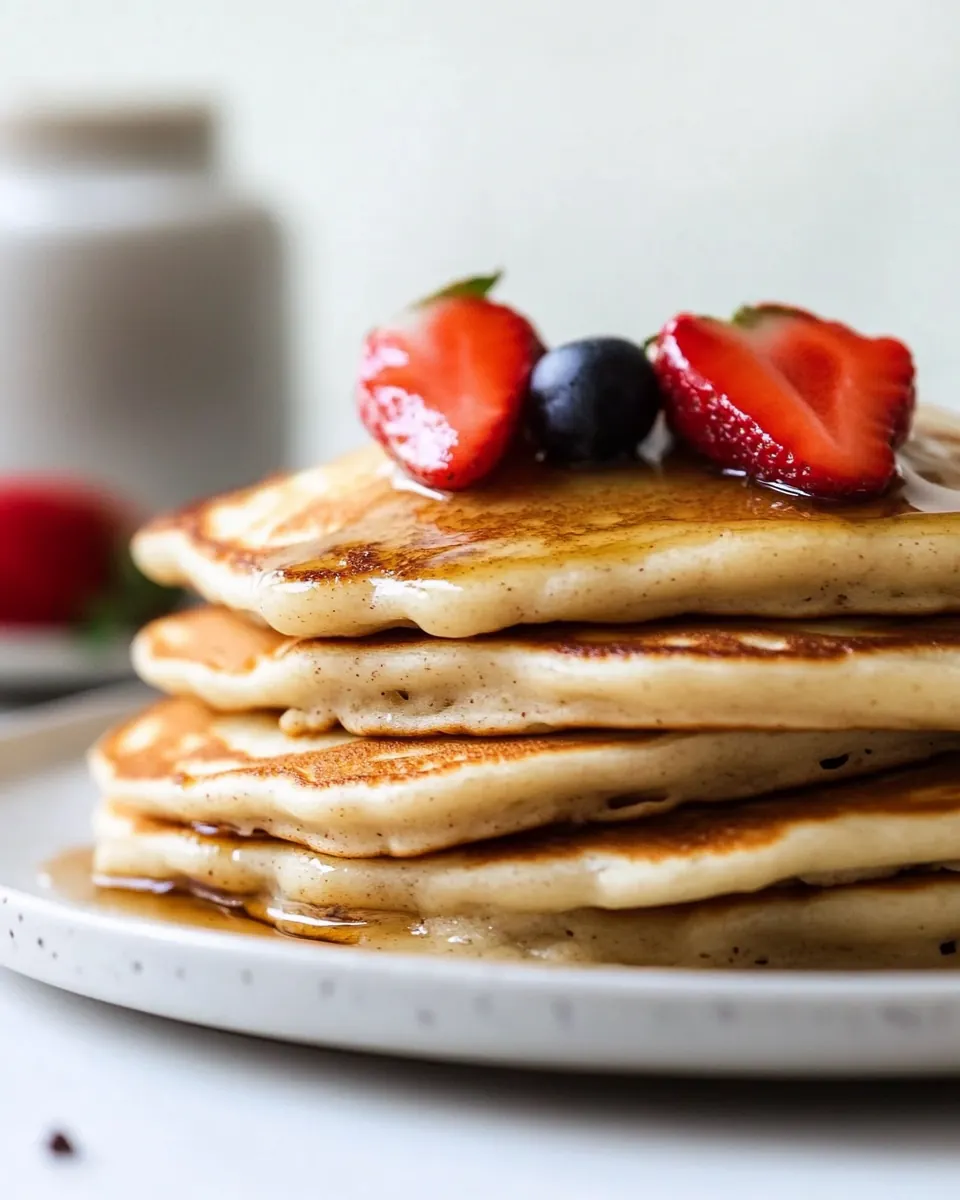
Sourdough Pancakes
Sourdough Pancakes are one of those recipes I reach for when I want something warm, comforting, and a little tangy on a slow morning.
Years ago I started keeping a small jar of active sourdough starter on my counter, and once a week I turn kitchen scraps into breakfast. There is a quiet satisfaction in stirring a bowl of familiar pantry staples with a bubbly starter, hearing the batter hiss gently on the griddle, and watching edges set into perfectly golden rounds. I love how the tang of the starter balances the sweetness of syrup, and how the texture stays tender yet slightly chewy, a lovely contrast to light, airy American style pancakes.
I often make a double batch for friends, and every time someone asks for the recipe I smile because it is forgiving, approachable, and genuinely better the next day if you let it rest. You can keep it simple, or use the overnight ferment tactic for a deeper sour note. For me, these pancakes are more than breakfast, they are small celebrations of patience and good ingredients.
Recipe Snapshot
35 mins
15 mins
20 mins
Easy
300 kcal
American
Gluten-Free, Low FODMAP
Breakfast
Griddle, Large bowl, Medium bowl, Whisk, Measuring cups
What You’ll Enjoy About This Sourdough Pancakes
Comfort that evolves
I adore Sourdough Pancakes because the flavor deepens with time. When you let the batter rest, the sourdough starter develops complexity that makes each bite more interesting than a standard batter. I notice the aroma becomes mildly sweet and tangy, and that little change makes a big impression at the table.
Flexible and forgiving
One reason I rely on Sourdough Pancakes is how adaptable they are. Whether you pour right away or ferment overnight, the structure holds. I find this perfect for hectic mornings, because a slightly thicker or thinner batter still cooks up beautifully. In my kitchen mishaps have turned into discoveries, so I trust a recipe that bends without breaking.
Simple pantry players
The ingredient list reads like things you likely already have, and that simplicity is a major win. Flour, baking powder, baking soda, and salt do the heavy lifting for texture, while sourdough starter and milk provide moisture and tang. I appreciate recipes where each ingredient has a clear job, and these pancakes are exactly that.
Textures that please
I love the way the edges crisp slightly as the center stays tender. The combination of gentle bubbles on the surface and a golden underside gives a satisfying contrast. When I serve them, guests comment on the chew and the light crumb, which makes me proud because it feels like comfort done right.
Great for sharing
Finally, Sourdough Pancakes scale well. I often double the batter, refrigerate, and reheat on a skillet for quick breakfasts all week. They store and revive nicely, so you get multiple mornings of enjoyment from one effort.
Essential Ingredients for Sourdough Pancakes
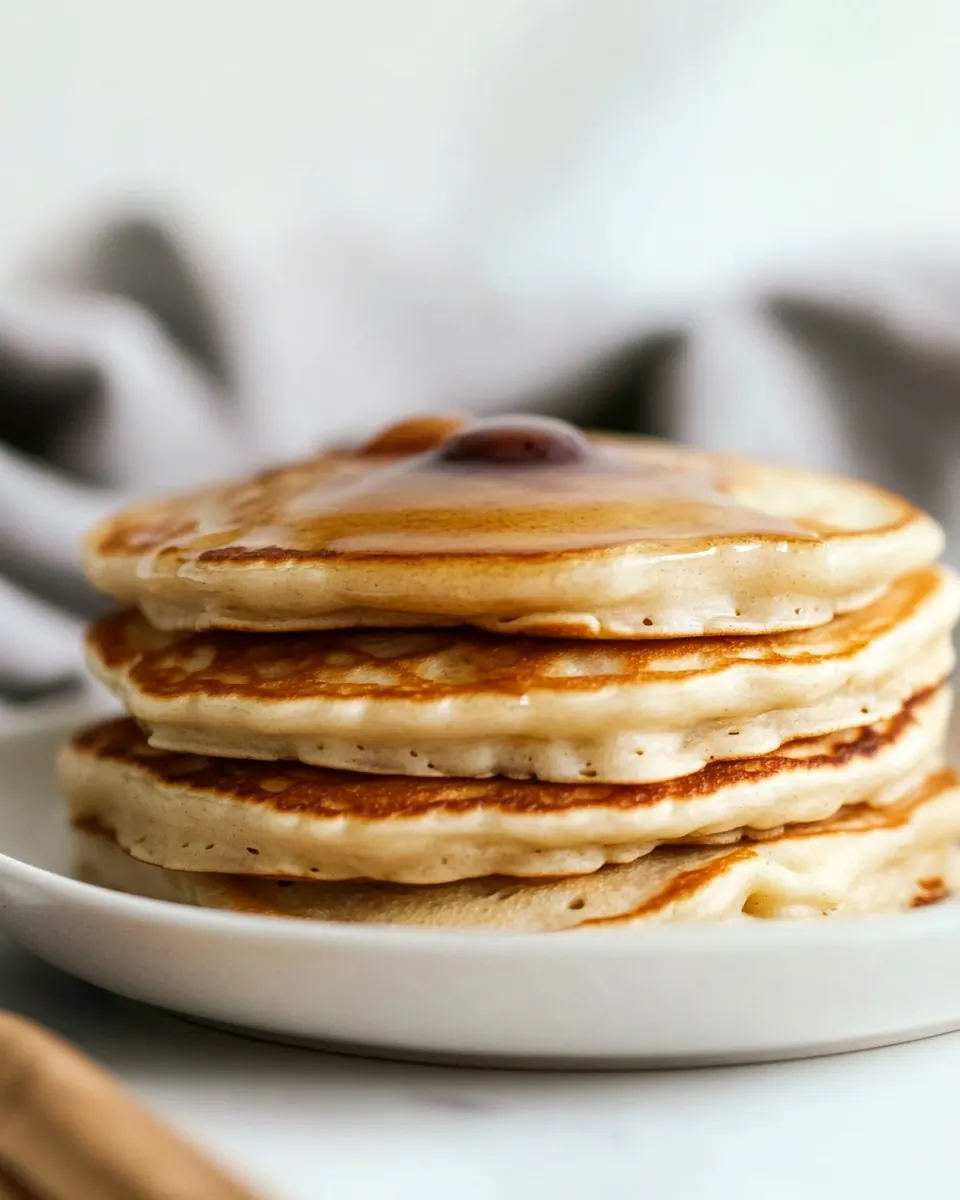
These ingredients are the backbone of a pancake that is both tender and slightly tangy. The dry leaveners give lift, the sourdough starter brings flavor and fermentation character, and the dairy and eggs add richness. Together they create a batter that browns attractively and cooks to a soft interior while holding a gentle chew.
- 2 cups all purpose flour: Provide structure and bulk to the batter by forming the gluten network that holds air and moisture; use all-purpose flour for a tender yet sturdy pancake crumb. Combine evenly with the leaveners to ensure a uniform rise and consistent texture throughout the pancakes.
- 2 teaspoons baking powder: Activate and aid rising by producing carbon dioxide when combined with moisture and heat, giving pancakes lift and lightness. Use measured baking powder to balance height without creating a metallic or overly tangy flavor.
- 1 teaspoon baking soda: React with acids in the batter to produce immediate lift and contribute to tender crumb through neutralization; baking soda also promotes browning. Ensure even distribution to avoid uneven pockets of alkaline taste and to complement the sourdough starter.
- 1/2 teaspoons salt: Enhance overall flavor profile by balancing sweetness and boosting the other ingredients while also strengthening gluten slightly; salt improves depth and rounds out taste. Use the specified small amount to avoid overdrying or muting delicate sourdough nuances.
- 3 tablespoons granulated sugar: Provide sweetness and promote browning through caramelization while tenderizing the pancake crumb by attracting moisture. Dissolve granulated sugar into the wet ingredients to ensure even sweetness and consistent browning during cooking.
- 1 cup sourdough starter or discard: Contribute both tangy flavor and natural fermentation enzymes that react with leaveners to improve texture and taste; sourdough starter adds depth and complexity. Incorporate at room temperature for best blending and to leverage any leavening activity if using active discard.
- 1 1/4 cup milk: Adjust batter consistency, provide moisture and help dissolve dry ingredients while contributing to tenderness; milk also supplies subtle richness and aids browning. Warm or room-temperature milk mixes more smoothly into the starter and eggs, preventing lumps and cold spots.
- 2 large eggs beaten: Bind ingredients together, add richness and structure through protein coagulation, and assist in leavening by trapping air when beaten. Beat eggs slightly before adding to ensure uniform distribution and a consistent, airy batter.
- 3 tablespoons unsalted butter melted: Introduce fat for moistness, richness, and enhanced flavor while helping create a tender, golden crust by conducting heat and promoting browning. Melt unsalted butter and cool slightly before mixing to avoid cooking eggs or altering batter texture.
The Method for Sourdough Pancakes
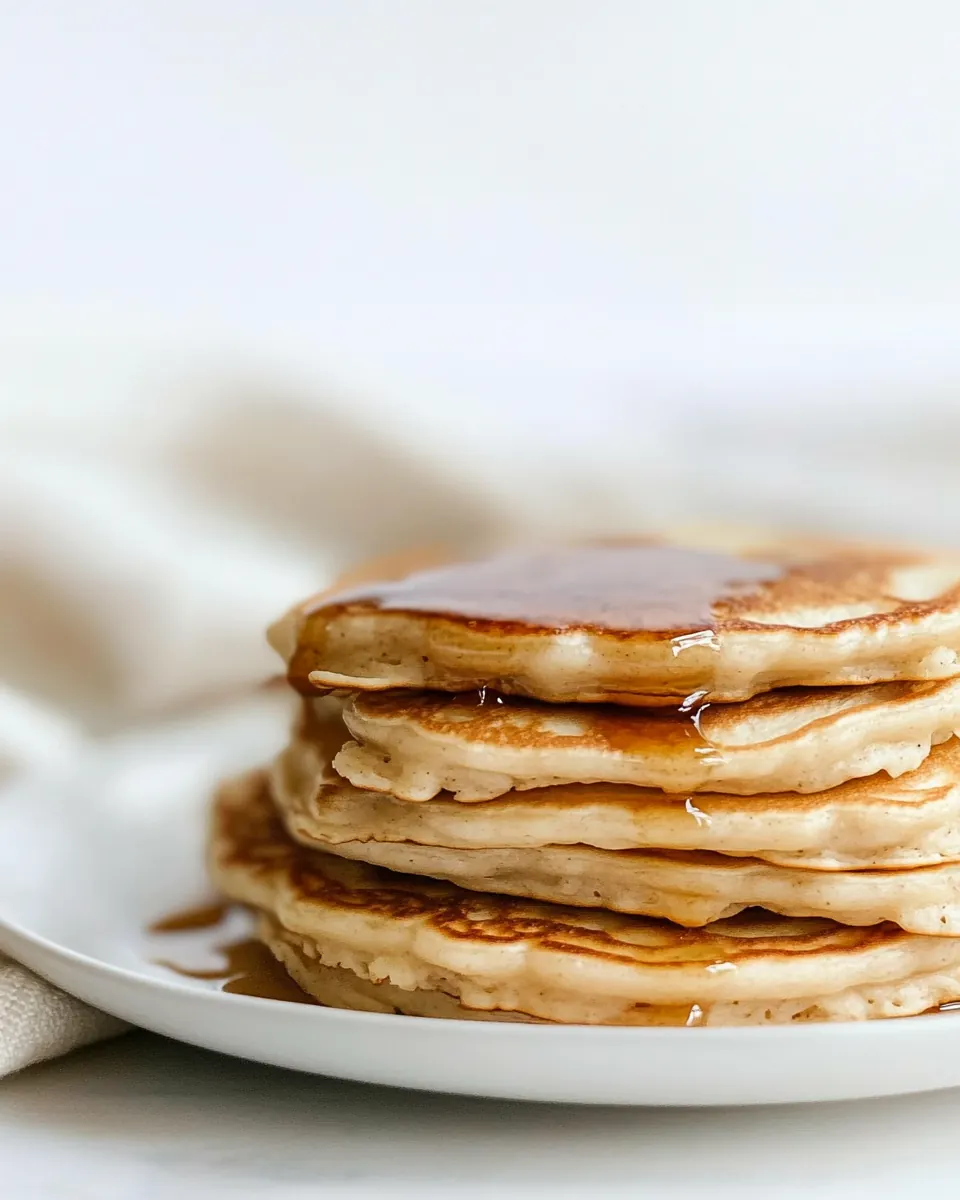
These steps guide you from mixing to a hot griddle, and the method is forgiving while rewarding small attention to detail. I like to move steadily, tasting as I go, and watching for visual cues that tell me the batter is ready and the pancakes are cooked through.
- In a large bowl whisk together the flour, baking powder, baking soda, salt, and sugar.: The aroma of combined dry leaveners is subtle but important, they create a faint mineral scent that becomes toasty as pancakes cook. Mixing these ingredients first ensures even distribution so you do not get pockets of baking soda which can cause odd flavors. I sift or whisk thoroughly so clumps disappear, and I can tell the mixture is right when the color and texture are uniform. A frequent mistake is stirring wet and dry together too vigorously, which can develop gluten and produce chewy pancakes. If you notice streaks of white, keep whisking until smooth, but do not overwork the mixture before adding liquids.
- In a medium bowl or liquid measuring cup, combine the sourdough starter, milk, eggs, and butter and whisk until combined. Pour the wet ingredients over the dry and mix until just combined. It should still be a little lumpy.: You will see a shiny, cohesive batter form that smells faintly tangy and creamy, with a soft sheen from the melted butter . Whisking the wet ingredients first helps break up the starter so it incorporates evenly. When you fold wet into dry, stop when a few small lumps remain; those little lumps reduce gluten formation and keep the pancakes tender. If you overmix the batter, it will tighten and lead to tougher pancakes, so resist the urge to make it perfectly smooth. A common pitfall is adding too much liquid to correct lumps, which thins the batter excessively and causes thin, flat pancakes.
- From here you have the option to cook the pancakes right away, or you can cover the dough and leave it on the counter overnight to ferment and have more of a distinct sourdough flavor.: The surface of the batter will appear slightly aerated if you let it rest, and the aroma grows more complex, almost vinous in a pleasant way. Overnight fermentation allows enzymes to break down starches for deeper flavor and better browning. If you cook immediately you will still get tasty pancakes, but the overnight option delivers the signature tang. Watch out for leaving it out too long in very warm kitchens, which can overproof and thin the batter excessively, so refrigerate if you need to pause beyond a safe time window.
- On a griddle preheated to 325°-350° and sprayed with cooking spray, pour 1/3 cup pancake batter on and cook until bubbling on top, about 2 minutes. Flip and cook for an additional 1-2 minutes, or until golden brown on the bottom.: When the batter hits the hot surface you should hear a soft sizzle and see small bubbles gather across the top; those bubbles signal that the interior is setting. The edges will start to look matte rather than glossy, another sign that it is time to check. Cooking at a steady medium heat ensures the inside cooks through while the exterior colors up evenly. A too hot griddle will brown the outside before the center cooks, producing an underdone middle, so regulate temperature and do a test pancake first.
- Serve with your favorite pancake toppings and enjoy.: After flipping you will notice a warm, toasty smell and a pleasing golden hue on the cooked side, with the underside having an even color. The sound will be quieter after flipping, and the pancake should feel springy when gently pressed. This short second cook finishes the interior while sealing in moisture. Overcooking at this stage dries the pancake, so remove them when they are just set and still tender.
- Serve with your favorite pancake toppings and enjoy.: The first bite should offer a balance of tang, light sweetness, and tender crumb, with a hint of buttered richness. I like to serve stacks hot so steam rises and the texture remains soft. If you are preparing for a crowd, hold them in a warm oven to keep consistent temperature. A mistake to avoid is stacking straight from skillet to plate without a brief rest which can make the bottoms soggy from trapped steam, so give them a moment to breathe if you plan to stack high.
Ways to Customize
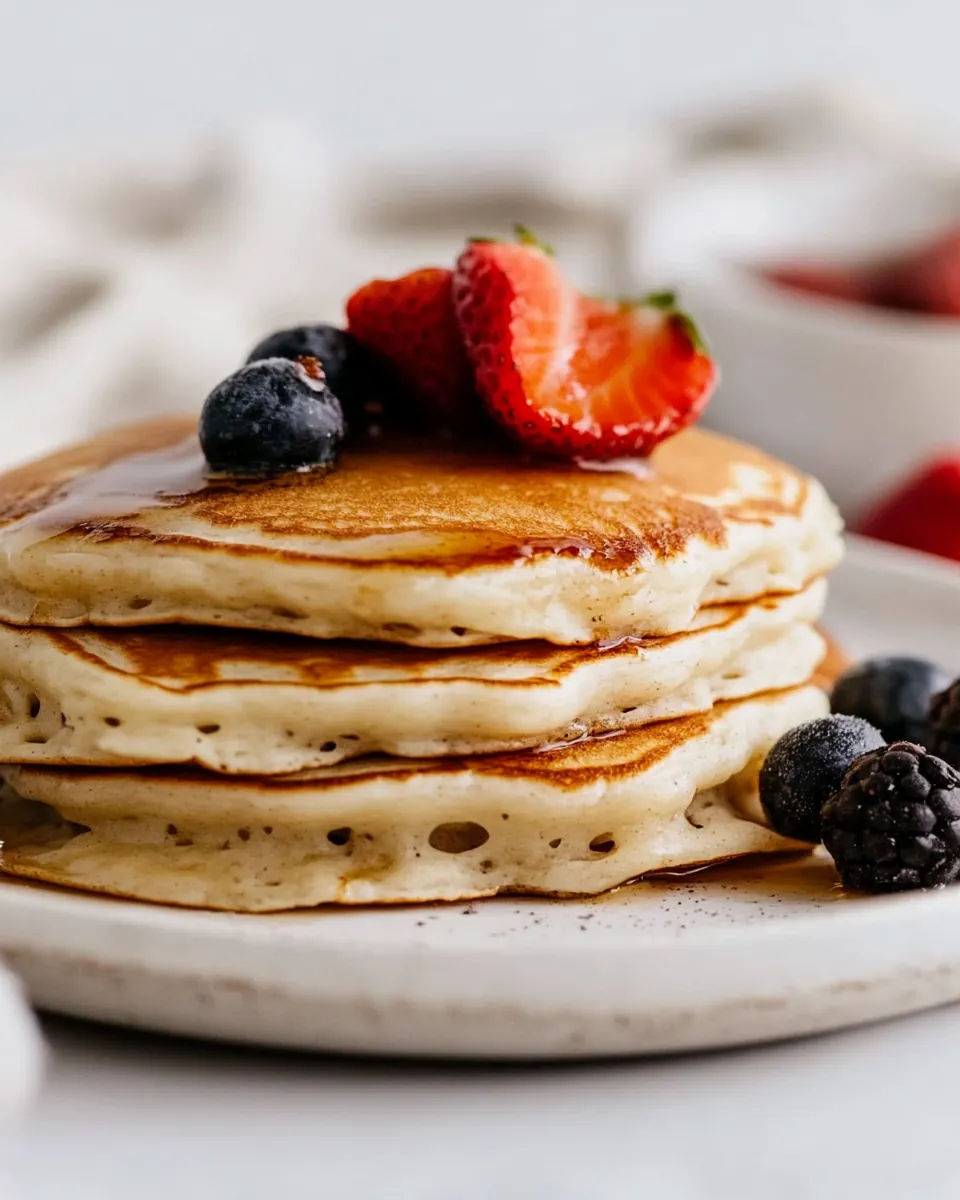
You can tailor Sourdough Pancakes to match flavor preferences or what you have in the pantry. Small swaps and serving ideas transform the stack while keeping the core technique unchanged.
- Add citrus zest to the batter for bright notes, finely grate lemon or orange and fold it into the wet mix so the aroma is subtle and fresh.
- Stir in mashed fruit like banana to the wet ingredients for extra moisture and natural sweetness, reduce milk slightly to keep batter consistency balanced.
- Use alternative milk such as oat or almond if you prefer, they thin differently so adjust quantity to reach the same pourable batter.
- Swap sweeteners by replacing part of the granulated sugar with maple syrup for deeper flavor, reduce milk slightly to account for liquid volume.
- Make mini pancakes by using a tablespoon scoop, they cook faster and are ideal for topping flights or brunch buffets.
Serving Options for Sourdough Pancakes
How you serve Sourdough Pancakes can set the tone from casual mornings to special brunch occasions. Think about texture contrasts, warm toppings, and ways to keep them fresh for multiple meals.
- Classic stack with butter and warm maple syrup, serve immediately so the syrup soaks in slightly while the pancakes stay fluffy.
- Fruit topped with fresh berries or sliced stone fruit, the acidity brightens the tang from the starter and adds a juicy contrast.
- Buttery savory option by offering compound butter such as honey butter or herb butter for guests who like a balance of sweet and savory.
- Brunch spread including small bowls of nuts, sliced fruit, and syrups for a DIY pancake station on weekends or gatherings.
- Make ahead by refrigerating or freezing stacks; reheat in a warm oven to preserve texture, and separate layers with parchment if freezing for easier portioning.
- Occasions these are perfect for weekend breakfasts, leisurely brunches, or holiday mornings where a comforting, scalable dish is ideal.
- Storage tips keep leftovers in an airtight container in the fridge for up to two days, or freeze for up to one month and reheat gently.
FAQ
Conclusion
These Sourdough Pancakes stand out because they combine pantry simplicity with the nuanced flavor of sourdough fermentation. They are flexible enough for same day cooking or an overnight ferment that heightens tang and aroma. I encourage you to try them as written, and then make small adjustments to suit your preferences, whether that means a thinner batter, a rest overnight, or a favorite topping combination. Enjoy the ritual of stacking warm pancakes and sharing them with people you care about; it is a small, delicious way to make a morning feel special.
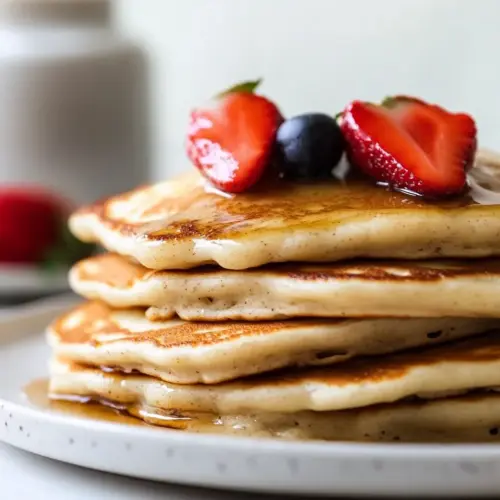
Sourdough Pancakes
Equipment
- Griddle
- Large Bowl
- Medium Bowl
- Whisk
- Measuring Cups
Ingredients
- 2 cups all purpose flour Provide structure and bulk to the batter by forming the gluten network that holds air and moisture; use all-purpose flour for a tender yet sturdy pancake crumb. Combine evenly with the leaveners to ensure a uniform rise and consistent texture throughout the pancakes.
- 2 teaspoons baking powder Activate and aid rising by producing carbon dioxide when combined with moisture and heat, giving pancakes lift and lightness. Use measured baking powder to balance height without creating a metallic or overly tangy flavor.
- 1 teaspoon baking soda React with acids in the batter to produce immediate lift and contribute to tender crumb through neutralization; baking soda also promotes browning. Ensure even distribution to avoid uneven pockets of alkaline taste and to complement the sourdough starter.
- 1/2 teaspoons salt Enhance overall flavor profile by balancing sweetness and boosting the other ingredients while also strengthening gluten slightly; salt improves depth and rounds out taste. Use the specified small amount to avoid overdrying or muting delicate sourdough nuances.
- 3 tablespoons granulated sugar Provide sweetness and promote browning through caramelization while tenderizing the pancake crumb by attracting moisture. Dissolve granulated sugar into the wet ingredients to ensure even sweetness and consistent browning during cooking.
- 1 cup sourdough starter or discard Contribute both tangy flavor and natural fermentation enzymes that react with leaveners to improve texture and taste; sourdough starter adds depth and complexity. Incorporate at room temperature for best blending and to leverage any leavening activity if using active discard.
- 1 1/4 cup milk Adjust batter consistency, provide moisture and help dissolve dry ingredients while contributing to tenderness; milk also supplies subtle richness and aids browning. Warm or room-temperature milk mixes more smoothly into the starter and eggs, preventing lumps and cold spots.
- 2 large eggs beaten Bind ingredients together, add richness and structure through protein coagulation, and assist in leavening by trapping air when beaten. Beat eggs slightly before adding to ensure uniform distribution and a consistent, airy batter.
- 3 tablespoons unsalted butter melted Introduce fat for moistness, richness, and enhanced flavor while helping create a tender, golden crust by conducting heat and promoting browning. Melt unsalted butter and cool slightly before mixing to avoid cooking eggs or altering batter texture.
Instructions
- In a large bowl whisk together the flour, baking powder, baking soda, salt, and sugar.: The aroma of combined dry leaveners is subtle but important, they create a faint mineral scent that becomes toasty as pancakes cook. Mixing these ingredients first ensures even distribution so you do not get pockets of baking soda which can cause odd flavors. I sift or whisk thoroughly so clumps disappear, and I can tell the mixture is right when the color and texture are uniform. A frequent mistake is stirring wet and dry together too vigorously, which can develop gluten and produce chewy pancakes. If you notice streaks of white, keep whisking until smooth, but do not overwork the mixture before adding liquids.
- In a medium bowl or liquid measuring cup, combine the sourdough starter, milk, eggs, and butter and whisk until combined. Pour the wet ingredients over the dry and mix until just combined. It should still be a little lumpy.: You will see a shiny, cohesive batter form that smells faintly tangy and creamy, with a soft sheen from the melted butter . Whisking the wet ingredients first helps break up the starter so it incorporates evenly. When you fold wet into dry, stop when a few small lumps remain; those little lumps reduce gluten formation and keep the pancakes tender. If you overmix the batter, it will tighten and lead to tougher pancakes, so resist the urge to make it perfectly smooth. A common pitfall is adding too much liquid to correct lumps, which thins the batter excessively and causes thin, flat pancakes.
- From here you have the option to cook the pancakes right away, or you can cover the dough and leave it on the counter overnight to ferment and have more of a distinct sourdough flavor.: The surface of the batter will appear slightly aerated if you let it rest, and the aroma grows more complex, almost vinous in a pleasant way. Overnight fermentation allows enzymes to break down starches for deeper flavor and better browning. If you cook immediately you will still get tasty pancakes, but the overnight option delivers the signature tang. Watch out for leaving it out too long in very warm kitchens, which can overproof and thin the batter excessively, so refrigerate if you need to pause beyond a safe time window.
- On a griddle preheated to 325°-350° and sprayed with cooking spray, pour 1/3 cup pancake batter on and cook until bubbling on top, about 2 minutes. Flip and cook for an additional 1-2 minutes, or until golden brown on the bottom.: When the batter hits the hot surface you should hear a soft sizzle and see small bubbles gather across the top; those bubbles signal that the interior is setting. The edges will start to look matte rather than glossy, another sign that it is time to check. Cooking at a steady medium heat ensures the inside cooks through while the exterior colors up evenly. A too hot griddle will brown the outside before the center cooks, producing an underdone middle, so regulate temperature and do a test pancake first.
- Serve with your favorite pancake toppings and enjoy.: After flipping you will notice a warm, toasty smell and a pleasing golden hue on the cooked side, with the underside having an even color. The sound will be quieter after flipping, and the pancake should feel springy when gently pressed. This short second cook finishes the interior while sealing in moisture. Overcooking at this stage dries the pancake, so remove them when they are just set and still tender.
- Serve with your favorite pancake toppings and enjoy.: The first bite should offer a balance of tang, light sweetness, and tender crumb, with a hint of buttered richness. I like to serve stacks hot so steam rises and the texture remains soft. If you are preparing for a crowd, hold them in a warm oven to keep consistent temperature. A mistake to avoid is stacking straight from skillet to plate without a brief rest which can make the bottoms soggy from trapped steam, so give them a moment to breathe if you plan to stack high.
Notes
- Add citrus zest to the batter for bright notes, finely grate lemon or orange and fold it into the wet mix so the aroma is subtle and fresh.
- Stir in mashed fruit like banana to the wet ingredients for extra moisture and natural sweetness, reduce milk slightly to keep batter consistency balanced.
- Use alternative milk such as oat or almond if you prefer, they thin differently so adjust quantity to reach the same pourable batter.
- Swap sweeteners by replacing part of the granulated sugar with maple syrup for deeper flavor, reduce milk slightly to account for liquid volume.
- Make mini pancakes by using a tablespoon scoop, they cook faster and are ideal for topping flights or brunch buffets.
