
Lemon Meltaway Cookies
Lemon Meltaway Cookies have been my go to when I want a little bright, buttery comfort with a whisper of citrus. The first time I made these I brought a tin to a neighbor who had just moved in, and the way the scent of lemon and warm butter floated down the hallway felt like giving a small, edible welcome wagon. I remember sitting on their stoop while we chatted, the cookies crumbling like snow on our tongues, and thinking how something so simple could spark a new friendship.
Since then, Lemon Meltaway Cookies have shown up at brunches, study groups, and quiet afternoons when I need a calming ritual. I’ll often swap in coconut oil when I want a subtler dairy note, or leave out the nuts for a nut free treat. They are forgiving, tender, and their powdered sugar finish makes every bite feel like a tiny celebration.
Recipe Snapshot
27 mins
10 mins
17 mins
Easy
120 kcal
American
Low FODMAP, Keto
Desserts
Oven, Stand mixer, Mixing bowl, Cookie sheet
The Appeal of This Lemon Meltaway Cookies
Comfortingly Simple
I find that Lemon Meltaway Cookies are one of those recipes that make people relax. The texture is feather light, and each bite practically dissolves. I love that you do not need fancy techniques to succeed, which means I can share them with friends who are new to baking without worrying.
Bright Citrus Balance
The subtle spark of lemon juice and zest cuts through the richness of the butter or coconut oil, creating a lively flavor profile. I always nudge the zest up if I want a more aromatic cookie, and I find that the tiny acid note makes the powdered sugar coating taste even sweeter.
Flexible and Inclusive
What I adore is how adaptable this cookie is. You can choose among different flours or omit the nuts to accommodate dietary needs, while still getting that melt in your mouth sensation. That flexibility means I reach for this recipe when I need a reliably crowd pleasing baked good.
Perfect for Gifting
Their delicate appearance and approachable flavor make these cookies excellent for tins and plates. They travel well, and because they firm up as they cool, they handle a little jostling without collapsing. I always tuck a small note in the box when I share them, because presentation matters even for tiny bites.
Quick Satisfaction
Between a short mixing time and a brief bake, I can get a batch going while I tidy up or make tea. That fast turnaround keeps them in my rotation for last minute company or when I want a small treat without a long commitment.
Everything You Need for Lemon Meltaway Cookies
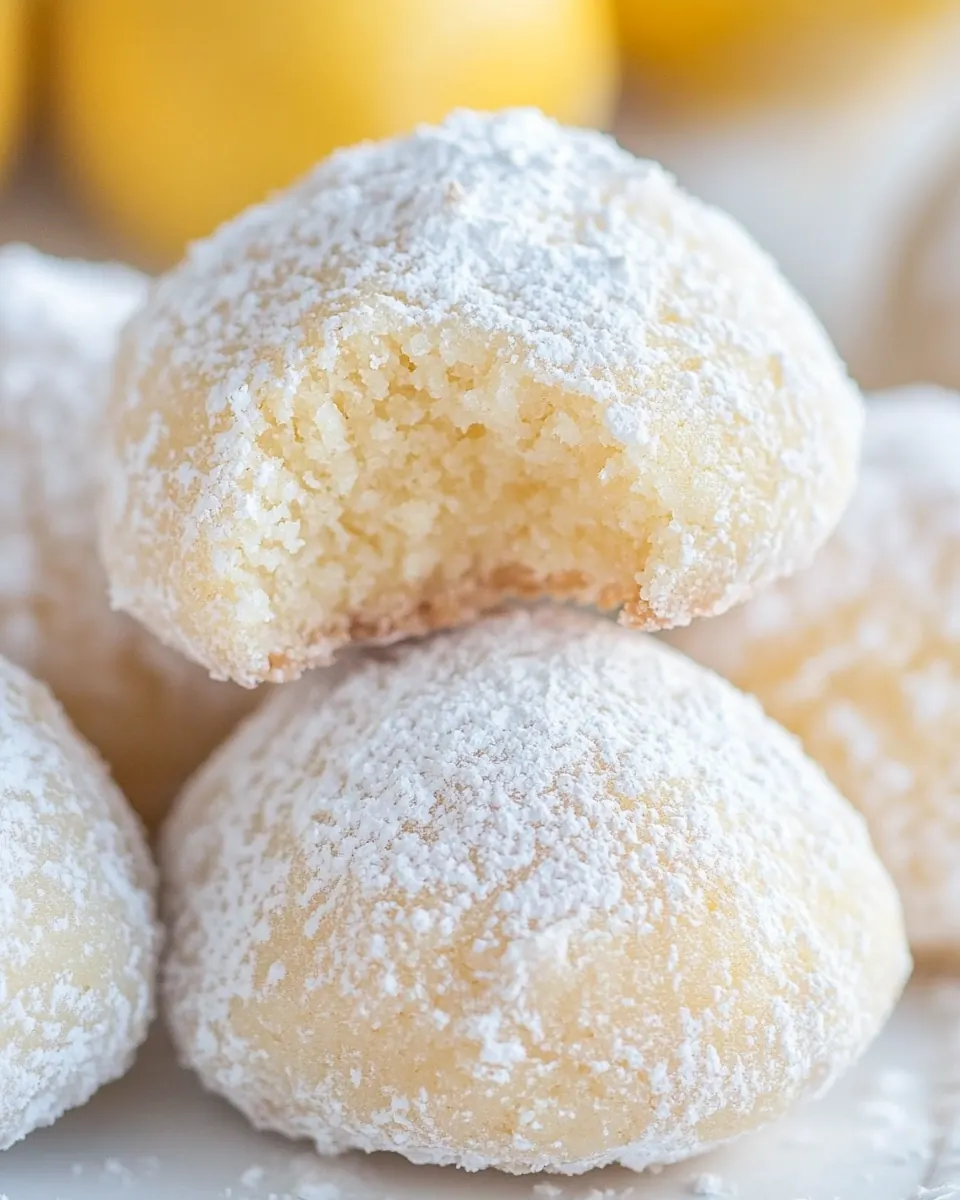
These ingredients are chosen to produce that signature tender, crumbly texture and a bright lemon note that lifts the whole cookie. The key players are the flour which forms the structure, the butter or coconut oil which brings richness and melt in the mouth texture, and the lemon elements that cut through with freshness. Powdered sugar gives the exterior that soft, snowy finish, and the optional nuts add a contrasting crunch if you like some bite.
- 1 cup flour (white, spelt, or Bob's gf work): Provide structure and bulk to the cookie dough, creating a tender crumb; choose white, spelt, or Bob's gluten-free flour based on dietary needs and adjust liquid slightly if using GF flour.
- 1/4 cup finely chopped walnuts, almonds, or pecans (can omit for nut free): Add a delicate crunch and subtle nuttiness when included, enhancing texture and complexity; finely chopping walnuts, almonds, or pecans helps distribute flavor evenly and they can be omitted for nut-free needs.
- 1/2 cup butter or coconut oil: Contribute richness, moisture, and melt-in-your-mouth texture; butter adds a classic flavor while coconut oil gives a mild coconut note and a slightly firmer finish when chilled.
- 1/4 cup powdered sugar, unrefined if desired: Sweeten and create a fine, powdery coating inside the dough for a soft, delicate bite; powdered sugar dissolves smoothly and using unrefined versions will impart a touch of deeper flavor.
- 2 tsp lemon juice, plus 1 tsp zest (don’t omit): Brighten and lift the cookie with fresh acidity and citrus aroma; two teaspoons of juice plus one teaspoon of zest deliver pronounced lemon flavor essential to the cookie’s profile.
- if using coconut oil, add 1/8 tsp salt: Balance flavor and enhance mouthfeel when coconut oil is used by compensating for its lack of inherent saltiness; one-eighth teaspoon prevents a flat taste without overpowering the lemon.
- additional powdered sugar for rolling (optional): Provide an optional finishing touch to boost sweetness and give the classic snow-dusted appearance when rolling the cooled cookies; use as desired to achieve preferred sweetness and presentation.
Making This Lemon Meltaway Cookies

This recipe is forgiving but paying attention to small details makes a big difference. I like to move through the steps with calm focus, noticing the way the dough looks and feels so I can judge readiness by eye and touch. Read each instruction fully and trust your senses as you go.
- For a keto version, just add lemon zest to this Keto Cookies recipe and roll into balls. Preheat the oven to 325 F. Beat butter or oil with the powdered sugar in a medium bowl or stand mixer. Stir in all remaining ingredients to form a dough. Roll into balls, place on a cookie sheet, and bake 17 minutes. The cookies will still be underdone, so do not touch them for 10 minutes as they cool and firm up. If desired, roll in additional powdered sugar.: The scent of pure lemon zest is vibrant and immediate, and if you're adapting to a keto base you'll notice a different crumb that is denser and less bouncy; be aware this alters the final meltaway feel, so adjust expectations. A common mistake is overbaking due to the different moisture content in keto flours, so watch the edges carefully.
- Preheat the oven to 325 F: You will smell warm air as the oven comes up to temperature and that steady heat is what slowly sets the cookies so they remain tender inside. Preheating ensures even bake and avoids over spreading. A frequent error is placing the cookies in a not fully heated oven, which can make them flatten too much, so wait until the oven reaches the full 325 F .
- Beat butter or oil with the powdered sugar in a medium bowl or stand mixer: As you cream the butter or coconut oil with the powdered sugar you will notice a paler, fluffier mixture forming, which traps tiny air pockets that help the cookies lift just enough. The texture should be glossy and smooth rather than grainy. If you overbeat, the mixture can become too soft and warm, causing the cookies to spread, so stop once a light, cohesive cream has formed.
- Stir in all remaining ingredients to form a dough: When you add the flour , nuts, lemon juice , and zest , the dough will come together in a soft, slightly crumbly mass that holds when pressed. The smell will be a gentle citrus mingled with butter or coconut. A common pitfall is adding too much flour, which makes the cookies dry, so mix just until the dough binds.
- Roll into balls, place on a cookie sheet, and bake 17 minutes: As the cookies bake you'll hear a quiet settling and begin to see edges firm and very faintly color. They will look underdone in the center yet the edges should appear set. That underdone look is fine because they finish as they cool, which preserves the tender interior. Avoid opening the oven frequently during those 17 minutes, because fluctuations can change texture.
- The cookies will still be underdone, so do not touch them for 10 minutes as they cool and firm up: During this waiting period the cookies set and develop their meltaway structure; you will notice a slight crust forming while the center remains soft. Leaving them untouched prevents breakage and allows steam to escape slowly. A mistake is trying to transfer them immediately, which can cause them to crumble or collapse.
- If desired, roll in additional powdered sugar: Rolling warm cookies in powdered sugar gives a light crackled exterior and a sweeter first bite; the sugar adheres beautifully to the slightly tacky surface. Be gentle as you roll so you do not compress or break the cookie. Overhandling can warm them and melt the sugar into a pasty coating, so let them cool adequately if you want a fluffy powdered finish.
Change It Up
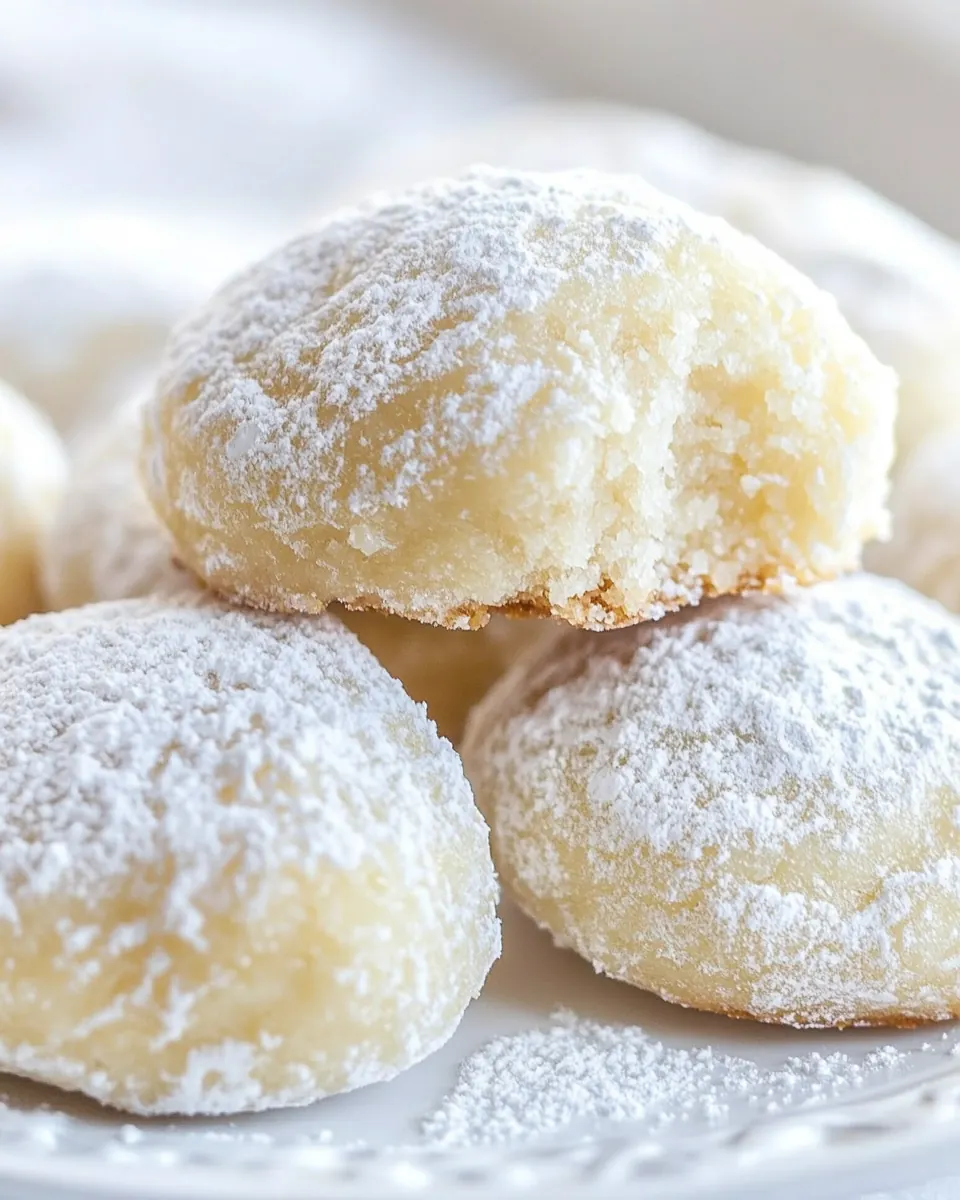
These little cookies are wonderfully adaptable, and a few tweaks can shift them from classic to playful. Below are tips I use to vary texture, flavor, and presentation without losing that signature meltaway quality.
- Use browned butter for a nutty depth if you want a richer, caramel like background note; watch closely when browning, because the aroma changes quickly and can go from toasty to burnt.
- Swap in coconut oil for dairy free to keep the texture tender while accommodating dietary needs, adding the small salt measure noted to preserve flavor balance.
- Omit nuts for a nut free option to make the cookies uniform and extra tender, perfect for serving to mixed groups where allergies might be a concern.
- Increase the lemon zest slightly when you want a punchier citrus profile, but avoid adding too much juice which can make the dough wetter and alter texture.
- Roll in powdered sugar while slightly warm for a delicate coating that clings to the surface, creating a pretty, crackled look and a first-sweet bite.
- Try spelt flour for a rustic note if you prefer a mildly nutty flavor and a slightly denser crumb, adjusting moisture if the dough feels drier.
- Chop nuts very finely to distribute small pockets of crunch without breaking the overall meltaway experience.
What to Serve With Lemon Meltaway Cookies
These cookies are versatile companions for many occasions and pairings. They work well at afternoon tea, brunch, or as a light finish to a meal. Below I outline serving ideas, storage tips, and occasions where they shine.
- Afternoon tea pairing Place the cookies on a small plate alongside a pot of black or herbal tea for a classic, soothing break that highlights the lemon brightness.
- Brunch tray Arrange them with fresh fruit and scones to add a delicate, sweet note to a mid morning spread, making the table feel curated and inviting.
- Gift tins Stack the cookies in a lined tin for neighborly gifts or holiday giving, they travel well and make thoughtful, homemade presents.
- Light dessert Serve a few with a fruit compote for a no fuss dessert that balances sweet and tangy elements, ideal after a heavier meal.
- Storage tips Keep in an airtight container at room temperature for up to four days, or freeze baked cookies in a sealed bag for longer storage, thawing gently at room temperature before serving.
- Seasonal occasions Their bright citrus note makes them a lovely addition to spring and summer menus, and they also bring freshness to winter dessert plates when you want a lighter finish.
FAQ
Conclusion
Lemon Meltaway Cookies shine because they combine a feather light texture with a bright citrus note that feels both comforting and refreshing. They are quick to prepare, forgiving to adapt, and perfect for sharing whether you are hosting or gifting. Give them a try when you need a simple, unfussy sweet that still feels special; I promise the powder sugared finish and the subtle lemon lift will win you over. Enjoy the ritual of mixing, baking, and offering a small, flavorful kindness to someone you care about.

Lemon Meltaway Cookies
Equipment
- Oven
- Stand mixer
- Mixing Bowl
- Cookie Sheet
Ingredients
- 1 cup flour (white, spelt, or Bob's gf work) Provide structure and bulk to the cookie dough, creating a tender crumb; choose white, spelt, or Bob's gluten-free flour based on dietary needs and adjust liquid slightly if using GF flour.
- 1/4 cup finely chopped walnuts, almonds, or pecans (can omit for nut free) Add a delicate crunch and subtle nuttiness when included, enhancing texture and complexity; finely chopping walnuts, almonds, or pecans helps distribute flavor evenly and they can be omitted for nut-free needs.
- 1/2 cup butter or coconut oil Contribute richness, moisture, and melt-in-your-mouth texture; butter adds a classic flavor while coconut oil gives a mild coconut note and a slightly firmer finish when chilled.
- 1/4 cup powdered sugar, unrefined if desired Sweeten and create a fine, powdery coating inside the dough for a soft, delicate bite; powdered sugar dissolves smoothly and using unrefined versions will impart a touch of deeper flavor.
- 2 tsp lemon juice, plus 1 tsp zest (don’t omit) Brighten and lift the cookie with fresh acidity and citrus aroma; two teaspoons of juice plus one teaspoon of zest deliver pronounced lemon flavor essential to the cookie’s profile.
- if using coconut oil, add 1/8 tsp salt Balance flavor and enhance mouthfeel when coconut oil is used by compensating for its lack of inherent saltiness; one-eighth teaspoon prevents a flat taste without overpowering the lemon.
- optional additional powdered sugar for rolling Provide an optional finishing touch to boost sweetness and give the classic snow-dusted appearance when rolling the cooled cookies; use as desired to achieve preferred sweetness and presentation.
Instructions
- For a keto version, just add lemon zest to this Keto Cookies recipe and roll into balls. Preheat the oven to 325 F. Beat butter or oil with the powdered sugar in a medium bowl or stand mixer. Stir in all remaining ingredients to form a dough. Roll into balls, place on a cookie sheet, and bake 17 minutes. The cookies will still be underdone, so do not touch them for 10 minutes as they cool and firm up. If desired, roll in additional powdered sugar.: The scent of pure lemon zest is vibrant and immediate, and if you're adapting to a keto base you'll notice a different crumb that is denser and less bouncy; be aware this alters the final meltaway feel, so adjust expectations. A common mistake is overbaking due to the different moisture content in keto flours, so watch the edges carefully.
- Preheat the oven to 325 F: You will smell warm air as the oven comes up to temperature and that steady heat is what slowly sets the cookies so they remain tender inside. Preheating ensures even bake and avoids over spreading. A frequent error is placing the cookies in a not fully heated oven, which can make them flatten too much, so wait until the oven reaches the full 325 F .
- Beat butter or oil with the powdered sugar in a medium bowl or stand mixer: As you cream the butter or coconut oil with the powdered sugar you will notice a paler, fluffier mixture forming, which traps tiny air pockets that help the cookies lift just enough. The texture should be glossy and smooth rather than grainy. If you overbeat, the mixture can become too soft and warm, causing the cookies to spread, so stop once a light, cohesive cream has formed.
- Stir in all remaining ingredients to form a dough: When you add the flour , nuts, lemon juice , and zest , the dough will come together in a soft, slightly crumbly mass that holds when pressed. The smell will be a gentle citrus mingled with butter or coconut. A common pitfall is adding too much flour, which makes the cookies dry, so mix just until the dough binds.
- Roll into balls, place on a cookie sheet, and bake 17 minutes: As the cookies bake you'll hear a quiet settling and begin to see edges firm and very faintly color. They will look underdone in the center yet the edges should appear set. That underdone look is fine because they finish as they cool, which preserves the tender interior. Avoid opening the oven frequently during those 17 minutes, because fluctuations can change texture.
- The cookies will still be underdone, so do not touch them for 10 minutes as they cool and firm up: During this waiting period the cookies set and develop their meltaway structure; you will notice a slight crust forming while the center remains soft. Leaving them untouched prevents breakage and allows steam to escape slowly. A mistake is trying to transfer them immediately, which can cause them to crumble or collapse.
- If desired, roll in additional powdered sugar: Rolling warm cookies in powdered sugar gives a light crackled exterior and a sweeter first bite; the sugar adheres beautifully to the slightly tacky surface. Be gentle as you roll so you do not compress or break the cookie. Overhandling can warm them and melt the sugar into a pasty coating, so let them cool adequately if you want a fluffy powdered finish.
Notes
- Use browned butter for a nutty depth if you want a richer, caramel like background note; watch closely when browning, because the aroma changes quickly and can go from toasty to burnt.
- Swap in coconut oil for dairy free to keep the texture tender while accommodating dietary needs, adding the small salt measure noted to preserve flavor balance.
- Omit nuts for a nut free option to make the cookies uniform and extra tender, perfect for serving to mixed groups where allergies might be a concern.
- Increase the lemon zest slightly when you want a punchier citrus profile, but avoid adding too much juice which can make the dough wetter and alter texture.
- Roll in powdered sugar while slightly warm for a delicate coating that clings to the surface, creating a pretty, crackled look and a first-sweet bite.
- Try spelt flour for a rustic note if you prefer a mildly nutty flavor and a slightly denser crumb, adjusting moisture if the dough feels drier.
- Chop nuts very finely to distribute small pockets of crunch without breaking the overall meltaway experience.
