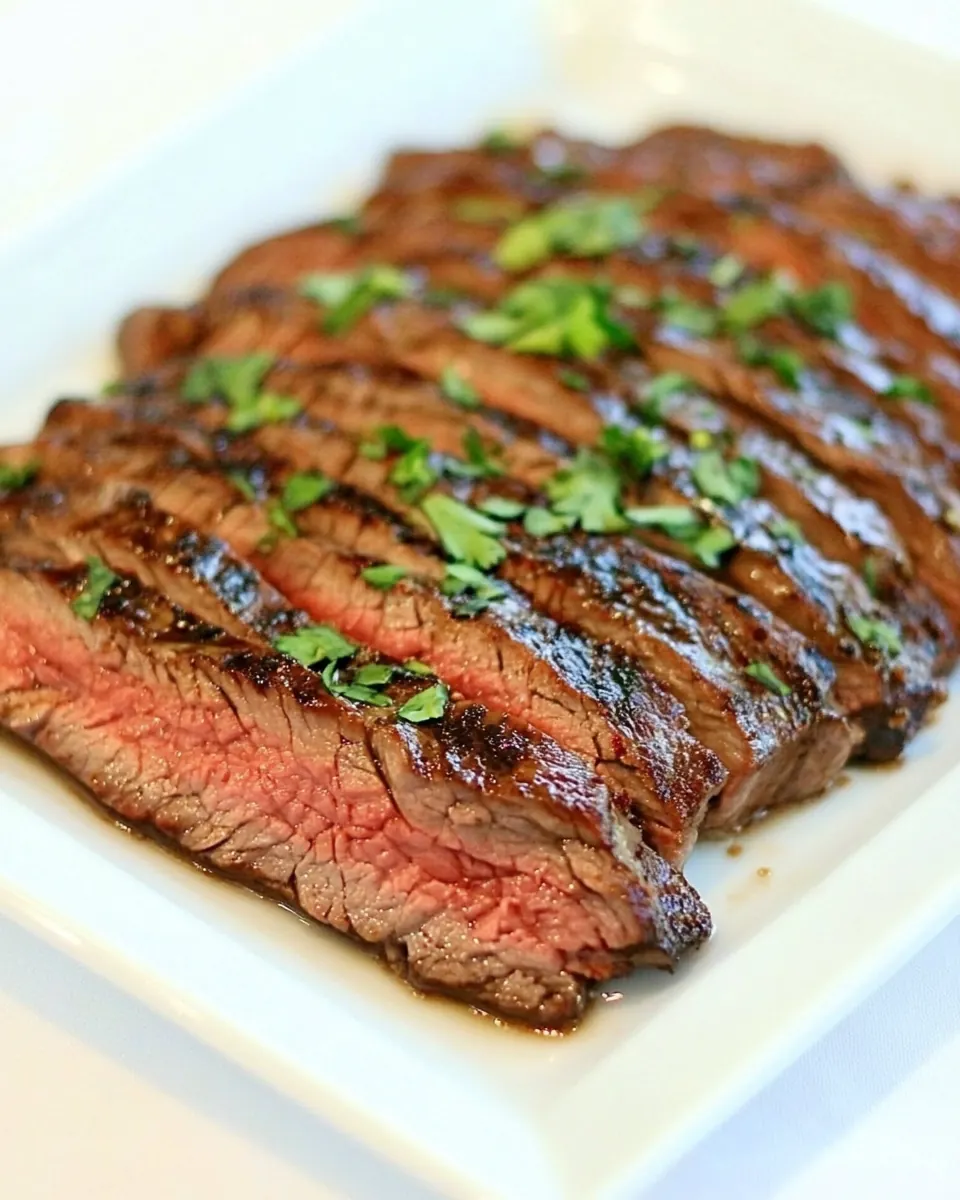
Grilled Teriyaki Flank Steak
Grilled Teriyaki Flank Steak is the kind of dish I reach for when the days stretch long and I want food that feels both honest and elevated. The first time I grilled this steak, the aroma from the soy and ginger hit me before the sizzle, and I remember stepping outside to watch the marinade caramelize, thinking that simple ingredients can make a moment feel like a celebration.
Over the years I’ve refined this recipe by watching how the meat responds to the grill, how the honey kisses the edges, and how a short rest makes all the difference. Once, I brought this to a neighborhood cookout and everyone kept asking for the secret, which of course is not a secret at all, it is technique and timing. I like serving it sliced thin so the textures and flavors carry through each bite.
There are memories wrapped up in this recipe for me, from weeknight dinners when we needed something quick and satisfying, to warm summer evenings when I wanted guests to linger at the table. The balance of savory and sweet, the bright note from the vinegar, and the whisper of ginger make it adaptable, familiar, and a little bit special. Whenever I fire up the grill, this steak is one of the first things that comes to mind.
Recipe Snapshot
20 mins
10 mins
10 mins
Easy
350 kcal
American
Gluten-Free, AIP
Dinner
Grill, Large freezer zip bag, Tongs, Sharp knife
What You’ll Enjoy About This Grilled Teriyaki Flank Steak
Bold, Balanced Flavor
I love how Grilled Teriyaki Flank Steak delivers a strong umami punch from soy sauce paired with a gentle sweetness from honey. The combination gives every bite depth without overpowering the natural beefy flavor of the flank steak. I find this balance keeps people coming back for seconds.
Quick Turnaround, Big Impact
Even though the marinade benefits from a long soak, the active hands on time is minimal. That means you can prep the night before and relax the day you serve. When friends are over, I appreciate a recipe that makes me look practiced without demanding constant attention.
Textural Reward
The key is grilling hot so the exterior gets a slight char while the center stays tender. I always slice flank steak against the grain to maximize tenderness, and the result is long, juicy slices that feel substantial yet refined.
Adaptable and Crowd Friendly
This dish is easy to scale, and the simple ingredient list means you can adapt it for dietary needs. I often suggest pairing it with something light and green, because the flavors are so concentrated, a crisp side helps the meal feel complete.
Make-Ahead Freedom
I value recipes that let me reclaim time. Marinate the flank steak overnight and you can spend the day greeting guests instead of hovering by the grill. That ease makes this a go to for summer gatherings and casual dinners alike.
Recipe Ingredients for Grilled Teriyaki Flank Steak
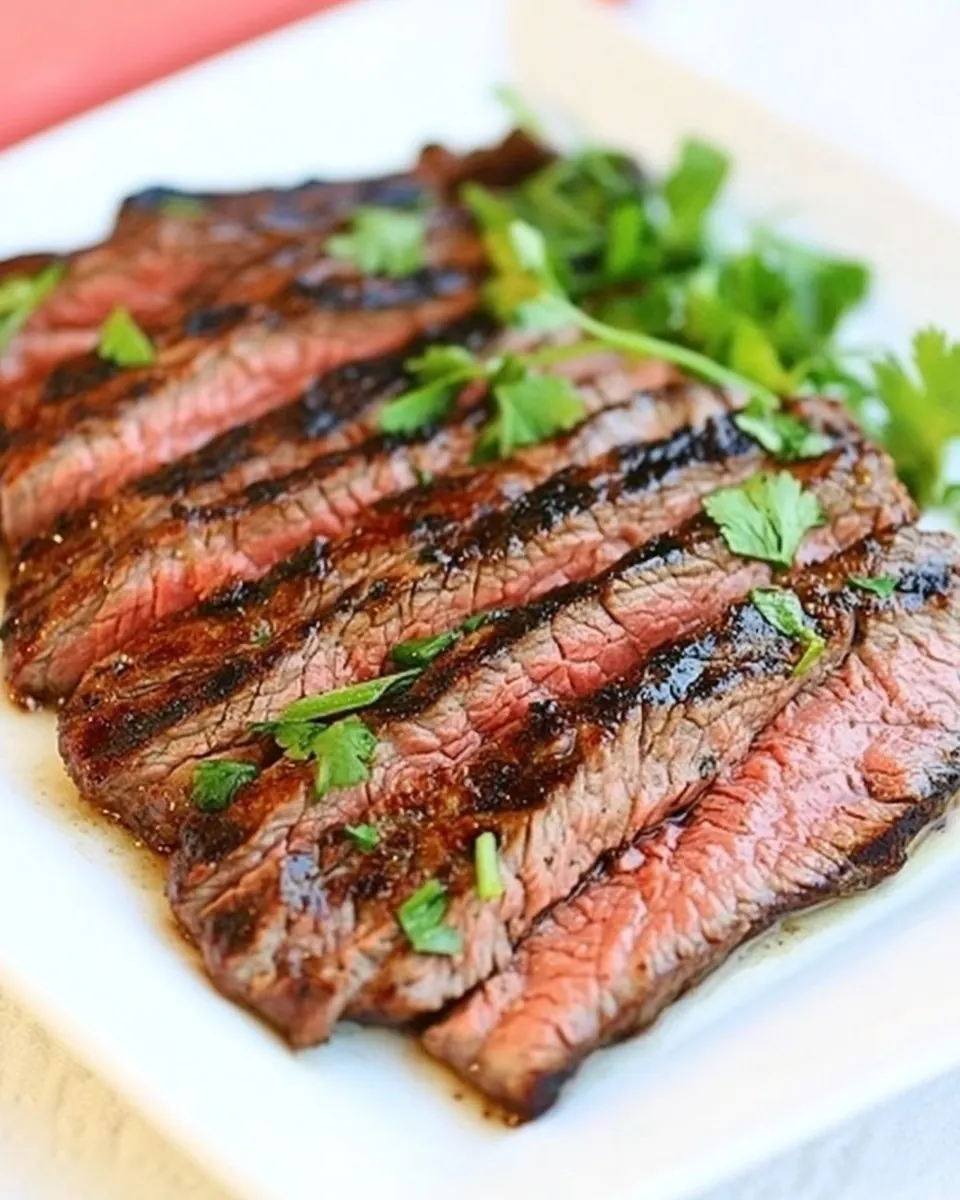
These ingredients are straightforward and purposeful. I treat the flank steak as the headline performer, while the rest of the items build a supporting cast that enhances, not hides, its flavor. The marinade components work together to tenderize, season, and create those glossy, caramelized edges when grilled.
- 2 pounds flank steak: Marinate and tenderize the flank steak by allowing it to soak up flavors; provides the primary protein and hearty texture for grilling. Slice against the grain after resting to maximize tenderness and juiciness. Rest briefly to redistribute juices for optimal serving.
- 1/2 cup vegetable or canola oil: Create a smooth, neutral-fat base for the marinade that helps distribute flavors and promotes even browning during grilling. Add slowly while whisking to emulsify the sauce and coat the steak evenly. Use a high-heat stable oil to prevent burning on the grill.
- 1/2 cup soy sauce: Provide a savory, umami-rich backbone to the marinade that balances sweet and acidic components. Combine with other liquid elements to penetrate the meat and enhance overall depth of flavor. Choose a regular soy sauce for classic teriyaki taste.
- 2 tablespoons honey: Introduce natural sweetness and help create a glossy glaze on the steak when grilled; contributes to caramelization. Dissolve into the marinade to balance the salty soy sauce and acidic vinegar. Adjust quantity slightly for desired sweetness intensity.
- 2 tablespoons white vinegar: Add bright acidity to balance sweetness and help tenderize the meat by breaking down proteins. Stir into the marinade to create a well-rounded flavor profile and assist in flavor penetration. White vinegar keeps the sauce tangy without overpowering other elements.
- 1 tablespoon freshly grated ginger: Bring fresh, peppery warmth and aromatic lift when freshly grated, intensifying the teriyaki profile. Mix into the marinade so its volatile oils infuse the steak for pronounced gingery notes. Fresh ginger also aids digestion and complements the savory-sweet balance.
- 1 teaspoon garlic powder: Provide concentrated garlic flavor in a convenient form that seasons the marinade without adding moisture. Sprinkle into the mixture to boost savory depth and complement ginger and soy. Adjust amount to control pungency according to preference.
- 1 medium green onion, finely chopped: Add sharp, mild onion flavor and a hint of freshness; contributes subtle crunch and visual contrast when sprinkled over the finished steak. Fold into the marinade or use as a garnish to impart mild allium notes that brighten the dish. Use finely chopped pieces for even distribution.
Cooking Method for Grilled Teriyaki Flank Steak
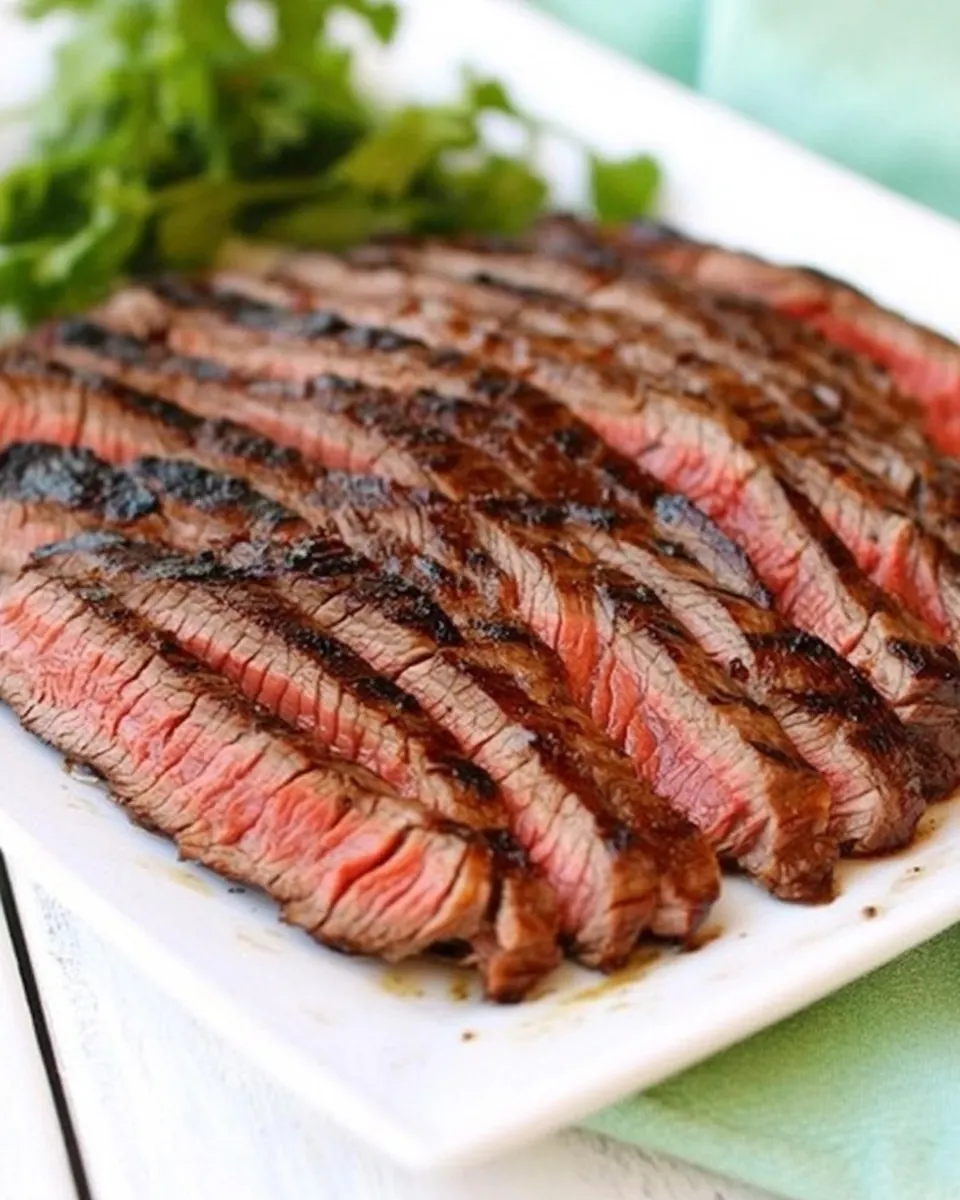
These directions are simple but demand attention to timing and temperature. I like to walk through the process calmly, knowing the marinade does much of the work and the grill adds the flourish. Read each step so you can sense when things are right.
- Combine flank steak with all other ingredients in a large freezer zip bag. Marinate for at least 8 hours, or overnight.: The scent of soy sauce , honey , and ginger mingling is immediate, slightly sweet and pungent, which tells you the flavors are marrying. I press the air out of the bag so the marinade hugs every inch of the flank steak , ensuring even coverage. A helpful tip is to massage the bag gently for a minute to loosen any pockets of marinade. One common mistake is using a container that does not allow full contact between meat and liquid, leading to uneven flavor absorption.
- Heat grill and barbecue steak until desired doneness.: Over time the marinade softens the surface fibers, and by the eight hour mark you can notice a deeper color and intensified aroma. I usually put the bag on a plate in the fridge to catch any drips and to keep things tidy. The long marinade develops complexity, but avoid marinating for multiple days, which can change the texture undesirably. A frequent error is skimming this step; even a shorter marination helps, but patience pays off.
- Cut steak against the grain in thin slices.: As the flank steak hits the grates you will hear a clear sizzle and smell caramelizing honey and toasted soy, an olfactory cue that the Maillard reaction is doing its job. I preheat the grill to high so the exterior sears quickly, creating those darkened edges while the interior remains juicy. Flip the steak once to develop crosshatch marks and even browning. Avoid constant flipping, since that prevents a good crust from forming. A common misstep is grilling at too high a temperature for too long, which can char the outside while drying the inside.
- Cut steak against the grain in thin slices: After a short rest to let juices redistribute, the aroma softens into a savory warmth and the meat firms slightly, which makes slicing easier. Cutting against the grain shortens the muscle fibers, giving each bite tenderness and a better mouthfeel. I aim for thin slices to amplify tenderness and carry the marinade flavor through each piece. A common mistake is slicing with the grain, which leaves the meat chewy rather than tender.
Tips for Success
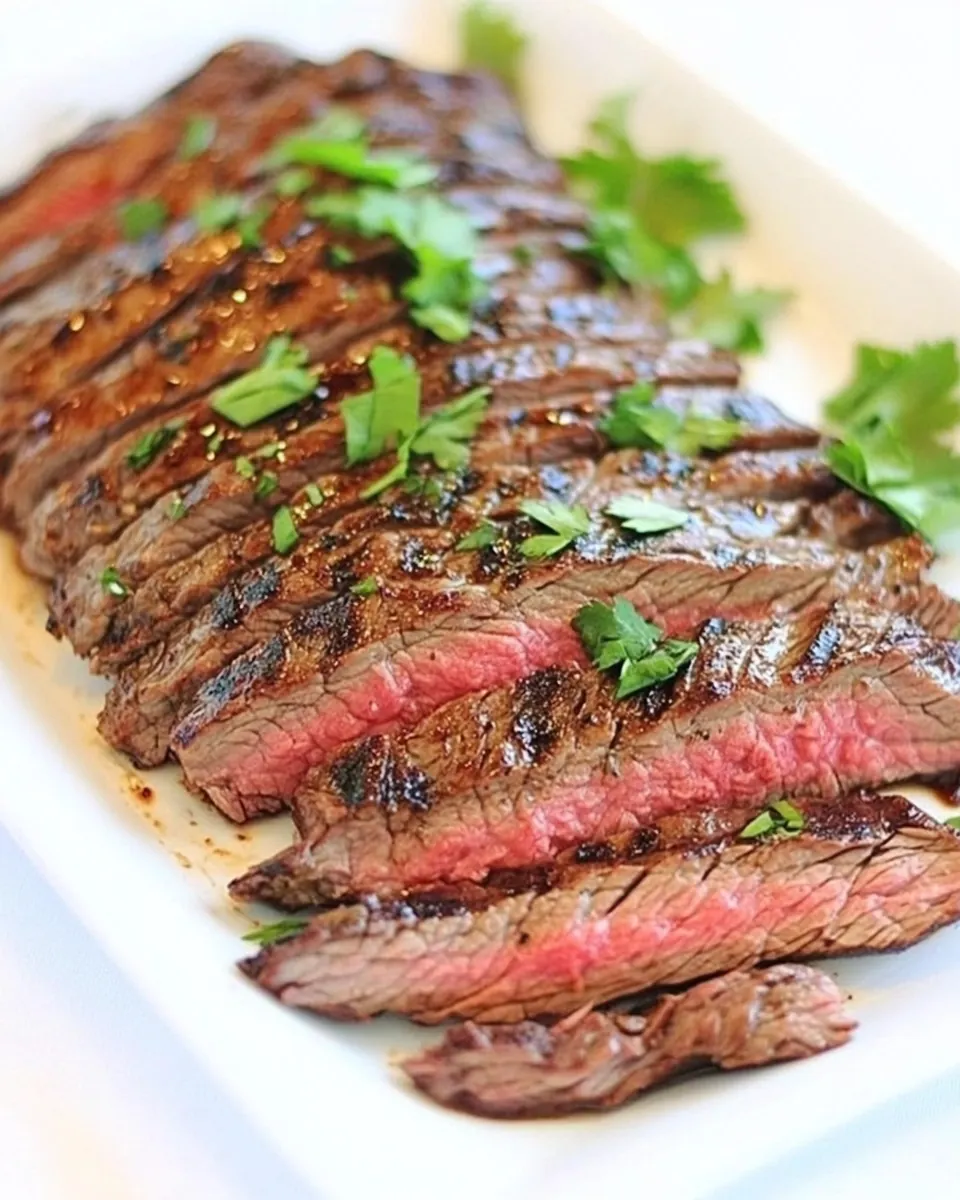
I like to think of these tips as little course corrections that lead to reliably great results. They cover timing, temperature, and small tricks that help you showcase the steak‘s flavor and texture.
- Choose the right cut, select a well trimmed flank steak that is about uniform thickness so it cooks evenly across the surface without thin spots overcooking.
- Marinade time matters, give the steak at least eight hours in the fridge, overnight is ideal for maximum flavor penetration and tenderization.
- Preheat the grill, bring grates to a high temperature before cooking to get that immediate sear which locks in flavor and creates a nicely caramelized crust.
- Manage flare ups, keep a spray bottle of water nearby and a cooler zone on the grill to move the steak if the sugars in the marinade ignite.
- Rest the meat, allow five to ten minutes off the heat so juices redistribute, which results in moister, more tender slices when you cut.
- Slice against the grain, identify the direction of the muscle fibers and cut perpendicular to them to maximize tenderness in each bite.
- Use a thermometer, for precision aim for an internal temperature that matches your preferred doneness, removing the guesswork and preventing overcooking.
What Goes Well With This Grilled Teriyaki Flank Steak
This steak pairs well with simple, vibrant sides that complement the sweet savory profile. I often reach for something crisp and green, or a lightly seasoned rice to soak up juices. For gatherings, consider easy make ahead components so you can focus on the steak at service time.
- Steamed rice or jasmine rice, a neutral bed that soaks up the sauce and balances the strong teriyaki flavors, making each bite harmonious.
- Grilled vegetables, such as bell peppers or zucchini, which echo the charred notes from the steak and keep the plate colorful and textural.
- Simple green salad, a mix of crisp lettuces with a light vinaigrette brightens the meal and cuts through the richness of the meat.
- Family dinners and summer cookouts, this recipe shines for casual gatherings when you want food that is both impressive and easy to serve in slices.
- Leftover storage, refrigerate sliced steak in an airtight container for up to three days and reheat gently to preserve tenderness.
- Seasonal pairing, serve this in summer when grilling is comfortable, or bring it to holiday buffets where bold flavors stand up to a variety of dishes.
FAQ
Conclusion
This Grilled Teriyaki Flank Steak stands out because it pairs bold umami with a touch of sweetness, producing tender, caramelized slices that are easy to serve and share. I encourage you to give it a try, especially on evenings when you want something impressive yet straightforward. The marinade is forgiving and the grilling is fast, so you can enjoy a restaurant quality meal at home with minimal fuss.
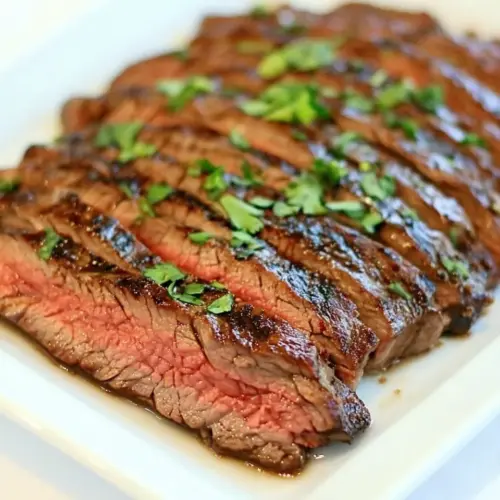
Grilled Teriyaki Flank Steak
Equipment
- Grill
- Large freezer zip bag
- Tongs
- Sharp Knife
Ingredients
- 2 pounds flank steak Marinate and tenderize the flank steak by allowing it to soak up flavors; provides the primary protein and hearty texture for grilling. Slice against the grain after resting to maximize tenderness and juiciness. Rest briefly to redistribute juices for optimal serving.
- 1/2 cup vegetable or canola oil Create a smooth, neutral-fat base for the marinade that helps distribute flavors and promotes even browning during grilling. Add slowly while whisking to emulsify the sauce and coat the steak evenly. Use a high-heat stable oil to prevent burning on the grill.
- 1/2 cup soy sauce Provide a savory, umami-rich backbone to the marinade that balances sweet and acidic components. Combine with other liquid elements to penetrate the meat and enhance overall depth of flavor. Choose a regular soy sauce for classic teriyaki taste.
- 2 tablespoons honey Introduce natural sweetness and help create a glossy glaze on the steak when grilled; contributes to caramelization. Dissolve into the marinade to balance the salty soy sauce and acidic vinegar. Adjust quantity slightly for desired sweetness intensity.
- 2 tablespoons white vinegar Add bright acidity to balance sweetness and help tenderize the meat by breaking down proteins. Stir into the marinade to create a well-rounded flavor profile and assist in flavor penetration. White vinegar keeps the sauce tangy without overpowering other elements.
- 1 tablespoon freshly grated ginger Bring fresh, peppery warmth and aromatic lift when freshly grated, intensifying the teriyaki profile. Mix into the marinade so its volatile oils infuse the steak for pronounced gingery notes. Fresh ginger also aids digestion and complements the savory-sweet balance.
- 1 teaspoon garlic powder Provide concentrated garlic flavor in a convenient form that seasons the marinade without adding moisture. Sprinkle into the mixture to boost savory depth and complement ginger and soy. Adjust amount to control pungency according to preference.
- 1 medium green onion, finely chopped Add sharp, mild onion flavor and a hint of freshness; contributes subtle crunch and visual contrast when sprinkled over the finished steak. Fold into the marinade or use as a garnish to impart mild allium notes that brighten the dish. Use finely chopped pieces for even distribution.
Instructions
- Combine flank steak with all other ingredients in a large freezer zip bag. Marinate for at least 8 hours, or overnight.: The scent of soy sauce , honey , and ginger mingling is immediate, slightly sweet and pungent, which tells you the flavors are marrying. I press the air out of the bag so the marinade hugs every inch of the flank steak , ensuring even coverage. A helpful tip is to massage the bag gently for a minute to loosen any pockets of marinade. One common mistake is using a container that does not allow full contact between meat and liquid, leading to uneven flavor absorption.
- Heat grill and barbecue steak until desired doneness.: Over time the marinade softens the surface fibers, and by the eight hour mark you can notice a deeper color and intensified aroma. I usually put the bag on a plate in the fridge to catch any drips and to keep things tidy. The long marinade develops complexity, but avoid marinating for multiple days, which can change the texture undesirably. A frequent error is skimming this step; even a shorter marination helps, but patience pays off.
- Cut steak against the grain in thin slices.: As the flank steak hits the grates you will hear a clear sizzle and smell caramelizing honey and toasted soy, an olfactory cue that the Maillard reaction is doing its job. I preheat the grill to high so the exterior sears quickly, creating those darkened edges while the interior remains juicy. Flip the steak once to develop crosshatch marks and even browning. Avoid constant flipping, since that prevents a good crust from forming. A common misstep is grilling at too high a temperature for too long, which can char the outside while drying the inside.
- Cut steak against the grain in thin slices: After a short rest to let juices redistribute, the aroma softens into a savory warmth and the meat firms slightly, which makes slicing easier. Cutting against the grain shortens the muscle fibers, giving each bite tenderness and a better mouthfeel. I aim for thin slices to amplify tenderness and carry the marinade flavor through each piece. A common mistake is slicing with the grain, which leaves the meat chewy rather than tender.
Notes
- Choose the right cut, select a well trimmed flank steak that is about uniform thickness so it cooks evenly across the surface without thin spots overcooking.
- Marinade time matters, give the steak at least eight hours in the fridge, overnight is ideal for maximum flavor penetration and tenderization.
- Preheat the grill, bring grates to a high temperature before cooking to get that immediate sear which locks in flavor and creates a nicely caramelized crust.
- Manage flare ups, keep a spray bottle of water nearby and a cooler zone on the grill to move the steak if the sugars in the marinade ignite.
- Rest the meat, allow five to ten minutes off the heat so juices redistribute, which results in moister, more tender slices when you cut.
- Slice against the grain, identify the direction of the muscle fibers and cut perpendicular to them to maximize tenderness in each bite.
- Use a thermometer, for precision aim for an internal temperature that matches your preferred doneness, removing the guesswork and preventing overcooking.
