Greek Yogurt Grapefruit Snack Cake
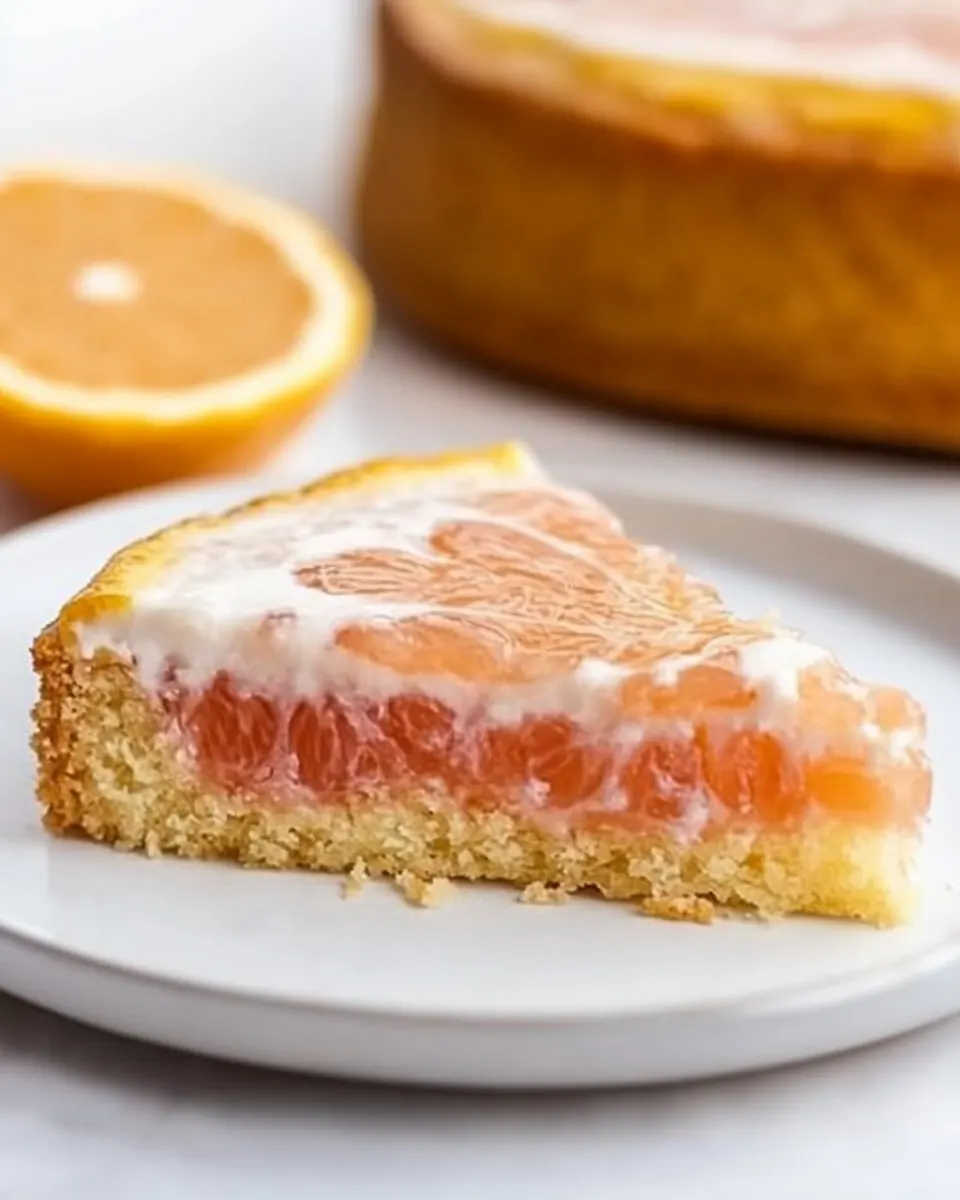
Greek Yogurt Grapefruit Snack Cake began as a small experiment on a slow spring afternoon when I had one lonely grapefruit and a tub of greek yogurt lingering in the fridge. I was craving something that felt like a cozy hug and a bright citrus wake up at the same time, so I whisked, stirred, and tasted my way to this tender, moist loaf. The first slice I cut was warm enough to steam the glaze slightly, and the kitchen smelled like sweet citrus and butter, which made me grin like a kid who discovered a secret dessert.
I kept going back to that single pan for days, watching friends and family light up after their first bite. I love that the crumb is soft and not too sweet, the way the grapefruit zest pops against the creamy backbone of the greek yogurt. It’s the kind of recipe I reach for when I want to bring something to a small gathering, or when I need a cheerful treat with my afternoon tea. Over time I tweaked the glaze, learned to press the zest gently to release oils, and adjusted oven times until the cake came out perfectly even in the center.
Recipe Snapshot
45 mins
15 mins
30 mins
Medium
200 kcal
Mediterranean
Gluten-Free, Low FODMAP
Desserts
9 x 9 inch baking pan, Mixing bowls, Whisk, Spatula
What You’ll Enjoy About This Greek Yogurt Grapefruit Snack Cake
Bright citrus flavor without being overpowering
I love how the greek yogurt lets the grapefruit shine, rather than covering it up. The zest and juice add a layered citrus profile, floral and slightly bitter, which keeps every bite interesting and balanced.
Moist, tender crumb from the greek yogurt
The greek yogurt gives the cake a lacy, delicate texture that stays fresh for days. I’ve found you don’t need a lot of butter to achieve that satisfying mouthfeel, which makes it feel lighter and more approachable for morning or snack time.
Easy to make with pantry staples
Most of the ingredients are things I usually have on hand, like all purpose flour, granulated sugar, and baking powder. That simplicity makes it a dependable recipe when I want something homemade with little fuss.
Flexible glazing for different moods
The glaze in this recipe is forgiving. I tweak the thickness with a teaspoon of grapefruit juice or another dusting of powdered sugar depending on whether I want a glossy, thin pour or a thick, ribboned finish. That control lets me dial in presentation quickly when guests arrive.
Portable and crowd friendly
This cake slices neatly and travels well. I’ll often make it for potlucks because it feeds a crowd, and it keeps its texture even after a day at room temperature. It’s one of those recipes I trust to perform when I need a dessert that is both simple and memorable.
What to Buy for Greek Yogurt Grapefruit Snack Cake
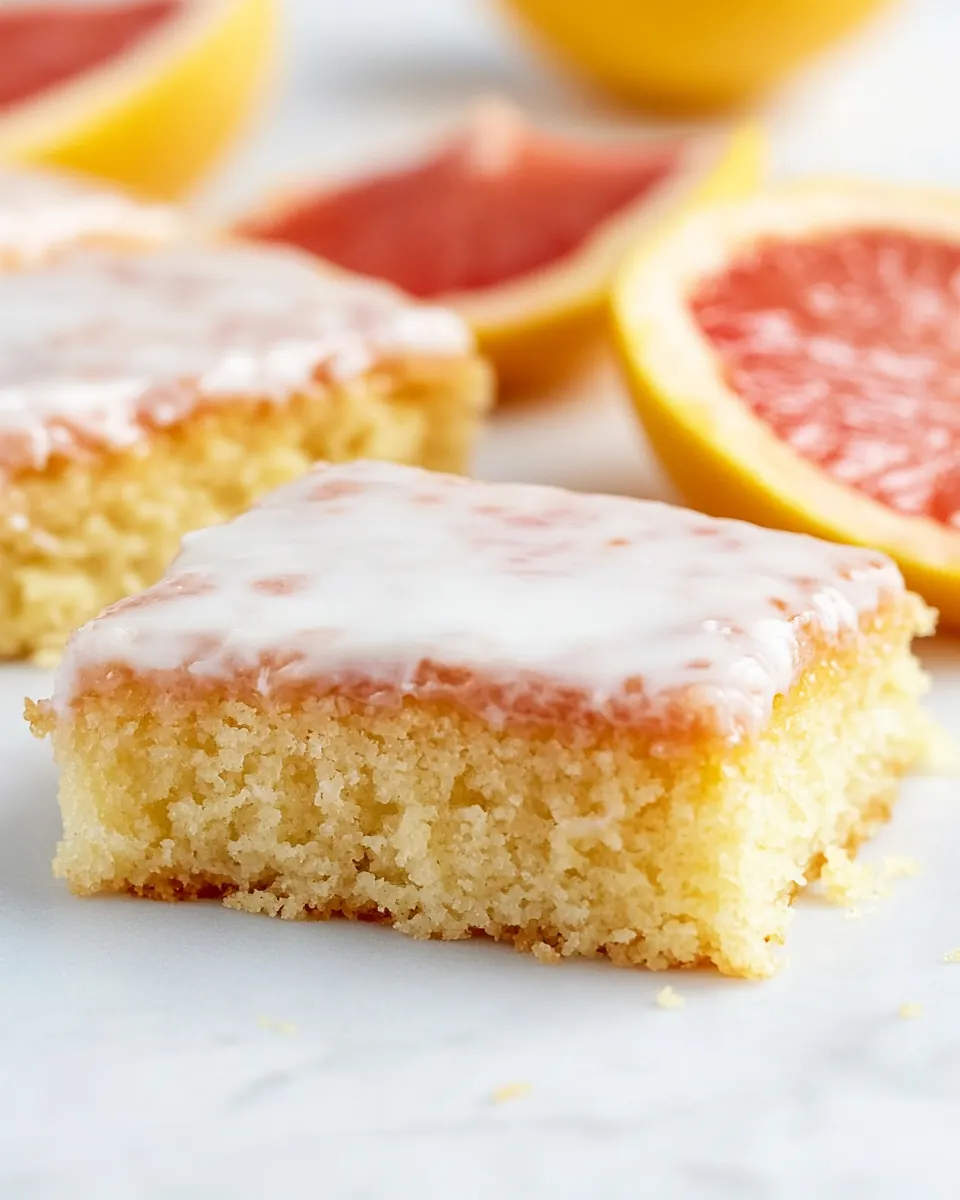
I choose ingredients that do the heavy lifting so the cake stays simple and honest. The cast of characters here is small but each plays a clear role: the all purpose flour provides structure, leaveners give lift, fats and sugar create tenderness and crumb, and the greek yogurt brings moisture and a faint tang that complements the bright grapefruit notes. Together they make a cake that is light but flavorful.
- 1 1/2 cups all-purpose flour: Provide structure and bulk to the cake while forming the gluten network that holds crumbs together; sifts easily with leaveners to ensure even texture and prevents dense spots in the crumb.
- 1 1/2 teaspoons baking powder: Leaven the batter by producing carbon dioxide when combined with other ingredients, contributing to cake rise and lightness; helps create a tender, airy crumb when balanced with the other leavening agent.
- 1/2 teaspoons salt: Enhance overall flavor and balance sweetness while strengthening gluten slightly; regulates the chemical reactions between leaveners and acidic ingredients for consistent texture.
- 1/4 teaspoon baking soda: React with acidic components to produce additional lift and a finer crumb; neutralize excess acidity for balanced flavor and improved browning during baking.
- 1/2 cup unsalted butter, melted and cooled: Add richness, moisture, and tender crumb by coating flour proteins and inhibiting overdevelopment of gluten; melted and cooled form integrates smoothly into batter for even texture.
- 3/4 cup granulated sugar: Provide sweetness and help with browning and tenderness by melting into the batter; creamed into butter or combined with liquid ingredients contributes to moistness and structure.
- 2 tablespoons fresh grated grapefruit zest: Deliver intense citrus aroma and bright, zesty flavor concentrated in the oils of the peel; freshly grated zest sharpens the cake’s grapefruit character without adding extra liquid.
- 2 large eggs: Bind ingredients, add richness, and contribute to leavening through structure and steam; beaten eggs help create a stable batter and contribute to the cake’s color and texture.
- 1 cup plain greek yogurt: Contribute moisture, creaminess, and slight tang while tenderizing the crumb through its acidity and protein content; Greek yogurt also reacts with baking soda to enhance rise.
- 2 teaspoons vanilla extract: Impart deep vanilla aroma and enhance overall sweetness perception by rounding flavors; a small amount concentrates flavor without adding bulk or moisture.
- 1 cup powdered sugar: Provide a smooth, sweet glaze base that dissolves easily and sets with a delicate, crackly finish; powdered sugar helps thicken the finishing glaze when combined with juice.
- 1 to 2 tablespoons fresh grapefruit juice: Add bright, fresh acidity to thin and flavor the glaze while balancing sweetness; a small amount of juice adjusts consistency and intensifies grapefruit presence.
- 1 tablespoon freshly grated grapefruit zest: Offer an additional burst of fresh citrus aroma and visual appeal when sprinkled over the finished glaze; freshly grated zest reinforces the grapefruit flavor without adding liquid.
Making This Greek Yogurt Grapefruit Snack Cake
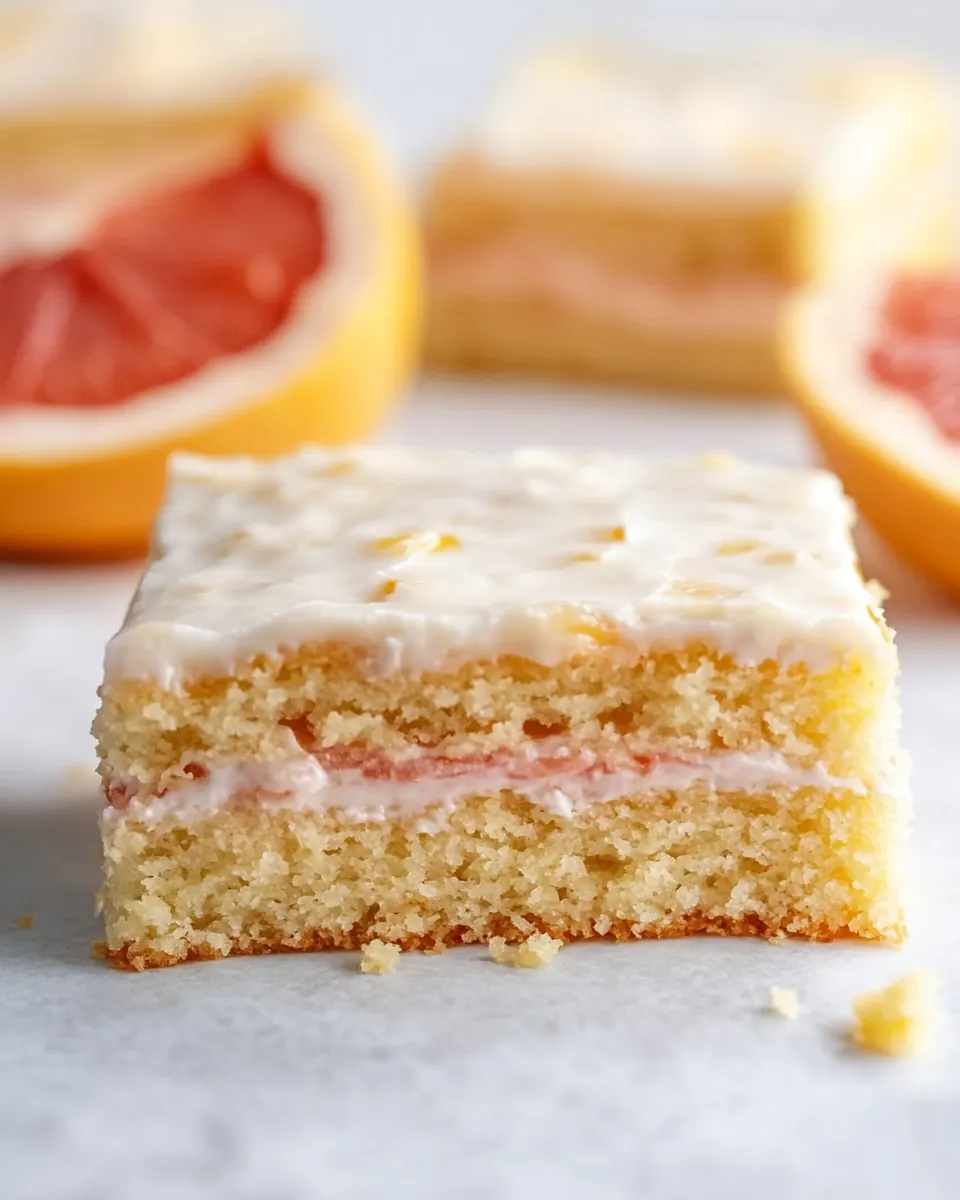
Working through this batter is straightforward, and the real joy comes from the sensory signals that tell you the cake is coming together. I like to move deliberately, noticing the textures and aromas at each stage so the final loaf is consistent every time.
- Preheat the oven to 325 degrees F. Spray a 9 x 9 inch pan with nonstick baking spray.: As the oven warms you will smell a faint dryness in the air, signaling the environment is ready to transform batter into cake. This step matters because an oven at the correct steady temperature ensures even rise, preventing a sunken center. A common mistake is skipping pan preparation, which can cause sticking and ruin presentation. Tap the pan gently to settle any air pockets after pouring the batter.
- In a small bowl, whisk together the flour, baking powder, salt and baking soda.: You will notice the mixture becomes aerated and uniform in color, which helps distribute leavening so the cake lifts evenly. Sifting or whisking prevents pockets of baking powder or soda that could create uneven texture. Avoid overmixing this dry mix with wet ingredients too soon, as excessive gluten development leads to toughness.
- In a large bowl, stir together the sugar and grapefruit zest with a fork until combined.: Rubbing the granulated sugar with the zest releases the citrus oils, and the bowl will steam with bright fragrance. This blooming technique intensifies aroma and gives tiny flecks of zest throughout the cake. A mistake people make is grating too deeply into the pith, which adds bitterness, so only grate the colored peel.
- To the same large bowl, whisk in the butter. Stir until the butter and sugar mixture is smooth. Whisk in the eggs, one at a time. Whisk in the greek yogurt and vanilla extract.: After adding the cooled butter , the mixture should feel silky and glossy. Adding eggs one at a time ensures proper emulsification and a stable batter. When you stir in the greek yogurt the batter will thicken slightly and smell creamy and tangy. A common error is adding warm butter which can scramble the eggs, so ensure the butter is cooled.
- Add the dry ingredients and stir until just combined. Pour the batter in the greased 9 x 9 inch pan.: When the dry mix is folded in, aim for a batter that is homogenous with no streaks of flour but still slightly lumpy. The visual cue is a smooth surface with small air pockets, not overly glossy. Overmixing here will tighten the crumb, so stop as soon as you see no dry flour. Scrape the bowl to get every bit into the pan for an even bake.
- Bake for 30 to 32 minutes or until the cake is set. Cool completely, then drizzle the glaze on top.: As the cake bakes the top will take on a gentle golden hue and the center will spring back to the touch. Use a toothpick in the center to check for moist crumbs, not wet batter. This timing gives a tender interior and a thin, slightly crackled top. Common pitfalls include opening the oven too often which drops the temperature and can lead to sinking, so resist peeking until late in the bake.
- Whisk together the sugar and juice until combined, smooth and drizzle-able. If it’s too thick, add more grapefruit juice 1 teaspoon at a time. If it ends up too thin, stir in more powdered sugar until it is thick enough. Stir in the zest. Pour the glaze over the cake and spread it to cover the top. Let it sit for 10 minutes before slicing and serving!: Cooling lets the crumb set so the glaze doesn’t sink in and become gummy. The cake will release a warm citrus aroma as it cools, and touching the surface should feel room temperature before you pour the glaze. If you glaze too soon the sugar will dissolve into the crumb and the top will not look glossy; patience yields the best finish.
- Whisk together the sugar and juice until combined, smooth and drizzle-able.: The glaze should shimmer and taste sweet with a fresh tartness from the grapefruit juice . Start with less juice, adding a teaspoon at a time to avoid an overly thin glaze. If it becomes too thin, gradually stir in more powdered sugar to thicken. A common mistake is rushing this step and making a glaze that runs off the cake instead of lightly coating it.
- If it’s too thick, add more grapefruit juice 1 teaspoon at a time. If it ends up too thin, stir in more powdered sugar until it is thick enough.: Watch for a consistency that forms a slow ribbon when you lift the whisk, this is the visual cue you want. The glaze should cling and settle with a faint sheen, not pool at the edges. Over correcting by adding too much liquid will require more sugar and can dull the fresh citrus flavor, so adjust carefully.
- Stir in the zest. Pour the glaze over the cake and spread it to cover the top.: Folding the final tablespoon of zest into the glaze releases an extra scent burst and adds tiny flecks that catch the eye. Pour slowly down the center and use a spatula to nudge the glaze toward the edges, letting it drip naturally. A common goof is to press the glaze into the crumb, which soaks it in; instead let it sit on top for a bright finish.
- Let it sit for 10 minutes before slicing and serving!: Allowing the glaze to set slightly results in clean slices and a neat presentation. The cake will still be warm enough to carry an amplified aroma, and the first bite should be a balance of tender cake and silky glaze. Rushing to cut it while the glaze is uncured can smear the top, so give it this short rest.
Expert Tips about Greek Yogurt Grapefruit Snack Cake

This cake rewards attention to small details, like zest technique and batter handling. Below are concentrated tips I use to get consistent results, especially when making it for guests or a bake sale.
- Room temperature ingredients: Bringing eggs and greek yogurt to room temperature helps the batter emulsify smoothly, giving a uniform texture and preventing lumps.
- Fresh leavening: Check that your baking powder and baking soda are fresh; stale leaveners can make the cake flat and dense rather than tender and airy.
- Zest carefully: Grate only the colored part of the grapefruit to avoid bitter pith, and rub the zest with sugar to unlock essential oils for richer aroma.
- Cool the melted butter: Allow the butter to cool before adding to the eggs to prevent curdling, which can lead to an uneven crumb.
- Glaze consistency: Aim for a glaze that falls in a slow ribbon from the whisk; this ensures it sets nicely on the cake without running off the sides.
- Pan prep: Use an evenly greased 9 x 9 inch pan and consider lining with parchment for flawless removal and cleaner slices.
Serve This Greek Yogurt Grapefruit Snack Cake With
This cake is versatile enough for morning coffee, an afternoon snack, or a light dessert. The list below covers serving ideas, pairings, and storage guidance so your cake shines no matter the occasion.
- With tea or coffee: Serve a slice alongside a cup of strong coffee or a floral tea for a pleasant contrast between bright citrus and warm roasted notes.
- Brunch spread: Add the cake to a brunch table with fresh fruit and light pastries for variety, making it a lovely spring option.
- Casual dessert: Offer slices after a family meal with a dollop of extra greek yogurt or a small scoop of mild ice cream for a comforting finish.
- Picnic friendly: The cake travels well at room temperature, so wrap slices in parchment for an easy treat outdoors.
- Storage tips: Keep the cake covered at room temperature for up to two days, or refrigerate for longer freshness, bringing to room temperature before serving.
- Occasions: This is great for casual gatherings, potlucks, or a bright addition to a springtime buffet when you want something light but flavorful.
FAQ
Conclusion
This cake stands out because it balances tender, creamy texture with a bright, citrus punch from fresh grapefruit. It’s approachable to make, friendly to share, and versatile enough for coffee, brunch, or a light dessert. Give it a try the next time you want something that looks and tastes thoughtful, yet comes together with minimal fuss. I think you’ll be surprised how often you reach for it when you want a treat that feels both simple and special.
Greek Yogurt Grapefruit Snack Cake
Equipment
- 9 x 9 inch baking pan
- Mixing Bowls
- Whisk
- Spatula
Ingredients
- 1 1/2 cups all-purpose flour Provide structure and bulk to the cake while forming the gluten network that holds crumbs together; sifts easily with leaveners to ensure even texture and prevents dense spots in the crumb.
- 1 1/2 teaspoons baking powder Leaven the batter by producing carbon dioxide when combined with other ingredients, contributing to cake rise and lightness; helps create a tender, airy crumb when balanced with the other leavening agent.
- 1/2 teaspoons salt Enhance overall flavor and balance sweetness while strengthening gluten slightly; regulates the chemical reactions between leaveners and acidic ingredients for consistent texture.
- 1/4 teaspoon baking soda React with acidic components to produce additional lift and a finer crumb; neutralize excess acidity for balanced flavor and improved browning during baking.
- 1/2 cup unsalted butter, melted and cooled Add richness, moisture, and tender crumb by coating flour proteins and inhibiting overdevelopment of gluten; melted and cooled form integrates smoothly into batter for even texture.
- 3/4 cup granulated sugar Provide sweetness and help with browning and tenderness by melting into the batter; creamed into butter or combined with liquid ingredients contributes to moistness and structure.
- 2 tablespoons fresh grated grapefruit zest Deliver intense citrus aroma and bright, zesty flavor concentrated in the oils of the peel; freshly grated zest sharpens the cake’s grapefruit character without adding extra liquid.
- 2 large eggs Bind ingredients, add richness, and contribute to leavening through structure and steam; beaten eggs help create a stable batter and contribute to the cake’s color and texture.
- 1 cup plain greek yogurt Contribute moisture, creaminess, and slight tang while tenderizing the crumb through its acidity and protein content; Greek yogurt also reacts with baking soda to enhance rise.
- 2 teaspoons vanilla extract Impart deep vanilla aroma and enhance overall sweetness perception by rounding flavors; a small amount concentrates flavor without adding bulk or moisture.
- 1 cup powdered sugar Provide a smooth, sweet glaze base that dissolves easily and sets with a delicate, crackly finish; powdered sugar helps thicken the finishing glaze when combined with juice.
- 1 to 2 tablespoons fresh grapefruit juice Add bright, fresh acidity to thin and flavor the glaze while balancing sweetness; a small amount of juice adjusts consistency and intensifies grapefruit presence.
- 1 tablespoon freshly grated grapefruit zest Offer an additional burst of fresh citrus aroma and visual appeal when sprinkled over the finished glaze; freshly grated zest reinforces the grapefruit flavor without adding liquid.
Instructions
- Preheat the oven to 325 degrees F. Spray a 9 x 9 inch pan with nonstick baking spray.: As the oven warms you will smell a faint dryness in the air, signaling the environment is ready to transform batter into cake. This step matters because an oven at the correct steady temperature ensures even rise, preventing a sunken center. A common mistake is skipping pan preparation, which can cause sticking and ruin presentation. Tap the pan gently to settle any air pockets after pouring the batter.
- In a small bowl, whisk together the flour, baking powder, salt and baking soda.: You will notice the mixture becomes aerated and uniform in color, which helps distribute leavening so the cake lifts evenly. Sifting or whisking prevents pockets of baking powder or soda that could create uneven texture. Avoid overmixing this dry mix with wet ingredients too soon, as excessive gluten development leads to toughness.
- In a large bowl, stir together the sugar and grapefruit zest with a fork until combined.: Rubbing the granulated sugar with the zest releases the citrus oils, and the bowl will steam with bright fragrance. This blooming technique intensifies aroma and gives tiny flecks of zest throughout the cake. A mistake people make is grating too deeply into the pith, which adds bitterness, so only grate the colored peel.
- To the same large bowl, whisk in the butter. Stir until the butter and sugar mixture is smooth. Whisk in the eggs, one at a time. Whisk in the greek yogurt and vanilla extract.: After adding the cooled butter , the mixture should feel silky and glossy. Adding eggs one at a time ensures proper emulsification and a stable batter. When you stir in the greek yogurt the batter will thicken slightly and smell creamy and tangy. A common error is adding warm butter which can scramble the eggs, so ensure the butter is cooled.
- Add the dry ingredients and stir until just combined. Pour the batter in the greased 9 x 9 inch pan.: When the dry mix is folded in, aim for a batter that is homogenous with no streaks of flour but still slightly lumpy. The visual cue is a smooth surface with small air pockets, not overly glossy. Overmixing here will tighten the crumb, so stop as soon as you see no dry flour. Scrape the bowl to get every bit into the pan for an even bake.
- Bake for 30 to 32 minutes or until the cake is set. Cool completely, then drizzle the glaze on top.: As the cake bakes the top will take on a gentle golden hue and the center will spring back to the touch. Use a toothpick in the center to check for moist crumbs, not wet batter. This timing gives a tender interior and a thin, slightly crackled top. Common pitfalls include opening the oven too often which drops the temperature and can lead to sinking, so resist peeking until late in the bake.
- Whisk together the sugar and juice until combined, smooth and drizzle-able. If it’s too thick, add more grapefruit juice 1 teaspoon at a time. If it ends up too thin, stir in more powdered sugar until it is thick enough. Stir in the zest. Pour the glaze over the cake and spread it to cover the top. Let it sit for 10 minutes before slicing and serving!: Cooling lets the crumb set so the glaze doesn’t sink in and become gummy. The cake will release a warm citrus aroma as it cools, and touching the surface should feel room temperature before you pour the glaze. If you glaze too soon the sugar will dissolve into the crumb and the top will not look glossy; patience yields the best finish.
- Whisk together the sugar and juice until combined, smooth and drizzle-able.: The glaze should shimmer and taste sweet with a fresh tartness from the grapefruit juice . Start with less juice, adding a teaspoon at a time to avoid an overly thin glaze. If it becomes too thin, gradually stir in more powdered sugar to thicken. A common mistake is rushing this step and making a glaze that runs off the cake instead of lightly coating it.
- If it’s too thick, add more grapefruit juice 1 teaspoon at a time. If it ends up too thin, stir in more powdered sugar until it is thick enough.: Watch for a consistency that forms a slow ribbon when you lift the whisk, this is the visual cue you want. The glaze should cling and settle with a faint sheen, not pool at the edges. Over correcting by adding too much liquid will require more sugar and can dull the fresh citrus flavor, so adjust carefully.
- Stir in the zest. Pour the glaze over the cake and spread it to cover the top.: Folding the final tablespoon of zest into the glaze releases an extra scent burst and adds tiny flecks that catch the eye. Pour slowly down the center and use a spatula to nudge the glaze toward the edges, letting it drip naturally. A common goof is to press the glaze into the crumb, which soaks it in; instead let it sit on top for a bright finish.
- Let it sit for 10 minutes before slicing and serving!: Allowing the glaze to set slightly results in clean slices and a neat presentation. The cake will still be warm enough to carry an amplified aroma, and the first bite should be a balance of tender cake and silky glaze. Rushing to cut it while the glaze is uncured can smear the top, so give it this short rest.
Notes
- Room temperature ingredients: Bringing eggs and greek yogurt to room temperature helps the batter emulsify smoothly, giving a uniform texture and preventing lumps.
- Fresh leavening: Check that your baking powder and baking soda are fresh; stale leaveners can make the cake flat and dense rather than tender and airy.
- Zest carefully: Grate only the colored part of the grapefruit to avoid bitter pith, and rub the zest with sugar to unlock essential oils for richer aroma.
- Cool the melted butter: Allow the butter to cool before adding to the eggs to prevent curdling, which can lead to an uneven crumb.
- Glaze consistency: Aim for a glaze that falls in a slow ribbon from the whisk; this ensures it sets nicely on the cake without running off the sides.
- Pan prep: Use an evenly greased 9 x 9 inch pan and consider lining with parchment for flawless removal and cleaner slices.