Italian Seasoning
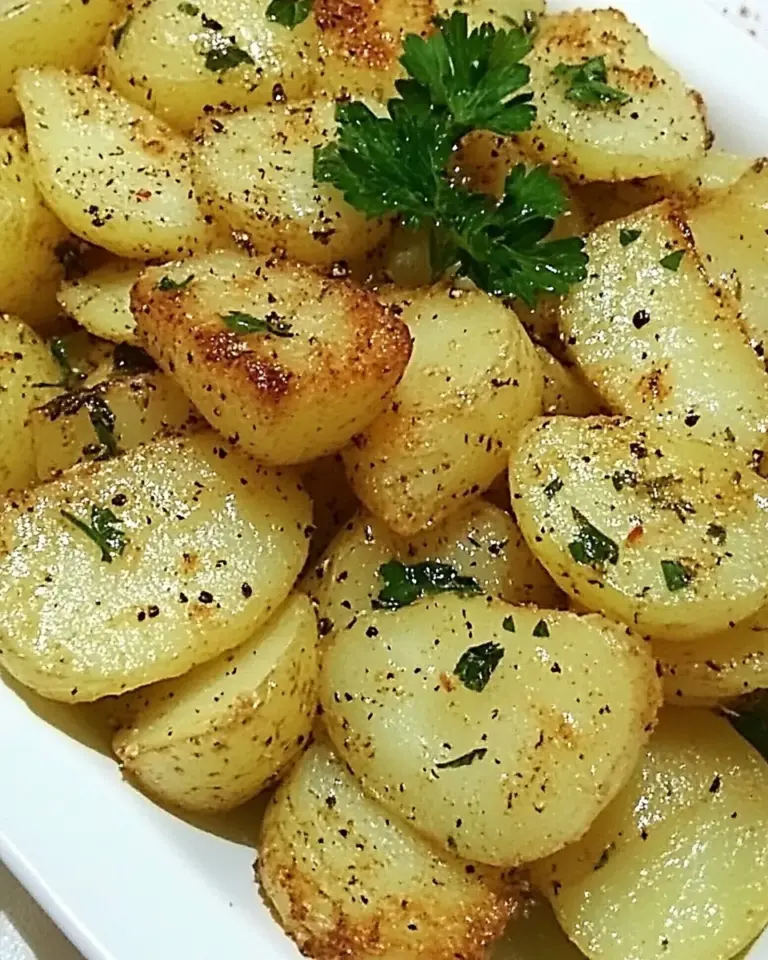
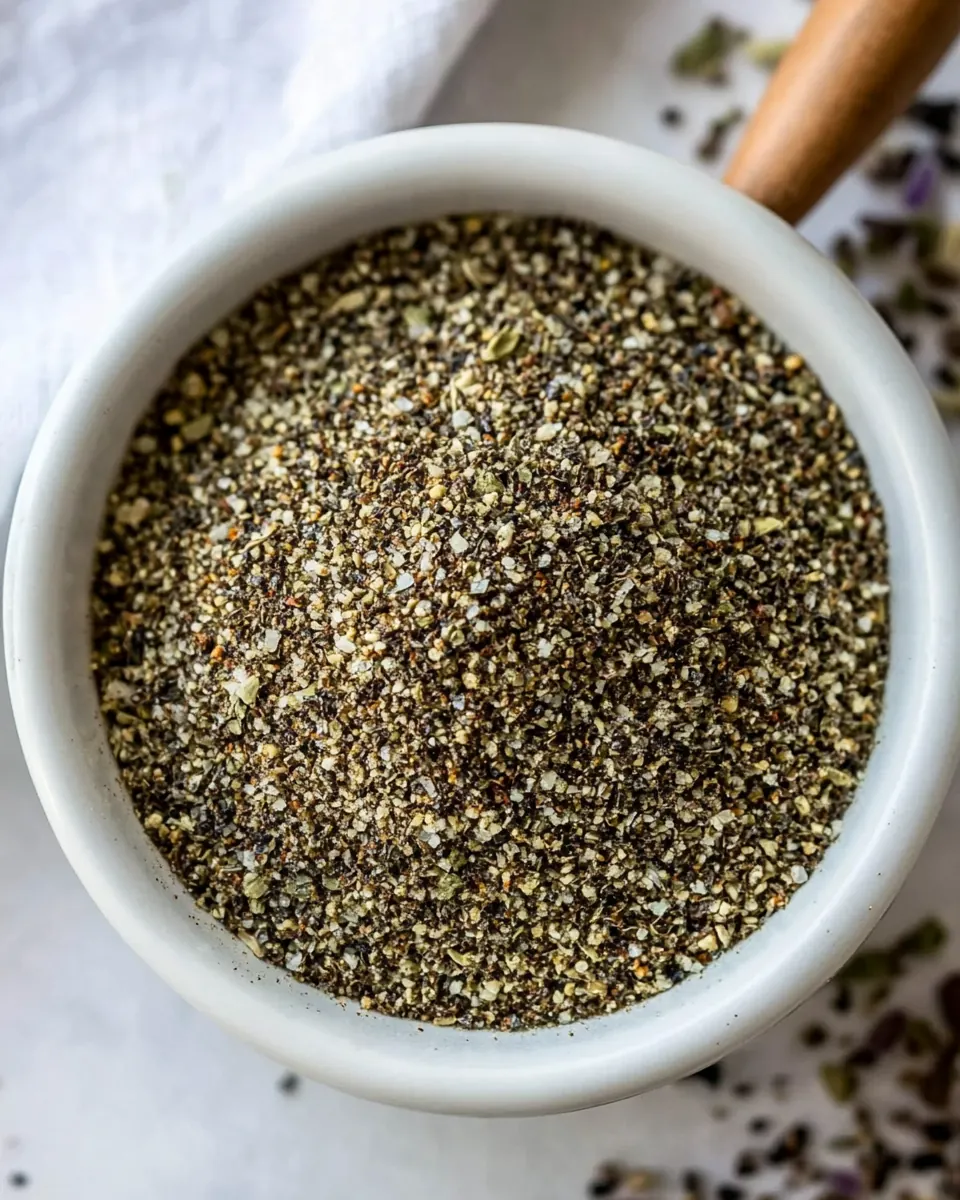
Italian Seasoning is one of those pantry staples I reach for more than I admit, and the first time I mixed my own blend I felt oddly proud, like I had unlocked a tiny chef superpower. I grew up with jars of store bought mixes, but once I learned how straightforward it is to combine a handful of dried herbs into a bright, balanced blend, I never looked back. The aroma of crushed rosemary and fennel hitting the air feels like a shortcut to comfort and homestyle cooking.
There is a ritual to making this blend that I enjoy, it’s meditative to crush the harder bits and then gently fold them into the softer leaves, listening to the papery rustle as the herbs settle together. Over time I learned little tricks, like toasting tougher herbs for a few seconds to coax out oils, or keeping the jar in a cool dark spot so the mix holds its character. When friends come over, I confess the secret weapon I use on pasta sauces, roasted vegetables, and even simple olive oil dips is a spoonful of this seasoning.
Recipe Snapshot
5 mins
5 mins
Easy
50 kcal
Italian
Keto, Paleo
Dinner
Mortar and Pestle, Spice Grinder, Glass Jar
What’s Great About This Italian Seasoning
Versatile Flavor That Lifts Simple Dishes
One reason I reach for Italian Seasoning constantly is its ability to turn humble vegetables and pantry staples into something memorable. The mix balances herbal notes so you can sprinkle it on roasted potatoes, toss it into a tomato sauce, or blend it into a herby oil. I find that it gives a layered taste that feels crafted, without fuss.
Easy, Fast, and Pantry Friendly
What I love is how quick it is to make this at home. With a few minutes and basic tools you have a jar that lasts months. I always say homemade blends taste fresher than store options, and because I control the proportions, I can dial up the components I prefer. It is an easy win for weeknight cooking.
Customizable to Your Palate
I appreciate that Italian Seasoning is forgiving. If you love the piney snap of rosemary, add a touch more. Prefer subtle sweetness, nudge the marjoram. I often tweak the ratios depending on what dish I plan to use it in. This adaptability means one jar can serve many roles in the kitchen.
Long Lasting and Cost Effective
Making your own blend saves money and reduces the number of single use packets sitting in a drawer. A small investment in a few dried herbs yields multiple jars that you can gift or keep. I often package a jar for friends, and they tell me it brightens their cooking routine.
Control Over Texture and Freshness
I like crushing the tougher seeds just enough so they are present but not overpowering. That step makes a real difference in texture, and because you keep the mix airtight, the herb aromas remain lively. For me this balance between texture and freshness is the secret to reaching for the jar again and again.
Everything You Need for Italian Seasoning
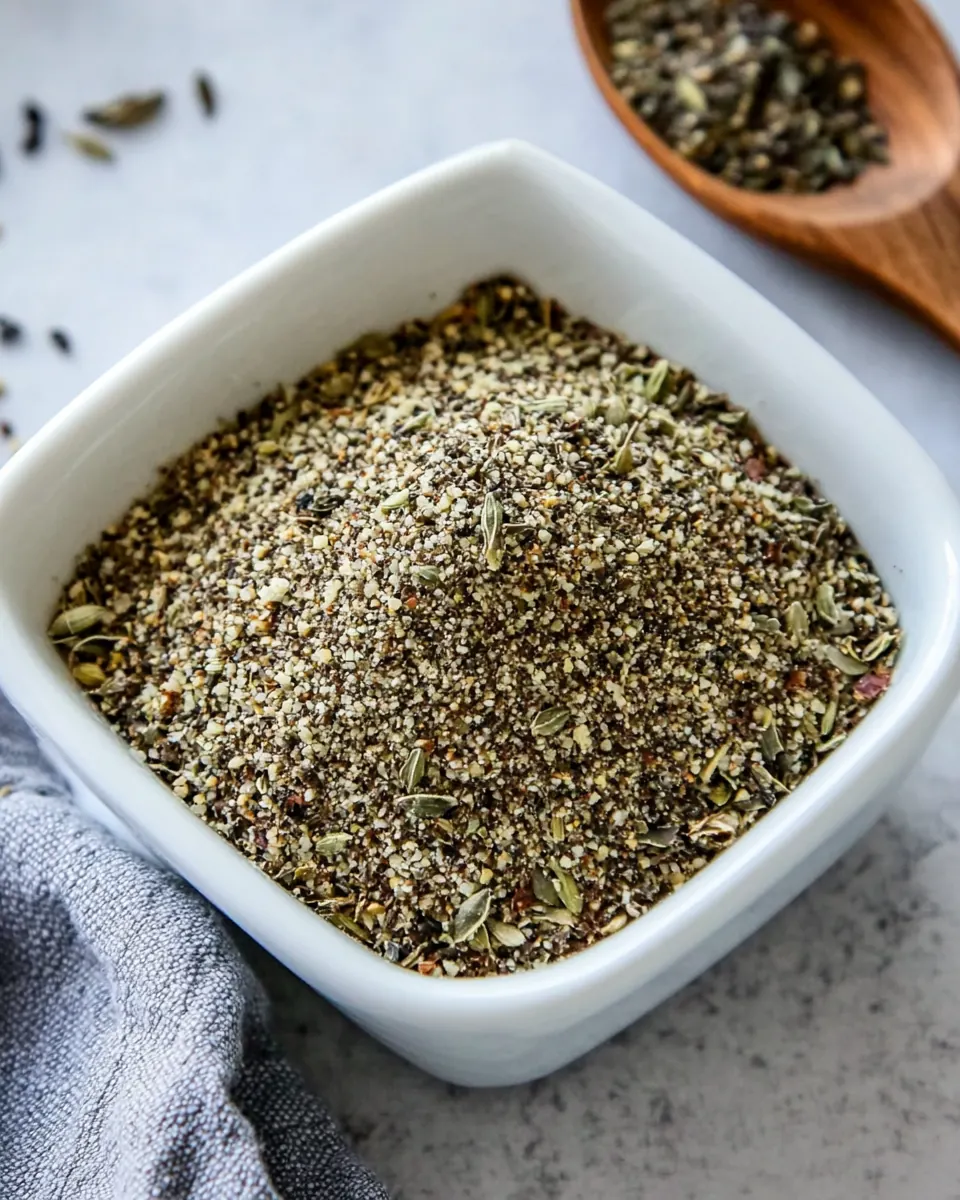
I view these ingredients as a small ensemble where each herb plays a clear role. The leafy herbs provide the floral and savory backbone, while the woody and seedier pieces add warmth and pop. Together they form a balanced, aromatic blend that is both familiar and flexible.
- 2 tablespoons dried basil: Adds bright, sweet, and slightly peppery herbaceous notes that uplift tomato sauces, dressings, and pesto; helps bridge flavors between other Mediterranean herbs. Works well when rehydrated in liquids to release essential oils for a balanced aroma. Use sparingly when blending to avoid overwhelming delicate herbs and to maintain a fresh basil character.
- 2 tablespoons dried oregano: Contributes warm, slightly bitter, and pungent Mediterranean depth ideal for pasta sauces, pizzas, and roasted vegetables; offers a classic Italian backbone to seasoning blends. Complements acidic ingredients like tomatoes and vinegar by enhancing savory complexity. Toast lightly to intensify its aromatic oils before grinding into mixes.
- 2 tablespoons dried thyme: Imparts earthy, minty, and subtly floral tones that add savory complexity to stews, soups, and roasted meats; provides a grounding herbal element in blends. Holds up well to long cooking times, releasing layered flavors slowly. Pair with citrus or garlic to brighten its rustic profile.
- 2 tablespoons dried marjoram: Provides a mild, sweet, and slightly floral profile that softens stronger herbs and adds rounded complexity to marinades and dressings. Integrates smoothly into blends to lend a subtle Mediterranean warmth without dominating the mix. Enhances balance among bolder herbs, improving overall harmony.
- 1 tablespoon dried rosemary: Offers a robust, piney, and slightly bitter scent that injects resinous depth to roasted dishes and herb blends; best used sparingly due to its intense flavor. Stands up well to long cooking and high heat, releasing concentrated aromatic oils. Crush or rub before adding to release fragrance and avoid coarse, woody bits.
- 1 tablespoon dried fennel: Delivers a sweet, anise-like and slightly licorice flavor that brightens sausages, breads, and vegetable roasts; adds unique aromatic contrast in herb mixes. Seeds can be lightly toasted to deepen nuttiness and unlock essential oils. Use in small amounts to prevent overpowering the herbal profile.
Recipe Steps for Italian Seasoning
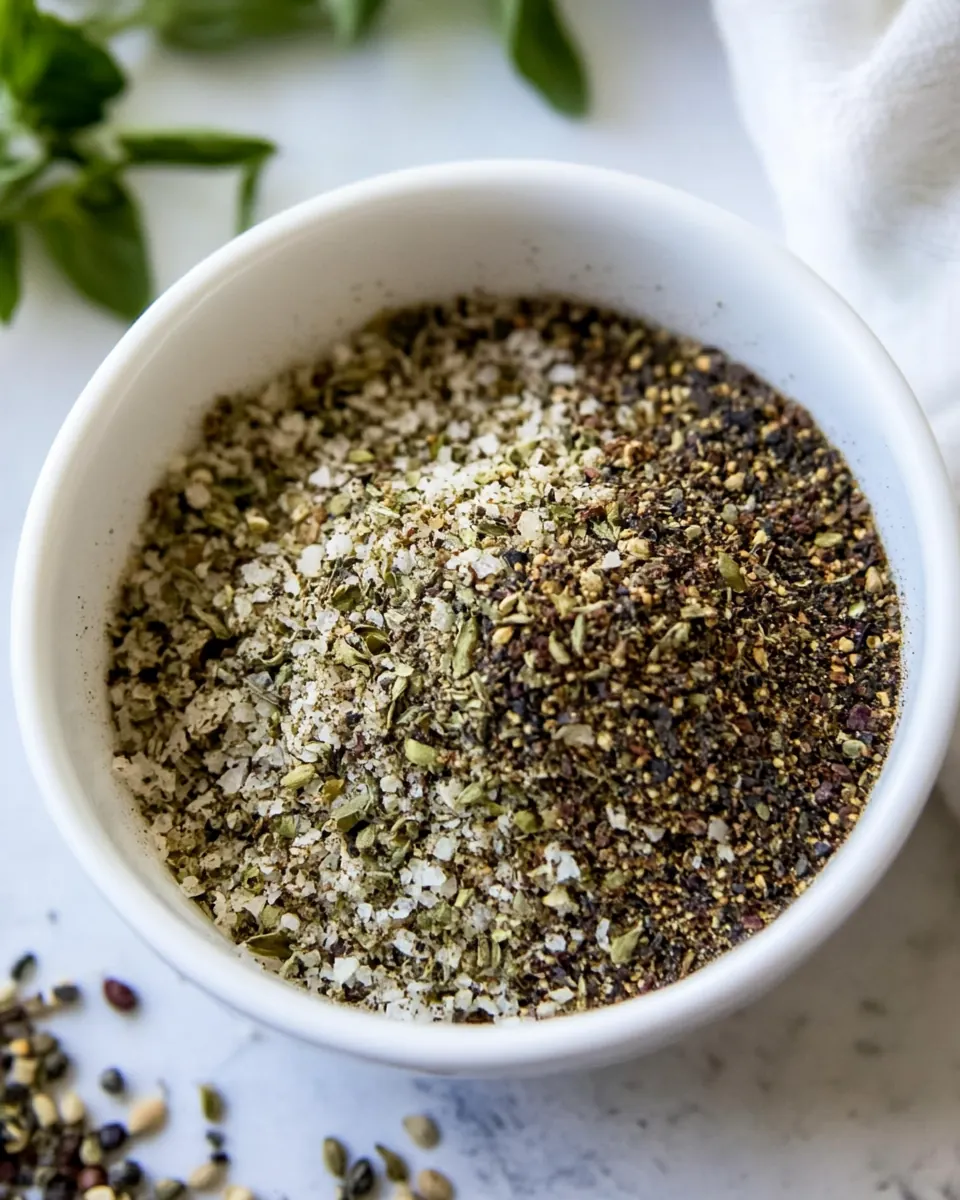
These steps are quick and focused, but I like to approach them with attention so the texture is right and the aromas are balanced. Treat each action as part of a small ritual that ensures a vibrant jar of seasoning you will rely on for months.
- Combine the rosemary and fennel in a mortar and pestle, crush until they are in small bits. If you don't have a mortar and pestle, you can also use a spice grinder. Grind until the spices are a coarse consistency (not a powder).: The first sensory cue you will notice is the sharp, piney scent of rosemary releasing its essential oils, followed by the sweet, anise fragrance of crushed fennel . Work the mortar with a steady circular motion, pressing and twisting so that the tougher rosemary needles break into lively fragments. You want small, coarse bits rather than a fine powder, because the texture adds interest and releases aroma slowly during cooking. If you grind too fine you will lose that textured punch, and if you leave the needles whole they will be chewy and uneven in the blend. A common mistake here is over grinding which can make the mix clump, so pulse if using a grinder and check frequently to keep a coarse result.
- Combine the rosemary and fennel with the rest of the spices. Stir to fully mix.: When you fold the crushed rosemary and fennel into the softer dried leaves like basil and oregano , you will sense a layered aroma, where brighter green notes meet resinous depth. Use a shallow bowl so the herbs spread out and mix evenly, and use a spoon or your fingers to fluff them together gently. The visual cue is a uniform distribution of colors, no clumps dominated by one herb. This evenness ensures that each spoonful of seasoning gives a balanced bite. Avoid dumping everything straight into a narrow jar before mixing, because it can trap pockets of one herb and lead to uneven flavor in use.
- Store in a glass, airtight container for up to 6 months.: The last step is preservation, and here your senses guide you less and logic guides you more. Transfer the blended herbs into a clean glass jar with a tight lid, and place it in a cool dark cupboard where heat and light cannot fade the aromas. The smell should be fresh and herbal when you open it initially, and over time the intensity will mellow, but it should remain fragrant for months. Label the jar with the date, and avoid storing it above a stove or near a window, as heat accelerates loss of flavor. A mistake people make is using plastic containers that can absorb strong aromas or leaving the lid loose which lets the volatile oils evaporate prematurely.
Ways to Customize
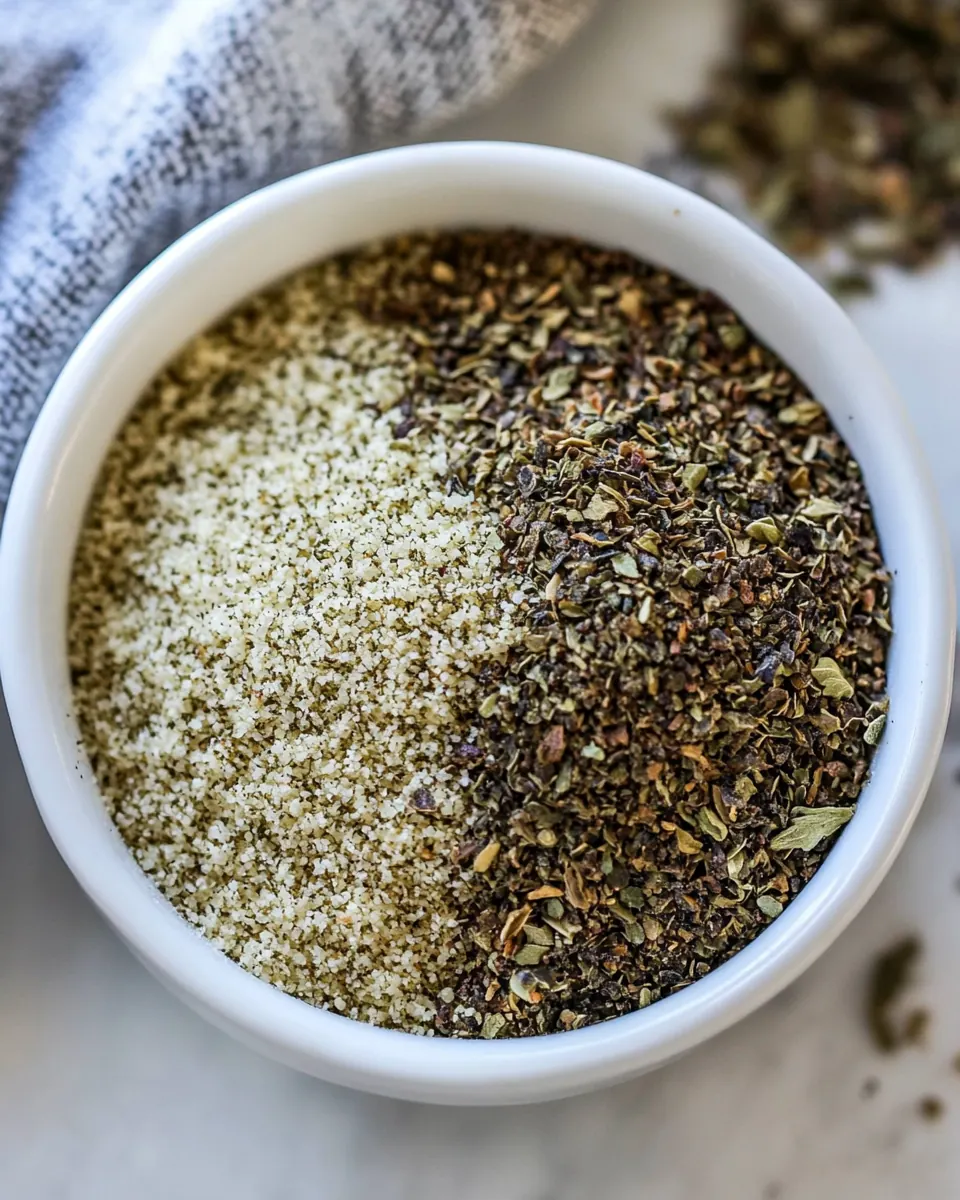
Once you have the basics down, customization lets you shape the mix to your cooking habits. Small shifts in ratio or texture can make a jar tailored to roasting, sauces, or finishing dishes. Below are practical ideas and variations to inspire you.
- Increase the rosemary for roast friendly blends: If you plan to use the seasoning primarily on roasted vegetables or potatoes, boosting the rosemary to two tablespoons gives a stronger herbal backbone that stands up to high heat and long roasting times.
- Soften the profile with more marjoram: For a milder, slightly sweeter blend perfect for dressings, increase the marjoram to two tablespoons to smooth sharp edges and add a floral finish without overpowering delicate dishes.
- Coarsely crush fennel for textural pops: Leaving some slightly larger pieces of fennel offers occasional bursts of sweet anise, which can be delightful in bread doughs or on roasted vegetables.
- Toast tougher herbs briefly: For increased aroma, toast the rosemary in a dry skillet for a few seconds before crushing, but watch closely to avoid burning which makes the flavor bitter.
- Make a finer blend for sauces: If you mainly add the mix to simmering sauces, grind the herbs a bit finer so they integrate completely into the sauce texture without noticeable flecks.
- Give jars as gifts: Package the mix in small glass jars with a handwritten label and date, friends appreciate the homemade touch and it is an affordable, thoughtful gift.
What to Pair With Italian Seasoning
Italian Seasoning works as a finishing flourish and a cooking backbone, and thinking about pairings helps you get the most from a jar. Use it to elevate simple family meals and seasonal menus alike.
- Roasted vegetables: Sprinkle a light coating over sliced root vegetables and toss with olive oil before roasting for a savory, herb forward side dish that complements weeknight mains.
- Tomato based sauces: Stir a teaspoon or two into simmering tomato sauces to round flavors and add herbal depth, making the sauce taste more layered and home cooked.
- Herb oil dip: Mix the seasoning into good olive oil with a pinch of salt for a quick bread dip or drizzle, ideal for casual appetizers or breads at the table.
- Breads and focaccia: Fold a small amount into dough or sprinkle on top of a focaccia before baking to impart subtle aromatic notes throughout the crumb.
- Occasions: This mix is great for weeknight dinners and casual gatherings, and it stores well for holiday prep when you want quick seasoning on multiple dishes.
- Storage tips: Keep jars in a cool dark place, and rotate older jars forward. For long term use, make small batches so the flavor stays bright across the months.
FAQ
Conclusion
This homemade Italian Seasoning stands out because it is simple to make, highly adaptable, and elevates everyday cooking with fresh herb aromas. Try it once and you will notice how a small jar can transform sauces, roasted vegetables, and quick dips into something that feels more intentional and flavorful. I encourage you to customize the ratios to your taste, label a jar with the date, and enjoy the convenience of a handmade seasoning that brings a touch of Italian character to weeknight meals. It is an easy, inexpensive pantry upgrade that rewards you dish after dish.
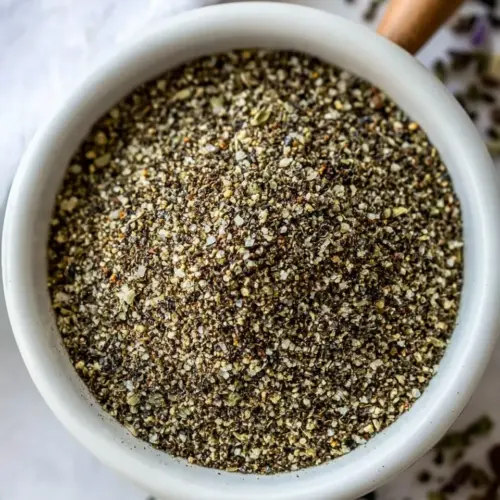
Italian Seasoning
Equipment
- Mortar and pestle
- Spice grinder
- Glass jar
Ingredients
- 2 tablespoons dried basil Adds bright, sweet, and slightly peppery herbaceous notes that uplift tomato sauces, dressings, and pesto; helps bridge flavors between other Mediterranean herbs. Works well when rehydrated in liquids to release essential oils for a balanced aroma. Use sparingly when blending to avoid overwhelming delicate herbs and to maintain a fresh basil character.
- 2 tablespoons dried oregano Contributes warm, slightly bitter, and pungent Mediterranean depth ideal for pasta sauces, pizzas, and roasted vegetables; offers a classic Italian backbone to seasoning blends. Complements acidic ingredients like tomatoes and vinegar by enhancing savory complexity. Toast lightly to intensify its aromatic oils before grinding into mixes.
- 2 tablespoons dried thyme Imparts earthy, minty, and subtly floral tones that add savory complexity to stews, soups, and roasted meats; provides a grounding herbal element in blends. Holds up well to long cooking times, releasing layered flavors slowly. Pair with citrus or garlic to brighten its rustic profile.
- 2 tablespoons dried marjoram Provides a mild, sweet, and slightly floral profile that softens stronger herbs and adds rounded complexity to marinades and dressings. Integrates smoothly into blends to lend a subtle Mediterranean warmth without dominating the mix. Enhances balance among bolder herbs, improving overall harmony.
- 1 tablespoon dried rosemary Offers a robust, piney, and slightly bitter scent that injects resinous depth to roasted dishes and herb blends; best used sparingly due to its intense flavor. Stands up well to long cooking and high heat, releasing concentrated aromatic oils. Crush or rub before adding to release fragrance and avoid coarse, woody bits.
- 1 tablespoon dried fennel Delivers a sweet, anise-like and slightly licorice flavor that brightens sausages, breads, and vegetable roasts; adds unique aromatic contrast in herb mixes. Seeds can be lightly toasted to deepen nuttiness and unlock essential oils. Use in small amounts to prevent overpowering the herbal profile.
Instructions
- Combine the rosemary and fennel in a mortar and pestle, crush until they are in small bits. If you don't have a mortar and pestle, you can also use a spice grinder. Grind until the spices are a coarse consistency (not a powder).: The first sensory cue you will notice is the sharp, piney scent of rosemary releasing its essential oils, followed by the sweet, anise fragrance of crushed fennel . Work the mortar with a steady circular motion, pressing and twisting so that the tougher rosemary needles break into lively fragments. You want small, coarse bits rather than a fine powder, because the texture adds interest and releases aroma slowly during cooking. If you grind too fine you will lose that textured punch, and if you leave the needles whole they will be chewy and uneven in the blend. A common mistake here is over grinding which can make the mix clump, so pulse if using a grinder and check frequently to keep a coarse result.
- Combine the rosemary and fennel with the rest of the spices. Stir to fully mix.: When you fold the crushed rosemary and fennel into the softer dried leaves like basil and oregano , you will sense a layered aroma, where brighter green notes meet resinous depth. Use a shallow bowl so the herbs spread out and mix evenly, and use a spoon or your fingers to fluff them together gently. The visual cue is a uniform distribution of colors, no clumps dominated by one herb. This evenness ensures that each spoonful of seasoning gives a balanced bite. Avoid dumping everything straight into a narrow jar before mixing, because it can trap pockets of one herb and lead to uneven flavor in use.
- Store in a glass, airtight container for up to 6 months.: The last step is preservation, and here your senses guide you less and logic guides you more. Transfer the blended herbs into a clean glass jar with a tight lid, and place it in a cool dark cupboard where heat and light cannot fade the aromas. The smell should be fresh and herbal when you open it initially, and over time the intensity will mellow, but it should remain fragrant for months. Label the jar with the date, and avoid storing it above a stove or near a window, as heat accelerates loss of flavor. A mistake people make is using plastic containers that can absorb strong aromas or leaving the lid loose which lets the volatile oils evaporate prematurely.
Notes
- Increase the rosemary for roast friendly blends: If you plan to use the seasoning primarily on roasted vegetables or potatoes, boosting the rosemary to two tablespoons gives a stronger herbal backbone that stands up to high heat and long roasting times.
- Soften the profile with more marjoram: For a milder, slightly sweeter blend perfect for dressings, increase the marjoram to two tablespoons to smooth sharp edges and add a floral finish without overpowering delicate dishes.
- Coarsely crush fennel for textural pops: Leaving some slightly larger pieces of fennel offers occasional bursts of sweet anise, which can be delightful in bread doughs or on roasted vegetables.
- Toast tougher herbs briefly: For increased aroma, toast the rosemary in a dry skillet for a few seconds before crushing, but watch closely to avoid burning which makes the flavor bitter.
- Make a finer blend for sauces: If you mainly add the mix to simmering sauces, grind the herbs a bit finer so they integrate completely into the sauce texture without noticeable flecks.
- Give jars as gifts: Package the mix in small glass jars with a handwritten label and date, friends appreciate the homemade touch and it is an affordable, thoughtful gift.