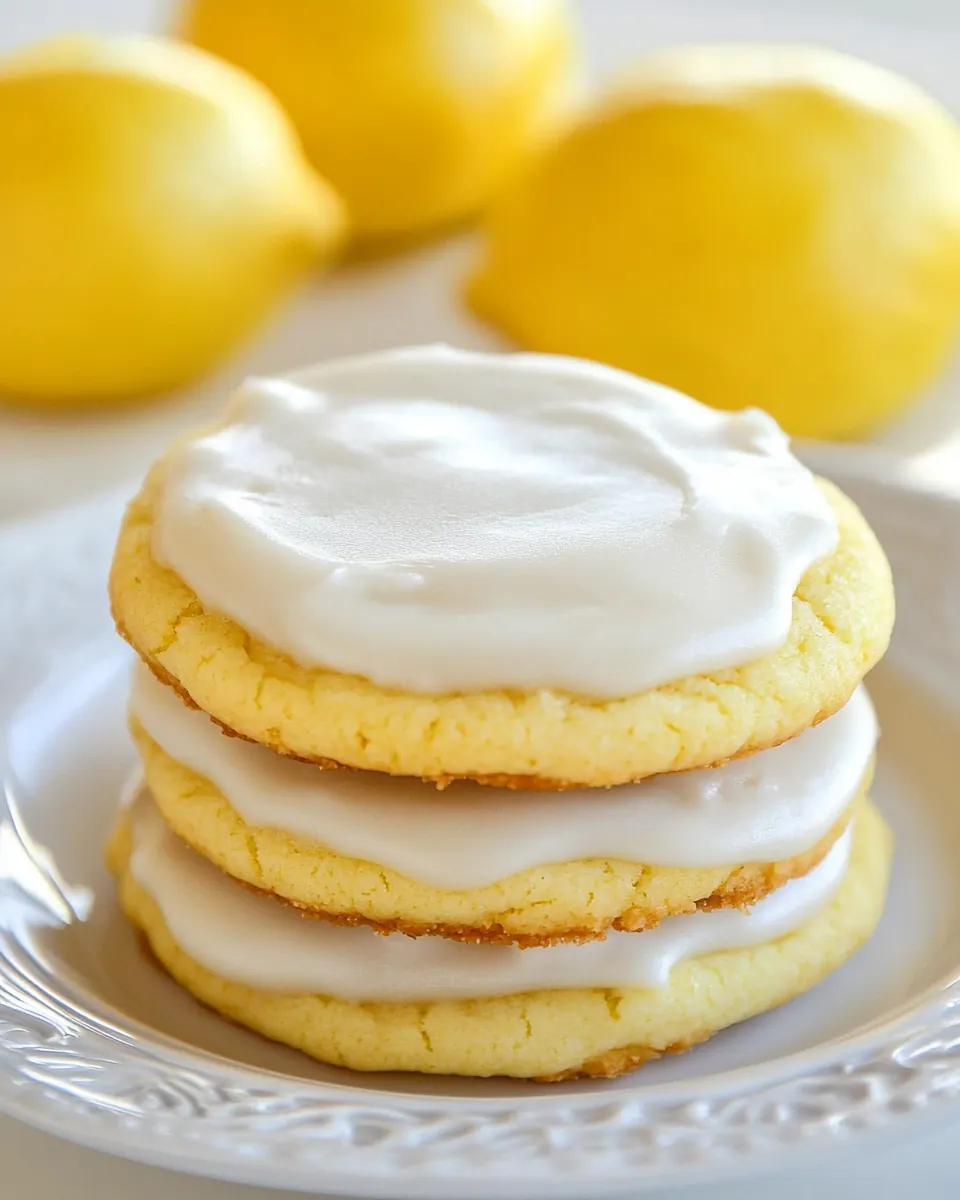
Frosted Lemon Cookies
Frosted Lemon Cookies have been my weekday pick me up ever since I found a box of lemon cake mix shoved into the back of my pantry one rainy afternoon. I remember standing over the counter, craving something bright and simple, and deciding to transform that powder into tiny, buttery cookies topped with a glossy, tangy gloss of frosting. The first batch was imperfect, yet irresistibly cheerful, and by the second batch I had a reliable little ritual that I still return to when I need a quick, citrusy treat.
These days I make Frosted Lemon Cookies when friends swing by unexpectedly, because they come together fast and always feel like a small celebration. I love how the citrus note cuts through the richness, and how the texture sits between cakey and tender, almost like a small, handheld lemon cake. I often sip tea while glazing them, and the scent of lemon brightens the whole kitchen, which feels like a tiny reset in the middle of a busy day.
Recipe Snapshot
16 mins
5 mins
11 mins
Easy
150 kcal
American
Gluten-Free, Low FODMAP
Desserts
Oven, Mixing bowl, Electric mixer, Cookie scoop, Cookie sheet
Why This Frosted Lemon Cookies Works
Bright, approachable flavor
I adore how Frosted Lemon Cookies pack a punch of citrus without being sharp. The lemon cake mix gives an even, gentle crumb, and the frosting layers on a creamy, sweet contrast. You can really taste the lemon right away, and it lingers pleasantly, making each bite feel fresh.
Speedy and forgiving process
I often need a dessert that does not demand perfection, and these cookies fit that bill. Using a box mix simplifies the ratios, and the dough is forgiving if your measurements wobble a bit. That means fewer stressed moments, and more time enjoying the cookies with company.
Customizable finish
I like that the frosting lets you decide how sweet or tart to go. You can add a splash of fresh lemon juice to heighten the zing, or keep it more mellow with extra powdered sugar. The texture of the frosting is easy to adjust, and that makes these cookies adaptable for different tastes or occasions.
Great for gatherings
I’ve brought trays of these to casual potlucks and small celebrations, and they always disappear fast. Their cheerful yellow tone and glossy finish make them look special, while the simple ingredients keep them crowd friendly. They travel well, and even held in a single layer, they stay tender.
Kid friendly and playful
I often bake these with kids, because the steps are simple and the frosting is hands on. They love scooping and frosting, and you’ll notice how making them together becomes as memorable as eating them. That playful factor keeps them on my rotation for weekend baking sessions.
Frosted Lemon Cookies Ingredients

These ingredients are all about contrast and balance. The boxed lemon cake mix supplies structure and lemon flavor without fuss, while a combination of butter and shortening yields tender, slightly cakey cookies that still hold their shape. The frosting elements, mainly butter and powdered sugar, create a sweet, creamy coating that plays against the citrus tang. Each item does a clear job, and together they make an easy, cohesive cookie.
- 1 (15.25-ounce) box lemon cake mix: Provides a lemon-flavored cake base and sweet structure for the cookies; contains leavening agents that help the dough rise slightly and contribute tenderness. Adds moisture and a concentrated lemon profile that defines the cookie’s primary flavor. Acts as the primary dry mix simplifying measurements and consistency.
- 1/3 cup butter, softened: Adds richness and creaminess while helping to bind the dry mix into a cohesive dough; contributes to tender texture and a buttery mouthfeel. Softened form allows it to be easily creamed with other fats for proper aeration. Helps deliver a golden color and smooth crumb.
- 1/4 cup shortening: Contributes to the cookie’s texture by providing firmness and a slightly different melting profile than butter; helps stabilize the dough while maintaining tenderness. Neutral flavor keeps the lemon profile prominent while improving spread control. Shortening’s plasticity aids in producing soft, chewy cookies.
- 1 egg: Supplies structure and additional moisture while acting as a binding agent that holds the dough together during mixing and baking. Adds a small amount of richness and helps emulsify fats and dry ingredients for uniform texture. Also contributes to leavening by trapping air when beaten.
- 5 tablespoons butter, softened: Enhances butter flavor and increases overall fat content for a richer, softer cookie; softened butter creamed with other fats creates a light, tender crumb. Adds moisture and helps achieve a smooth mouthfeel in both dough and frosting. Used separately from the smaller butter amount to fine-tune texture and flavor.
- 2 2 1/4 cups powdered sugar: Sweetens and thickens the frosting while providing a smooth, spreadable consistency; powdered sugar dissolves easily for a silky icing. Quantity range allows adjusting sweetness and thickness to desired frosting stiffness. Creates a glossy finish that holds up on the cookie surface.
- 1 tablespoon milk: Thins the frosting to a spreadable consistency and contributes slight creaminess for a smoother texture. Can be adjusted to achieve the preferred frosting viscosity without adding graininess. Helps dissolve powdered sugar more fully for a glossy result.
- 1/2 teaspoon vanilla extract: Adds a warm, sweet aromatic note to the frosting and helps balance the citrus; a small amount enhances overall flavor complexity. Works as a complementary flavor to both vanilla and almond extracts in the icing. Aids in rounding out the sweetness of the powdered sugar.
- 1/2 teaspoon almond extract: Provides a delicate nutty-floral accent that rounds out the frosting’s flavor profile and enhances the lemon notes. Small quantity prevents overpowering the lemon while contributing depth and complexity. Blends with vanilla to create a more nuanced icing aroma.
- lemon juice (optional): Optional ingredient used to intensify the lemon flavor and adjust acidity; a few drops can brighten the overall taste of the cookies and frosting. Can be added to the dough or frosting to enhance citrus notes without altering texture. Useful for personalizing tartness to preference.
How to Prepare Frosted Lemon Cookies
These directions are straightforward, yet they reward attention to texture and timing. Work in stages so the dough and frosting develop the right mouthfeel, and you will have consistently pleasant cookies. I find a relaxed pace keeps the results reliable and the baking experience enjoyable.
- Preheat oven to 375°F.: When you slide a pan into a properly preheated oven you get immediate, even lift, which produces a light edge and tender center. You should smell a faint warmth and your oven should beep or indicate it has reached temperature. A common mistake is not waiting for full preheat, which can cause uneven baking and excessive spreading, so always verify the oven thermostat before baking.
- In a large bowl, beat cake mix, butter, shortening and egg until well combined.: As you mix, the blend should come together into a soft, cohesive dough with a uniform pale lemon hue. You will hear a steady whir from the mixer, and the aroma will shift from powdered brightness to buttery lemon. This step matters because even distribution prevents pockets of dry mix that would yield chalky bites. Watch for overmixing, which can toughen the texture, so stop once the dough is smooth and homogenous.
- Using cookie scoop, scoop onto a greased cookie sheet.: When scooping, you will feel the dough hold its shape yet yield easily to the scoop, forming round mounds that sit slightly domed on the sheet. The grease on the pan helps them release after baking and encourages a gentle bottom crust. A frequent error is placing scoops too close together, leading to merging, so space them well to preserve rounded cookies.
- Bake for 9-11 minutes. Let cool completely.: While baking you will notice the edges firming and the tops becoming slightly set, with the kitchen filling with a warm lemon and butter aroma. A visual cue is faint browning at the base of the cookie, while the center remains soft. Baking too long will dry them, so aim for just set edges and slightly springy centers. Pull one out to test, it should feel springy not hard.
- For frosting, mix butter, powdered sugar, milk, vanilla, almond extract and lemon juice (optional) until well combined. Add more milk or powdered sugar depending on the consistency you like.: Cooling changes the texture from fragile to stable, and you will notice the cookies lose heat and firm up, making frosting easier. The scent settles into a pleasant background note, and touching a cookie should feel just warm then room temperature. Frosting warm cookies will cause sliding or melting, so resist impatience and allow full cooling to avoid a runny glaze.
- ENJOY!: As you whip the frosting, it should transform into a glossy, smooth mixture that holds soft peaks if you lift the beaters slowly. The scent should be sweet with a lifted lemon hint, and the texture should coat a spoon uniformly. This technique matters because consistency defines how the frosting sits on the cookie, and if it is too thin it will pool, while too thick will be clumpy; adjust with tiny increments of milk or powdered sugar to reach the ideal spreadable body.
- Add more milk or powdered sugar depending on the consistency you like: Small additions will change texture noticeably, so add in quarter teaspoon increments, observing the gloss and viscosity after each stir. You want a frosting that spreads without running, leaving a smooth surface with gentle peaks. A common pitfall is over thinning, which leads to drippy cookies, so correct by folding in more powdered sugar to thicken back up.
- ENJOY!: At the finish you should taste a balanced bite of sweet frosting and lemon cake crumb, with a pleasing interplay of soft texture and bright flavor. Notice the creaminess of the frosting against the tender cookie, and the clean citrus finish that refreshes the palate. A typical oversight is storing them in a sealed container while still warm, which traps steam and softens the frosting, so let them settle before packing for best texture.
Change It Up

I enjoy tweaking small elements to change texture and flavor. Below are practical ways I vary the recipe for different moods and occasions, each tip giving you a quick tweak to make these cookies uniquely yours.
- Boost the lemon Add 1 to 2 teaspoons of fresh lemon zest to the dough or frosting for a brighter citrus note, but use zest sparingly to avoid bitterness from the pith.
- Stiffer frosting For piping, increase the powdered sugar to the higher end of the range and reduce the milk slightly until it holds shape well.
- Glossier finish For a shiny glaze, add just a drop more milk and beat until the surface becomes smooth and reflective, then spread quickly before it sets.
- Less sweet Cut the powdered sugar a bit and add a touch more lemon juice to the frosting to balance sweetness with tang.
- Chilled dough Refrigerate the dough for 30 minutes to reduce spread and create puffier, more even cookies when baked.
Side Dish Ideas for Frosted Lemon Cookies
These cookies pair well with light beverages and make for cheerful additions to a wide range of occasions. Below, I outline serving styles, pairing ideas, and storage notes to help you present them beautifully and keep them tasting their best.
- Casual tea time Serve a plate of Frosted Lemon Cookies with a pot of hot tea for a weekday afternoon pick me up, offering a gentle citrus counterpoint to aromatic teas.
- Party platter Arrange on a decorative tray with other small sweets to provide variety at gatherings, their bright color adding visual cheer to the dessert table.
- Picnic friendly Pack in a single layer with parchment between to prevent sticking, making them easy to transport for outdoor lunches or casual get togethers.
- Seasonal pairing For spring or summer, pair with fresh fruit like berries or a simple fruit salad to emphasize light, bright flavors that complement the lemon.
- Storage tips Store in an airtight container at room temperature for up to three days, or freeze unfrosted cookies for longer storage, then frost after thawing for freshest texture.
- Occasions These are a sweet fit for casual celebrations, brunches, and holiday cookie swaps, offering a sunny contrast to richer winter treats.
FAQ
Conclusion
What makes this recipe special is how simple pantry ingredients come together to create bright, tender cookies with a creamy, tangy frosting. They are quick to assemble and flexible, so you can dial the lemon, texture, and sweetness to your liking. Give them a try the next time you want a fuss free dessert that still feels like a little celebration, and enjoy the cheerful citrus lift they bring to any table.

Frosted Lemon Cookies
Equipment
- Oven
- Mixing Bowl
- Electric Mixer
- Cookie Scoop
- Cookie Sheet
Ingredients
- 1 (15.25-ounce) box lemon cake mix Provides a lemon-flavored cake base and sweet structure for the cookies; contains leavening agents that help the dough rise slightly and contribute tenderness. Adds moisture and a concentrated lemon profile that defines the cookie’s primary flavor. Acts as the primary dry mix simplifying measurements and consistency.
- 1/3 cup butter, softened Adds richness and creaminess while helping to bind the dry mix into a cohesive dough; contributes to tender texture and a buttery mouthfeel. Softened form allows it to be easily creamed with other fats for proper aeration. Helps deliver a golden color and smooth crumb.
- 1/4 cup shortening Contributes to the cookie’s texture by providing firmness and a slightly different melting profile than butter; helps stabilize the dough while maintaining tenderness. Neutral flavor keeps the lemon profile prominent while improving spread control. Shortening’s plasticity aids in producing soft, chewy cookies.
- 1 egg Supplies structure and additional moisture while acting as a binding agent that holds the dough together during mixing and baking. Adds a small amount of richness and helps emulsify fats and dry ingredients for uniform texture. Also contributes to leavening by trapping air when beaten.
- 5 tablespoons butter, softened Enhances butter flavor and increases overall fat content for a richer, softer cookie; softened butter creamed with other fats creates a light, tender crumb. Adds moisture and helps achieve a smooth mouthfeel in both dough and frosting. Used separately from the smaller butter amount to fine-tune texture and flavor.
- 2 -2 1/4 cups powdered sugar Sweetens and thickens the frosting while providing a smooth, spreadable consistency; powdered sugar dissolves easily for a silky icing. Quantity range allows adjusting sweetness and thickness to desired frosting stiffness. Creates a glossy finish that holds up on the cookie surface.
- 1 tablespoon milk Thins the frosting to a spreadable consistency and contributes slight creaminess for a smoother texture. Can be adjusted to achieve the preferred frosting viscosity without adding graininess. Helps dissolve powdered sugar more fully for a glossy result.
- 1/2 teaspoon vanilla extract Adds a warm, sweet aromatic note to the frosting and helps balance the citrus; a small amount enhances overall flavor complexity. Works as a complementary flavor to both vanilla and almond extracts in the icing. Aids in rounding out the sweetness of the powdered sugar.
- 1/2 teaspoon almond extract Provides a delicate nutty-floral accent that rounds out the frosting’s flavor profile and enhances the lemon notes. Small quantity prevents overpowering the lemon while contributing depth and complexity. Blends with vanilla to create a more nuanced icing aroma.
- lemon juice, optional Optional ingredient used to intensify the lemon flavor and adjust acidity; a few drops can brighten the overall taste of the cookies and frosting. Can be added to the dough or frosting to enhance citrus notes without altering texture. Useful for personalizing tartness to preference.
Instructions
- Preheat oven to 375°F.: When you slide a pan into a properly preheated oven you get immediate, even lift, which produces a light edge and tender center. You should smell a faint warmth and your oven should beep or indicate it has reached temperature. A common mistake is not waiting for full preheat, which can cause uneven baking and excessive spreading, so always verify the oven thermostat before baking.
- In a large bowl, beat cake mix, butter, shortening and egg until well combined.: As you mix, the blend should come together into a soft, cohesive dough with a uniform pale lemon hue. You will hear a steady whir from the mixer, and the aroma will shift from powdered brightness to buttery lemon. This step matters because even distribution prevents pockets of dry mix that would yield chalky bites. Watch for overmixing, which can toughen the texture, so stop once the dough is smooth and homogenous.
- Using cookie scoop, scoop onto a greased cookie sheet.: When scooping, you will feel the dough hold its shape yet yield easily to the scoop, forming round mounds that sit slightly domed on the sheet. The grease on the pan helps them release after baking and encourages a gentle bottom crust. A frequent error is placing scoops too close together, leading to merging, so space them well to preserve rounded cookies.
- Bake for 9-11 minutes. Let cool completely.: While baking you will notice the edges firming and the tops becoming slightly set, with the kitchen filling with a warm lemon and butter aroma. A visual cue is faint browning at the base of the cookie, while the center remains soft. Baking too long will dry them, so aim for just set edges and slightly springy centers. Pull one out to test, it should feel springy not hard.
- For frosting, mix butter, powdered sugar, milk, vanilla, almond extract and lemon juice (optional) until well combined. Add more milk or powdered sugar depending on the consistency you like.: Cooling changes the texture from fragile to stable, and you will notice the cookies lose heat and firm up, making frosting easier. The scent settles into a pleasant background note, and touching a cookie should feel just warm then room temperature. Frosting warm cookies will cause sliding or melting, so resist impatience and allow full cooling to avoid a runny glaze.
- ENJOY!: As you whip the frosting, it should transform into a glossy, smooth mixture that holds soft peaks if you lift the beaters slowly. The scent should be sweet with a lifted lemon hint, and the texture should coat a spoon uniformly. This technique matters because consistency defines how the frosting sits on the cookie, and if it is too thin it will pool, while too thick will be clumpy; adjust with tiny increments of milk or powdered sugar to reach the ideal spreadable body.
- Add more milk or powdered sugar depending on the consistency you like: Small additions will change texture noticeably, so add in quarter teaspoon increments, observing the gloss and viscosity after each stir. You want a frosting that spreads without running, leaving a smooth surface with gentle peaks. A common pitfall is over thinning, which leads to drippy cookies, so correct by folding in more powdered sugar to thicken back up.
- ENJOY!: At the finish you should taste a balanced bite of sweet frosting and lemon cake crumb, with a pleasing interplay of soft texture and bright flavor. Notice the creaminess of the frosting against the tender cookie, and the clean citrus finish that refreshes the palate. A typical oversight is storing them in a sealed container while still warm, which traps steam and softens the frosting, so let them settle before packing for best texture.
Notes
- Boost the lemon Add 1 to 2 teaspoons of fresh lemon zest to the dough or frosting for a brighter citrus note, but use zest sparingly to avoid bitterness from the pith.
- Stiffer frosting For piping, increase the powdered sugar to the higher end of the range and reduce the milk slightly until it holds shape well.
- Glossier finish For a shiny glaze, add just a drop more milk and beat until the surface becomes smooth and reflective, then spread quickly before it sets.
- Less sweet Cut the powdered sugar a bit and add a touch more lemon juice to the frosting to balance sweetness with tang.
- Chilled dough Refrigerate the dough for 30 minutes to reduce spread and create puffier, more even cookies when baked.