Easy Pea Pesto
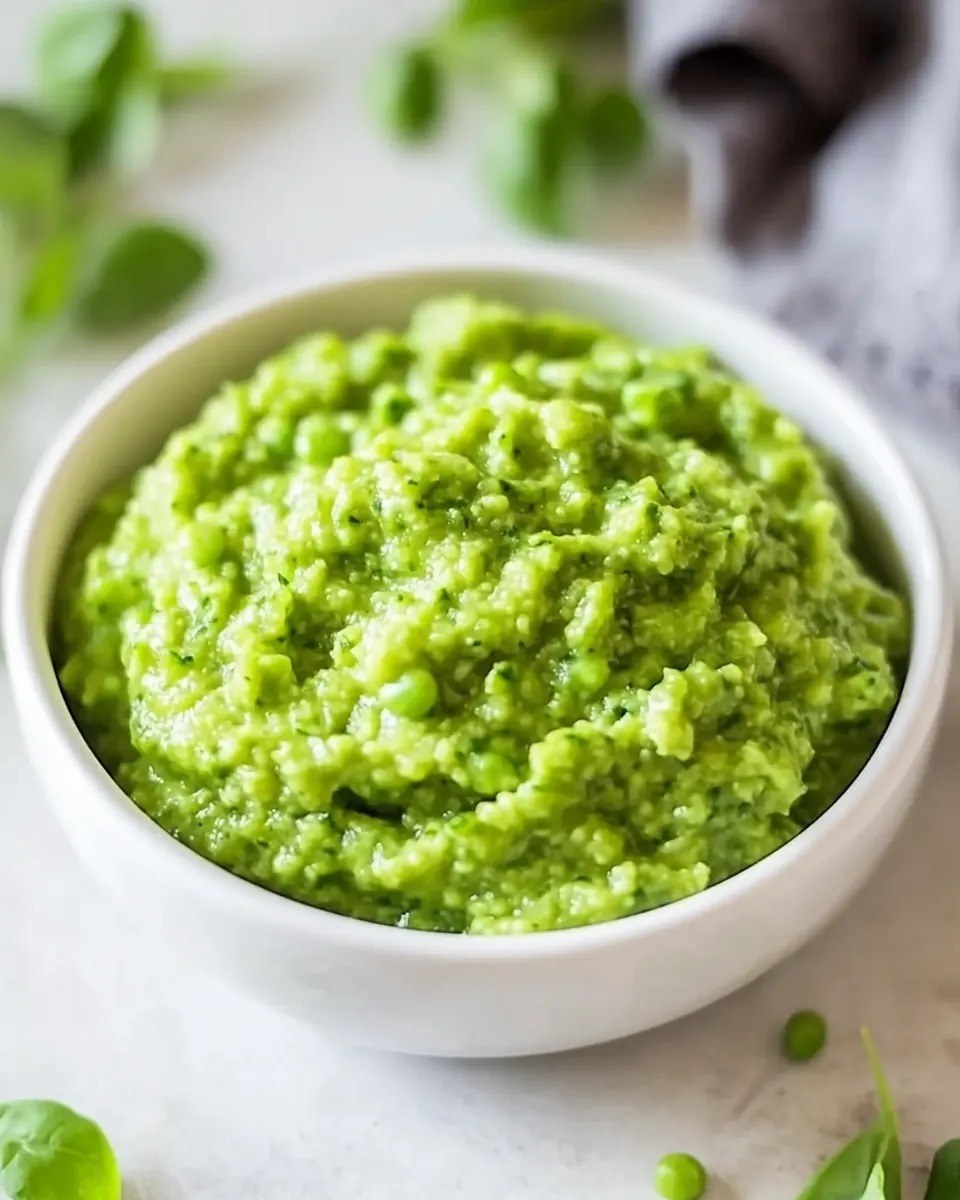
Easy Pea Pesto is one of those small kitchen wins I return to when I want something bright, quick, and a little bit cheeky on the plate. The first time I made it I was short on time and nuts, but long on peas from a spring market haul, and the result surprised me: verdant color, a silky texture, and a pop of lemon that made everything sing. That memory keeps bringing me back to this recipe whenever I want a fresh sauce that feels special without fuss.
I love that Easy Pea Pesto works in so many roles. I’ve spooned it over warm pasta while standing at the counter, slathered it on toasted bread for an easy lunch, and even dotted it on roasted vegetables as a last minute lift. Each use shows a different side of the same vibrant green spread, and I enjoy watching friends’ faces when they taste something so lively and simple. There’s a small thrill in making something that looks and tastes like it took longer than it did.
Recipe Snapshot
5 mins
4 mins
1 mins
Easy
150 kcal
Italian
Gluten-Free, Vegan
Appetizers
Food processor, Spatula, Measuring cups
What You’ll Enjoy About This Easy Pea Pesto
Bright flavor from minimal effort
I adore how Easy Pea Pesto turns one humble green ingredient into a sauce that feels gourmet. Because you only need a few pantry staples, the flavor reads as focused and fresh, not muddled. The lemon and garlic add lift while the parmesan cheese gives a savory backbone that keeps every bite interesting.
Versatility on repeat
We use this pesto everywhere. It doubles as a dip, a pasta sauce, or a finishing touch for grilled vegetables and seafood. Its flexible nature means you can adapt it without changing the soul of the recipe, which I find incredibly useful during busy weeks.
Fast and forgiving
I appreciate recipes that forgive small mistakes, and this one does. Because the texture can be adjusted with pulses in a food processor, you can make it chunky or ultra smooth depending on mood. If you over-pulse, a splash of olive oil will rescue the consistency without losing flavor.
Seasonal and sustainable
Using frozen peas makes this accessible year round while still feeling seasonal in spring. I like that frozen peas are inexpensive, low waste, and keep well in the freezer. That sustainability nudges me toward making this more often than I might otherwise.
Kid friendly and crowd pleasing
Even picky eaters are curious about the bright color, and it’s mild enough that kids often approve. For gatherings, it doubles as a quick party dip or an easy topping for crostini, so I rarely stress about feeding a small crowd.
Ingredients for Easy Pea Pesto
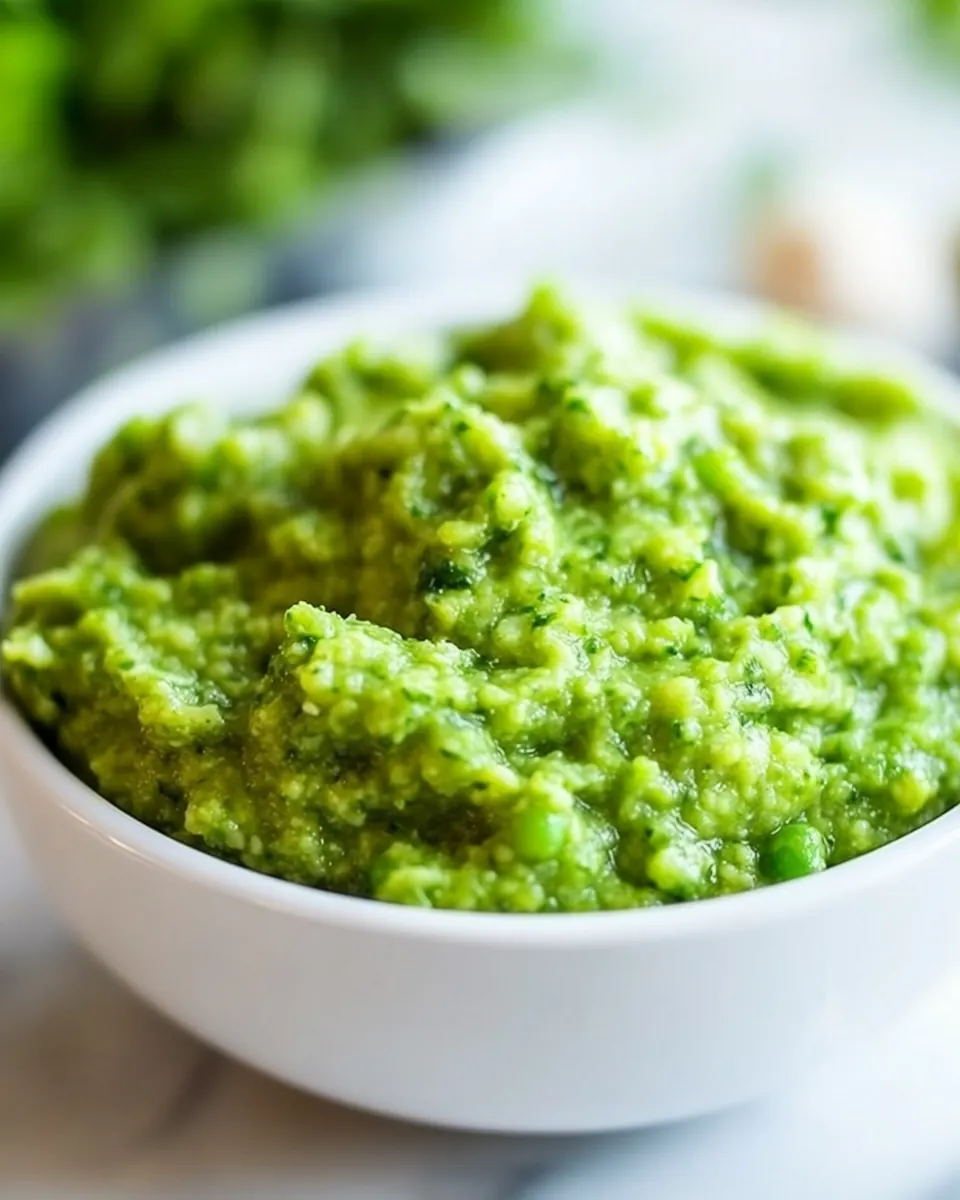
These ingredients are intentionally simple and complementary. The frozen peas bring sweetness and color, the parmesan cheese supplies savory depth, and the olive oil creates the sauce’s silkiness. A little lemon juice adds brightness while a touch of garlic and salt and pepper anchor the flavor profile. Together they form a balanced, adaptable pesto that highlights the peas without overwhelming them.
- 1 cup frozen peas: Blanched and sweet, adds bright color and a tender texture to the pesto; purees smoothly for a vibrant base. Provides natural sweetness and vegetal flavor that balances the cheese and oil. Also contributes fiber and a pop of green to the sauce.
- 1/4 cup grated parmesan cheese: Grated finely, brings savory umami and salty depth to enrich the pesto's overall flavor profile. Helps thicken the sauce while adding a creamy mouthfeel when combined with oil and pureed peas. Melts slightly into the warm pasta or dish it tops, boosting richness.
- 3 tablespoon olive oil: Measured for a smooth emulsion, supplies healthy fat that carries and melds flavors into a silky sauce. Helps create a cohesive pesto when blended with cheese and peas while adding a fruity, peppery note depending on variety. Coats pasta or crostini for a luscious finish.
- 1 teaspoon lemon juice: Squeezed lightly, provides bright acidity that lifts and balances the richness of cheese and oil. Helps highlight the pea's sweetness and freshen the overall flavor of the pesto. Adds a subtle citrus note without overpowering the other components.
- 1/2 clove garlic: Minced sparingly, contributes a pungent aromatic bite that enhances savory complexity in the pesto. Adds depth and a subtle heat that complements the peas and cheese when blended. Use cautiously to avoid overpowering the delicate pea flavor.
- salt and pepper to taste: Seasoned to taste, brings necessary balance by enhancing other flavors and rounding out the sauce. Adjusts saltiness and controls seasoning intensity, while pepper adds mild heat and aromatic lift. Essential for personalizing the final taste to preference.
Instructions for Easy Pea Pesto
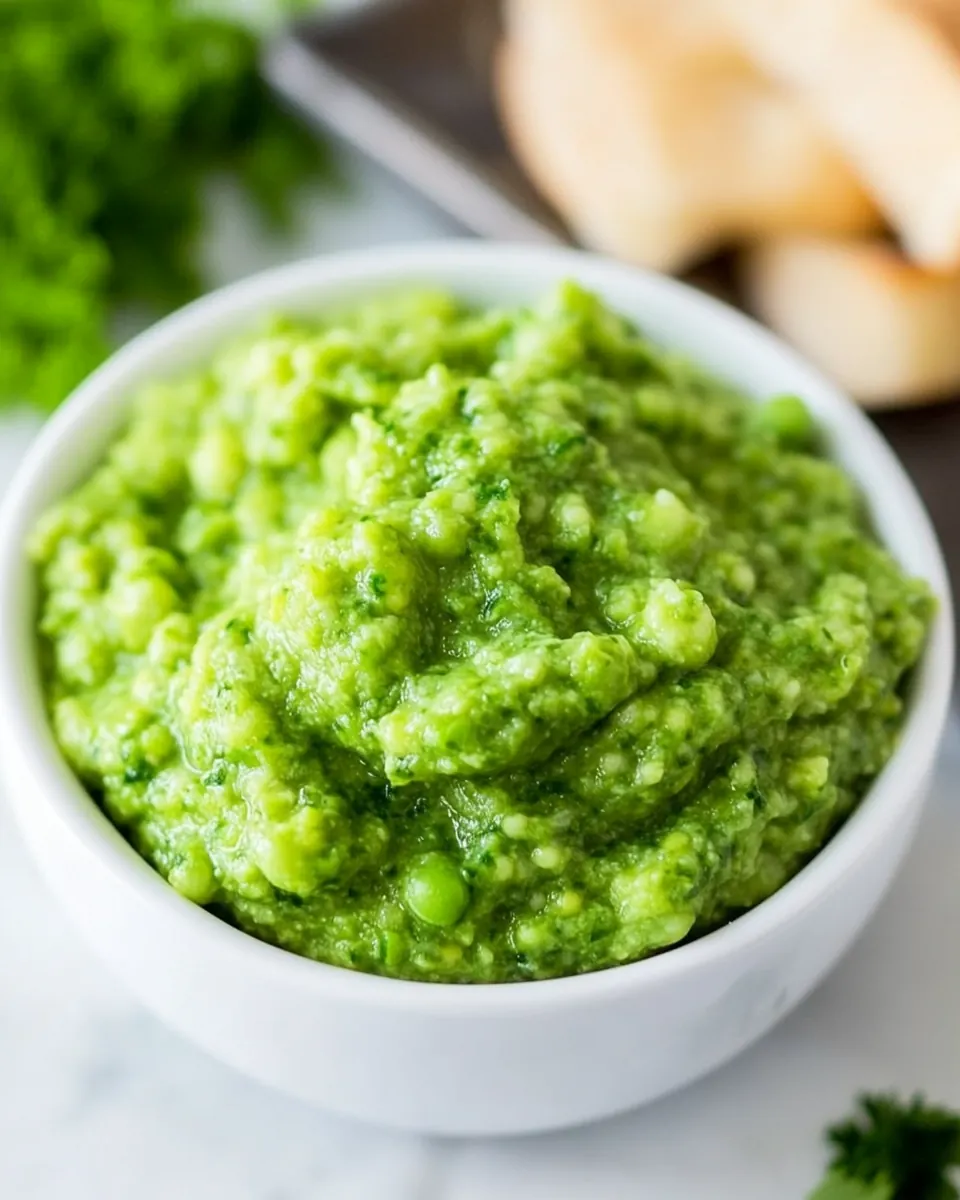
This is an effortless recipe to assemble, and the directions are short but worth doing carefully for the best texture and flavor. I’ll walk you through each step with sensory cues so you can tell when things are right, and I’ll flag common mistakes I see in home kitchens.
- Place the ingredients in a food processor and use the pulse button to chop and combine them until you reach your desired consistency.: You should hear short, rhythmic pulses rather than a constant running whir. As the peas break down you will see a shift from distinct grainy bits to a cohesive green mass, and the aroma will open up with a hint of fresh garlic and citrus from the lemon juice . Aim for bursts so you can control chunkiness, and pause to scrape down the sides with a spatula if the mixture clings; this ensures even blending. The texture will change slightly as the olive oil splays through the paste, creating a glossy finish. A frequent mistake is running the processor continuously which can overheat and create a mushy, warm pesto with less vibrant color. If the mixture seems dry, add a little more olive oil by the teaspoon until it loosens; if it seems too wet, pulse less and add a pinch of parmesan cheese to thicken.
- Use immediately as a sauce for pasta/chicken/fish, as a dip or as a topping for crostini/bruschetta. Or the pea pesto can be frozen in an airtight container for up to 6 months.: When you first spoon the pesto onto something warm, the heat will release fragrant oils and the bright green will deepen slightly, offering a lively contrast on the plate. Tossing it with hot pasta brings out a glossy sheen and allows the sauce to coat each strand; the first twirl should smell of lemon and savory parmesan cheese . As a dip, the texture should be thick enough to cling to pieces of bread or vegetable, and as a topping it should sit on the surface without sliding off. A typical error is combining the pesto with very hot ingredients right away which can mute the fresh lemon notes, so let piping hot items rest for a minute before mixing. If the pesto separates when warmed, stir in a little extra olive oil off heat to reincorporate the sauce.
- Or the pea pesto can be frozen in an airtight container for up to 6 months.: When freezing, portion the pesto into ice cube trays or small containers so you can thaw only what you need; this preserves freshness and avoids waste. The cold smell is muted compared to fresh, but once thawed the scent of peas and lemon juice returns—sometimes a touch less vivid. To maintain color and flavor, press a thin layer of olive oil on top before sealing to reduce oxidation. A common slip is storing pesto in a loosely sealed container that allows freezer burn, which dries and dulls the sauce. Thaw gently in the refrigerator and stir before serving, adding a splash of olive oil or a pinch of fresh lemon juice if it seems flat.
Tips and Variations
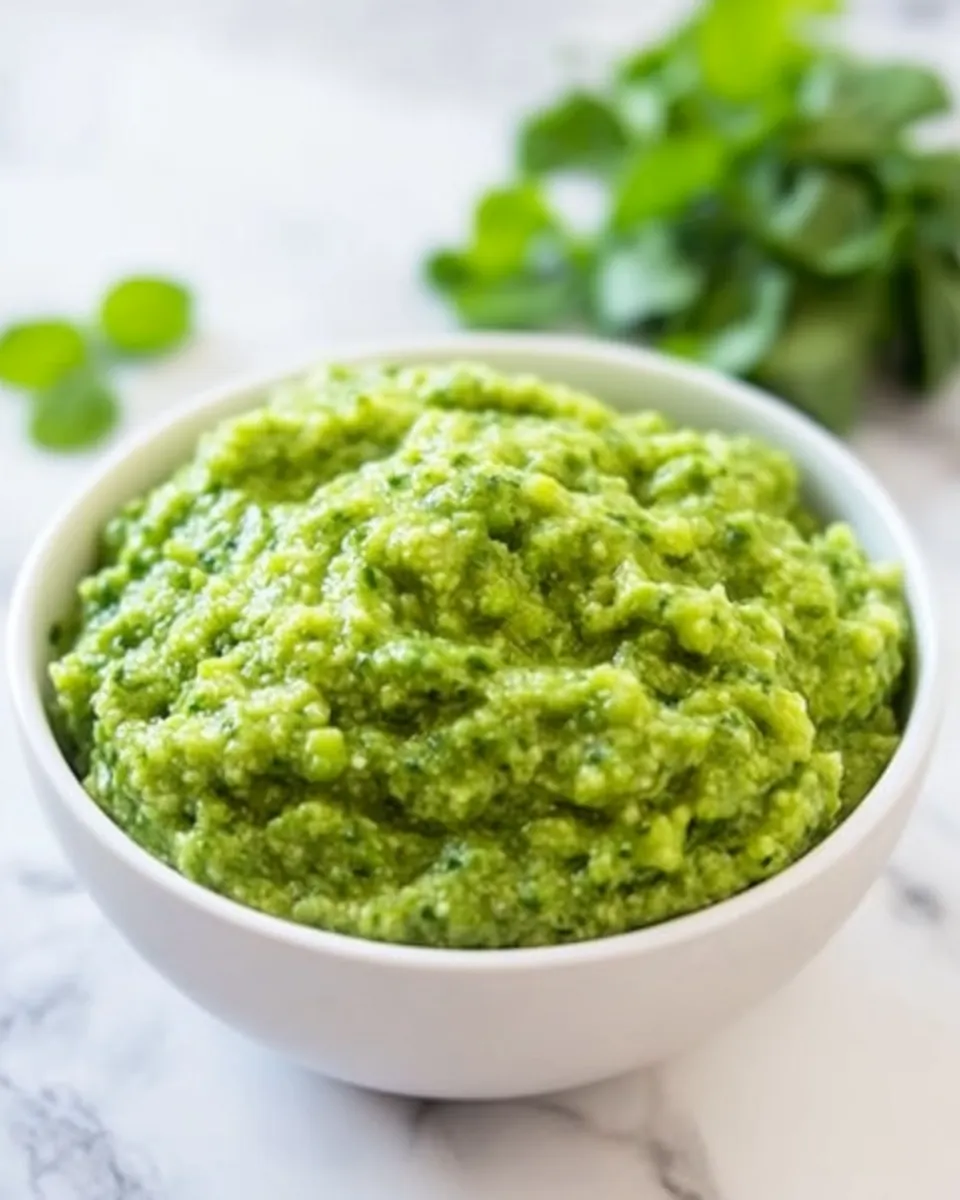
I like to keep this section compact but full of practical ideas. These tips will help you make the pesto reliably and suggest small changes if you want to shift the texture, flavor, or storage method.
- Control the texture: Add olive oil slowly to move from chunky to silky without overprocessing.
- Boost brightness: Increase the lemon juice by small increments to heighten freshness, tasting after each addition.
- Mellow garlic: If raw garlic feels too sharp, let the blended pesto rest in the fridge for 20 to 30 minutes to let the flavors marry.
- Measure cheese thoughtfully: Use freshly grated parmesan cheese and avoid tightly packing the measuring cup to prevent excess saltiness.
- Batch and freeze: Portion into ice cube trays for single serve amounts, then transfer the cubes to an airtight container for easy thawing.
Pairing Suggestions for Easy Pea Pesto
This section suggests ways to serve and pair the pesto across meals and occasions. I focus on complementary textures and flavors, plus storage and seasonal notes so you can plan menus confidently.
- Pasta pairing: Toss warm pasta with a spoonful of Easy Pea Pesto and a splash of pasta water for a silky, quick weeknight dinner.
- Toasts and crostini: Spread on toasted bread as a bright appetizer for casual gatherings or as a light lunch with a crisp side salad.
- Protein topping: Dollop over grilled fish or roasted chicken to add an herbal, creamy finish that lifts neutral proteins.
- Vegetable companion: Serve alongside roasted or steamed vegetables where the pesto adds freshness and a pleasing contrast in texture.
- Occasion notes: Perfect for spring menus, brunch spreads, and Ramadan if you want a simple, refreshing option for suhoor or iftar.
- Storage tips: Keep in the refrigerator up to five days or freeze portions for months to enjoy the flavor out of season.
FAQ
Conclusion
Easy Pea Pesto stands out because it transforms a few simple pantry and freezer items into a bright, versatile sauce that lifts many dishes. Its vivid color, fresh lemon notes, and creamy texture make it both approachable and special. Give it a try the next time you want a quick flavor boost for pasta, toast, or roasted vegetables. You’ll find it’s the kind of recipe that keeps working for you, whether you need a fast weeknight solution or a last minute appetizer for guests.
Easy Pea Pesto
Equipment
- Food Processor
- Spatula
- Measuring Cups
Ingredients
- 1 cup frozen peas Blanched and sweet, adds bright color and a tender texture to the pesto; purees smoothly for a vibrant base. Provides natural sweetness and vegetal flavor that balances the cheese and oil. Also contributes fiber and a pop of green to the sauce.
- 1/4 cup grated parmesan cheese Grated finely, brings savory umami and salty depth to enrich the pesto's overall flavor profile. Helps thicken the sauce while adding a creamy mouthfeel when combined with oil and pureed peas. Melts slightly into the warm pasta or dish it tops, boosting richness.
- 3 tablespoon olive oil Measured for a smooth emulsion, supplies healthy fat that carries and melds flavors into a silky sauce. Helps create a cohesive pesto when blended with cheese and peas while adding a fruity, peppery note depending on variety. Coats pasta or crostini for a luscious finish.
- 1 teaspoon lemon juice Squeezed lightly, provides bright acidity that lifts and balances the richness of cheese and oil. Helps highlight the pea's sweetness and freshen the overall flavor of the pesto. Adds a subtle citrus note without overpowering the other components.
- 1/2 clove garlic Minced sparingly, contributes a pungent aromatic bite that enhances savory complexity in the pesto. Adds depth and a subtle heat that complements the peas and cheese when blended. Use cautiously to avoid overpowering the delicate pea flavor.
- salt and pepper to taste Seasoned to taste, brings necessary balance by enhancing other flavors and rounding out the sauce. Adjusts saltiness and controls seasoning intensity, while pepper adds mild heat and aromatic lift. Essential for personalizing the final taste to preference.
Instructions
- Place the ingredients in a food processor and use the pulse button to chop and combine them until you reach your desired consistency.: You should hear short, rhythmic pulses rather than a constant running whir. As the peas break down you will see a shift from distinct grainy bits to a cohesive green mass, and the aroma will open up with a hint of fresh garlic and citrus from the lemon juice . Aim for bursts so you can control chunkiness, and pause to scrape down the sides with a spatula if the mixture clings; this ensures even blending. The texture will change slightly as the olive oil splays through the paste, creating a glossy finish. A frequent mistake is running the processor continuously which can overheat and create a mushy, warm pesto with less vibrant color. If the mixture seems dry, add a little more olive oil by the teaspoon until it loosens; if it seems too wet, pulse less and add a pinch of parmesan cheese to thicken.
- Use immediately as a sauce for pasta/chicken/fish, as a dip or as a topping for crostini/bruschetta. Or the pea pesto can be frozen in an airtight container for up to 6 months.: When you first spoon the pesto onto something warm, the heat will release fragrant oils and the bright green will deepen slightly, offering a lively contrast on the plate. Tossing it with hot pasta brings out a glossy sheen and allows the sauce to coat each strand; the first twirl should smell of lemon and savory parmesan cheese . As a dip, the texture should be thick enough to cling to pieces of bread or vegetable, and as a topping it should sit on the surface without sliding off. A typical error is combining the pesto with very hot ingredients right away which can mute the fresh lemon notes, so let piping hot items rest for a minute before mixing. If the pesto separates when warmed, stir in a little extra olive oil off heat to reincorporate the sauce.
- Or the pea pesto can be frozen in an airtight container for up to 6 months.: When freezing, portion the pesto into ice cube trays or small containers so you can thaw only what you need; this preserves freshness and avoids waste. The cold smell is muted compared to fresh, but once thawed the scent of peas and lemon juice returns—sometimes a touch less vivid. To maintain color and flavor, press a thin layer of olive oil on top before sealing to reduce oxidation. A common slip is storing pesto in a loosely sealed container that allows freezer burn, which dries and dulls the sauce. Thaw gently in the refrigerator and stir before serving, adding a splash of olive oil or a pinch of fresh lemon juice if it seems flat.
Notes
- Control the texture: Add olive oil slowly to move from chunky to silky without overprocessing.
- Boost brightness: Increase the lemon juice by small increments to heighten freshness, tasting after each addition.
- Mellow garlic: If raw garlic feels too sharp, let the blended pesto rest in the fridge for 20 to 30 minutes to let the flavors marry.
- Measure cheese thoughtfully: Use freshly grated parmesan cheese and avoid tightly packing the measuring cup to prevent excess saltiness.
- Batch and freeze: Portion into ice cube trays for single serve amounts, then transfer the cubes to an airtight container for easy thawing.