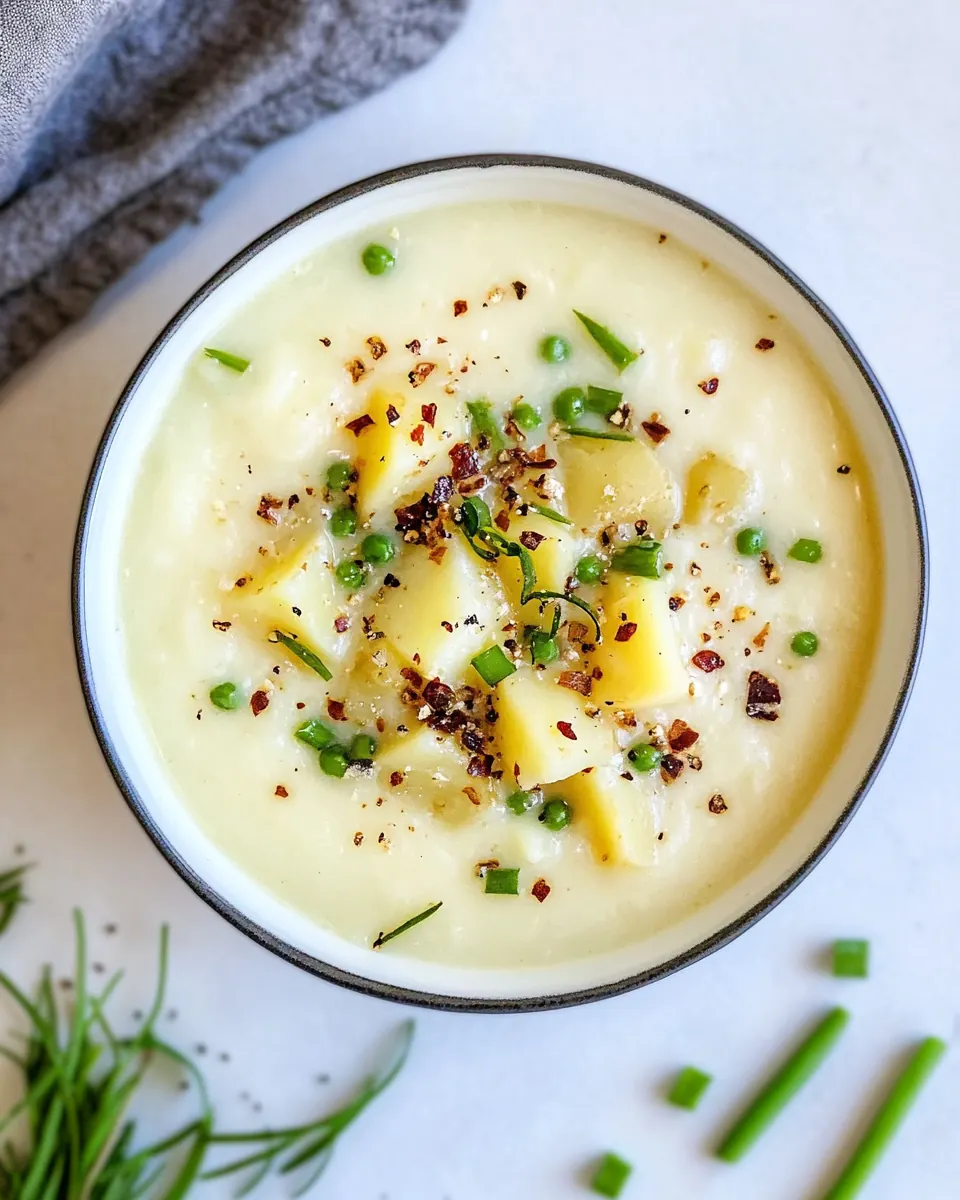
4 Ingredient Potato Soup Recipe
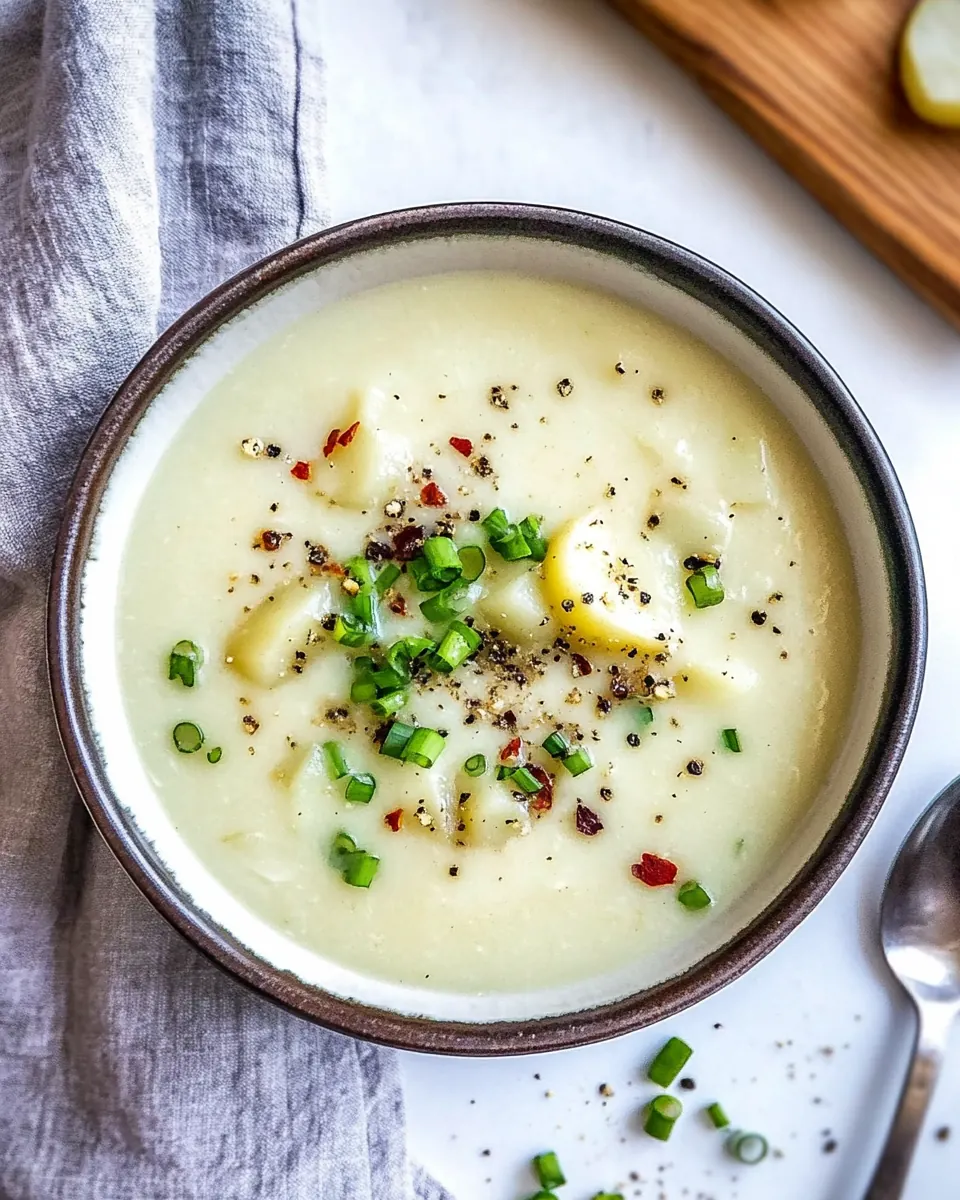
4 Ingredient Potato Soup Recipe has been my go to comfort dish on cold afternoons when I want something simple, creamy, and honest. The first time I made this soup I remember standing over the stove with the windows steamed up, the house smelling of caramelized onion and warm potatoes, thinking how amazing it is that so few components can feel so nourishing. I always reach for this recipe when I need a fast, soothing bowl that still tastes thoughtful and homemade.
Over the years I have tweaked little things, like the way I cut the potatoes so they cook uniformly, and how I reserve a bit of starchy cooking water to coax silkiness without thinning the soup too much. Friends have called this my cheat code for weeknight dinners, and I love how it comes together whether I have an hour or only thirty minutes to spare. Each time I stir the pot I remember a different chilly evening when this bowl warmed more than my hands, it warmed the whole mood of the night.
Recipe Snapshot
35 mins
10 mins
25 mins
Easy
350 kcal
American
Gluten-Free, Low FODMAP
Soups
Large pot, Wooden spoon, Colander, Potato masher
Why You Need This 4 Ingredient Potato Soup Recipe
Pure simplicity that sings
I adore recipes that rely on quality fundamentals, and 4 Ingredient Potato Soup Recipe is a perfect example. With just butter, onion, potatoes, and cream or milk, the flavors are honest and focused. Each ingredient plays a clear role, so nothing gets lost, and the finished soup tastes like comfort without clutter.
Speed without sacrifice
We all have evenings when time is tight, and this soup delivers in under an hour. I love that you can get a bowl on the table quickly, yet still enjoy layered taste from sautéed onion and mellowed potatoes. The method is forgiving, which makes it perfect for busy weeknights or when you want to feed a few friends without stress.
Texture control for every mood
One of the delights of this recipe is how versatile the texture can be. I sometimes mash the potatoes roughly for a chunky, rustic feel, other times I go velvety smooth using a masher. The choice is yours, and that flexibility makes the soup appealing to picky eaters and those craving a silky spoonful alike.
Budget friendly and pantry smart
This recipe is kind to the wallet and uses pantry staples you likely already have. Potatoes are economical and filling, and a little butter and cream go a long way toward turning basic ingredients into something special. I often make this when I want hearty food without an extravagant trip to the store.
Comfort food with room to play
Even with only four ingredients, there is space for creativity at the table. I like to let guests jazz their bowls with a crack of black pepper or a swirl of extra cream. That adaptability means this soup fits cozy family dinners, casual gatherings, or a quiet solo night when you crave something gentle and satisfying.
What to Buy for 4 Ingredient Potato Soup Recipe
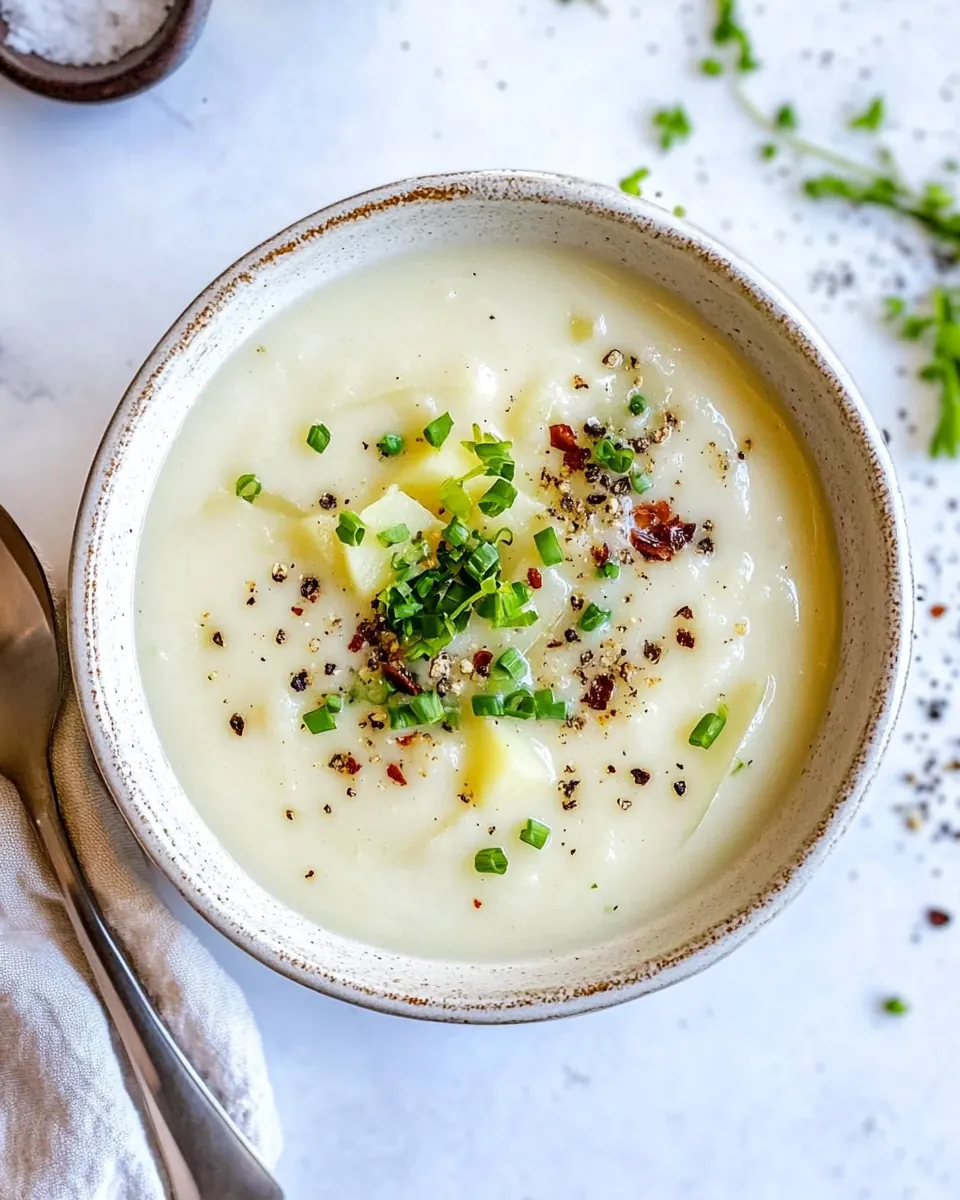
These few items form the backbone of a satisfying, creamy soup. The philosophy here is to let simple ingredients shine by treating them well, using heat and stirring to coax maximum flavor. The potatoes bring body, the onion brings sweetness and depth, the butter adds richness, and the cream or milk finishes the texture with silkiness.
- 6 tablespoons butter divided: Melted and divided to provide a rich cooking fat for sautéing and finishing, imparting a silky mouthfeel and buttery depth to the soup. Use part for softening the onion and part to enrich the finished soup for a smooth texture and flavor balance.
- 1 onion diced: Diced and sautéed until translucent to build aromatic sweetness and savory foundation for the broth, contributing subtle layers of flavor. Cook gently in butter to release sugars without browning, which preserves a clean, mellow onion profile.
- 3 pounds russet potatoes peeled and cut into 1-inch pieces: Peeled and cut into uniform 1-inch pieces to ensure even cooking and a creamy texture when broken down into the soup base. Boiled until tender so starches release, thickening the broth naturally and providing body and potato-forward flavor.
- 1 1/2 cups heavy cream or whole milk: Chosen for its richness and creaminess to lend a velvety finish and cohesive mouthfeel, balancing the starchiness of the potatoes. Warm gently into the soup to avoid curdling while enhancing richness and a luxurious consistency.
4 Ingredient Potato Soup Recipe Instructions
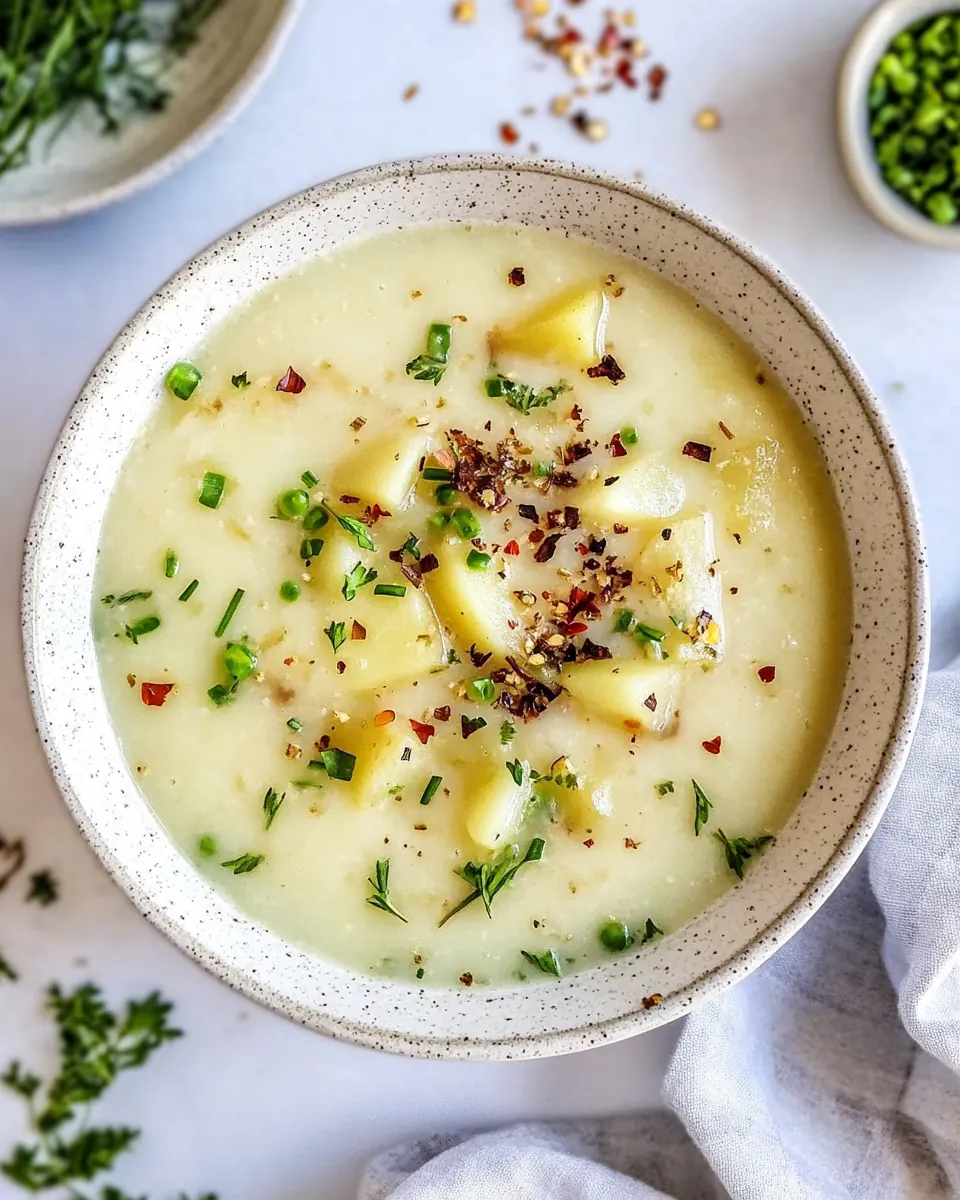
These steps are straightforward, but the technique matters for balance of flavor and texture. Take your time with the sauté so the onion develops sweetness, and pay attention while boiling the potatoes so they reach just the right tenderness. The finishing moments are where the soup becomes comforting and cohesive.
- Melt 1 tablespoon of butter in a large pot over medium-high heat. Add the diced onion and sauté until tender and translucent, then transfer to a separate bowl.: The kitchen will fill with a warm, nutty aroma as the butter liquefies and starts to foam, signaling the right moment to add the onion . This gentle sizzle softens the onion and develops sweet notes that are key to a rounded soup. If your heat is too high you risk browning too quickly, so maintain a steady medium-high to coax tenderness without burning.
- Place the diced potatoes in the same pot and cover with water. Bring to a boil, then simmer for 15-20 minutes until potatoes are tender.: As the onion softens you will notice its edges becoming glossy and its scent shifting from sharp to sweet, which is exactly what you want. Removing the onion once translucent prevents it from overcooking during the potato simmer, preserving its delicate flavor. A common mistake is rushing this step, leaving raw bits with a harsh edge, so stir frequently and watch for translucence.
- Drain the water, leaving about half an inch in the pot with the potatoes.: When you add the potatoes to the residual butter and any fond from the onion , you get a subtle flavor boost. Cover with water so the potatoes cook evenly; the surface will go from glassy to a gentle simmer where small bubbles break consistently. Avoid covering with too little water which can cause uneven cooking, or too much which dilutes the eventual soup body.
- Return the onions to the pot with the potatoes, add the remaining butter and cream or milk. Mash the potatoes to your desired consistency.: The moment the water climbs to a rolling boil the pot will sound lively, then you reduce to a simmer where the potatoes gently give up their starch. Test tenderness with a fork, it should slide through without resistance. Overcooking turns them mushy and watery, undercooking leaves hard centers, so aim for that fork tender point.
- Cook the soup on low heat for an additional 5 minutes, stirring occasionally.: Draining concentrates flavor while still keeping a bit of starchy liquid to help bind the soup. The remaining half inch adds silkiness and prevents the mixture from drying out when you mash. Leaving too much water will thin the soup excessively, while draining too thoroughly removes helpful starch that aids texture.
- Season with salt and pepper to taste, then serve the warm soup.: When the warm onion reunites with the soft potatoes and the rest of the butter , you will smell a richer, layered aroma. Pouring in the chilled cream or milk brings a cooling, creamy contrast and begins to smooth the mix. To avoid shock, you can temper the dairy by stirring a little hot potato liquid into it first; abrupt temperature changes can cause separation.
- Mash the potatoes to your desired consistency: As you press the potatoes , you will hear a soft tearing and see the mixture thicken, becoming either chunky or silkier depending on your technique. Using a masher keeps some rustic texture, while a ricer or immersion blender will make it velvety. Overworking can make the soup gluey, so stop once you reach the mouthfeel you want.
- Cook the soup on low heat for an additional 5 minutes, stirring occasionally: This gentle finish melds flavors and warms the dairy through, releasing a comforting steam and subtle bubbling. Low heat ensures everything integrates without scalding the cream or causing separation. A frequent misstep is blasting this stage on high, which risks scorching the bottom and creating bitter notes.
- Season with salt and pepper to taste, then serve the warm soup: Seasoning at the end allows you to tune the bowl after the ingredients have fully expressed themselves; the starchy potatoes can blunt salt, so taste carefully. Freshly cracked black pepper brightens the profile. Avoid over salting, a little at a time is best, because you can always add more but you cannot take it away.
Change It Up
Small adjustments can personalize this soup without complicating the method. Here are practical ways to vary texture, richness, and presentation while keeping the recipe approachable.
- Boost the richness: Use the heavier cream option for a lusher mouthfeel; adding it warmed prevents cooling the pot.
- Make it lighter: Choose whole milk instead of cream to reduce calories while retaining a creamy texture when properly mashed.
- Control texture: Mash with a hand masher for a rustic bowl, or use a ricer for a smooth, velvety result; avoid over mixing which causes a gluey feel.
- Manage seasoning: Add salt incrementally at the end to avoid over salting, because starchy potatoes absorb seasoning differently as they cool.
- Adjust portion size: If you want leftovers, double the base proportions and store in airtight containers; reheat gently on low so the dairy does not separate.
- Keep it warm: Serve in pre warmed bowls to maintain temperature longer, especially useful when feeding a group.
Serving Options for 4 Ingredient Potato Soup Recipe
This soup feels at home in many settings, from casual weeknights to comforting holiday lapses, and it pairs well with simple accompaniments. Below I outline ideas for plate up, occasions, and storage so you can serve it with confidence.
- Casual dinners: Serve the soup with crusty bread or a simple green salad for a balanced, easy meal that fills and comforts without fuss.
- Family lunches: A bowl of warm soup on a chilly day is a winner for family lunches, especially when paired with toasted sandwiches for dipping.
- Cozy evenings: For a quiet night in, top with an extra pat of butter or a small swirl of cream for an indulgent finish.
- Make ahead and store: Cool quickly and refrigerate in airtight containers for up to three days. Reheat gently on low, adding a splash of water or warmed milk if it seems too thick.
- Serving temperature: Keep the soup warm in a low oven or covered pot on the stovetop for gatherings so bowls stay at a pleasant serving temperature.
- Seasonal pairing: In winter this soup is a natural fit, offering hearty comfort alongside roasted vegetables or simple proteins for a fuller spread.
FAQ
Conclusion
This recipe stands out because it transforms four humble ingredients into a deeply satisfying bowl of comfort. Try it when you want something quick, nourishing, and reliably delicious that still feels like a warm homemade hug. Give it a go tonight, and notice how simple technique and patience with the onion and potatoes create a dish that feels special without fuss. I hope it becomes one of your go to recipes for cold evenings and busy nights alike.

4 Ingredient Potato Soup Recipe
Equipment
- Large Pot
- Wooden Spoon
- Colander
- Potato Masher
Ingredients
- 6 tablespoons butter divided Melted and divided to provide a rich cooking fat for sautéing and finishing, imparting a silky mouthfeel and buttery depth to the soup. Use part for softening the onion and part to enrich the finished soup for a smooth texture and flavor balance.
- 1 onion diced Diced and sautéed until translucent to build aromatic sweetness and savory foundation for the broth, contributing subtle layers of flavor. Cook gently in butter to release sugars without browning, which preserves a clean, mellow onion profile.
- 3 pounds russet potatoes peeled and cut into 1-inch pieces Peeled and cut into uniform 1-inch pieces to ensure even cooking and a creamy texture when broken down into the soup base. Boiled until tender so starches release, thickening the broth naturally and providing body and potato-forward flavor.
- 1 1/2 cups heavy cream or whole milk Chosen for its richness and creaminess to lend a velvety finish and cohesive mouthfeel, balancing the starchiness of the potatoes. Warm gently into the soup to avoid curdling while enhancing richness and a luxurious consistency.
Instructions
- Melt 1 tablespoon of butter in a large pot over medium-high heat. Add the diced onion and sauté until tender and translucent, then transfer to a separate bowl.: The kitchen will fill with a warm, nutty aroma as the butter liquefies and starts to foam, signaling the right moment to add the onion . This gentle sizzle softens the onion and develops sweet notes that are key to a rounded soup. If your heat is too high you risk browning too quickly, so maintain a steady medium-high to coax tenderness without burning.
- Place the diced potatoes in the same pot and cover with water. Bring to a boil, then simmer for 15-20 minutes until potatoes are tender.: As the onion softens you will notice its edges becoming glossy and its scent shifting from sharp to sweet, which is exactly what you want. Removing the onion once translucent prevents it from overcooking during the potato simmer, preserving its delicate flavor. A common mistake is rushing this step, leaving raw bits with a harsh edge, so stir frequently and watch for translucence.
- Drain the water, leaving about half an inch in the pot with the potatoes.: When you add the potatoes to the residual butter and any fond from the onion , you get a subtle flavor boost. Cover with water so the potatoes cook evenly; the surface will go from glassy to a gentle simmer where small bubbles break consistently. Avoid covering with too little water which can cause uneven cooking, or too much which dilutes the eventual soup body.
- Return the onions to the pot with the potatoes, add the remaining butter and cream or milk. Mash the potatoes to your desired consistency.: The moment the water climbs to a rolling boil the pot will sound lively, then you reduce to a simmer where the potatoes gently give up their starch. Test tenderness with a fork, it should slide through without resistance. Overcooking turns them mushy and watery, undercooking leaves hard centers, so aim for that fork tender point.
- Cook the soup on low heat for an additional 5 minutes, stirring occasionally.: Draining concentrates flavor while still keeping a bit of starchy liquid to help bind the soup. The remaining half inch adds silkiness and prevents the mixture from drying out when you mash. Leaving too much water will thin the soup excessively, while draining too thoroughly removes helpful starch that aids texture.
- Season with salt and pepper to taste, then serve the warm soup.: When the warm onion reunites with the soft potatoes and the rest of the butter , you will smell a richer, layered aroma. Pouring in the chilled cream or milk brings a cooling, creamy contrast and begins to smooth the mix. To avoid shock, you can temper the dairy by stirring a little hot potato liquid into it first; abrupt temperature changes can cause separation.
- Mash the potatoes to your desired consistency: As you press the potatoes , you will hear a soft tearing and see the mixture thicken, becoming either chunky or silkier depending on your technique. Using a masher keeps some rustic texture, while a ricer or immersion blender will make it velvety. Overworking can make the soup gluey, so stop once you reach the mouthfeel you want.
- Cook the soup on low heat for an additional 5 minutes, stirring occasionally: This gentle finish melds flavors and warms the dairy through, releasing a comforting steam and subtle bubbling. Low heat ensures everything integrates without scalding the cream or causing separation. A frequent misstep is blasting this stage on high, which risks scorching the bottom and creating bitter notes.
- Season with salt and pepper to taste, then serve the warm soup: Seasoning at the end allows you to tune the bowl after the ingredients have fully expressed themselves; the starchy potatoes can blunt salt, so taste carefully. Freshly cracked black pepper brightens the profile. Avoid over salting, a little at a time is best, because you can always add more but you cannot take it away.
Notes
- Boost the richness: Use the heavier cream option for a lusher mouthfeel; adding it warmed prevents cooling the pot.
- Make it lighter: Choose whole milk instead of cream to reduce calories while retaining a creamy texture when properly mashed.
- Control texture: Mash with a hand masher for a rustic bowl, or use a ricer for a smooth, velvety result; avoid over mixing which causes a gluey feel.
- Manage seasoning: Add salt incrementally at the end to avoid over salting, because starchy potatoes absorb seasoning differently as they cool.
- Adjust portion size: If you want leftovers, double the base proportions and store in airtight containers; reheat gently on low so the dairy does not separate.
- Keep it warm: Serve in pre warmed bowls to maintain temperature longer, especially useful when feeding a group.