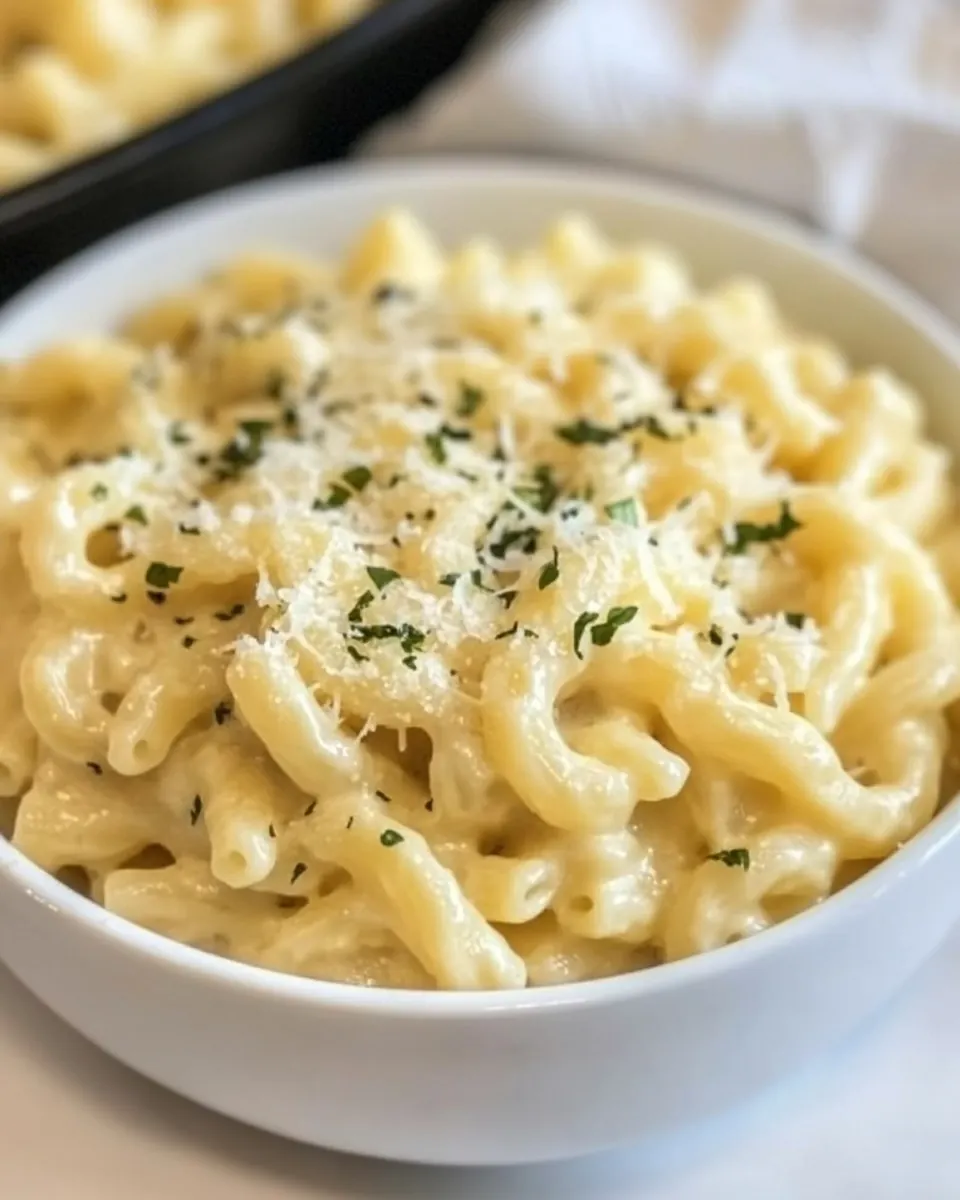
Easy Creamy Four Cheese Pasta
Easy Creamy Four Cheese Pasta is the kind of meal I turn to when the week has been long and I need something comforting that still feels a little special.
Growing up, bowls of cheesy pasta marked celebrations small and large in my family. I remember standing on a stool while my parent stirred a glossy sauce, and the steam would fog the kitchen window as the scent of melting cheddar and asiago teased my nose. That warmth stuck with me, and today I make this version when I want a quick lift that tastes like care. It is simple yet layered, creamy but with bright, savory notes from sharper cheeses. I love how the pasta carries the sauce, each shape catching pockets of melty goodness.
When I cook Easy Creamy Four Cheese Pasta for friends, the conversation always slows for a beat as everyone takes that first bite. There is something about the balance between stretchy, gooey strands and the salty, nutty hits from aged cheese that makes people pause and smile. I usually pick a patterned pasta shape to hold the sauce, and I keep the technique straightforward so the focus stays on the cheeses. Over the years I have fine tuned timing and texture so the sauce is never grainy and the pasta is never gummy. You will find this dish forgiving, fast, and endlessly tweakable to your stash of cheeses.
Recipe Snapshot
15 mins
5 mins
10 mins
Medium
400 kcal
Italian
Gluten-Free, Low FODMAP
Dinner
Large pot, Small saucepan, Whisk, Colander
The Best Thing About This Easy Creamy Four Cheese Pasta
Comfort in Every Spoonful
I adore how Easy Creamy Four Cheese Pasta wraps you in warmth with its velvety sauce, and I often reach for it when I want the food equivalent of a hug. The mouthfeel is silky, and the cheeses create layers of flavor that feel indulgent without fuss.
Speed without Sacrifice
This recipe comes together quickly, and I love that you do not need complicated steps to get a luxurious result. With a short simmer and a simple roux, you achieve a sauce that tastes far more involved than it actually is, which makes it perfect for busy evenings.
Flexible and Friendly
I appreciate that Easy Creamy Four Cheese Pasta invites creativity. You can mix and match cheeses you already have, and the formula still delivers. That freedom makes it a wonderful pantry-friendly option when you do not want to run to the store.
Texture That Sings
The choice of pasta shape matters, and I like shapes that trap sauce in their grooves. That contrast between tender pasta and clingy sauce is a small detail that elevates each bite. It makes the dish feel thoughtfully composed rather than thrown together.
Great for Sharing
I find this is a crowd pleaser, whether served as a hearty side or a cozy main. It is reassuringly familiar yet rich enough to feel like a treat, which is why I often make a double batch when friends are coming over.
Ingredients for Easy Creamy Four Cheese Pasta
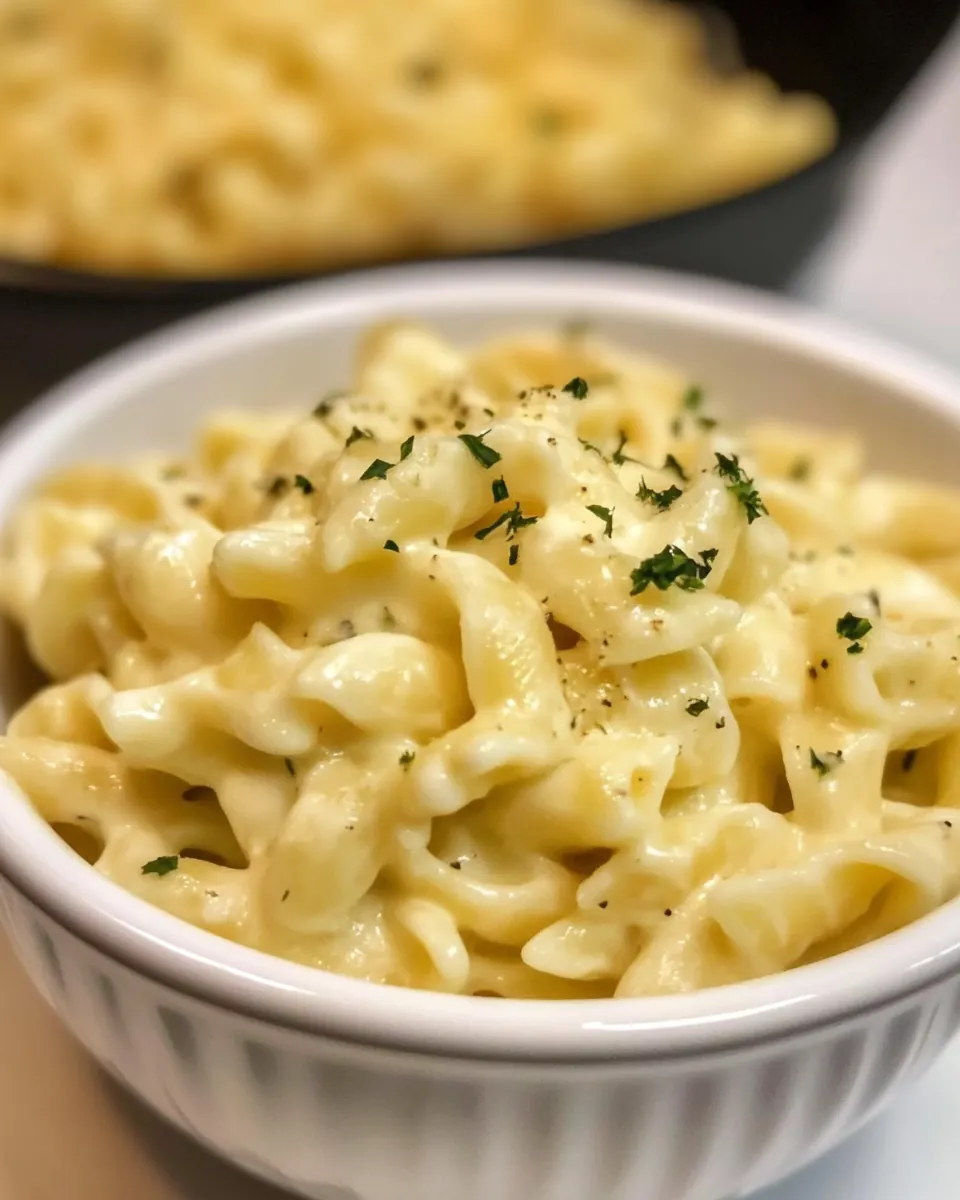
These ingredients are all about texture and balance. The pasta provides structure, the butter and flour form a small roux that thickens the milk, and the four cheeses combine meltability and bold flavor. A touch of dried herbs ties the profile together without competing with the cheeses. Together, they make a sauce that clings, flavors, and comforts.
- 1 lbs short pasta – see note 1: Provide body and starch to the dish by holding the creamy sauce and delivering comforting texture; choose short pasta shapes like penne, rotini, or shells to trap cheese. Boil until al dente so it finishes cooking when combined with sauce, and reserve some pasta water to adjust sauce consistency if needed.
- 1/2 stick butter: Add richness and a silky mouthfeel by melting into the roux to create a smooth base for the cheese sauce. Use unsalted or lightly salted butter to control seasoning and brown gently if a nuttier flavor is desired, but avoid burning to keep sauce smooth.
- 3 tablespoon all purpose flour: Thicken the sauce by cooking into melted butter to form a roux that binds milk and cheese into a creamy emulsion. Cook briefly to remove raw flour taste without browning, then whisk in milk gradually for lump-free consistency.
- 2 cups milk: Create the creamy liquid base and contribute mild dairy sweetness that balances sharp cheeses; use whole milk for best richness. Warm slightly before adding to the roux to prevent curdling and help the sauce come together smoothly.
- 1/2 cups shredded cheddar cheese – see note 2: Provide sharp, familiar cheesy flavor and meltability that contributes to overall depth; shredded cheddar adds color and tang. Add gradually and melt gently over low heat to avoid graininess and ensure a homogenous sauce.
- 1/2 cups shredded provolone cheese – see note 2: Contribute gooey stretch and a mild, slightly smoky profile that improves melt and texture in the finished pasta. Shred provolone finely so it melts evenly into the warm sauce and complements the sharper cheeses without overpowering them.
- 1/2 cups shredded pecorino cheese – see note 2: Introduce salty, tangy complexity with a sheep-milk character that brightens the sauce and enhances umami; pecorino adds assertive savory notes. Use finely shredded pecorino and stir in off heat if necessary to prevent separation from excessive heat.
- 1/2 cups shredded asiago cheese – see note 2: Add nutty, piquant flavor and granular texture that rounds out the cheese blend and lifts the overall taste profile. Shred asiago finely and incorporate slowly into the warm sauce to ensure smooth melting and balanced seasoning.
- 1/4 teaspoon dried basil: Season gently with herbal, slightly sweet notes that complement the richness of the cheese without competing; dried basil adds Italian aromatic character. Sprinkle in small amounts and taste, as dried herbs can concentrate flavor differently than fresh.
- 1/4 teaspoon dried parsley: Finish with a mild, fresh herbiness that brightens the heavy dairy elements and adds visual contrast; dried parsley offers subtle grassy notes. Rehydrate in the sauce briefly or sprinkle at the end to maintain some herbal presence without overpowering.
Step by Step Guide for Easy Creamy Four Cheese Pasta
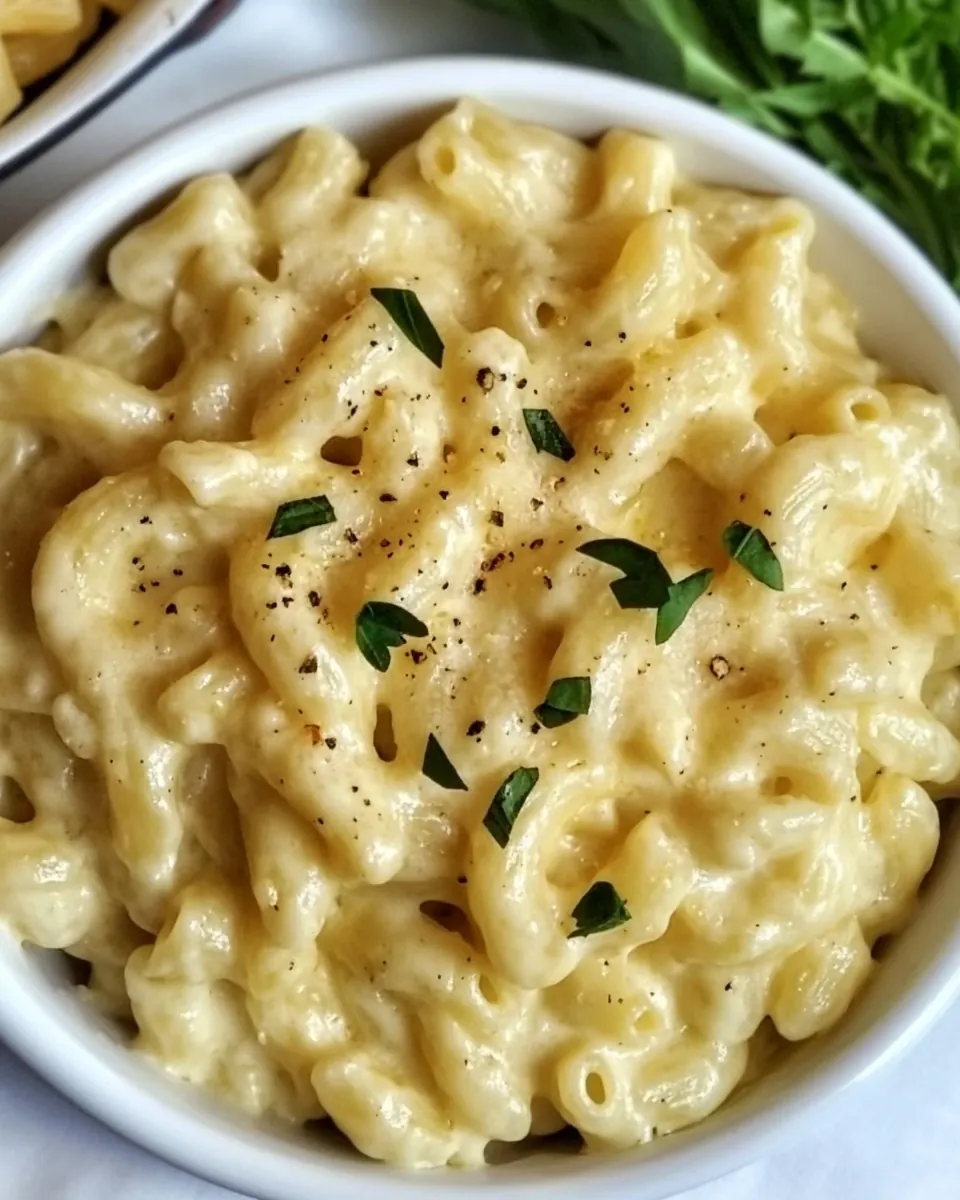
These steps are straightforward but give you a chance to pay attention to texture and timing. I like to set everything out and work steadily so the sauce comes together silky and lump free.
- Bring a pan of water to a boil, salt it generously and then cook the pasta until al-dente.: The sound of the water humming as it reaches a rolling boil will tell you it is ready, and the aroma of salted water is the first seasoning layer. Cooking pasta to al dente preserves a slight bite that contrasts with the creamy sauce; overcooking leads to mushy texture and a gluey finish, which is a common mistake. Keep the water at a vigorous boil so the shapes move freely, and stir occasionally to prevent sticking. Test a piece a minute before the package time for the best cue. If the water seems too full, use a larger pot so the pasta can cook evenly and not clump together. Reserving slightly under cooked pasta is better because it will finish cooking when combined with the sauce.
- Reserve a cup of the pasta cooking water and then drain.: Listen for the thin gurgle as you ladle water; that reserved water is gold because it contains starch that helps emulsify the sauce and makes it cling to the pasta . Drain the pasta quickly to avoid losing heat, and keep the reserved water handy to adjust sauce consistency. A frequent error is pouring the water away, which removes your best tool for loosening the sauce without diluting flavor. Use the reserved water a tablespoon at a time to achieve a glossy coating on the noodles.
- While the pasta is cooking add the butter to a small saucepan and melt over medium-low heat.: You should hear a gentle sizzle as the butter melts and see it liquefy into a pale pool, not brown. Low steady heat ensures the fat does not scorch and the sauce remains sweet and clean tasting. Avoid letting the butter brown because that will introduce nutty flavors that can compete with the cheese blend. If the pan gets too hot, remove it from the heat for a moment and then return to maintain a moderate temperature.
- Once melted add in the flour and whisk to combine.: When you stir in the flour , the mixture should become smooth and slightly pasty, and you will notice the raw flour scent fade as it cooks. This step cooks out uncooked flour notes so your sauce will taste refined. Whisk constantly to avoid lumps forming, and cook the roux for about a minute to mellow the raw taste. A common slip is to add liquid too quickly here, which creates clumps; patience and steady whisking keep the texture silkily uniform.
- Whisking the sauce and slowly pour in 1/2 cup of the milk. Continue whisking and adding milk until you have added it all. Then cook and whisk for 4 minutes, until the sauce has thickened.: As you add the milk gradually, the mixture should smooth out and begin to shine; the whisking rhythm is soothing and ensures no pockets of flour remain. Within minutes the sauce will thicken to coat the back of a spoon and the aroma will become creamy and slightly sweet. This gentle simmer allows starches to swell and bind, producing velvet texture. Avoid boiling aggressively, which can break the emulsion and cause separation. If the sauce becomes too thick, temper it with a splash of reserved cooking water to reach the ideal consistency.
- Add in the shredded cheeses one by one and then stir gently to melt them into the sauce.: When you add the cheeses, the surface will ripple as they melt, and small ribbons will form as you stir, signaling a silky integration. Introduce them gradually so the heat remains even and no single cheese overwhelms the texture. Stir gently to combine, using a slow fold rather than vigorous beating to preserve creaminess. If the heat is too high, the cheese can seize and become grainy, so lower the flame if needed. Taste as you go to balance saltiness, because some cheeses such as pecorino are quite assertive.
- Stir in the dried basil and parsley. Taste and season with salt and pepper.: The herbs will reawaken the aroma and add a subtle lift that keeps the sauce from feeling one note. Sprinkle them in and inhale the fragrant hint they provide; adjust amounts to your preference. Tasting is key here because the cheeses have varying salt levels, and you do not want to oversalt. If you find the sauce needs brightness, a very small pinch of acid would do wonders, but since that is not in the ingredients, rely on careful tasting and moderation of salt and pepper.
- Toss the cooked pasta into the cheese sauce adding a couple of tablespoons of the cooking water to ensure the sauce coats all the pasta equally.: The sight of the glossy sauce clinging to each piece of pasta is immensely satisfying, and the sound of gentle stirring is calming. The reserved cooking water helps the sauce become emulsified and cling without pooling. Tossing rather than spooning helps distribute sauce into crevices so every bite is saucy. A common mistake is adding too much water at once, which can thin the sauce; add a little at a time until you reach the ideal coating.
- Add more cooking water as needed.: When the sauce looks a touch thick, add another splash of the reserved water and watch it come alive, becoming shiny and supple. The starch in that liquid binds the sauce to the pasta while preserving creaminess, so it is often the solution when the sauce is slightly clumpy or heavy. Resist the urge to add plain water, as it lacks the emulsifying starch and will dilute flavor. If you find the texture has become too loose, simmer briefly to tighten it up.
- Serve as a side or a main meal.: The final presentation will be glossy and inviting, and the aroma of melted cheddar and nutty asiago will draw people in. Serving warm ensures the cheese keeps its creamy pull and the pasta maintains structure. A common serving error is letting the dish sit too long off heat, which can cause the sauce to stiffen; serve promptly and gently rewarm with a splash of reserved water if needed. This dish is versatile, so plate it as you prefer and enjoy the rich, layered flavors.
Substitutions and Tips
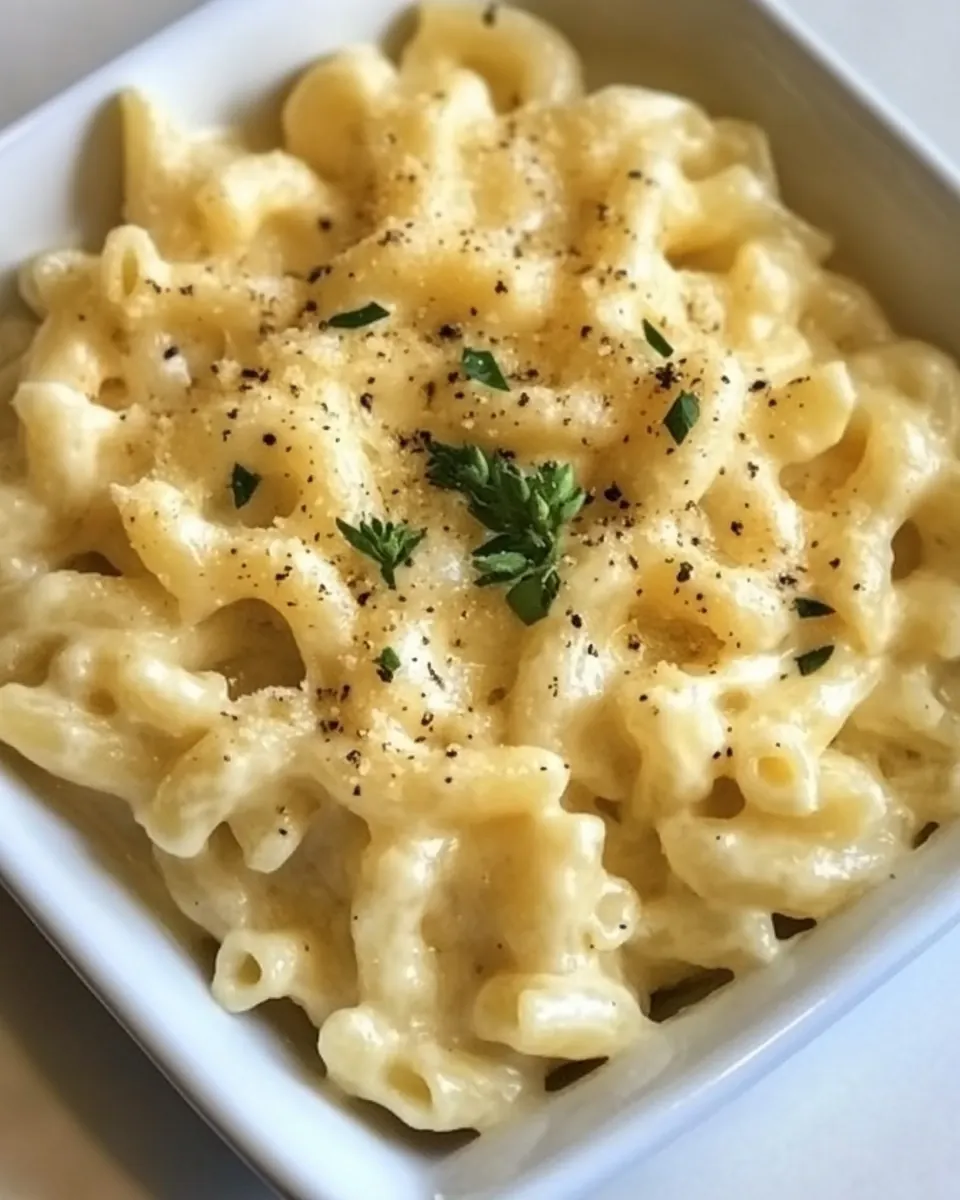
This section offers practical advice and small swaps that keep the spirit of Easy Creamy Four Cheese Pasta intact. I focus on what to change safely and what to avoid, so you get the same creamy comfort without surprises.
- Cheese flexibility If you do not have the exact cheeses listed, pick a mix of two melty cheeses and two flavored cheeses, keeping one sharp and one mild to recreate the balance of creaminess and punch.
- Milk choice Whole milk gives the creamiest texture, but 2 percent will still work; avoid skim because it can make the sauce feel thin and less luxurious.
- Fresh shredding Grate block cheeses yourself, as pre shredded options often contain anti caking agents that can make the sauce slightly grainy or chalky.
- Pasta timing Aim for al dente and undercook slightly if you plan to finish the pasta in the sauce, this prevents a mushy final texture.
- Salt carefully Because the cheeses vary in salt, add salt sparingly and taste before finishing so you do not over season.
Pairing Suggestions for Easy Creamy Four Cheese Pasta
This pasta works beautifully across occasions. It is comforting for a casual weeknight meal and rich enough for a relaxed dinner with guests. Below I list complementary sides, serving contexts, and storage advice so you can present this dish with confidence.
- Side salad Serve a simple green salad with a light vinaigrette to cut through the richness and add a crisp contrast to the creamy texture.
- Roasted vegetables Lightly roasted seasonal vegetables provide a caramelized note and textural variety, pairing well for dinner or weekend meals.
- Occasions This is a lovely option for cozy dinners, family gatherings, or as a comforting meal during colder months like winter.
- Storage tips Store leftovers in an airtight container for up to three days in the refrigerator; reheat gently with a splash of reserved or regular milk to restore creaminess.
- Serving style Offer it as a hearty side to roast meats or as a main with a bright salad; label the dish warm so the cheese remains silky when served.
- Make ahead You can prepare the sauce ahead and reheat it slowly, then toss with freshly cooked pasta just before serving to preserve the best texture.
FAQ
Conclusion
What makes Easy Creamy Four Cheese Pasta special is its effortless combination of silky texture and layered cheese flavor that feels indulgent with minimal fuss. I encourage you to try it on a night when you want comfort that still tastes a little elevated. It is quick to prepare, friendly to substitutions, and always warmly received at the table, so gather your favorite cheeses and enjoy a cozy, satisfying meal.
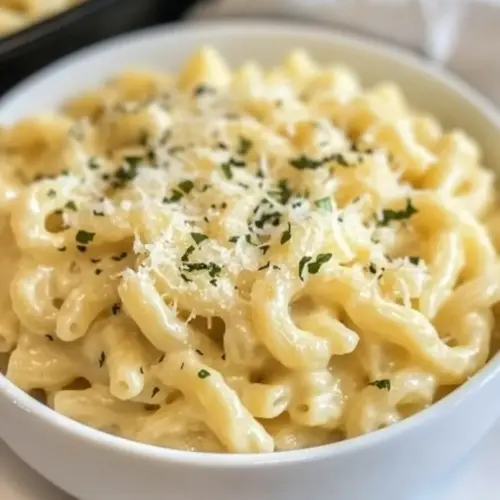
Easy Creamy Four Cheese Pasta
Equipment
- Large Pot
- Small Saucepan
- Whisk
- Colander
Ingredients
- 1 lbs short pasta - see note 1 Provide body and starch to the dish by holding the creamy sauce and delivering comforting texture; choose short pasta shapes like penne, rotini, or shells to trap cheese. Boil until al dente so it finishes cooking when combined with sauce, and reserve some pasta water to adjust sauce consistency if needed.
- 1/2 stick butter Add richness and a silky mouthfeel by melting into the roux to create a smooth base for the cheese sauce. Use unsalted or lightly salted butter to control seasoning and brown gently if a nuttier flavor is desired, but avoid burning to keep sauce smooth.
- 3 tablespoon all purpose flour Thicken the sauce by cooking into melted butter to form a roux that binds milk and cheese into a creamy emulsion. Cook briefly to remove raw flour taste without browning, then whisk in milk gradually for lump-free consistency.
- 2 cups milk Create the creamy liquid base and contribute mild dairy sweetness that balances sharp cheeses; use whole milk for best richness. Warm slightly before adding to the roux to prevent curdling and help the sauce come together smoothly.
- 1/2 cups shredded cheddar cheese - see note 2 Provide sharp, familiar cheesy flavor and meltability that contributes to overall depth; shredded cheddar adds color and tang. Add gradually and melt gently over low heat to avoid graininess and ensure a homogenous sauce.
- 1/2 cups shredded provolone cheese - see note 2 Contribute gooey stretch and a mild, slightly smoky profile that improves melt and texture in the finished pasta. Shred provolone finely so it melts evenly into the warm sauce and complements the sharper cheeses without overpowering them.
- 1/2 cups shredded pecorino cheese - see note 2 Introduce salty, tangy complexity with a sheep-milk character that brightens the sauce and enhances umami; pecorino adds assertive savory notes. Use finely shredded pecorino and stir in off heat if necessary to prevent separation from excessive heat.
- 1/2 cups shredded asiago cheese - see note 2 Add nutty, piquant flavor and granular texture that rounds out the cheese blend and lifts the overall taste profile. Shred asiago finely and incorporate slowly into the warm sauce to ensure smooth melting and balanced seasoning.
- 1/4 teaspoon dried basil Season gently with herbal, slightly sweet notes that complement the richness of the cheese without competing; dried basil adds Italian aromatic character. Sprinkle in small amounts and taste, as dried herbs can concentrate flavor differently than fresh.
- 1/4 teaspoon dried parsley Finish with a mild, fresh herbiness that brightens the heavy dairy elements and adds visual contrast; dried parsley offers subtle grassy notes. Rehydrate in the sauce briefly or sprinkle at the end to maintain some herbal presence without overpowering.
Instructions
- Bring a pan of water to a boil, salt it generously and then cook the pasta until al-dente.: The sound of the water humming as it reaches a rolling boil will tell you it is ready, and the aroma of salted water is the first seasoning layer. Cooking pasta to al dente preserves a slight bite that contrasts with the creamy sauce; overcooking leads to mushy texture and a gluey finish, which is a common mistake. Keep the water at a vigorous boil so the shapes move freely, and stir occasionally to prevent sticking. Test a piece a minute before the package time for the best cue. If the water seems too full, use a larger pot so the pasta can cook evenly and not clump together. Reserving slightly under cooked pasta is better because it will finish cooking when combined with the sauce.
- Reserve a cup of the pasta cooking water and then drain.: Listen for the thin gurgle as you ladle water; that reserved water is gold because it contains starch that helps emulsify the sauce and makes it cling to the pasta . Drain the pasta quickly to avoid losing heat, and keep the reserved water handy to adjust sauce consistency. A frequent error is pouring the water away, which removes your best tool for loosening the sauce without diluting flavor. Use the reserved water a tablespoon at a time to achieve a glossy coating on the noodles.
- While the pasta is cooking add the butter to a small saucepan and melt over medium-low heat.: You should hear a gentle sizzle as the butter melts and see it liquefy into a pale pool, not brown. Low steady heat ensures the fat does not scorch and the sauce remains sweet and clean tasting. Avoid letting the butter brown because that will introduce nutty flavors that can compete with the cheese blend. If the pan gets too hot, remove it from the heat for a moment and then return to maintain a moderate temperature.
- Once melted add in the flour and whisk to combine.: When you stir in the flour , the mixture should become smooth and slightly pasty, and you will notice the raw flour scent fade as it cooks. This step cooks out uncooked flour notes so your sauce will taste refined. Whisk constantly to avoid lumps forming, and cook the roux for about a minute to mellow the raw taste. A common slip is to add liquid too quickly here, which creates clumps; patience and steady whisking keep the texture silkily uniform.
- Whisking the sauce and slowly pour in 1/2 cup of the milk. Continue whisking and adding milk until you have added it all. Then cook and whisk for 4 minutes, until the sauce has thickened.: As you add the milk gradually, the mixture should smooth out and begin to shine; the whisking rhythm is soothing and ensures no pockets of flour remain. Within minutes the sauce will thicken to coat the back of a spoon and the aroma will become creamy and slightly sweet. This gentle simmer allows starches to swell and bind, producing velvet texture. Avoid boiling aggressively, which can break the emulsion and cause separation. If the sauce becomes too thick, temper it with a splash of reserved cooking water to reach the ideal consistency.
- Add in the shredded cheeses one by one and then stir gently to melt them into the sauce.: When you add the cheeses, the surface will ripple as they melt, and small ribbons will form as you stir, signaling a silky integration. Introduce them gradually so the heat remains even and no single cheese overwhelms the texture. Stir gently to combine, using a slow fold rather than vigorous beating to preserve creaminess. If the heat is too high, the cheese can seize and become grainy, so lower the flame if needed. Taste as you go to balance saltiness, because some cheeses such as pecorino are quite assertive.
- Stir in the dried basil and parsley. Taste and season with salt and pepper.: The herbs will reawaken the aroma and add a subtle lift that keeps the sauce from feeling one note. Sprinkle them in and inhale the fragrant hint they provide; adjust amounts to your preference. Tasting is key here because the cheeses have varying salt levels, and you do not want to oversalt. If you find the sauce needs brightness, a very small pinch of acid would do wonders, but since that is not in the ingredients, rely on careful tasting and moderation of salt and pepper.
- Toss the cooked pasta into the cheese sauce adding a couple of tablespoons of the cooking water to ensure the sauce coats all the pasta equally.: The sight of the glossy sauce clinging to each piece of pasta is immensely satisfying, and the sound of gentle stirring is calming. The reserved cooking water helps the sauce become emulsified and cling without pooling. Tossing rather than spooning helps distribute sauce into crevices so every bite is saucy. A common mistake is adding too much water at once, which can thin the sauce; add a little at a time until you reach the ideal coating.
- Add more cooking water as needed.: When the sauce looks a touch thick, add another splash of the reserved water and watch it come alive, becoming shiny and supple. The starch in that liquid binds the sauce to the pasta while preserving creaminess, so it is often the solution when the sauce is slightly clumpy or heavy. Resist the urge to add plain water, as it lacks the emulsifying starch and will dilute flavor. If you find the texture has become too loose, simmer briefly to tighten it up.
- Serve as a side or a main meal.: The final presentation will be glossy and inviting, and the aroma of melted cheddar and nutty asiago will draw people in. Serving warm ensures the cheese keeps its creamy pull and the pasta maintains structure. A common serving error is letting the dish sit too long off heat, which can cause the sauce to stiffen; serve promptly and gently rewarm with a splash of reserved water if needed. This dish is versatile, so plate it as you prefer and enjoy the rich, layered flavors.
Notes
- Cheese flexibility If you do not have the exact cheeses listed, pick a mix of two melty cheeses and two flavored cheeses, keeping one sharp and one mild to recreate the balance of creaminess and punch.
- Milk choice Whole milk gives the creamiest texture, but 2 percent will still work; avoid skim because it can make the sauce feel thin and less luxurious.
- Fresh shredding Grate block cheeses yourself, as pre shredded options often contain anti caking agents that can make the sauce slightly grainy or chalky.
- Pasta timing Aim for al dente and undercook slightly if you plan to finish the pasta in the sauce, this prevents a mushy final texture.
- Salt carefully Because the cheeses vary in salt, add salt sparingly and taste before finishing so you do not over season.
