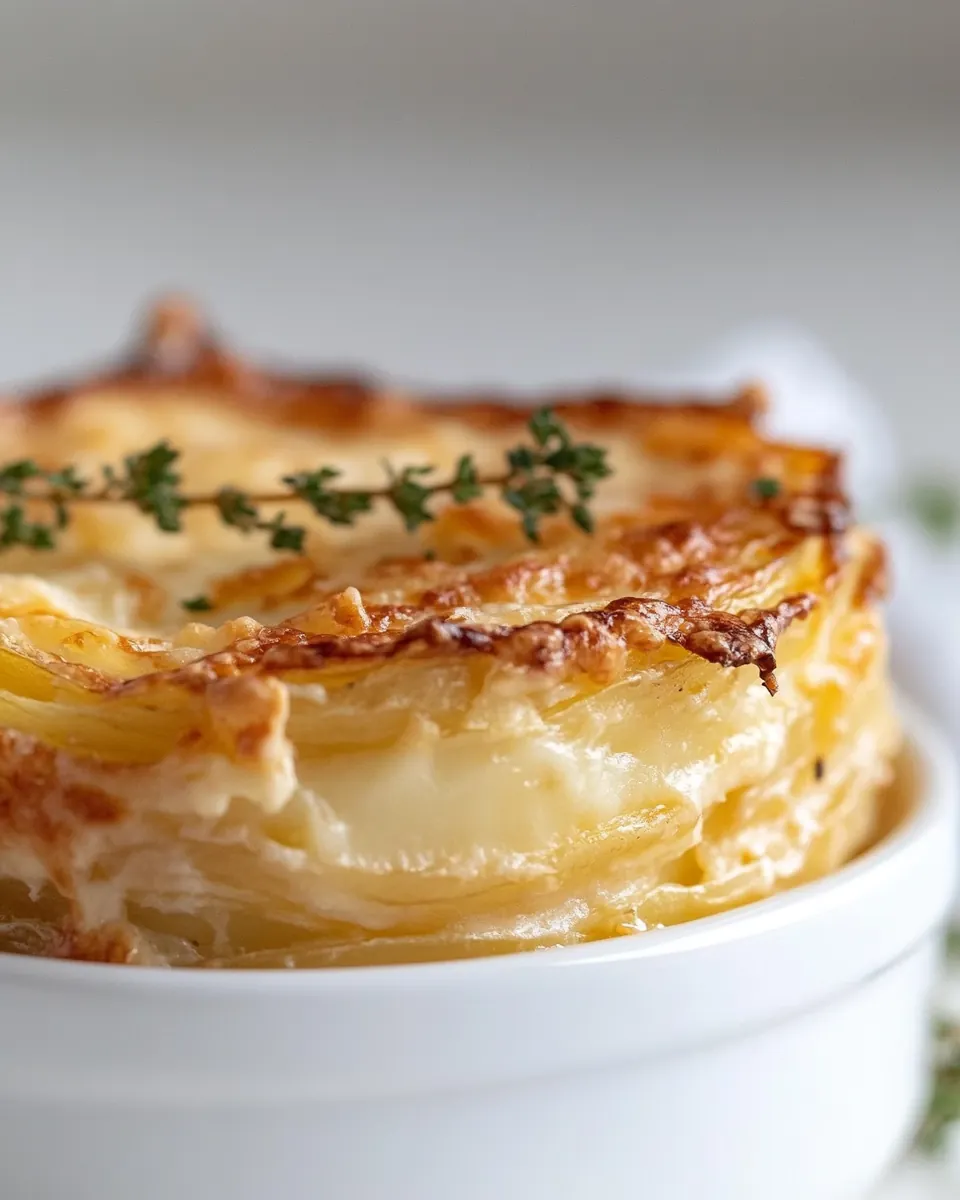
Dauphinoise Potatoes with Gruyere and Fontina
Dauphinoise Potatoes with Gruyere and Fontina have been a comfort in my kitchen for years, a dish I reach for when I want something cozy yet a little showy. The first time I made these, I was testing techniques for individual servings, and the way the cheeses melted into the cream, hugging each thin slice of potatoes, felt like a small celebration. I remember the quiet hum of the oven and the smell of garlic and nutmeg drifting through the house, which made the wait worth every minute.
Over time, I’ve adjusted the balance of gruyere cheese and fontina cheese to achieve that silky, slightly stretchy texture without losing creaminess. I also found that using yukon gold potatoes sliced very thin makes the little cups tender and cohesive. When friends come over, these are a reliable crowd pleaser because they look elegant on a platter but are straightforward to assemble.
Recipe Snapshot
1 hr 25 mins
40 mins
45 mins
Medium
350 kcal
American
Gluten-Free, Low FODMAP
Side Dishes
Oven, Muffin tins, Large pot, Mandolin, Slotted spoon
Why You’ll Love This Dauphinoise Potatoes with Gruyere and Fontina
1. Comfort with a touch of finesse
I love how Dauphinoise Potatoes with Gruyere and Fontina reads like a classic, yet it feels refined at the same time. The combination of creamy dairy and nutty cheeses turns simple potatoes into something that feels celebratory, without requiring complicated techniques.
2. Textural brilliance
The thinly sliced potatoes become silky and tender, while the browned edges where the cheese meets the tin give you a little chew. I appreciate that contrast because it keeps each bite interesting, and you get both creamy and slightly crisp sensations.
3. Make ahead friendly
These hold up well when baked slightly in advance and then warmed, which is great when I host. I often prepare the tins ahead and refrigerate them, then pop them into the oven to finish. That flexibility means less stress at the table.
4. Cheese forward flavor
The blend of gruyere cheese and fontina cheese provides a nutty, melty backbone. I trust this pairing because gruyere cheese gives depth and fontina cheese offers that smooth stretchiness, creating a rounded, satisfying taste.
5. Versatile for occasions
Whether I need something for a winter dinner or a holiday spread, these potatoes adapt easily. They pair with roasted vegetables or a simple green salad, and they travel well from kitchen to table, which makes them a dependable option for many gatherings.
Dauphinoise Potatoes with Gruyere and Fontina Ingredients
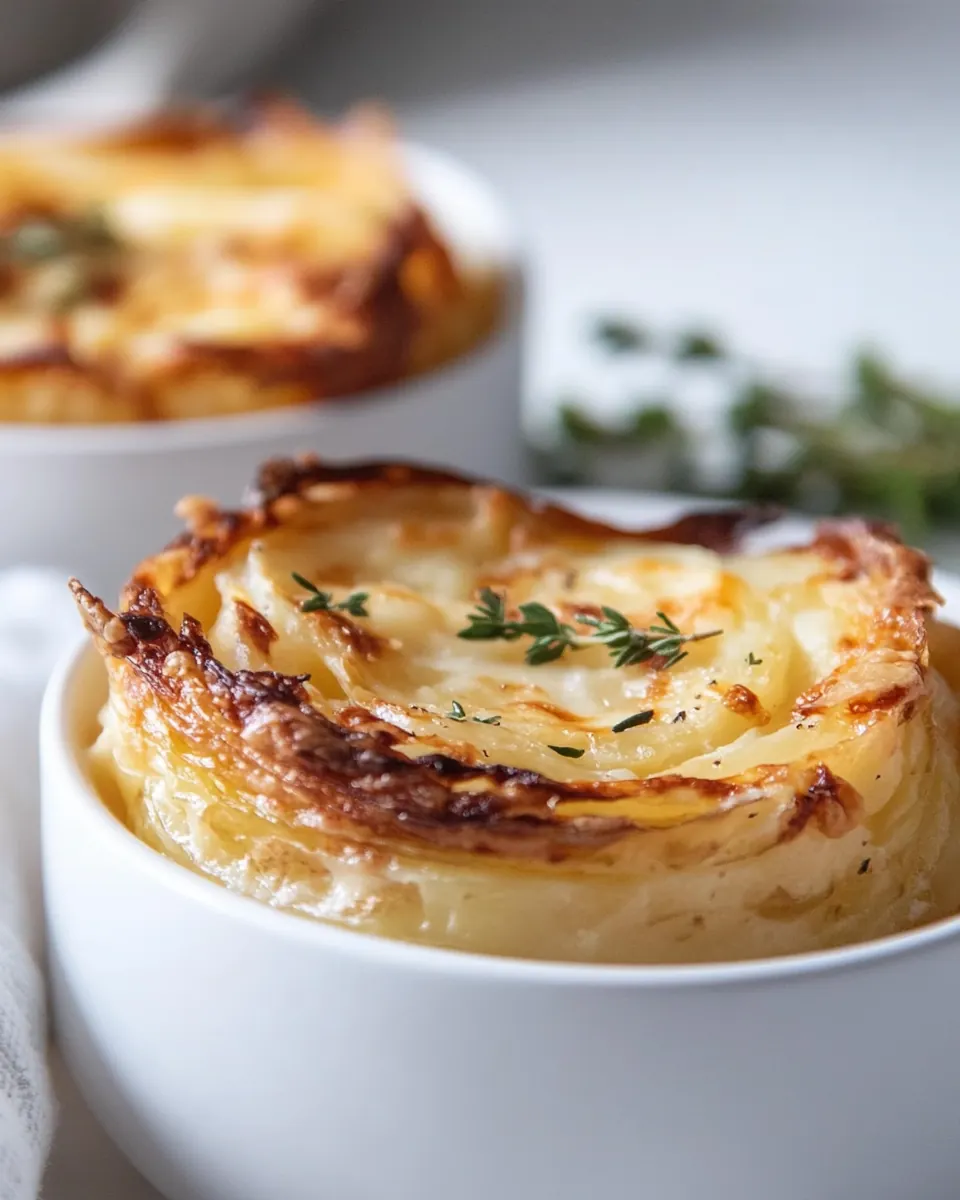
These ingredients are intentionally simple and harmonious. I focus on a creamy dairy base, aromatic seasonings, and two melting cheeses that complement the potatoes. Each item plays a role, from texture to flavor, ensuring the finished bites are rich but balanced.
- 2 pounds yukon gold potatoes, thinly sliced: Thinly sliced to ensure even cooking and a tender texture; layers absorb cream and flavors while baking. Use a consistent thickness for uniform doneness and an attractive presentation.
- 2 cups heavy cream: Rich and velvety, provides the creamy base that melds with milk to create a luscious sauce; contributes mouthfeel and browning under the cheese. Heat gently with aromatics to infuse flavor without boiling.
- 2 cups milk: Adds body and lightness to the cream, diluting richness slightly while maintaining a smooth sauce; helps balance texture and flavor in the gratin. Combine with cream and warm slowly to prevent separation.
- 4 garlic cloves, minced: Mince finely to disperse pungent, aromatic flavor throughout the cream; adds savory depth and a subtle bite when cooked. Sauté briefly in warm cream mixture to mellow sharpness and infuse the sauce.
- 1 teaspoon kosher salt: Season sparingly to enhance natural flavors and help balance the richness of cream and cheese; helps draw out potato sweetness during baking. Dissolve into the cream mixture for even seasoning across layers.
- 1 teaspoon ground black pepper: Provide a warm, savory spice that complements creamy and cheesy elements; freshly ground yields brighter aroma and flavor in the gratin. Add to the cream mixture to distribute peppery notes throughout the dish.
- 1/4 teaspoon dried sage: Dried and used sparingly to add an earthy, slightly piney note that pairs well with dairy and herbs; helps deepen the overall flavor profile. Rehydrate subtly in the cream to release aroma without overpowering.
- 1/4 teaspoon thyme: Create a delicate herbaceous background with floral and minty undertones; complements the richness and fresh thyme used for garnish. Incorporate into the cream to infuse the layers with subtle herbal character.
- 1/4 teaspoon freshly ground nutmeg: Add a warm, nutty spice in very small amounts to enhance the creamy, cheesy elements and brighten the dish; use freshly grated nutmeg for best aroma. Mix into the cream carefully to avoid overpowering the delicate flavors.
- 8 ounces gruyere cheese, freshly grated: Freshly grated to ensure creamy melting and a nutty, slightly sweet profile that forms a golden, bubbling crust; contributes to the dish's savory depth. Distribute evenly between layers and on top for optimal melt and browning.
- 8 ounces fontina cheese, freshly grated: Freshly grated for excellent meltability and a mild, buttery flavor that blends smoothly with gruyere; helps create a cohesive, gooey interior and browned top. Layer within the potatoes and finish on top for texture and richness.
- fresh thyme, for serving: Use fresh sprigs to finish and brighten the gratin with aromatic herbal notes and visual appeal; adds a fresh contrast to rich, baked flavors. Garnish just before serving for a fragrant, attractive presentation.
Cooking Method for Dauphinoise Potatoes with Gruyere and Fontina
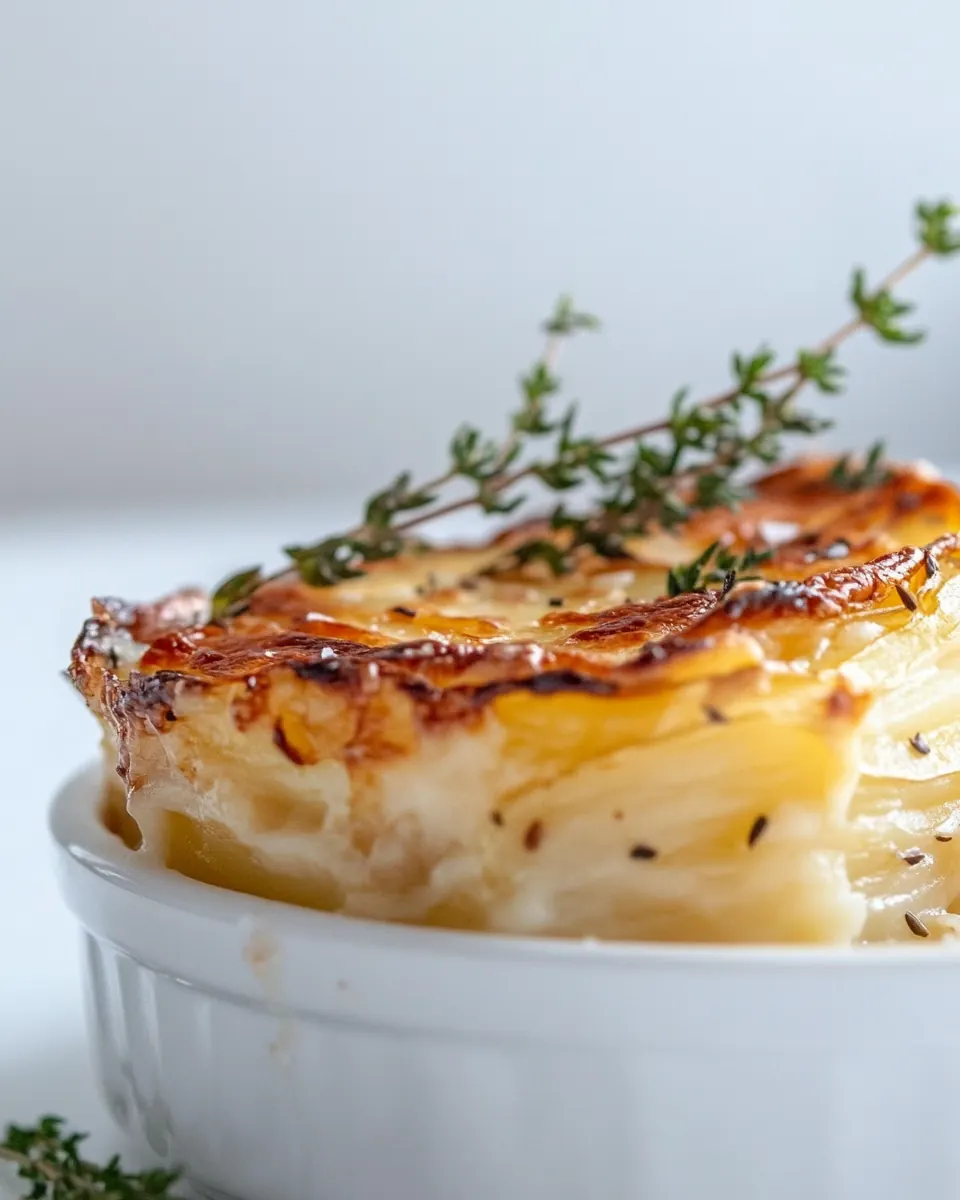
I like to approach the assembly like a calm ritual: heating the cream gently, layering the potatoes and cheeses with care, and paying attention to the oven cues. The directions below walk you through each stage so the final cups are creamy and set, with a bronzed top.
- Preheat the oven to 350 degrees F. Spray 2 muffin tins with nonstick spray.: You will notice the oven warming and the ambient air steadying, which ensures even baking. This temperature encourages the custard to set slowly, preventing the top from browning too fast while allowing the interior to become tender. A common mistake is putting the pans into an oven that is not fully preheated, which results in uneven texture. If you use a thermometer, aim for consistent heat around 350 degrees F .
- Thinly slice the potatoes to be about 1/8 inch thick. I use my mandolin for this but you can also use a knife! Place the potatoes in a large pot.: The ease of release is palpable when the tins are prepared, and you can hear a light hiss as the spray covers the wells. This step reduces sticking and preserves the delicate edges after baking. Pressing too hard or skipping this step can lead to tearing when unmolding. Use a thin coating rather than a heavy glug of spray to avoid pooling.
- Pour the cream and milk over the potatoes. Add the garlic, salt, pepper, sage, thyme and nutmeg. Bring the mixture to a simmer over medium heat. Simmer, until fork tender, about 8 to 10 minutes.: Thin slices allow the creamy custard to penetrate and cook each layer uniformly, creating that signature tender, cohesive texture. I use a mandolin for consistent results, which also produces a quiet, rhythmic slicing sound. If slices are uneven, some will overcook while others remain firm, so take care and use a guard for safety.
- Now it’s time to fill the muffin tins! Use a slotted spoon or kitchen tongs to place a few slices of potatoes into the first muffin tin. Sprinkle some cheese on top – a mix of the fontina and gruyere. Add another layer of potatoes over top, then another sprinkling of cheese. Use a spoon or small measuring cup to scoop some cream from the pot of potatoes. Stream it into the muffin tin, filling it 3/4 of the way full to the top. Top with more cheese if needed. You can see my photos above!: The pot becomes the staging area where the cream and aromatics meet the potatoes . As you layer them into the pot, you can feel the coolness of the slices and see them shingle slightly. Crowding the pot is fine, but make sure there is room to pour the cream so the liquid coats everything evenly. Avoid using a tiny pot that causes spills when you add the liquid.
- Repeat with all the muffin tins. The exact amount will depend on how thinly you slice your potatoes, but you should easily get 15 muffin tins of potatoes and cheese, up to 24 tins. You do not have to use all the cream in the pot! Only use enough to fill the muffin tins 3/4 of the way full once they have the potatoes and cheese in them.: The liquid should gently envelop the slices, their edges softening as they warm. Add the minced garlic , kosher salt , ground black pepper , dried sage , thyme , and freshly ground nutmeg so the flavors infuse. Bring this mixture to a gentle simmer on medium heat, and you will start to smell the herbs and garlic blooming. If you let it boil vigorously, the cream can break or reduce too quickly, so keep it gentle.
- Place the pans in the oven and bake for 40 to 45 minutes. Remove and let cool slightly for 5 to 10 minutes before taking the potatoes out of tins, using a knife around the edges if they are stuck. Garnish with fresh thyme!: During simmering, steam rises and the potatoes start to give when pierced with a fork, a clear cue that they are ready. This partial cooking shortens oven time and ensures an even, tender interior. Over simmering will make the slices too soft and cause them to disintegrate during assembly, so test early and often.
- Use a slotted spoon or kitchen tongs to place a few slices of potatoes into the first muffin tin: The tactile act of layering is satisfying, and you can feel the warmth and weight of the slices as you fill each cup. Start with a base of potatoes , then sprinkle a mix of the grated fontina cheese and gruyere cheese . Building layers this way ensures even distribution of custard and cheese throughout the cup. Avoid overstuffing, because it can prevent the custard from setting properly.
- Add another layer of potatoes over top, then another sprinkling of cheese: Layering creates alternating bands of creamy custard and melted cheese, which yield a rich, structured bite. As you add each layer, press gently so they nestle, and you will notice the cream sheen between slices. If you layer haphazardly, some tins may end up denser than others, causing inconsistent baking.
- Use a spoon or small measuring cup to scoop some cream from the pot of potatoes: Streaming the warm custard into each tin brings the flavors together, and you will see the liquid settling into the crevices. Fill each cup about 3/4 of the way full to leave room for gentle bubbling and expansion. Filling too full can cause overflow and uneven browning during baking.
- Top with more cheese if needed: The visual cue here is a light, even layer of cheese that will melt and brown attractively. The cheeses will bubble and create a slightly crisp surface edge, giving pleasant texture contrast. Too much cheese on top can form a thick crust that sets before the interior is fully cooked, so aim for balance.
- Repeat with all the muffin tins: Consistency at this stage matters. The quantity you get will depend on slice thickness, but aim for evenly filled tins so each serving bakes the same. If you leave some cream unused, that is fine, it prevents over sogginess. A frequent misstep is uneven filling, which leads to some tins finishing earlier than others.
- Place the pans in the oven and bake for 40 to 45 minutes: You will hear a faint bubbling as the custard sets and smell the cheeses toasting. The tops should turn a warm golden and the centers should feel set, not jiggly, when gently nudged. Baking too briefly leaves the interior loose, while baking too long can dry the cups and make the edges overly crisp.
- Remove and let cool slightly for 5 to 10 minutes before taking the potatoes out of tins: Resting firms the custard and makes unmolding much easier, and you will notice the aroma deepen as they rest. Run a knife around the edges if they stick, then invert carefully. Trying to remove them too hot often leads to collapsing or tearing, so patience is rewarded.
- Garnish with fresh thyme: The final aromatic lift from fresh thyme brightens each bite and adds color. Scatter leaves or a small sprig for presentation. Adding the herb too early can dry it out in the oven, so reserve it for finishing.
Substitutions and Tips
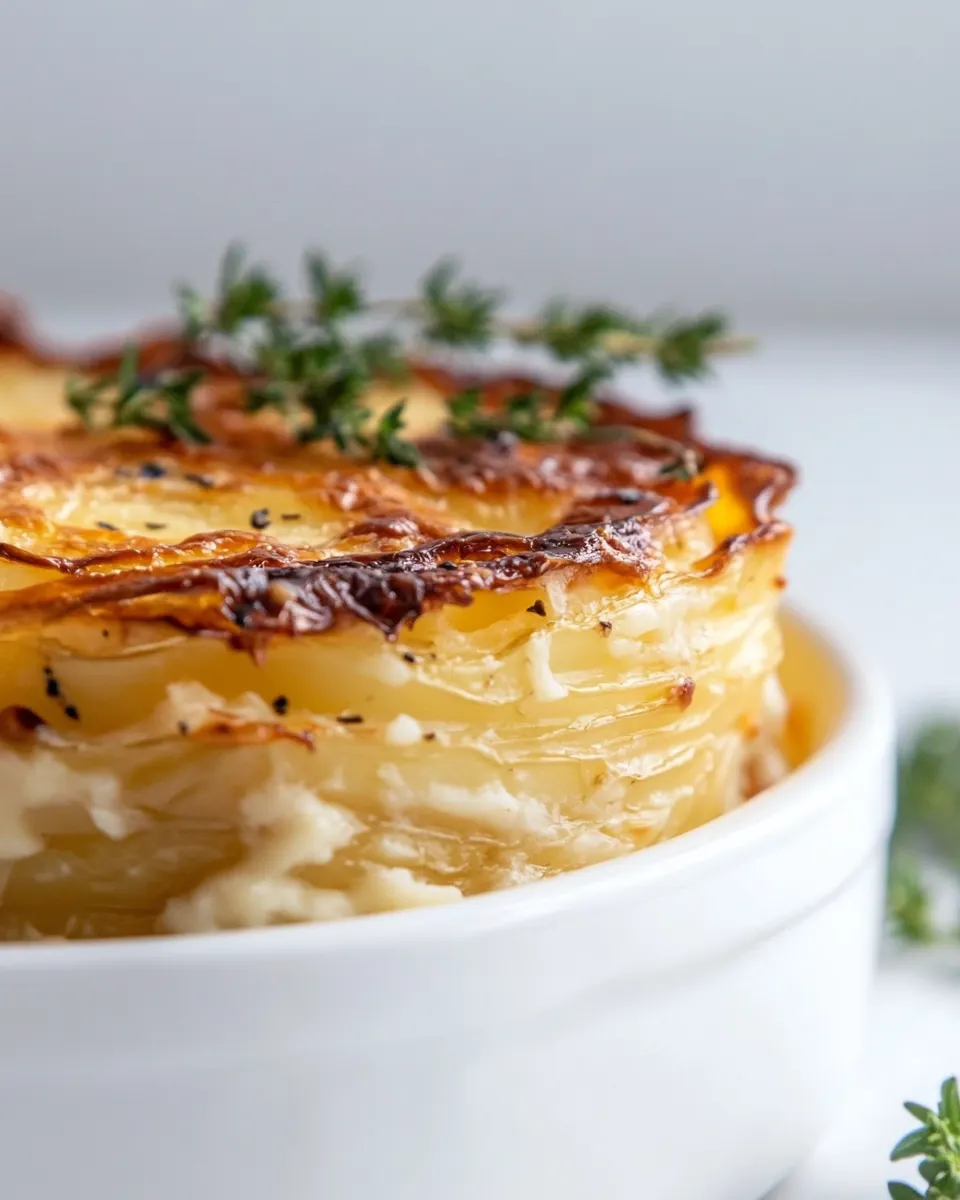
These tips will help you get the best results with Dauphinoise Potatoes with Gruyere and Fontina. I rely on a mix of technique and ingredient choices to ensure consistency and depth of flavor. Below are practical notes and adaptations I use in my kitchen.
- Cheese swap guidance Use equal parts gruyere cheese and fontina cheese for balanced melt and flavor; if you must substitute, replace only one cheese and maintain a similar melting profile.
- Slicing technique A mandolin yields uniform 1/8 inch slices quickly, which is important for texture; take care to use the guard for safety to prevent cuts.
- Doneness test Check tenderness by inserting a fork into a central cup; it should slide in with minimal resistance but the structure should hold, indicating appropriate custard set.
- Make ahead strategy Assemble the tins up to the point of baking, cover them, and refrigerate; bring them closer to room temperature before baking to avoid drastically longer bake times.
- Serving temperature These are best warm from the oven with a short rest; reheating gently in a moderate oven preserves texture better than a microwave.
Perfect Pairings for Dauphinoise Potatoes with Gruyere and Fontina
These serving ideas will help you create a full, memorable meal around Dauphinoise Potatoes with Gruyere and Fontina. I often plan the rest of the menu to contrast the rich, creamy bites so the meal feels balanced and satisfying.
- Roasted seasonal vegetables Serve alongside simply roasted carrots, parsnips, or Brussels sprouts to add brightness and textural contrast to the creamy potato cups.
- Green salads A crisp green salad with a sharp vinaigrette cuts through the richness and refreshes the palate between bites.
- Family dinners These are ideal for winter dinners and holiday spreads, where a warm, cheesy side dish is comforting and easily portioned for guests.
- Presentation Arrange the individual cups on a large platter with sprigs of fresh thyme and lemon wedges for a touch of brightness on the side.
- Storage tips Refrigerate leftovers in an airtight container and rewarm gently in an oven to preserve texture; they keep well for two to three days.
- Seasonal pairing In colder months, pair with root vegetables and hearty greens; in transitional seasons, serve with lighter proteins or vegetable mains to balance the meal.
FAQ
Conclusion
These Dauphinoise Potatoes with Gruyere and Fontina shine because they transform simple potatoes into a rich, layered bite through careful slicing, a seasoned cream custard, and a thoughtful cheese blend. Give them a try when you want a side that feels indulgent but uncomplicated, whether for a cozy dinner or a special gathering. I hope you enjoy the ritual of assembling and the reward of warm, cheesy cups that bring comfort and a touch of elegance to your table.
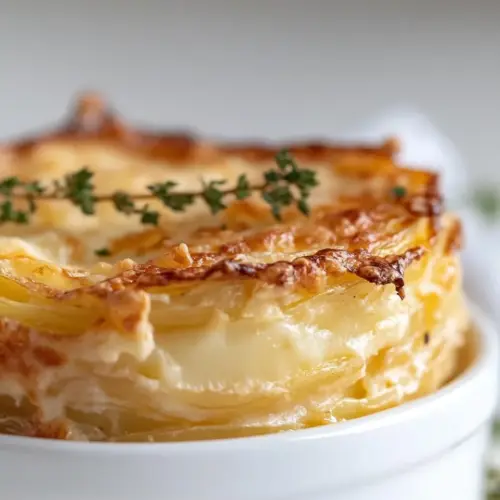
Dauphinoise Potatoes with Gruyere and Fontina
Equipment
- Oven
- Muffin tins
- Large Pot
- Mandolin
- Slotted Spoon
Ingredients
- 2 pounds yukon gold potatoes, thinly sliced Thinly sliced to ensure even cooking and a tender texture; layers absorb cream and flavors while baking. Use a consistent thickness for uniform doneness and an attractive presentation.
- 2 cups heavy cream Rich and velvety, provides the creamy base that melds with milk to create a luscious sauce; contributes mouthfeel and browning under the cheese. Heat gently with aromatics to infuse flavor without boiling.
- 2 cups milk Adds body and lightness to the cream, diluting richness slightly while maintaining a smooth sauce; helps balance texture and flavor in the gratin. Combine with cream and warm slowly to prevent separation.
- 4 garlic cloves, minced Mince finely to disperse pungent, aromatic flavor throughout the cream; adds savory depth and a subtle bite when cooked. Sauté briefly in warm cream mixture to mellow sharpness and infuse the sauce.
- 1 teaspoon kosher salt Season sparingly to enhance natural flavors and help balance the richness of cream and cheese; helps draw out potato sweetness during baking. Dissolve into the cream mixture for even seasoning across layers.
- 1 teaspoon ground black pepper Provide a warm, savory spice that complements creamy and cheesy elements; freshly ground yields brighter aroma and flavor in the gratin. Add to the cream mixture to distribute peppery notes throughout the dish.
- 1/4 teaspoon dried sage Dried and used sparingly to add an earthy, slightly piney note that pairs well with dairy and herbs; helps deepen the overall flavor profile. Rehydrate subtly in the cream to release aroma without overpowering.
- 1/4 teaspoon thyme Create a delicate herbaceous background with floral and minty undertones; complements the richness and fresh thyme used for garnish. Incorporate into the cream to infuse the layers with subtle herbal character.
- 1/4 teaspoon freshly ground nutmeg Add a warm, nutty spice in very small amounts to enhance the creamy, cheesy elements and brighten the dish; use freshly grated nutmeg for best aroma. Mix into the cream carefully to avoid overpowering the delicate flavors.
- 8 ounces gruyere cheese, freshly grated Freshly grated to ensure creamy melting and a nutty, slightly sweet profile that forms a golden, bubbling crust; contributes to the dish's savory depth. Distribute evenly between layers and on top for optimal melt and browning.
- 8 ounces fontina cheese, freshly grated Freshly grated for excellent meltability and a mild, buttery flavor that blends smoothly with gruyere; helps create a cohesive, gooey interior and browned top. Layer within the potatoes and finish on top for texture and richness.
- fresh thyme, for serving Use fresh sprigs to finish and brighten the gratin with aromatic herbal notes and visual appeal; adds a fresh contrast to rich, baked flavors. Garnish just before serving for a fragrant, attractive presentation.
Instructions
- Preheat the oven to 350 degrees F. Spray 2 muffin tins with nonstick spray.: You will notice the oven warming and the ambient air steadying, which ensures even baking. This temperature encourages the custard to set slowly, preventing the top from browning too fast while allowing the interior to become tender. A common mistake is putting the pans into an oven that is not fully preheated, which results in uneven texture. If you use a thermometer, aim for consistent heat around 350 degrees F .
- Thinly slice the potatoes to be about 1/8 inch thick. I use my mandolin for this but you can also use a knife! Place the potatoes in a large pot.: The ease of release is palpable when the tins are prepared, and you can hear a light hiss as the spray covers the wells. This step reduces sticking and preserves the delicate edges after baking. Pressing too hard or skipping this step can lead to tearing when unmolding. Use a thin coating rather than a heavy glug of spray to avoid pooling.
- Pour the cream and milk over the potatoes. Add the garlic, salt, pepper, sage, thyme and nutmeg. Bring the mixture to a simmer over medium heat. Simmer, until fork tender, about 8 to 10 minutes.: Thin slices allow the creamy custard to penetrate and cook each layer uniformly, creating that signature tender, cohesive texture. I use a mandolin for consistent results, which also produces a quiet, rhythmic slicing sound. If slices are uneven, some will overcook while others remain firm, so take care and use a guard for safety.
- Now it’s time to fill the muffin tins! Use a slotted spoon or kitchen tongs to place a few slices of potatoes into the first muffin tin. Sprinkle some cheese on top - a mix of the fontina and gruyere. Add another layer of potatoes over top, then another sprinkling of cheese. Use a spoon or small measuring cup to scoop some cream from the pot of potatoes. Stream it into the muffin tin, filling it 3/4 of the way full to the top. Top with more cheese if needed. You can see my photos above!: The pot becomes the staging area where the cream and aromatics meet the potatoes . As you layer them into the pot, you can feel the coolness of the slices and see them shingle slightly. Crowding the pot is fine, but make sure there is room to pour the cream so the liquid coats everything evenly. Avoid using a tiny pot that causes spills when you add the liquid.
- Repeat with all the muffin tins. The exact amount will depend on how thinly you slice your potatoes, but you should easily get 15 muffin tins of potatoes and cheese, up to 24 tins. You do not have to use all the cream in the pot! Only use enough to fill the muffin tins 3/4 of the way full once they have the potatoes and cheese in them.: The liquid should gently envelop the slices, their edges softening as they warm. Add the minced garlic , kosher salt , ground black pepper , dried sage , thyme , and freshly ground nutmeg so the flavors infuse. Bring this mixture to a gentle simmer on medium heat, and you will start to smell the herbs and garlic blooming. If you let it boil vigorously, the cream can break or reduce too quickly, so keep it gentle.
- Place the pans in the oven and bake for 40 to 45 minutes. Remove and let cool slightly for 5 to 10 minutes before taking the potatoes out of tins, using a knife around the edges if they are stuck. Garnish with fresh thyme!: During simmering, steam rises and the potatoes start to give when pierced with a fork, a clear cue that they are ready. This partial cooking shortens oven time and ensures an even, tender interior. Over simmering will make the slices too soft and cause them to disintegrate during assembly, so test early and often.
- Use a slotted spoon or kitchen tongs to place a few slices of potatoes into the first muffin tin: The tactile act of layering is satisfying, and you can feel the warmth and weight of the slices as you fill each cup. Start with a base of potatoes , then sprinkle a mix of the grated fontina cheese and gruyere cheese . Building layers this way ensures even distribution of custard and cheese throughout the cup. Avoid overstuffing, because it can prevent the custard from setting properly.
- Add another layer of potatoes over top, then another sprinkling of cheese: Layering creates alternating bands of creamy custard and melted cheese, which yield a rich, structured bite. As you add each layer, press gently so they nestle, and you will notice the cream sheen between slices. If you layer haphazardly, some tins may end up denser than others, causing inconsistent baking.
- Use a spoon or small measuring cup to scoop some cream from the pot of potatoes: Streaming the warm custard into each tin brings the flavors together, and you will see the liquid settling into the crevices. Fill each cup about 3/4 of the way full to leave room for gentle bubbling and expansion. Filling too full can cause overflow and uneven browning during baking.
- Top with more cheese if needed: The visual cue here is a light, even layer of cheese that will melt and brown attractively. The cheeses will bubble and create a slightly crisp surface edge, giving pleasant texture contrast. Too much cheese on top can form a thick crust that sets before the interior is fully cooked, so aim for balance.
- Repeat with all the muffin tins: Consistency at this stage matters. The quantity you get will depend on slice thickness, but aim for evenly filled tins so each serving bakes the same. If you leave some cream unused, that is fine, it prevents over sogginess. A frequent misstep is uneven filling, which leads to some tins finishing earlier than others.
- Place the pans in the oven and bake for 40 to 45 minutes: You will hear a faint bubbling as the custard sets and smell the cheeses toasting. The tops should turn a warm golden and the centers should feel set, not jiggly, when gently nudged. Baking too briefly leaves the interior loose, while baking too long can dry the cups and make the edges overly crisp.
- Remove and let cool slightly for 5 to 10 minutes before taking the potatoes out of tins: Resting firms the custard and makes unmolding much easier, and you will notice the aroma deepen as they rest. Run a knife around the edges if they stick, then invert carefully. Trying to remove them too hot often leads to collapsing or tearing, so patience is rewarded.
- Garnish with fresh thyme: The final aromatic lift from fresh thyme brightens each bite and adds color. Scatter leaves or a small sprig for presentation. Adding the herb too early can dry it out in the oven, so reserve it for finishing.
Notes
- Cheese swap guidance Use equal parts gruyere cheese and fontina cheese for balanced melt and flavor; if you must substitute, replace only one cheese and maintain a similar melting profile.
- Slicing technique A mandolin yields uniform 1/8 inch slices quickly, which is important for texture; take care to use the guard for safety to prevent cuts.
- Doneness test Check tenderness by inserting a fork into a central cup; it should slide in with minimal resistance but the structure should hold, indicating appropriate custard set.
- Make ahead strategy Assemble the tins up to the point of baking, cover them, and refrigerate; bring them closer to room temperature before baking to avoid drastically longer bake times.
- Serving temperature These are best warm from the oven with a short rest; reheating gently in a moderate oven preserves texture better than a microwave.
