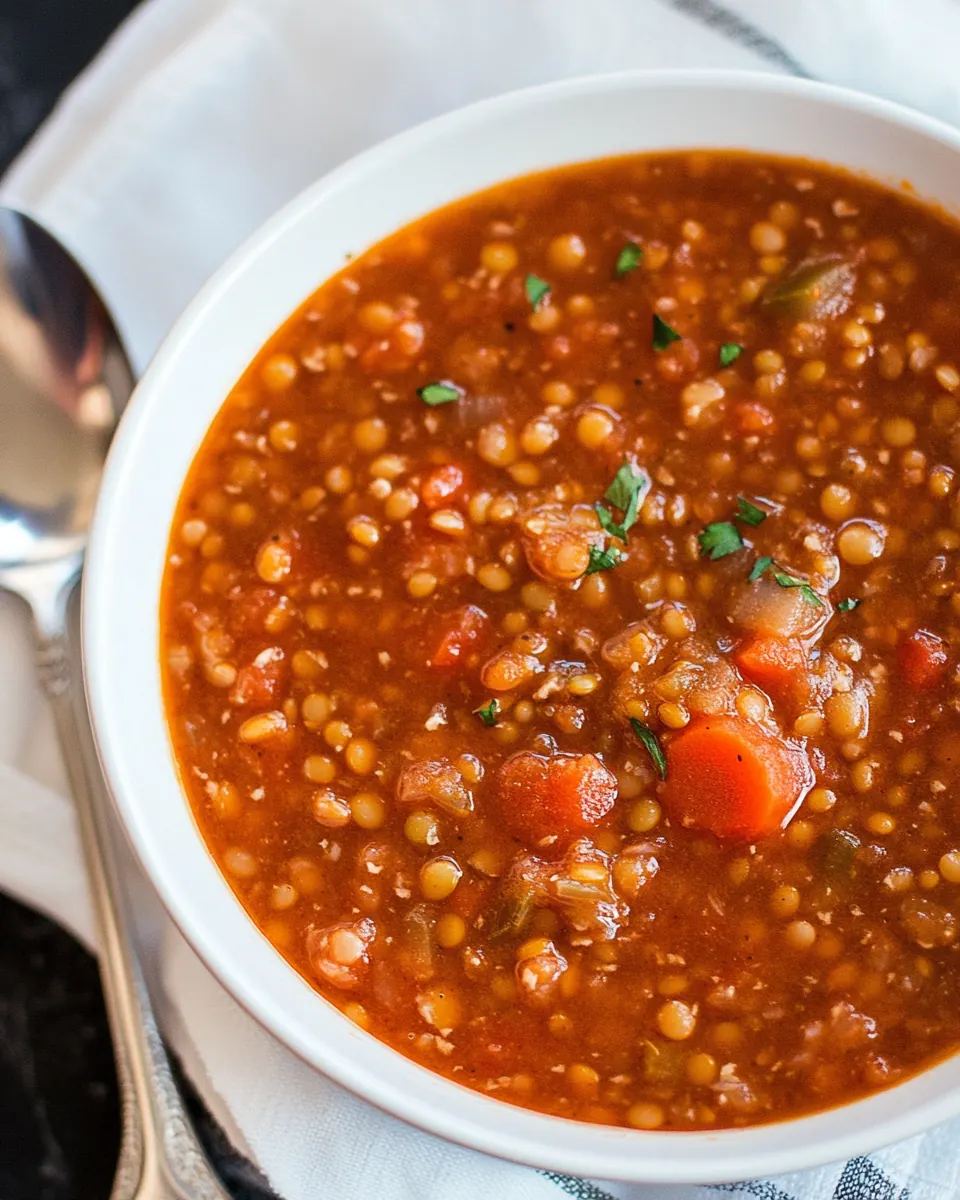
Lentil Soup
Lentil Soup is one of those bowls I turn to when I want something honest, warming, and a little nostalgic.
I remember the first time I made Lentil Soup on a raw winter evening, the kind that gets into your bones. I had a tired week behind me and a mostly empty pantry, just a jar of lentils, a can of tomatoes, and a handful of vegetables. As the pot came to life, the kitchen filled with a savory aroma that felt like a soft blanket. The texture was soothing, the flavors layered, and the whole experience felt like a small, restorative ritual. Over time I tweaked the balance of onion, celery, and carrots until it felt perfectly mine.
There is a comfort in simplicity, and Lentil Soup proves it. I love how a modest set of ingredients can create something nourishing and full of personality. Sometimes I sauté the onion in oil to coax out sweetness, sometimes I skip the oil and let everything simmer together for a lighter version. Either way, the end result is a bowl that hugs you back. When friends come over, this recipe disappears fast, and people always ask for the secret, which is really just patience and good timing with the simmer. It makes me happy to serve something both humble and memorable.
Recipe Snapshot
30 mins
5 mins
25 mins
Easy
200 kcal
American
Vegan, Gluten-Free
Soups
Pot, Immersion blender, Spoon
Why This Lentil Soup Shines
Hearty, nourishing simplicity
I love Lentil Soup because it satisfies in a way that is both filling and gentle. The combination of lentils and barley or rice gives the soup a pleasantly substantial mouthfeel, so you don’t leave hungry. I often reach for this bowl after a long day, it restores energy without feeling heavy.
Flexible pantry cooking
What stands out to me is how forgiving this recipe is. You can use cooked or canned lentils, swap barley for rice, or omit the oil for a lighter version. I’ve made it with what I had on hand and ended up with a meal that feels intentional, not thrown together. That flexibility makes it a go to for busy weeknights.
Layered, homey flavors
The interplay of sautéed onion and the acidity from canned tomatoes lifts the earthy lentils. I like that the dried rosemary adds a subtle pine like note without overwhelming. When cooked slowly, the flavors mellow and knit together into something cozy and memorable.
Speed without compromise
I appreciate that Lentil Soup comes together with minimal fuss. With a short active time, you can start the pot and go about your evening. The 25 minute simmer is forgiving, and you can tell by the tender carrots and barley when it is ready. That ease makes it perfect for an easy weeknight dinner.
Great for batch cooking
This soup keeps and tastes even better the next day, which is why I often double the batch. It reheats beautifully, the flavors deepen, and it becomes a quick, nourishing lunch. For those cooking ahead, this is a recipe that rewards planning without requiring effort.
Ingredients to Make Lentil Soup
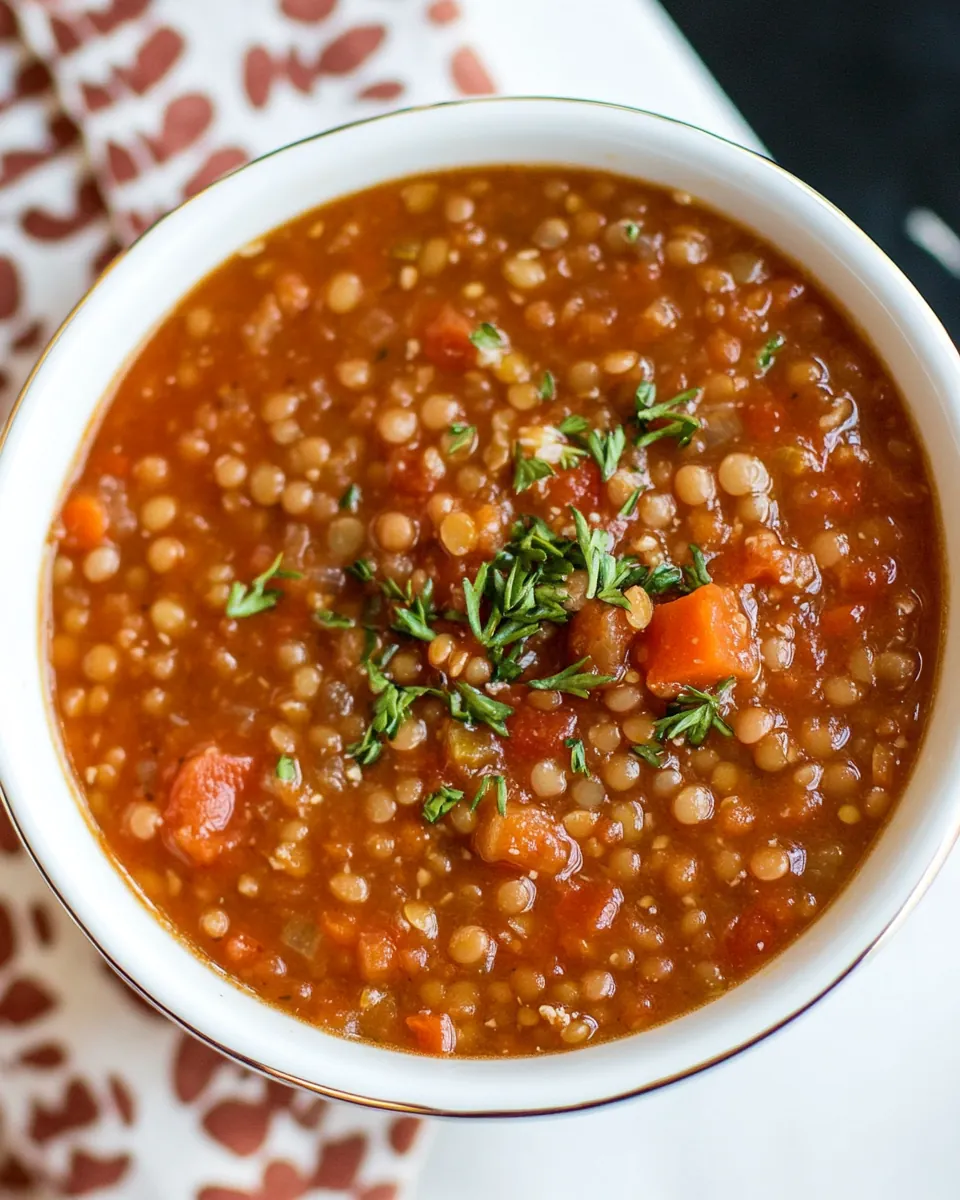
These ingredients are built for warmth and balance. The humble cast of lentils, canned tomatoes, and broth create the body, while aromatics like onion, celery, and carrots add sweetness and texture. Pearl barley or rice rounds out the mouthfeel, making each spoonful hearty. A touch of rosemary and salt brings harmony.
- 1/2 a large onion, diced: Sauté diced to release sweetness and form the aromatic base; cook until translucent to deepen the soup’s flavor and texture.
- 1 1/2 tbsp oil (can be omitted for fat free): Use oil to gently sauté vegetables and carry fat-soluble flavors; omit for a fat-free version while increasing gentle stirring to prevent sticking.
- 1/4 cup chopped celery: Add chopped to provide a subtle savory crunch and aromatic depth; sweat alongside onion to build layered vegetable flavors in the broth.
- 14 oz chopped tomatoes: Stir in chopped tomatoes to add acidity, body, and umami; they help thicken the broth and brighten the overall taste of the soup.
- 14 oz vegetable broth: Pour in vegetable broth to create the savory liquid base; it supplies seasoning, depth, and the medium to simmer lentils and grains.
- 1 1/2 cups cooked or canned lentils: Include cooked or canned lentils to supply protein, texture, and earthy flavor; add near the end if canned to avoid overcooking, or earlier if cooked at home.
- 1/4 cup chopped carrots: Mix in chopped carrots to contribute natural sweetness, color, and slight firmness; simmer until tender to balance the savory elements.
- 1/4 cup uncooked pearl barley or rice: Add uncooked pearl barley or rice to provide body, chewiness, and thickening as they absorb liquid; adjust cooking time based on chosen grain.
- 1 tsp salt: Season with salt to enhance and balance all flavors; dissolve into the broth and taste-adjust during cooking for best results.
- 1/2 tsp dried rosemary: Sprinkle dried rosemary to impart a piney, aromatic herbal note; use sparingly and allow time to infuse while the soup simmers.
- pepper to taste (optional): Season with pepper to taste for mild heat and brightness; add gradually and adjust at the end for proper balance.
How to Assemble Lentil Soup
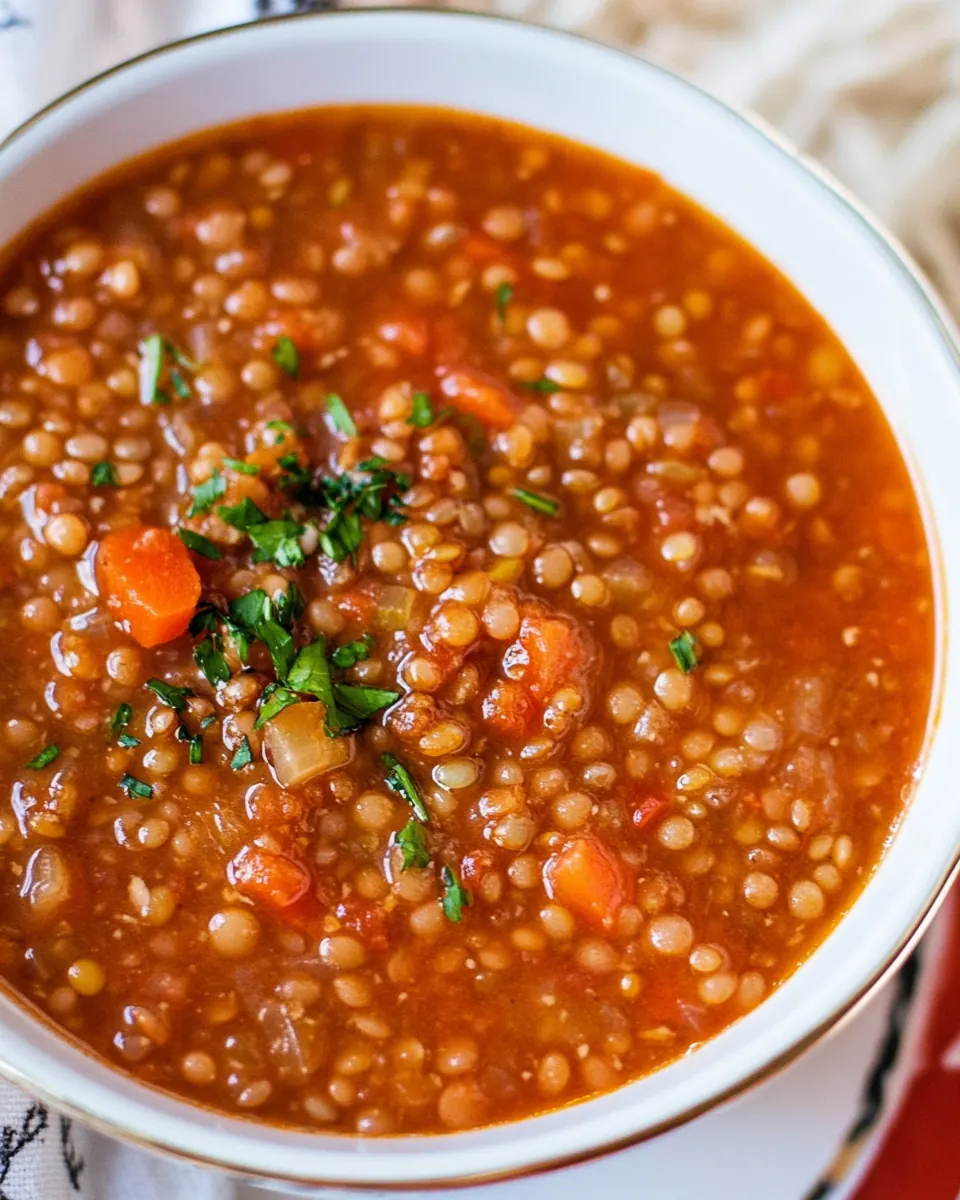
Assembling this soup is straightforward, and I like to keep the process relaxed. Start by deciding whether to sauté the onion or combine everything raw for a lighter result. Follow the steps below carefully, and use your senses to guide timing and seasoning.
- To make the soup: either sauté onion in oil or just combine it with the celery, tomatoes, and broth. Bring to a boil over medium-high heat. Pulverize. Then add all remaining ingredients, lower to a simmer, and cover. Simmer 25 minutes or until carrots and barley are tender. Taste, and add additional seasonings if desired.: The kitchen will fill with a savory, sweet scent as the base comes together, whether you choose to sauté the onion in oil or add it raw. If sautéing, listen for a gentle sizzle and watch the edges of the onion turn translucent; this indicates the sugars are releasing and developing depth. If you skip the oil, you will instead notice a brighter, fresher aroma as the raw onion mingles with the other ingredients once heated. A common mistake is cooking the onion over too high heat, which can brown it too quickly and introduce bitterness. The why here is crucial, sautéing mellows sharpness and builds a richer base, while raw addition keeps the soup lighter and more vegetable forward. Trust the sound and the gentle glisten of softened onion as your cue to proceed.
- either sauté onion in oil or just combine it with the celery, tomatoes, and broth: When you add the celery , tomatoes , and vegetable broth , inhale the first melding of flavors as the acids and aromatics interact, creating a layered bouquet. If sautéed first, the softened onion will have a buttery scent that deepens the mixture, whereas combining raw yields a brisker, tangy profile. Stir gently to integrate, allowing tiny bubbles to form around the pot edges as the mixture warms. A frequent error is pouring in broth that is too cold, which lengthens the time to boil; bring ingredients closer to room temperature when possible. This step matters because it sets the flavor base and determines how quickly the pot will reach a simmer.
- Bring to a boil over medium-high heat: As the pot climbs to a boil, you will hear a rolling, steady bubbling sound and see steam rise rapidly, carrying the scent of tomatoes and herbs. The visual cue is a full, quick-moving surface with consistent bubbles. Boiling briefly concentrates flavors and ensures the pearl barley or rice will cook properly later. Avoid leaving it at a furious boil, which can break down textures unevenly; instead aim for a robust but controlled boil. Many cooks mistake vigorous boiling for faster cooking, but it can also cause splatter or uneven tenderness.
- Pulverize: After boiling, use a blender or immersion tool to pulverize the mixture until it achieves a slightly smooth consistency, which brightens the broth and melds the tomatoes with the aromatics. You should notice a silky texture and a more unified flavor after this action, with fewer large tomato pieces. Be careful when blending hot liquids, allow steam to escape to prevent splatter. Underblending leaves a chunky, disjointed texture, while overblending can remove all body, so aim for a creamy but still slightly textured result.
- Then add all remaining ingredients: Once the base is harmonious, stir in the lentils , chopped carrots , and uncooked pearl barley or rice , along with salt and rosemary . As these ingredients meet the warm liquid, you will hear a soft settling sound and see the surface become busier with small movements. The starch from the barley or rice will slowly thicken the broth, while the lentils absorb flavor. A misstep here is adding too much of a dry grain all at once which can clump; stir thoroughly to distribute evenly. This step matters because it builds the body and final texture of the soup.
- lower to a simmer, and cover: Reducing heat to a simmer will change the sound from aggressive bubbling to gentle, intermittent pops and soft steam. Covering the pot traps heat and moisture, ensuring even cooking and tender results. Look for small bubbles that break the surface occasionally as the visual cue that the temperature is correct. Leaving the pot uncovered will lead to faster evaporation and potentially a saltier, reduced broth, while too high heat risks breaking down the lentils and grains unevenly. Simmering allows flavors to meld gradually for a cohesive finish.
- Simmer 25 minutes or until carrots and barley are tender: During this simmer, breathe in the developing aroma as the carrots soften and the pearl barley swells, releasing a faint, nutty scent. You will see the broth thicken slightly and darken as starches release. Test the carrots and barley with a spoon for tenderness; they should yield without falling apart. Avoid walking away for too long, because over-simmering can make grains mushy and lentils disintegrate. This patient simmer is why the final texture feels intentional and comforting.
- Taste, and add additional seasonings if desired: The final step is all about balance, use a spoon to sample and notice salt, acidity, and herb notes. Adjust with more salt , a pinch of pepper , or another herb measure if needed. The aroma and mouthfeel guide you here more than strict rules. A common mistake is adding too much seasoning at once; adjust incrementally, tasting after each addition. Getting this right elevates the soup from good to memorable.
Recipe Tips about Lentil Soup
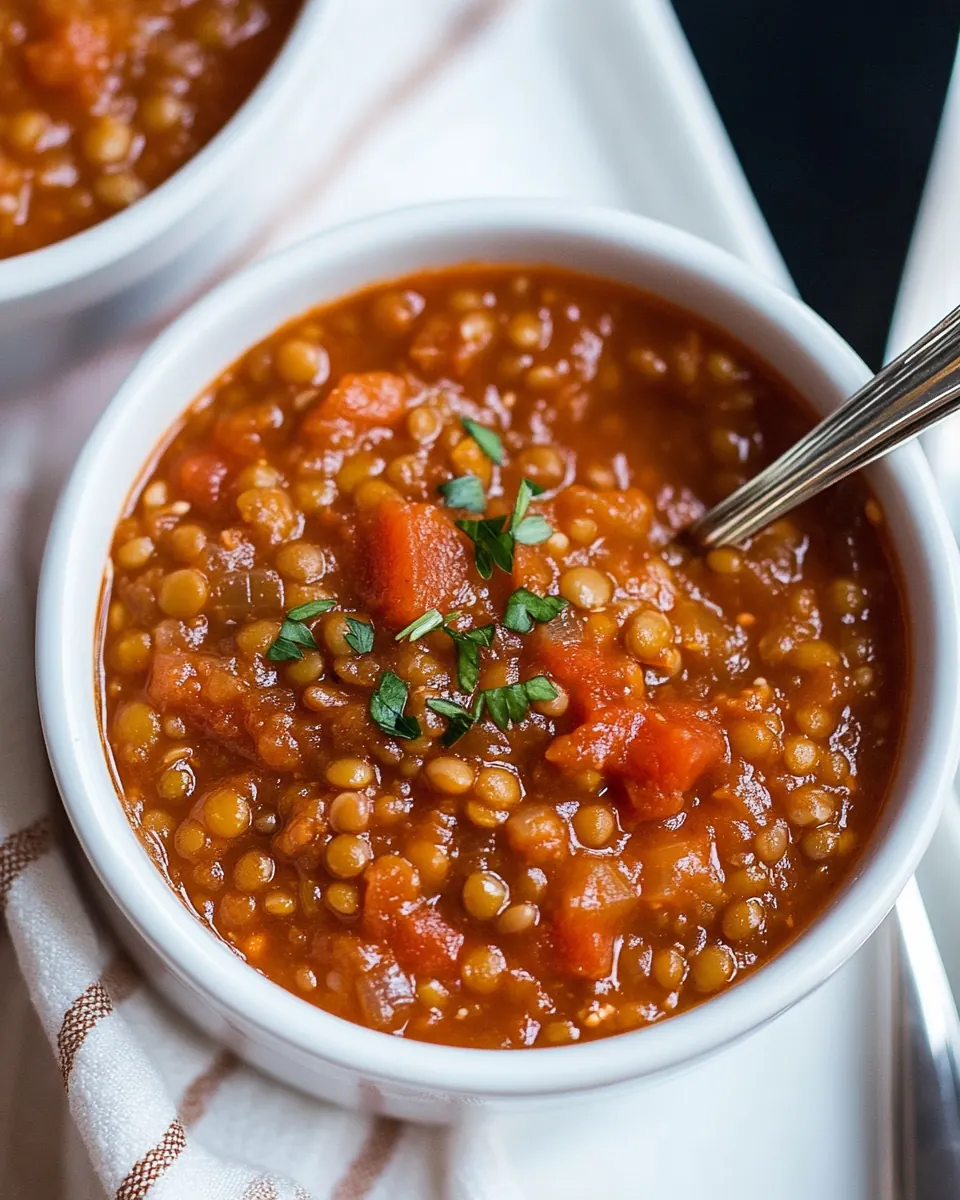
I keep a short list of practical tips that elevate this simple bowl. These notes cover timing, texture, and flavor finishing so you can get consistent, delicious results every time.
- Soften the onion gently to bring out its sweetness without browning, which prevents bitter notes and builds a mellow base.
- Choose your grain purposefully pearl barley adds chew and nuttiness, rice yields a lighter body, so pick based on the texture you prefer.
- Use low sodium broth so you control salt levels; you can always add more toward the end once flavors concentrate.
- Pulse to your preferred texture use an immersion blender for partial smoothness or a countertop blender for a silkier finish, being careful with hot liquids.
- Double the batch for easy meals this soup stores well and often tastes better the next day as the flavors deepen.
Serving This Lentil Soup
This soup works beautifully for weeknight dinners and cozy winter lunches, and it adapts to many serving styles. Below are ideas for presentation, sides, and storage so you can make the most of every bowl.
- Serve hot in warmed bowls to preserve temperature and emphasize the comforting steam and aroma.
- Offer crusty bread or flatbread for dipping, which pairs well with the soup’s hearty texture and soaks up the flavorful broth.
- Garnish simply a light grind of pepper or a drizzle of high quality oil enhances the final impression without complicating flavors.
- Ideal for lunch or dinner this recipe fits everyday meals, potlucks, and quiet evenings when you want something nourishing.
- Storage tip cool to room temperature then refrigerate up to four days, or freeze portions for up to three months, reheating slowly to preserve texture.
- Seasonal pairing this soup is especially welcome in winter, offering warmth and sustenance when you need it most.
FAQ
Conclusion
What makes this Lentil Soup special is its ability to feel both simple and deeply satisfying at the same time. It’s a bowl that showcases humble ingredients working in harmony, delivering warmth, texture, and comfort in every spoonful. I encourage you to give it a try, even on a busy evening, because it comes together quickly and rewards a little patience with a nourishing, memorable meal. Once you taste how well the lentils, tomatoes, and grains meld, you’ll understand why this has become a favorite in my weeknight rotation.

Lentil Soup
Equipment
- Pot
- Immersion Blender
- Spoon
Ingredients
- 1/2 a large onion, diced Sauté diced to release sweetness and form the aromatic base; cook until translucent to deepen the soup’s flavor and texture.
- 1 1/2 tbsp oil (can be omitted for fat free) Use oil to gently sauté vegetables and carry fat-soluble flavors; omit for a fat-free version while increasing gentle stirring to prevent sticking.
- 1/4 cup chopped celery Add chopped to provide a subtle savory crunch and aromatic depth; sweat alongside onion to build layered vegetable flavors in the broth.
- 14 oz chopped tomatoes Stir in chopped tomatoes to add acidity, body, and umami; they help thicken the broth and brighten the overall taste of the soup.
- 14 oz vegetable broth Pour in vegetable broth to create the savory liquid base; it supplies seasoning, depth, and the medium to simmer lentils and grains.
- 1 1/2 cups cooked or canned lentils Include cooked or canned lentils to supply protein, texture, and earthy flavor; add near the end if canned to avoid overcooking, or earlier if cooked at home.
- 1/4 cup chopped carrots Mix in chopped carrots to contribute natural sweetness, color, and slight firmness; simmer until tender to balance the savory elements.
- 1/4 cup uncooked pearl barley or rice Add uncooked pearl barley or rice to provide body, chewiness, and thickening as they absorb liquid; adjust cooking time based on chosen grain.
- 1 tsp salt Season with salt to enhance and balance all flavors; dissolve into the broth and taste-adjust during cooking for best results.
- 1/2 tsp dried rosemary Sprinkle dried rosemary to impart a piney, aromatic herbal note; use sparingly and allow time to infuse while the soup simmers.
- optional pepper to taste Season with pepper to taste for mild heat and brightness; add gradually and adjust at the end for proper balance.
Instructions
- To make the soup: either sauté onion in oil or just combine it with the celery, tomatoes, and broth. Bring to a boil over medium-high heat. Pulverize. Then add all remaining ingredients, lower to a simmer, and cover. Simmer 25 minutes or until carrots and barley are tender. Taste, and add additional seasonings if desired.: The kitchen will fill with a savory, sweet scent as the base comes together, whether you choose to sauté the onion in oil or add it raw. If sautéing, listen for a gentle sizzle and watch the edges of the onion turn translucent; this indicates the sugars are releasing and developing depth. If you skip the oil, you will instead notice a brighter, fresher aroma as the raw onion mingles with the other ingredients once heated. A common mistake is cooking the onion over too high heat, which can brown it too quickly and introduce bitterness. The why here is crucial, sautéing mellows sharpness and builds a richer base, while raw addition keeps the soup lighter and more vegetable forward. Trust the sound and the gentle glisten of softened onion as your cue to proceed.
- either sauté onion in oil or just combine it with the celery, tomatoes, and broth: When you add the celery , tomatoes , and vegetable broth , inhale the first melding of flavors as the acids and aromatics interact, creating a layered bouquet. If sautéed first, the softened onion will have a buttery scent that deepens the mixture, whereas combining raw yields a brisker, tangy profile. Stir gently to integrate, allowing tiny bubbles to form around the pot edges as the mixture warms. A frequent error is pouring in broth that is too cold, which lengthens the time to boil; bring ingredients closer to room temperature when possible. This step matters because it sets the flavor base and determines how quickly the pot will reach a simmer.
- Bring to a boil over medium-high heat: As the pot climbs to a boil, you will hear a rolling, steady bubbling sound and see steam rise rapidly, carrying the scent of tomatoes and herbs. The visual cue is a full, quick-moving surface with consistent bubbles. Boiling briefly concentrates flavors and ensures the pearl barley or rice will cook properly later. Avoid leaving it at a furious boil, which can break down textures unevenly; instead aim for a robust but controlled boil. Many cooks mistake vigorous boiling for faster cooking, but it can also cause splatter or uneven tenderness.
- Pulverize: After boiling, use a blender or immersion tool to pulverize the mixture until it achieves a slightly smooth consistency, which brightens the broth and melds the tomatoes with the aromatics. You should notice a silky texture and a more unified flavor after this action, with fewer large tomato pieces. Be careful when blending hot liquids, allow steam to escape to prevent splatter. Underblending leaves a chunky, disjointed texture, while overblending can remove all body, so aim for a creamy but still slightly textured result.
- Then add all remaining ingredients: Once the base is harmonious, stir in the lentils , chopped carrots , and uncooked pearl barley or rice , along with salt and rosemary . As these ingredients meet the warm liquid, you will hear a soft settling sound and see the surface become busier with small movements. The starch from the barley or rice will slowly thicken the broth, while the lentils absorb flavor. A misstep here is adding too much of a dry grain all at once which can clump; stir thoroughly to distribute evenly. This step matters because it builds the body and final texture of the soup.
- lower to a simmer, and cover: Reducing heat to a simmer will change the sound from aggressive bubbling to gentle, intermittent pops and soft steam. Covering the pot traps heat and moisture, ensuring even cooking and tender results. Look for small bubbles that break the surface occasionally as the visual cue that the temperature is correct. Leaving the pot uncovered will lead to faster evaporation and potentially a saltier, reduced broth, while too high heat risks breaking down the lentils and grains unevenly. Simmering allows flavors to meld gradually for a cohesive finish.
- Simmer 25 minutes or until carrots and barley are tender: During this simmer, breathe in the developing aroma as the carrots soften and the pearl barley swells, releasing a faint, nutty scent. You will see the broth thicken slightly and darken as starches release. Test the carrots and barley with a spoon for tenderness; they should yield without falling apart. Avoid walking away for too long, because over-simmering can make grains mushy and lentils disintegrate. This patient simmer is why the final texture feels intentional and comforting.
- Taste, and add additional seasonings if desired: The final step is all about balance, use a spoon to sample and notice salt, acidity, and herb notes. Adjust with more salt , a pinch of pepper , or another herb measure if needed. The aroma and mouthfeel guide you here more than strict rules. A common mistake is adding too much seasoning at once; adjust incrementally, tasting after each addition. Getting this right elevates the soup from good to memorable.
Notes
- Soften the onion gently to bring out its sweetness without browning, which prevents bitter notes and builds a mellow base.
- Choose your grain purposefully pearl barley adds chew and nuttiness, rice yields a lighter body, so pick based on the texture you prefer.
- Use low sodium broth so you control salt levels; you can always add more toward the end once flavors concentrate.
- Pulse to your preferred texture use an immersion blender for partial smoothness or a countertop blender for a silkier finish, being careful with hot liquids.
- Double the batch for easy meals this soup stores well and often tastes better the next day as the flavors deepen.
