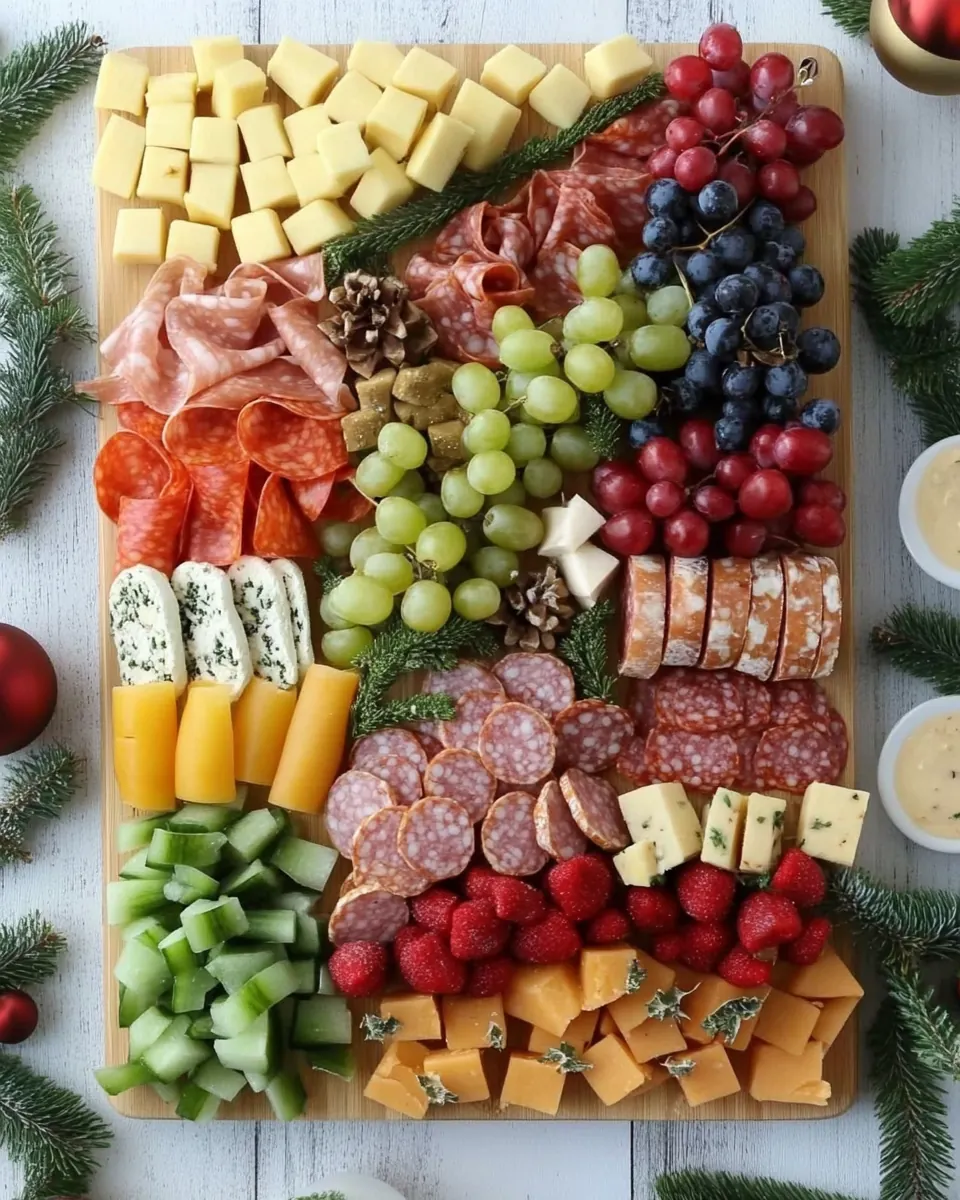
Christmas Charcuterie Board
Christmas Charcuterie Board is the kind of spread I bring out when I want guests to feel instantly welcomed and a little bit magical. The first time I arranged one for a holiday party, I remember standing back and noticing how the colors and textures felt like a living centerpiece, not just food. I love how a simple selection of cheese and grapes can create conversations, and how small, thoughtful touches transform a snack into an experience.
Over the years I learned to treat a board like a calm choreography. I plan flavor arcs so each bite moves from salty to sweet, and I place items to encourage sharing. When I make a Christmas Charcuterie Board, I often tell myself to resist perfection, and instead aim for warmth. That approach lets me improvise with seasonal finds, and the result always feels personal, not staged.
Recipe Snapshot
21 mins
20 mins
1 mins
Medium
250 kcal
American
Gluten-Free, Paleo
Appetizers
charcuterie board, charcuterie utensils, mini ramekins
Why Try This Christmas Charcuterie Board
It’s Effortless to Assemble
I find that a Christmas Charcuterie Board looks far more impressive than the time it actually takes. With a handful of thoughtfully chosen cheese and crackers, you can build something that reads festive. I always keep a few staple items on hand so last minute hosting feels manageable.
Versatile for Any Crowd
I like that this board scales naturally. Whether I am serving a small family gathering or a larger party, the same layout principles apply. Mixing textures from creamy brie to crunchy nuts means there is something for everyone, and I can tweak portions based on guests.
Balances Sweet, Salty, and Savory
One reason I return to the Christmas Charcuterie Board is the flavor interplay. I layer cured meat near sweet fruit, then scatter salty olives and crunchy crackers so each bite feels complete. That contrast creates excitement, and people keep coming back to explore new combinations.
Beautiful Visual Impact
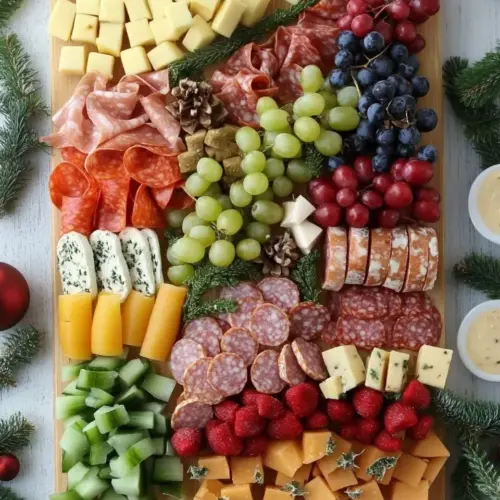
Presentation matters to me. When I lay out clusters of grapes, ribbons of folded salami, and small bowls of jam, the board becomes a focal point. I often use evergreen sprigs or shaped cheese accents to nod to the season, which makes the display feel curated and festive.
Inclusive and Customizable
I love that a single board can accommodate many preferences. You can emphasize more veggies or more cheese depending on your crowd, and the board adapts. For holiday hosting, that flexibility is invaluable, because it reduces stress while maximizing guest satisfaction.
Ingredients for Christmas Charcuterie Board
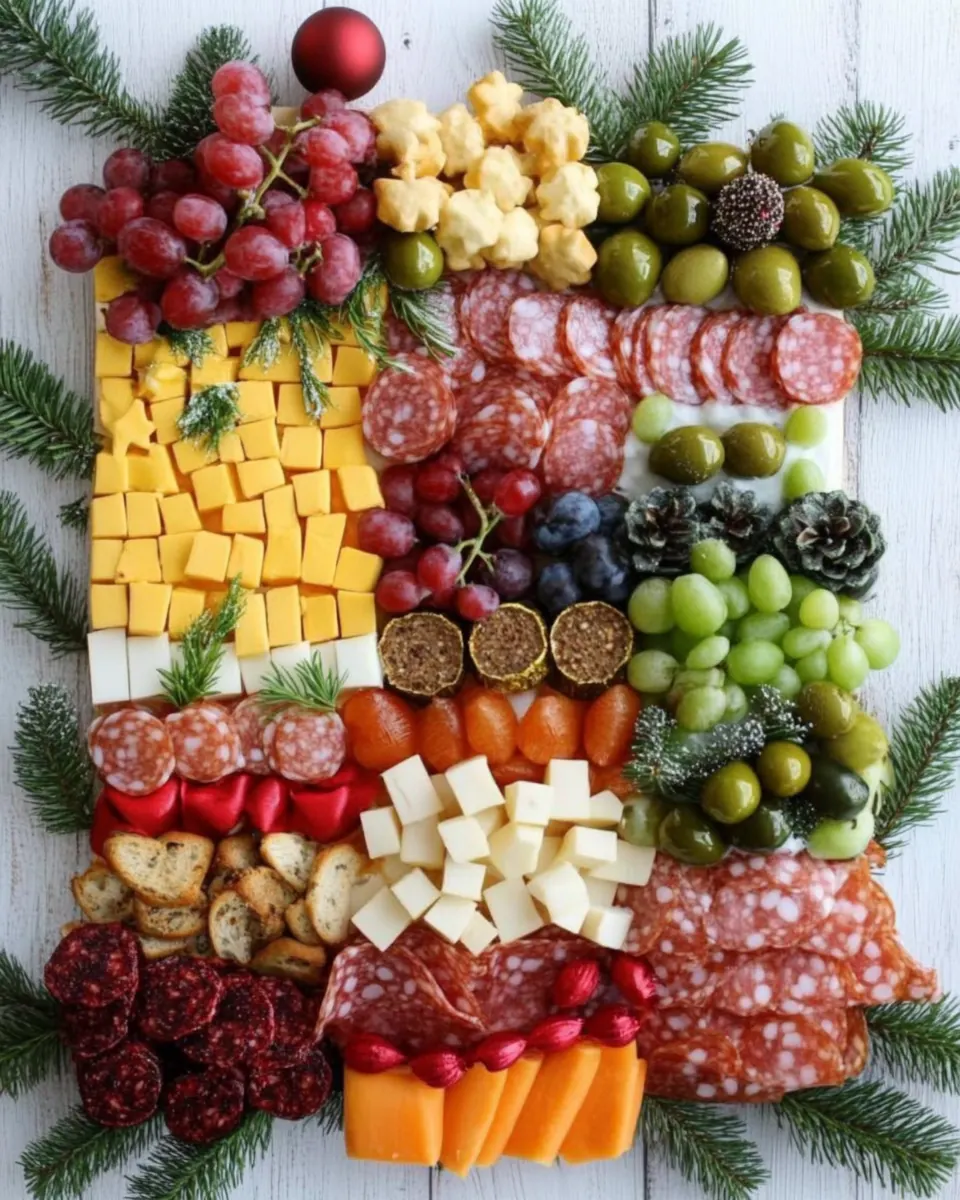
When I assemble a Christmas Charcuterie Board, I think of ingredients as players in an ensemble. Each one has a role, whether it is creating texture, adding acidity, or lending creamy richness. The key players are cured meat, varied cheese, fresh and dried fruit, crunchy crackers, and small bowls of accouterments to tie everything together.
- proscuitto, genoa salami, spanish chorizo, soppressata, calabrese: Cured and savory, provides a variety of thinly sliced Italian and Spanish meats that bring salty, fatty richness and a range of textures to the board; arrange in folds or rosettes for visual appeal and easy grabbing. Complements cheeses and fruits while offering a hearty protein element for guests to pair with crackers or bread.
- brie, camembert, gouda, cheddar, blue cheese, goat cheese, havarti, gruyere, fontina, mozzarella balls: Soft and aged cheeses offer a mix of creamy, nutty, tangy, and mild flavors to create contrast and balance; include whole rounds, wedges, and bite-sized mozzarella balls for variety in texture and presentation. Serve at room temperature to maximize flavor and pair with jams, honey, or sliced bread for classic combinations.
- grapes, apple slices, pears, figs, berries, pomegranate seeds, dried apricots, dried cranberries, persimmon slices: Fresh and dried fruits contribute sweetness, acidity, and seasonal color to cut through rich cheeses and meats while adding a refreshing element; include sliced and whole pieces for easy sharing. Use fruits to create focal points on the board and to pair with individual cheeses for varied tasting experiences.
- cherry tomatoes, baby carrots, cucumbers, snap peas, pickles, roasted red peppers, artichoke hearts, marinated mushrooms, broccoli and cauliflower: Crisp and colorful vegetables bring crunch, freshness, and palate-cleansing bites to accompany heavier items; offer raw and pickled options plus marinated antipasti for savory variety. Arrange vegetables in small clusters or ramekins so they remain separate from drier items and provide contrast to cheeses and meats.
- jam, honey, mustard, nuts and seeds, pickles, olives, chocolate, mini holiday cookies, chocolate truffles, gourmet marshmallows, chocolate covered pretzels, mini candy canes, fresh herbs: Condiments and small accompaniments provide bursts of flavor, texture, and festive treats that elevate pairings; include spreads, nuts, olives, sweets, and herbs to offer sweet, savory, spicy, and crunchy notes. Place sauces and sticky items in small bowls to prevent cross-contamination and suggest pairing ideas nearby for guests.
- shaped crackers, sliced baguette, rosemary crackers, sea salt crackers, multigrain crackers, rice crackers, pita chips, naan, rye crisps, pretzel squares, sourdough bread cubes, fruit and nut bread cubes: Crunchy breads and crackers supply the essential vehicle for assembling bites and offer varied textures and flavors to pair with cheeses and spreads; include an assortment from crisp crackers to soft bread cubes. Present in stacks and scattered clusters to encourage mixing and matching with meats, cheeses, and condiments.
Recipe Steps for Christmas Charcuterie Board
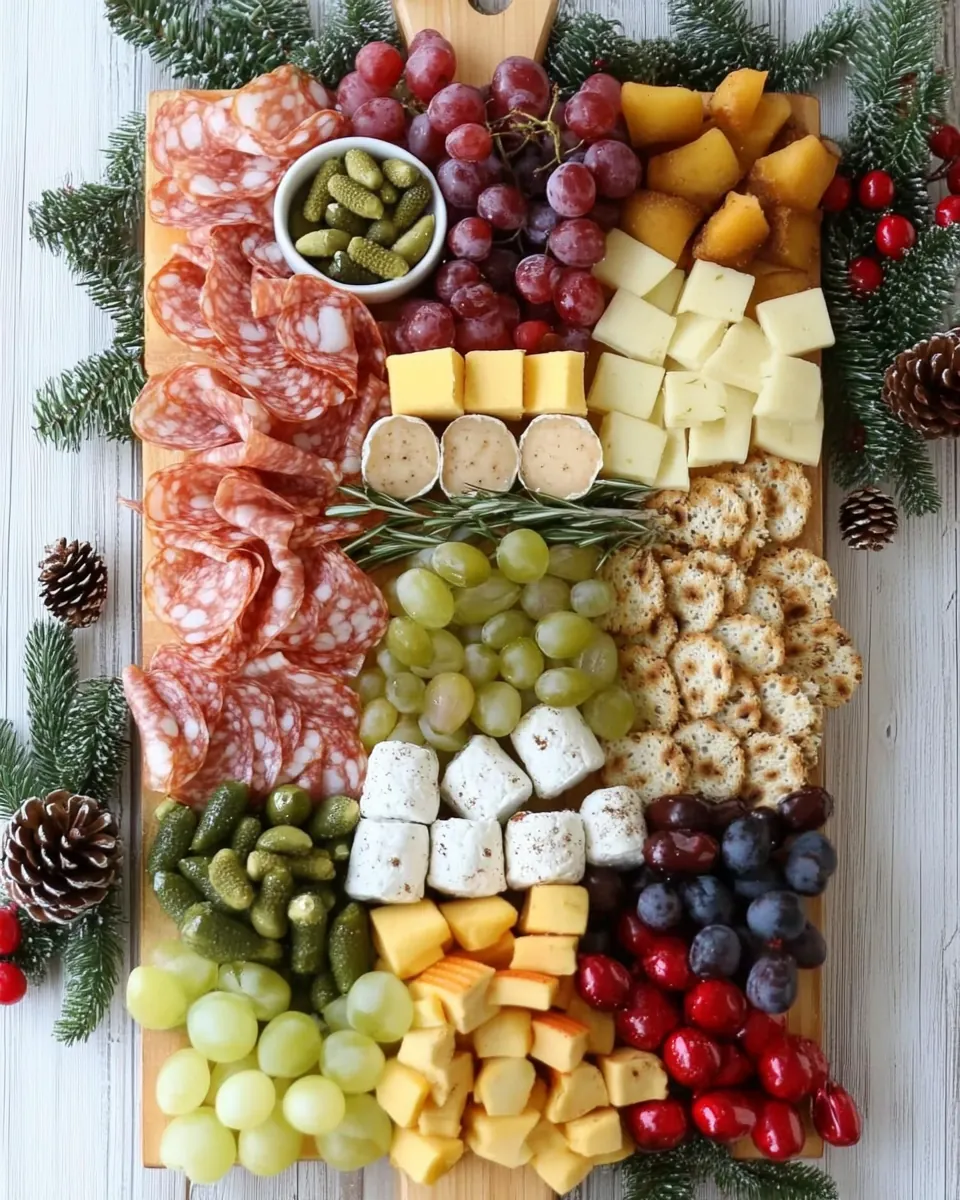
I like to think of building a Christmas Charcuterie Board as a relaxed, creative ritual. Gather everything first, then let the arranging flow. Below I expand each direction into vivid, sensory guidance so you can reproduce a festive, balanced board every time.
- Start with a base. Choose a large platter or wooden board to create your charcuterie on.: The first sensory cue is the cool, smooth feel of the board under your hands and the quiet clink as you set bowls in place. A large wooden board gives warmth and anchors the display visually, while a stone platter reads elegant. I like a neutral background so colors pop. Why this matters, the board size dictates how much you can layer without crowding. Troubleshooting, avoid boards that are too small, which forces piling and hides variety.
- Choose and purchase ingredients. Once you have everything purchased, set it all out on your counter so that you don't forget an ingredient.: Laying items out on the counter creates a chorus of smells, from nutty cheese to herbal rosemary , and lets you consider balance before assembly. I take a moment to group similar textures together so I can distribute them evenly. Why, doing this reduces last minute scrambling and ensures visual diversity. Mistake to avoid, skipping this step often leads to repeated flavors clustered together.
- To make a Christmas tree shape, make a triangular outline using string as your guide.: When I press the string lightly onto the board, I can imagine the triangular silhouette and how elements will cascade. The string gives a quiet boundary that helps place denser items first. Why this helps, it creates a focal structure so your eye travels naturally. Watch out for too tight an outline, it can make the final display look forced rather than organic.
- Begin by placing your cured meats on the board within the string guidelines you placed. Arrange them in loose folds or artful curls.: The cured meat should glisten slightly from its natural oils, and folding creates soft shadows and movement. I tuck some slices to create little nests that catch other ingredients. Why, meat provides savory anchors that guests gravitate toward. Common error, laying slices flat and overlapping too densely makes them hard to pick up.
- Add cheeses. Space out various cheeses around the board. Mix textures and types, placing soft cheeses and hard cheeses in different areas.: As you place each cheese , notice the contrast of creamy whites against golden aged rinds, and the faint aroma of fermentation from aged varieties. I often place a small knife next to soft cheese to invite spreading. Why this matters, separating textures prevents flavor muddiness. Avoid prepping all cheeses the same way, some should remain whole for visual interest.
- Add fresh fruits and veggies. Place them in clusters or scatter them around for a vibrant look.: Fresh grapes will glint under lights and sliced apples offer crisp sound when bitten. I like to group colorful berries next to mellow cheese to create pops of color. Why, fruits and veggies add needed acidity and brightness. A pitfall to avoid, putting juicy fruit directly next to crackers can make them soggy, so use small separations.
- Add the accompaniments you have chosen. Place small bowls or jars for spreads, jams, or honey. Intersperse olives, pickles, and nuts to balance flavors and visual appeal.: The first scent from a small honey bowl is floral and inviting, and the sight of glossy olives adds depth. I place spreads where they are easy to reach from multiple sides to reduce crowding. Why, bowls prevent runny items from fouling other components. Mistake, leaving sticky spreads uncontained can cause messy bites.
- Arrange an assortment of crackers or bread. Consider placing them in different directions to add visual interest.: Crackers should snap when broken, and warm bread cubes give off a yeasty aroma that complements rich cheese . I fan crackers for accessibility and pile sturdy breads near heavier toppings. Why this matters, texture contrast ensures every combination is satisfying. Avoid stacking everything in one pile which makes it hard for guests to mix and match.
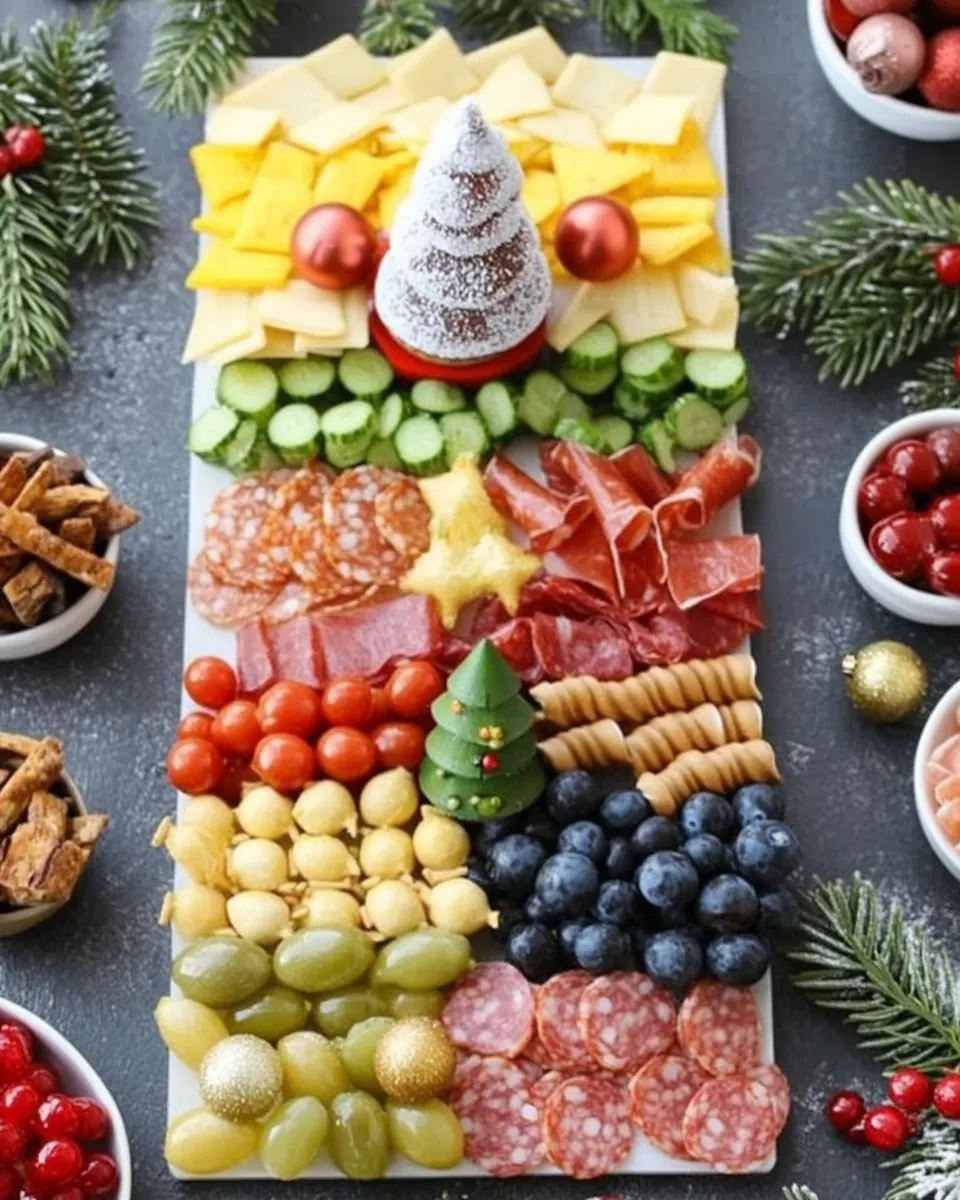
- Fill any empty spaces or gaps with smaller ingredients. Using a small star cookie cutter, make cheese shapes and place around the charcuterie tree with a larger cheese star at the top of the tree. Finish with adding fresh herbs around the tree to make it more festive (rosemary sprigs are great for this board). Serve and enjoy!: Tiny gaps are opportunities for visual punctuation, a sprinkle of pomegranate seeds or a cluster of nuts adds sparkle and crunch. The aroma of fresh rosemary lifts the whole board and ties the holiday theme together. Why this finishing step matters, it makes the display feel intentional and complete. A common slip, leaving large empty patches makes the board look unfinished, so fill thoughtfully.
Tips and Tricks about Christmas Charcuterie Board
These tips reflect what I have learned from years of hosting. They cover planning, presentation, and small hacks that make setup smoother and the board last longer during a party.
- Plan for variety. Choose a balance of soft, semi soft, and hard cheese along with a mix of cured meat to keep flavors interesting.
- Think in clusters. Group similar items together in small piles to create visual anchors and make it easier for guests to help themselves.
- Use labels. Small cards next to specialty cheese or spreads help guests know what they are sampling, especially with strong flavors like blue cheese.
- Protect delicate items. Keep berries and soft fruits chilled until the last moment so they stay plump and vibrant.
- Offer tools. Provide small spoons, spreaders, and toothpicks so guests can assemble bites without cross contamination.
- Refresh as needed. Replace wilted herbs and refill bowls during the event to keep the board looking fresh for hours.
How to Serve Christmas Charcuterie Board
Serving a Christmas Charcuterie Board is as much about flow as it is about food. Place the board in a central location with plates and napkins nearby so guests can gather comfortably. Keep small tongs or spoons for spreads to avoid double dipping.
- Holiday parties: For a festive gathering, place the board on a central table with extra small plates so people can walk around and mingle while sampling.
- Family dinners: Serve the board as a starter to encourage conversation before the main meal, positioning it where everyone can reach from all sides.
- Buffet style: If offering other dishes, situate the board near salads and lighter fare to balance heavier mains.
- Storage tips: Wrap leftover cheese in parchment and store cured meat in an airtight container. Keep crackers separate to retain crunch, and refrigerate perishable items promptly.
- Seasonal pairings: Emphasize seasonal fruits and herbs, like persimmon slices and rosemary, to reinforce the holiday theme.
- Serving size guidance: For a group, estimate two to three bites per person of each major category and replenish as the party continues.
- Presentation variations: Consider arranging the components into shapes, like a tree or wreath, to match the holiday mood and delight guests.
- Accompaniments to offer: Provide small jars of honey, mustard, and jam so guests can tailor each bite, and offer coffee or tea to finish the evening.
- Serving etiquette: Encourage guests to use utensils provided and to take small portions at a time so offerings last longer for everyone.
- Cleanup: Have extra napkins and a brush to sweep crumbs so you can quickly refresh the board area between refills.
FAQ
Conclusion
This Christmas Charcuterie Board shines because it combines a thoughtful variety of textures and flavors into one effortless, festive centerpiece. I encourage you to gather a few favorite cheese, cured meat, and seasonal fruit, then let the arranging become a relaxed creative moment. Whether you aim for a tree shape or a loose, abundant spread, the board invites sharing and discovery. Try it at your next holiday gathering and enjoy the warm conversations it inspires.
Christmas Charcuterie Board
Equipment
- charcuterie board
- charcuterie utensils
- mini ramekins
Ingredients
- proscuitto, genoa salami, spanish chorizo, soppressata, calabrese Cured and savory, provides a variety of thinly sliced Italian and Spanish meats that bring salty, fatty richness and a range of textures to the board; arrange in folds or rosettes for visual appeal and easy grabbing. Complements cheeses and fruits while offering a hearty protein element for guests to pair with crackers or bread.
- brie, camembert, gouda, cheddar, blue cheese, goat cheese, havarti, gruyere, fontina, mozzarella balls Soft and aged cheeses offer a mix of creamy, nutty, tangy, and mild flavors to create contrast and balance; include whole rounds, wedges, and bite-sized mozzarella balls for variety in texture and presentation. Serve at room temperature to maximize flavor and pair with jams, honey, or sliced bread for classic combinations.
- grapes, apple slices, pears, figs, berries, pomegranate seeds, dried apricots, dried cranberries, persimmon slices Fresh and dried fruits contribute sweetness, acidity, and seasonal color to cut through rich cheeses and meats while adding a refreshing element; include sliced and whole pieces for easy sharing. Use fruits to create focal points on the board and to pair with individual cheeses for varied tasting experiences.
- cherry tomatoes, baby carrots, cucumbers, snap peas, pickles, roasted red peppers, artichoke hearts, marinated mushrooms, broccoli and cauliflower Crisp and colorful vegetables bring crunch, freshness, and palate-cleansing bites to accompany heavier items; offer raw and pickled options plus marinated antipasti for savory variety. Arrange vegetables in small clusters or ramekins so they remain separate from drier items and provide contrast to cheeses and meats.
- jam, honey, mustard, nuts and seeds, pickles, olives, chocolate, mini holiday cookies, chocolate truffles, gourmet marshmallows, chocolate covered pretzels, mini candy canes, fresh herbs Condiments and small accompaniments provide bursts of flavor, texture, and festive treats that elevate pairings; include spreads, nuts, olives, sweets, and herbs to offer sweet, savory, spicy, and crunchy notes. Place sauces and sticky items in small bowls to prevent cross-contamination and suggest pairing ideas nearby for guests.
- shaped crackers, sliced baguette, rosemary crackers, sea salt crackers, multigrain crackers, rice crackers, pita chips, naan, rye crisps, pretzel squares, sourdough bread cubes, fruit and nut bread cubes Crunchy breads and crackers supply the essential vehicle for assembling bites and offer varied textures and flavors to pair with cheeses and spreads; include an assortment from crisp crackers to soft bread cubes. Present in stacks and scattered clusters to encourage mixing and matching with meats, cheeses, and condiments.
Instructions
- Start with a base. Choose a large platter or wooden board to create your charcuterie on.: The first sensory cue is the cool, smooth feel of the board under your hands and the quiet clink as you set bowls in place. A large wooden board gives warmth and anchors the display visually, while a stone platter reads elegant. I like a neutral background so colors pop. Why this matters, the board size dictates how much you can layer without crowding. Troubleshooting, avoid boards that are too small, which forces piling and hides variety.
- Choose and purchase ingredients. Once you have everything purchased, set it all out on your counter so that you don't forget an ingredient.: Laying items out on the counter creates a chorus of smells, from nutty cheese to herbal rosemary , and lets you consider balance before assembly. I take a moment to group similar textures together so I can distribute them evenly. Why, doing this reduces last minute scrambling and ensures visual diversity. Mistake to avoid, skipping this step often leads to repeated flavors clustered together.
- To make a Christmas tree shape, make a triangular outline using string as your guide.: When I press the string lightly onto the board, I can imagine the triangular silhouette and how elements will cascade. The string gives a quiet boundary that helps place denser items first. Why this helps, it creates a focal structure so your eye travels naturally. Watch out for too tight an outline, it can make the final display look forced rather than organic.
- Begin by placing your cured meats on the board within the string guidelines you placed. Arrange them in loose folds or artful curls.: The cured meat should glisten slightly from its natural oils, and folding creates soft shadows and movement. I tuck some slices to create little nests that catch other ingredients. Why, meat provides savory anchors that guests gravitate toward. Common error, laying slices flat and overlapping too densely makes them hard to pick up.
- Add cheeses. Space out various cheeses around the board. Mix textures and types, placing soft cheeses and hard cheeses in different areas.: As you place each cheese , notice the contrast of creamy whites against golden aged rinds, and the faint aroma of fermentation from aged varieties. I often place a small knife next to soft cheese to invite spreading. Why this matters, separating textures prevents flavor muddiness. Avoid prepping all cheeses the same way, some should remain whole for visual interest.
- Add fresh fruits and veggies. Place them in clusters or scatter them around for a vibrant look.: Fresh grapes will glint under lights and sliced apples offer crisp sound when bitten. I like to group colorful berries next to mellow cheese to create pops of color. Why, fruits and veggies add needed acidity and brightness. A pitfall to avoid, putting juicy fruit directly next to crackers can make them soggy, so use small separations.
- Add the accompaniments you have chosen. Place small bowls or jars for spreads, jams, or honey. Intersperse olives, pickles, and nuts to balance flavors and visual appeal.: The first scent from a small honey bowl is floral and inviting, and the sight of glossy olives adds depth. I place spreads where they are easy to reach from multiple sides to reduce crowding. Why, bowls prevent runny items from fouling other components. Mistake, leaving sticky spreads uncontained can cause messy bites.
- Arrange an assortment of crackers or bread. Consider placing them in different directions to add visual interest.: Crackers should snap when broken, and warm bread cubes give off a yeasty aroma that complements rich cheese . I fan crackers for accessibility and pile sturdy breads near heavier toppings. Why this matters, texture contrast ensures every combination is satisfying. Avoid stacking everything in one pile which makes it hard for guests to mix and match.
- Fill any empty spaces or gaps with smaller ingredients. Using a small star cookie cutter, make cheese shapes and place around the charcuterie tree with a larger cheese star at the top of the tree. Finish with adding fresh herbs around the tree to make it more festive (rosemary sprigs are great for this board). Serve and enjoy!: Tiny gaps are opportunities for visual punctuation, a sprinkle of pomegranate seeds or a cluster of nuts adds sparkle and crunch. The aroma of fresh rosemary lifts the whole board and ties the holiday theme together. Why this finishing step matters, it makes the display feel intentional and complete. A common slip, leaving large empty patches makes the board look unfinished, so fill thoughtfully.
Notes
- Plan for variety. Choose a balance of soft, semi soft, and hard cheese along with a mix of cured meat to keep flavors interesting.
- Think in clusters. Group similar items together in small piles to create visual anchors and make it easier for guests to help themselves.
- Use labels. Small cards next to specialty cheese or spreads help guests know what they are sampling, especially with strong flavors like blue cheese.
- Protect delicate items. Keep berries and soft fruits chilled until the last moment so they stay plump and vibrant.
- Offer tools. Provide small spoons, spreaders, and toothpicks so guests can assemble bites without cross contamination.
- Refresh as needed. Replace wilted herbs and refill bowls during the event to keep the board looking fresh for hours.
