Crispy Roasted Sweet Potatoes
Crispy Roasted Sweet Potatoes have a way of turning simple moments into memorable ones for me, and that first sentence always feels like a small invitation into my kitchen. I still remember the afternoon I first tried this approach, when I was chasing a craving for something warm, savory, and slightly caramelized, and these potatoes answered every little wish. The crisp edges and soft, cloud like centers felt like a tiny victory after a long day, and I found myself smiling with every forkful.
One weeknight, I pulled a mismatched pan from the cupboard, gathered a handful of pantry staples, and set to work. The ritual of par boiling, tossing with a starch, and finishing hot in the oven gives the potatoes a texture that feels restaurant worthy, yet forgiving enough for a busy home cook. I often serve them straight from the sheet pan, and guests comment on the way the rosemary perfume floats up when the tray is opened. That simple aroma makes the kitchen feel intentional and warm.
Recipe Snapshot
1 hr 10 mins
15 mins
55 mins
Medium
180 kcal
American
Vegan, Gluten-Free
Side Dishes
Large pot, Rimmed baking sheet, Colander, Spatula
What Sets This Crispy Roasted Sweet Potatoes Apart
Unbeatable Texture
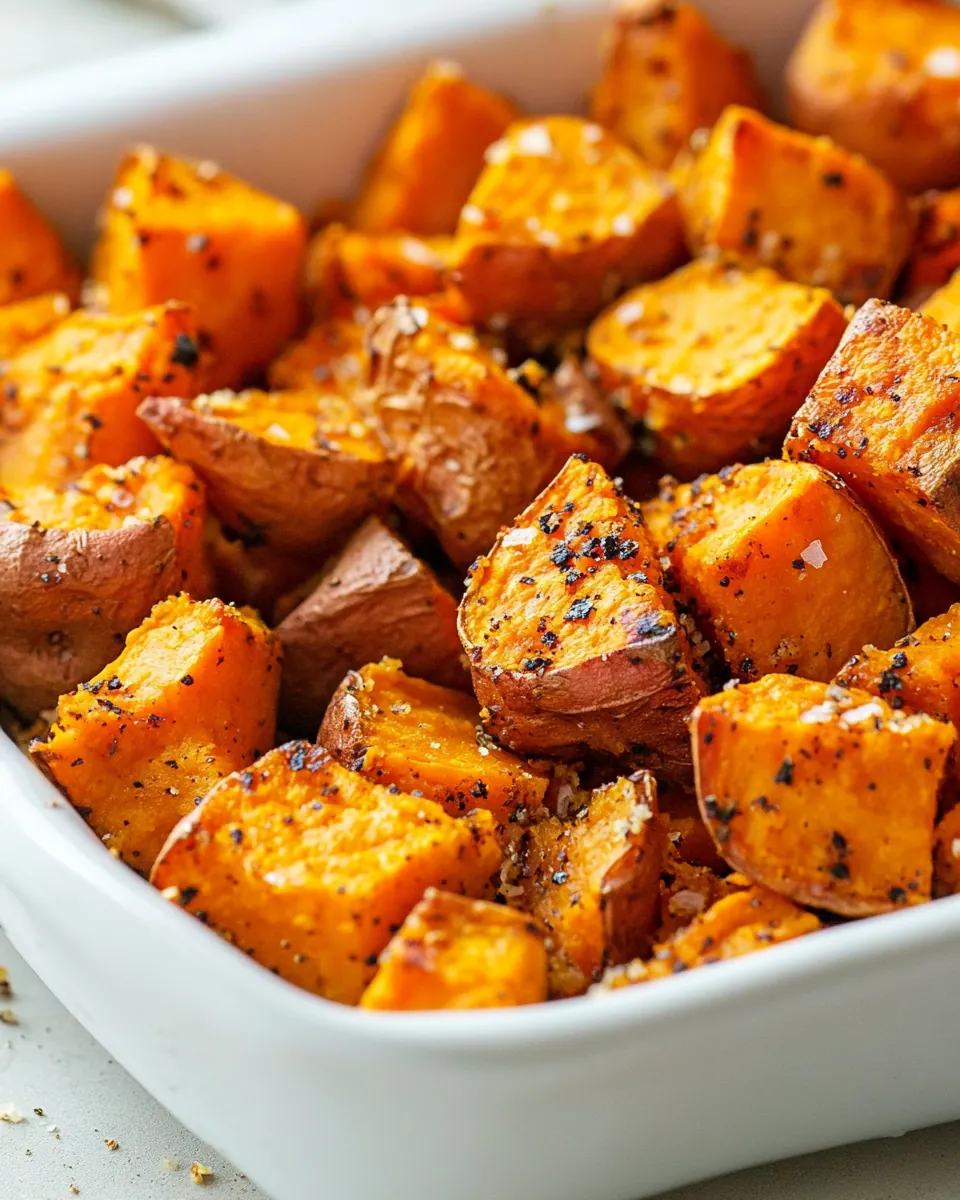
I fell in love with Crispy Roasted Sweet Potatoes because the texture is remarkable. The par boil followed by a quick toss in potato starch creates a delicate crust, while the insides remain tender and slightly creamy. You get that satisfying contrast between crunchy edges and soft centers, and I think that contrast is what keeps people coming back for seconds.
Bright, Simple Flavors
These potatoes highlight a small number of ingredients, so each one matters. The combination of olive oil, a pinch of salt, and a scattering of fresh rosemary lets the natural sweetness of the sweet potatoes shine. I love how the black pepper adds a subtle lift, and the rosemary gives an herbaceous counterpoint that feels both homey and refined.
Fast Enough for Weeknights
Even though the method involves a couple of steps, the whole process fits neatly into a typical evening routine. The par boiling is quick, and the oven does most of the work. For nights when I want a fuss free side that still feels special, these are my go to. They pair beautifully with roasted proteins or a big salad, so they make weeknight meals feel more put together.
Easy to Scale and Customize
I often double the batch when company drops by, and the method scales reliably. You can vary the herbs, swap in different starches, or leave the skins on for extra texture. Because the ingredient list is short, small changes have a big impact, and I enjoy experimenting while knowing the technique remains solid.
Comfort That Feels Seasonal
There is something inherently cozy about Crispy Roasted Sweet Potatoes. The warm orange interior and the roasted aroma make them ideal for cooler months, and I find myself reaching for this recipe when I want food that comforts without being heavy. They carry a sense of home, and that is why I keep this method in my regular rotation.
What’s In This Crispy Roasted Sweet Potatoes
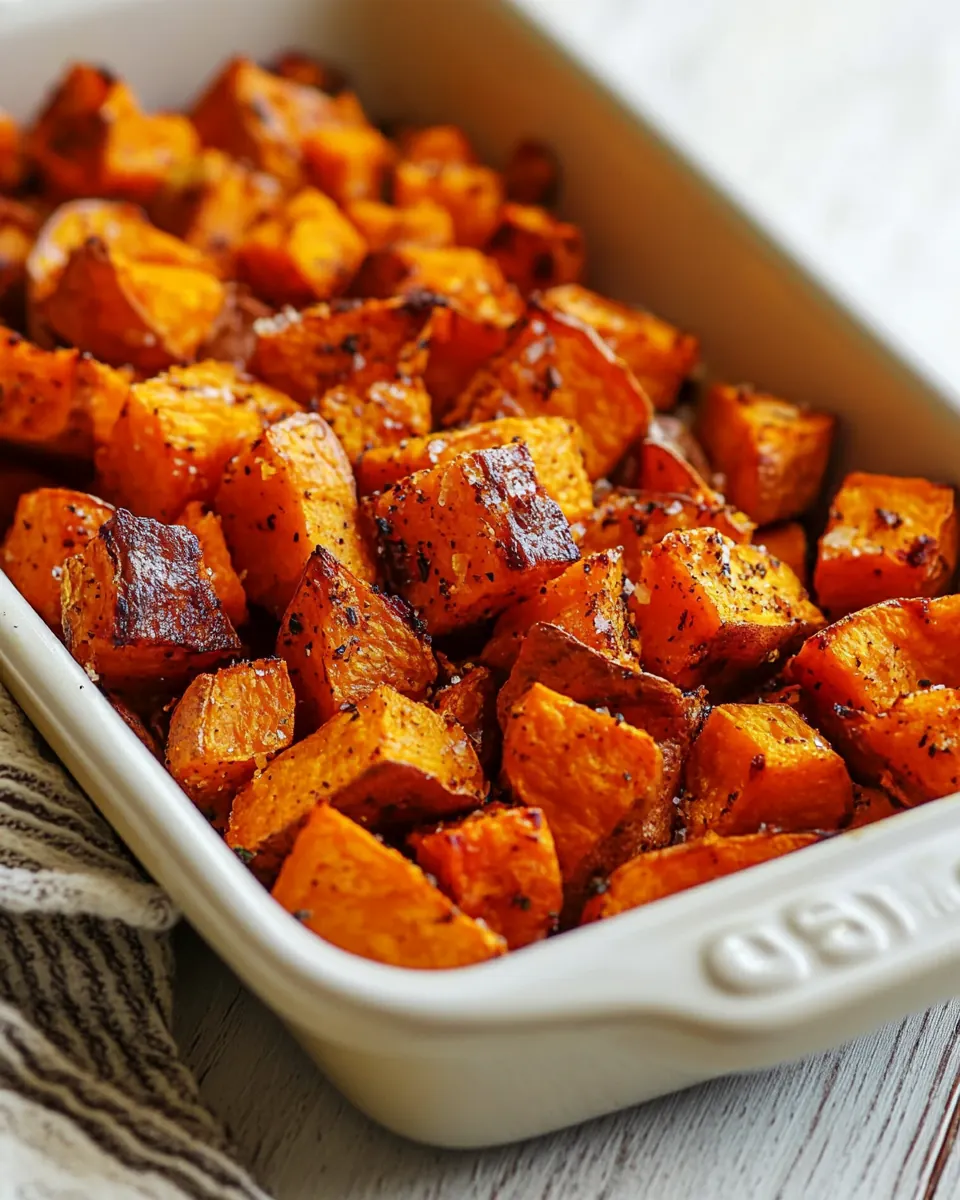
These ingredients are intentionally straightforward, chosen to coax out both sweetness and crunch. The philosophy here is simple, use minimal seasoning to enhance the natural character of the sweet potatoes, rely on a starch to build exterior crispness, and let olive oil and fresh rosemary round out the flavor. Each component plays a clear role, and together they create a balanced, textured result.
- Salt: Enhance seasoning and balance flavors throughout the dish; use sparingly to avoid over-salting and dissolve into any liquids or surfaces for even distribution.
- 1/2 teaspoon baking soda: Lift acidity and promote browning by breaking down surface proteins and raising pH; dissolve into a small amount of water before tossing with potatoes to encourage crisping.
- 2 1/2 pounds sweet potatoes (about 3 large), unpeeled, cut into 1 1/2-inch (4-cm) chunks: Provide the main body and natural sweetness of the dish; keep unpeeled for texture, cut into uniform 1 1/2-inch chunks to ensure even roasting and tender interiors.
- 2 tablespoons potato starch (see note): Create a light, crispy coating that aids in browning and texture; dust cubes evenly so the starch absorbs surface moisture and helps form a dry, crunchy exterior when roasted.
- 3 tablespoons olive oil: Add cooking fat for browning and flavor development; toss potatoes thoroughly so oil coats each piece, promoting even roasting and crisp edges.
- 1 tablespoon chopped fresh rosemary, divided: Impart fresh herbal aroma and a savory, piney note; chop and divide to layer flavor—some mixed with the potatoes before roasting and some sprinkled on after for brightness.
- 1/4 teaspoon freshly ground black pepper: Provide subtle heat and depth to the roast; freshly grind and sprinkle evenly to enhance overall savory balance without overpowering the natural sweetness.
Step by Step Guide for Crispy Roasted Sweet Potatoes
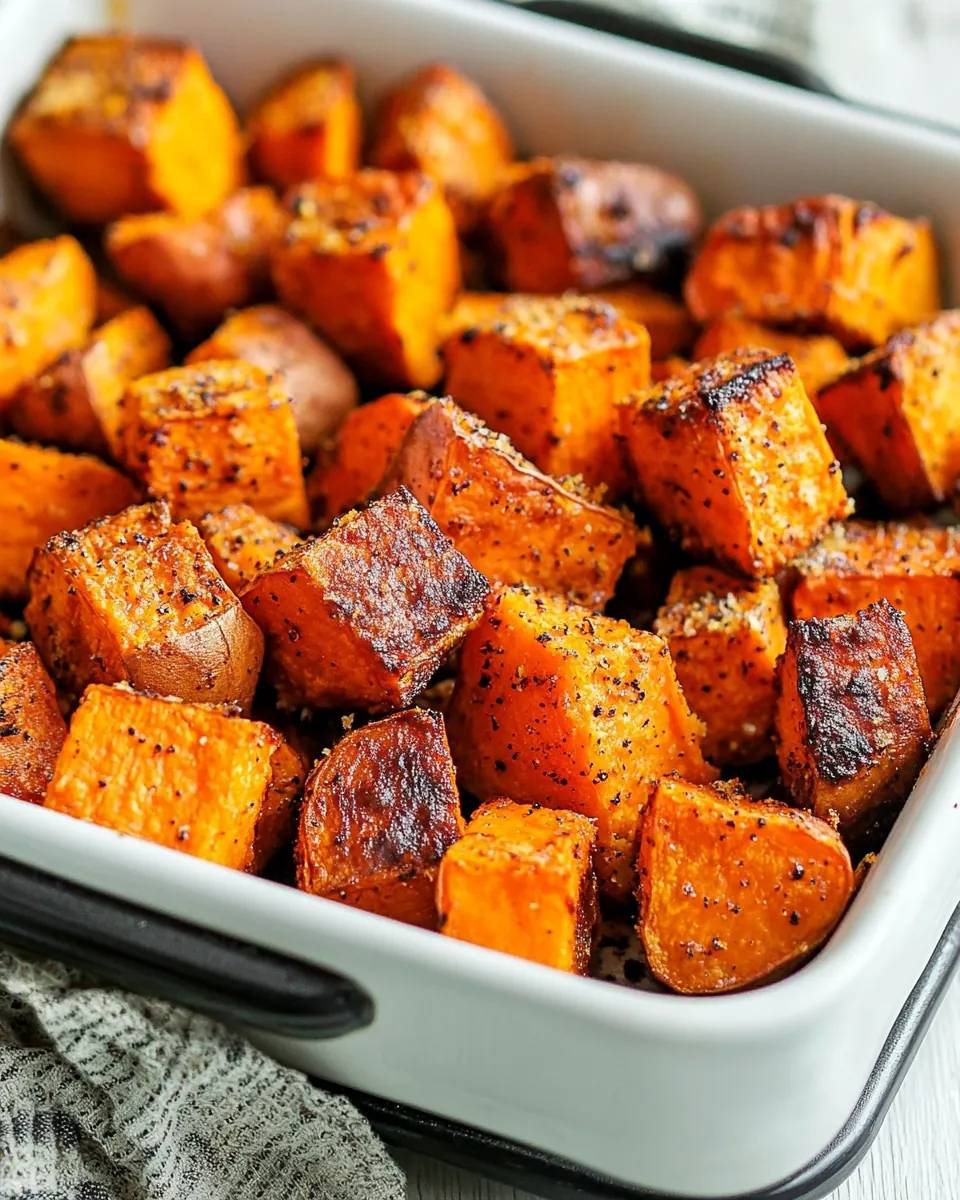
This method is built on a rhythm of par boiling, coating, and roasting. I like to move efficiently through the prep so the oven can do its work. Below, each step expands on sensory cues, the reason behind the technique, and common things to watch for.
- Preheat the oven to 450°F (230°C) and set an oven rack in the middle position.: Before you begin, make sure the oven is fully heated so the tray will start caramelizing the moment it goes in. You should feel warm air when you open the oven and see that the racks are centered, which ensures even heat circulation. The intense heat produces those beautifully browned, crisp edges we want. A common mistake is not preheating long enough, which can lead to longer cook times and less crispness.
- In a large pot, bring 3 quarts (3 L) of water to a boil. Stir in 1 tablespoon of salt and the baking soda. Add the potatoes and boil for 10 minutes. Drain the potatoes thoroughly.: The sound of a lively boil signals it's time to season the water, and the visual cue is steady rolling bubbles across the surface. Using a large pot keeps the temperature from dropping too much when you add the sweet potatoes . If the pot is too small, the water temperature will fall and the par boil will take longer, which affects texture.
- Directly on a rimmed baking sheet (avoid using foil as the potatoes may stick), toss the par-boiled potatoes with the potato starch, oil, 1/2 teaspoon of salt, half of the rosemary, and the pepper. Roast in the preheated oven for 35 minutes, stirring once midway through roasting. After roasting, turn off the oven but leave the potatoes inside for an additional 10 to 15 minutes.: Dissolve the salt and baking soda so they can act on the surface of the sweet potatoes . The baking soda slightly raises the pH, helping the exterior break down and develop more surface roughness for crisping. You will notice the water looks a touch more active with the soda added. Be careful with the soda quantity because excess will cause the potatoes to become mushy.
- Remove from the oven and sprinkle with the remaining rosemary. Taste and adjust the seasoning with salt, if necessary. Transfer the sweet potatoes to a platter and serve.: When the sweet potatoes hit the boiling water, you will hear a gentle chatter as the water returns to a boil. After roughly 10 minutes, the edges should give slightly when pierced with a knife, indicating they are par boiled and not fully falling apart. This step softens the interior while keeping the exterior intact, which is crucial for the final texture. Over boiling is a common pitfall that results in disintegrated pieces during roasting.
- Drain the potatoes thoroughly: After pouring off the water, shake the colander a few times to get rid of excess moisture. The sound is a quick clatter as the water drains away, and the surface should look matte rather than wet. Excess water prevents the potato starch from adhering properly and will hinder browning, so thorough draining is essential.
- Directly on a rimmed baking sheet toss the par boiled potatoes with the potato starch, oil, 1/2 teaspoon of salt, half of the rosemary, and the pepper: As you toss, you will see a powdery dusting of potato starch turn into a slightly tacky surface as the olive oil clings to the pieces. This mixture is what creates the crisp exterior and golden color when roasted. Distribute the coating evenly so no piece is left bare, because uneven coating causes patchy browning. Avoid using foil because it can trap moisture and promote sticking.
- Roast in the preheated oven for 35 minutes stirring once midway through roasting: When the tray goes in, you should hear a faint hiss as the oil heats and the sugars begin to brown. At around the halfway mark, use a spatula to turn the pieces so multiple sides get direct contact with the hot sheet, revealing a deeper golden color. The aroma will shift from a soft sweet scent to a richer, toasty fragrance. A frequent misstep is stirring too often, which prevents the surface from forming a proper crust.
- After roasting, turn off the oven but leave the potatoes inside for an additional 10 to 15 minutes: With the oven off, the residual heat continues to dry and set the crust without over browning. The quiet warmth helps the interior settle and the exterior firms up further, and you may notice a concentrated roasted scent as they rest. Removing them immediately can sometimes leave centers too soft, so patience here improves texture.
- Remove from the oven and sprinkle with the remaining rosemary: The act of scattering fresh rosemary releases an herbal perfume that brightens the roasted aroma. The contrast between the hot potatoes and the fresh herb is immediate, creating a lively final note. Be mindful that adding herbs earlier can cause them to become woody, so reserve some for this finishing touch.
- Taste and adjust the seasoning with salt, if necessary: A small taste will reveal if the dish needs a final pinch of salt . The boiled potatoes absorb seasoning differently, so checking at the end ensures balance. Over salting is easy to do, so add sparingly and taste after each small adjustment.
- Transfer the sweet potatoes to a platter and serve: The final presentation should show deeply browned edges and an inviting sheen from the oil. Serve while warm so the contrast of textures is most pronounced. If you let them sit too long, the crispness will fade, so plan the timing so they hit the table shortly after plating.
Variations to Try
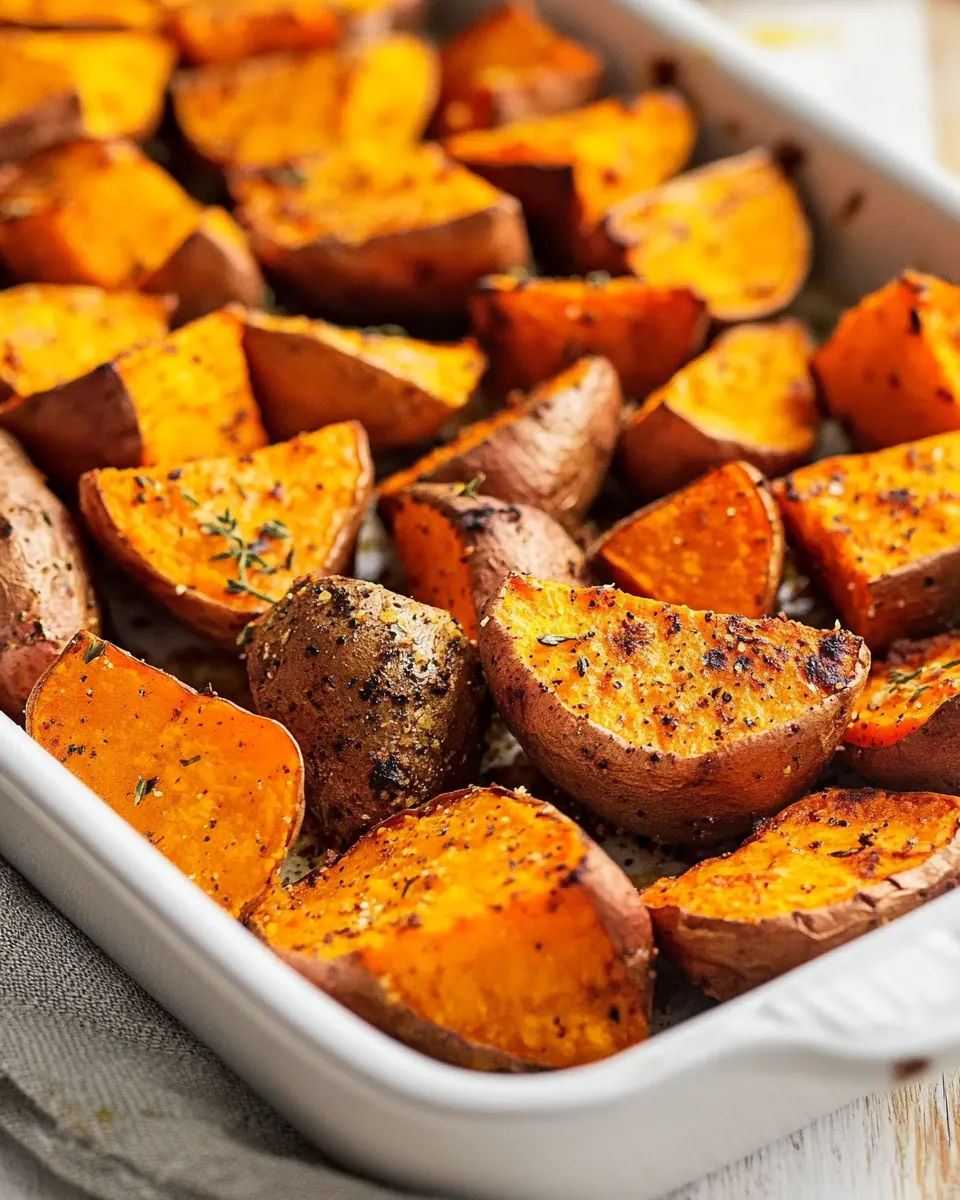
If you want to experiment, small tweaks can drastically change the profile while keeping the core technique intact. Below are ideas I use when I want a different flavor or texture, each one starts with a highlighted suggestion followed by practical details.
- Swap herbs Try thyme instead of rosemary for a subtler, earthier aroma that pairs nicely with the sweetness of the sweet potatoes.
- Use different starches If potato starch is unavailable, tapioca starch can offer a similar crisping effect though the finish may be slightly glossier.
- Adjust chunk size Cut into slightly smaller pieces for faster roasting and more surface area, just watch timing to avoid overcooking.
- Finish with citrus A light squeeze of fresh lemon or orange right before serving brightens the dish, but add it sparingly so it does not overpower the roasted notes.
- Make ahead Par boil and coat the night before, store in the fridge, then roast just before serving. This saves time on busy days, though you may need an extra few minutes in the oven if they are chilled.
Serving Suggestions
This section offers ideas for pairing, occasions, and storage so you can serve the dish confidently. Below are practical, flavorful ways I like to present these potatoes for different settings and seasons.
- As a side for weeknight dinner Serve warm alongside a simply roasted protein and a crisp salad for a balanced plate that feels effortless.
- For holiday or seasonal meals These fit beautifully into fall and winter menus, offering sweet, roasted notes that complement richer mains.
- Casual gatherings Place on a platter and let guests help themselves, the tray to table presentation is convivial and low fuss.
- Storage and reheating Refrigerate in an airtight container for up to four days, reheat in a hot oven to revive crispness rather than the microwave which will soften them.
- Make ahead strategy Par boil and coat a day ahead, then roast just before guests arrive so the potatoes come out hot and crisp.
FAQ
Conclusion
What makes this recipe special is the way simple techniques coax extraordinary texture and flavor from humble sweet potatoes. The combination of par boiling, a light starch coating, and high heat roasting yields crisp edges and tender centers every time, while a scatter of fresh rosemary brightens the plate. Give these a try on a busy weeknight or for a holiday side, they come together with modest effort and deliver big satisfaction. I hope you enjoy the process as much as the result, and that they become one of your go to sides whenever you want something comforting and crisp.
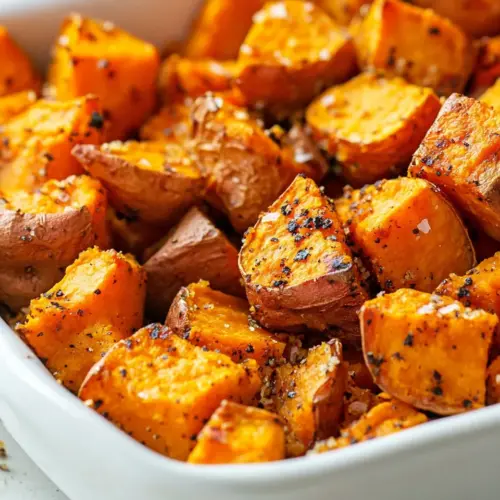
Crispy Roasted Sweet Potatoes
Equipment
- Large Pot
- Rimmed Baking Sheet
- Colander
- Spatula
Ingredients
- Salt Enhance seasoning and balance flavors throughout the dish; use sparingly to avoid over-salting and dissolve into any liquids or surfaces for even distribution.
- 1/2 teaspoon baking soda Lift acidity and promote browning by breaking down surface proteins and raising pH; dissolve into a small amount of water before tossing with potatoes to encourage crisping.
- 2 1/2 pounds sweet potatoes (about 3 large), unpeeled, cut into 1 1/2-inch (4-cm) chunks Provide the main body and natural sweetness of the dish; keep unpeeled for texture, cut into uniform 1 1/2-inch chunks to ensure even roasting and tender interiors.
- 2 tablespoons potato starch (see note) Create a light, crispy coating that aids in browning and texture; dust cubes evenly so the starch absorbs surface moisture and helps form a dry, crunchy exterior when roasted.
- 3 tablespoons olive oil Add cooking fat for browning and flavor development; toss potatoes thoroughly so oil coats each piece, promoting even roasting and crisp edges.
- 1 tablespoon chopped fresh rosemary, divided Impart fresh herbal aroma and a savory, piney note; chop and divide to layer flavor—some mixed with the potatoes before roasting and some sprinkled on after for brightness.
- 1/4 teaspoon freshly ground black pepper Provide subtle heat and depth to the roast; freshly grind and sprinkle evenly to enhance overall savory balance without overpowering the natural sweetness.
Instructions
- Preheat the oven to 450°F (230°C) and set an oven rack in the middle position.: Before you begin, make sure the oven is fully heated so the tray will start caramelizing the moment it goes in. You should feel warm air when you open the oven and see that the racks are centered, which ensures even heat circulation. The intense heat produces those beautifully browned, crisp edges we want. A common mistake is not preheating long enough, which can lead to longer cook times and less crispness.
- In a large pot, bring 3 quarts (3 L) of water to a boil. Stir in 1 tablespoon of salt and the baking soda. Add the potatoes and boil for 10 minutes. Drain the potatoes thoroughly.: The sound of a lively boil signals it's time to season the water, and the visual cue is steady rolling bubbles across the surface. Using a large pot keeps the temperature from dropping too much when you add the sweet potatoes . If the pot is too small, the water temperature will fall and the par boil will take longer, which affects texture.
- Directly on a rimmed baking sheet (avoid using foil as the potatoes may stick), toss the par-boiled potatoes with the potato starch, oil, 1/2 teaspoon of salt, half of the rosemary, and the pepper. Roast in the preheated oven for 35 minutes, stirring once midway through roasting. After roasting, turn off the oven but leave the potatoes inside for an additional 10 to 15 minutes.: Dissolve the salt and baking soda so they can act on the surface of the sweet potatoes . The baking soda slightly raises the pH, helping the exterior break down and develop more surface roughness for crisping. You will notice the water looks a touch more active with the soda added. Be careful with the soda quantity because excess will cause the potatoes to become mushy.
- Remove from the oven and sprinkle with the remaining rosemary. Taste and adjust the seasoning with salt, if necessary. Transfer the sweet potatoes to a platter and serve.: When the sweet potatoes hit the boiling water, you will hear a gentle chatter as the water returns to a boil. After roughly 10 minutes, the edges should give slightly when pierced with a knife, indicating they are par boiled and not fully falling apart. This step softens the interior while keeping the exterior intact, which is crucial for the final texture. Over boiling is a common pitfall that results in disintegrated pieces during roasting.
- Drain the potatoes thoroughly: After pouring off the water, shake the colander a few times to get rid of excess moisture. The sound is a quick clatter as the water drains away, and the surface should look matte rather than wet. Excess water prevents the potato starch from adhering properly and will hinder browning, so thorough draining is essential.
- Directly on a rimmed baking sheet toss the par boiled potatoes with the potato starch, oil, 1/2 teaspoon of salt, half of the rosemary, and the pepper: As you toss, you will see a powdery dusting of potato starch turn into a slightly tacky surface as the olive oil clings to the pieces. This mixture is what creates the crisp exterior and golden color when roasted. Distribute the coating evenly so no piece is left bare, because uneven coating causes patchy browning. Avoid using foil because it can trap moisture and promote sticking.
- Roast in the preheated oven for 35 minutes stirring once midway through roasting: When the tray goes in, you should hear a faint hiss as the oil heats and the sugars begin to brown. At around the halfway mark, use a spatula to turn the pieces so multiple sides get direct contact with the hot sheet, revealing a deeper golden color. The aroma will shift from a soft sweet scent to a richer, toasty fragrance. A frequent misstep is stirring too often, which prevents the surface from forming a proper crust.
- After roasting, turn off the oven but leave the potatoes inside for an additional 10 to 15 minutes: With the oven off, the residual heat continues to dry and set the crust without over browning. The quiet warmth helps the interior settle and the exterior firms up further, and you may notice a concentrated roasted scent as they rest. Removing them immediately can sometimes leave centers too soft, so patience here improves texture.
- Remove from the oven and sprinkle with the remaining rosemary: The act of scattering fresh rosemary releases an herbal perfume that brightens the roasted aroma. The contrast between the hot potatoes and the fresh herb is immediate, creating a lively final note. Be mindful that adding herbs earlier can cause them to become woody, so reserve some for this finishing touch.
- Taste and adjust the seasoning with salt, if necessary: A small taste will reveal if the dish needs a final pinch of salt . The boiled potatoes absorb seasoning differently, so checking at the end ensures balance. Over salting is easy to do, so add sparingly and taste after each small adjustment.
- Transfer the sweet potatoes to a platter and serve: The final presentation should show deeply browned edges and an inviting sheen from the oil. Serve while warm so the contrast of textures is most pronounced. If you let them sit too long, the crispness will fade, so plan the timing so they hit the table shortly after plating.
Notes
- Swap herbs Try thyme instead of rosemary for a subtler, earthier aroma that pairs nicely with the sweetness of the sweet potatoes.
- Use different starches If potato starch is unavailable, tapioca starch can offer a similar crisping effect though the finish may be slightly glossier.
- Adjust chunk size Cut into slightly smaller pieces for faster roasting and more surface area, just watch timing to avoid overcooking.
- Finish with citrus A light squeeze of fresh lemon or orange right before serving brightens the dish, but add it sparingly so it does not overpower the roasted notes.
- Make ahead Par boil and coat the night before, store in the fridge, then roast just before serving. This saves time on busy days, though you may need an extra few minutes in the oven if they are chilled.