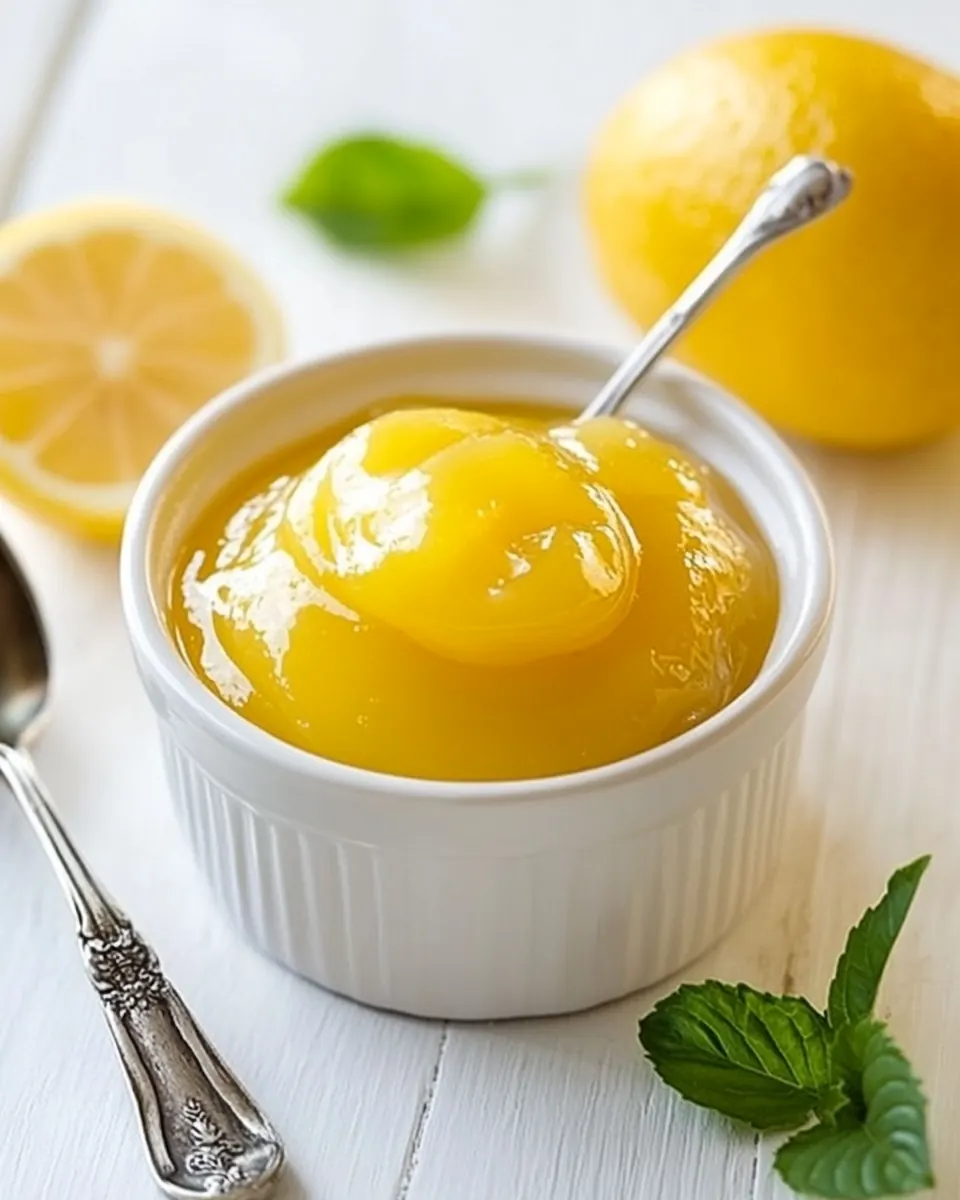
Classic Lemon Curd
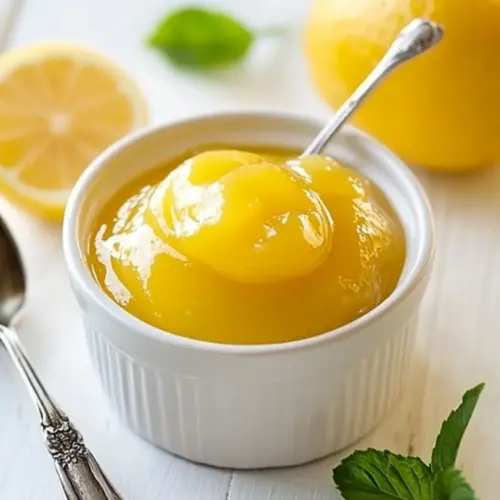
Classic Lemon Curd has been a comfort in my kitchen for years, a bright jar of sunshine I always reach for when I need a quick lift. The first time I made it I was nervous about tempering eggs, yet the moment the glossy mixture thickened on the stove I felt triumphant, and I still remember the zing of fresh citrus on my tongue. That initial success turned into ritual, and now I make a batch whenever I want a vibrant spread for toast or a silky filling for tarts.
I like to pull a jar from the fridge when friends drop by, because it feels both simple and special. Over time I learned small tricks that keep the texture perfectly smooth and the flavor pure, like using room temperature butter and straining any stubborn bits of zest. Each step taught me something about patience and attention, and every spoonful reminds me why I keep coming back to this recipe.
Recipe Snapshot
30 mins
10 mins
20 mins
Easy
120 kcal
American
Gluten-Free, Low FODMAP
Desserts
Food processor, Stainless steel saucepan, Candy thermometer, Mixing bowl, Fine sieve
The Best Thing About This Classic Lemon Curd
Bright concentrated citrus flavor
I adore how Classic Lemon Curd delivers an intense lemon hit without tasting artificial. The heavy presence of fresh lemons means real citrus oils and natural acidity, which cut through richness and make the curd exciting spoon after spoon.
Velvety texture that feels luxurious
When done right the curd is silky and spreadable, not grainy or runny. I appreciate the way the combination of egg yolks, butter, and sugar creates a custard like body, so it feels indulgent on a scone or folded into whipped cream.
Incredibly versatile
We use this curd in so many ways, from filling pastries to adding a bright note to breakfast. It doubles as a topping, a filling, or a spoonable treat, giving you flexibility to elevate simple baked goods and desserts.
Simple pantry ingredients
I love that the ingredient list is short and approachable. With basic items like eggs, butter, sugar, and of course lemons, you can riff on flavor easily without hunting for specialty items.
Reliable and freezable
This curd keeps well in the fridge and freezes beautifully, so you can make a double batch when the fruit is in season. I often freeze portions for quick gifts or last minute bakes, and it holds its texture after thawing if handled gently.
What to Gather for Classic Lemon Curd
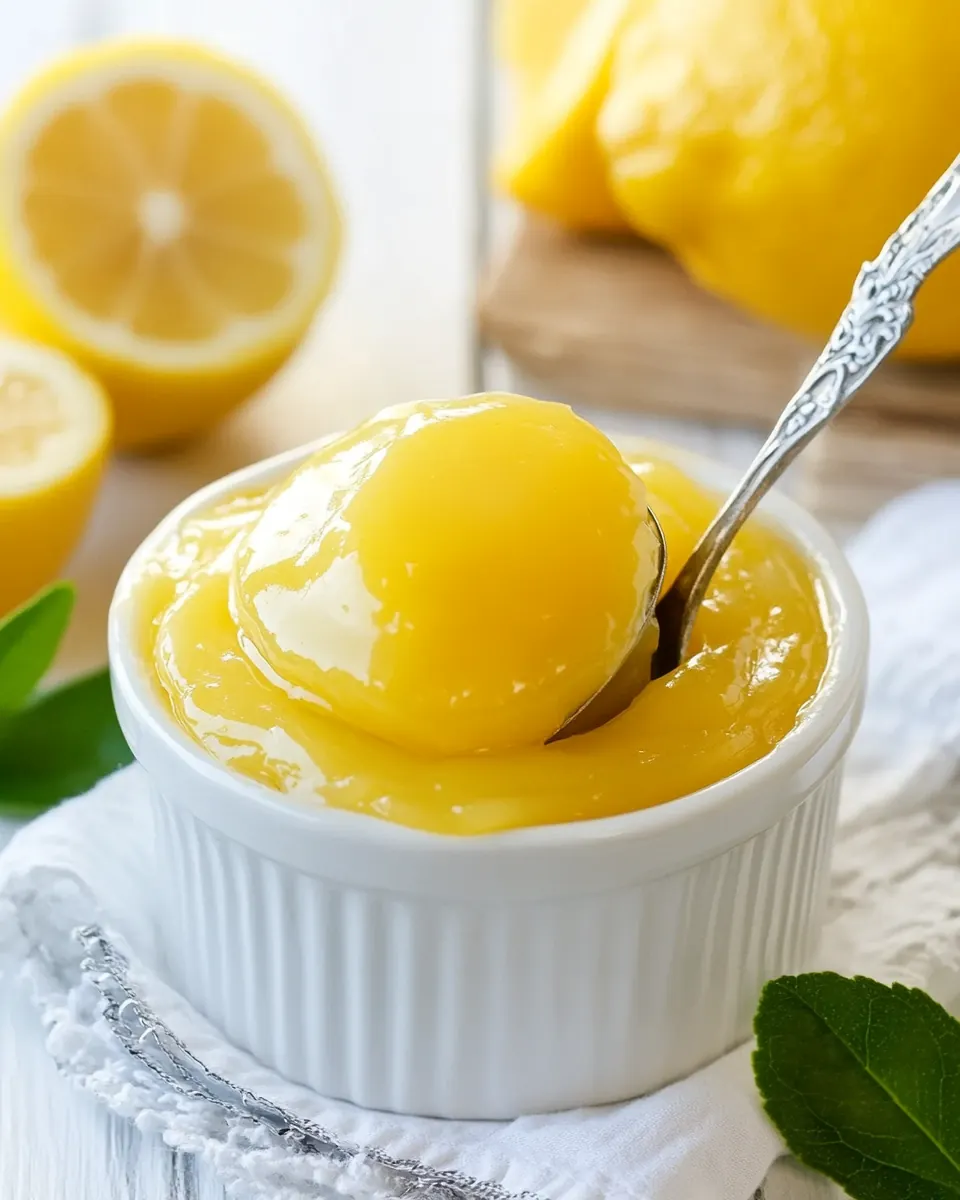
These ingredients are a tight, purposeful team. The star is the lemons, offering bright acidity and aromatic oils from their zest. Sugar balances the tartness and helps stabilize the custard, while egg yolks provide structure and a golden color. Butter enriches the final texture, making the curd glossy and smooth. A pinch of salt lifts the flavors and keeps the sweetness grounded.
- 3 large lemons, washed (organic recommended): Provide bright citrus zest and oils when grated, contributing fresh aroma and intensified lemon flavor; wash thoroughly to remove residues and use organic when possible to avoid pesticides. Offer natural acidity in the curd, balancing sweetness and helping set the texture alongside egg yolks.
- 1 1/2 cups sugar: Sweeten the curd and help with structure by dissolving into the citrus mixture; adjust sweetness to taste while ensuring enough sugar to counteract the tartness of lemon juice. Also aids in creating a glossy, smooth finish as the curd cooks and thickens.
- 1/2 cup unsalted butter, room temperature: Contribute rich, creamy mouthfeel and a silky texture when softened and whisked into the warm lemon mixture; room temperature butter incorporates more easily for an emulsified curd. Adds buttery flavor that mellows the tartness and lends stability when chilled.
- 5 large egg yolks: Thicken the curd and provide a custardy base through coagulation of proteins when gently cooked; separate yolks are preferred for a smooth, velvety consistency. Impart a rich, yellow color and help achieve a set that is firm yet spreadable when properly tempered.
- 1/2 cup lemon juice: Deliver concentrated acidity and lemon flavor that defines the recipe; fresh juice ensures a bright, natural tartness compared with bottled alternatives. Combine with sugar and eggs to create the curd’s characteristic tang while contributing to the final texture.
- pinch of salt: Enhance overall flavor by balancing sweetness and acidity with a tiny savory note; a pinch prevents the curd from tasting flat and heightens other flavors. Help to round out the profile without making the curd salty.
The Process for Making Classic Lemon Curd
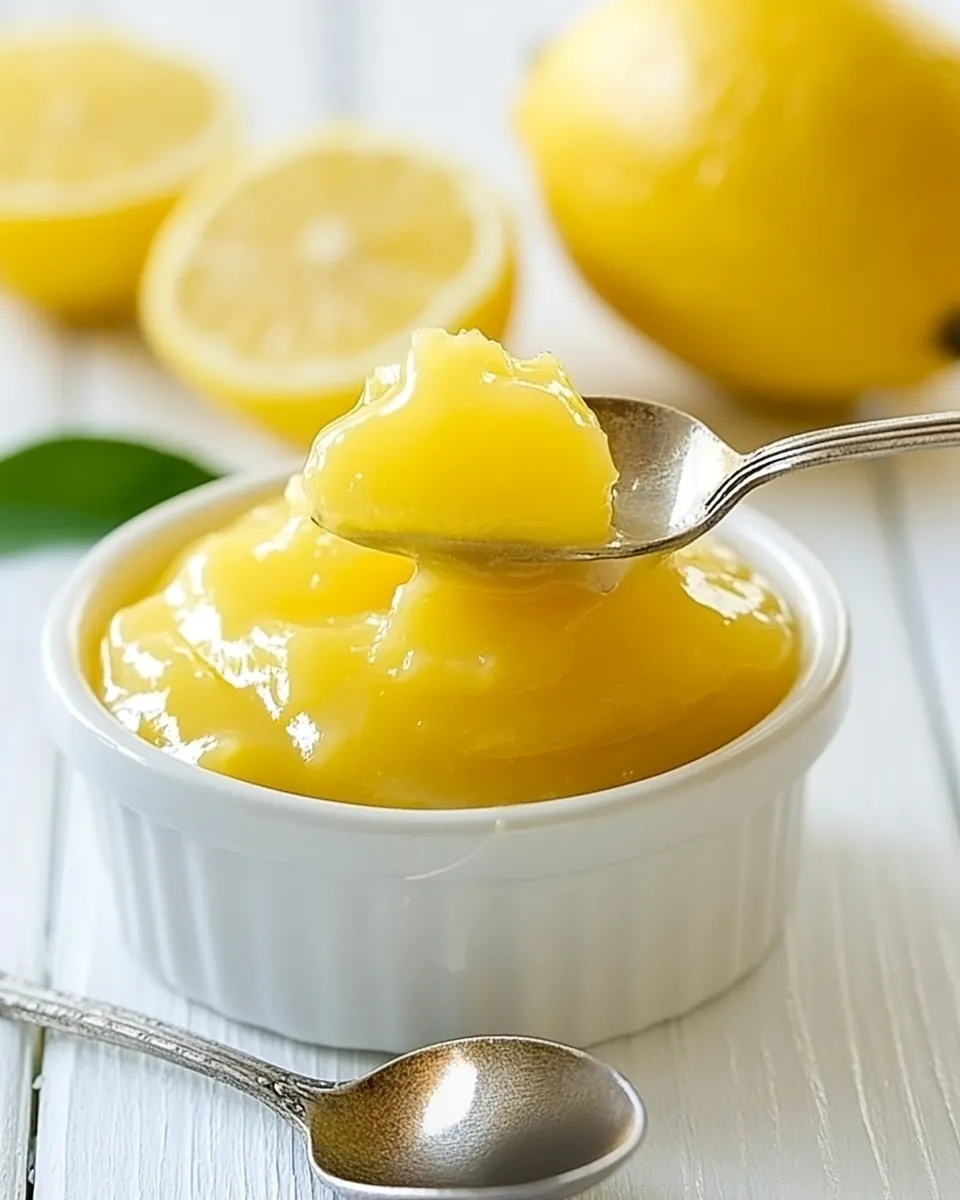
Working through this recipe feels like a gentle ritual, and a little attention yields a wonderfully smooth curd. I recommend reading the steps fully first, then setting up your tools so everything moves smoothly when heat comes into play.
- Zest the lemons. Be careful to avoid the white pith as it is very bitter. Juice the lemons.: As you grate the bright outer peel, you will smell a burst of citrus oils, vivid and slightly floral, which tells you the zest is fresh. The white pith underneath should be avoided because it adds an unpleasant bitterness, so watch the grater angle and rotate the fruit carefully to get only the colored skin. When you squeeze the lemons, expect a clean, tangy aroma and a bit of pulp in the bowl, which you can strain if you prefer silkiness. A common mistake is pressing too hard while zesting, which drags pith into the mix, so take your time and inspect the zest for any pale bits.
- Add the sugar and lemon zest to a food processor fitted with the steel blade and pulse until the zest is finely ground up with the sugar. In a medium glass or stainless steel mixing bowl, cream the butter and the lemon sugar mixture until fluffy. Add the eggs, one at a time, and beat until combined. Add the lemon juice and salt and beat until combined.: Right away you will notice the sugar becoming perfumed, tiny flecks of zest dispersing and releasing oils that scent the kitchen. Creaming the softened butter with this lemon sugar produces a pale, aerated mixture that helps integrate the fats into the curd later on. When incorporating each egg yolk , the texture will smooth and become richer, and beating after each addition ensures an even emulsion. Adding the lemon juice introduces acidity, which feels sharp at first but will mellow when cooked. If the mixture looks slightly curdled after adding juice, that is normal before it heats gently, but avoid overbeating which can incorporate too much air. A frequent error is adding cold ingredients, which can shock the butter and cause separation, so bring elements to room temperature first.
- Pour the mixture into a medium stainless steel saucepan and cook over low heat stirring continuously until thickened and the temperature has reached 170 F, about 20 minutes. Check the temperature using a candy thermometer. Remove from the heat, cool completely, and store in the fridge in a glass jar with a lid. It will keep in the fridge for up to a week. It can also be frozen in a freezer-safe airtight container for up to a year (let it thaw in the fridge overnight). Makes about 2 cups.: As heat touches the mixture, the first sensory change is a gentle steam and a richer lemon scent, evolving from bright to rounded. Continuous stirring keeps the texture smooth and prevents hot spots, you will hear a soft simmer and see the color deepen to a glossy, pale yellow. Hitting roughly 170 F ensures the egg yolks have thickened without curdling, and using a reliable candy thermometer removes guesswork. When the curd coats the back of a spoon, it is the visual cue you want. Remove from heat immediately to avoid overcooking, then cool so the curd sets while retaining shine. If you stop stirring, the curd can cling and burn on the pan, giving an off taste, so keep motion steady and moderate. Transfer to a glass jar to chill, the cold will firm it further and sharpen the flavor.
Recipe Notes about Classic Lemon Curd
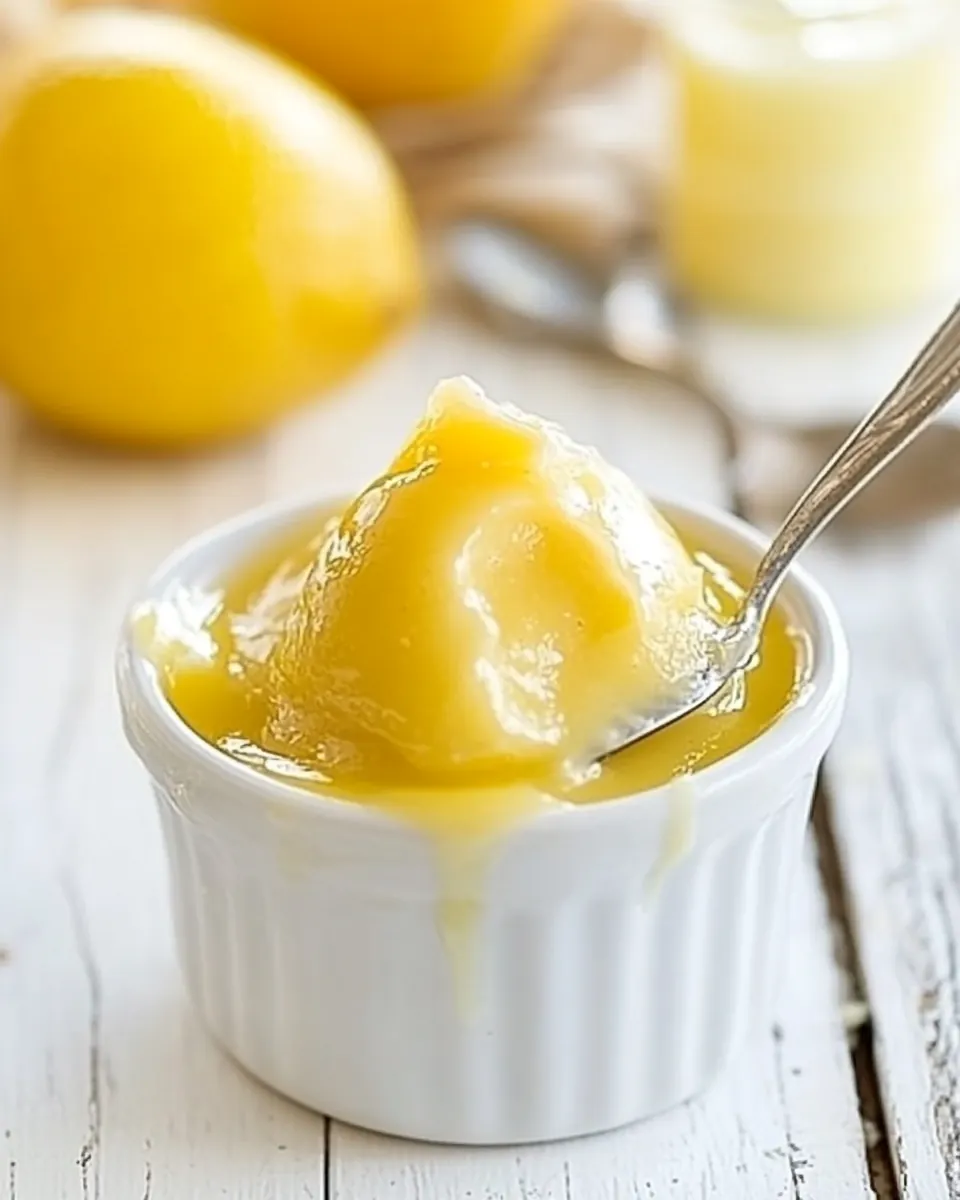
This curd repays attention with superior texture and flavor, so these notes will help you get consistent results. I expanded each tip to explain the why and how, so you can adapt with confidence.
- Softening butter: Let the butter sit at room temperature until it is just pliable. This prevents lumps when you cream it with the lemon sugar, ensuring a glossy final curd. If it melts, the emulsion can break, and if it is too cold, it will not incorporate evenly.
- Measuring juice: Always measure the lemon juice after squeezing to get exactly 1/2 cup. If you end up short, add a touch more juice slowly to maintain balance; if you have too much, reduce slightly or use a bit more sugar to compensate.
- Monitoring temperature: Use a candy thermometer for accuracy, aiming for 170 F. This prevents undercooked eggs and avoids overcooking which makes the curd grainy. Remove from heat promptly when you reach the target.
- Cooling and storage: Cool the curd quickly in a shallow container, then refrigerate in a sealed glass jar. Proper cooling preserves texture and keeps the flavor bright. Label with the date and use within a week.
- Freezing portions: Freeze in small airtight containers for longer storage. Thaw overnight in the fridge to maintain texture, and stir gently before using to reincorporate any separated elements.
Best Served With
Classic Lemon Curd pairs well with simple baked goods and can elevate breakfasts, desserts, or even snacks. Below I outline serving ideas and contexts where this curd shines, and how to store or present it.
- On toast or scones: Slather a dollop of curd on warm toast or a freshly baked scone for a bright breakfast. The contrast of warm bread and cool curd is particularly appealing for lazy weekend mornings.
- As a tart filling: Spoon the curd into prebaked tart shells and chill until set, finishing with a dusting of powdered sugar or a few thin lemon slices for a showstopping dessert.
- Swirled into yogurt: Stir generous spoonfuls into plain yogurt to make a quick, tangy snack or a citrusy parfait with layers of fruit and granola for texture contrast.
- With pancakes or waffles: Use the curd as a topping instead of syrup for brunch, adding a fresh, acidic counterpoint to sweet batter.
- Gift jars: Pack in small sterilized glass jars and tie with twine for a thoughtful homemade gift during holidays or special occasions.
- Storage tips: Keep refrigerated in a sealed glass jar for up to one week, or freeze in airtight containers for longer storage. Thaw in the fridge overnight and give a gentle stir before serving.
- Seasonal pairings: This curd feels especially bright in spring and summer, but it also brings a welcome citrus note to winter baking when fresh fruit is scarce.
FAQ
Conclusion
What makes this recipe special is its ability to transform a few simple ingredients into something intensely flavored and luxuriously smooth. I encourage you to give Classic Lemon Curd a try, whether you spoon it on toast for a sunny breakfast or use it to fill a tart for guests. It is forgiving, versatile, and rewarding, offering a bright citrus note that livens up many dishes. Take your time with the cooking stage, enjoy the process, and share the results with friends and family for maximum pleasure.
Classic Lemon Curd
Equipment
- Food Processor
- Stainless steel saucepan
- Candy thermometer
- Mixing Bowl
- Fine sieve
Ingredients
- 3 large lemons, washed (organic recommended) Provide bright citrus zest and oils when grated, contributing fresh aroma and intensified lemon flavor; wash thoroughly to remove residues and use organic when possible to avoid pesticides. Offer natural acidity in the curd, balancing sweetness and helping set the texture alongside egg yolks.
- 1 1/2 cups sugar Sweeten the curd and help with structure by dissolving into the citrus mixture; adjust sweetness to taste while ensuring enough sugar to counteract the tartness of lemon juice. Also aids in creating a glossy, smooth finish as the curd cooks and thickens.
- 1/2 cup unsalted butter, room temperature Contribute rich, creamy mouthfeel and a silky texture when softened and whisked into the warm lemon mixture; room temperature butter incorporates more easily for an emulsified curd. Adds buttery flavor that mellows the tartness and lends stability when chilled.
- 5 large egg yolks Thicken the curd and provide a custardy base through coagulation of proteins when gently cooked; separate yolks are preferred for a smooth, velvety consistency. Impart a rich, yellow color and help achieve a set that is firm yet spreadable when properly tempered.
- 1/2 cup lemon juice Deliver concentrated acidity and lemon flavor that defines the recipe; fresh juice ensures a bright, natural tartness compared with bottled alternatives. Combine with sugar and eggs to create the curd’s characteristic tang while contributing to the final texture.
- pinch of salt Enhance overall flavor by balancing sweetness and acidity with a tiny savory note; a pinch prevents the curd from tasting flat and heightens other flavors. Help to round out the profile without making the curd salty.
Instructions
- Zest the lemons. Be careful to avoid the white pith as it is very bitter. Juice the lemons.: As you grate the bright outer peel, you will smell a burst of citrus oils, vivid and slightly floral, which tells you the zest is fresh. The white pith underneath should be avoided because it adds an unpleasant bitterness, so watch the grater angle and rotate the fruit carefully to get only the colored skin. When you squeeze the lemons, expect a clean, tangy aroma and a bit of pulp in the bowl, which you can strain if you prefer silkiness. A common mistake is pressing too hard while zesting, which drags pith into the mix, so take your time and inspect the zest for any pale bits.
- Add the sugar and lemon zest to a food processor fitted with the steel blade and pulse until the zest is finely ground up with the sugar. In a medium glass or stainless steel mixing bowl, cream the butter and the lemon sugar mixture until fluffy. Add the eggs, one at a time, and beat until combined. Add the lemon juice and salt and beat until combined.: Right away you will notice the sugar becoming perfumed, tiny flecks of zest dispersing and releasing oils that scent the kitchen. Creaming the softened butter with this lemon sugar produces a pale, aerated mixture that helps integrate the fats into the curd later on. When incorporating each egg yolk , the texture will smooth and become richer, and beating after each addition ensures an even emulsion. Adding the lemon juice introduces acidity, which feels sharp at first but will mellow when cooked. If the mixture looks slightly curdled after adding juice, that is normal before it heats gently, but avoid overbeating which can incorporate too much air. A frequent error is adding cold ingredients, which can shock the butter and cause separation, so bring elements to room temperature first.
- Pour the mixture into a medium stainless steel saucepan and cook over low heat stirring continuously until thickened and the temperature has reached 170 F, about 20 minutes. Check the temperature using a candy thermometer. Remove from the heat, cool completely, and store in the fridge in a glass jar with a lid. It will keep in the fridge for up to a week. It can also be frozen in a freezer-safe airtight container for up to a year (let it thaw in the fridge overnight). Makes about 2 cups.: As heat touches the mixture, the first sensory change is a gentle steam and a richer lemon scent, evolving from bright to rounded. Continuous stirring keeps the texture smooth and prevents hot spots, you will hear a soft simmer and see the color deepen to a glossy, pale yellow. Hitting roughly 170 F ensures the egg yolks have thickened without curdling, and using a reliable candy thermometer removes guesswork. When the curd coats the back of a spoon, it is the visual cue you want. Remove from heat immediately to avoid overcooking, then cool so the curd sets while retaining shine. If you stop stirring, the curd can cling and burn on the pan, giving an off taste, so keep motion steady and moderate. Transfer to a glass jar to chill, the cold will firm it further and sharpen the flavor.
Notes
- Softening butter: Let the butter sit at room temperature until it is just pliable. This prevents lumps when you cream it with the lemon sugar, ensuring a glossy final curd. If it melts, the emulsion can break, and if it is too cold, it will not incorporate evenly.
- Measuring juice: Always measure the lemon juice after squeezing to get exactly 1/2 cup. If you end up short, add a touch more juice slowly to maintain balance; if you have too much, reduce slightly or use a bit more sugar to compensate.
- Monitoring temperature: Use a candy thermometer for accuracy, aiming for 170 F. This prevents undercooked eggs and avoids overcooking which makes the curd grainy. Remove from heat promptly when you reach the target.
- Cooling and storage: Cool the curd quickly in a shallow container, then refrigerate in a sealed glass jar. Proper cooling preserves texture and keeps the flavor bright. Label with the date and use within a week.
- Freezing portions: Freeze in small airtight containers for longer storage. Thaw overnight in the fridge to maintain texture, and stir gently before using to reincorporate any separated elements.
