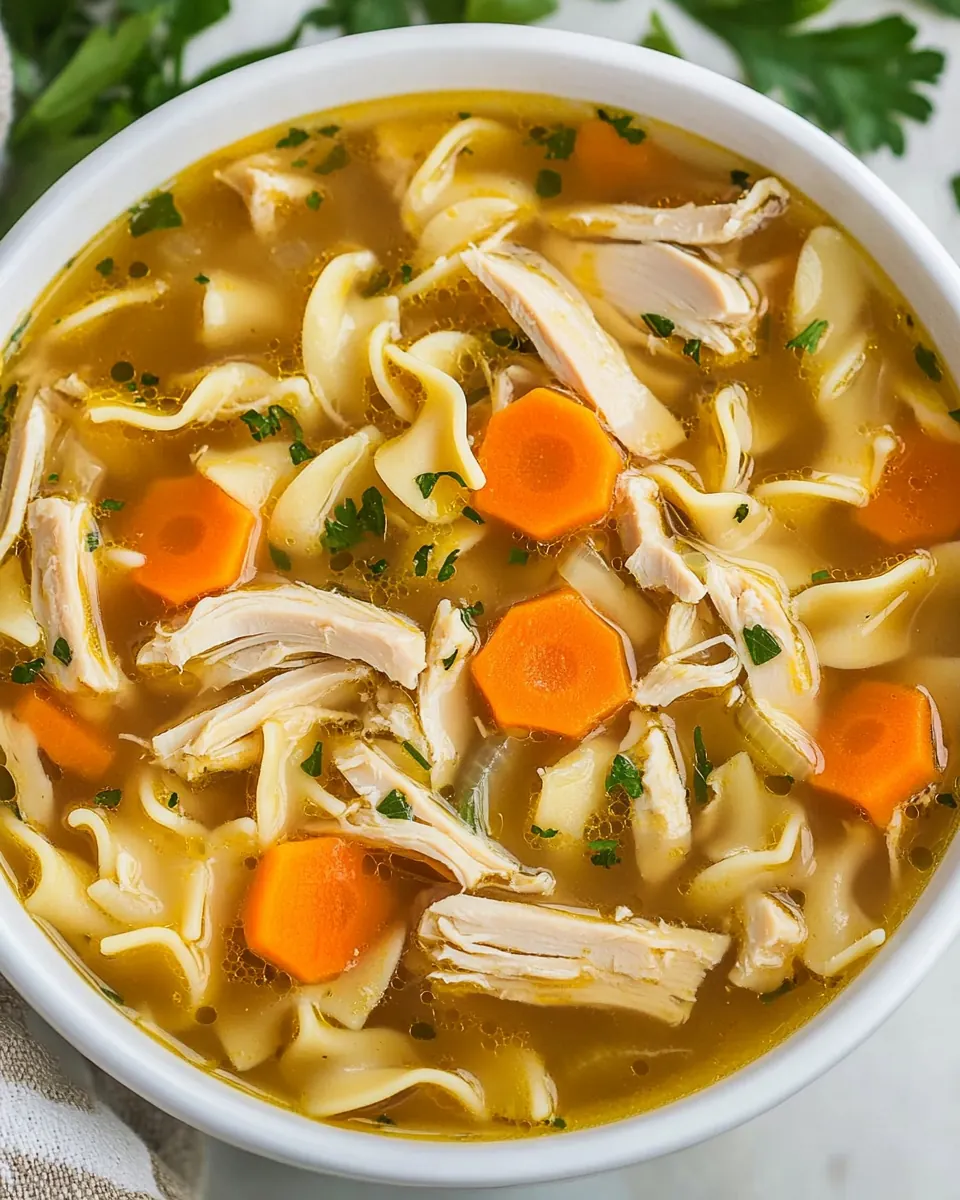
Leftover Turkey Noodle Soup
Leftover Turkey Noodle Soup has been my go to comfort bowl every time I have a holiday bird leftover, and the very first spoonful always brings me back to the cozy aftermath of family dinner. I remember one chilly evening when I turned a stripped carcass into something that tasted like home, the broth steaming as it filled the kitchen with savory, slow cooked aromas. That memory is the reason this recipe sits in my regular rotation, because it transforms scraps into a soul warming main with very little fuss.
There was one winter when I was nursing a cold and had nothing but a handful of leftover meat and some pantry noodles. I made this Leftover Turkey Noodle Soup and found the act of stirring the pot, tasting for seasoning, and watching the noodles soften to be oddly therapeutic. It is part ritual, part practical magic, and totally forgiving if your timings are off. I love that it stretches to feed a crowd, yet feels intimate when served in a modest bowl with a sprinkle of fresh herbs.
Recipe Snapshot
2 hr
15 mins
105 mins
Medium
250 kcal
American
Paleo, Whole30
Soups
6 Quart Dutch Oven
Why This Leftover Turkey Noodle Soup Shines
Deep homemade broth without the fuss
I often tell friends that the heart of this soup is the broth. Making stock from the turkey carcass gives a layered, roasted savoriness that store bought broths rarely match. When you simmer the carcass with onion, celery, and carrots, you extract gelatin, marrow notes, and subtle caramelized undertones, which carry through to every spoonful.
Frugal and sustainable cooking
I love how this recipe stretches every last bit of the bird. Using the carcass honors the whole animal and gives you rich flavor for minimal cost. It turns what might be kitchen waste into a substantial meal, and that practical approach is something I lean on during busy weeks.
Comforting texture and balance
The combination of tender turkey, soft cooked carrots, and al dente egg noodles creates a familiar, soothing mouthfeel. The noodles soak up just enough broth to be comforting, while still keeping structure, giving each bite contrast between meat and pasta.
Flexible and forgiving
I value recipes that let me improvise. This soup welcomes small adjustments, like a little extra water if the pot reduced too much, or a pinch more salt to brighten the flavors. It is forgiving with timing, and that makes it a reliable weeknight or post holiday option for me.
Family friendly and nostalgic
Finally, this dish is a family pleaser. It evokes the classic chicken noodle bowls of childhood, but with the distinct roasted turkey note. When I serve it, people often ask for seconds, and that is the kind of feedback that makes me return to this recipe over and over.
Ingredients Overview for Leftover Turkey Noodle Soup
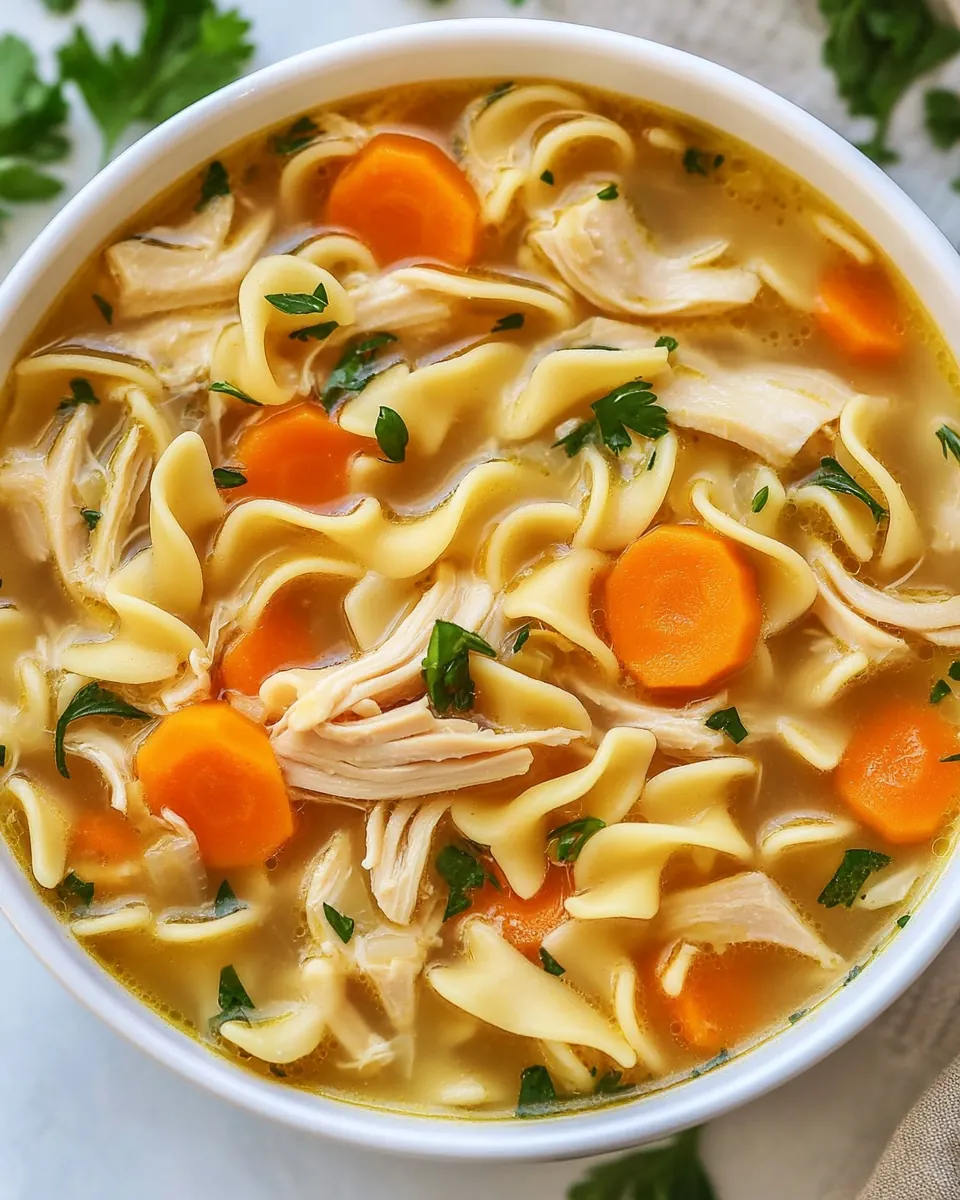
These ingredients form a simple, time tested foundation. The star is the carcass, which delivers deep stock flavor, while the onion, celery, and carrots contribute aromatic sweetness and vegetal depth. Pantry staples like egg noodles and a bouillon cube help round the bowl into a complete, cozy meal.
- 1 turkey carcass (leftover from a carved turkey, all meat removed): Provide the flavor base and structure for the broth by simmering the bones and connective tissue; extract gelatin and depth of taste from the leftover carcass over several hours to create a rich stock.
- 14 cups water: Contribute the liquid volume necessary to cover the carcass and vegetables; allow the water to carry dissolved flavors and dilute seasonings while supporting long, gentle simmering for extraction.
- 1 large onion (peeled): Add aromatic sweetness and savory depth when halved or quartered and simmered; release sulfurous and umami compounds that round out the broth’s flavor profile.
- 2 stalks celery: Impart subtle vegetal savory notes and aromatics when chopped and added to the pot; celery’s fibrous stalks also lend faint herbal bitterness that balances richer elements.
- 3 medium carrots (peeled): Bring natural sweetness and earthiness when peeled and sliced; carrots add color, natural sugars, and body that enhance the stock’s overall balance.
- 1/2 teaspoons salt (or to taste): Provide initial seasoning that enhances the natural flavors of the simmered stock; sprinkle and adjust to taste to prevent an underseasoned broth while accounting for later additions.
- 1/4 teaspoon pepper (or to taste): Introduce a mild heat and brightness to the broth when added sparingly; ground pepper helps lift flavors and add subtle warmth without overpowering the soup.
- 2 to 3 cups turkey meat (chopped, white or dark): Contribute concentrated protein and texture when chopped into bite-sized pieces; leftover turkey meat adds substance, rich flavor, and makes the soup a complete meal.
- 8 ounces egg noodles (dry): Supply starchy body and comforting texture once cooked in the broth; egg noodles absorb liquid and thicken the soup slightly while offering familiar chewiness.
- 1 bouillon cube (or 1-2 tbsp Vegeta): Boost umami and deepen savory notes when dissolved into the broth; a bouillon cube or Vegeta concentrates salt and flavor, helping to round out the stock quickly.
- 1/4 teaspoons salt (or to taste): Allow for fine-tuned seasoning of the finished soup; add this salt later to account for reduced stock and salted concentrates so the final taste is balanced.
- 1/4 teaspoon pepper (or to taste): Enhance the final flavor with a controlled amount of ground pepper; finishing pepper brightens and rounds the soup’s overall seasoning without masking delicate notes.
- 1 tablespoon parsley (chopped for garnish): Provide a fresh herbal finish when chopped and sprinkled as a garnish; parsley adds color, a light grassy note, and aromatic lift to the finished bowl.
Recipe Steps for Leftover Turkey Noodle Soup
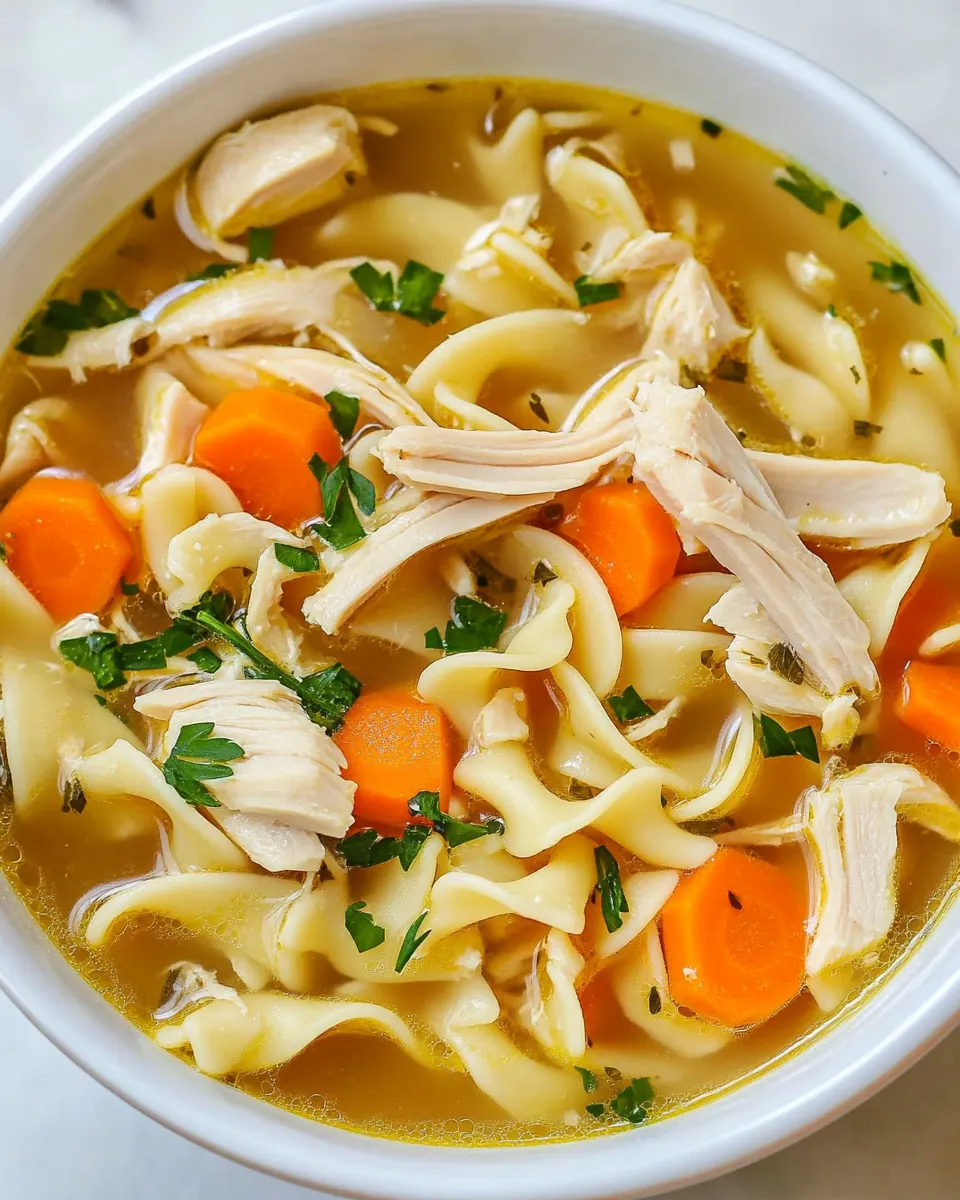
This recipe is relaxed and forgiving, but there are a few key moments to pay attention to for the best depth of flavor. I like to think of the process in two acts, first coaxing every last bit of goodness from the carcass, then finishing with the tender turkey meat and egg noodles so the textures remain distinct.
- In a large soup pot, add turkey carcass, water, onion, celery sticks and carrots. Season with salt and pepper. Cook for about 1.5 hours, covered over medium-low heat.: You will smell a savory, roasted fragrance rising as the pot warms, and small bubbles should slowly break the surface indicating a gentle simmer. This low, steady heat pulls collagen and flavor from the bones, yielding a golden, slightly viscous broth. Keep the lid slightly askew if you want a bit more evaporation, but avoid a full rolling boil which can cloud the stock. A common mistake is boiling too hard, which makes the broth muddy and sharp, so maintain medium low heat and skim any foam if it appears.
- Remove the carcass and everything else from the soup using tongs or a slotted spoon, set the carrots aside. All there should be left in the pot should be the broth. Add turkey meat and noodles to the pot. You might need to add a couple more cups of water as some of it may have evaporated. Chop the cooked carrots into half moons and add back to the pot. Season with salt and pepper and add the bouillon cube or Vegeta.: When you remove the solids, the broth will glisten and smell concentrated, with roasted and sweet vegetable notes. Adding the turkey meat now lets it heat through without overcooking, preserving tenderness. If the broth reduced, the surface will show more sheen and a slightly thicker mouthfeel, which is why you may add water to reach the desired volume. Stir in the egg noodles and observe them plump and soften; this visual cue tells you when they are close to done. Avoid adding too much salt at this stage because the bouillon can be salty; taste after it dissolves to adjust. A frequent pitfall is overcrowding the pot with noodles which can clump and cook unevenly, so give them space and stir gently.
- Cook for another 8 minutes until noodles are cooked. Garnish with parsley and serve.: As the noodles simmer, you will hear a gentle, steady simmer and see the broth shimmer around the pasta. The aroma becomes homier, with the bundled flavors harmonizing. After about eight minutes the noodles should be tender yet resilient to the bite, and the turkey will be warmed through, releasing tiny ribbons of protein into the broth. Finish with chopped parsley which brightens the bowl and provides a fresh contrast on the tongue. A key thing to avoid is overcooking the noodles if you plan to store leftovers; consider cooking them slightly underdone if reheating later to prevent mushiness.
Recipe Tips about Leftover Turkey Noodle Soup
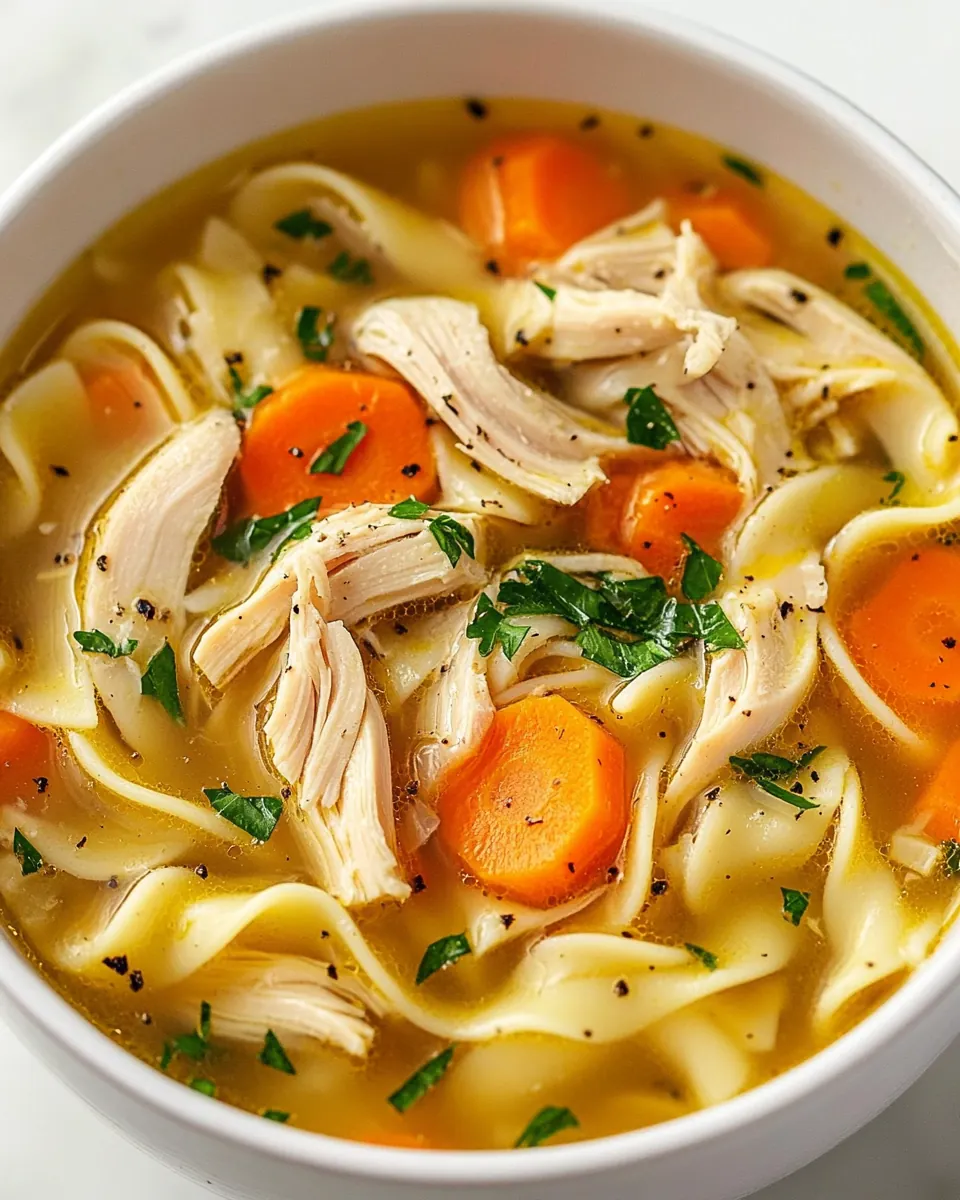
This soup rewards simple care and small adjustments. Below are focused tips I use every time I make it, expanded into practical steps you can follow along in the kitchen.
- Save and freeze carcasses, because having a frozen carcass on hand makes it effortless to make a rich broth whenever you need a comfort meal.
- Simmer low and slow, as this encourages a clear, flavorful stock by extracting gelatin without emulsifying fats into the liquid.
- Control final salt, taste the broth after dissolving the bouillon before adding more salt to avoid oversalting.
- Cook noodles separately for storage, if you expect leftovers, to preserve noodle texture when reheating.
- Add fresh herbs at the end, because delicate herbs like parsley lose brightness if simmered too long.
What to Serve With Leftover Turkey Noodle Soup
This soup is versatile and pairs well with simple sides and occasions. It works for weeknight dinners, post holiday lunches, or a comforting Ramadan iftar. Below are serving ideas and storage tips to make the bowl feel complete.
- Crusty bread, a slice of warm bread or a soft roll helps soak up the broth and adds a satisfying textural contrast.
- Light salad, a crisp green salad with a bright vinaigrette offers a fresh counterpoint to the warm savory bowl, balancing the meal.
- Simple roasted vegetables, roasted root vegetables make a hearty accompaniment on colder days and echo the soup’s caramel notes.
- Family gatherings, serve in large bowls during holidays like Thanksgiving for an easy, comforting second meal from the leftover bird.
- Storage tips, refrigerate in airtight containers for up to three days, or freeze without noodles for four to six months, adding noodles when reheating to preserve texture.
- Seasonal pairings, in fall and winter this soup shines with warm spices and herbs, while in milder months a lighter garnish of fresh parsley keeps it bright.
FAQ
Conclusion
What makes this recipe special is how it transforms a leftover carcass into a deeply flavorful, nourishing bowl that feels like a warm embrace. The combination of homemade broth, tender turkey meat, and soft egg noodles creates an effortless comfort meal that is both frugal and satisfying. I encourage you to try this recipe after your next holiday roast or whenever you have leftover poultry, because it is forgiving, adaptable, and always brings people together around the table. Serve it simply, savor the warmth, and let the familiar flavors do the rest.
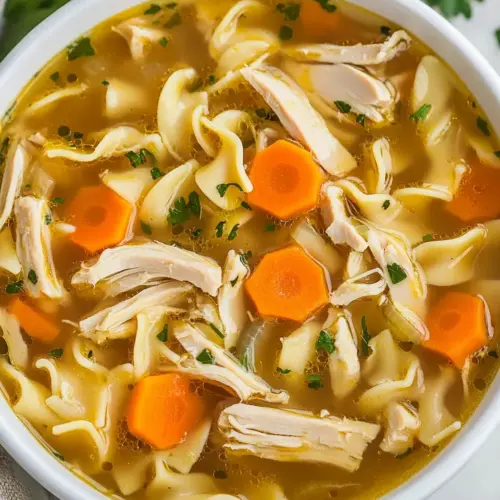
Leftover Turkey Noodle Soup
Equipment
- 6-quart Dutch Oven
Ingredients
- 1 turkey carcass (leftover from a carved turkey, all meat removed) Provide the flavor base and structure for the broth by simmering the bones and connective tissue; extract gelatin and depth of taste from the leftover carcass over several hours to create a rich stock.
- 14 cups water Contribute the liquid volume necessary to cover the carcass and vegetables; allow the water to carry dissolved flavors and dilute seasonings while supporting long, gentle simmering for extraction.
- 1 large onion (peeled) Add aromatic sweetness and savory depth when halved or quartered and simmered; release sulfurous and umami compounds that round out the broth’s flavor profile.
- 2 stalks celery Impart subtle vegetal savory notes and aromatics when chopped and added to the pot; celery’s fibrous stalks also lend faint herbal bitterness that balances richer elements.
- 3 medium carrots (peeled) Bring natural sweetness and earthiness when peeled and sliced; carrots add color, natural sugars, and body that enhance the stock’s overall balance.
- 1/2 teaspoons salt (or to taste) Provide initial seasoning that enhances the natural flavors of the simmered stock; sprinkle and adjust to taste to prevent an underseasoned broth while accounting for later additions.
- 1/4 teaspoon pepper (or to taste) Introduce a mild heat and brightness to the broth when added sparingly; ground pepper helps lift flavors and add subtle warmth without overpowering the soup.
- 2 to 3 cups turkey meat (chopped, white or dark) Contribute concentrated protein and texture when chopped into bite-sized pieces; leftover turkey meat adds substance, rich flavor, and makes the soup a complete meal.
- 8 ounces egg noodles (dry) Supply starchy body and comforting texture once cooked in the broth; egg noodles absorb liquid and thicken the soup slightly while offering familiar chewiness.
- 1 bouillon cube (or 1-2 tbsp Vegeta) Boost umami and deepen savory notes when dissolved into the broth; a bouillon cube or Vegeta concentrates salt and flavor, helping to round out the stock quickly.
- 1/4 teaspoons salt (or to taste) Allow for fine-tuned seasoning of the finished soup; add this salt later to account for reduced stock and salted concentrates so the final taste is balanced.
- 1/4 teaspoon pepper (or to taste) Enhance the final flavor with a controlled amount of ground pepper; finishing pepper brightens and rounds the soup’s overall seasoning without masking delicate notes.
- 1 tablespoon parsley (chopped for garnish) Provide a fresh herbal finish when chopped and sprinkled as a garnish; parsley adds color, a light grassy note, and aromatic lift to the finished bowl.
Instructions
- In a large soup pot, add turkey carcass, water, onion, celery sticks and carrots. Season with salt and pepper. Cook for about 1.5 hours, covered over medium-low heat.: You will smell a savory, roasted fragrance rising as the pot warms, and small bubbles should slowly break the surface indicating a gentle simmer. This low, steady heat pulls collagen and flavor from the bones, yielding a golden, slightly viscous broth. Keep the lid slightly askew if you want a bit more evaporation, but avoid a full rolling boil which can cloud the stock. A common mistake is boiling too hard, which makes the broth muddy and sharp, so maintain medium low heat and skim any foam if it appears.
- Remove the carcass and everything else from the soup using tongs or a slotted spoon, set the carrots aside. All there should be left in the pot should be the broth. Add turkey meat and noodles to the pot. You might need to add a couple more cups of water as some of it may have evaporated. Chop the cooked carrots into half moons and add back to the pot. Season with salt and pepper and add the bouillon cube or Vegeta.: When you remove the solids, the broth will glisten and smell concentrated, with roasted and sweet vegetable notes. Adding the turkey meat now lets it heat through without overcooking, preserving tenderness. If the broth reduced, the surface will show more sheen and a slightly thicker mouthfeel, which is why you may add water to reach the desired volume. Stir in the egg noodles and observe them plump and soften; this visual cue tells you when they are close to done. Avoid adding too much salt at this stage because the bouillon can be salty; taste after it dissolves to adjust. A frequent pitfall is overcrowding the pot with noodles which can clump and cook unevenly, so give them space and stir gently.
- Cook for another 8 minutes until noodles are cooked. Garnish with parsley and serve.: As the noodles simmer, you will hear a gentle, steady simmer and see the broth shimmer around the pasta. The aroma becomes homier, with the bundled flavors harmonizing. After about eight minutes the noodles should be tender yet resilient to the bite, and the turkey will be warmed through, releasing tiny ribbons of protein into the broth. Finish with chopped parsley which brightens the bowl and provides a fresh contrast on the tongue. A key thing to avoid is overcooking the noodles if you plan to store leftovers; consider cooking them slightly underdone if reheating later to prevent mushiness.
Notes
- Save and freeze carcasses, because having a frozen carcass on hand makes it effortless to make a rich broth whenever you need a comfort meal.
- Simmer low and slow, as this encourages a clear, flavorful stock by extracting gelatin without emulsifying fats into the liquid.
- Control final salt, taste the broth after dissolving the bouillon before adding more salt to avoid oversalting.
- Cook noodles separately for storage, if you expect leftovers, to preserve noodle texture when reheating.
- Add fresh herbs at the end, because delicate herbs like parsley lose brightness if simmered too long.
