Cauliflower Mashed Potatoes
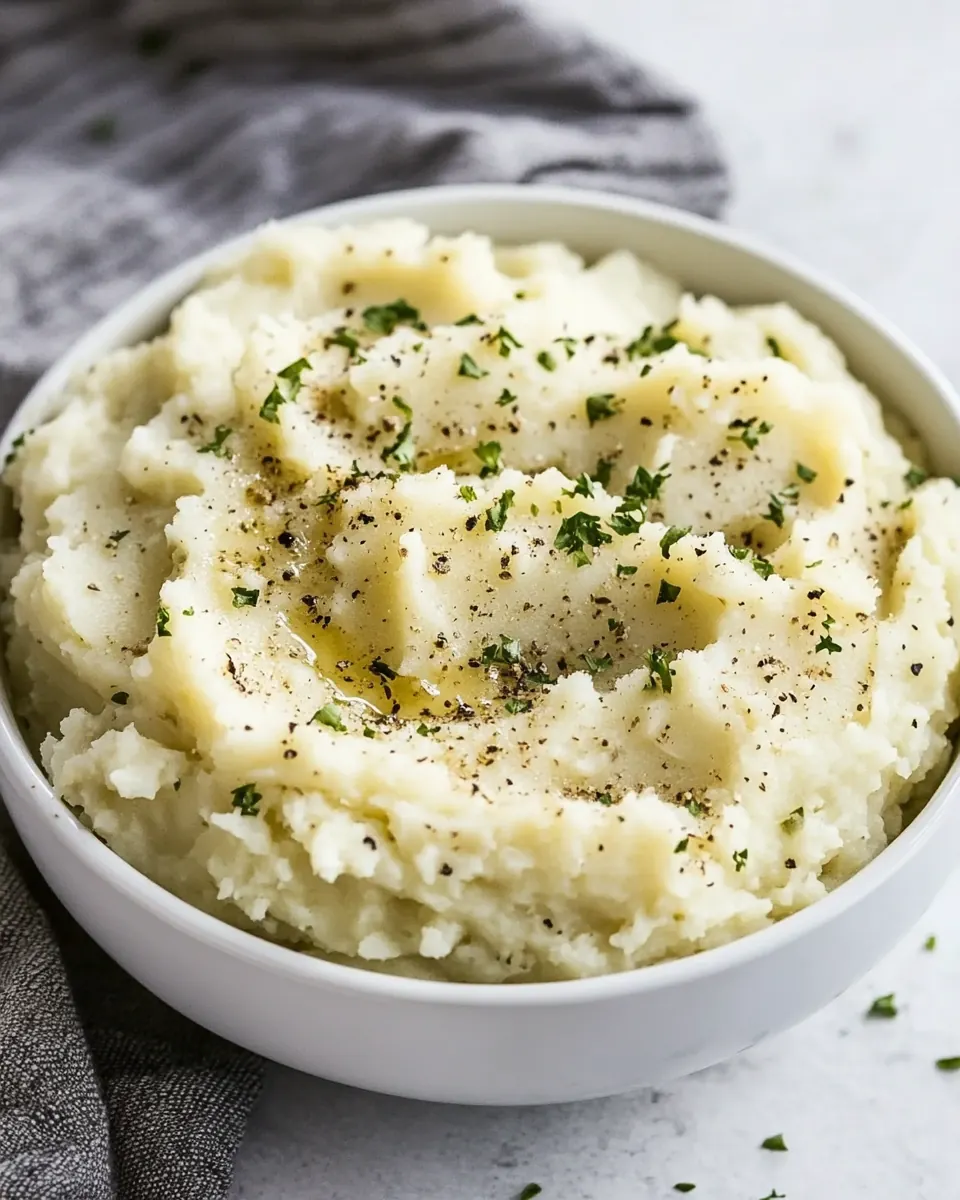
Cauliflower Mashed Potatoes is one of those recipes I turn to when I want the comfort of fluffy mash without the heaviness of traditional potatoes. The first time I made this was on a chilly winter evening when I had a head of cauliflower staring back at me from the crisper drawer, and I wanted something warm, soothing, and a little unexpected. I still remember the soft steam rising as I drained the pot, and how the kitchen filled with a mild, nutty scent as the florets softened into a creamy bed of goodness.
Over the years I’ve tweaked the balance of cream and butter, and added fresh herbs when I wanted a bright lift. What keeps bringing me back to Cauliflower Mashed Potatoes is the way it comforts without weighing you down, the lovely velvet texture you can coax out with a simple masher, and how it pairs with roasted proteins or simply a crisp salad. There is something quietly celebratory about serving this at a family table, because it feels both familiar and clever.
Recipe Snapshot
30 mins
10 mins
20 mins
Easy
150 kcal
American
Keto, Gluten-Free
Side Dishes
Potato Masher
Why We Love This Cauliflower Mashed Potatoes
Comfort without guilt
I adore how Cauliflower Mashed Potatoes gives you that silky mouthfeel you expect from mashed tubers, yet it is lighter and easier on the stomach. When I want the cozy texture of mash but with fewer carbs, this recipe steps in beautifully. The combination of cauliflower, cream, and butter creates a rich impression that is surprisingly satisfying, so guests never miss traditional potatoes.
Speed and simplicity
One reason I reach for this dish on busy evenings is how quickly it comes together. From boiling to mashing, the whole process is short and forgiving. I appreciate recipes where the technique is straightforward, and this one lets you focus on seasoning and texture. Even if you are juggling dinner and homework, you can deliver a lovely side with minimal fuss.
Versatility at the table
I love serving Cauliflower Mashed Potatoes with everything from roasted chicken to a simple grain bowl. It plays well with bold flavors because its base is mild and adaptable. Add more thyme for herbal brightness, or keep it simple and let the butter and cream shine. It’s a dependable companion for both weeknight meals and more special occasions.
Great for make ahead
This mash stores and reheats well, which makes it a favorite when I plan ahead. I’ll often chop the cauliflower a day early or reheat gently with a splash of warm cream to restore the creamy texture. That practicality is a big part of why I keep this recipe in my regular rotation.
Flavor from minimal ingredients
Finally, the ingredient list is delightfully short, which I find freeing. With only a handful of components, each one matters. The fresh thyme gives a subtle aromatic lift that elevates the whole dish, and the technique highlights the natural nuttiness of the cauliflower. For me, that clarity of flavor is a real joy.
Ingredients for Cauliflower Mashed Potatoes
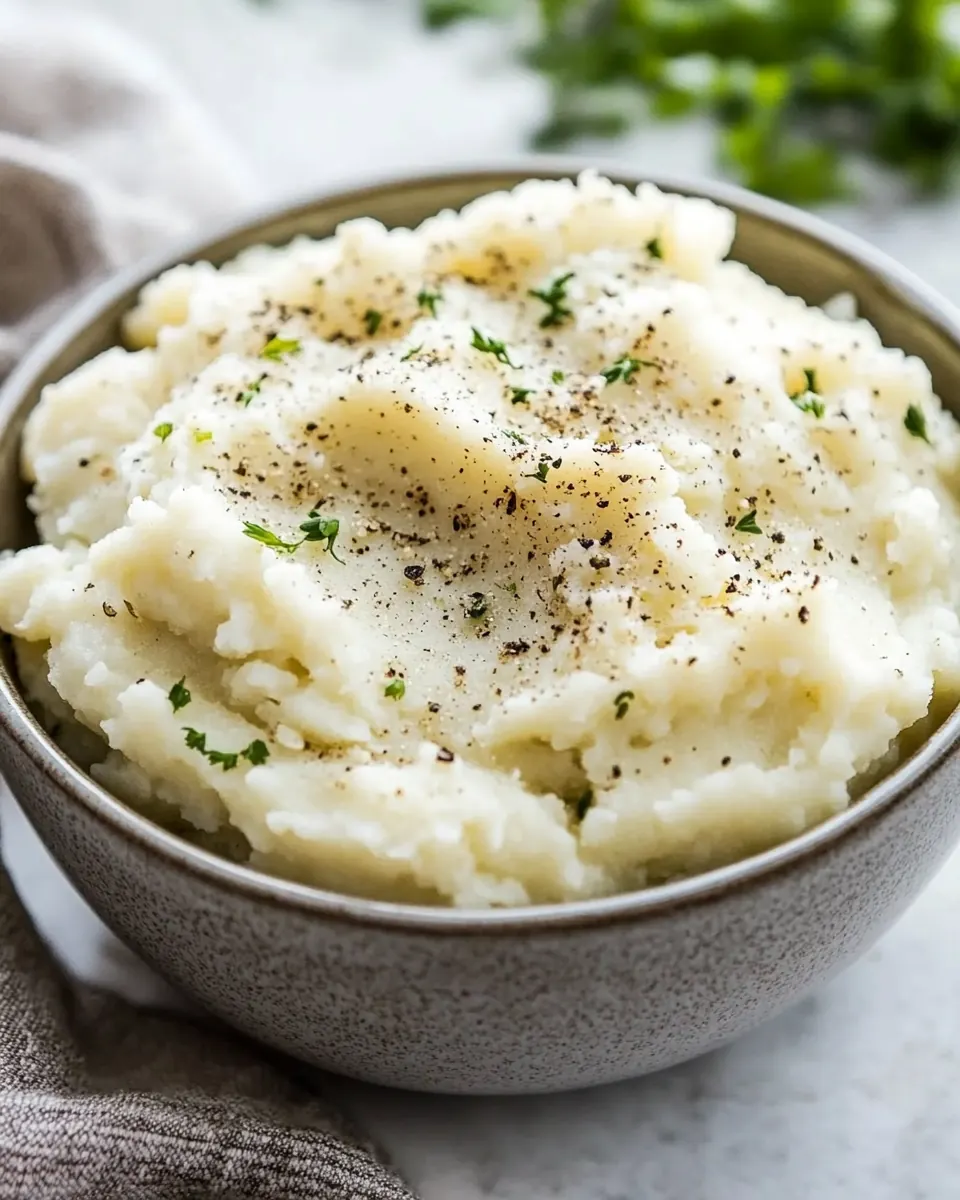
These ingredients are intentionally simple, chosen to support a creamy texture and bright, herbal lift. The philosophy is minimalism with purpose: one vegetable base, a little dairy for silk, and a touch of herb to finish. The key players are the cauliflower for body, butter and heavy cream for richness, and thyme for aroma. Together they create a balanced mash that feels indulgent yet clean.
- 3 pounds cauliflower about two medium heads, cut into florets (see note 1): Break into florets and steam or simmer until very tender to provide the creamy base and potato-like texture for the mash; use about three pounds, roughly two medium heads, for a substantial yield. Retain some cooking water if needed to adjust consistency and ensure even blending; cutting into uniform pieces speeds cooking and yields smoother results.
- 3 cups water: Tenderize in the cooking liquid to help soften cauliflower and create a poaching medium that prevents scorching; three cups of water provides enough volume to simmer the florets evenly without diluting flavor excessively. Reserve a little of the cooking liquid to loosen the mash if it becomes too thick, improving overall mouthfeel.
- Salt and freshly ground black pepper: Season generously during and after cooking to enhance natural flavors and balance creaminess; use salt and freshly ground black pepper to bring out the cauliflower’s subtle sweetness and to finish the dish with a bright, savory note. Add salt early enough to help the florets season through and finish with black pepper to maintain aromatic freshness.
- 1/4 cup heavy cream: Enrich the mash with a silky, luscious texture and add a subtle dairy flavor; a quarter cup of heavy cream helps replicate the richness of traditional mashed potatoes while keeping the mixture smooth. Warm slightly before folding in to prevent cooling the mash and to incorporate more easily for a velvety finish.
- 1/4 cup butter cut into 1/2" cubes (1/2 stick): Introduce concentrated butterfat and a silky mouthfeel by cutting a quarter cup into half-inch cubes and whisking into the hot mash until melted; this yields a glossy, rich finish and rounded flavor. Use high-quality butter for optimal taste and distribute cubes throughout to melt evenly and integrate fully.
- 1 tablespoon minced fresh thyme (or 2 teaspoons dried): Infuse fresh herbal aroma and a bright savory note by mincing about one tablespoon of fresh thyme (or two teaspoons dried) and stirring into the mash near the end of cooking. Add gradually and taste to achieve balance, as thyme complements the cauliflower without overpowering the delicate creamy base.
How to Make Cauliflower Mashed Potatoes
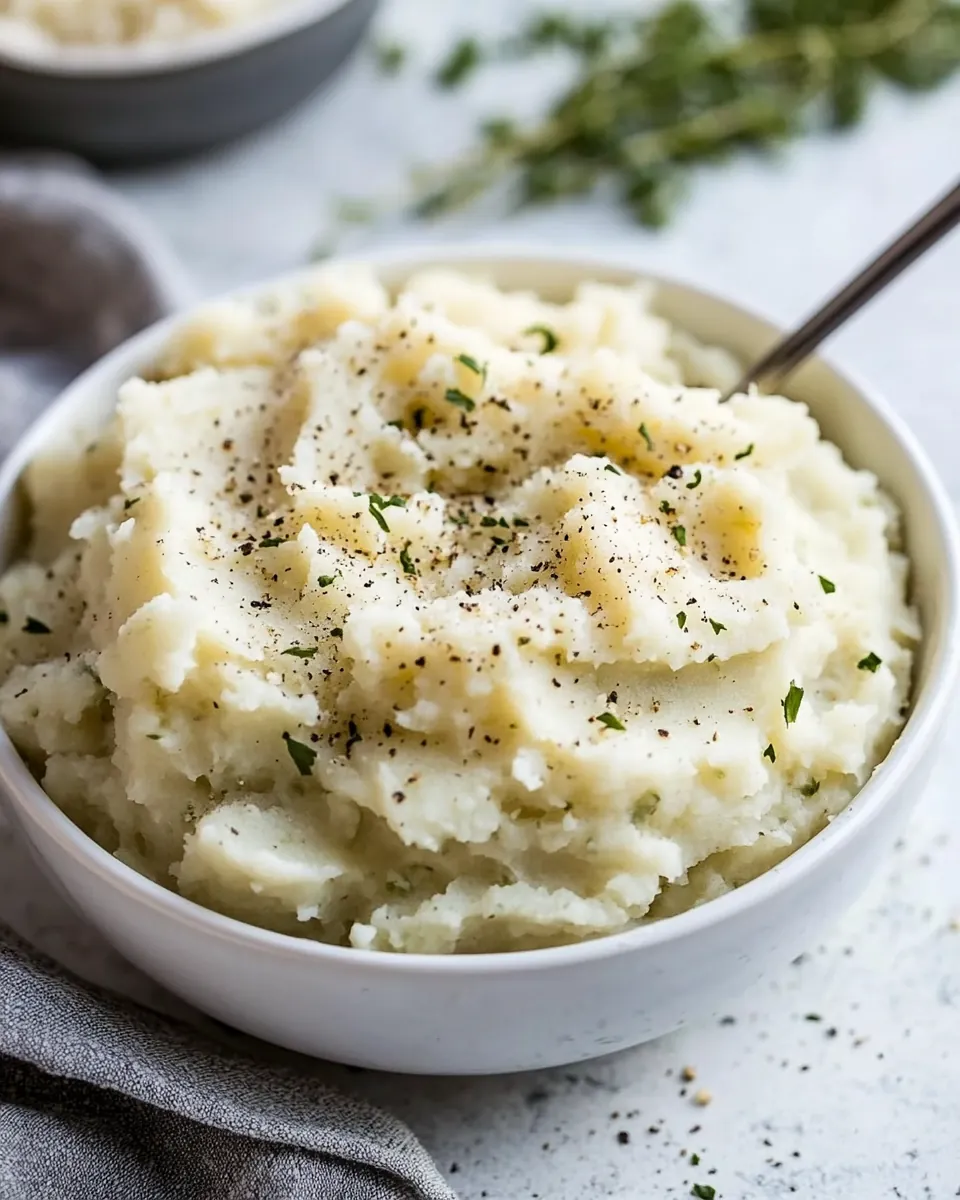
This recipe is straightforward, but the final texture depends on gentle handling and proper draining. Below I walk through each step with sensory cues and common pitfalls so you can produce reliably smooth, creamy mash every time.
- In a large saucepan, add cauliflower florets, water, and 1 tablespoon salt. Bring to a boil, reduce heat, cover, and simmer until easily pierced with a knife, about 15 minutes.: As the pot warms, you will hear a gentle rising bubble, and the kitchen will take on a light vegetal aroma. Adding salt to the cooking water seasons the cauliflower from the inside out, which keeps the final mash flavorful. A common mistake here is using an oversized amount of water which dilutes the taste and increases boiling time. Cook over medium high heat so the water reaches a steady simmer without aggressively splashing, this keeps the florets intact and prevents water loss through evaporation that can concentrate flavors unevenly.
- Drain well and return cauliflower pot. Mash well, then stir in heavy cream, butter, thyme, and salt and pepper to taste (I like 1/2 teaspoon salt and 1/4 teaspoon pepper).: You will notice the sound change from active rolling bubbles to a gentler simmer once you reduce the heat, and the edges of the florets will look translucent where they soften first. The knife should slide through with minimal resistance, indicating the cauliflower is tender. If you undercook, the mash will be grainy; if you overcook, the pieces will absorb too much water and become soggy. Stirring midway helps ensure even cooking, and keeping the lid slightly ajar prevents foaming over while conserving heat.
- Drain well and return cauliflower pot: After draining, the florets should release a little steam and the pot will feel warm to the touch. Returning them to the hot pot lets residual heat evaporate excess moisture, which helps the mash maintain a thick, fluffy texture. A common oversight is insufficient draining, which leads to a watery mash. Letting the drained florets sit in the pot for a minute or two helps any trapped liquid dissipate before mashing.
- Mash well: As you press the florets with the potato masher , listen for the soft shredding sound and watch the pieces transform from distinct bits into a cohesive mass. The aroma will become richer and more concentrated as cell walls break down. Proper mashing brings out natural starches and gives body. Avoid overworking the vegetable into a paste, which creates a gummy mouthfeel. Stop when there are no large chunks but the texture still reads airy.
- Stir in heavy cream: The moment you add the warm heavy cream , you should see the mixture take on a silkier sheen and hear a gentle plop as the liquid incorporates. Warm the cream slightly before adding if possible, because cold cream can cool the mash and make it less cohesive. If the mash seems too stiff, a touch more warmed cream loosens it without losing structure. A frequent error is adding cold dairy directly, which can cause separation and a less inviting texture.
- Stir in butter: As you fold in the cubed butter , the mash will develop a glossy finish and a richer aroma. The butter melts into small pockets, giving bursts of savory flavor as you eat. Stir gently to distribute the butter evenly so you don’t deflate the airy texture. Overzealous stirring can make the mash dense rather than light, so take your time and fold until just combined.
- Stir in thyme: Adding the minced thyme releases an herbaceous perfume that complements the cauliflower . The small green flecks add visual interest and a layered flavor profile. If using dried thyme, mix it earlier to allow it to rehydrate and release flavor. Be cautious not to add too much, because the herb can overwhelm the delicate base, a mistake I’ve made more than once when going heavy handed with aromatics.
- Season with salt and pepper to taste: Tasting at this stage is crucial, because the seasoning will balance the creamy and buttery notes. Start with modest amounts and adjust gradually, noting how the flavors open up after resting for a minute. A good rule is to add seasoning, stir, then taste again when warm; flavors often mellow or intensify upon standing. Watch out for over seasoning, which is hard to reverse without diluting the mash.
- Serve warm: When plated, the mash should feel pillowy and warm to the touch, releasing a gentle steam and a mild creamy aroma. Serve immediately so you enjoy the ideal texture and temperature. If you must hold it, keep the pot over very low heat and stir occasionally to maintain consistency. Reheating too vigorously is a common error, as high heat can break the emulsion and make the mash grainy.
- Adjust texture if needed: If the mash is thicker than you prefer, a splash of warmed heavy cream or a tiny knob of butter will restore silkiness, and gently folding keeps the texture airy. If it feels too loose, let it sit uncovered briefly in the warm pot to evaporate excess moisture. Overcorrecting by adding too much liquid is a frequent misstep, so add sparingly and adjust gradually.
Tips and Tricks about Cauliflower Mashed Potatoes
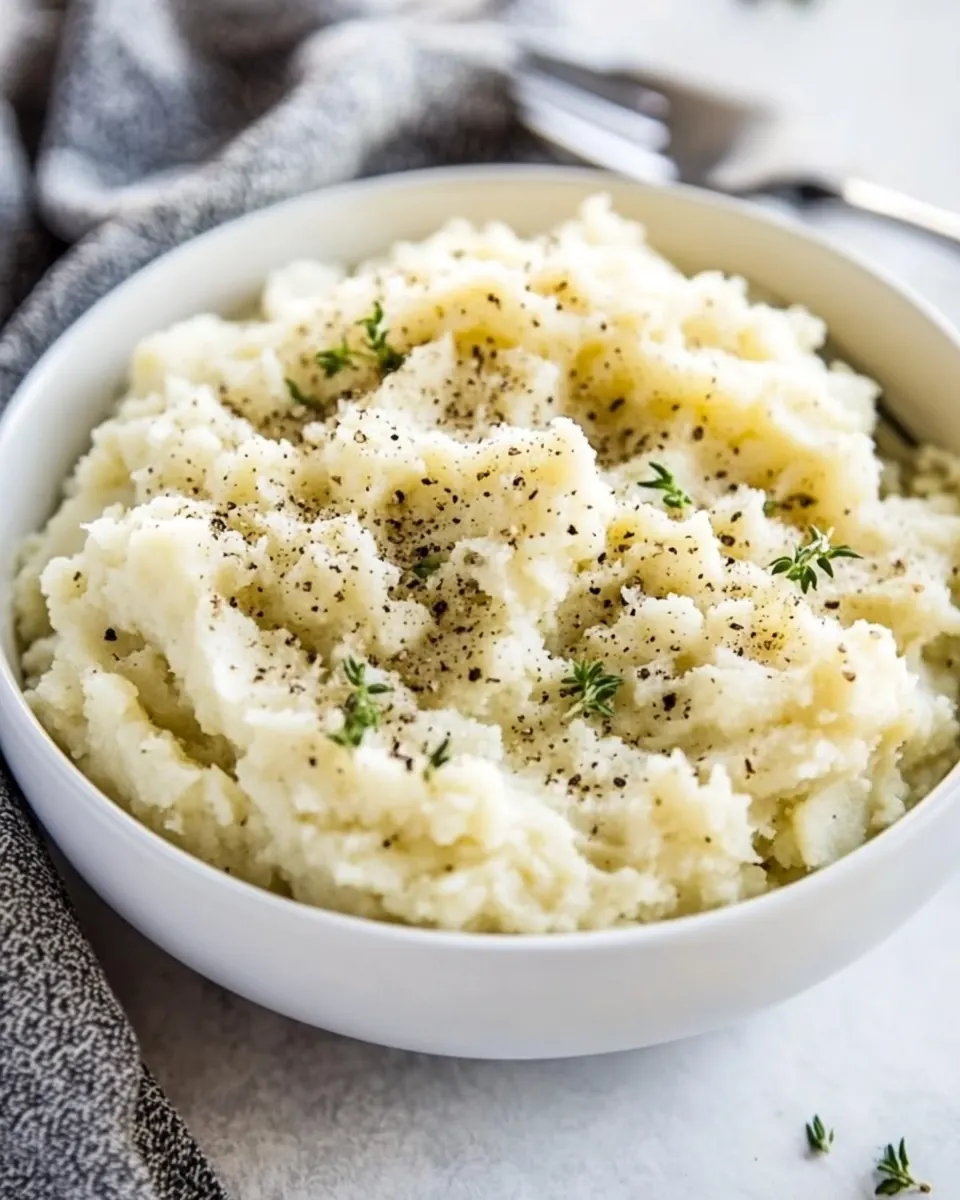
I developed these tips from years of testing so you can hit the right texture and flavor every time. Below you will find practical suggestions that address timing, texture, and reheating, each expanded into actionable advice.
- Warm your dairy before adding it to the mash to maintain a cohesive, silky texture and to avoid cooling the mixture which can make it less smooth.
- Drain thoroughly after boiling the cauliflower, then return to the hot pot to let residual steam evaporate, which prevents a watery final result.
- Use fresh thyme when possible for a brighter herbal note, but if using dried, allow it to rehydrate in the warm mash to release flavor evenly.
- Mash by hand with a potato masher for the best balance of texture and control; electric tools can overwork the vegetable and create a gluey consistency.
- Adjust consistency slowly, adding small amounts of warmed heavy cream until you reach the desired silkiness, rather than pouring too much at once.
- Store and reheat gently by covering leftovers and reheating on low with a splash of warmed cream to restore creaminess, avoiding high heat that can separate the emulsion.
What Complements This Cauliflower Mashed Potatoes
Cauliflower Mashed Potatoes works as a comforting side for a variety of meals and settings. Whether you are plating a weeknight dinner or preparing a holiday spread, this mash adapts easily. Below are serving suggestions, pairing ideas, and storage notes organized for different occasions.
- Weeknight dinners: Serve alongside roasted chicken or a simple pan seared protein for a quick satisfying meal, offering a creamy element that pairs well with crisp vegetables.
- Holiday tables: Use as a lighter accompaniment on festive menus, where it offers familiar comfort while freeing up plate space for richer mains and gravies.
- Vegetarian meals: Pair with hearty roasted vegetables or a lentil stew to create a balanced, plant forward dinner with contrasting textures.
- Make ahead and storage: Store leftovers covered in the refrigerator for up to 4 days, and reheat gently with a splash of warmed heavy cream to regain silkiness.
- Seasonal pairings: In winter, serve with braised greens and roasted root vegetables; in spring, pair with lighter, lemony elements to brighten the plate.
- Presentation: Spoon into a warmed bowl and finish with a small pat of butter and a sprinkle of minced thyme for an inviting sheen and aroma.
FAQ
Conclusion
What makes this recipe special is its ability to deliver the familiar comfort of traditional mashed potatoes while staying light and approachable. The harmony of cauliflower, warm heavy cream, and glossy butter, lifted by fragrant thyme, gives you a dinner side that feels indulgent without being heavy. I encourage you to give Cauliflower Mashed Potatoes a try the next time you want something satisfying yet simple. It’s easy to make, forgiving to prepare, and a lovely way to bring vegetable forward cooking to your table with confidence and flavor.
Cauliflower Mashed Potatoes
Equipment
- Potato Masher
Ingredients
- 3 pounds cauliflower about two medium heads, cut into florets (see note 1) Break into florets and steam or simmer until very tender to provide the creamy base and potato-like texture for the mash; use about three pounds, roughly two medium heads, for a substantial yield. Retain some cooking water if needed to adjust consistency and ensure even blending; cutting into uniform pieces speeds cooking and yields smoother results.
- 3 cups water Tenderize in the cooking liquid to help soften cauliflower and create a poaching medium that prevents scorching; three cups of water provides enough volume to simmer the florets evenly without diluting flavor excessively. Reserve a little of the cooking liquid to loosen the mash if it becomes too thick, improving overall mouthfeel.
- Salt and freshly ground black pepper Season generously during and after cooking to enhance natural flavors and balance creaminess; use salt and freshly ground black pepper to bring out the cauliflower’s subtle sweetness and to finish the dish with a bright, savory note. Add salt early enough to help the florets season through and finish with black pepper to maintain aromatic freshness.
- 1/4 cup heavy cream Enrich the mash with a silky, luscious texture and add a subtle dairy flavor; a quarter cup of heavy cream helps replicate the richness of traditional mashed potatoes while keeping the mixture smooth. Warm slightly before folding in to prevent cooling the mash and to incorporate more easily for a velvety finish.
- 1/4 cup butter cut into 1/2" cubes (1/2 stick) Introduce concentrated butterfat and a silky mouthfeel by cutting a quarter cup into half-inch cubes and whisking into the hot mash until melted; this yields a glossy, rich finish and rounded flavor. Use high-quality butter for optimal taste and distribute cubes throughout to melt evenly and integrate fully.
- 1 tablespoon minced fresh thyme (or 2 teaspoons dried) Infuse fresh herbal aroma and a bright savory note by mincing about one tablespoon of fresh thyme (or two teaspoons dried) and stirring into the mash near the end of cooking. Add gradually and taste to achieve balance, as thyme complements the cauliflower without overpowering the delicate creamy base.
Instructions
- In a large saucepan, add cauliflower florets, water, and 1 tablespoon salt. Bring to a boil, reduce heat, cover, and simmer until easily pierced with a knife, about 15 minutes.: As the pot warms, you will hear a gentle rising bubble, and the kitchen will take on a light vegetal aroma. Adding salt to the cooking water seasons the cauliflower from the inside out, which keeps the final mash flavorful. A common mistake here is using an oversized amount of water which dilutes the taste and increases boiling time. Cook over medium high heat so the water reaches a steady simmer without aggressively splashing, this keeps the florets intact and prevents water loss through evaporation that can concentrate flavors unevenly.
- Drain well and return cauliflower pot. Mash well, then stir in heavy cream, butter, thyme, and salt and pepper to taste (I like 1/2 teaspoon salt and 1/4 teaspoon pepper).: You will notice the sound change from active rolling bubbles to a gentler simmer once you reduce the heat, and the edges of the florets will look translucent where they soften first. The knife should slide through with minimal resistance, indicating the cauliflower is tender. If you undercook, the mash will be grainy; if you overcook, the pieces will absorb too much water and become soggy. Stirring midway helps ensure even cooking, and keeping the lid slightly ajar prevents foaming over while conserving heat.
- Drain well and return cauliflower pot: After draining, the florets should release a little steam and the pot will feel warm to the touch. Returning them to the hot pot lets residual heat evaporate excess moisture, which helps the mash maintain a thick, fluffy texture. A common oversight is insufficient draining, which leads to a watery mash. Letting the drained florets sit in the pot for a minute or two helps any trapped liquid dissipate before mashing.
- Mash well: As you press the florets with the potato masher , listen for the soft shredding sound and watch the pieces transform from distinct bits into a cohesive mass. The aroma will become richer and more concentrated as cell walls break down. Proper mashing brings out natural starches and gives body. Avoid overworking the vegetable into a paste, which creates a gummy mouthfeel. Stop when there are no large chunks but the texture still reads airy.
- Stir in heavy cream: The moment you add the warm heavy cream , you should see the mixture take on a silkier sheen and hear a gentle plop as the liquid incorporates. Warm the cream slightly before adding if possible, because cold cream can cool the mash and make it less cohesive. If the mash seems too stiff, a touch more warmed cream loosens it without losing structure. A frequent error is adding cold dairy directly, which can cause separation and a less inviting texture.
- Stir in butter: As you fold in the cubed butter , the mash will develop a glossy finish and a richer aroma. The butter melts into small pockets, giving bursts of savory flavor as you eat. Stir gently to distribute the butter evenly so you don’t deflate the airy texture. Overzealous stirring can make the mash dense rather than light, so take your time and fold until just combined.
- Stir in thyme: Adding the minced thyme releases an herbaceous perfume that complements the cauliflower . The small green flecks add visual interest and a layered flavor profile. If using dried thyme, mix it earlier to allow it to rehydrate and release flavor. Be cautious not to add too much, because the herb can overwhelm the delicate base, a mistake I’ve made more than once when going heavy handed with aromatics.
- Season with salt and pepper to taste: Tasting at this stage is crucial, because the seasoning will balance the creamy and buttery notes. Start with modest amounts and adjust gradually, noting how the flavors open up after resting for a minute. A good rule is to add seasoning, stir, then taste again when warm; flavors often mellow or intensify upon standing. Watch out for over seasoning, which is hard to reverse without diluting the mash.
- Serve warm: When plated, the mash should feel pillowy and warm to the touch, releasing a gentle steam and a mild creamy aroma. Serve immediately so you enjoy the ideal texture and temperature. If you must hold it, keep the pot over very low heat and stir occasionally to maintain consistency. Reheating too vigorously is a common error, as high heat can break the emulsion and make the mash grainy.
- Adjust texture if needed: If the mash is thicker than you prefer, a splash of warmed heavy cream or a tiny knob of butter will restore silkiness, and gently folding keeps the texture airy. If it feels too loose, let it sit uncovered briefly in the warm pot to evaporate excess moisture. Overcorrecting by adding too much liquid is a frequent misstep, so add sparingly and adjust gradually.
Notes
- Warm your dairy before adding it to the mash to maintain a cohesive, silky texture and to avoid cooling the mixture which can make it less smooth.
- Drain thoroughly after boiling the cauliflower, then return to the hot pot to let residual steam evaporate, which prevents a watery final result.
- Use fresh thyme when possible for a brighter herbal note, but if using dried, allow it to rehydrate in the warm mash to release flavor evenly.
- Mash by hand with a potato masher for the best balance of texture and control; electric tools can overwork the vegetable and create a gluey consistency.
- Adjust consistency slowly, adding small amounts of warmed heavy cream until you reach the desired silkiness, rather than pouring too much at once.
- Store and reheat gently by covering leftovers and reheating on low with a splash of warmed cream to restore creaminess, avoiding high heat that can separate the emulsion.