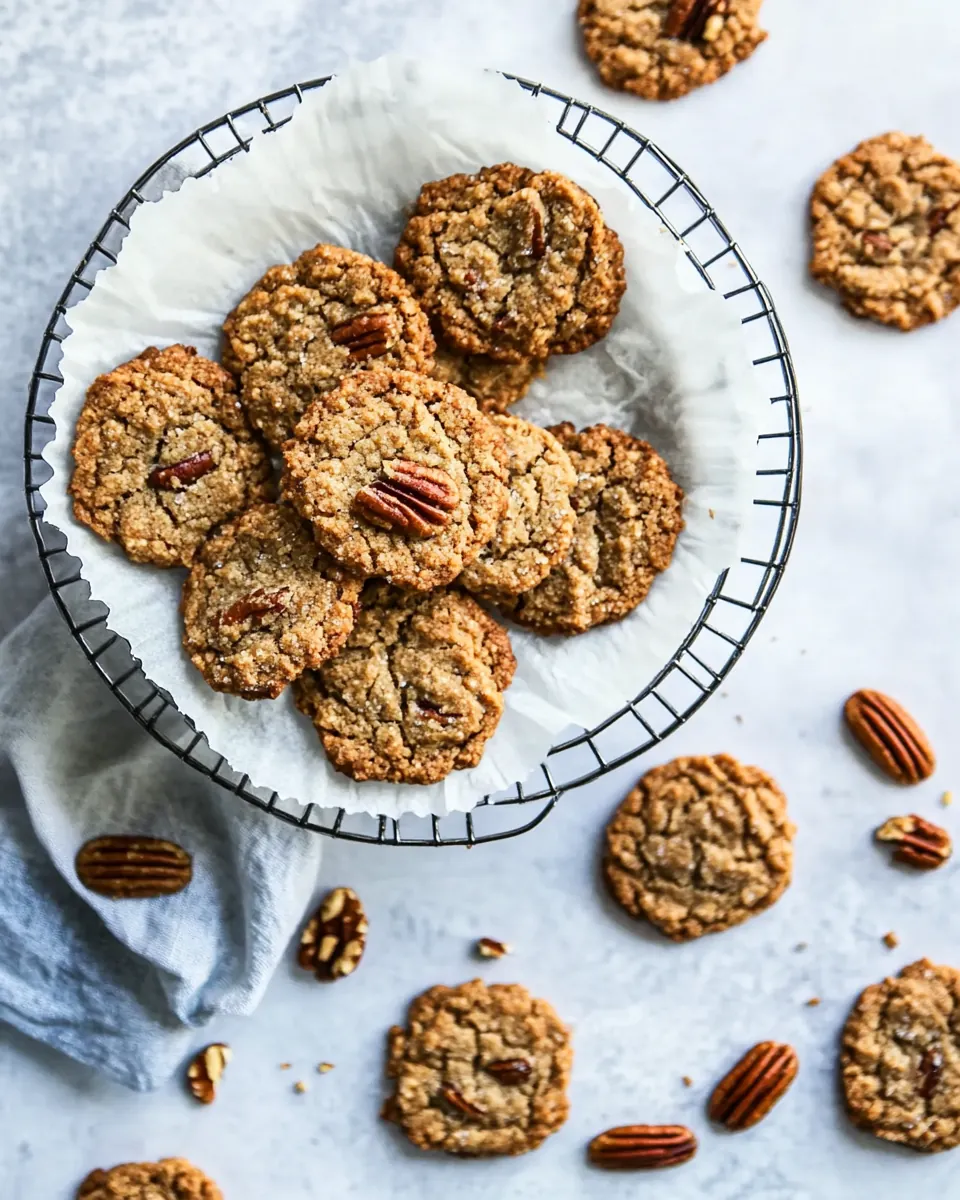
Brown Sugar Chewy Butter Pecan Cookies
Brown Sugar Chewy Butter Pecan Cookies came into my life on a rainy afternoon when I needed a small, reliable treat to lift the mood. I remember pulling a jar of pecans from the pantry and thinking I wanted something with a warm, toasty crunch and a soft, chewy center. The first batch I baked filled the house with a cozy aroma of toasted nuts and caramelized sugar, and before long the plate was dangerously low.
Since that first trial I have adapted and refined the recipe until it reliably produces tender, slightly crisp edged cookies that hold together yet melt in your mouth. I love how the combination of pecans, brown sugar, and ghee delivers a deep, buttery flavor without overpowering the delicate chew from the flours. Each time I bake these I notice small improvements, like a gentler fold that keeps the pecan pieces intact and a teeny longer cool on the sheet that finishes them perfectly.
Recipe Snapshot
25 mins
10 mins
15 mins
Easy
120 kcal
American
Gluten-Free, Low FODMAP
Desserts
Oven, Mixing bowl, Baking sheet, Parchment paper, Cookie scoop, Wire rack
Why This Brown Sugar Chewy Butter Pecan Cookies Is So Good
Toasty Pecans That Steal the Show
I adore how toasting the pecans intensifies their natural sweetness and adds a fragrant, nutty backbone to the cookies. When I toast them, the kitchen fills with a scent that immediately makes everyone gather, and those crunchy pieces contrast beautifully with the chewy dough.
Richness from Butter or Ghee
The choice of ghee or butter brings a luxurious mouthfeel and a slightly caramelized note when creamed with the brown sugar. I find the fat coats the flours, creating a tender crumb while giving the cookies a satisfying richness with every bite.
Brown Sugar for Chew and Depth
Brown sugar contributes both moisture and that unmistakable molasses undertone. I always reach for it when I want a chewy texture and a slightly caramel flavor, which is exactly what these cookies aim for.
Flours That Keep It Light Yet Structured
Using pecan flour with a small addition of coconut flour yields a dough that is sturdy enough to shape, yet soft enough to stay tender in the center. I like that this combo gives a toothsome texture and a subtle nutty taste without being dense.
Simple Technique, Big Results
The method is straightforward, which is one reason I reach for this recipe when hosting or gifting. A little attention to toasting, creaming, and gentle folding leads to impressive cookies without a lot of fuss.
Recipe Ingredients for Brown Sugar Chewy Butter Pecan Cookies
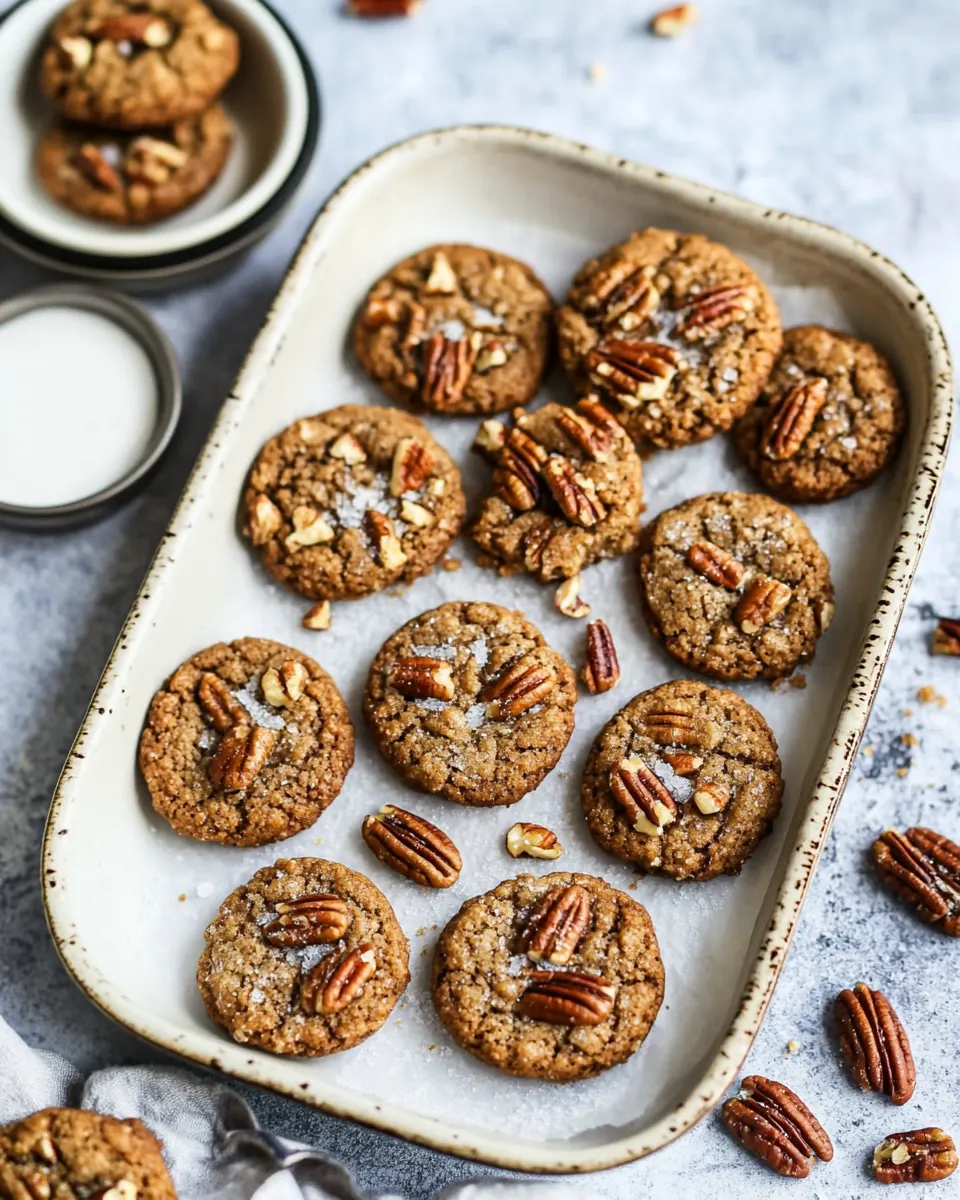
I believe a short, focused ingredient list often makes the difference between a fussy bake and an approachable favorite. These ingredients are chosen to balance chew, nutty flavor, and structure. The pecan flour provides body and a deeply nutty base, while the coconut flour soaks up just enough moisture to keep the cookies from spreading too thin. The brown sugar and optional molasses bring chew and caramel notes, and the toasted pecans add texture and a toasty finish.
- 1/2 cup pecans: Toasted and chopped, adds crunchy texture and a toasty, buttery flavor that complements the cookies. Provides small nutty pieces that contrast the chewy crumb and bloom aroma during baking.
- 1/2 cup brown sugar or coconut sugar: Packed with deep caramel-like sweetness, helps sweeten the dough while contributing moistness and a richer flavor than granulated sugar. Balances brown butter notes and enhances the cookie’s chew and color.
- 1/2 cup ghee or butter, softened at room temperature: Softened at room temperature to cream easily, supplies fat that creates tenderness, structure, and a rich mouthfeel. Promotes spread and golden edges while carrying flavor compounds throughout the cookie.
- 1 tablespoon molasses: Adds a concentrated molasses note that deepens flavor complexity and enhances the brown sugar profile for a more robust, slightly tangy sweetness. Small amount boosts color and humectant properties to keep cookies chewy.
- 1 1/2 cups pecan flour (158 g): Finely ground to provide structure and bulk with pecan flavor; contributes healthy fats and a tender, slightly crumbly texture. Replaces part of traditional flour to intensify nutty taste and support chew without gluten.
- 6 tablespoons coconut flour: Absorbs moisture and binds dough due to high fiber content, helping create a firm yet tender crumb and preventing excessive spread. Allows for thicker cookies with a soft interior and supports paleo or low-carb formulations.
- 1/4 teaspoons salt: Balances and enhances overall flavor while regulating dough chemistry; ensures the sweet and nutty components are more pronounced. Small pinch improves taste harmony and can influence texture during baking.
The Method for Brown Sugar Chewy Butter Pecan Cookies
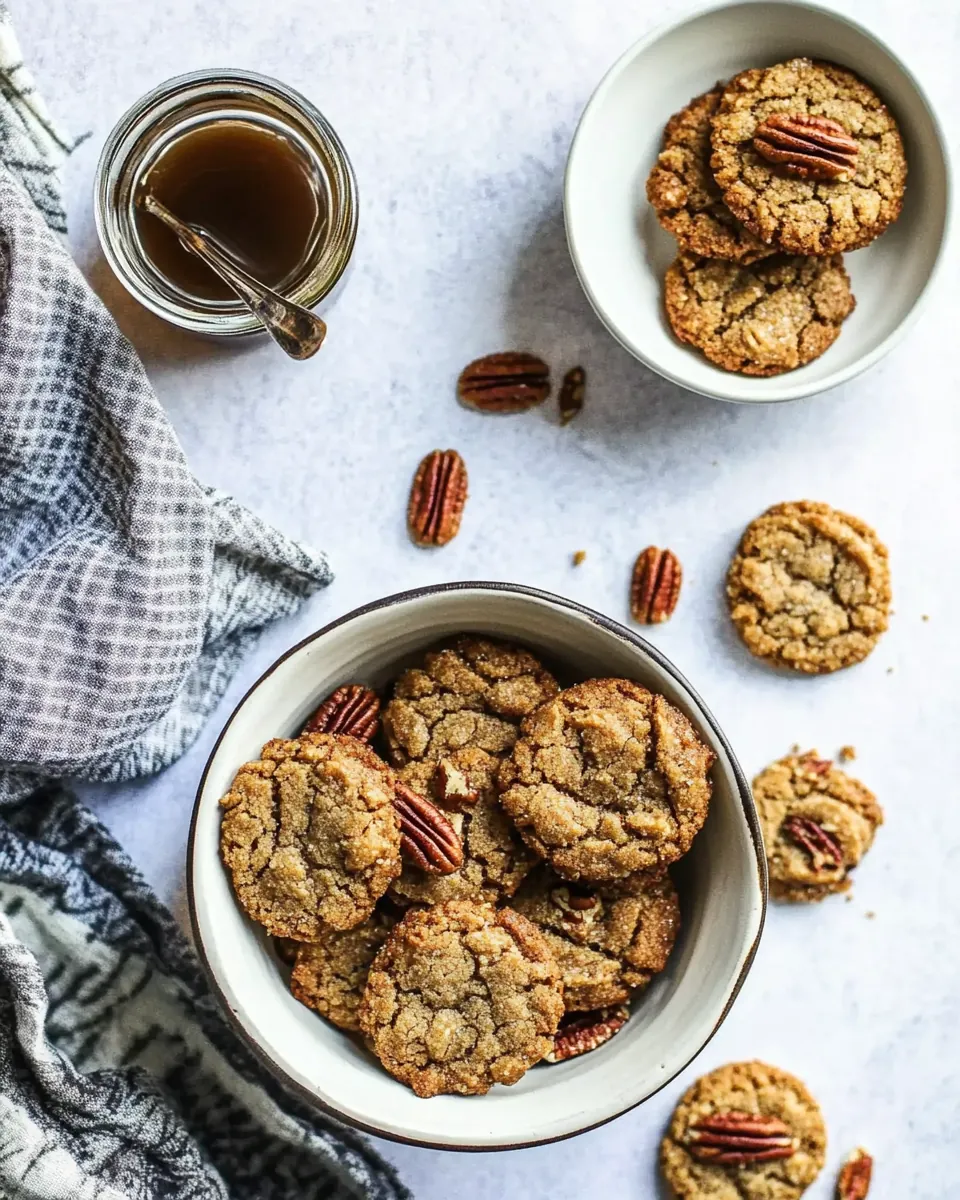
These directions are simple but each action matters for texture and flavor. I walk you through toasting, creaming, combining, portioning, baking, and cooling so the cookies come out consistent and reliably chewy with toasty pecan bits.
- Preheat oven to 350℉. Spread pecans on a small baking sheet and toast them in oven for 10 to 12 minutes, or until fragrant and nutty-smelling. Remove from oven, roughly chop, and set aside.: When you smell that faint warmth from the oven as it comes up to temperature, it signals the right environment for even baking. The oven needs to be steady so the cookies set properly and color evenly, giving gently browned edges and set centers. A common mistake is not preheating long enough, which can cause uneven spread and undercooked middles; wait until the oven reaches the full 350℉ and maintain it for a few minutes before baking.
- In a mixing bowl, beat brown sugar with softened ghee for about 1 minute, or until creamy. Add the molasses and beat again until fully combined.: You will notice a warm, aromatic scent and the pecans will turn slightly darker, producing audible tiny pops and a richer nutty aroma. Toasting removes excess moisture and concentrates oils, which deepens flavor and adds crunch. Beware of overtoasting, which can make them bitter; watch the final few minutes and stir once for even color.
- In the same bowl, add pecan flour, coconut flour, and salt. Stir until the mixture forms a well-combined dough. Gently fold the chopped toasted pecans into the dough, ensuring they are evenly distributed.: The chopped pieces should show a mix of small shards and slightly larger chunks for textural contrast. Cooling them briefly prevents them from softening the dough when folded in, and makes the pieces hold their structure. A typical error is chopping too finely, which reduces the intended crunchy contrast, so aim for varied sizes.
- Line a large baking sheet with parchment paper. Using a tablespoon or cookie scoop, portion the dough into balls and place them on baking sheet. Flatten each ball to about 1/2 inch thick.: You will feel the grainy sugar begin to dissolve into the fat, creating a smooth, glossy mixture with a faint creaming sound from the mixer. This step traps tiny air pockets that help the cookies rise slightly then settle into a chewy texture. If you overbeat until the mixture becomes too loose, the cookies can spread too much, so keep it to about a minute for the best balance.
- Bake the cookies in the preheated oven for approximately 14 minutes, or until the edges are golden brown and the tops are just set.: Molasses darkens the mixture and gives a sticky, slightly viscous sheen; mixing it in distributes that deep caramel flavor. This fusion helps the final bite have a rounded, complex sweetness. Avoid adding too much molasses or the dough will be overly wet and the cookies may flatten in the oven.
- Allow the cookies to cool on the baking sheet for 10 minutes before transferring them to a wire rack to cool completely.: As you stir, the dry ingredients will absorb moisture and the dough will come together into a cohesive mass. You might hear a quiet scraping as the flours integrate and see the mixture shift from glossy to a sturdier, matte texture. This balance is crucial; if the dough seems too crumbly, your flours may be measuring differently, so gently press to test cohesion rather than adding more fat.
- Stir until the mixture forms a well-combined dough: The dough will hold shape when pressed and feel slightly tacky, not wet. This tactile cue tells you it will flatten easily without spreading into a pancake. Rushing this step can leave pockets of dry flour, so stir until consistent color and texture are visible throughout.
- Gently fold the chopped toasted pecans into the dough, ensuring they are evenly distributed: Folding preserves the airy texture while incorporating the crunchy bits; you will see nut flecks throughout the dough. Use a spatula and fold with care so the dough remains light and not overworked. Overmixing can crush the pecan pieces and compress the dough, which reduces chewiness.
- Line a large baking sheet with parchment paper: The sheet will provide an even, nonstick surface that helps the bottoms brown evenly and prevents sticking. Parchment also makes cleanup quick and preserves the cookies' base texture. Skipping the liner can lead to uneven bottoms and sticking, so take the extra minute to line the pan.
- Using a tablespoon or cookie scoop, portion the dough into balls and place them on baking sheet: You should hear a soft thump as each ball drops onto the sheet. Keep the spacing consistent so hot air circulates and edges browns uniformly. A frequent mistake is crowding the sheet, which causes cookies to merge; leave enough room between each portion.
- Flatten each ball to about 1/2 inch thick: Press gently so the cookies bake into evenly thick discs that set correctly in the center. You will see the surface smooth slightly and the edges form a defined rim during baking. If you flatten inconsistently, some cookies will bake faster and develop harder edges while others remain underdone at the center.
- Bake the cookies in the preheated oven for approximately 14 minutes, or until the edges are golden brown and the tops are just set: As they bake, the aroma will turn richer and you may notice tiny air pockets forming on the surface. The edges should have a light golden cast while the centers remain soft; they will continue to set after removal. Removing them too early results in doughy cookies, while overbaking dries them out, so watch for those visual cues.
- Allow the cookies to cool on the baking sheet for 10 minutes before transferring them to a wire rack to cool completely: The cookies firm up as they cool, and leaving them on the sheet prevents breakage during transfer. You will sense the texture changing from soft to sliceable as the heat dissipates. Transferring too quickly can cause them to fall apart, so let the resting time do the final shaping.
Recipe Tips about Brown Sugar Chewy Butter Pecan Cookies
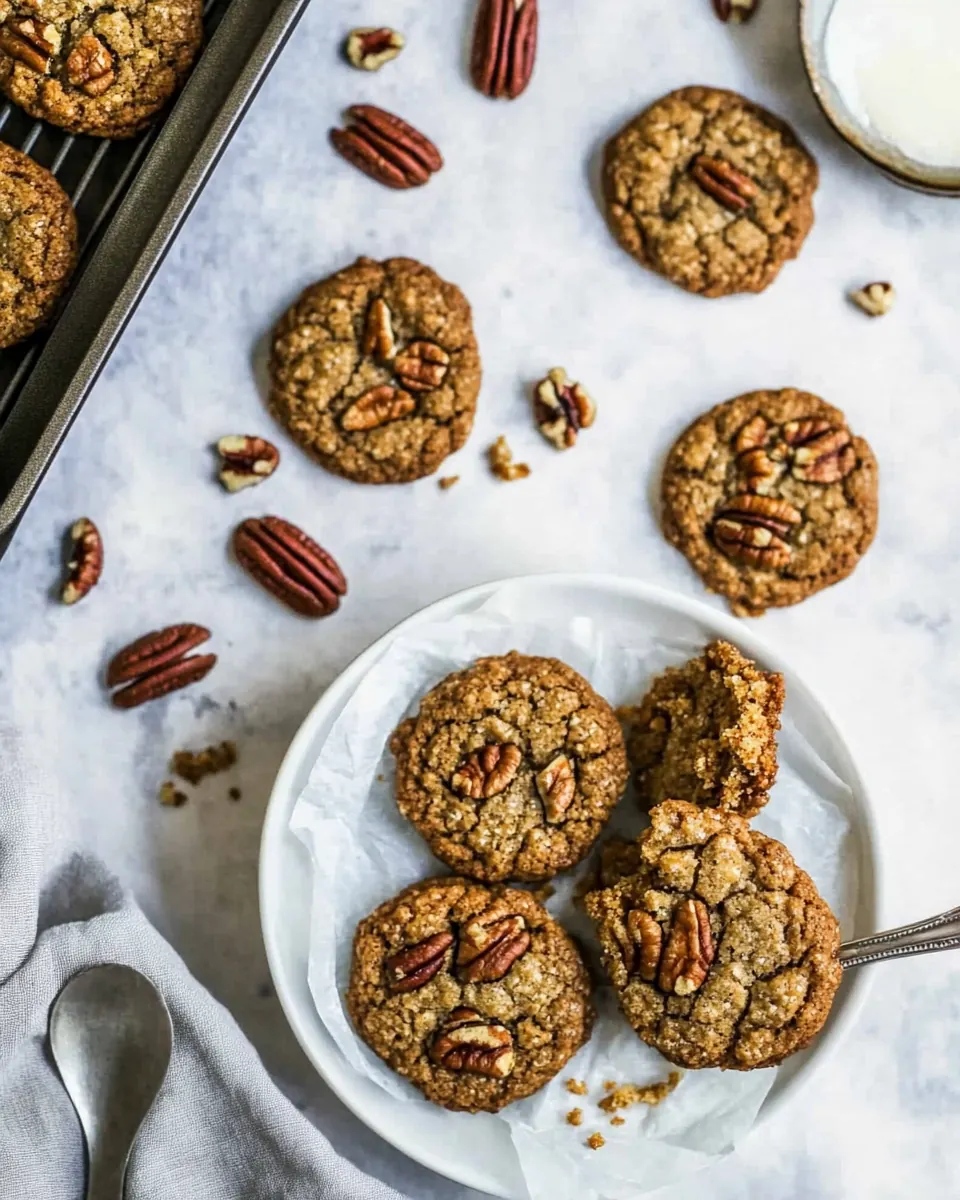
These tips will help you make the best possible batch of Brown Sugar Chewy Butter Pecan Cookies. I include practical advice that I use in my kitchen, from measuring to cooling, so you get consistent results every time.
- Toast pecans evenly by spreading them in a single layer and stirring once halfway through, this ensures uniform color and avoids burnt pieces which can make the cookie bitter.
- Room temperature fat is key, so let the ghee or butter sit until slightly soft; it should yield to a gentle finger press but not be greasy or melted.
- Measure flour carefully because coconut flour is highly absorbent; spoon it into the cup and level rather than scooping directly from the container to avoid overly dry dough.
- Use a cookie scoop for consistent sizes which helps achieve uniform bake times and predictable chewiness across the whole batch.
- Watch the edges while baking, removing cookies when the rims are golden even if the centers look slightly soft, they will finish setting on the pan.
Great Combinations for Brown Sugar Chewy Butter Pecan Cookies
These cookies pair beautifully with simple accompaniments and make a versatile treat for many occasions. Below are serving ideas and storage pointers I often use when presenting them to guests or packing them as gifts.
- Classic beverage pairing Serve warm with a cup of black coffee or a mild tea which balances the cookie sweetness and complements the toasted pecans.
- Gift boxes Stack cooled cookies with parchment separators and tie with a ribbon for an easy homemade gift that travels well.
- Party platter Arrange with other small bites for a dessert spread during fall gatherings, letting the nutty cookies act as a comforting anchor.
- Storage Keep in an airtight container at room temperature for up to four days, or freeze in a sealed bag for longer storage; thaw at room temperature before serving.
- Occasions These are ideal for cozy afternoons, holiday cookie exchanges, or packing in lunchboxes when you want a treat that stays chewy and flavorful.
FAQ
Conclusion
These Brown Sugar Chewy Butter Pecan Cookies stand out for their toasty pecan bits, buttery depth, and satisfying chew. I encourage you to give them a try because they balance simplicity with impressive flavor, making them perfect for cozy weekends or sharing with friends. Bake a small batch first to get comfortable with the texture cues, and before long you will have a reliable, crowd pleasing cookie that always brings people to the kitchen.
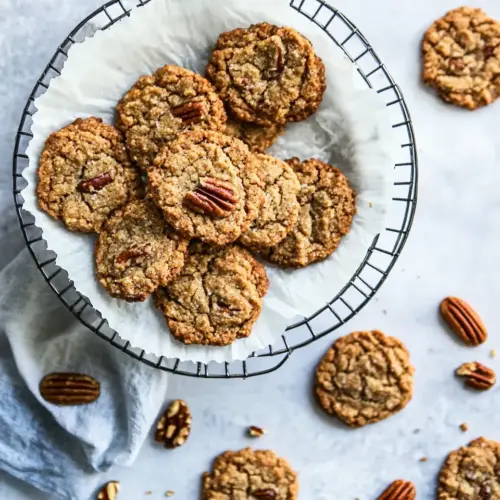
Brown Sugar Chewy Butter Pecan Cookies
Equipment
- Oven
- Mixing Bowl
- Baking Sheet
- Parchment Paper
- Cookie Scoop
- Wire Rack
Ingredients
- 1/2 cup pecans Toasted and chopped, adds crunchy texture and a toasty, buttery flavor that complements the cookies. Provides small nutty pieces that contrast the chewy crumb and bloom aroma during baking.
- 1/2 cup brown sugar or coconut sugar Packed with deep caramel-like sweetness, helps sweeten the dough while contributing moistness and a richer flavor than granulated sugar. Balances brown butter notes and enhances the cookie’s chew and color.
- 1/2 cup ghee or butter, softened at room temperature Softened at room temperature to cream easily, supplies fat that creates tenderness, structure, and a rich mouthfeel. Promotes spread and golden edges while carrying flavor compounds throughout the cookie.
- 1 tablespoon molasses Adds a concentrated molasses note that deepens flavor complexity and enhances the brown sugar profile for a more robust, slightly tangy sweetness. Small amount boosts color and humectant properties to keep cookies chewy.
- 1 1/2 cups pecan flour (158 g) Finely ground to provide structure and bulk with pecan flavor; contributes healthy fats and a tender, slightly crumbly texture. Replaces part of traditional flour to intensify nutty taste and support chew without gluten.
- 6 tablespoons coconut flour Absorbs moisture and binds dough due to high fiber content, helping create a firm yet tender crumb and preventing excessive spread. Allows for thicker cookies with a soft interior and supports paleo or low-carb formulations.
- 1/4 teaspoons salt Balances and enhances overall flavor while regulating dough chemistry; ensures the sweet and nutty components are more pronounced. Small pinch improves taste harmony and can influence texture during baking.
Instructions
- Preheat oven to 350℉. Spread pecans on a small baking sheet and toast them in oven for 10 to 12 minutes, or until fragrant and nutty-smelling. Remove from oven, roughly chop, and set aside.: When you smell that faint warmth from the oven as it comes up to temperature, it signals the right environment for even baking. The oven needs to be steady so the cookies set properly and color evenly, giving gently browned edges and set centers. A common mistake is not preheating long enough, which can cause uneven spread and undercooked middles; wait until the oven reaches the full 350℉ and maintain it for a few minutes before baking.
- In a mixing bowl, beat brown sugar with softened ghee for about 1 minute, or until creamy. Add the molasses and beat again until fully combined.: You will notice a warm, aromatic scent and the pecans will turn slightly darker, producing audible tiny pops and a richer nutty aroma. Toasting removes excess moisture and concentrates oils, which deepens flavor and adds crunch. Beware of overtoasting, which can make them bitter; watch the final few minutes and stir once for even color.
- In the same bowl, add pecan flour, coconut flour, and salt. Stir until the mixture forms a well-combined dough. Gently fold the chopped toasted pecans into the dough, ensuring they are evenly distributed.: The chopped pieces should show a mix of small shards and slightly larger chunks for textural contrast. Cooling them briefly prevents them from softening the dough when folded in, and makes the pieces hold their structure. A typical error is chopping too finely, which reduces the intended crunchy contrast, so aim for varied sizes.
- Line a large baking sheet with parchment paper. Using a tablespoon or cookie scoop, portion the dough into balls and place them on baking sheet. Flatten each ball to about 1/2 inch thick.: You will feel the grainy sugar begin to dissolve into the fat, creating a smooth, glossy mixture with a faint creaming sound from the mixer. This step traps tiny air pockets that help the cookies rise slightly then settle into a chewy texture. If you overbeat until the mixture becomes too loose, the cookies can spread too much, so keep it to about a minute for the best balance.
- Bake the cookies in the preheated oven for approximately 14 minutes, or until the edges are golden brown and the tops are just set.: Molasses darkens the mixture and gives a sticky, slightly viscous sheen; mixing it in distributes that deep caramel flavor. This fusion helps the final bite have a rounded, complex sweetness. Avoid adding too much molasses or the dough will be overly wet and the cookies may flatten in the oven.
- Allow the cookies to cool on the baking sheet for 10 minutes before transferring them to a wire rack to cool completely.: As you stir, the dry ingredients will absorb moisture and the dough will come together into a cohesive mass. You might hear a quiet scraping as the flours integrate and see the mixture shift from glossy to a sturdier, matte texture. This balance is crucial; if the dough seems too crumbly, your flours may be measuring differently, so gently press to test cohesion rather than adding more fat.
- Stir until the mixture forms a well-combined dough: The dough will hold shape when pressed and feel slightly tacky, not wet. This tactile cue tells you it will flatten easily without spreading into a pancake. Rushing this step can leave pockets of dry flour, so stir until consistent color and texture are visible throughout.
- Gently fold the chopped toasted pecans into the dough, ensuring they are evenly distributed: Folding preserves the airy texture while incorporating the crunchy bits; you will see nut flecks throughout the dough. Use a spatula and fold with care so the dough remains light and not overworked. Overmixing can crush the pecan pieces and compress the dough, which reduces chewiness.
- Line a large baking sheet with parchment paper: The sheet will provide an even, nonstick surface that helps the bottoms brown evenly and prevents sticking. Parchment also makes cleanup quick and preserves the cookies' base texture. Skipping the liner can lead to uneven bottoms and sticking, so take the extra minute to line the pan.
- Using a tablespoon or cookie scoop, portion the dough into balls and place them on baking sheet: You should hear a soft thump as each ball drops onto the sheet. Keep the spacing consistent so hot air circulates and edges browns uniformly. A frequent mistake is crowding the sheet, which causes cookies to merge; leave enough room between each portion.
- Flatten each ball to about 1/2 inch thick: Press gently so the cookies bake into evenly thick discs that set correctly in the center. You will see the surface smooth slightly and the edges form a defined rim during baking. If you flatten inconsistently, some cookies will bake faster and develop harder edges while others remain underdone at the center.
- Bake the cookies in the preheated oven for approximately 14 minutes, or until the edges are golden brown and the tops are just set: As they bake, the aroma will turn richer and you may notice tiny air pockets forming on the surface. The edges should have a light golden cast while the centers remain soft; they will continue to set after removal. Removing them too early results in doughy cookies, while overbaking dries them out, so watch for those visual cues.
- Allow the cookies to cool on the baking sheet for 10 minutes before transferring them to a wire rack to cool completely: The cookies firm up as they cool, and leaving them on the sheet prevents breakage during transfer. You will sense the texture changing from soft to sliceable as the heat dissipates. Transferring too quickly can cause them to fall apart, so let the resting time do the final shaping.
Notes
- Toast pecans evenly by spreading them in a single layer and stirring once halfway through, this ensures uniform color and avoids burnt pieces which can make the cookie bitter.
- Room temperature fat is key, so let the ghee or butter sit until slightly soft; it should yield to a gentle finger press but not be greasy or melted.
- Measure flour carefully because coconut flour is highly absorbent; spoon it into the cup and level rather than scooping directly from the container to avoid overly dry dough.
- Use a cookie scoop for consistent sizes which helps achieve uniform bake times and predictable chewiness across the whole batch.
- Watch the edges while baking, removing cookies when the rims are golden even if the centers look slightly soft, they will finish setting on the pan.