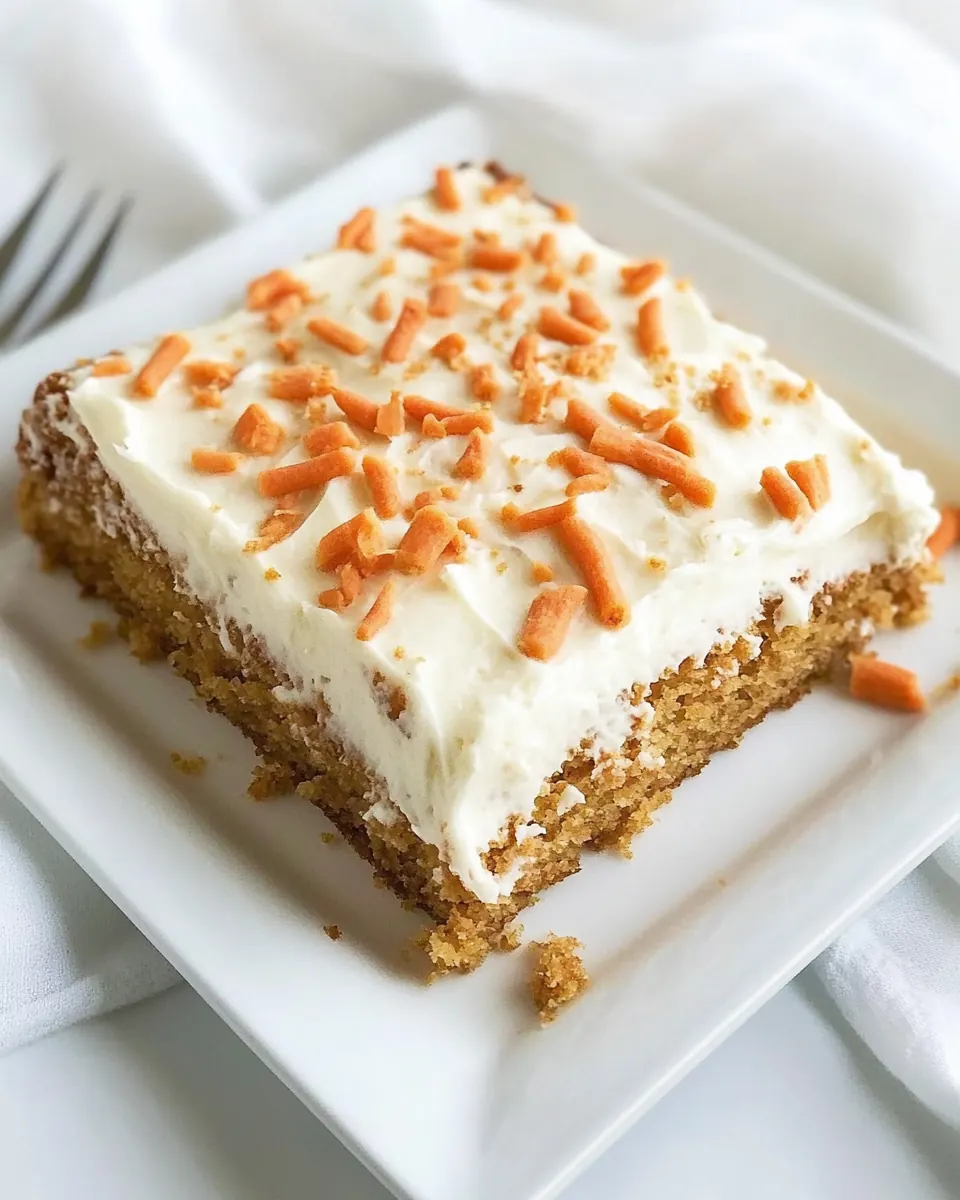
Carrot Sheet Cake
Carrot Sheet Cake has been one of those desserts I turn to when I want to bring comfort and celebration at the same time.
Years ago I brought a tray of this cake to a neighborhood potluck and watched people go back for seconds while swapping stories about their grandmothers. The batter is forgiving, and the texture is tender yet substantial, which means it travels well and sits pretty on a crowded table. I love how the natural sweetness of the carrots balances the warm spices, and how the simple cream cheese frosting transforms the whole sheet into something that feels special without fuss.
When I bake this, I often think about the Sunday mornings I spent with my family, sipping coffee while the house filled with the scent of cinnamon and baked carrots. It’s one of those recipes that invites conversation, whether you’re serving it at a casual brunch or for an Easter gathering. Over time I learned little tricks for texture and timing that make this cake reliably wonderful, and those are what I’ll share so your pan comes out tender and evenly baked. There is a rhythm to mixing and folding that makes the process almost meditative, and the reward is a large, sliceable cake that pleases a crowd.
Recipe Snapshot
40 mins
15 mins
25 mins
Medium
350 kcal
American
Gluten-Free, Low FODMAP
Desserts
13×17 inch jelly roll pan, Electric mixer, Mixing bowls, Spatula, Box grater
Why This Carrot Sheet Cake Hits Different
Moist, Crowd Friendly Texture
I adore how this cake stays moist even the next day. Because I use a generous amount of vegetable oil and freshly grated carrots, the crumb remains tender, not dry. When you cut into a slice you should see a soft, cohesive interior with tiny ribbons of carrot dispersed throughout, which is a great indicator you did not over-mix.
Simple Ingredients, Big Flavor
We rely on pantry staples like all purpose flour, sugar, and warm spices such as cinnamon and nutmeg. These ingredients build depth without any complicated techniques. I appreciate how approachable it is, you do not need special equipment or exotic items to get a cake with rounded, comforting flavor.
Fast to Make, Feels Like You Spent Hours
This recipe is efficient from start to finish. From mixing the batter to frosting the cooled cake you move through clear, simple steps. I love that you can assemble the frosting while the cake cools, and the whole project feels manageable even on a busy day.
Flexible Frosting That Pops
The cream cheese frosting offers tang to cut through the sweetness. You can adjust the powdered sugar and cream to your preferred spreadability, making the final texture spreadable or slightly firmer for piping. I find a balance that is silky and light, which complements the carrots rather than overwhelming them.
Perfect for Gatherings
Because it bakes in a sheet pan, this cake is ideal for feeding a crowd. I’ve served it at brunches, potlucks, and holiday tables. It slices cleanly into uniform pieces which makes plating and portioning easy, and its flavor profile pleases a variety of tastes.
What to Buy for Carrot Sheet Cake
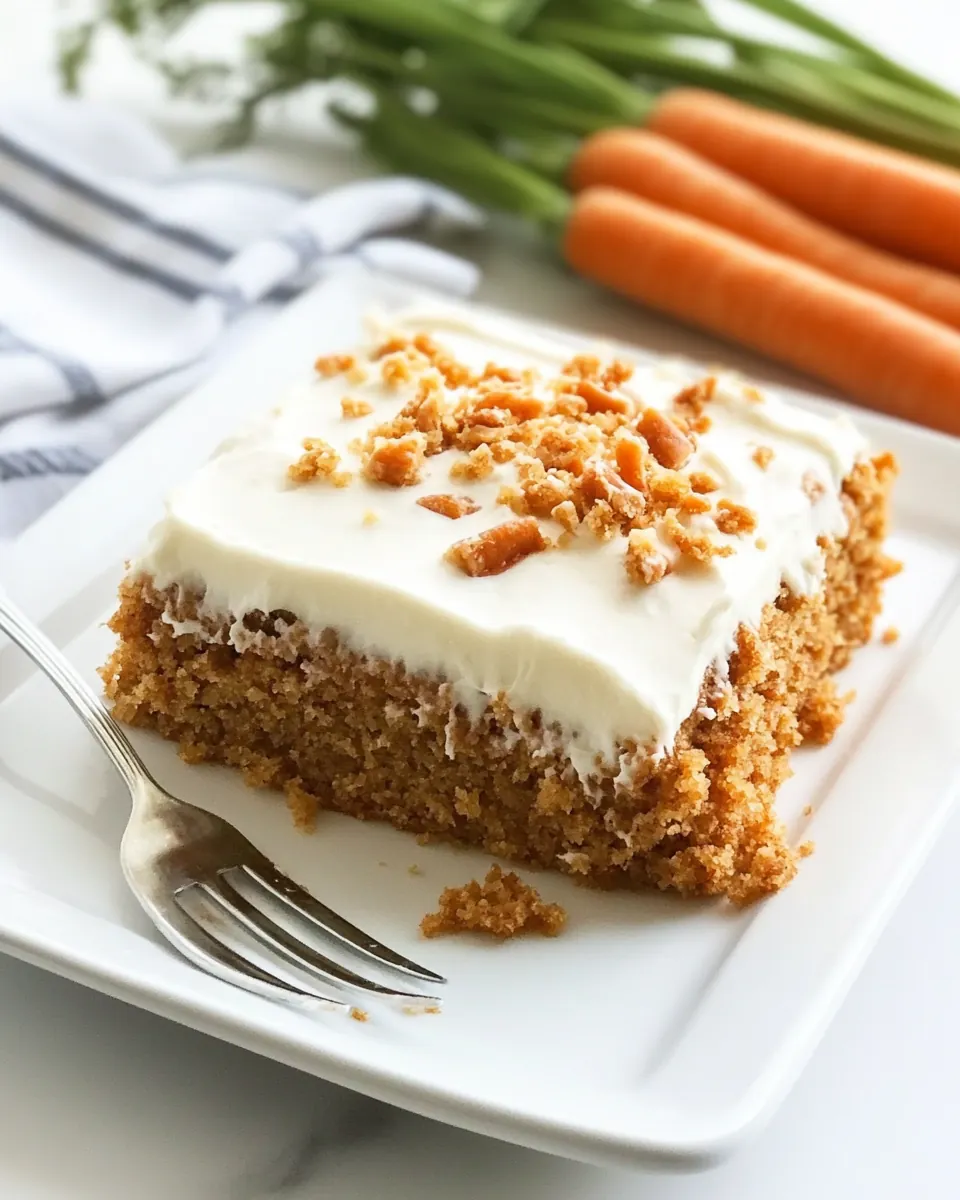
These ingredients come together with a clear purpose. The dry players give structure, the wet ingredients create tenderness, and the carrots provide moisture and natural sweetness. The frosting ingredients add richness and a gentle tang, rounding the cake into a classic finish. Focus on freshly grated carrots and room temperature dairy for the best, most consistent texture.
- 2 cups all-purpose flour spooned and leveled: Measure precisely and provide the cake's structure and bulk; all-purpose flour combines with leaveners to create the crumb and texture when properly spooned and leveled to avoid overpacking.
- 1 1/2 teaspoons baking powder: Leaven gently and help the cake rise by releasing carbon dioxide when combined with wet ingredients; baking powder also lightens the crumb and balances batter density.
- 1 1/2 teaspoons baking soda: React with acidic ingredients to produce lift and a tender crumb; baking soda promotes browning and ensures the cake rises evenly.
- 2 teaspoons cinnamon: Flavor warmly and add aromatic depth throughout the cake; cinnamon complements the carrots and spices for a classic carrot cake profile.
- 1/4 teaspoon ground nutmeg: Season subtly with warm, nutty aroma; ground nutmeg adds complexity and background spice to the overall flavor.
- 1/2 teaspoon salt: Enhance overall taste and control yeast or chemical reactions; salt balances sweetness and strengthens gluten in small amounts.
- 1 cup vegetable oil: Provide moistness and tender crumb through fat content; vegetable oil keeps the cake soft and extends freshness.
- 1 cup sugar: Sweeten and contribute to texture and caramelization; granulated sugar helps tenderize batter and supports browning.
- 3/4 cup brown sugar: Add deep, molasses-like sweetness and moisture; brown sugar contributes chewiness and richer flavor to the cake.
- 2 teaspoons vanilla extract: Impart sweet aromatic notes and enhance overall flavor; vanilla extract rounds and amplifies other ingredients' tastes.
- 4 eggs room temp: Bind ingredients and add richness with proteins and moisture; room-temperature eggs emulsify batter for uniform texture.
- 3 tablespoons sour cream (greek yogurt works too): Introduce tang and tenderness to the batter; sour cream adds moisture, slight acidity, and helps create a moist crumb.
- 2 1/2 cups grated carrots: Provide moisture, sweetness, and texture with natural sugars; grated carrots supply body, flavor, and visual appeal in the cake.
- 1/2 cup unsalted butter softened: Soften and enrich frosting or batter with creamy fat; unsalted butter allows precise control of salt and yields smoothness.
- 8 ounces cream cheese softened: Contribute tang, creaminess, and stable frosting structure; softened cream cheese provides the primary flavor and body for the frosting.
- 2 1/2 – 3 1/2 cups powdered sugar sifted: Sweeten and adjust frosting consistency while adding volume; sifted powdered sugar prevents lumps and creates a silky finish.
- 1 teaspoon vanilla extract: Enhance flavor with warm, sweet aromatic notes; added vanilla extract deepens the frosting's overall profile.
- 1 2 tablespoons heavy whipping cream as needed: Adjust frosting texture and creaminess as needed; heavy whipping cream whitens and loosens frosting for spreadability.
- 1/2 cup chopped walnuts (optional): Add crunchy texture and nutty flavor when desired; chopped walnuts offer contrast and optional garnish for the cake.
Making This Carrot Sheet Cake
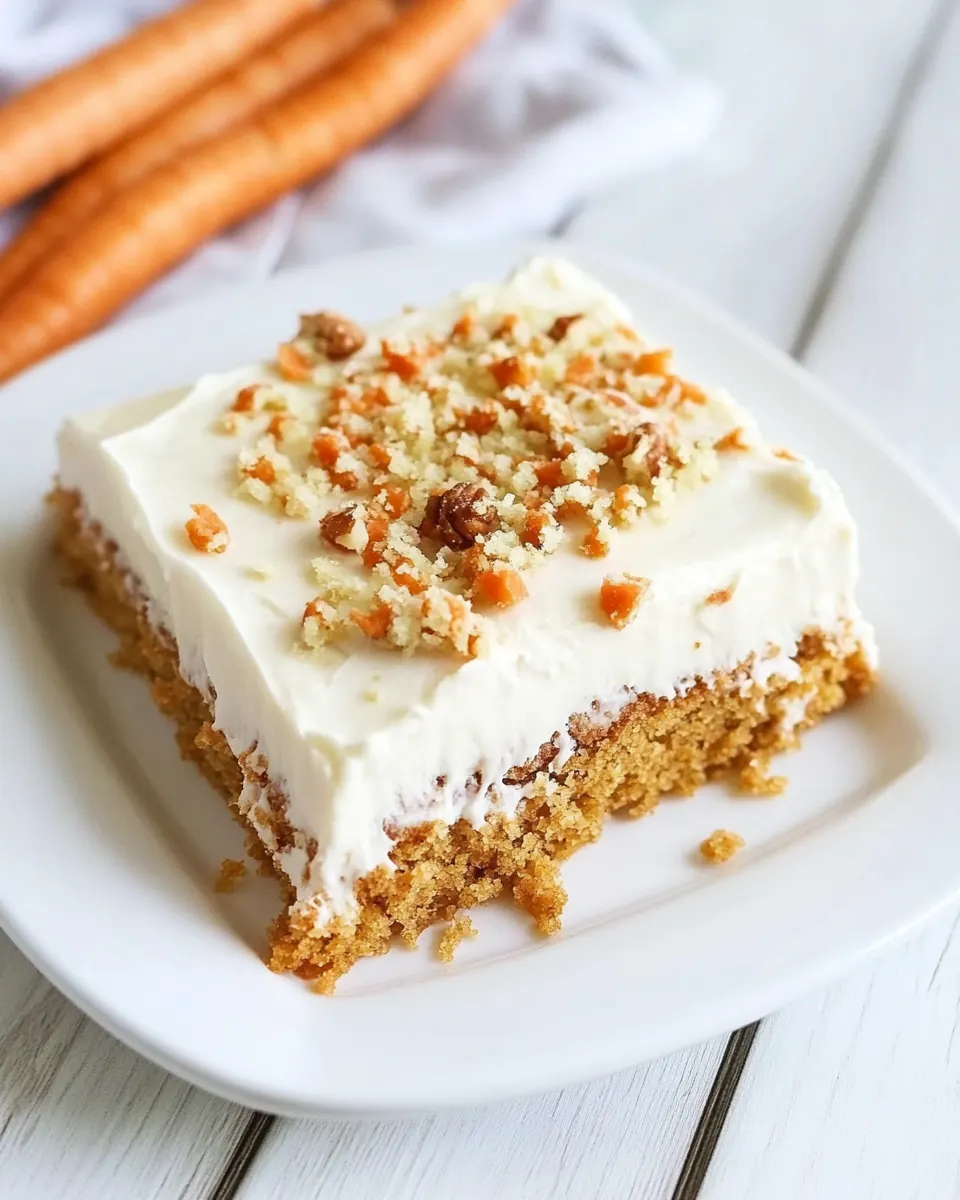
I like to walk through the process with calm focus, working from dry to wet, then combining gently. A sheet pan yields even heat distribution, and taking your time with the frosting ensures a silky finish. Below are the cleaned steps from the recipe, grown into detailed guidance so you know what to watch, smell, and feel at each point.
- Preheat the oven to 350°F. Grease and flour the bottom and sides of a 13×17-inch jelly roll pan.: The oven warming releases a faint dry heat smell that signals readiness. When you grease and flour the pan, you'll feel the texture of the oil beneath your fingers as you spread it, and a thin sheen should cover the surface. This step prevents sticking and helps the edges brown evenly. A common mistake is applying too much flour, which can create a pasty residue; aim for a light dusting. Visually, the prepared pan will appear matte rather than glossy, and it should slide easily into the oven without wobble.
- In a large bowl, whisk together the flour, baking powder, baking soda, cinnamon, nutmeg, and salt. Set aside.: As you whisk, the aromas of cinnamon and nutmeg bloom, sweet and spicy in the air. The dry mix should look uniform pale brown, sprinkled with evenly distributed specks from the spices. Sifting or vigorous whisking prevents clumps and ensures even rise later on. A frequent error is incomplete mixing, which can lead to pockets of leavening or spice; make sure the color is consistent before moving on.
- In a separate large bowl, using an electric mixer on medium speed beat together the oil and sugars until evenly combined. Beat in the eggs, vanilla, and sour cream until no sugar lumps remain. You may need to turn off the mixer and scrape down the sides of the bowl.: When the vegetable oil and both sugars come together, the mixture glows a bit, and you may notice a faint glossy sheen. As you add the eggs , the sound of the mixer shifts to a smoother, lighter whir and aromas of sweet molasses from the brown sugar deepen. Scraping down the bowl with a spatula ensures all the heavier bits are reincorporated. Watch for splatters and avoid overbeating which can trap excess air and change the crumb structure.
- With the mixer on low speed, carefully beat in the flour mixture, followed by the grated carrots. Be careful not to over-mix.: At low speed the batter will take on a more cohesive body, and you should see ribbons of carrot evenly dispersed into the batter. The sound is lower and quieter, with a gentle drag as the paddle moves through the thicker batter. Over mixing will tighten the crumb and make the cake dense; stop once you no longer see streaks of dry flour . The final batter should be homogenous and heavy enough to hold its shape briefly on the paddle.
- Pour the batter into the prepared pan, spreading it to the edges. Bake in the preheated oven for 20-35 minutes, or until an inserted toothpick comes out clean, and if you give the pan a gentle nudge the middle doesn't wobble.: As the cake bakes you will notice a warm, spiced aroma filling the kitchen and the surface turning a light golden brown. The edges will pull slightly away from the pan. A toothpick inserted in the center should be mostly clean, and a gentle nudge should leave the middle set, not jiggly. Avoid opening the oven repeatedly which drops temperature and can cause uneven rise; instead check toward the end of the bake time. If the center remains soft after the maximum time, it may need another few minutes, but watch carefully to avoid overbrowning.
- Allow the cake to fully cool in the pan before frosting.: Cooling brings down the internal temperature slowly and allows the crumb to firm so the frosting does not melt. You will notice the steam fading from the surface and the aroma settling into a more subtle note. Patience here prevents a glossy, runny frosting and keeps slices tidy. A common mistake is frosting warm cake, which creates a slick, sliding layer; wait until the pan is cool to the touch or at least until the cake is clearly room temperature.
- In a large bowl, using an electric mixer on medium speed beat together the butter and cream cheese until very well softened and evenly combined.: As you beat, textures transform to a pale, fluffy mass and the mixture will smell like rich dairy. Ensure both the butter and cream cheese are truly softened so you do not end up with lumps. The beaters will glide smoothly when the emulsion is right. If lumps persist, briefly stop and scrape the bowl, then continue at low speed to finish. Avoid running a cold mixer setting that will not combine the ingredients.
- Turn the mixer down to low speed and carefully beat in the powdered sugar, about 1 cup at a time, followed by the vanilla. Beat in the whipping cream 1 tablespoon at a time as needed, or add in a little extra powdered sugar until you reach the desired consistency.: Adding the powdered sugar gradually prevents a cloud of dust and ensures smooth incorporation. The texture will thicken as more sugar is added, and a little whipping cream softens it to a spreadable state. Taste as you go to balance sweetness and tang. Be cautious of adding too much liquid which can make the frosting runny; instead add sugar gradually to tighten the structure if needed.
- Frost the cooled cake, then decorate with chopped walnuts if desired.: When you spread the frosting, you should feel a silky resistance under the spatula, and the surface will take on a soft sheen. The taste should be tangy and sweet in balance, and chopped walnuts add a crunchy contrast. Slice with a sharp knife for clean edges. A frequent error is pressing too hard while cutting which smears the frosting, so wipe the knife between cuts for tidy pieces.
Recipe Tips about Carrot Sheet Cake
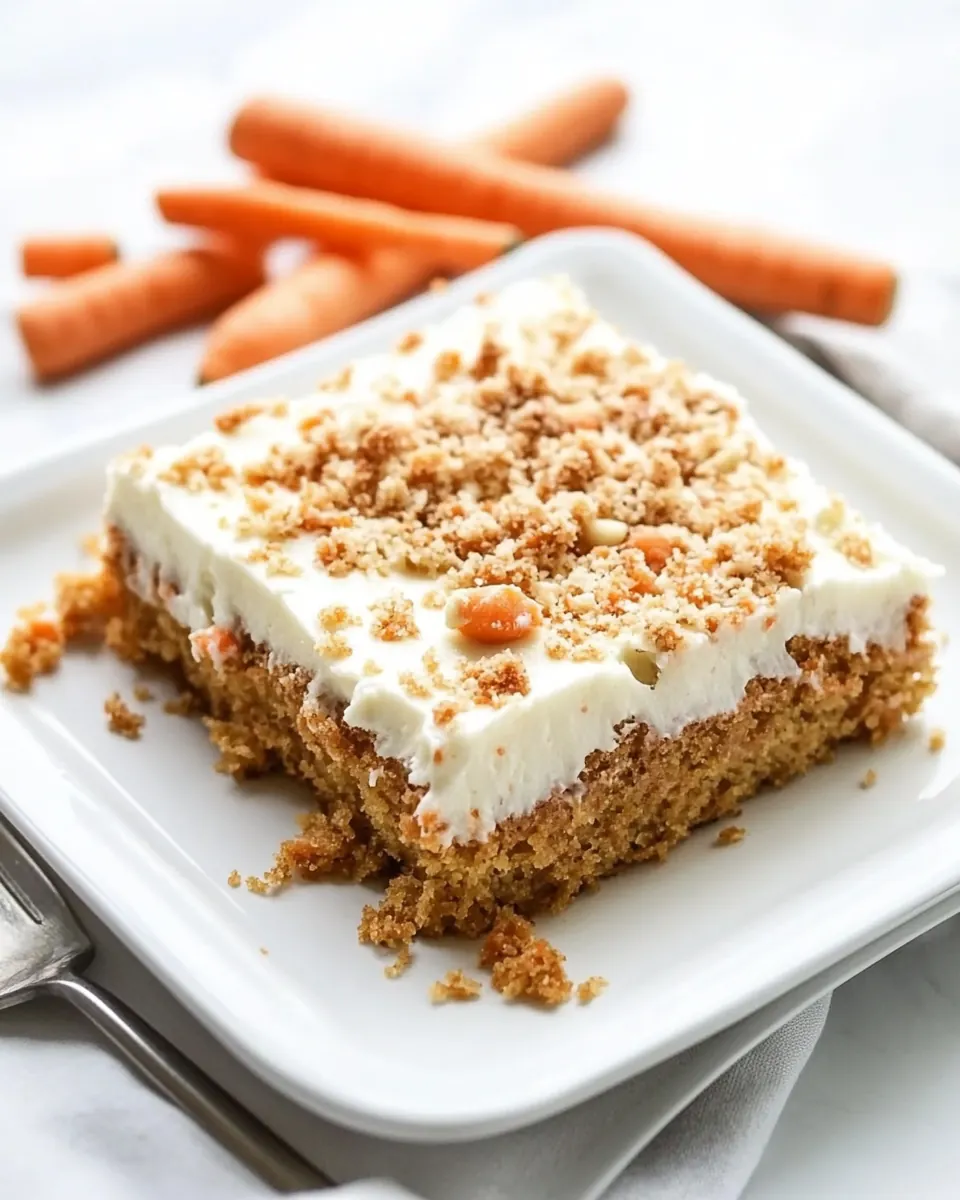
I like to offer practical tips that make the baking experience smoother and the final cake more reliable. These focus on measurement, texture, and timing so you get consistent results every time.
- Measure accurately: Use a kitchen scale for the best results, or spoon and level your flour to prevent a dry or dense cake. Accurate measuring keeps the crumb tender and ensures predictable baking time.
- Room temperature ingredients: Bring your eggs, butter, and cream cheese to room temperature so they incorporate smoothly, resulting in a uniform batter and silky frosting without lumps.
- Grate consistently: Use a box grater or food processor to grate the carrots evenly; very large chunks will create uneven moisture pockets and change the cake’s texture.
- Do not over mix: Once you add the dry ingredients, mix until combined and stop. Over mixing develops gluten and produces a tougher crumb.
- Check for doneness visually: Look for golden edges and a set center, then confirm with a toothpick. Avoid opening the oven early to keep the heat steady.
- Adjust frosting consistency: Add whipping cream by the tablespoon to reach a spreadable texture, or add more powdered sugar to stiffen it for piping.
What to Pair With Carrot Sheet Cake
This cake pairs well with simple beverages and light accompaniments. Consider the season and the occasion, and choose pairings that highlight the cake’s warm spice and creamy frosting.
- Morning brunch: Serve slices with hot coffee or milky tea for a cozy breakfast style pairing that complements the cake’s spice.
- Afternoon tea: Present with light fruit or a small bowl of fresh berries to add brightness and balance to the rich frosting.
- Holiday table: Use this as an Easter centerpiece, sliced and arranged on a platter for easy serving to guests at a family gathering.
- Storage tips: Keep the cake covered in the refrigerator for up to four days, wrapped tightly to preserve moisture, and bring to room temperature before serving for best texture.
- Seasonal twist: In fall serve with toasted chopped walnuts on top to echo seasonal flavors and add a crunchy contrast to the silky frosting.
- Portioning: Cut into uniform squares for easy serving at potlucks or pack individual slices for grab and go treats.
FAQ
Conclusion
This Carrot Sheet Cake stands out for its tender, moist crumb, warm spice notes, and tangy cream cheese frosting, making it a dependable crowd pleaser. Give it a try when you want a dessert that is easy to make, travels well, and provides comforting flavor without a lot of fuss. Whether for brunch, a holiday table, or a casual gathering, this sheet cake delivers consistent results and invites compliments, so slice a piece, share it, and enjoy the warm responses.
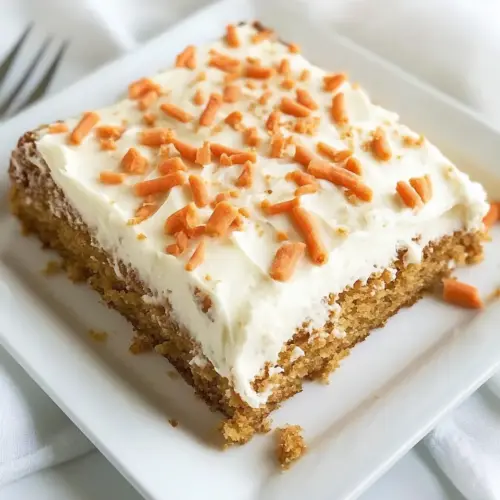
Carrot Sheet Cake
Equipment
- 13x17 inch jelly roll pan
- Electric Mixer
- Mixing Bowls
- Spatula
- Box grater
Ingredients
- 2 cups all-purpose flour spooned and leveled Measure precisely and provide the cake's structure and bulk; all-purpose flour combines with leaveners to create the crumb and texture when properly spooned and leveled to avoid overpacking.
- 1 1/2 teaspoons baking powder Leaven gently and help the cake rise by releasing carbon dioxide when combined with wet ingredients; baking powder also lightens the crumb and balances batter density.
- 1 1/2 teaspoons baking soda React with acidic ingredients to produce lift and a tender crumb; baking soda promotes browning and ensures the cake rises evenly.
- 2 teaspoons cinnamon Flavor warmly and add aromatic depth throughout the cake; cinnamon complements the carrots and spices for a classic carrot cake profile.
- 1/4 teaspoon ground nutmeg Season subtly with warm, nutty aroma; ground nutmeg adds complexity and background spice to the overall flavor.
- 1/2 teaspoon salt Enhance overall taste and control yeast or chemical reactions; salt balances sweetness and strengthens gluten in small amounts.
- 1 cup vegetable oil Provide moistness and tender crumb through fat content; vegetable oil keeps the cake soft and extends freshness.
- 1 cup sugar Sweeten and contribute to texture and caramelization; granulated sugar helps tenderize batter and supports browning.
- 3/4 cup brown sugar Add deep, molasses-like sweetness and moisture; brown sugar contributes chewiness and richer flavor to the cake.
- 2 teaspoons vanilla extract Impart sweet aromatic notes and enhance overall flavor; vanilla extract rounds and amplifies other ingredients' tastes.
- 4 eggs room temp Bind ingredients and add richness with proteins and moisture; room-temperature eggs emulsify batter for uniform texture.
- 3 tablespoons sour cream (greek yogurt works too) Introduce tang and tenderness to the batter; sour cream adds moisture, slight acidity, and helps create a moist crumb.
- 2 1/2 cups grated carrots Provide moisture, sweetness, and texture with natural sugars; grated carrots supply body, flavor, and visual appeal in the cake.
- 1/2 cup unsalted butter softened Soften and enrich frosting or batter with creamy fat; unsalted butter allows precise control of salt and yields smoothness.
- 8 ounces cream cheese softened Contribute tang, creaminess, and stable frosting structure; softened cream cheese provides the primary flavor and body for the frosting.
- 2 1/2 – 3 1/2 cups powdered sugar sifted Sweeten and adjust frosting consistency while adding volume; sifted powdered sugar prevents lumps and creates a silky finish.
- 1 teaspoon vanilla extract Enhance flavor with warm, sweet aromatic notes; added vanilla extract deepens the frosting's overall profile.
- 1 -2 tablespoons heavy whipping cream as needed Adjust frosting texture and creaminess as needed; heavy whipping cream whitens and loosens frosting for spreadability.
- 1/2 cup chopped walnuts optional Add crunchy texture and nutty flavor when desired; chopped walnuts offer contrast and optional garnish for the cake.
Instructions
- Preheat the oven to 350°F. Grease and flour the bottom and sides of a 13×17-inch jelly roll pan.: The oven warming releases a faint dry heat smell that signals readiness. When you grease and flour the pan, you'll feel the texture of the oil beneath your fingers as you spread it, and a thin sheen should cover the surface. This step prevents sticking and helps the edges brown evenly. A common mistake is applying too much flour, which can create a pasty residue; aim for a light dusting. Visually, the prepared pan will appear matte rather than glossy, and it should slide easily into the oven without wobble.
- In a large bowl, whisk together the flour, baking powder, baking soda, cinnamon, nutmeg, and salt. Set aside.: As you whisk, the aromas of cinnamon and nutmeg bloom, sweet and spicy in the air. The dry mix should look uniform pale brown, sprinkled with evenly distributed specks from the spices. Sifting or vigorous whisking prevents clumps and ensures even rise later on. A frequent error is incomplete mixing, which can lead to pockets of leavening or spice; make sure the color is consistent before moving on.
- In a separate large bowl, using an electric mixer on medium speed beat together the oil and sugars until evenly combined. Beat in the eggs, vanilla, and sour cream until no sugar lumps remain. You may need to turn off the mixer and scrape down the sides of the bowl.: When the vegetable oil and both sugars come together, the mixture glows a bit, and you may notice a faint glossy sheen. As you add the eggs , the sound of the mixer shifts to a smoother, lighter whir and aromas of sweet molasses from the brown sugar deepen. Scraping down the bowl with a spatula ensures all the heavier bits are reincorporated. Watch for splatters and avoid overbeating which can trap excess air and change the crumb structure.
- With the mixer on low speed, carefully beat in the flour mixture, followed by the grated carrots. Be careful not to over-mix.: At low speed the batter will take on a more cohesive body, and you should see ribbons of carrot evenly dispersed into the batter. The sound is lower and quieter, with a gentle drag as the paddle moves through the thicker batter. Over mixing will tighten the crumb and make the cake dense; stop once you no longer see streaks of dry flour . The final batter should be homogenous and heavy enough to hold its shape briefly on the paddle.
- Pour the batter into the prepared pan, spreading it to the edges. Bake in the preheated oven for 20-35 minutes, or until an inserted toothpick comes out clean, and if you give the pan a gentle nudge the middle doesn't wobble.: As the cake bakes you will notice a warm, spiced aroma filling the kitchen and the surface turning a light golden brown. The edges will pull slightly away from the pan. A toothpick inserted in the center should be mostly clean, and a gentle nudge should leave the middle set, not jiggly. Avoid opening the oven repeatedly which drops temperature and can cause uneven rise; instead check toward the end of the bake time. If the center remains soft after the maximum time, it may need another few minutes, but watch carefully to avoid overbrowning.
- Allow the cake to fully cool in the pan before frosting.: Cooling brings down the internal temperature slowly and allows the crumb to firm so the frosting does not melt. You will notice the steam fading from the surface and the aroma settling into a more subtle note. Patience here prevents a glossy, runny frosting and keeps slices tidy. A common mistake is frosting warm cake, which creates a slick, sliding layer; wait until the pan is cool to the touch or at least until the cake is clearly room temperature.
- In a large bowl, using an electric mixer on medium speed beat together the butter and cream cheese until very well softened and evenly combined.: As you beat, textures transform to a pale, fluffy mass and the mixture will smell like rich dairy. Ensure both the butter and cream cheese are truly softened so you do not end up with lumps. The beaters will glide smoothly when the emulsion is right. If lumps persist, briefly stop and scrape the bowl, then continue at low speed to finish. Avoid running a cold mixer setting that will not combine the ingredients.
- Turn the mixer down to low speed and carefully beat in the powdered sugar, about 1 cup at a time, followed by the vanilla. Beat in the whipping cream 1 tablespoon at a time as needed, or add in a little extra powdered sugar until you reach the desired consistency.: Adding the powdered sugar gradually prevents a cloud of dust and ensures smooth incorporation. The texture will thicken as more sugar is added, and a little whipping cream softens it to a spreadable state. Taste as you go to balance sweetness and tang. Be cautious of adding too much liquid which can make the frosting runny; instead add sugar gradually to tighten the structure if needed.
- Frost the cooled cake, then decorate with chopped walnuts if desired.: When you spread the frosting, you should feel a silky resistance under the spatula, and the surface will take on a soft sheen. The taste should be tangy and sweet in balance, and chopped walnuts add a crunchy contrast. Slice with a sharp knife for clean edges. A frequent error is pressing too hard while cutting which smears the frosting, so wipe the knife between cuts for tidy pieces.
Notes
- Measure accurately: Use a kitchen scale for the best results, or spoon and level your flour to prevent a dry or dense cake. Accurate measuring keeps the crumb tender and ensures predictable baking time.
- Room temperature ingredients: Bring your eggs, butter, and cream cheese to room temperature so they incorporate smoothly, resulting in a uniform batter and silky frosting without lumps.
- Grate consistently: Use a box grater or food processor to grate the carrots evenly; very large chunks will create uneven moisture pockets and change the cake’s texture.
- Do not over mix: Once you add the dry ingredients, mix until combined and stop. Over mixing develops gluten and produces a tougher crumb.
- Check for doneness visually: Look for golden edges and a set center, then confirm with a toothpick. Avoid opening the oven early to keep the heat steady.
- Adjust frosting consistency: Add whipping cream by the tablespoon to reach a spreadable texture, or add more powdered sugar to stiffen it for piping.
