Butternut Squash Soup
Butternut Squash Soup is one of those bowls that feels like a warm welcome when I walk through the door on a crisp afternoon.
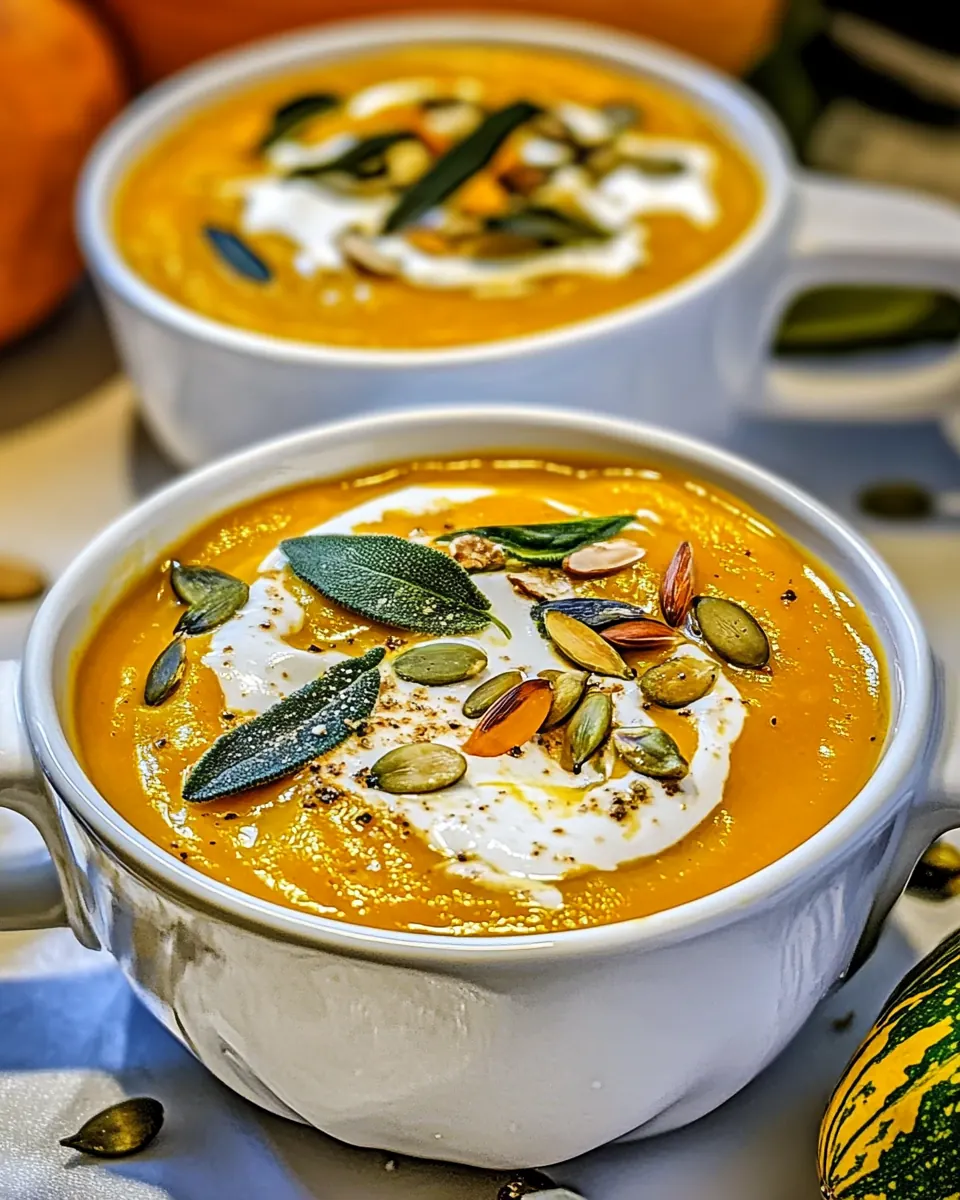
I remember the first time I roasted squash and carrots together, the kitchen smelled like a spice market, and I kept sneaking spoonfuls while the rest of the soup simmered. Over the years I tweaked the balance of sweet and savory, learned how much coconut milk to stir in for silkiness, and discovered that serving the soup in roasted squash halves makes it feel festive without being fussy. Friends always ask how I get that slightly caramelized edge on the squash, and I tell them it is worth the extra few minutes under the heat. Another habit I developed is crisping a few sage leaves for garnish, which crackle and perfume the soup at the last second.
There are seasons when this recipe is my weekday savior, and there are holiday afternoons when it becomes the proud starter to a larger feast. I prefer a simple lineup of toppings, something crunchy and something bright, to contrast the velvety base. The texture, for me, is everything, so I often choose to blend half the batch and leave the rest a bit rustic. That way each spoonful offers a mix of cream and bite. I hope this piece makes you feel like you could walk into your kitchen and start roasting, because that is where the fun begins.
Recipe Snapshot
1 hr 20 mins
20 mins
60 mins
Medium
250 kcal
American
Vegan, Gluten-Free
Soups
Oven, Baking sheet, Large pot, High speed blender
What Sets This Butternut Squash Soup Apart
Comfort in a Bowl
I love how Butternut Squash Soup wraps you up like a soft blanket. The roasted squashes and sweet potato create a naturally sweet backbone that feels indulgent without being heavy. I often reach for this recipe when I want food that soothes, but still tastes interesting.
Layered Roast Flavor
Roasting the squash halves and cubed vegetables separately builds depth. The caramelized edges from the oven add warm, almost nutty notes. I find that taking the extra time to roast gives far more complexity than simply simmering everything from raw.
Creamy Without Dairy
Using coconut milk brings a luxurious mouthfeel and a gentle tropical hint, without relying on dairy. I appreciate that this keeps the base silky and stable when reheating, and it makes the soup friendly for many diets.
Flexible Texture and Toppings
I love that you can make the soup completely smooth, partly chunky, or leave it rustic. The topping options like pumpkin seeds or pomegranate arils introduce contrast, and I personally rotate garnishes depending on mood and season.
Make Ahead and Share
This recipe plays nicely with planning. You can roast and store components, then finish the simmer and blend when you are ready. I frequently double the batch for gatherings because it scales without drama, and guests always comment on the balance of spice and sweetness.
What Goes Into Butternut Squash Soup

These ingredients work together like a small orchestra, where each player supports a unified, comforting melody. The roasted squashes and root vegetables provide sweet, earthy substance. Aromatics like onion and garlic build savory depth while herbs and warm spices add lift and complexity. Finally, coconut milk smooths everything into a silky finish that ties texture and flavor together.
- 2 medium acorn squash, halved and seeded: Halved and seeded to concentrate flavors and allow caramelization; roast flesh until tender to develop sweet, nutty notes and a deep color that enhances soup complexity.
- 1 tablespoon olive oil: Lightly coats vegetables for roasting and sautéing; contributes a subtle fruity flavor while helping to prevent sticking and promote even browning during cooking.
- 1 tablespoon granulated sugar: Sprinkled over squash before roasting to encourage caramelization and heighten natural sweetness; dissolves and forms a glossy, slightly crisped surface on the roasted pieces.
- Salt, to taste: Added sparingly to balance sweetness and enhance overall flavor; helps bring out other savory and aromatic components in the soup when adjusted to taste.
- Freshly ground black pepper, to taste: Freshly ground to provide bright, pungent heat and aromatic depth; used to season during cooking and adjusted at the end for a clean, peppery finish.
- 1 pound butternut squash, peeled and cubed into 1-inch pieces: Peeled and cut into uniform 1-inch pieces to ensure even cooking; supplies the primary creamy texture and sweet, earthy base flavor that defines the soup.
- 4 medium to large carrots, peeled and cubed into 1-inch pieces: Peeled and cubed to add natural sweetness and body; contributes vibrant color, fiber, and a mellow carrot flavor that complements the squash and sweet potato.
- 1 large sweet potato, peeled and cubed into 1-inch pieces: Peeled and cubed to supply starch and a velvety texture when pureed; adds natural sweetness and helps thicken the soup for a richer mouthfeel.
- 4 tablespoons olive oil, divided: Divided to allow initial roasting or sautéing with other vegetables and later finishing touches; supplies fat for flavor development and smooth texture in the final puree.
- 1 small to medium yellow onion, finely diced: Finely diced to create a savory aromatic foundation when softened; provides a sweet, mellow onion flavor that supports the other vegetables without overpowering them.
- 3 to 5 cloves garlic, finely minced: Finely minced to release pungent, aromatic oils and deepen savory notes; stir in toward the end of sweating aromatics to avoid bitterness and promote balanced flavor.
- 4 cups reduced sodium vegetable broth: Used as the primary cooking liquid to simmer vegetables until tender; provides depth and a controlled sodium level so the soup's flavors shine without becoming salty.
- 4 fresh sage leaves, finely chopped (or 1 teaspoon dried sage, or to taste): Finely chopped to lend an herbaceous, slightly peppery note that pairs especially well with roasted squash; can be substituted with dried sage measured appropriately.
- 2 bay leaves: Added whole to infuse a subtle layer of herbal, slightly floral aroma during simmering; remove before blending to avoid bitter bay leaf pieces in the final soup.
- 1 sprig fresh thyme, or 1/2 teaspoon dried thyme, or to taste: Used as a fresh or dried herb to introduce woody, floral undertones; ties together the root vegetables and squash with a delicate, savory aroma when simmered.
- 1 teaspoon cinnamon: Sprinkled to introduce warm, sweet-spicy complexity that complements autumnal vegetables; small amounts brighten depth without overwhelming other spices.
- 1 teaspoon salt, or to taste: Measured to provide baseline seasoning and enhance natural sweetness; can be adjusted to taste as the soup reduces and flavors concentrate.
- 1 teaspoon freshly ground black pepper, or to taste: Added to season and define the soup's final taste profile; freshly ground pepper offers brightness and a subtle heat that balances creamy elements.
- 1 cup full fat coconut milk, or as desired for consistency: Stirred in to enrich the soup with creamy, coconut richness and a silky texture; adds pleasant fat content and a subtle coconut aroma that complements the spices.
- Kale chips: Crisped and used as a crunchy garnish to add contrasting texture and concentrated leafy flavor; can be sprinkled atop each serving for visual appeal and bite.
- Pomegranate arils: Scattered over finished bowls to introduce bursts of bright, tart sweetness and jewel-like color; balances richness with acidity and fresh texture.
- Pumpkin seeds: Toasted and sprinkled to provide nutty crunch and an earthy finish; offers a nutritious garnish that complements roasted squash flavors.
- Toasted or fried sage leaves: Toasted or fried until crisp and used as a decorative, intensely aromatic garnish; lends a concentrated sage flavor and delicate crunch to each serving.
Putting Together Butternut Squash Soup
As you move from oven to pot, the kitchen fills with warming aromas and comforting textures. These steps guide you through roasting, sautéing, simmering, and blending so the final bowl is balanced in flavor and texture. Take your time to watch color and smell, because they will tell you when each stage is right.
- Preheat oven to 400 F, line a baking sheet with nonstick foil if desired for easier cleanup, spray with cooking spray; set aside.: The warm, dry heat of the oven causes sugars in the squash and vegetables to caramelize, producing a toasty, almost sweet scent that signals depth of flavor. You should notice the oven reaching a steady glow and a faint toasted aroma from the foil if used. This step matters because even heat and a hot pan jumpstart the Maillard reaction, creating the foundational flavors for the soup. A common mistake is placing cold, damp vegetables onto an oven that has not fully come to temperature, which leads to steaming rather than roasting. If your oven runs hot, rotate the baking sheet midway to prevent edges from blackening.
- Halve the squash, scoop out the seeds, brush the flesh side with olive oil, evenly sprinkle with sugar (to help caramelize it and cut the bitterness), salt, pepper, and place on the prepared baking sheet flesh side facing upwards.: When you brush the flesh with olive oil and dust the sugar, the surface begins to shimmer and will baste itself as it heats, giving those deep amber edges you want. The aroma becomes sweet and slightly nutty, and the visual clue is a glossy, bubbling skin that darkens at the ridges. This technique helps transform the squash from bland to complex, and ensures every scoop has sweet, concentrated flavor. A frequent oversight is not drying the cut surface first, which can prevent crisp browning. Also, be careful to season evenly so one side does not taste bland.
- Roast for 20 minutes. Tip– While roasting, start chopping the butternut squash, carrots, and sweet potato, and have them ready and waiting. See step 5.: The first stint in the oven warms the squash and begins the breakdown of fibers, releasing steam and concentrated aroma. The surface will soften and small beads of caramelization begin to appear, with a gentle roasted sweet scent rising in the kitchen. This intermediate roasting primes the squash so that flipping it later finishes the texture perfectly. A typical error is opening the oven repeatedly, which drops temperature and lengthens cook time, leading to uneven caramelization. Trust the time, and peek only near the end.
- Remove from the oven, and using hot mitts, flip over the acorn squash, and roast for about 25 minutes more, or until done. It should be fork-tender so that a spoon can easily scoop out the flesh. Make sure not to overcook or the squash will be mushy, collapse, and won't hold the soup.: Flipping exposes the cut flesh directly to heat, encouraging deeper browning and a buttery, caramelized surface. You will notice a rich, roasted perfume and edges that darken to gold to deep amber. This second roast helps the flesh become fork tender so it scoops easily. Be cautious when flipping hot squash, steam and hot juices can escape. Overcooking here makes the flesh collapse and become watery, which dilutes soup texture.
- At the same time that you are roasting the acorn squash halves the second time around after they've been flipped, to a separate large baking sheet lined with nonstick foil and sprayed with cooking spray for easier clean, add the cubed butternut squash, carrots, sweet potatoes, drizzle with 2 tablespoons olive oil, and season with salt and pepper, to taste. Roast for about 25 minutes, or until everything is fork-tender; toss once midway through to ensure even cooking. While you're waiting for both the acorn squash and sheet pan of vegetables to roast, move on to the next steps.: Tossing the cubed butternut squash , carrots , and sweet potato with oil and seasoning lets each cube caramelize into little pockets of concentrated flavor, creating a chorus of roasted notes. While they roast, you will smell sweet, vegetal sugars turning to toffee like hints and notice the surfaces crisping and darkening. This is essential because the varied textures from cubes versus roasted halves make the soup layered and interesting. Avoid overcrowding the pan because crowded pieces steam instead of roast, leading to pale, soft results.
- To a large Dutch oven or large pot, add 2 tablespoons olive oil, onions, and sauté over medium-high heat for about 5 minutes, or until onions are beginning to soften; stir frequently.: As the vegetables roast, they will soften and develop punctuation points of brown edges. The sound is subtle, mostly quiet crackles as sugars concentrate, and visually you will see glossy, browned patches across the pan. Tossing midway ensures every piece gets heat and color on multiple faces, producing even flavor. A common slip is skipping the toss and allowing one side to char while the other remains pale and undercooked. Use a wide spatula to turn gently so cubes keep their shape.
- Add the garlic and sauté for 1 minute, or until fragrant; stir nearly constantly. Set pot aside and wait for the roasted vegetables to finish.: Sautéing the onion in olive oil until it just softens releases sweet, savory aromatics that ground the soup. You will hear the gentle sizzle and smell the onion sweetening, which signals the right moment to add garlic. This step deepens the flavor base so the broth tastes layered rather than flat. Overheating the oil can burn the onion quickly, yielding bitter notes, so maintain medium high heat and stir often.
- Add the roasted butternut squash, carrots, sweet potatoes, broth, sage, bay leaves, thyme, cinnamon, salt, and pepper to the sautéed onions, bring to a boil, and simmer for 15 minutes.: Adding minced garlic for a short burst releases bright, pungent aromatics that complement the sweet roasted vegetables. The smell will be immediate and appealing, a slightly sharp counterpoint. This brief cook ensures garlic is fragrant without becoming bitter. The typical mistake is letting garlic brown, which introduces an acrid bitterness rather than gentle warmth. Remove from direct heat to avoid carryover cooking.
- Add the coconut milk and stir to combine.: Combining the roasted vegetables with vegetable broth and herbs transforms the pot into a fragrant, savory stew, releasing a layered aroma of roasted sugars, warm spice, and herbal top notes. As it simmers, flavors meld, connective starches soften, and the broth thins into a spoonable base. This simmer allows the flavors to marry and the spices to infuse fully. A common error is rushing this step, which keeps flavors isolated rather than integrated. Keep a gentle simmer rather than a vigorous boil to preserve clarity and texture.
- Remove the bay leaves and thyme sprig if you used fresh in place of dried thyme.: Pouring in the coconut milk softens the overall profile, creating a silky, tropical undertone that smooths edges and rounds spices. The mixture will steam gently and develop a creamier sheen, and you will notice a softer scent as the coconut envelops sharper notes. This is crucial for mouthfeel and for harmonizing the spices with the roasted vegetables. If you add the coconut milk to an aggressively boiling pot, it can separate slightly, so lower the heat and stir gently.
- Pour half the soup into the canister of a high-speed electric blender, and using caution making sure to leave a place for steam to escape (I cover the hole of my Vitamix with an old kitchen towel that I hold in place), puree the soup until as smooth as combined. Start on a low speed to make sure it doesn't go flying, just in case.: Taking out the whole aromatics prevents woody bits from sneaking into the blended soup and ensures a pleasant texture. You will notice the broth becomes smoother, and the flavor becomes more even without the punches of a stem. Forgetting to remove these can produce fibrous, unappetizing bites. Use tongs to fish them out carefully so the pot remains tidy.
- Pour the blended portion into a separate large pot, and repeat the process with the second half soup and blend it. If you want a chunkier soup or soup with more texture, it's okay to only puree and not all of it; or puree none if you want a really chunky soup. You can also use a handheld immersion blender for the pureeing task, noting they aren't as powerful and your soup won't likely get as smooth.: Blending half the soup creates a luxuriously smooth texture while allowing some chunk for interest if you blend only part. You will hear the blender hum and see the mixture transform from chunky to glossy, and the aroma lifts into a concentrated, creamy perfume. This technique gives control over final viscosity and mouthfeel. A typical danger is blending hot liquid with a fully sealed lid, which can force hot soup out and cause burns, so always vent the top slightly and start slow.
- Make sure to taste the soup and if it needs additional salt or pepper, add it. Additional cinnamon, sage, thyme, or ground nutmeg are also welcome.: Repeating the blending step ensures uniform texture and heat distribution when you recombine. Each pass will further smooth edges, and the pot will fill with a consistent, velvety body. If you prefer chunkier texture, you can blend only part or use an immersion blender, understanding the finish will be less silky. One error to avoid is blending everything into one very hot batch without allowing steam to escape gradually, which risks splatter and scalding.
- Pour the soup into the roasted acorn squash bowls or bowls of your choice and serve with your favorite toppings including kale chips, pomegranate arils, pumpkin seeds, or additional coconut milk.: Tasting at the end is the final balancing act; the flavors concentrate after blending and may need a gentle lift. Use small adjustments, tasting after each tweak, because spices and salt accumulate quickly. This step is why the recipe reliably sings across batches. Over seasoning is easy to do, so add cautiously and in small increments.
- Pour the soup into the roasted acorn squash bowls or bowls of your choice and serve with your favorite toppings including kale chips, pomegranate arils, pumpkin seeds, or additional coconut milk: Serving in roasted squash halves adds drama and complementary roasted flavor, while toppings provide texture and brightness. The contrast of crisp, tart, and creamy components makes every spoonful interesting. Assemble right before serving so crunchy elements stay crisp, and be mindful that leaving toppings on for long periods will soften them and change the intended contrasts.
Pro Tips and Tweaks

I like to think of these tips as small habit changes that make the recipe sing. They focus on timing, texture, and simple swaps that keep the soup reliable whether I make a weeknight batch or a holiday starter.
- Choose pre cubed squash for ease when you are short on time, but check for fresh smell and firmness so it roasts well rather than steams.
- Use full fat coconut milk for the creamiest mouthfeel, it creates a luxurious texture that low fat alternatives cannot match.
- Roast in a single layer to ensure even browning; crowded pans steam and lose those caramelized edges you want.
- Hold back some toppings and add them just before serving so textures remain crisp against the velvety soup.
- Blend in batches and start the blender on low to safely incorporate hot liquids without splattering.
Pairing Suggestions for Butternut Squash Soup
This soup is versatile on the table, and thoughtful pairings lift it to a memorable course. I outline serving ideas, seasonality, storage tips, and occasions to help you present it with confidence.
- Lunch or light dinner: Serve with thick slices of crusty bread or a simple green salad for a satisfying midday meal that still feels light.
- Holiday starter: Present the soup in roasted acorn squash halves for a festive first course during Thanksgiving, offering guests a warm, aromatic welcome.
- Seasonal pairings: Emphasize autumn produce like roasted pears on the side or a fennel salad to echo the warm spice notes and freshen the palate.
- Storage tips: Cool the soup quickly, then refrigerate in airtight containers for up to five days, or freeze up to four months in portioned containers for easy reheating.
- Reheating advice: Warm gently over low heat, stirring occasionally and adding a splash of broth or coconut milk if the soup tightens up in the fridge.
- Presentation: Garnish with pumpkin seeds and pomegranate arils for color and crunch, and drizzle reserved coconut milk in a spiral for a restaurant style finish.
FAQ
Conclusion
This Butternut Squash Soup stands out for its layered roast flavor, silky coconut enriched texture, and playful topping contrasts that turn a simple bowl into something special. Give it a try when you want a cozy meal that still feels thoughtful, whether for a weeknight or a holiday starter. I think you will enjoy the ritual of roasting and blending, and the way the soup stores and reheats makes it an easy favorite to return to again and again.

Butternut Squash Soup
Equipment
- Oven
- Baking Sheet
- Large Pot
- High Speed Blender
Ingredients
- 2 medium acorn squash, halved and seeded Halved and seeded to concentrate flavors and allow caramelization; roast flesh until tender to develop sweet, nutty notes and a deep color that enhances soup complexity.
- 1 tablespoon olive oil Lightly coats vegetables for roasting and sautéing; contributes a subtle fruity flavor while helping to prevent sticking and promote even browning during cooking.
- 1 tablespoon granulated sugar Sprinkled over squash before roasting to encourage caramelization and heighten natural sweetness; dissolves and forms a glossy, slightly crisped surface on the roasted pieces.
- Salt, to taste Added sparingly to balance sweetness and enhance overall flavor; helps bring out other savory and aromatic components in the soup when adjusted to taste.
- Freshly ground black pepper, to taste Freshly ground to provide bright, pungent heat and aromatic depth; used to season during cooking and adjusted at the end for a clean, peppery finish.
- 1 pound butternut squash, peeled and cubed into 1-inch pieces Peeled and cut into uniform 1-inch pieces to ensure even cooking; supplies the primary creamy texture and sweet, earthy base flavor that defines the soup.
- 4 medium to large carrots, peeled and cubed into 1-inch pieces Peeled and cubed to add natural sweetness and body; contributes vibrant color, fiber, and a mellow carrot flavor that complements the squash and sweet potato.
- 1 large sweet potato, peeled and cubed into 1-inch pieces Peeled and cubed to supply starch and a velvety texture when pureed; adds natural sweetness and helps thicken the soup for a richer mouthfeel.
- 4 tablespoons olive oil, divided Divided to allow initial roasting or sautéing with other vegetables and later finishing touches; supplies fat for flavor development and smooth texture in the final puree.
- 1 small to medium yellow onion, finely diced Finely diced to create a savory aromatic foundation when softened; provides a sweet, mellow onion flavor that supports the other vegetables without overpowering them.
- 3 to 5 cloves garlic, finely minced Finely minced to release pungent, aromatic oils and deepen savory notes; stir in toward the end of sweating aromatics to avoid bitterness and promote balanced flavor.
- 4 cups reduced sodium vegetable broth Used as the primary cooking liquid to simmer vegetables until tender; provides depth and a controlled sodium level so the soup's flavors shine without becoming salty.
- 4 fresh sage leaves, finely chopped (or 1 teaspoon dried sage, or to taste) Finely chopped to lend an herbaceous, slightly peppery note that pairs especially well with roasted squash; can be substituted with dried sage measured appropriately.
- 2 bay leaves Added whole to infuse a subtle layer of herbal, slightly floral aroma during simmering; remove before blending to avoid bitter bay leaf pieces in the final soup.
- 1 sprig fresh thyme, or 1/2 teaspoon dried thyme, or to taste Used as a fresh or dried herb to introduce woody, floral undertones; ties together the root vegetables and squash with a delicate, savory aroma when simmered.
- 1 teaspoon cinnamon Sprinkled to introduce warm, sweet-spicy complexity that complements autumnal vegetables; small amounts brighten depth without overwhelming other spices.
- 1 teaspoon salt, or to taste Measured to provide baseline seasoning and enhance natural sweetness; can be adjusted to taste as the soup reduces and flavors concentrate.
- 1 teaspoon freshly ground black pepper, or to taste Added to season and define the soup's final taste profile; freshly ground pepper offers brightness and a subtle heat that balances creamy elements.
- 1 cup full fat coconut milk, or as desired for consistency Stirred in to enrich the soup with creamy, coconut richness and a silky texture; adds pleasant fat content and a subtle coconut aroma that complements the spices.
- Kale chips Crisped and used as a crunchy garnish to add contrasting texture and concentrated leafy flavor; can be sprinkled atop each serving for visual appeal and bite.
- Pomegranate arils Scattered over finished bowls to introduce bursts of bright, tart sweetness and jewel-like color; balances richness with acidity and fresh texture.
- Pumpkin seeds Toasted and sprinkled to provide nutty crunch and an earthy finish; offers a nutritious garnish that complements roasted squash flavors.
- Toasted or fried sage leaves Toasted or fried until crisp and used as a decorative, intensely aromatic garnish; lends a concentrated sage flavor and delicate crunch to each serving.
Instructions
- Preheat oven to 400 F, line a baking sheet with nonstick foil if desired for easier cleanup, spray with cooking spray; set aside.: The warm, dry heat of the oven causes sugars in the squash and vegetables to caramelize, producing a toasty, almost sweet scent that signals depth of flavor. You should notice the oven reaching a steady glow and a faint toasted aroma from the foil if used. This step matters because even heat and a hot pan jumpstart the Maillard reaction, creating the foundational flavors for the soup. A common mistake is placing cold, damp vegetables onto an oven that has not fully come to temperature, which leads to steaming rather than roasting. If your oven runs hot, rotate the baking sheet midway to prevent edges from blackening.
- Halve the squash, scoop out the seeds, brush the flesh side with olive oil, evenly sprinkle with sugar (to help caramelize it and cut the bitterness), salt, pepper, and place on the prepared baking sheet flesh side facing upwards.: When you brush the flesh with olive oil and dust the sugar, the surface begins to shimmer and will baste itself as it heats, giving those deep amber edges you want. The aroma becomes sweet and slightly nutty, and the visual clue is a glossy, bubbling skin that darkens at the ridges. This technique helps transform the squash from bland to complex, and ensures every scoop has sweet, concentrated flavor. A frequent oversight is not drying the cut surface first, which can prevent crisp browning. Also, be careful to season evenly so one side does not taste bland.
- Roast for 20 minutes. Tip– While roasting, start chopping the butternut squash, carrots, and sweet potato, and have them ready and waiting. See step 5.: The first stint in the oven warms the squash and begins the breakdown of fibers, releasing steam and concentrated aroma. The surface will soften and small beads of caramelization begin to appear, with a gentle roasted sweet scent rising in the kitchen. This intermediate roasting primes the squash so that flipping it later finishes the texture perfectly. A typical error is opening the oven repeatedly, which drops temperature and lengthens cook time, leading to uneven caramelization. Trust the time, and peek only near the end.
- Remove from the oven, and using hot mitts, flip over the acorn squash, and roast for about 25 minutes more, or until done. It should be fork-tender so that a spoon can easily scoop out the flesh. Make sure not to overcook or the squash will be mushy, collapse, and won't hold the soup.: Flipping exposes the cut flesh directly to heat, encouraging deeper browning and a buttery, caramelized surface. You will notice a rich, roasted perfume and edges that darken to gold to deep amber. This second roast helps the flesh become fork tender so it scoops easily. Be cautious when flipping hot squash, steam and hot juices can escape. Overcooking here makes the flesh collapse and become watery, which dilutes soup texture.
- At the same time that you are roasting the acorn squash halves the second time around after they've been flipped, to a separate large baking sheet lined with nonstick foil and sprayed with cooking spray for easier clean, add the cubed butternut squash, carrots, sweet potatoes, drizzle with 2 tablespoons olive oil, and season with salt and pepper, to taste. Roast for about 25 minutes, or until everything is fork-tender; toss once midway through to ensure even cooking. While you're waiting for both the acorn squash and sheet pan of vegetables to roast, move on to the next steps.: Tossing the cubed butternut squash , carrots , and sweet potato with oil and seasoning lets each cube caramelize into little pockets of concentrated flavor, creating a chorus of roasted notes. While they roast, you will smell sweet, vegetal sugars turning to toffee like hints and notice the surfaces crisping and darkening. This is essential because the varied textures from cubes versus roasted halves make the soup layered and interesting. Avoid overcrowding the pan because crowded pieces steam instead of roast, leading to pale, soft results.
- To a large Dutch oven or large pot, add 2 tablespoons olive oil, onions, and sauté over medium-high heat for about 5 minutes, or until onions are beginning to soften; stir frequently.: As the vegetables roast, they will soften and develop punctuation points of brown edges. The sound is subtle, mostly quiet crackles as sugars concentrate, and visually you will see glossy, browned patches across the pan. Tossing midway ensures every piece gets heat and color on multiple faces, producing even flavor. A common slip is skipping the toss and allowing one side to char while the other remains pale and undercooked. Use a wide spatula to turn gently so cubes keep their shape.
- Add the garlic and sauté for 1 minute, or until fragrant; stir nearly constantly. Set pot aside and wait for the roasted vegetables to finish.: Sautéing the onion in olive oil until it just softens releases sweet, savory aromatics that ground the soup. You will hear the gentle sizzle and smell the onion sweetening, which signals the right moment to add garlic. This step deepens the flavor base so the broth tastes layered rather than flat. Overheating the oil can burn the onion quickly, yielding bitter notes, so maintain medium high heat and stir often.
- Add the roasted butternut squash, carrots, sweet potatoes, broth, sage, bay leaves, thyme, cinnamon, salt, and pepper to the sautéed onions, bring to a boil, and simmer for 15 minutes.: Adding minced garlic for a short burst releases bright, pungent aromatics that complement the sweet roasted vegetables. The smell will be immediate and appealing, a slightly sharp counterpoint. This brief cook ensures garlic is fragrant without becoming bitter. The typical mistake is letting garlic brown, which introduces an acrid bitterness rather than gentle warmth. Remove from direct heat to avoid carryover cooking.
- Add the coconut milk and stir to combine.: Combining the roasted vegetables with vegetable broth and herbs transforms the pot into a fragrant, savory stew, releasing a layered aroma of roasted sugars, warm spice, and herbal top notes. As it simmers, flavors meld, connective starches soften, and the broth thins into a spoonable base. This simmer allows the flavors to marry and the spices to infuse fully. A common error is rushing this step, which keeps flavors isolated rather than integrated. Keep a gentle simmer rather than a vigorous boil to preserve clarity and texture.
- Remove the bay leaves and thyme sprig if you used fresh in place of dried thyme.: Pouring in the coconut milk softens the overall profile, creating a silky, tropical undertone that smooths edges and rounds spices. The mixture will steam gently and develop a creamier sheen, and you will notice a softer scent as the coconut envelops sharper notes. This is crucial for mouthfeel and for harmonizing the spices with the roasted vegetables. If you add the coconut milk to an aggressively boiling pot, it can separate slightly, so lower the heat and stir gently.
- Pour half the soup into the canister of a high-speed electric blender, and using caution making sure to leave a place for steam to escape (I cover the hole of my Vitamix with an old kitchen towel that I hold in place), puree the soup until as smooth as combined. Start on a low speed to make sure it doesn't go flying, just in case.: Taking out the whole aromatics prevents woody bits from sneaking into the blended soup and ensures a pleasant texture. You will notice the broth becomes smoother, and the flavor becomes more even without the punches of a stem. Forgetting to remove these can produce fibrous, unappetizing bites. Use tongs to fish them out carefully so the pot remains tidy.
- Pour the blended portion into a separate large pot, and repeat the process with the second half soup and blend it. If you want a chunkier soup or soup with more texture, it's okay to only puree and not all of it; or puree none if you want a really chunky soup. You can also use a handheld immersion blender for the pureeing task, noting they aren't as powerful and your soup won't likely get as smooth.: Blending half the soup creates a luxuriously smooth texture while allowing some chunk for interest if you blend only part. You will hear the blender hum and see the mixture transform from chunky to glossy, and the aroma lifts into a concentrated, creamy perfume. This technique gives control over final viscosity and mouthfeel. A typical danger is blending hot liquid with a fully sealed lid, which can force hot soup out and cause burns, so always vent the top slightly and start slow.
- Make sure to taste the soup and if it needs additional salt or pepper, add it. Additional cinnamon, sage, thyme, or ground nutmeg are also welcome.: Repeating the blending step ensures uniform texture and heat distribution when you recombine. Each pass will further smooth edges, and the pot will fill with a consistent, velvety body. If you prefer chunkier texture, you can blend only part or use an immersion blender, understanding the finish will be less silky. One error to avoid is blending everything into one very hot batch without allowing steam to escape gradually, which risks splatter and scalding.
- Pour the soup into the roasted acorn squash bowls or bowls of your choice and serve with your favorite toppings including kale chips, pomegranate arils, pumpkin seeds, or additional coconut milk.: Tasting at the end is the final balancing act; the flavors concentrate after blending and may need a gentle lift. Use small adjustments, tasting after each tweak, because spices and salt accumulate quickly. This step is why the recipe reliably sings across batches. Over seasoning is easy to do, so add cautiously and in small increments.
- Pour the soup into the roasted acorn squash bowls or bowls of your choice and serve with your favorite toppings including kale chips, pomegranate arils, pumpkin seeds, or additional coconut milk: Serving in roasted squash halves adds drama and complementary roasted flavor, while toppings provide texture and brightness. The contrast of crisp, tart, and creamy components makes every spoonful interesting. Assemble right before serving so crunchy elements stay crisp, and be mindful that leaving toppings on for long periods will soften them and change the intended contrasts.
Notes
- Choose pre cubed squash for ease when you are short on time, but check for fresh smell and firmness so it roasts well rather than steams.
- Use full fat coconut milk for the creamiest mouthfeel, it creates a luxurious texture that low fat alternatives cannot match.
- Roast in a single layer to ensure even browning; crowded pans steam and lose those caramelized edges you want.
- Hold back some toppings and add them just before serving so textures remain crisp against the velvety soup.
- Blend in batches and start the blender on low to safely incorporate hot liquids without splattering.