Black Beans Rice Recipe
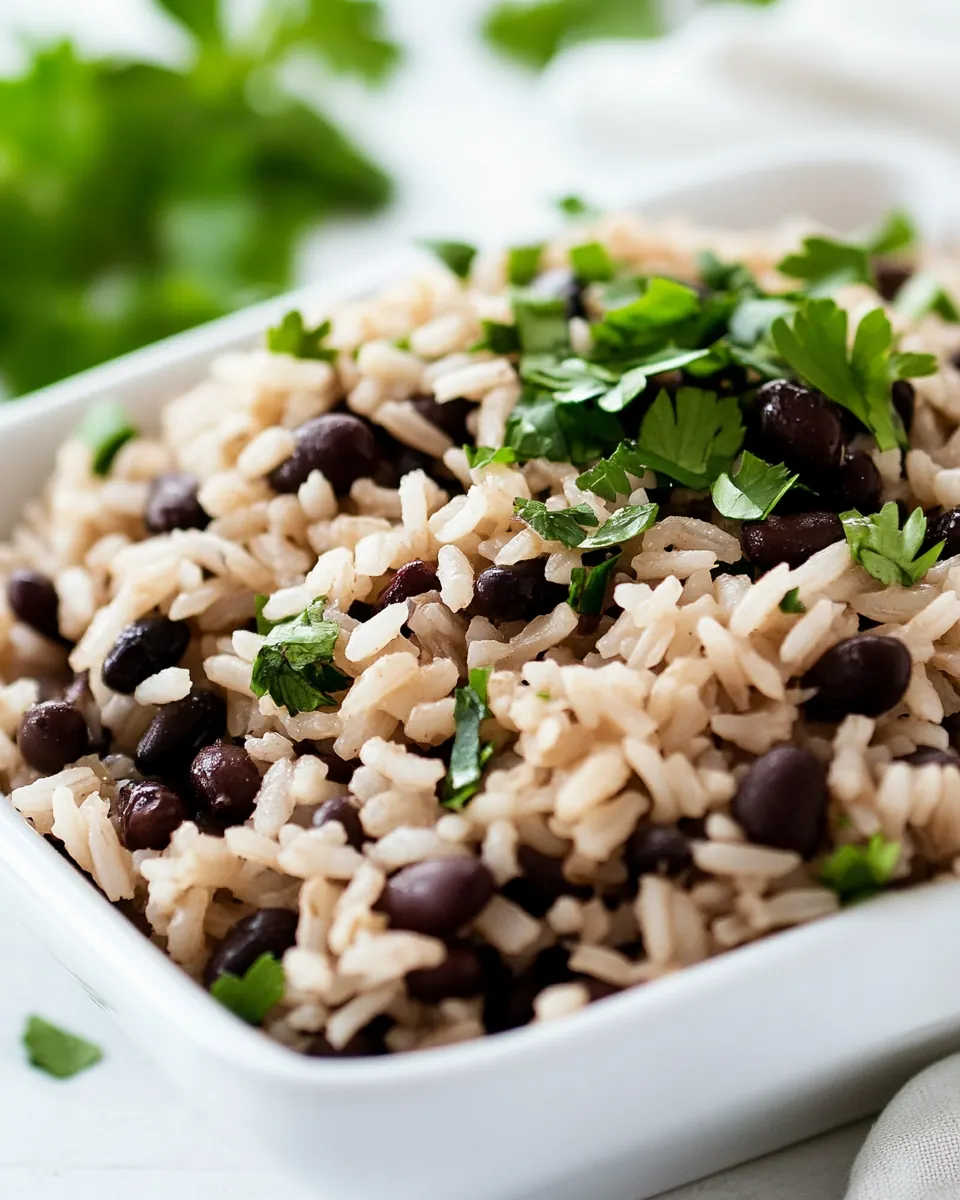
Black Beans Rice Recipe has been a kitchen staple in my house for years, and I still remember the first time I served it to a group of friends who kept coming back for seconds. It was late evening, and I wanted something comforting, honest, and uncomplicated, so I pulled together a handful of pantry staples and let the simple chemistry of black beans, rice, and warm spices do the work. The room filled with a savory, almost smoky aroma as the onions softened and the garlic hit the hot oil, and everyone gravitated toward the stove as if by habit.
Over time I learned little adjustments that make a big difference, like stirring the rice with the spices for a minute so each grain gets coated, or rinsing the black beans well to keep the dish bright and clean. I also love how flexible this dish is; some evenings it’s the main attraction, other times it slides effortlessly into the role of a hearty side. I’ve served it at casual potlucks, busy weeknight dinners, and relaxed weekend brunches, and it always feels both familiar and satisfying.
There is a quiet joy in making food that comforts people without taking over your life, and that is exactly what this recipe does for me. The citrusy lift from the lime juice and the herbaceous pop from the cilantro or parsley at the end brighten the whole pot in a way that makes each spoonful compelling. It’s the kind of meal I return to when I want something warm, grounding, and reliably good.
Recipe Snapshot
30 mins
5 mins
25 mins
Easy
250 kcal
Mexican
Gluten-Free, Vegan
Side Dishes
Stockpot, Saucepan
The Appeal of This Black Beans Rice Recipe
Hearty and Filling
I’ve always loved recipes that leave you satisfied without a complicated prep. This Black Beans Rice Recipe combines starchy rice with protein rich black beans, creating a filling base that stands alone or complements other dishes. I appreciate how it feels substantial, yet not heavy, perfect for evenings when I want comfort without guilt.
Bright But Rustic Flavors
What sets this dish apart is the contrast between the deep, earthy notes of the black beans and the bright lift from the lime juice and fresh cilantro or parsley. I always add the citrus at the end because it wakes up the entire pot. The long grain or jasmine rice keeps the texture light, while the toasted cumin brings a subtle warmth that holds everything together.
Minimal Equipment and Simple Technique
I like recipes that don’t require an arsenal of gadgets, and this one shines because it’s straightforward. A single stockpot or saucepan is all you need to sew the flavors together. That simplicity means I can focus on technique, like getting the onion translucent and letting the rice toast briefly, which makes a real difference in aroma and texture.
Fast and Weeknight Friendly
With short prep and a modest simmer, this dish is tailor made for busy nights. I value meals that respect my time, so being able to go from chopping to table in under an hour is huge. It’s reliable, forgiving, and forgiving again if you need to step away for a few minutes while it simmers.
Versatile Serving Options
I love how adaptable this recipe is. It works as a main when you want a vegetarian meal, or as a side to bulk up a spread. The final drizzle of olive oil and fresh herbs makes it feel polished, yet it remains approachable enough to bring to a potluck or tuck into a lunchbox the next day.
Everything You Need for Black Beans Rice Recipe
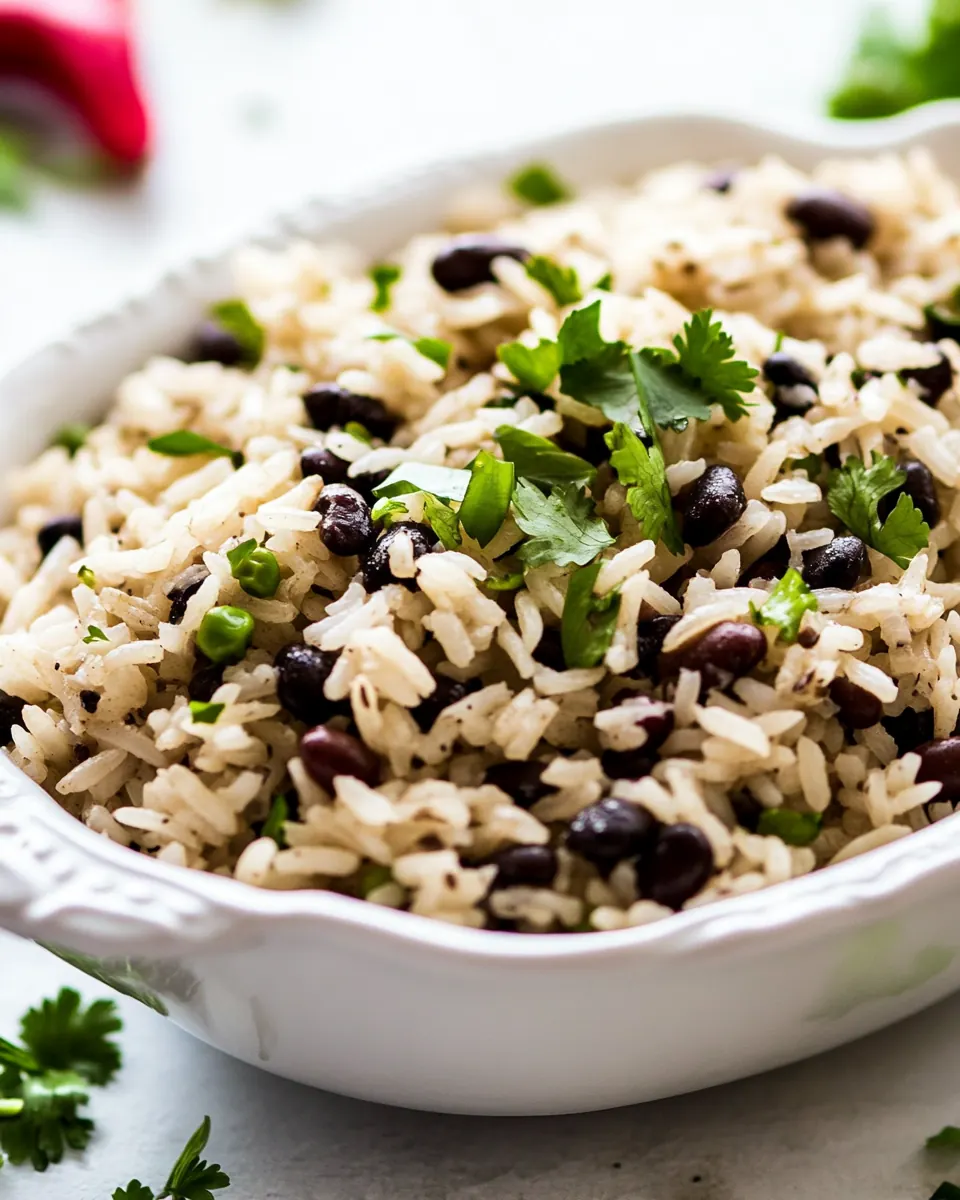
These ingredients form a practical, harmonious ensemble. The key players are the starchy rice and the hearty black beans, which provide structure and substance. Aromatics like the onion and garlic build savory depth, while ground cumin offers a warm, earthy backbone. The chicken broth cooks the rice with added flavor, and a final touch of lime juice and fresh cilantro or parsley lifts the entire dish.
- 2 tablespoons olive oil: Heat and sauté in a pan to provide the cooking fat that helps soften aromatics and toast spices for flavor development.
- 1 onion finely chopped: Finely chop and sweat in oil until translucent to build a sweet, savory base and release natural sugars for depth.
- 5 cloves garlic minced: Mince and add near the beginning of cooking to deliver pungent, aromatic heat and enhance overall savory complexity.
- 1 1/2 teaspoons ground cumin: Measure and sprinkle to introduce warm, earthy, and slightly nutty notes that complement beans and rice while enhancing savory balance.
- 2 cup uncooked white rice long grain or jasmine rice: Rinse and cook according to package directions; serves as the main starch that soaks up broth and flavors for a hearty dish.
- 4 cups chicken broth or stock: Pour and simmer with rice to infuse salt and savory richness; acts as the cooking liquid that imparts body and depth.
- 2 x 14 ounce cans black beans drained and rinsed: Drain and rinse before adding to prevent excess sodium and cloudiness while contributing protein, texture, and earthy flavor.
- 3 4 tablespoons lime juice (adjust to your tastes): Squeeze and adjust to taste near the end of cooking to brighten the dish with fresh, acidic contrast and lift flavors.
- 4 tablespoons cilantro or parsley, finely chopped to garnish: Chop finely and sprinkle as a fresh garnish to add herbaceous aroma, color contrast, and a lively finishing note.
Making This Black Beans Rice Recipe
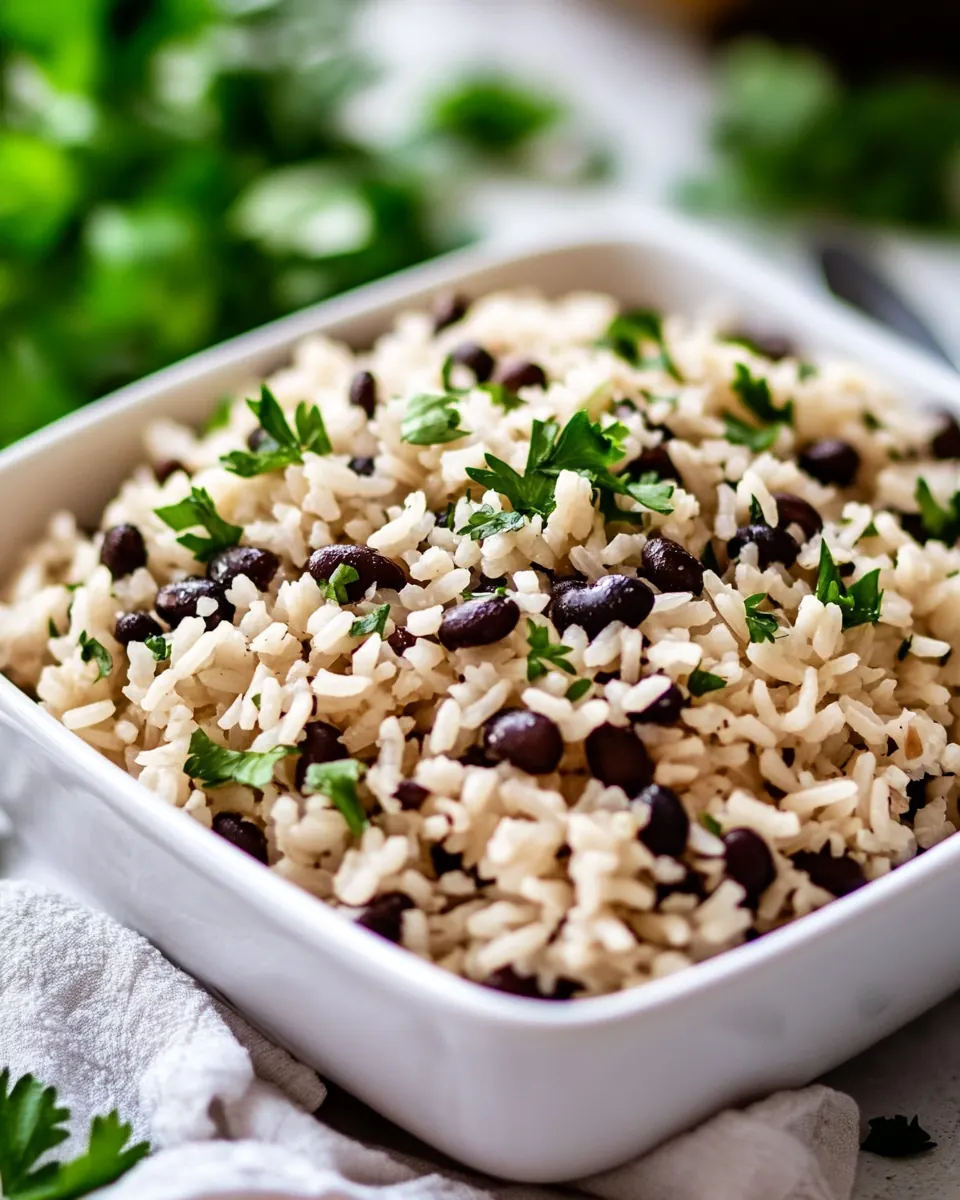
This dish is straightforward but benefits from attention to small details. Below I expand each direction with sensory cues, troubleshooting tips, and the reasons behind each choice so you can get consistent results every time.
- Heat oil in a stockpot or saucepan over medium-high heat. Add the onion and sauté until onion is transparent. Add the garlic and sauté for a further minute. Add the cumin and rice, mix the flavours through and sauté for a further minute.: You will smell the faint fruity note of the olive oil as it warms and see it shimmer when it reaches the right temperature, that is the cue to proceed. The medium-high heat helps the onion soften quickly without becoming limp, sealing in sugars that give a sweet base. One common mistake is overheating the oil until it smokes, which will burn the aromatics later; if the oil smokes, lower the heat and start again. Use a roomy pot so you can stir freely, and keep a spatula handy to move ingredients so nothing sits and scorches.
- Pour in the broth and beans, bring to a boil, cover, reduce heat and simmer for 20 minutes, or until rice is tender (stirring half way through).: As the onion cooks you'll hear gentle sizzling and notice it transitioning from opaque to translucent, releasing a sweet fragrance that fills the kitchen. The visual cue to stop is when the edges soften and the pieces lose their raw sheen. Overcooking to a deep brown will shift the flavor profile, so aim for gentle translucence. Stir every minute or so to promote even cooking and to prevent any pieces from crisping at the pan edges.
- Remove from heat and drizzle with a small amount of olive oil (about 2 teaspoons), lime juice and cilantro. Taste test; season with a little salt and pepper, only if needed and as desired.: The aroma will quickly turn garlicky and bright as the minced garlic hits the warm oil, a sign flavors are marrying. Listen for a subtle increase in sizzling; the garlic should become fragrant in about sixty seconds. Avoid lingering beyond that minute, because browned garlic brings bitterness and can derail the dish. If the garlic starts to brown, reduce heat immediately and continue with the next step to disperse the heat.
- Add the cumin and rice, mix the flavours through and sauté for a further minute: You will smell the cumin bloom as its essential oils release into the oil, creating a warm, toasty note. Tossing the rice with the spices and aromatics for a short minute coats each grain, building a foundation of flavor and helping the grains stay separate later. A common misstep is skimping on this step, which results in a flatter final taste. Keep stirring so the rice toasts evenly, and watch for a faint nutty scent to signal readiness.
- Pour in the broth and beans, bring to a boil, cover, reduce heat and simmer for 20 minutes, or until rice is tender (stirring half way through): You will hear the pot go from quiet to a rolling bubble as the chicken broth heats, and the steam will carry concentrated savory aromas. Once covered and reduced to a gentle simmer, the pot should emit soft, steady steam with occasional subtle bubbling; that means the heat is right. Stir halfway to ensure even hydration and to prevent beans settling and sticking at the bottom. A common problem is lifting the lid too often, which lets heat escape and lengthens cooking time; resist peeking unless you must. When the rice is tender and the liquid mostly absorbed, the textures will be creamy yet distinct, which is the sign you want.
- Remove from heat and drizzle with a small amount of olive oil about 2 teaspoons lime juice and cilantro: At this point the pot will exhale a concentrated aroma blending the black beans , spices, and broth. Drizzling a little olive oil adds a silky finish that helps the grains glide and carry flavor. The bright perfume of fresh lime juice and the herbaceous pop of chopped cilantro or parsley provide contrast, cutting through the starch and rounding the bowl. Taste and season with a small amount of salt and pepper only if needed, because the canned black beans and chicken broth can already contribute sodium. Avoid over-salting; start with less and adjust slowly. Serve warm, and enjoy the interplay of texture and brightness.
Make It Your Own
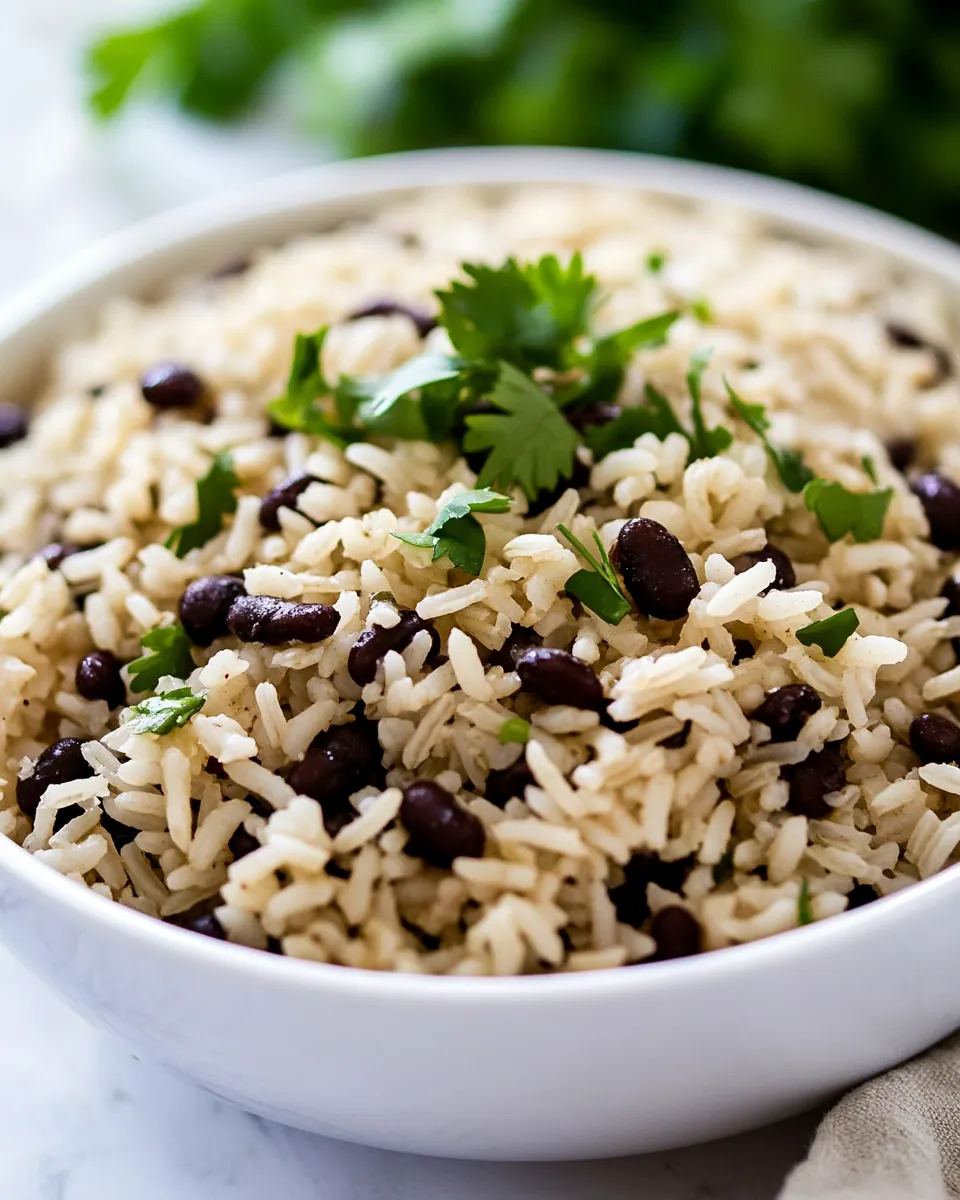
There are simple ways to adapt this dish while keeping its soul intact. Below are a series of actionable tips you can apply depending on your mood, pantry, and the occasion.
- Spice it up: Add chopped jalapeños or a pinch of cayenne to the pan with the onion for heat. Start small and increase to taste so the spice complements rather than overwhelms.
- Herb choice: Swap cilantro for parsley if you prefer a milder, greener finish. Both add freshness, but cilantro gives a citrusy lift while parsley stays bright and grassy.
- Rice texture: Rinse the rice until the water runs clear to keep the grains separate. If you like a creamier result, use slightly less rinsing and a tiny bit more liquid.
- Broth control: Use low sodium chicken broth to better manage final seasoning. Taste before adding salt since canned black beans may already be salty.
- Finish with oil: Drizzle a teaspoon of good olive oil at the end to add sheen and mouthfeel, making each bite feel richer without adding heaviness.
Serving Ideas for Black Beans Rice Recipe
This dish plays many roles at the table, from weeknight main to festive side. The suggestions below outline pairings, occasions, and storage practices to help you plan meals and serve with confidence.
- As a main dish: Serve warm as a vegetarian main with a simple salad on the side and a wedge of lime for extra brightness.
- As a side: Plate alongside roasted vegetables, grilled proteins, or a fresh slaw to add hearty balance to a larger meal.
- For gatherings: Keep it in a covered dish in a low oven to stay warm while guests mingle, and set out bowls of chopped herbs and extra lime juice for customization.
- Lunch prep: Portion into airtight containers for easy next day lunches; the flavors deepen after resting, and a quick reheat revives the textures.
- Seasonal pairing: In cooler months, pair with roasted winter squash for a cozy plate, while in warmer months a citrusy salad complements the dish beautifully.
- Storage tips: Refrigerate in a sealed container for up to four days, and when reheating add a splash of broth or water to restore moisture and loosen the rice.
FAQ
Conclusion
This recipe stands out because it manages to be both comforting and vibrant, using simple pantry staples to create a deeply satisfying bowl. I encourage you to give it a try, whether you want a quick vegetarian main or a reliable side to round out a meal. It’s the kind of recipe that becomes a family favorite, easy to tweak and always ready to soothe a hungry crowd.
Black Beans Rice Recipe
Equipment
- Stockpot
- Saucepan
Ingredients
- 2 tablespoons olive oil Heat and sauté in a pan to provide the cooking fat that helps soften aromatics and toast spices for flavor development.
- 1 onion finely chopped Finely chop and sweat in oil until translucent to build a sweet, savory base and release natural sugars for depth.
- 5 cloves garlic minced Mince and add near the beginning of cooking to deliver pungent, aromatic heat and enhance overall savory complexity.
- 1 1/2 teaspoons ground cumin Measure and sprinkle to introduce warm, earthy, and slightly nutty notes that complement beans and rice while enhancing savory balance.
- 2 cup uncooked white rice long grain or jasmine rice Rinse and cook according to package directions; serves as the main starch that soaks up broth and flavors for a hearty dish.
- 4 cups chicken broth or stock Pour and simmer with rice to infuse salt and savory richness; acts as the cooking liquid that imparts body and depth.
- 2 x 14 ounce cans black beans drained and rinsed Drain and rinse before adding to prevent excess sodium and cloudiness while contributing protein, texture, and earthy flavor.
- 3 -4 tablespoons lime juice (adjust to your tastes) Squeeze and adjust to taste near the end of cooking to brighten the dish with fresh, acidic contrast and lift flavors.
- 4 tablespoons cilantro or parsley, finely chopped to garnish Chop finely and sprinkle as a fresh garnish to add herbaceous aroma, color contrast, and a lively finishing note.
Instructions
- Heat oil in a stockpot or saucepan over medium-high heat. Add the onion and sauté until onion is transparent. Add the garlic and sauté for a further minute. Add the cumin and rice, mix the flavours through and sauté for a further minute.: You will smell the faint fruity note of the olive oil as it warms and see it shimmer when it reaches the right temperature, that is the cue to proceed. The medium-high heat helps the onion soften quickly without becoming limp, sealing in sugars that give a sweet base. One common mistake is overheating the oil until it smokes, which will burn the aromatics later; if the oil smokes, lower the heat and start again. Use a roomy pot so you can stir freely, and keep a spatula handy to move ingredients so nothing sits and scorches.
- Pour in the broth and beans, bring to a boil, cover, reduce heat and simmer for 20 minutes, or until rice is tender (stirring half way through).: As the onion cooks you'll hear gentle sizzling and notice it transitioning from opaque to translucent, releasing a sweet fragrance that fills the kitchen. The visual cue to stop is when the edges soften and the pieces lose their raw sheen. Overcooking to a deep brown will shift the flavor profile, so aim for gentle translucence. Stir every minute or so to promote even cooking and to prevent any pieces from crisping at the pan edges.
- Remove from heat and drizzle with a small amount of olive oil (about 2 teaspoons), lime juice and cilantro. Taste test; season with a little salt and pepper, only if needed and as desired.: The aroma will quickly turn garlicky and bright as the minced garlic hits the warm oil, a sign flavors are marrying. Listen for a subtle increase in sizzling; the garlic should become fragrant in about sixty seconds. Avoid lingering beyond that minute, because browned garlic brings bitterness and can derail the dish. If the garlic starts to brown, reduce heat immediately and continue with the next step to disperse the heat.
- Add the cumin and rice, mix the flavours through and sauté for a further minute: You will smell the cumin bloom as its essential oils release into the oil, creating a warm, toasty note. Tossing the rice with the spices and aromatics for a short minute coats each grain, building a foundation of flavor and helping the grains stay separate later. A common misstep is skimping on this step, which results in a flatter final taste. Keep stirring so the rice toasts evenly, and watch for a faint nutty scent to signal readiness.
- Pour in the broth and beans, bring to a boil, cover, reduce heat and simmer for 20 minutes, or until rice is tender (stirring half way through): You will hear the pot go from quiet to a rolling bubble as the chicken broth heats, and the steam will carry concentrated savory aromas. Once covered and reduced to a gentle simmer, the pot should emit soft, steady steam with occasional subtle bubbling; that means the heat is right. Stir halfway to ensure even hydration and to prevent beans settling and sticking at the bottom. A common problem is lifting the lid too often, which lets heat escape and lengthens cooking time; resist peeking unless you must. When the rice is tender and the liquid mostly absorbed, the textures will be creamy yet distinct, which is the sign you want.
- Remove from heat and drizzle with a small amount of olive oil about 2 teaspoons lime juice and cilantro: At this point the pot will exhale a concentrated aroma blending the black beans , spices, and broth. Drizzling a little olive oil adds a silky finish that helps the grains glide and carry flavor. The bright perfume of fresh lime juice and the herbaceous pop of chopped cilantro or parsley provide contrast, cutting through the starch and rounding the bowl. Taste and season with a small amount of salt and pepper only if needed, because the canned black beans and chicken broth can already contribute sodium. Avoid over-salting; start with less and adjust slowly. Serve warm, and enjoy the interplay of texture and brightness.
Notes
- Spice it up: Add chopped jalapeños or a pinch of cayenne to the pan with the onion for heat. Start small and increase to taste so the spice complements rather than overwhelms.
- Herb choice: Swap cilantro for parsley if you prefer a milder, greener finish. Both add freshness, but cilantro gives a citrusy lift while parsley stays bright and grassy.
- Rice texture: Rinse the rice until the water runs clear to keep the grains separate. If you like a creamier result, use slightly less rinsing and a tiny bit more liquid.
- Broth control: Use low sodium chicken broth to better manage final seasoning. Taste before adding salt since canned black beans may already be salty.
- Finish with oil: Drizzle a teaspoon of good olive oil at the end to add sheen and mouthfeel, making each bite feel richer without adding heaviness.