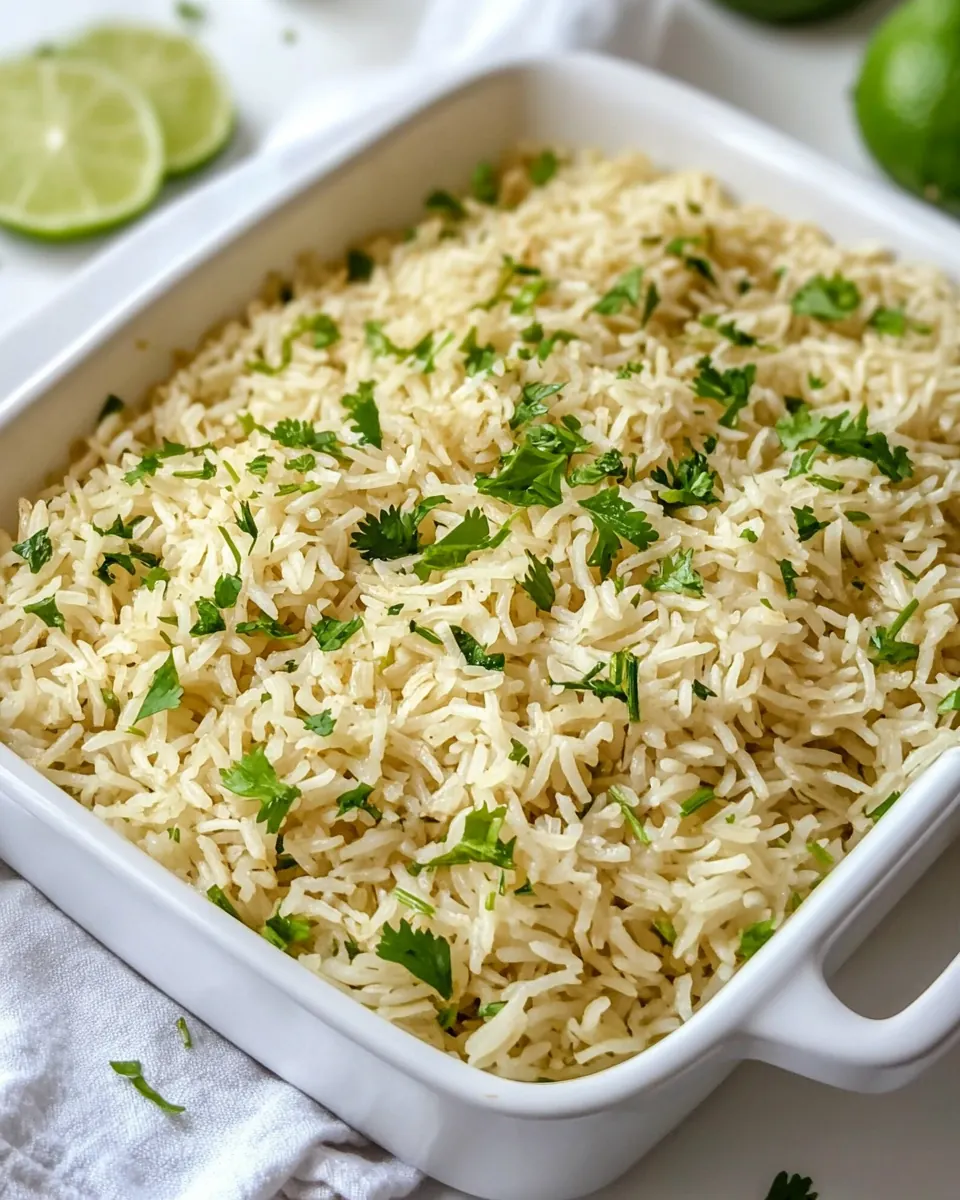
Baked Cilantro Lime Rice
Baked Cilantro Lime Rice has been one of those comforting, slightly nostalgic dishes that I turn to whenever I want a simple side that still feels thoughtful. The first time I made Baked Cilantro Lime Rice I was juggling a dozen things in the kitchen and needed something almost effortless, yet bright enough to lift the whole meal. The aroma of warm rice mingling with zesty lime and fresh cilantro instantly shifted the mood, and I remember pausing to breathe it in before the guests even sat down.
Over time I learned little tricks that make the dish sing, small adjustments that turned it from adequate to memorable. There’s something wonderfully humble about a casserole dish filled with fluffy rice and fragrant herbs, and I love how it pairs with so many different mains. Each bite has that soft, comforting starch combined with a lively citrus kick that keeps you coming back for more.
Recipe Snapshot
30 mins
10 mins
20 mins
Easy
200 kcal
Mexican
Gluten-Free, Low FODMAP
Side Dishes
9×13-inch casserole dish, Aluminum foil
The Magic of This Baked Cilantro Lime Rice
Bright, Balanced Flavor
I love how Baked Cilantro Lime Rice delivers freshness without fuss. The interplay of warm rice and bright lime juice creates a balance that elevates simple ingredients into something irresistible. I often find myself savoring that first forkful, noticing the gentle tang of citrus against the tender grains.
Effortless, Yet Elegant
This recipe feels elegant but does not demand attention. Once the dish is in the oven, you can focus on the rest of the meal. I appreciate recipes that free up my time while still producing a plate I would happily serve to guests. For weeknight cooks, that hands off moment is priceless.
Great Texture Every Time
Baking the dish in a casserole dish with boiling water yields consistently fluffy rice. The method reduces the risk of gummy grains, and the gentle steam in the covered pan helps each kernel plump evenly. I make this when I want predictability as much as flavor.
Versatile Pairing Power
I use Baked Cilantro Lime Rice with grilled vegetables, roasted proteins, and saucy mains. Its subtle seasoning supports a wide range of cuisines. I often reach for this recipe when I need a neutral, tasty base that adds freshness without stealing the spotlight.
Minimal Ingredients, Maximum Impact
The charm of this dish is how few components create something so satisfying. With pantry staples like rice, a pinch of salt, and a squeeze of lime, you get a flavorful side that feels more special than the effort invested. I value recipes that celebrate simplicity while rewarding technique.
Ingredients to Make Baked Cilantro Lime Rice
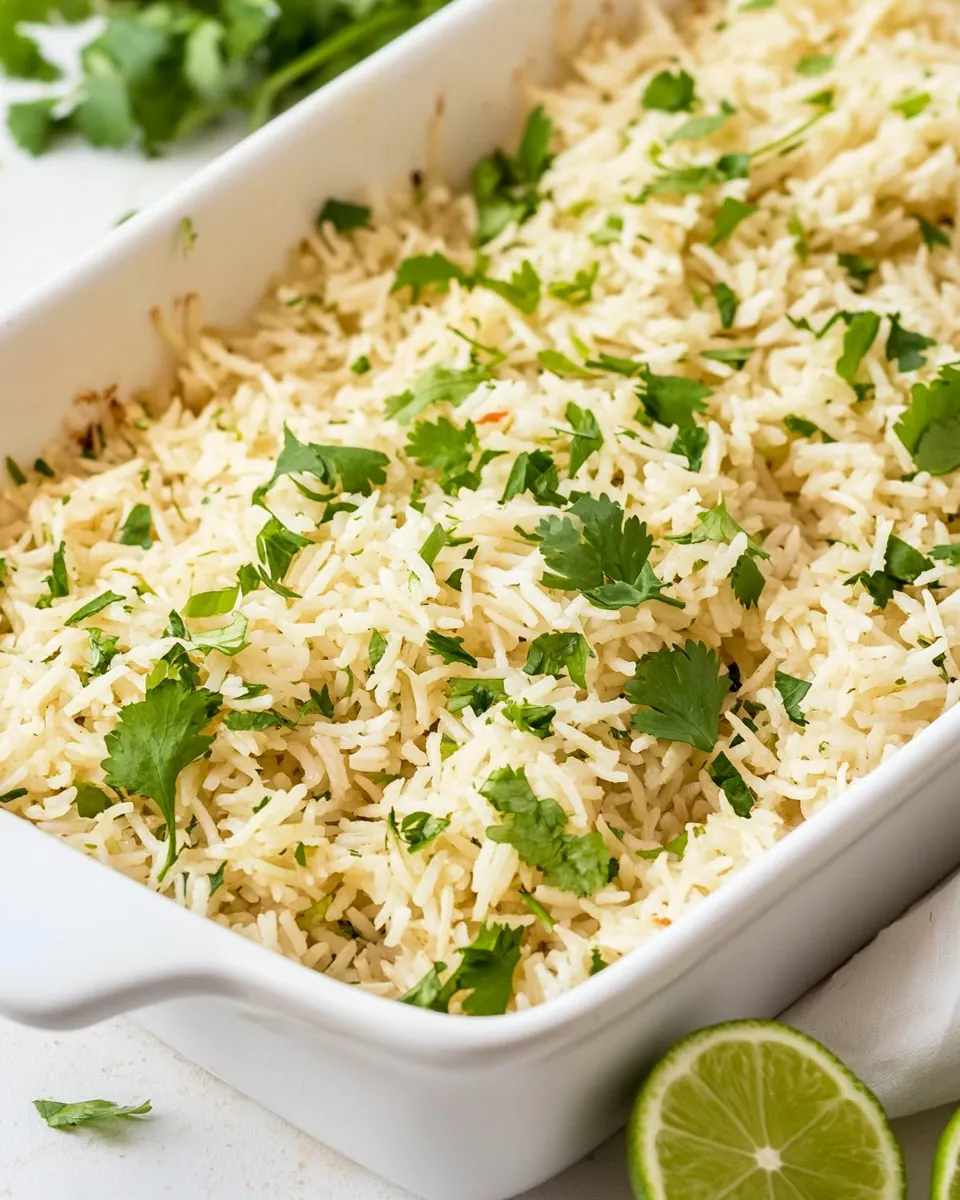
These ingredients work together to create a bowl of rice that is both comforting and bright. The foundation is plain, well rinsed rice, while the boiled water and oven method ensure even cooking. The small additions of butter, spices, cilantro, and lime transform the grains into a lively side. Here the key players are the rice for texture, the aromatics and spices for depth, and the lime with cilantro for finishing brightness.
- 1 tablespoon butter softened: Soften to help incorporate fat and flavor into the rice, making grains richer and less sticky; use at room temperature to melt evenly during baking and coat rice for a silkier texture. Butter also helps distribute spices and promotes browning on any exposed grains for added depth of flavor.
- 2 cups uncooked basmati rice rinsed and drained: Rinse and drain to remove excess starch, ensuring fluffy separated grains after baking; basmati provides a delicate, aromatic texture that soaks up seasonings and liquids well. Measure uncooked rice precisely to maintain correct water ratio for perfectly tender results.
- 1 teaspoon paprika: Add for a warm, mildly smoky sweetness that enhances the overall flavor profile; paprika lends color and a gentle aroma without overpowering the dish. Sprinkle evenly to balance the earthy cumin and bright lime notes.
- 1 teaspoon ground cumin: Incorporate to introduce earthy, slightly smoky warmth that complements the citrus and herbs; ground cumin deepens savory undertones and pairs well with paprika. Use measured amounts to avoid overpowering the rice while providing aromatic complexity.
- 4 cups water boiled: Pour boiled water to properly hydrate and cook the rice evenly during baking, ensuring grains absorb heat immediately for predictable texture. Using boiling water shortens cooking time and helps maintain a consistent, tender result.
- 1/2 teaspoons salt: Season to bring out the natural flavors of the rice and balance acidity from lime and richness from butter; salt controls overall taste and enhances other ingredients. Dissolve evenly in the hot water so it seasons each grain uniformly.
- 1/2 cup cilantro chopped: Chop to release fresh herbal oils and brighten the dish with a vibrant, citrusy-green note; cilantro adds freshness and a mild peppery character that contrasts the warm spices. Stir in after cooking or near the end to preserve color and fragrance.
- 1 lime juiced: Juice to add bright acidity and a zesty citrus lift that balances richness and complements cilantro; lime juice enhances aroma and cuts through the butter for a fresher finish. Squeeze just before serving to retain lively tang and maximum juice.
Baked Cilantro Lime Rice Instructions
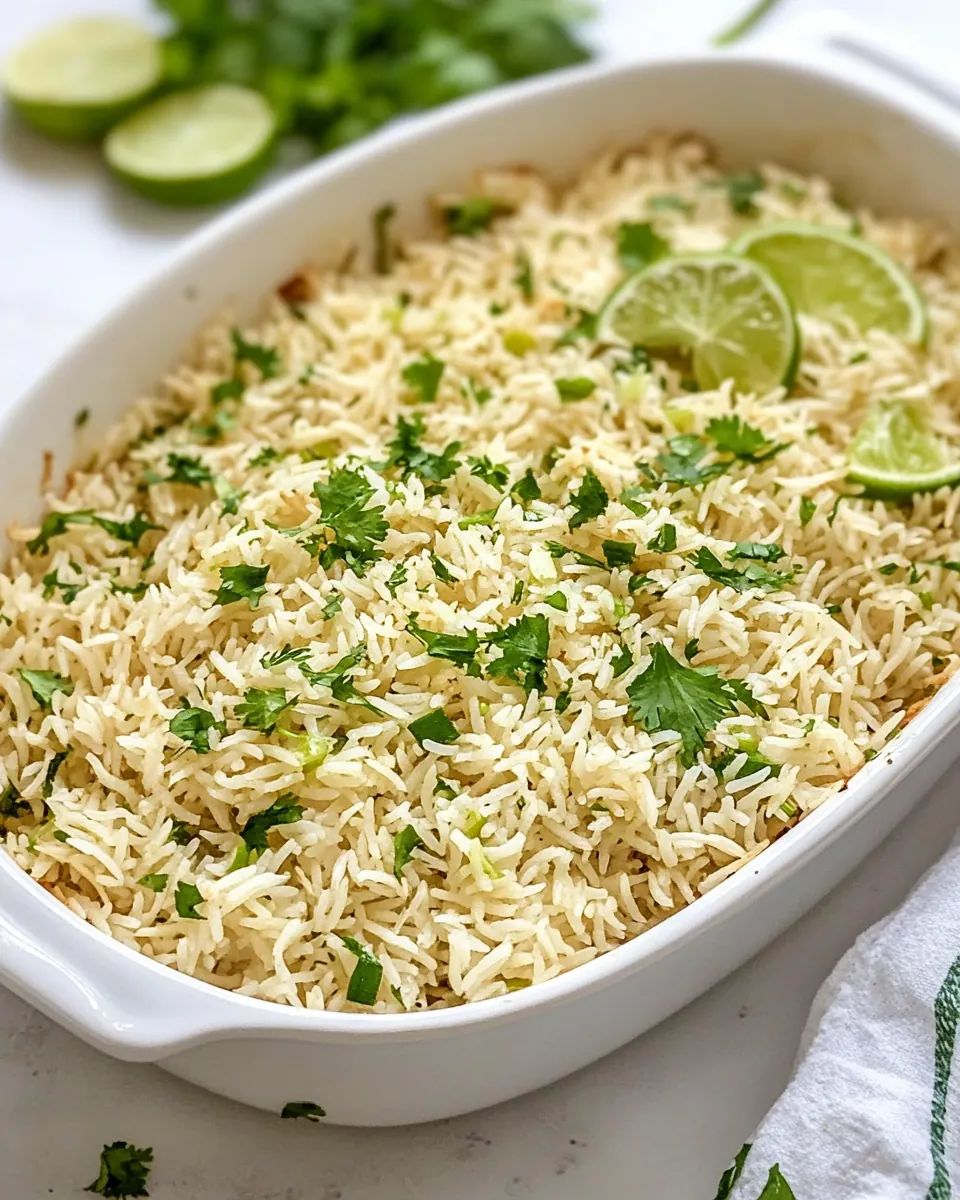
I like to keep the approach conversational and calm, because the oven does most of the work. Follow the sequence and you’ll be rewarded with rice that is tender yet separate, and enlivened by bright herb and citrus notes.
- Preheat the oven to 350°F and brush a 9×13-inch casserole dish with softened butter.: Warm ovens create a forgiving, consistent environment for baking rice . As the oven preheats, the softened butter you smear across the dish will melt and create a thin protective coating, helping prevent sticking and promoting even heat contact. You should hear the quiet hum of the oven cycling, and the air should become noticeably warm, not hot to the touch at the door. This step matters because an accurately heated oven ensures the boiling water introduced later will steam the grains at the correct rate, so they cook evenly rather than one patch overcooking while another stays underdone. A typical mistake is rushing this step or using a dish that is too shallow, which causes the liquid to evaporate too quickly. If you suspect your oven runs cool, give it an extra five minutes to reach temperature, and ensure the butter is spread thinly and evenly so the rice does not cling to the pan.
- Fill the dish with the rice, paprika, cumin, boiling water, and salt.: When you pour the hot liquid over the rinsed rice and spices, the first sensory cue is the steam rising and the brief hiss as the water hits the warm dish. The aroma of the ground cumin and paprika will bloom as heat and moisture activate their essential oils, offering a subtle toasty perfume that hints at the finished dish. This precise order ensures the spices distribute through the hot water and meld with the grains, promoting uniform seasoning. Stir only if needed to position the rice in an even layer, because over stirring can bruise the grains and create excess surface starch, leading to stickiness. A common error at this stage is using water that is not hot enough, which prolongs cooking and can yield an unevenly hydrated texture. Ensure the water is at a rolling boil before adding it to the dish, and measure salt carefully so the seasoning is balanced.
- Gently stir, then cover the dish with aluminum foil. Cook the dish in the oven for 20 minutes.: As the casserole goes into the oven, the sound changes to a distant, steady quiet as the contents begin to steam. Under the foil the steam circulates, and you will notice the foil slightly doming as pressure and heat build beneath it. The visual cue you want at the end of the baking time is that the liquid has been absorbed and the top appears matte and set, without wet puddles. This controlled steaming is why this method reliably yields fluffy, separate grains: the gentle, even heat prevents violent boiling that would agitate and break the kernels. Avoid lifting the foil during this period, because escaping steam interrupts the cooking environment and can produce unevenly cooked rice . One common misstep is removing the foil early to check, which tends to lengthen the cooking process and may result in undercooked centers.
- Remove the dish from the oven, then carefully remove the foil. Add the chopped cilantro and lime juice. Stir.: When you peel back the foil, a rush of hot, herb scented steam should greet you, carrying the warmed perfume of the spices and the tang of fresh lime . The surface of the rice will look plump and glistening where it absorbed liquid, and you should hear a subtle settling sound as the steam escapes. Adding the chopped cilantro and freshly squeezed lime juice now preserves their bright aromatics and prevents them from fading under heat. Gently folding them in helps distribute the flavor without mashing the grains, and you will notice the texture shift to an inviting, slightly glossy finish. A common issue at this point is over mixing, which can bruise the grains and make the dish pasty. Use a light hand and a fork if you need to separate any clusters, allowing the herb and citrus to shine through without losing the airy character of the rice .
Helpful Hints
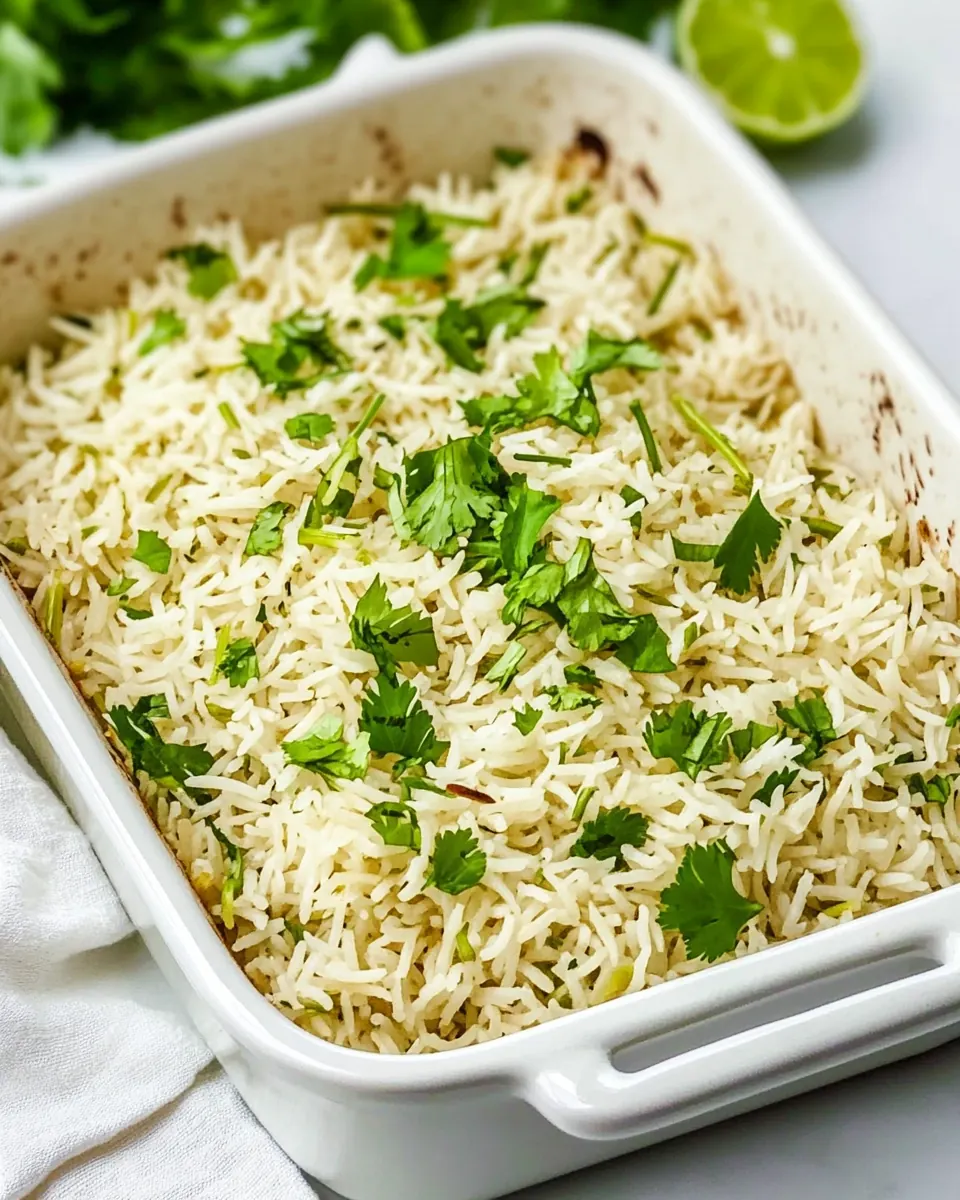
These hints come from repeated home testing and a few lessons learned the hard way. They focus on technique, timing, and small swaps that preserve the signature brightness of this rice.
- Room temperature butter: Soften the butter before spreading to ensure even coating and to prevent cold pockets that can stop the rice from sliding freely in the dish.
- Rinse thoroughly: Rinse the uncooked Basmati rice until the rinse water runs clear to remove excess starch and avoid clumping after baking.
- Measure liquid carefully: Use precise measuring cups for the 4 cups of boiling water so the texture stays consistent from batch to batch.
- Keep spices balanced: The teaspoon of paprika and teaspoon of cumin are subtle, so resist the urge to double them unless you want a stronger spice profile.
- Use fresh cilantro and lime: Add the chopped cilantro and fresh lime juice after baking for the most vibrant aroma and flavor impact.
- Let it rest briefly: If the rice seems slightly wet after removing the foil, let it sit uncovered for a few minutes to settle and achieve the right texture.
What Complements This Baked Cilantro Lime Rice
This rice is versatile and pairs well with many mains and occasions. Its bright citrus notes make it excellent for warm weather meals, yet its comforting texture suits cozy dinners as well. Below are serving ideas, storage guidance, and pairing suggestions to help you decide how to present the dish.
- Serve alongside grilled vegetables: The fresh herb and citrus of the rice complement charred, smoky veg, offering a refreshing counterpoint.
- Pair with pan seared proteins: Gentle, saucy proteins benefit from the rice absorbing flavors, making it ideal for weeknight dinners where you want an easy, complete plate.
- Make it for casual gatherings: This dish scales well for a crowd, so consider it for potlucks or family meals where you need a dependable side.
- Storage tips: Cool the rice quickly and store in an airtight container in the refrigerator for up to four days; reheat gently with a splash of water to restore moisture.
- Seasonal pairings: Use it in spring and summer menus to take advantage of fresh herbs and citrus, or as a bright element in heartier autumn plates.
- Occasion ideas: Great for weeknight dinners, casual lunches, or as a simple side for holiday spreads where you want a neutral, flavorful base.
FAQ
Conclusion
What makes this recipe special is how simple ingredients yield a fragrant, fluffy side with bright herb and citrus notes. I encourage you to try it the next time you need an easy yet thoughtful accompaniment, because it reliably elevates a meal with minimal hands on time. Serve it warm, finish it with fresh chopped cilantro and lime, and enjoy the little lift it brings to everyday dinners and casual gatherings alike.
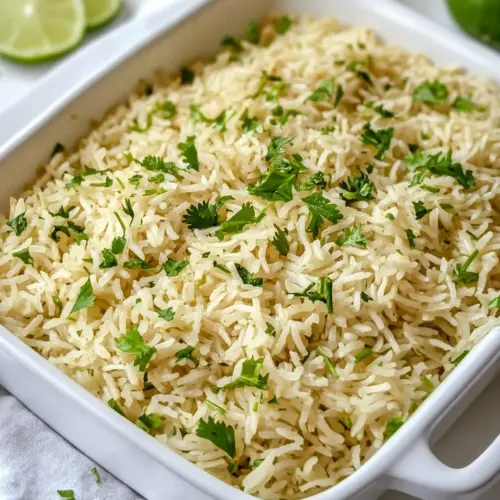
Baked Cilantro Lime Rice
Equipment
- 9x13-inch Casserole Dish
- Aluminum Foil
Ingredients
- 1 tablespoon butter softened Soften to help incorporate fat and flavor into the rice, making grains richer and less sticky; use at room temperature to melt evenly during baking and coat rice for a silkier texture. Butter also helps distribute spices and promotes browning on any exposed grains for added depth of flavor.
- 2 cups uncooked basmati rice rinsed and drained Rinse and drain to remove excess starch, ensuring fluffy separated grains after baking; basmati provides a delicate, aromatic texture that soaks up seasonings and liquids well. Measure uncooked rice precisely to maintain correct water ratio for perfectly tender results.
- 1 teaspoon paprika Add for a warm, mildly smoky sweetness that enhances the overall flavor profile; paprika lends color and a gentle aroma without overpowering the dish. Sprinkle evenly to balance the earthy cumin and bright lime notes.
- 1 teaspoon ground cumin Incorporate to introduce earthy, slightly smoky warmth that complements the citrus and herbs; ground cumin deepens savory undertones and pairs well with paprika. Use measured amounts to avoid overpowering the rice while providing aromatic complexity.
- 4 cups water boiled Pour boiled water to properly hydrate and cook the rice evenly during baking, ensuring grains absorb heat immediately for predictable texture. Using boiling water shortens cooking time and helps maintain a consistent, tender result.
- 1/2 teaspoons salt Season to bring out the natural flavors of the rice and balance acidity from lime and richness from butter; salt controls overall taste and enhances other ingredients. Dissolve evenly in the hot water so it seasons each grain uniformly.
- 1/2 cup cilantro chopped Chop to release fresh herbal oils and brighten the dish with a vibrant, citrusy-green note; cilantro adds freshness and a mild peppery character that contrasts the warm spices. Stir in after cooking or near the end to preserve color and fragrance.
- 1 lime juiced Juice to add bright acidity and a zesty citrus lift that balances richness and complements cilantro; lime juice enhances aroma and cuts through the butter for a fresher finish. Squeeze just before serving to retain lively tang and maximum juice.
Instructions
- Preheat the oven to 350°F and brush a 9×13-inch casserole dish with softened butter.: Warm ovens create a forgiving, consistent environment for baking rice . As the oven preheats, the softened butter you smear across the dish will melt and create a thin protective coating, helping prevent sticking and promoting even heat contact. You should hear the quiet hum of the oven cycling, and the air should become noticeably warm, not hot to the touch at the door. This step matters because an accurately heated oven ensures the boiling water introduced later will steam the grains at the correct rate, so they cook evenly rather than one patch overcooking while another stays underdone. A typical mistake is rushing this step or using a dish that is too shallow, which causes the liquid to evaporate too quickly. If you suspect your oven runs cool, give it an extra five minutes to reach temperature, and ensure the butter is spread thinly and evenly so the rice does not cling to the pan.
- Fill the dish with the rice, paprika, cumin, boiling water, and salt.: When you pour the hot liquid over the rinsed rice and spices, the first sensory cue is the steam rising and the brief hiss as the water hits the warm dish. The aroma of the ground cumin and paprika will bloom as heat and moisture activate their essential oils, offering a subtle toasty perfume that hints at the finished dish. This precise order ensures the spices distribute through the hot water and meld with the grains, promoting uniform seasoning. Stir only if needed to position the rice in an even layer, because over stirring can bruise the grains and create excess surface starch, leading to stickiness. A common error at this stage is using water that is not hot enough, which prolongs cooking and can yield an unevenly hydrated texture. Ensure the water is at a rolling boil before adding it to the dish, and measure salt carefully so the seasoning is balanced.
- Gently stir, then cover the dish with aluminum foil. Cook the dish in the oven for 20 minutes.: As the casserole goes into the oven, the sound changes to a distant, steady quiet as the contents begin to steam. Under the foil the steam circulates, and you will notice the foil slightly doming as pressure and heat build beneath it. The visual cue you want at the end of the baking time is that the liquid has been absorbed and the top appears matte and set, without wet puddles. This controlled steaming is why this method reliably yields fluffy, separate grains: the gentle, even heat prevents violent boiling that would agitate and break the kernels. Avoid lifting the foil during this period, because escaping steam interrupts the cooking environment and can produce unevenly cooked rice . One common misstep is removing the foil early to check, which tends to lengthen the cooking process and may result in undercooked centers.
- Remove the dish from the oven, then carefully remove the foil. Add the chopped cilantro and lime juice. Stir.: When you peel back the foil, a rush of hot, herb scented steam should greet you, carrying the warmed perfume of the spices and the tang of fresh lime . The surface of the rice will look plump and glistening where it absorbed liquid, and you should hear a subtle settling sound as the steam escapes. Adding the chopped cilantro and freshly squeezed lime juice now preserves their bright aromatics and prevents them from fading under heat. Gently folding them in helps distribute the flavor without mashing the grains, and you will notice the texture shift to an inviting, slightly glossy finish. A common issue at this point is over mixing, which can bruise the grains and make the dish pasty. Use a light hand and a fork if you need to separate any clusters, allowing the herb and citrus to shine through without losing the airy character of the rice .
Notes
- Room temperature butter: Soften the butter before spreading to ensure even coating and to prevent cold pockets that can stop the rice from sliding freely in the dish.
- Rinse thoroughly: Rinse the uncooked Basmati rice until the rinse water runs clear to remove excess starch and avoid clumping after baking.
- Measure liquid carefully: Use precise measuring cups for the 4 cups of boiling water so the texture stays consistent from batch to batch.
- Keep spices balanced: The teaspoon of paprika and teaspoon of cumin are subtle, so resist the urge to double them unless you want a stronger spice profile.
- Use fresh cilantro and lime: Add the chopped cilantro and fresh lime juice after baking for the most vibrant aroma and flavor impact.
- Let it rest briefly: If the rice seems slightly wet after removing the foil, let it sit uncovered for a few minutes to settle and achieve the right texture.
