Apple Danish
Apple Danish has been my go to weekend baking treat whenever crisp weather nudges me into the kitchen.
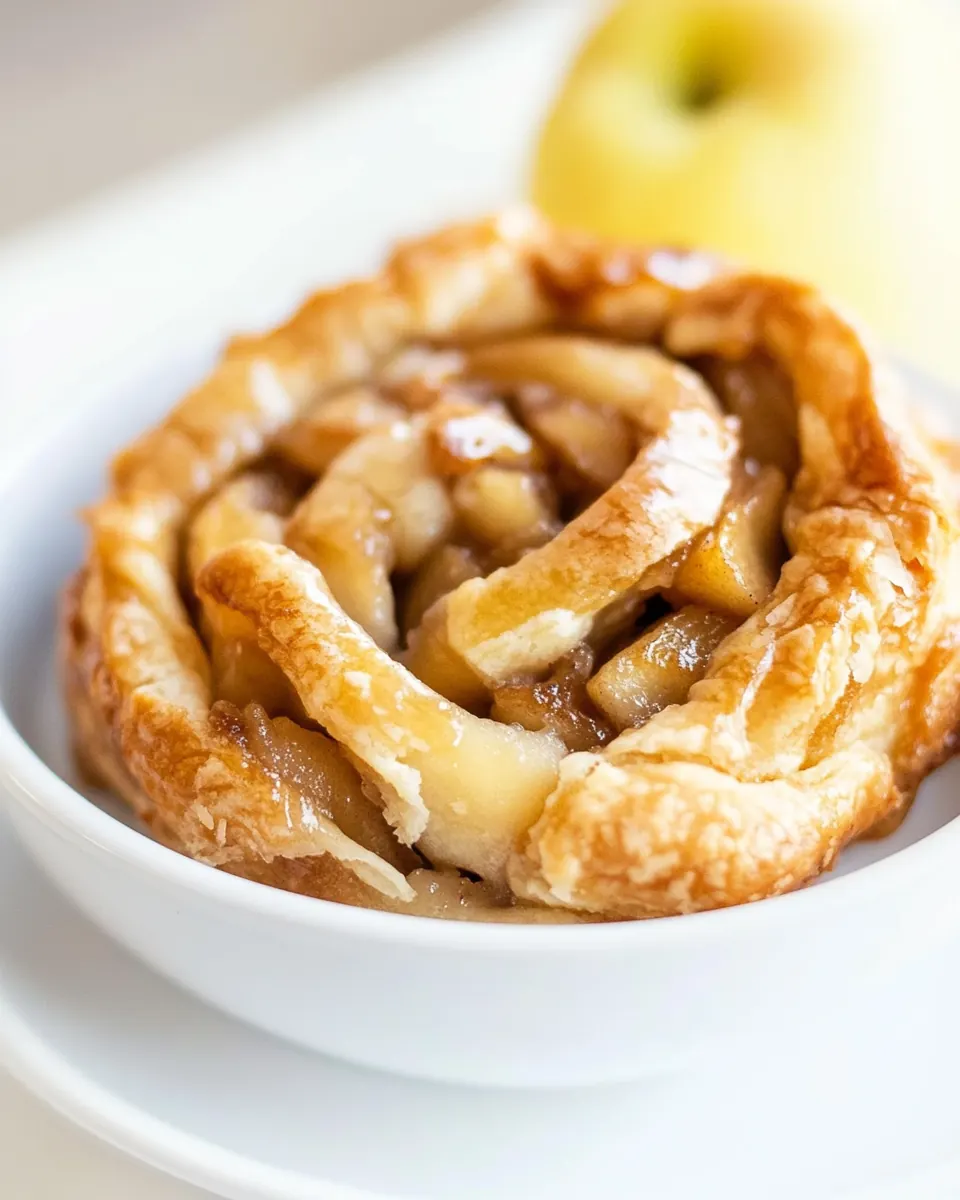
One rainy autumn morning I found myself dusting flour across the counter and remembering how the scent of baked apples and warm butter used to fill my grandmother’s house. I started shaping pastry while sipping coffee, and by the time the first tray came out golden and steaming, I knew this version of Apple Danish would become a ritual. The contrast of a flaky, buttery crust with glossy apple filling is exactly the kind of comfort I crave when I want something homemade but not fussy.
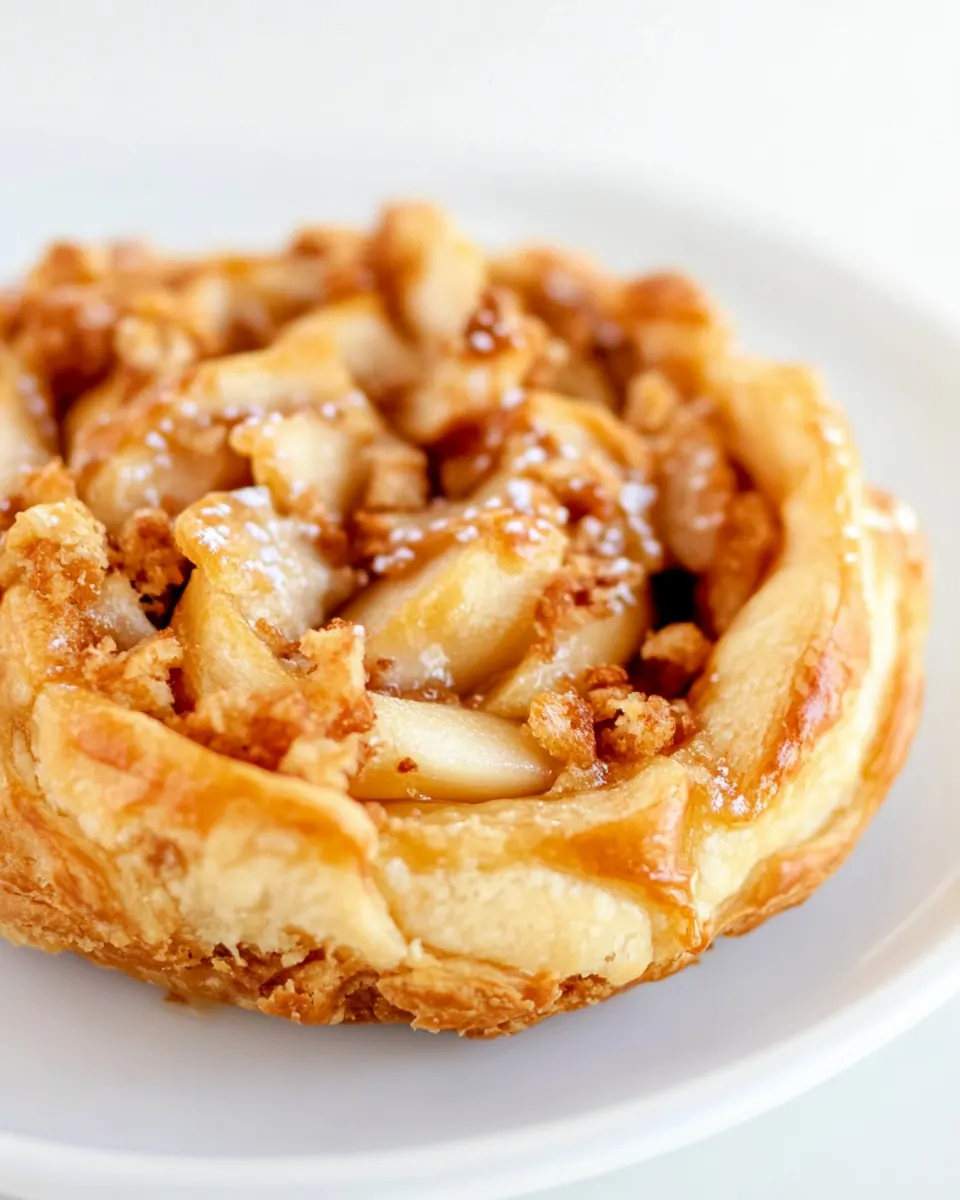
Over the years I adjusted the filling to highlight tart Granny Smith apples and added a simple buttery crumb for texture. Every time I fold the dough and brush it with egg wash, I think about the little touches that make a bakery style pastry come together at home. When friends stop by unexpectedly, a batch of warm Apple Danish on the counter becomes an instant conversation starter, and that warm, cinnamon kissed aroma often stretches an afternoon into something memorable.
Recipe Snapshot
45 mins
20 mins
25 mins
Medium
200 kcal
American
Gluten-Free, Low FODMAP
Desserts
Saucepan, Rolling pin, Baking sheet, Parchment paper, Pizza cutter
The Charm of This Apple Danish
Bakery quality at home
I love how Apple Danish turns store bought puff pastry into something that tastes like it came from a small bakery. The layers of puff pastry crisp up and separate in the oven, creating light, buttery flakes that pair perfectly with the gooey apple filling.
Bright, balanced filling
The filling uses tart Granny Smith apples and a touch of cinnamon and nutmeg to deliver brightness without being overly sweet. I find the cornstarch and short boil concentrate the juices so the filling is glossy, spoonable, and not runny, which keeps the pastries neat and elegant.
Simple techniques, big payoff
There is no complicated laminating or hours of proofing here, just smart use of store bought puff pastry, a quick stovetop filling, and a crisp bake. I always appreciate recipes that reward attention to small details like rolling to a consistent size and brushing with egg wash for a golden finish.
Versatile and shareable
These danishes scale easily if you are baking for a brunch crowd or want a dozen to freeze for later. I like making them for holiday mornings or weekend treats because they travel well and reheat beautifully, still smelling like a fresh bake when warmed gently.
Finishing touches matter
The simple vanilla glaze is a small step that elevates the pastries visually and adds a silky sweetness that ties the filling and crust together. I never skip it; it makes the presentation feel special without adding work.
Shopping List for Apple Danish
These ingredients are built to create a balanced pastry experience. The stars are the crisp Granny Smith apples and flaky puff pastry, while supporting players like sugar, butter, and a whisper of spices bring depth. Every item contributes to texture or flavor so the finished Apple Danish feels both indulgent and well composed.
- 1 (17.3-ounce) box puff pastry dough (two sheets): Thaw and unroll to provide the flaky laminated layers that form the Danish base; keep cold until ready to shape and bake to maintain lift and crispiness. Use both sheets as directed to create individual pastries or a single large braid, following package instructions for handling.
- 4 tablespoons unsalted butter: Melt and brown to enrich the apple filling with a silky mouthfeel and deepen flavor; incorporate early in cooking to coat fruit and carry spices. Use unsalted butter to control overall saltiness and to achieve a glossy, tender texture in the filling.
- 1/2 cup granulated sugar: Dissolve and sweeten to balance tart apples and create a stable syrup in the filling; adjust slightly for personal sweetness preference. Use granulated sugar for even sweetness and to help thicken when combined with cornstarch and heated.
- 1/4 cup water: Simmer and dissolve to help activate the cornstarch and loosen caramelization, forming the syrupy medium for the apple mixture. Add gradually while heating to prevent clumping and to control consistency of the filling.
- 2 teaspoons cornstarch: Thicken and stabilize by binding with liquid to create a clear, glossy filling that clings to the apples and pastry. Mix with a small amount of cold water before adding to hot syrup to prevent lumps and ensure smooth texture.
- 1/2 teaspoon cinnamon: Flavor and warm by adding aromatic depth that complements apples and brown sugar; blend with other spices for balanced spice notes. Use moderate amounts so the cinnamon supports but does not overwhelm the overall dessert.
- 1/2 teaspoon nutmeg: Spice and brighten by contributing a warm, slightly nutty aromatic note that enhances the apple filling complexity; sprinkle sparingly. Pair with cinnamon for layered spice character while keeping the nutmeg subtle.
- pinch of salt: Enhance and balance by rounding out sweetness and intensifying flavors when used in the filling; a pinch prevents flatness. Salt also helps to accentuate butter and fruit flavors without making the pastry taste salty.
- 2 large peeled and diced Granny Smith apples: Peel, dice, and provide the primary fruit component delivering tartness, texture, and body to the Danish; select firm apples that hold shape when cooked. Use Granny Smith specifically for their bright acidity which contrasts the sweet glaze and pastry.
- 2 tablespoons brown sugar: Sweeten and caramelize to add a deeper molasses-like note and balance the apples' tartness when cooked into the filling. Sprinkle over fruit before cooking to help create pockets of caramelized flavor and color.
- 1/4 teaspoon cinnamon: Spice and layer by adding a warm, aromatic cinnamon note to the filling; use alongside the other cinnamon measure for cohesive flavor. Distribute evenly so each bite has subtle spice without overpowering the apple.
- 1 1/2 tablespoons unsalted butter melted: Brush and gloss by adding richness and sheen to the pastry; melted butter also helps achieve a golden-brown crust during baking. Apply lightly to exposed dough edges and surfaces to promote even browning and flavor.
- 1/4 cup all-purpose flour: Thicken and bind when used in a simple streusel or dough handling step to add structure and tenderness to any crumb topping or dough repair. Combine with butter and sugar to form small clumps that bake into a tender, slightly crisp component.
- 1 large egg: Beat and wash to create an egg wash that promotes glossy, browned pastry and helps edges seal; whisk until smooth for even application. Use one large egg for consistent color and sheen across all pastries.
- 1 tablespoon water: Dilute and smooth by loosening the egg for an even wash that is easier to brush on the pastry surface, preventing streaks. Combine with the beaten egg to achieve a thinner consistency that spreads evenly.
- 1/2 cup powdered sugar: Sweeten and finish by forming a silky icing that adds visual appeal and a bright sweet note; sift before mixing to avoid lumps. Adjust consistency with cream or milk so the glaze can be drizzled or spread as desired.
- 2 tablespoons heavy whipping cream or milk: Enrich and thin by adding subtle creaminess to the glaze while adjusting its pourable consistency; choose heavy cream for a richer finish or milk for a lighter glaze. Stir in gradually until the icing reaches desired thickness for drizzling.
- 1/4 teaspoon vanilla extract: Flavor and brighten the icing with a small amount of pure vanilla to round out sweetness and add aromatic complexity; add to taste. Vanilla blends with powdered sugar and cream to produce a classic finishing flavor.
Putting Together Apple Danish
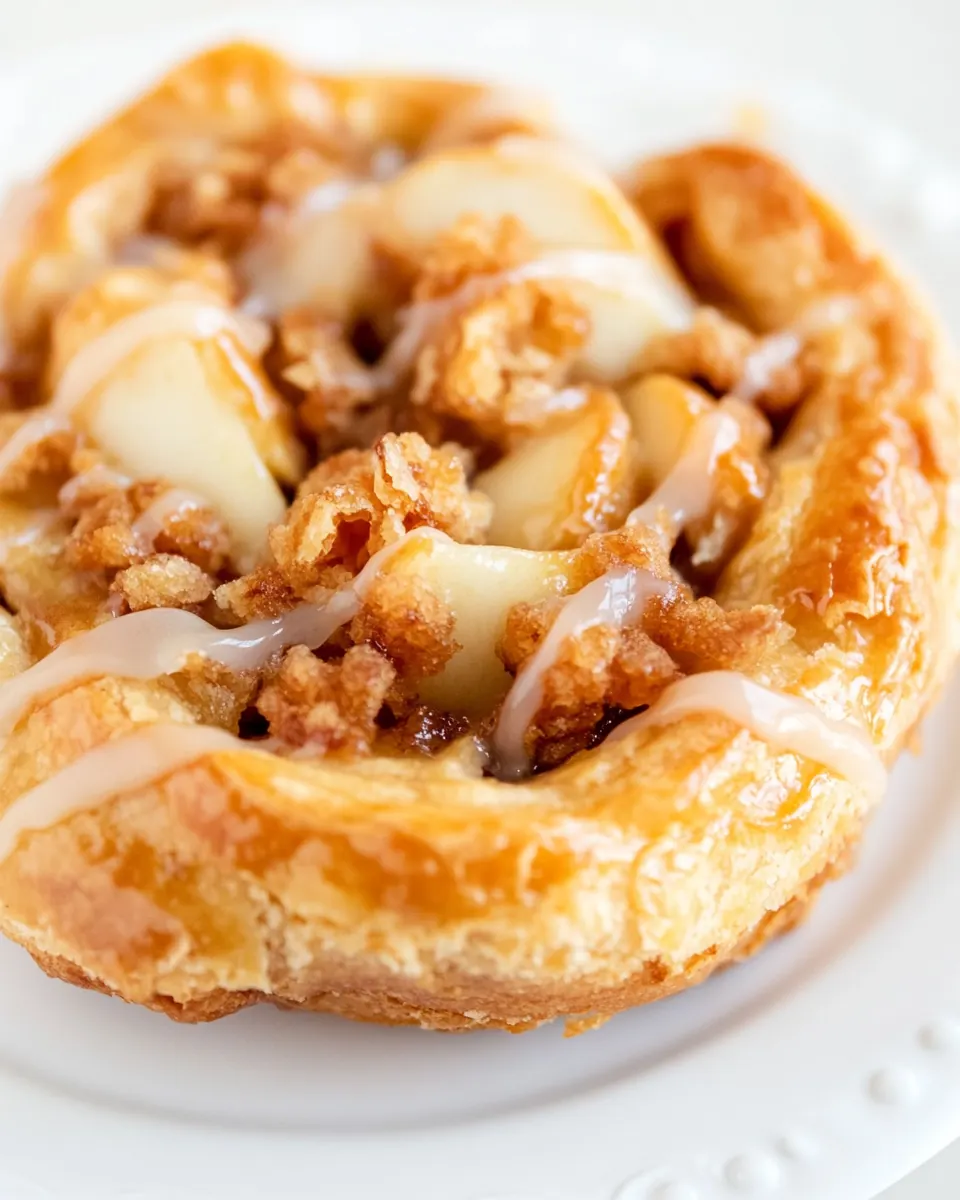
These steps take you from thawed puff pastry to warm, glazed pastries. I approach the process with calm focus, prepping ingredients and tools first so the oven work flows. Read each step, then move steadily to keep the filling texture and bake timing consistent.
- Preheat the oven to 400 degrees Fahrenheit and line two baking sheets with parchment paper.: When you walk into a kitchen warmed to 400 degrees Fahrenheit you will notice an immediate change in the air, a readiness that tells you pastry will crisp quickly. Proper oven heat ensures the puff pastry puffs and sets instead of turning soggy, and parchment prevents sticking while collecting any buttery drips. A common mistake is preheating too late, which can collapse layers, so start this step early. The oven should be fully heated before the danishes go in, and the sound of the initial bake is a light, whispering sizzle as butter renders.
- In a medium saucepan, combine 4 tablespoons unsalted butter, 1/2 cup granulated sugar, 1/4 cup water, 2 teaspoons cornstarch, 1/2 teaspoon cinnamon, 1/2 teaspoon nutmeg, and a pinch of salt.: As the mixture warms, the butter melts into a glossy pool and the granulated sugar dissolves, releasing a faint steam scented with cinnamon and nutmeg . The cornstarch will thicken the blend when heated, and the pinch of salt rounds the flavors. Stir continuously to avoid grainy pockets and to let the spices bloom in the fat. A common error is heating too fast, which can cause sugar to scorch; a steady medium flame is key.
- Melt over medium heat and bring the mixture to a boil. Boil for 2 minutes, stirring frequently, then add in 2 large peeled and diced Granny Smith apples. Bring the mixture back to a boil over medium-high heat and cook for 5 minutes, stirring often. Remove from heat and let cool.: As the pot reaches a gentle boil the mixture will thicken and become glossy, and you will smell a caramelizing sweetness. Adding the diced Granny Smith apples introduces a crisp fruit aroma and the pieces should soften while holding shape. The brief boil activates the cornstarch so the juices set around the fruit, producing a spoonable, not runny, filling. A typical pitfall is overcooking so the apples turn mushy; watch for them to become tender but still slightly resilient.
- Unfold 1 (17.3-ounce) box puff pastry dough (two sheets). Using a rolling pin roll out each sheet to 10×10 inches. Use a pizza cutter and make 12 even strips. Connect two strips together by overlapping by a half inch and pressing together. Twist the strips around itself and press the end to the rest of the dough.: The tactile feel of cold puff pastry sliding under the rolling pin is distinct, cool and slightly resistant. Rolling to a consistent 10×10 inches ensures even baking and predictable portion size. When you twist the strips you create visual interest and layered texture; pressing seams firmly prevents them from separating in the oven. Watch out for over handling, which warms the layers and can reduce the lift, so work briskly and return the pastry to the fridge if it gets too soft.
- Place 6 danishes on a parchment lined baking sheet pan then press the middle down. Place a spoonful of the apple filling in the middle of each danish.: Pressing the center creates a little basin to hold the filling, and when you spoon in the glossy apple mixture you will see steam and shimmer that signal the right consistency. The visual cue is a slightly domed edge and a sunken center filled with fruit. Overfilling is a common mistake, leading to spillover and soggy edges, so use measured spoonfuls and leave room for the crumb topping.
- Mix 2 tablespoons brown sugar, 1/4 teaspoon cinnamon, and 1 1/2 tablespoons unsalted butter melted in a small bowl. Stir in the 1/4 cup all-purpose flour until the mixture is thick and crumbly.: The crumb topping should feel sandy and slightly moist from the melted butter , with the brown sugar lending a molasses scent. Work the mixture just until coarse crumbs form, which will bake into crisp, slightly chewy bits. If you overwork it into a paste the topping will lose its desirable crumbly texture, so aim for a pebbly consistency.
- Mix 1 large egg and 1 tablespoon water together in a small dish then brush each pastry with the egg wash.: The egg wash gives the pastry a glossy, golden surface and helps the crumb stay in place. Brushing should be even but light, you want a sheen not puddles. The sound as you brush is barely audible, but visually you will notice the dough take on a satin sheen. A common oversight is applying too much egg wash which can pool and create dark spots, so tap off excess from the brush.
- Sprinkle the crumb topping over the tops of each danish and bake for 16-18 minutes until edges are golden. Let the danishes cool for 5 minutes before glazing.: As they bake you will smell butter and sugar caramelizing, and the edges will rise into crisp, golden ribbons. Look for a deep golden hue on the pastry edges and a set, slightly browned crumb. Letting them rest five minutes helps the filling settle so the glaze adheres rather than slides off. A mistake is pulling them out too early which can leave the center underbaked and the pastry too soft.
- In a small bowl combine 1/2 cup powdered sugar, 2 tablespoons heavy whipping cream or milk, and 1/4 teaspoon vanilla extract.: This glaze comes together into a smooth, glossy drizzle, and the powdered sugar dissolves into the liquid, releasing a sweet vanilla perfume. Choose heavy whipping cream for a richer, silkier glaze, or milk for a lighter finish. If the glaze is too thick add drops of the liquid until it flows slowly off a spoon; if too thin add a touch more powdered sugar. Avoid adding too much liquid at once which can make it runny.
- Stir the glaze ingredients together and drizzle over each warm apple danish.: The final drizzle adds a cool, creamy counterpoint to the warm pastry and apple filling, and visually it creates appetizing ribbons of white against golden pastry. When you drizzle, the glaze will set into a delicate sheen as it cools, and the aroma of vanilla extract will lift the whole tray. A trap to avoid is glazing while the pastries are too hot, which can cause the glaze to sink into the filling rather than resting prettily on top.
Substitutions and Tips
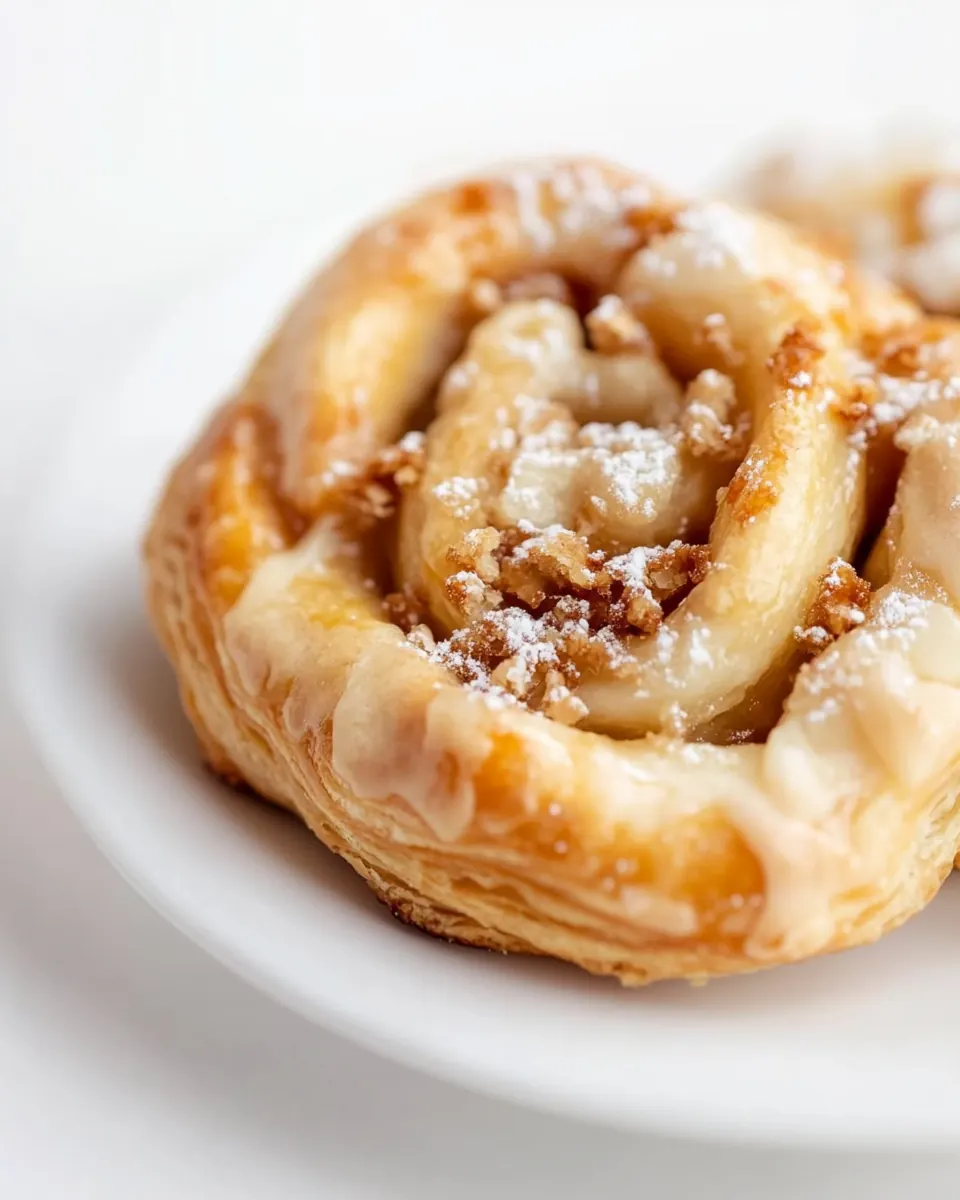
These tips expand on small technique tweaks and helpful swaps that keep your process smooth. I include practical notes I use every time I bake Apple Danish, from dough handling to glaze texture.
- Keep pastry cold – If your puff pastry becomes soft, pop it on a baking sheet and chill for 10 to 15 minutes before cutting to preserve the layers and prevent shrinking in the oven.
- Choose firm apples – Using firm Granny Smith apples helps the filling hold its shape; softer varieties can turn mushy during the quick stovetop cook.
- Adjust glaze consistency – If the glaze is too thick add a few drops of the chosen milk or heavy whipping cream until it flows smoothly, or add powdered sugar to thicken if needed.
- Make the crumb ahead – The crumb topping can be mixed and refrigerated for a day; bring it to room temperature before sprinkling so it adheres evenly to the egg washed surface.
- Monitor oven spots – Ovens can bake unevenly, so rotate the baking sheets halfway through the 16 to 18 minute bake to ensure uniform golden color on all danishes.
- Serve warm – These taste best gently warm, so reheat briefly in a low oven to refresh crispness if serving later.
Serving Suggestions
These Apple Danish are ideal for mornings, casual brunches, or holiday buffets. They pair well with coffee or tea and travel well to gatherings. Serve warm for best texture and aroma.
- Breakfast spread – Arrange Apple Danish on a platter alongside fresh fruit and a selection of jams for a relaxed morning table.
- Brunch centerpiece – These make a lovely centerpiece for weekend brunch, presented on tiered trays so guests can grab one while mingling.
- Holiday mornings – For fall occasions or a holiday breakfast, warm them and serve with warm beverages to create a cozy ritual.
- Storing – Store cooled danishes in an airtight container for up to two days at room temperature, or freeze individually wrapped and reheat in a low oven to restore crispness.
- Reheating – Reheat in a 325 to 350 degree Fahrenheit oven for 5 to 8 minutes until warm, this preserves the flaky texture better than a microwave.
- Plating – Serve with a light dusting of powdered sugar or an extra drizzle of glaze just before serving to refresh their appearance and sweetness.
FAQ
Conclusion
This Apple Danish brings together flaky puff pastry, bright Granny Smith apples, and a buttery crumb for a bakery level pastry you can make at home. I encourage you to give it a try on a quiet morning or share a tray with friends to see how quickly it disappears. The process is straightforward yet rewarding, and the finished pastries present beautifully whether you are serving brunch or simply treating yourself. Enjoy the layered textures and warm spice notes, and don’t be surprised if this becomes a seasonal favorite.
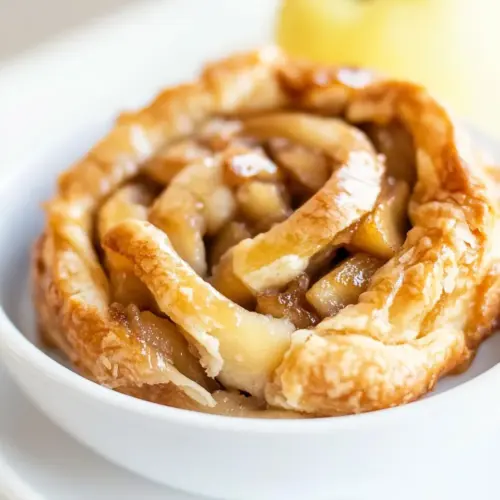
Apple Danish
Equipment
- Saucepan
- Rolling Pin
- Baking Sheet
- Parchment Paper
- Pizza Cutter
Ingredients
- 1 (17.3-ounce) box puff pastry dough (two sheets) Thaw and unroll to provide the flaky laminated layers that form the Danish base; keep cold until ready to shape and bake to maintain lift and crispiness. Use both sheets as directed to create individual pastries or a single large braid, following package instructions for handling.
- 4 tablespoons unsalted butter Melt and brown to enrich the apple filling with a silky mouthfeel and deepen flavor; incorporate early in cooking to coat fruit and carry spices. Use unsalted butter to control overall saltiness and to achieve a glossy, tender texture in the filling.
- 1/2 cup granulated sugar Dissolve and sweeten to balance tart apples and create a stable syrup in the filling; adjust slightly for personal sweetness preference. Use granulated sugar for even sweetness and to help thicken when combined with cornstarch and heated.
- 1/4 cup water Simmer and dissolve to help activate the cornstarch and loosen caramelization, forming the syrupy medium for the apple mixture. Add gradually while heating to prevent clumping and to control consistency of the filling.
- 2 teaspoons cornstarch Thicken and stabilize by binding with liquid to create a clear, glossy filling that clings to the apples and pastry. Mix with a small amount of cold water before adding to hot syrup to prevent lumps and ensure smooth texture.
- 1/2 teaspoon cinnamon Flavor and warm by adding aromatic depth that complements apples and brown sugar; blend with other spices for balanced spice notes. Use moderate amounts so the cinnamon supports but does not overwhelm the overall dessert.
- 1/2 teaspoon nutmeg Spice and brighten by contributing a warm, slightly nutty aromatic note that enhances the apple filling complexity; sprinkle sparingly. Pair with cinnamon for layered spice character while keeping the nutmeg subtle.
- pinch of salt Enhance and balance by rounding out sweetness and intensifying flavors when used in the filling; a pinch prevents flatness. Salt also helps to accentuate butter and fruit flavors without making the pastry taste salty.
- 2 large peeled and diced Granny Smith apples Peel, dice, and provide the primary fruit component delivering tartness, texture, and body to the Danish; select firm apples that hold shape when cooked. Use Granny Smith specifically for their bright acidity which contrasts the sweet glaze and pastry.
- 2 tablespoons brown sugar Sweeten and caramelize to add a deeper molasses-like note and balance the apples' tartness when cooked into the filling. Sprinkle over fruit before cooking to help create pockets of caramelized flavor and color.
- 1/4 teaspoon cinnamon Spice and layer by adding a warm, aromatic cinnamon note to the filling; use alongside the other cinnamon measure for cohesive flavor. Distribute evenly so each bite has subtle spice without overpowering the apple.
- 1 1/2 tablespoons unsalted butter melted Brush and gloss by adding richness and sheen to the pastry; melted butter also helps achieve a golden-brown crust during baking. Apply lightly to exposed dough edges and surfaces to promote even browning and flavor.
- 1/4 cup all-purpose flour Thicken and bind when used in a simple streusel or dough handling step to add structure and tenderness to any crumb topping or dough repair. Combine with butter and sugar to form small clumps that bake into a tender, slightly crisp component.
- 1 large egg Beat and wash to create an egg wash that promotes glossy, browned pastry and helps edges seal; whisk until smooth for even application. Use one large egg for consistent color and sheen across all pastries.
- 1 tablespoon water Dilute and smooth by loosening the egg for an even wash that is easier to brush on the pastry surface, preventing streaks. Combine with the beaten egg to achieve a thinner consistency that spreads evenly.
- 1/2 cup powdered sugar Sweeten and finish by forming a silky icing that adds visual appeal and a bright sweet note; sift before mixing to avoid lumps. Adjust consistency with cream or milk so the glaze can be drizzled or spread as desired.
- 2 tablespoons heavy whipping cream or milk Enrich and thin by adding subtle creaminess to the glaze while adjusting its pourable consistency; choose heavy cream for a richer finish or milk for a lighter glaze. Stir in gradually until the icing reaches desired thickness for drizzling.
- 1/4 teaspoon vanilla extract Flavor and brighten the icing with a small amount of pure vanilla to round out sweetness and add aromatic complexity; add to taste. Vanilla blends with powdered sugar and cream to produce a classic finishing flavor.
Instructions
- Preheat the oven to 400 degrees Fahrenheit and line two baking sheets with parchment paper.: When you walk into a kitchen warmed to 400 degrees Fahrenheit you will notice an immediate change in the air, a readiness that tells you pastry will crisp quickly. Proper oven heat ensures the puff pastry puffs and sets instead of turning soggy, and parchment prevents sticking while collecting any buttery drips. A common mistake is preheating too late, which can collapse layers, so start this step early. The oven should be fully heated before the danishes go in, and the sound of the initial bake is a light, whispering sizzle as butter renders.
- In a medium saucepan, combine 4 tablespoons unsalted butter, 1/2 cup granulated sugar, 1/4 cup water, 2 teaspoons cornstarch, 1/2 teaspoon cinnamon, 1/2 teaspoon nutmeg, and a pinch of salt.: As the mixture warms, the butter melts into a glossy pool and the granulated sugar dissolves, releasing a faint steam scented with cinnamon and nutmeg . The cornstarch will thicken the blend when heated, and the pinch of salt rounds the flavors. Stir continuously to avoid grainy pockets and to let the spices bloom in the fat. A common error is heating too fast, which can cause sugar to scorch; a steady medium flame is key.
- Melt over medium heat and bring the mixture to a boil. Boil for 2 minutes, stirring frequently, then add in 2 large peeled and diced Granny Smith apples. Bring the mixture back to a boil over medium-high heat and cook for 5 minutes, stirring often. Remove from heat and let cool.: As the pot reaches a gentle boil the mixture will thicken and become glossy, and you will smell a caramelizing sweetness. Adding the diced Granny Smith apples introduces a crisp fruit aroma and the pieces should soften while holding shape. The brief boil activates the cornstarch so the juices set around the fruit, producing a spoonable, not runny, filling. A typical pitfall is overcooking so the apples turn mushy; watch for them to become tender but still slightly resilient.
- Unfold 1 (17.3-ounce) box puff pastry dough (two sheets). Using a rolling pin roll out each sheet to 10×10 inches. Use a pizza cutter and make 12 even strips. Connect two strips together by overlapping by a half inch and pressing together. Twist the strips around itself and press the end to the rest of the dough.: The tactile feel of cold puff pastry sliding under the rolling pin is distinct, cool and slightly resistant. Rolling to a consistent 10×10 inches ensures even baking and predictable portion size. When you twist the strips you create visual interest and layered texture; pressing seams firmly prevents them from separating in the oven. Watch out for over handling, which warms the layers and can reduce the lift, so work briskly and return the pastry to the fridge if it gets too soft.
- Place 6 danishes on a parchment lined baking sheet pan then press the middle down. Place a spoonful of the apple filling in the middle of each danish.: Pressing the center creates a little basin to hold the filling, and when you spoon in the glossy apple mixture you will see steam and shimmer that signal the right consistency. The visual cue is a slightly domed edge and a sunken center filled with fruit. Overfilling is a common mistake, leading to spillover and soggy edges, so use measured spoonfuls and leave room for the crumb topping.
- Mix 2 tablespoons brown sugar, 1/4 teaspoon cinnamon, and 1 1/2 tablespoons unsalted butter melted in a small bowl. Stir in the 1/4 cup all-purpose flour until the mixture is thick and crumbly.: The crumb topping should feel sandy and slightly moist from the melted butter , with the brown sugar lending a molasses scent. Work the mixture just until coarse crumbs form, which will bake into crisp, slightly chewy bits. If you overwork it into a paste the topping will lose its desirable crumbly texture, so aim for a pebbly consistency.
- Mix 1 large egg and 1 tablespoon water together in a small dish then brush each pastry with the egg wash.: The egg wash gives the pastry a glossy, golden surface and helps the crumb stay in place. Brushing should be even but light, you want a sheen not puddles. The sound as you brush is barely audible, but visually you will notice the dough take on a satin sheen. A common oversight is applying too much egg wash which can pool and create dark spots, so tap off excess from the brush.
- Sprinkle the crumb topping over the tops of each danish and bake for 16-18 minutes until edges are golden. Let the danishes cool for 5 minutes before glazing.: As they bake you will smell butter and sugar caramelizing, and the edges will rise into crisp, golden ribbons. Look for a deep golden hue on the pastry edges and a set, slightly browned crumb. Letting them rest five minutes helps the filling settle so the glaze adheres rather than slides off. A mistake is pulling them out too early which can leave the center underbaked and the pastry too soft.
- In a small bowl combine 1/2 cup powdered sugar, 2 tablespoons heavy whipping cream or milk, and 1/4 teaspoon vanilla extract.: This glaze comes together into a smooth, glossy drizzle, and the powdered sugar dissolves into the liquid, releasing a sweet vanilla perfume. Choose heavy whipping cream for a richer, silkier glaze, or milk for a lighter finish. If the glaze is too thick add drops of the liquid until it flows slowly off a spoon; if too thin add a touch more powdered sugar. Avoid adding too much liquid at once which can make it runny.
- Stir the glaze ingredients together and drizzle over each warm apple danish.: The final drizzle adds a cool, creamy counterpoint to the warm pastry and apple filling, and visually it creates appetizing ribbons of white against golden pastry. When you drizzle, the glaze will set into a delicate sheen as it cools, and the aroma of vanilla extract will lift the whole tray. A trap to avoid is glazing while the pastries are too hot, which can cause the glaze to sink into the filling rather than resting prettily on top.
Notes
- Keep pastry cold - If your puff pastry becomes soft, pop it on a baking sheet and chill for 10 to 15 minutes before cutting to preserve the layers and prevent shrinking in the oven.
- Choose firm apples - Using firm Granny Smith apples helps the filling hold its shape; softer varieties can turn mushy during the quick stovetop cook.
- Adjust glaze consistency - If the glaze is too thick add a few drops of the chosen milk or heavy whipping cream until it flows smoothly, or add powdered sugar to thicken if needed.
- Make the crumb ahead - The crumb topping can be mixed and refrigerated for a day; bring it to room temperature before sprinkling so it adheres evenly to the egg washed surface.
- Monitor oven spots - Ovens can bake unevenly, so rotate the baking sheets halfway through the 16 to 18 minute bake to ensure uniform golden color on all danishes.
- Serve warm - These taste best gently warm, so reheat briefly in a low oven to refresh crispness if serving later.