Lemon Asparagus Pasta
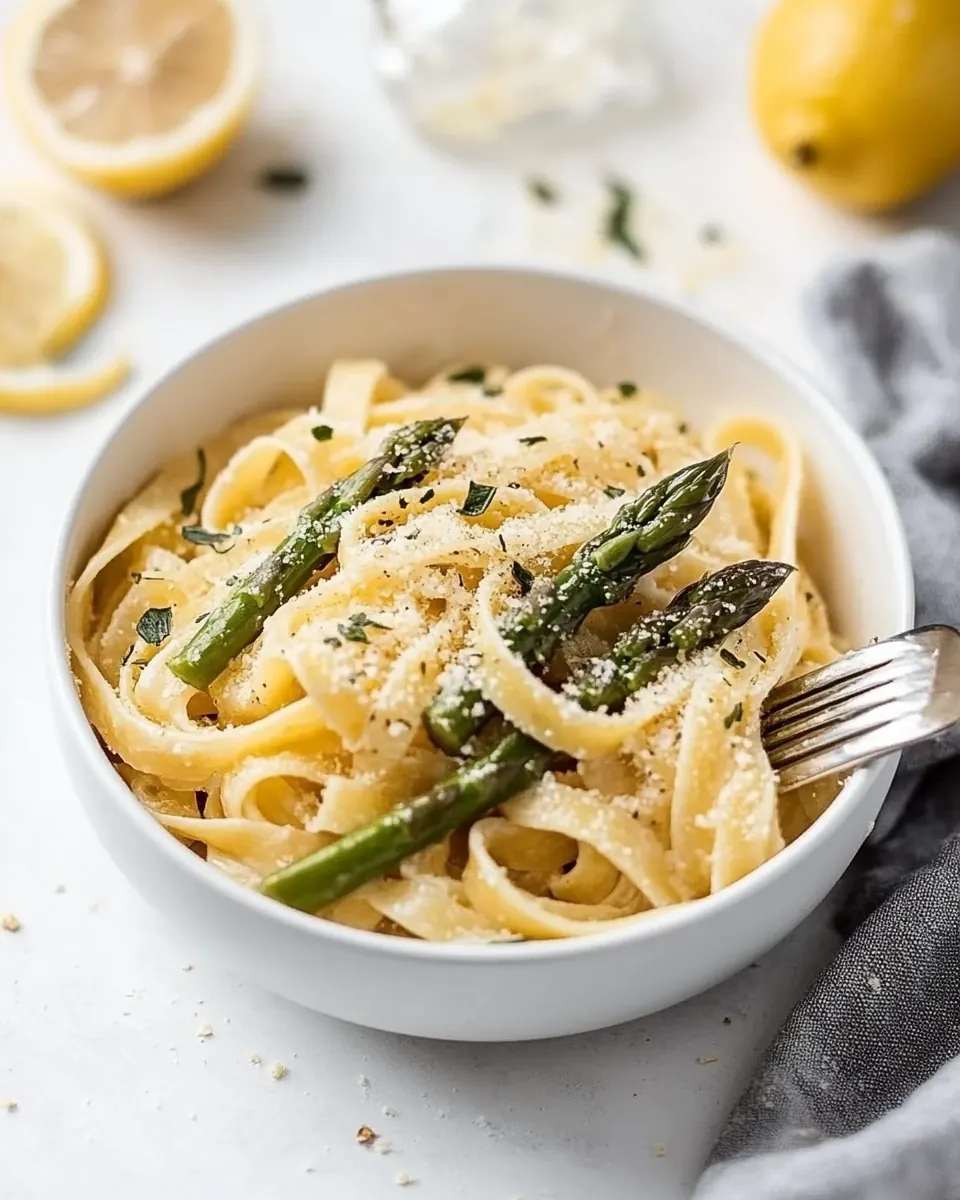
Lemon Asparagus Pasta has been a springtime staple in my kitchen for years, the kind of dish I reach for on evenings when I want something bright but effortless. The first time I made it I was scrambling after a long day, staring at a bag of pasta and a bunch of asparagus with more enthusiasm than plan. I tossed together a few simple pantry items, squeezed in a lemon, and the result surprised me with how fresh and comforting it felt at once.
Over time I learned a few small habits that make this dish sing. I like to keep the asparagus crisp tender, the cream just silky enough to coat each strand of pasta, and the lemon bright but not sharp. Whenever friends come by in the warmer months, this recipe is my secret weapon because it looks elegant on the plate but takes almost no fuss. I’ll tell you what I do, why each step matters, and how to avoid common slipups so your batch turns out the way I love it every single time.
Recipe Snapshot
25 mins
10 mins
15 mins
Easy
450 kcal
Italian
Gluten-Free, Low FODMAP
Dinner
Large pot, Large skillet, Colander, Tongs
What Sets This Lemon Asparagus Pasta Apart
Fresh spring flavors that feel special
I love how Lemon Asparagus Pasta uses simple ingredients to produce a lively flavor profile. The lemon juice lifts the creaminess so the dish never feels heavy, while the asparagus keeps it rooted in the season. This combination makes it perfect for those evenings when you want something that tastes thoughtful without being complicated.
Speed without sacrificing texture
I often need a fast but satisfying meal, and this recipe delivers in about a half hour. The method lets the pasta and sauce finish together so nothing gets mushy, and you keep a lovely bite in the asparagus. I’ll explain how timing the pasta and simmering the sauce together preserves texture.
One pan rhythm, minimal cleanup
I appreciate recipes that keep dishes to a minimum, and this one largely lives in a single skillet once the pasta is cooked. Using reserved pasta water as a sauce base gives you both flavor and silky mouthfeel with no extra steps, which means fewer dishes and more time to relax after cooking.
Customizable in obvious ways
I’m always tinkering, and this formula is forgiving. If you want to add a bit more heat, a pinch of crushed red pepper flakes does the trick. If you need creaminess without dairy, cashew cream can stand in. The base technique works whether you want to keep it light or make it lush and indulgent.
Approachable yet elegant
I bring this to casual dinners and it looks like I planned for hours. The bright lemon, green asparagus, and a scattering of Parmesan make it visually appealing. You’ll find guests ask for the recipe and you’ll love how approachable it is to pull together on a weeknight.
What to Gather for Lemon Asparagus Pasta
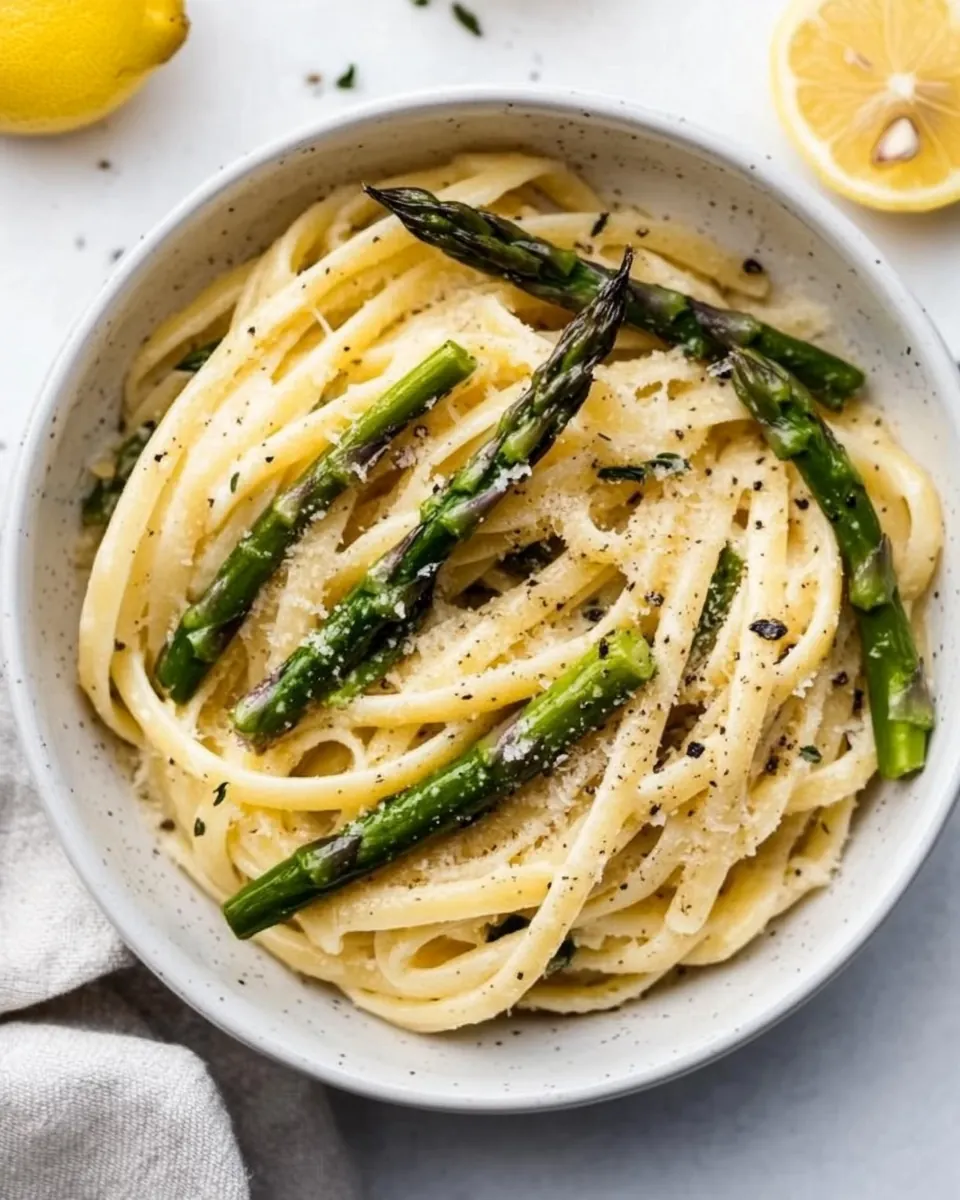
These ingredients are chosen to balance brightness, creaminess, and a satisfying bite. The pasta serves as the comforting backbone, the asparagus brings a fresh green contrast, and the lemon and cream work together to create a sauce that clings to every strand. Each item plays a clear role, and together they make a dish that feels both cozy and spring fresh.
- 1 pound dry pasta (1 box) choose your favorite!: Boil to al dente and serve as the base of the dish, absorbing sauce flavors while providing satisfying texture and body for the pasta.
- 1 tablespoon unsalted butter (1/8 stick): Melt and gently brown to add a rich, silky mouthfeel and a touch of nuttiness that helps bind the sauce to the pasta and asparagus.
- 1 tablespoon olive oil: Sauté briefly to provide a fruity backbone and help carry aromatics, balancing richness from butter and cream while enhancing overall flavor.
- 1 pound asparagus stalks sliced into thirds: Slice and cook until tender-crisp to add fresh vegetal sweetness and bright green color, offering contrast in texture and seasonal flavor.
- 3 cloves garlic minced: Mince and cook until fragrant to infuse the oil and butter with aromatic depth, delivering savory pungency that complements lemon and asparagus.
- 1/2 cup heavy cream: Heat gently to create a creamy, luxurious sauce that clings to pasta, mellowing acidity while enriching the overall dish with fat and silkiness.
- 1 lemon juiced: Juice and incorporate to provide bright acidity and citrus aroma that lifts the cream and butter, balancing richness and enhancing freshness.
- 1/2 teaspoon crushed red pepper flakes: Crush and sprinkle sparingly to introduce subtle heat and a hint of smokiness, adding complexity without overwhelming the delicate lemon and asparagus flavors.
- 1/2 teaspoon kosher salt: Season during cooking to elevate and balance flavors, enhancing brightness and helping other seasonings and aromatics to shine throughout the dish.
- 1/2 teaspoon ground black pepper: Grind and add to taste to deliver pungent, warming notes and a slight bite that complements the lemon and cuts through the creaminess.
- Freshly grated Parmesan cheese: Grate over the finished pasta to contribute salty, umami-rich savoriness and a slightly granular texture that enhances overall richness and depth.
- Fresh parsley: Chop and scatter for a bright, herbaceous finish that adds fresh color, mild bitterness, and a clean contrast to the creamy sauce.
- Lemon wedges: Serve on the side to offer extra citrus for diners, providing an optional bright squeeze that can further brighten and personalize each portion.
How to Prepare Lemon Asparagus Pasta
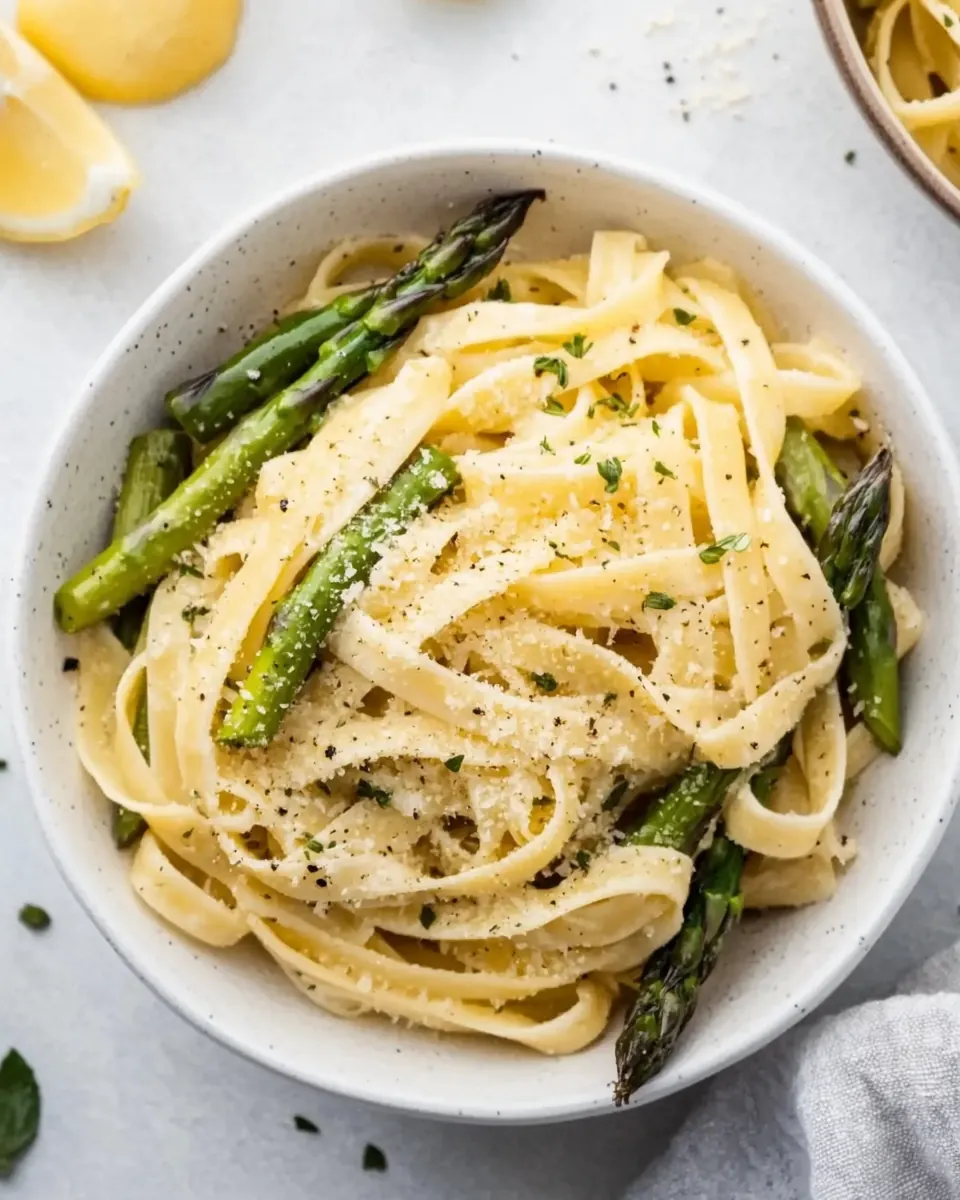
This recipe moves at an easy clip, but timing matters. You will get the best results when the pasta and sauce finish together, which keeps the texture perfect and allows the starchy pasta water to bind the sauce. Below I expand each direction into rich, sensory steps so you can cook with confidence.
- Boil 6 cups of water in a large pot set over high heat and salt generously. Add the pasta and cook according to the package until al dente.: The sound of a vigorous boil is your first cue, a rolling noise that promises even cooking. Watch the water and add a generous pinch of kosher salt so the pasta absorbs seasoning as it cooks, resulting in a more flavorful dish overall. When you add the pasta you should hear a soft, rapid sizzle as the strands hit the water, and bubbles will momentarily splash. Stir immediately to prevent sticking, and check for al dente a few minutes before the package time by tasting a piece for a slight bite. A common mistake is underusing water, which causes the pasta to clump and cook unevenly, so use a spacious pot. Keep an eye on the clock and set a gentle timer to avoid overcooking, because once pasta becomes mushy it cannot be reversed.
- While the pasta cooks, heat the butter and olive oil together in a large skillet set over medium-high heat. Add the asparagus and garlic. Stir and cook until the asparagus starts to soften, about 3 minutes.: You will hear a light sizzle when the butter and olive oil hit the warm pan, and that aroma tells you the pan is ready. Add the chopped asparagus and minced garlic , then stir so each piece gets coated with fat, which helps with caramelization and flavor development. The asparagus should take on a brighter green color and a slightly tender snap, and the garlic should smell fragrant and sweet rather than sharp. Keep the heat moderate to avoid charring the garlic, which leads to bitterness. Overcrowding the skillet can steam the asparagus rather than sauté it, so give the pieces room to brown a bit for deeper flavor.
- Pour in one cup of the pasta water. Add the heavy cream, lemon juice, red pepper flakes, salt, and pepper and let it cook down until the pasta is ready.: When you ladle in reserved pasta water, you will see little bubbles form as the starchy liquid meets the warm skillet, and this helps the sauce thicken and cling. Adding the heavy cream next mellows the acidity of the lemon and creates a silky texture. Stir to combine and watch as the sauce reduces slightly into a glossy coating, carrying flecks of crushed red pepper flakes for warmth. The scent should be creamy with a lemon lift. If the sauce feels too loose, let it simmer gently, stirring often, until it lightly coats the back of a spoon. A typical pitfall is overheating the cream, which can break the sauce, so keep the temperature moderate and steady.
- Drain the pasta and add it to the skillet. Toss to combine and sprinkle with Parmesan cheese. Serve with fresh parsley and lemon wedges.: After draining, when you add the pasta to the sauce you should see the noodles glisten as they pick up the creamy emulsion, and a soft sizzle may sound as moisture interacts. Toss gently with tongs or a pasta fork to ensure every strand has an even coating, and if needed add a splash more reserved pasta water to loosen the sauce for glossy coverage. The final sprinkle of freshly grated Parmesan will melt into the warm sauce and add a savory depth, while chopped parsley offers a fresh, herbal note. Plate immediately with lemon wedges so each diner can brighten their portion. A frequent mistake is letting the pasta sit too long before serving, which causes the sauce to clump and the texture to dull, so serve promptly while everything is warm and lively.
Recipe Variations about Lemon Asparagus Pasta
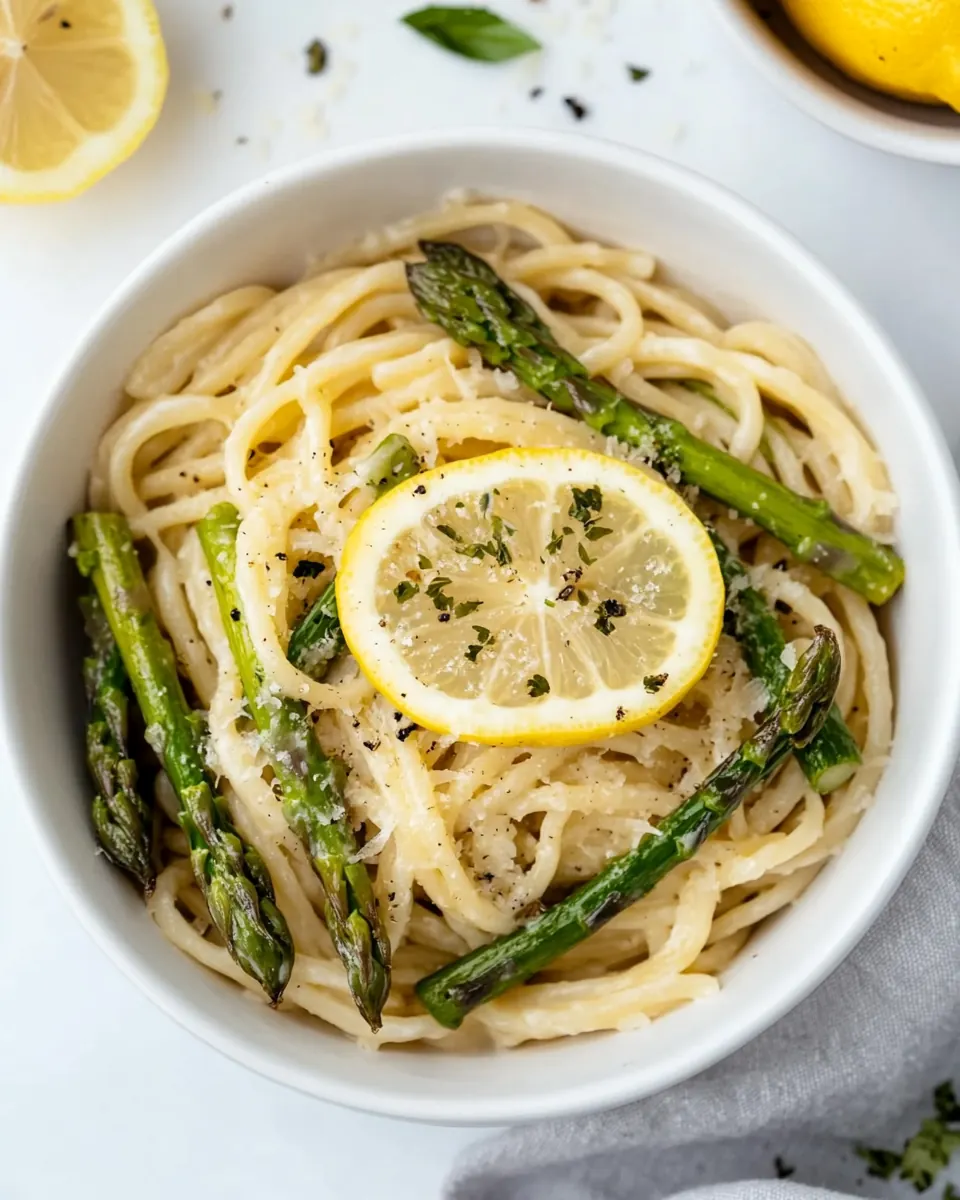
This dish is flexible and forgiving, making it an ideal base for experimentation. Below are practical variations and ideas to tailor the recipe to your preferences, each expanded into helpful tips you can apply the next time you cook it.
- Brighten with extra lemon: Add more fresh lemon juice or a little lemon zest at the end for even livelier citrus notes. Zest carries the aromatic oils that make lemon flavor pop without adding extra acidity, which helps balance the cream. If you prefer a pronounced lemon profile, grate a small amount of zest over the plated pasta just before serving for a perfume like finish.
- Make it lighter: Substitute part of the heavy cream with reserved pasta water to create a lighter sauce that still clings to the pasta. The starch in the water helps bind the sauce, so you retain silkiness while reducing caloric density. Keep the heat moderate to avoid breaking the emulsion.
- Boost umami: Stir in extra freshly grated Parmesan at the end for a deeper savory profile. The cheese melts into the warm sauce and enhances the overall mouthfeel, making the dish taste richer without adding many ingredients. Add slowly and taste as you go to maintain balance.
- Vegan swap: Replace heavy cream with cashew cream for a plant based option that still gives a creamy texture. Blend soaked cashews with a touch of water and a pinch of salt until completely smooth, then warm gently in the skillet to incorporate with the reserved pasta water and lemon. This keeps creaminess while removing dairy.
- Add a crunchy finish: Toasted breadcrumbs or lightly toasted pine nuts add a contrasting texture that plays nicely against the tender asparagus and smooth sauce. Scatter them over the plated portions just before serving to preserve their crunch and provide an elevated mouthfeel.
What Goes Well With This Lemon Asparagus Pasta
This pasta is versatile when it comes to pairings, working well for casual lunches or a simple dinner with friends. You can present it as the main course or pair it with light sides and salads to create a well rounded meal. Below are serving ideas, seasonal notes, and storage tips to help you plan the perfect meal around this dish.
- Serve as a spring main: Plate Lemon Asparagus Pasta as the centerpiece for a light spring dinner, perhaps alongside a crisp green salad dressed in lemon vinaigrette to echo the citrus theme. The contrast of crunchy greens with the silky pasta makes a balanced plate.
- Casual lunch option: Offer smaller portions as a midday meal with a side of crusty bread for sopping up any remaining sauce. Warm the bread slightly so its aroma complements the lemon and Parmesan, making for an unpretentious but satisfying lunch.
- Occasion pairing: For a relaxed dinner party, serve family style from the skillet so guests can help themselves, and provide extra Parmesan and lemon wedges on the table. This creates an inviting atmosphere and lets people customize their plates.
- Storage tips: Keep leftovers in an airtight container in the refrigerator for up to two days. Reheat gently with a splash of water or reserved pasta water over low heat to restore silkiness without drying out the sauce. Do not microwave at high power which can make the cream separate.
- Seasonal notes: This shines in spring when fresh asparagus is at its peak, but you can make it whenever asparagus is available. For late season variants, choose thicker stalks and adjust cooking time so the vegetable stays crisp tender.
- Meal ideas for guests: Pair with a simple antipasto of marinated vegetables and olives to start, keeping the flavors light so the pasta remains the focus. Offer a light dessert like fresh berries to finish on a bright note.
FAQ
Conclusion
Lemon Asparagus Pasta shines because it blends bright citrus, tender asparagus, and a silky cream sauce into a fast and elegant meal. Its simplicity is deceptive, offering layers of flavor and texture that feel special yet are easy to achieve. Give it a try on a busy weeknight or when you want a light spring supper that still feels indulgent. I promise the combination of fresh lemon and crisp asparagus will make it one of your favorite go to recipes.
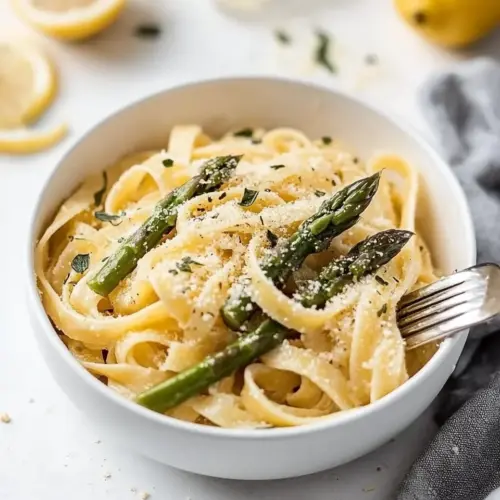
Lemon Asparagus Pasta
Equipment
- Large Pot
- Large Skillet
- Colander
- Tongs
Ingredients
- 1 pound dry pasta (1 box) choose your favorite! Boil to al dente and serve as the base of the dish, absorbing sauce flavors while providing satisfying texture and body for the pasta.
- 1 tablespoon unsalted butter (1/8 stick) Melt and gently brown to add a rich, silky mouthfeel and a touch of nuttiness that helps bind the sauce to the pasta and asparagus.
- 1 tablespoon olive oil Sauté briefly to provide a fruity backbone and help carry aromatics, balancing richness from butter and cream while enhancing overall flavor.
- 1 pound asparagus stalks sliced into thirds Slice and cook until tender-crisp to add fresh vegetal sweetness and bright green color, offering contrast in texture and seasonal flavor.
- 3 cloves garlic minced Mince and cook until fragrant to infuse the oil and butter with aromatic depth, delivering savory pungency that complements lemon and asparagus.
- 1/2 cup heavy cream Heat gently to create a creamy, luxurious sauce that clings to pasta, mellowing acidity while enriching the overall dish with fat and silkiness.
- 1 lemon juiced Juice and incorporate to provide bright acidity and citrus aroma that lifts the cream and butter, balancing richness and enhancing freshness.
- 1/2 teaspoon crushed red pepper flakes Crush and sprinkle sparingly to introduce subtle heat and a hint of smokiness, adding complexity without overwhelming the delicate lemon and asparagus flavors.
- 1/2 teaspoon kosher salt Season during cooking to elevate and balance flavors, enhancing brightness and helping other seasonings and aromatics to shine throughout the dish.
- 1/2 teaspoon ground black pepper Grind and add to taste to deliver pungent, warming notes and a slight bite that complements the lemon and cuts through the creaminess.
- Freshly grated Parmesan cheese Grate over the finished pasta to contribute salty, umami-rich savoriness and a slightly granular texture that enhances overall richness and depth.
- Fresh parsley Chop and scatter for a bright, herbaceous finish that adds fresh color, mild bitterness, and a clean contrast to the creamy sauce.
- Lemon wedges Serve on the side to offer extra citrus for diners, providing an optional bright squeeze that can further brighten and personalize each portion.
Instructions
- Boil 6 cups of water in a large pot set over high heat and salt generously. Add the pasta and cook according to the package until al dente.: The sound of a vigorous boil is your first cue, a rolling noise that promises even cooking. Watch the water and add a generous pinch of kosher salt so the pasta absorbs seasoning as it cooks, resulting in a more flavorful dish overall. When you add the pasta you should hear a soft, rapid sizzle as the strands hit the water, and bubbles will momentarily splash. Stir immediately to prevent sticking, and check for al dente a few minutes before the package time by tasting a piece for a slight bite. A common mistake is underusing water, which causes the pasta to clump and cook unevenly, so use a spacious pot. Keep an eye on the clock and set a gentle timer to avoid overcooking, because once pasta becomes mushy it cannot be reversed.
- While the pasta cooks, heat the butter and olive oil together in a large skillet set over medium-high heat. Add the asparagus and garlic. Stir and cook until the asparagus starts to soften, about 3 minutes.: You will hear a light sizzle when the butter and olive oil hit the warm pan, and that aroma tells you the pan is ready. Add the chopped asparagus and minced garlic , then stir so each piece gets coated with fat, which helps with caramelization and flavor development. The asparagus should take on a brighter green color and a slightly tender snap, and the garlic should smell fragrant and sweet rather than sharp. Keep the heat moderate to avoid charring the garlic, which leads to bitterness. Overcrowding the skillet can steam the asparagus rather than sauté it, so give the pieces room to brown a bit for deeper flavor.
- Pour in one cup of the pasta water. Add the heavy cream, lemon juice, red pepper flakes, salt, and pepper and let it cook down until the pasta is ready.: When you ladle in reserved pasta water, you will see little bubbles form as the starchy liquid meets the warm skillet, and this helps the sauce thicken and cling. Adding the heavy cream next mellows the acidity of the lemon and creates a silky texture. Stir to combine and watch as the sauce reduces slightly into a glossy coating, carrying flecks of crushed red pepper flakes for warmth. The scent should be creamy with a lemon lift. If the sauce feels too loose, let it simmer gently, stirring often, until it lightly coats the back of a spoon. A typical pitfall is overheating the cream, which can break the sauce, so keep the temperature moderate and steady.
- Drain the pasta and add it to the skillet. Toss to combine and sprinkle with Parmesan cheese. Serve with fresh parsley and lemon wedges.: After draining, when you add the pasta to the sauce you should see the noodles glisten as they pick up the creamy emulsion, and a soft sizzle may sound as moisture interacts. Toss gently with tongs or a pasta fork to ensure every strand has an even coating, and if needed add a splash more reserved pasta water to loosen the sauce for glossy coverage. The final sprinkle of freshly grated Parmesan will melt into the warm sauce and add a savory depth, while chopped parsley offers a fresh, herbal note. Plate immediately with lemon wedges so each diner can brighten their portion. A frequent mistake is letting the pasta sit too long before serving, which causes the sauce to clump and the texture to dull, so serve promptly while everything is warm and lively.
Notes
- Brighten with extra lemon: Add more fresh lemon juice or a little lemon zest at the end for even livelier citrus notes. Zest carries the aromatic oils that make lemon flavor pop without adding extra acidity, which helps balance the cream. If you prefer a pronounced lemon profile, grate a small amount of zest over the plated pasta just before serving for a perfume like finish.
- Make it lighter: Substitute part of the heavy cream with reserved pasta water to create a lighter sauce that still clings to the pasta. The starch in the water helps bind the sauce, so you retain silkiness while reducing caloric density. Keep the heat moderate to avoid breaking the emulsion.
- Boost umami: Stir in extra freshly grated Parmesan at the end for a deeper savory profile. The cheese melts into the warm sauce and enhances the overall mouthfeel, making the dish taste richer without adding many ingredients. Add slowly and taste as you go to maintain balance.
- Vegan swap: Replace heavy cream with cashew cream for a plant based option that still gives a creamy texture. Blend soaked cashews with a touch of water and a pinch of salt until completely smooth, then warm gently in the skillet to incorporate with the reserved pasta water and lemon. This keeps creaminess while removing dairy.
- Add a crunchy finish: Toasted breadcrumbs or lightly toasted pine nuts add a contrasting texture that plays nicely against the tender asparagus and smooth sauce. Scatter them over the plated portions just before serving to preserve their crunch and provide an elevated mouthfeel.