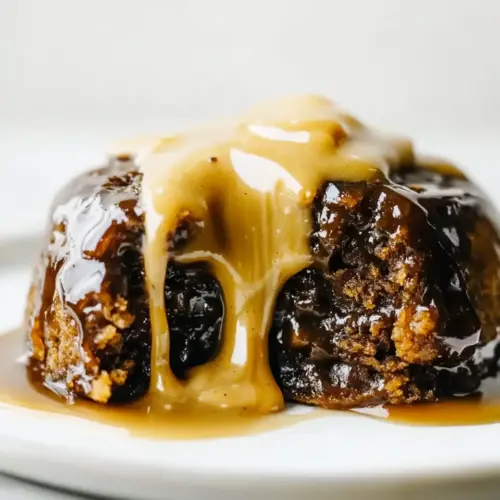
Sticky Toffee Pudding
Sticky Toffee Pudding delivers a rich, caramel like experience with tender, date studded cake and a glossy toffee sauce. This easy yet impressive dessert is creamy, comforting, and perfect for an easy weeknight dinner or a special winter gathering. Make it ahead for stress free entertaining and finish with warm sauce right before serving for maximum indulgence.
Equipment
- Oven
- Ramekins
- Saucepan
- Stand mixer
- Food Processor
Ingredients
- 6 ounces dates Chopped and softened to provide natural sweetness and a sticky, caramelized base that enriches the pudding’s texture and flavor; soak or simmer to fully plump for best integration into the batter.
- 1 cup water Gently simmered to rehydrate dried fruits and dissolve sugars, forming a flavorful liquid that adds moisture and helps create a smooth date purée; reserve some of the cooking liquid for the batter if needed.
- 1 1/4 cups all-purpose flour Sifted and combined to create the cake’s structure and tender crumb; balances liquid and leavening for a soft, moist sponge when measured accurately.
- 1 teaspoon baking powder Whisked into the dry mixture to contribute lift and lightness by producing gas bubbles during baking; ensures the pudding rises evenly when fresh and active.
- 1/2 teaspoon baking soda Dissolved into the batter to react with acids in the recipe, helping create additional lift and a fine, tender texture in the finished pudding.
- 1/2 teaspoon salt Measured and mixed with the dry ingredients to regulate overall flavor, strengthen dough structure slightly, and enhance other tastes without overwhelming sweetness.
- 1/4 cup unsalted butter Softened and creamed with sugar to incorporate fat for richness, tenderness, and moisture; contributes to the cake’s melt-in-the-mouth quality and helps carry flavor.
- 1 cup brown sugar packed Creamed with butter to add deep molasses notes and sweetness, creating a moist crumb and contributing to the pudding’s caramel-like background flavor.
- 1 teaspoon vanilla extract Added for aromatic warmth and to amplify sweetness, enhancing the dessert’s overall flavor profile with a rounded, familiar vanilla note.
- 2 large eggs Beaten and folded into the batter to provide structure, richness, and leavening through trapped air; eggs also emulsify fats and liquids for a uniform texture.
- 1 cup light brown sugar Simmered into the toffee sauce to intensify caramel flavors and deepen sweetness; contributes a complex, molasses-forward taste for drizzling over the pudding.
- 1 1/2 cups heavy cream Heated and combined with sugar and butter to form a silky, luxurious toffee sauce that adds moisture, richness, and a creamy mouthfeel when served warm.
- 1/2 cup unsalted butter Melted into the hot sauce and batter for additional richness and a smooth, buttery finish; balances sweetness and helps create a glossy sauce.
- 1/2 cup light corn syrup Stirred into the caramel sauce to increase viscosity and add a light, sweet sheen that prevents crystallization while contributing subtle corn-syrup sweetness.
- 1/2 teaspoon vanilla extract Added to both batter and sauce for aromatic enhancement and to round out flavors, providing a sweet, floral note that harmonizes with caramel and dates.
Instructions
- Preheat the oven to 350 degrees Fahrenheit. Butter 6 1/2 cup ramekins and dust lightly with flour.: You should notice the oven warming and a gentle, dry heat filling the cavity, which primes the environment so the puddings bake evenly. The tactile action of buttering and flouring the ramekins creates a subtle barrier, helping the cakes release cleanly while encouraging a slightly crisper edge where the batter meets the ceramic. If the ramekins are too cold when you fill them, the batter may cling oddly, so make sure they are at room temperature. A common mistake is overflouring, which can leave a powdery residue; tap out the excess so you get an even, thin coating that helps release without affecting texture.
- In a small saucepan, simmer 6 ounces dates and 1 cup water together over medium-low heat for about 15 minutes, until the dates are nice and soft. Transfer them to a food processor and blend until smooth.: As the dates simmer, the kitchen fills with a warm, caramel like scent and the mixture will become glossy and thick. The gentle bubbling signals that the water is extracting the natural sugars and softening the fruit, which is essential for a velvety puree. Processing the mixture yields a smooth paste that folds evenly into the batter, preventing stringy pockets of fruit. Avoid boiling aggressively, which can cause the dates to stick and scorch, imparting a bitter note. If the puree seems too runny, let it cool a bit to thicken before blending, and scrape down the sides to ensure an even texture.
- In a small bowl, whisk together 1 1/4 cups all-purpose flour, 1 teaspoon baking powder, 1/2 teaspoon baking soda and 1/2 teaspoon salt. In the bowl of a stand mixer, use the paddle attachment to beat together 1/4 cup unsalted butter and 1 cup brown sugar until combined. Add in 2 large eggs and 1 teaspoon vanilla extract. Scrape down the sides and the bottom of the bowl and add the date puree and beat until incorporated. With the mixer on low, add in the dry ingredients.: The sound of the paddle beating the butter and brown sugar becomes a soft whisper as they cream, turning pale and slightly fluffy, which signals proper aeration for a tender crumb. Adding the eggs one at a time lets the mixture emulsify, resulting in a smooth, cohesive batter. Folding in the dry mix on low prevents overworking the all purpose flour , so the cake stays soft. A frequent error is overmixing at this stage, which creates a tougher crumb; stop mixing as soon as the streaks of flour disappear. Use a scraper to ensure there are no pockets of dry ingredients at the bottom, and the batter should look glossy with a uniform texture before you portion it out.
- Divide the batter evenly into the six ramekins. Bake for 30-35 minutes, or until a toothpick inserted in the center comes out clean. While the cakes are in the oven, prepare the toffee sauce. Let the cakes cool slightly before using a serrated knife to trim the tops of the cakes level with the rim of the ramekins. Invert them onto a wire cooling rack and clean out the ramekins. Give them a quick spray of cooking spray (one with flour works best) and spoon about a tablespoon of toffee sauce into each ramekin. Put the cakes back in the ramekins and bake for about 8-10 minutes, until the sauce is bubbling up the sides. Allow to cool for 2 minutes before inverting them out of the ramekins again.: When the oven crackles and a sweet, toffee like fragrance starts to drift, check for a golden top and slight spring back. The toothpick test confirms doneness without overbaking, which preserves moisture. Trimming the tops creates a level surface so the sauce sits in the ramekin and can bubble up evenly, producing that signature sticky edge. Inverting onto a rack helps the cakes release gently; you should hear a soft pop when they come free if the pans were well prepared. Avoid overbaking, which dries the cake and makes the texture crumbly rather than plush. When reheating after adding sauce, watch the ramekins closely so the sauce reaches a lively bubble but does not scorch, and allow a brief rest so the cakes set slightly before flipping out.
- Serve the cake warm (either shortly after baking, or gently rewarmed if they are made ahead of time) with extra toffee sauce and whipped cream, ice cream, or a sprinkle of sea salt.: The moment you spoon into a warm ramekin, the sauce should be glossy and the cake steaming slightly, releasing a concentrated aroma of caramel and dates . Serving warm maximizes contrast between the sauce and the tender crumb, and a cool dollop of ice cream provides an irresistible temperature play. I recommend a light sprinkle of flaky sea salt to elevate the sweetness and create lively tension on the palate. A typical mistake is serving the cakes too cold, which dulls the sauce and flattens the flavor. If you rewarm them, do it gently so the crumb doesn’t dry out, watching for steam and bubbling to judge readiness.
- If preparing the cakes ahead of time, remove them from the ramekins and store them in an airtight container. Warm each cake in the microwave for about 30 seconds before proceeding with putting the toffee sauce in the ramekins and heating them in the oven. Be sure to gently warm the toffee sauce before using.: Preparing ahead is a real life saver when hosting, and properly stored cakes retain their moisture and shape. When you microwave briefly, you’re bringing back tenderness without overcooking the crumb. Warming the toffee sauce makes it pourable and helps it meld with the cake during the finishing bake. Avoid overheating in the microwave which can dry the cake or cause the sauce to split. Reheating gradually and monitoring texture ensures the final result is as close as possible to freshly baked puddings.
- In a medium saucepan, combine 1 cup light brown sugar, 1 1/2 cups heavy cream, 1/2 cup unsalted butter, and 1/2 cup light corn syrup. Heat over medium until boiling. Lower the heat to medium-low and simmer, stirring frequently, for about 15-20 minutes until it begins to take on a deep amber color. Remove from the heat and stir in 1/2 teaspoon vanilla extract. Set aside to cool slightly before spooning into the ramekins and serving.: As the sauce begins to simmer, you’ll hear a steady, gentle bubbling and smell an intensified caramel scent, which signals sugar transformation. The mixture will thicken gradually and deepen in color, turning from pale to a warm amber that coats the back of a spoon, which is the visual cue to remove it from the heat. Frequent stirring prevents scorching and ensures an even, silky texture. If you skip stirring, the sauce can seize or burn, producing a grainy result. Stirring in the vanilla extract off heat preserves its fragrance and completes the sauce with a rounded aroma. Let it cool slightly so it holds on to the cake without immediately soaking through the crumb.
Notes
- Make ahead convenience — Bake the puddings fully, cool them, and store in an airtight container for up to two days. When you are ready to serve, warm them briefly in the microwave and finish with hot toffee sauce in the oven to revive that bubbling top.
- Sauce consistency control — If your toffee sauce seems too thin, simmer it a little longer to concentrate and thicken. Conversely, if it becomes too thick, whisk in a splash of warm heavy cream to loosen it without diluting flavor.
- Ramekin swap — If you do not have 1 1/2 cup capacity ramekins, use slightly larger or smaller dishes and adjust bake time by a few minutes, watching for the toothpick test and spring back to determine doneness.
- Presentation upgrade — For a refined finish, spoon extra toffee sauce over the inverted puddings and scatter a tiny pinch of flaky sea salt on top to balance sweetness and highlight the sauce’s buttered notes.
- Serving temperature variations — Serve warm with a cold scoop of ice cream for contrast, or allow the pudding to cool slightly and pair with softly whipped cream for a creamier mouthfeel that mellows the sauce’s intensity.