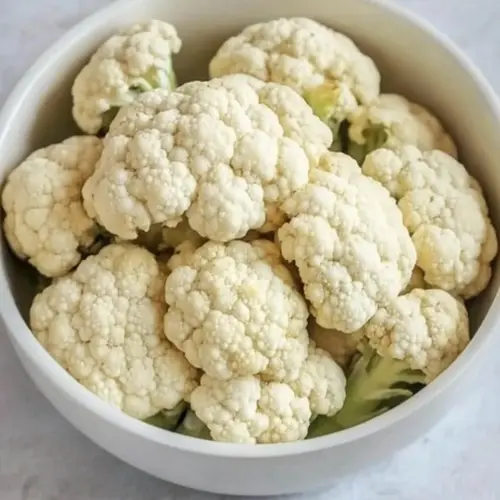
How to Cook Cauliflower
How to Cook Cauliflower transforms a humble head into tender steamed florets, crispy roasted pieces, or rice like grains. This easy, versatile method is perfect for weeknight dinners and simple sides, delivering creamy interiors or caramelized edges depending on your chosen technique. Try it to add a healthy, satisfying vegetable that adapts to many flavors with minimal fuss.
Equipment
- Medium Pot
- Steamer basket
- Large Skillet
- Food Processor
- Saucepan
- Fine-mesh strainer
- Rimmed Baking Sheet
Ingredients
- 1 head cauliflower Trim and separate into florets to provide the main vegetable body of the dish; holds up well to roasting or steaming and absorbs seasonings while offering a tender-crisp texture when cooked properly.
- 1 -2 tablespoons olive oil (or butter and/or salt as desired) Drizzle or melt over the cauliflower to add fat and flavor; enhances browning, mouthfeel, and seasoning adhesion while optionally providing a buttery richness or savory salt balance depending on choice.
Instructions
- Add 2 inches of water to a medium pot fitted with a steamer basket over medium heat. Bring to a simmer. Add cauliflower florets, cover, and cook for 8-10 minutes or until tender. Transfer cauliflower to a bowl and season to taste with butter or olive oil and salt and pepper.: As the pot nears a simmer you will hear a gentle hiss, and steam will smell faintly vegetal and sweet. The florets should become tender but not mushy, yielding to a fork with slight resistance. This method locks in moisture and keeps the texture delicate, which is lovely when you want a softer mouthfeel. A common mistake is overheating the pot so the water boils aggressively, which can make florets waterlogged. Watch for a steady simmer and check at eight minutes to avoid overcooking.
- Add your cauliflower florets to a medium pot and just cover with water. Bring to a boil over medium heat, then lower to a simmer. Simmer for 5-7 minutes or until cauliflower is tender when poked with a fork. Drain and toss with butter or olive oil and salt.: The sound shifts from quiet to a brisk bubbling as the water reaches a boil, and the kitchen fills with a mild sweetness. Boiling cooks quickly and is great when you want a no fuss soft texture. After draining, press gently so excess water does not dilute any sauce or dressing. Avoid boiling too long, which dulls the flavor and creates a soggy texture that lacks interest.
- Heat a large skillet over medium heat. Add butter or olive oil and when warm, add cauliflower florets. Toss to coat with oil. Cook, stirring often, for 8-10 minutes, or until the florets are tender when poked with a fork or a knife. I often cover the skillet for about half of the cooking time to trap some steam and help the cauliflower cook evenly all the way through.: When the fat hits the pan you will hear a soft sizzle, and the aroma will turn richer and slightly nutty as the edges brown. Tossing encourages even contact so you get golden bits while the interior softens. Covering briefly creates steam which speeds tenderness, then uncover near the end to reintroduce crispness. A typical error is overcrowding the skillet, which causes steaming instead of browning; cook in batches if needed.
- Place 2 cups cauliflower florets into a food processor. Grind into small, rice-size pieces.: The machine will make a rhythmic chopping sound as florets transform into grain like pieces. This texture is excellent for absorbing sauces and making lighter, grain free alternatives. Pulse in short bursts to avoid turning the florets into a paste. Over processing results in mushy, wet rice that will not hold up in sautés or salads, so stop as soon as you reach rice like granules.
- Place into a saucepan and cover with about 1 inch water. Bring to a simmer over medium heat. Simmer for about 5 minutes or until tender.: As the cauliflower rice simmers, steam rises and the scent becomes subtle and delicate. This brief simmer tenderizes the grains without becoming soggy, leaving a pleasant bite. Stir gently to ensure even heating. A frequent slip up is using too much water which creates a watery texture, so keep the liquid minimal and drain promptly when done.
- Drain in a fine-mesh strainer. Press with a spoon to release as much water as possible.: Pressing the cooked pieces releases steam and excess liquid, and you will feel the weight lessen under your spoon. Removing moisture is key to avoid a watery final dish, especially when combining with dressings or sautéing further. Be careful not to press so hard that you mash the grains into a paste, which can create a gummy texture instead of light, separate pieces.
- Season to taste with butter or olive oil and salt.: The final seasoning step is where the flavors snap into focus. The richness of butter or the fruity notes of olive oil meld with salt to enhance the vegetable's natural sweetness. Add small amounts, taste, and adjust, because excessive salt can overpower the delicate flavor. A common oversight is adding too much at once; season gradually and sample as you go.
- Preheat the oven to 400 degrees F.: The oven warming produces a dry heat that is ideal for caramelization. You will notice the preheating phase brings a steady warmth that encourages even roasting. Ensure the oven reaches temperature before placing the tray in, or you risk uneven doneness. A mistake is skipping preheat which can lengthen cooking time and reduce browning.
- Place cauliflower florets onto a rimmed baking sheet and drizzle with olive oil. Sprinkle with salt. Toss to coat well. Roast for 12-15 minutes, turning once, or until tender when poked with a fork. Serve warm.: As the florets roast you will see edges deepen to golden and occasionally amber, with a toasty, savory aroma that makes it hard to wait. Turning once promotes even color on all sides and helps create crisp edges. The contrast between a tender interior and caramelized exterior is what makes roasted florets so appealing. Avoid crowding the sheet, which creates steam pockets and prevents proper browning.
- You can also do this with slices of cauliflower, which is just a way to change up the way it looks. (The flavor is the same!) Follow the same directions as above, adding a few additional minutes if needed for the stem to soften.: Slicing into steaks presents a different texture and a more dramatic presentation, with the same core flavor profile. Thicker slices may need a few more minutes to reach full tenderness, so watch the stem area for doneness. A usual mistake is assuming slice thickness does not matter; uniform slices give the most consistent results across the pan.
Notes
- For a crispier finish Roast on a hot tray and avoid overcrowding so each floret gets direct heat and caramelization.
- For a creamier texture Steam or boil until very tender, then toss with a bit of butter so the fat dissolves into the cooked cauliflower, creating silkiness.
- To make cauliflower rice Pulse small batches in the food processor and briefly sauté to remove excess moisture for a fluffy result.
- To change presentation Slice into steaks instead of breaking into florets for a rustic, impressive main or side.
- To adjust seasoning Keep the base neutral, then finish with salt and a final drizzle of olive oil or a pat of butter to highlight the vegetable.