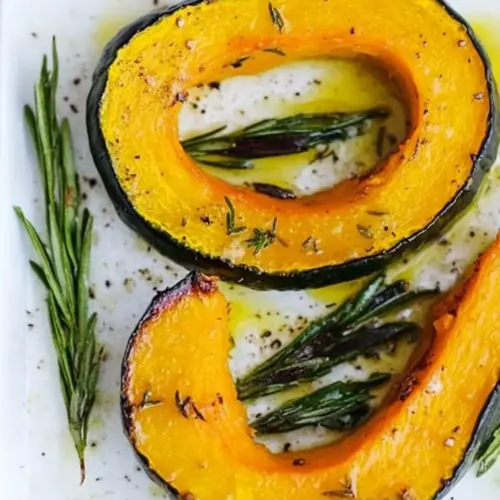
Honey Butter Roasted Pumpkin
Honey Butter Roasted Pumpkin is a simple, glossy roasted squash with a sweet buttery glaze and optional warming cayenne. The tender, caramelized wedges deliver creamy interiors and crisped edges, perfect for an easy weeknight side or a cozy holiday table. Make it for its effortless prep and comforting flavors that always earn seconds.
Equipment
- Oven
- Baking Sheet
- Parchment Paper
- Large Bowl
Ingredients
- 2 tablespoons salted butter, melted Melted, provides a rich, silky fat that helps roast pumpkin wedges evenly and promotes browning; imparts savory depth and helps honey adhere to the surface during cooking.
- 2 tablespoons honey Sticky, contributes sweetness and caramelization to the roasted pumpkin while creating a glossy finish; balances savory butter and can help form a light glaze when heated.
- cayenne pepper, to taste, optional Spicy, adds a warm, bright heat that can be adjusted to personal preference; enhances overall flavor contrast and lifts the sweetness without overpowering the dish.
- 12 oz (350 g) small pumpkin, or kabocha pumpkin, slice into wedges Freshly sliced into wedges, supplies the sweet, dense flesh that becomes tender and caramelized when roasted; its skin helps hold shape and offers a subtly nutty flavor when cooked.
Instructions
- Preheat the oven to 400°F (207°C).: As the oven warms, you should notice a faint metallic hum from the element and a steady build of heat. A properly preheated oven ensures even roasting so the pumpkin softens through while the edges caramelize. If the oven is not hot enough, the wedges will take longer and may steam rather than roast, leaving them soggy. One common mistake is placing the tray in before full heat, which delays browning; wait until the temperature stabilizes.
- Combine the melted butter with honey and cayenne pepper (if using), stirring to mix well. In a large bowl, toss the pumpkin with the honey butter, ensuring the slices are well coated.: The aroma at this point will shift as the warm butter melds with the honey , releasing a toasty sweet scent. Whisk until glossy and homogenous, so the glaze spreads and clings to each wedge. This step matters because an even glaze ensures consistent caramelization and flavor. Avoid overheating the mixture, as boiling can alter the honey's flavor and make it thin. If it separates, a quick stir and gentle warming will bring it back together.
- Arrange the pumpkin on a baking sheet lined with parchment paper. Bake for 20 minutes, or until the flesh is tender and soft. Serve immediately.: When you toss the wedges, listen for a soft clink as they shift and watch the glaze cling and shine on their surfaces. Proper coating is key to achieving that lacquered finish and even browning. Use your hands or tongs so each wedge gets coated on all sides. A snag many cooks encounter is overcrowding the bowl or tray, which prevents proper circulation and leaves pieces steamed rather than roasted; give the slices room.
- Arrange the pumpkin on a baking sheet lined with parchment paper: Laying the wedges single layer with space between them helps hot air circulate and allows edges to crisp. The visual cue to look for is brightening and bubbling at the edges as the sugars caramelize. If pieces touch, they will steam where they meet and lose that crisp edge. Avoid crowding the sheet; use a second tray if needed to keep spacing consistent.
- Bake for 20 minutes, or until the flesh is tender and soft: As the pumpkin roasts, you will smell sweet, toasty notes and see the glaze darken to a deep honeyed color. Test doneness by piercing the thickest part with a fork it should slide in with little resistance, and the surface should show amber spots where sugars have caramelized. Timing can vary with oven differences and pumpkin thickness, so check a few minutes early to avoid burning. A typical error is removing too soon; undercooked wedges will lack that silky interior and will be starchy.
- Serve immediately: Fresh from the oven the wedges are at their best, glossy and warm, with steam rising and aromas filling the room. Serving right away preserves the contrast between crisp edges and tender interiors. If you let them sit too long, the surface can lose its sheen and the texture will soften uniformly. To preserve texture if you must wait, keep them loosely tented in a warm oven set to a low temperature, but try to serve within minutes for peak experience.
Notes
- Add a pinch of salt if using unsalted butter — If your butter is unsalted, stir in a small pinch of salt into the honey mixture to lift the sweetness and round the flavors. This simple addition prevents the dish from tasting flat, and I find it especially helpful when serving alongside savory mains.
- Adjust the cayenne to control heat — Start with a very small amount of cayenne and taste the glaze warm; you can always add more to achieve a gentle warmth that complements the pumpkin rather than overpowering it. Too much spice will mask the natural sweetness, so err on the side of restraint.
- Use parchment for easy cleanup and even browning — Lining the tray helps prevent sticking and encourages even caramelization underneath the wedges. I always reach for parchment because it saves time and keeps the bottoms from burning while the tops brown.
- Keep wedge sizes uniform — Cutting the pumpkin into equal pieces ensures consistent cooking times and texture. If pieces vary widely, remove smaller ones earlier to avoid overcooking.
- Serve straight away for best texture — The contrast between crisp edges and tender centers is most pronounced when hot, so plan serving timing accordingly. If you must hold them, keep them warm at low oven heat but expect a slight loss of crispness.