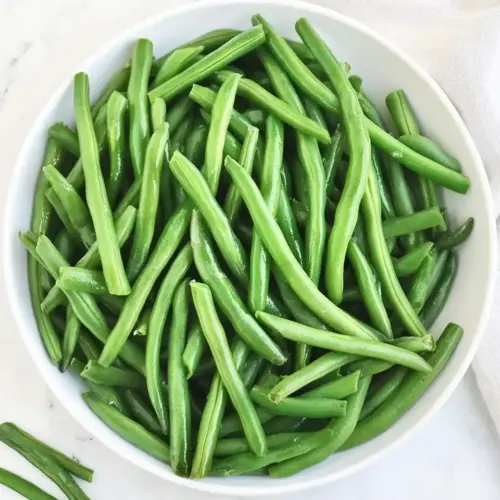
Best Boiled Green Beans
Best Boiled Green Beans are bright, crisp, and incredibly easy, delivering fresh snap and buttery sheen in minutes. This simple, fast side works as an easy weeknight dinner companion or a seasonal spring addition to holiday spreads, with minimal ingredients and maximum flavor payoff. Make them to add a vibrant, effortless vegetable to any meal.
Equipment
- Calphalon 5-Quart Pot
- Olive Oil
Ingredients
- 10 -16 ounces green beans Trimmed and cleaned to provide the main body of the dish, offering a crisp-tender texture and fresh vegetal flavor when boiled properly. Adds bright color and a pleasant snap that balances richer components. Can be adjusted in quantity to serve more or fewer people without altering technique significantly.
- 1 tablespoon unsalted butter or olive oil Used to add richness and a silky mouthfeel while boosting flavor through gentle coating of the beans after cooking. Helps carry any additional seasonings and contributes a subtle buttery or fruity note depending on choice. Should be stirred in off heat so it melts and disperses evenly.
- Salt Added to enhance and season the beans, bringing out natural flavors and balancing any bitterness from the vegetable. Can be included during cooking water or sprinkled after cooking to taste, adjusting concentration for low-sodium preferences. Plays a key role in making the final dish palatable and satisfying.
Instructions
- Wash your green beans. Break off the ends and any brown parts. Break in half if very long.: As you rinse the green beans , you will smell a faint green, grassy scent that signals freshness. Run them under cool water while rubbing away any dirt, then feel for firmness to ensure they are crisp. Breaking off the ends removes the fibrous tips that can be tough to eat, and breaking very long beans in half makes for easier plating. A common mistake is skipping inspection, which can leave stringy pieces on the plate; take a few extra seconds to trim carefully.
- Bring a medium pot of water to a boil over high heat, then reduce to a simmer over medium-high heat. Add the beans and simmer for 4-6 minutes or until tender when poked with a fork.: While trimming, notice the subtle differences in texture between the stem end and the pod. Removing brown or blemished bits improves both appearance and mouthfeel. If you leave brown parts on, they can impart a slightly bitter note, so trim them away. One thing to avoid is over trimmimg, which wastes tender parts; focus only on the dry or discolored tips.
- Drain the water from the beans, then add butter or olive oil, and season to taste with salt. (I usually just add a little sprinkle.): Snapping long beans produces uniform lengths that cook evenly and look tidy on the plate. When you break them, listen for a crisp sound that tells you they are fresh. Shorter pieces are also easier to eat, especially for kids or guests who prefer bite sized vegetables. The mistake to watch for is making them too small, which can make the texture feel mushy after cooking; aim for two to three inch pieces.
- Bring a medium pot of water to a boil over high heat, then reduce to a simmer over medium high heat: As the water heats, you will notice rising steam and the first faint whistle of activity. Bringing the pot to a full boil ensures the water recovers temperature quickly when you add the beans, which helps maintain their color. Lowering to a lively simmer prevents aggressive rolling that can bruise the pods. A common error is not using enough water, which can cool too quickly and lead to uneven cooking, so use a medium sized pot with ample water volume.
- Add the beans and simmer for 4 to 6 minutes or until tender when poked with a fork: When the beans enter the water, listen for a renewed, gentle bubbling and watch the vibrant green intensify. Cooking for the lower end of the range yields a firmer bite, while waiting a bit longer softens them slightly. Test by poking with a fork, which should meet gentle resistance without a tough center. The scent will become greener and sweeter as they approach doneness. Avoid overcooking, which turns them dull and mushy; if you overshoot, a quick ice bath can halt cooking but it will still affect texture.
- Drain the water from the beans: Pouring the beans into a colander, you will hear the rush of water and see steam rise, and the beans will already look glossier. Drain thoroughly so excess water does not dilute the finishing butter or oil. Letting beans sit in hot water wastes their texture, so drain promptly. A common misstep is leaving them to steam in the pot, which continues to cook them; drain quickly for the best snap.
- Add butter or olive oil: Adding a tablespoon of unsalted butter or olive oil right after draining delivers an immediate silky coating and rounds the flavors. The fat also helps salt adhere and carry flavor across the tongue. Stir gently so the fat melts and envelopes each pod, creating a pleasant sheen. Avoid adding too much fat, which can make the beans feel greasy; start with the recommended amount and adjust next time if desired.
- Season to taste with salt: Finish with a careful sprinkle of salt , tasting as you go to find the perfect balance. Salt heightens natural sweetness and brings out aromatics in the beans, so modest additions go a long way. If you season while the beans are hot and wet, the salt dissolves quickly and distributes evenly. The usual trap is oversalting; taste a bean first before adding a second pinch.
- I usually just add a little sprinkle: A light final seasoning often suffices, leaving room for the main dish to shine alongside the beans. After that small sprinkle, take a bite to confirm the texture and seasoning. This restrained approach respects the ingredient and ensures compatibility across the whole meal. One mistake some people make is heavy handed seasoning, which masks the bean's delicate flavor—keep it subtle.
Notes
- Simple butter finish Add unsalted butter off the heat for a silkier mouthfeel that pairs well with roasted mains.
- Olive oil and lemon Use olive oil and a touch of citrus if you want a brighter, lighter profile without heaviness.
- Shorter cook for thinner beans If your beans are thin, reduce the simmer time by a minute to keep them from becoming limp.
- Baby friendly cut Cut into smaller pea size pieces for older babies around nine to twelve months, making them easier to chew and swallow.
- Alternative oils Swap in toasted sesame oil or avocado oil for a different flavor character while keeping the method identical.
- Make ahead note Cook and cool, then store in an airtight container for three to five days, reheating gently when ready to serve.