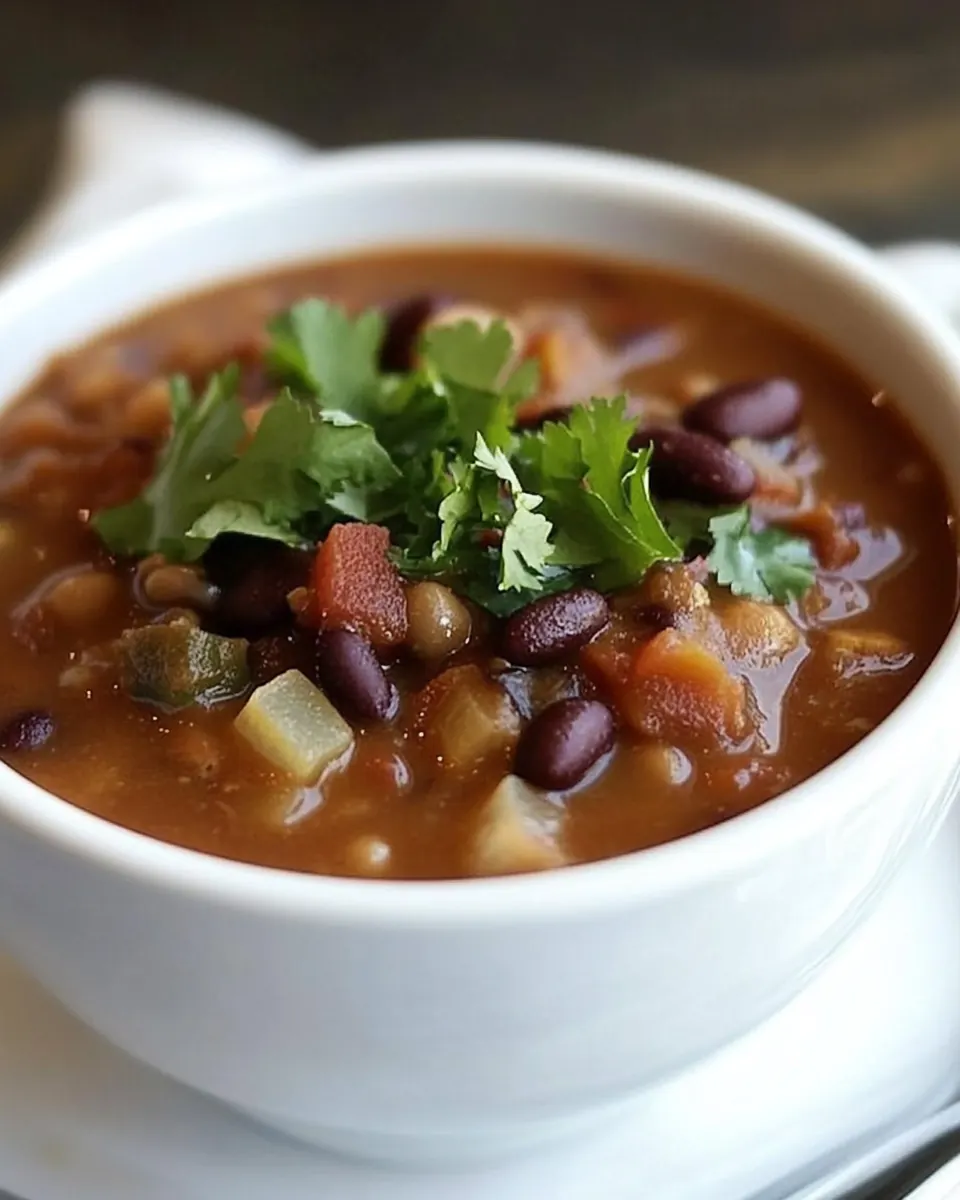
Vegetarian Chili
Vegetarian Chili is one of those bowls I reach for when the evening is cool and conversation is loud, a pot that brings people together without fuss. I remember the first time I made this version, inspired by a friend’s pantry raid and a dash of guidance from a beloved cookbook author, and how the kitchen filled with a warm, layered aroma that felt like a hug. That first spoonful, bright with tomatoes and soothed by a whisper of bittersweet chocolate, convinced me this recipe would become a regular.
Every time I make Vegetarian Chili I tweak one small thing, maybe more cilantro at the end, sometimes a different color bell pepper for brightness, but the recipe keeps its honest backbone. I like that it scales easily, so when friends drop in unexpectedly, I can stretch the pot and still have everyone leave satisfied. There is something grounding about stirring a big pot while a record hums in the background, and this chili rewards the patience you give it.
Recipe Snapshot
40 mins
10 mins
30 mins
Easy
210 kcal
American
Vegan, Gluten-Free
Dinner
Dutch oven, Microwave-safe container, Wooden spoon
The Appeal of This Vegetarian Chili
Hearty and Filling Without Meat
I love that this chili delivers the comfort of a classic bowl, while staying completely vegetarian. The combination of black beans and hominy creates heft and chew, so you never feel like something is missing. When I serve it to a mixed group, even my most devoted meat eaters comment on how satisfying it is.
Layered Flavors That Build
What makes this recipe stand out is the way flavors layer, starting with sautéed onion and bell pepper, then toasted spices, and finally the surprising depth from bittersweet chocolate. I enjoy watching guests’ faces as they try to guess that secret note, and then admitting it. That little twist adds roundness and ties the acidity of the tomatoes to the earthiness of the beans.
Speed and Simplicity
I appreciate how quickly you can get from pantry to bowl. With a short period to warm the broth and tomatoes and a focused simmer, this recipe becomes an easy weeknight dinner solution. I often prep a few ingredients ahead, and the rest is very hands off, which suits busy nights or casual hosting alike.
Flexible and Crowd Friendly
This chili scales beautifully, which is why I often make a large batch for gatherings. The ingredients are forgiving, and swapping a spice level or adding more cilantro at the end is simple. I find it reassuring to know I can double the recipe and maintain the flavor balance by following the same technique.
Nutritious and Comforting
Finally, this dish manages to be both comforting and nutritious. With a strong base of vegetable broth, beans, and vegetables, it is rich in fiber and plant protein. I like serving it when folks need something grounding, such as after a long day or on a chilly weekend, because it feels like care in a bowl.
Main Ingredients for Vegetarian Chili

These ingredients form a balanced, layered chili that leans on pantry staples and bright finishing touches. The key players are sturdy legumes, aromatic vegetables, and toasted spices that marry together during a gentle simmer. Each element contributes texture, depth, or lift so the bowl is never one dimensional.
- 1 quart vegetable broth: Provide savory liquid and depth to the chili while carrying spices; keeps the mixture from drying out and helps meld flavors during simmering. Adds a neutral base that supports vegetables and beans without overwhelming the other ingredients. Can be adjusted for salt level and used to control final stew consistency.
- 14.5 ounces canned petite-diced tomatoes: Add bright, acidic tomato pieces to contribute body and a subtle sweetness that balances the spices. Offer texture contrast with small diced chunks that break down slightly while simmering, creating a thick, flavorful sauce. Help provide umami and tomatoey richness important to classic chili profiles.
- 1 tablespoon olive oil: Coat the pan and gently brown aromatics, enabling flavor development from the onion and garlic through sautéing. Contribute a mild fruity richness that complements the chili spices and helps deglaze fond from the pot. Help manage heat distribution and prevent sticking during initial cooking stages.
- 1 onion large, diced medium: Provide a sweet, aromatic foundation when sautéed; soften and release natural sugars to deepen overall flavor. Offer texture and substance to the chili, contributing savory backbone and mouthfeel. Work with the bell pepper to create a classic chili vegetable base.
- 1 bell pepper color choice is yours, diced medium: Contribute crisp, slightly sweet flavor and colorful freshness when sautéed or softened; add pleasant textural contrast. Complement the onion and aromatics while absorbing and showcasing the chili spices. Allow choice of color to subtly influence visual appeal without changing core flavor.
- 3 tablespoons chili powder: Deliver the primary heat and characteristic chili flavor, forming the backbone of the seasoning profile. Blend smoky, earthy, and spicy notes that define the dish, and dissolve into the liquid for even distribution. Can be adjusted to taste for milder or hotter results.
- 1 teaspoon cumin ground: Add warm, earthy, slightly bitter notes that round out the chili spice mix and enhance savory depth. Pair well with chili powder to provide authentic Southwestern flavor and aroma. Dissolve into the broth to integrate seamlessly with other seasonings.
- 1 teaspoon oregano dried: Lend a mild, herbaceous, slightly peppery Mediterranean note that brightens and balances richer flavors. Integrate with the spice mix to create complexity and a rounded seasoning profile. Retain some fragrance even after simmering for enhanced aroma.
- 31 ounces canned black beans drained: Introduce creamy, hearty texture and subtle earthy sweetness while providing protein and fiber to make the chili substantial. Drain before adding to control excess liquid and ensure consistent thickness. Offer a resilient bean bite that holds up during simmering.
- 31 ounces canned hominy drained: Provide a chewy, corn-kernel-like texture and mild nutty flavor, contributing body and a unique contrast to the beans. Drain to prevent diluting the chili and to maintain desired stew consistency. Add a traditional Southwestern element that pairs well with chili spices.
- 3 garlic cloves large minced: Impart robust aromatic pungency and savory depth when minced and sautéed; help brighten the overall flavor. Release flavorful oils that meld with spices and vegetables, enhancing complexity. Add a sharp note that counterbalances sweet vegetables and chocolate.
- 1 ounce bittersweet chocolate: Contribute subtle bitter-sweet cocoa richness that deepens savory flavors and adds complexity to the sauce. Melt into the chili to round acidity from tomatoes and enrich mouthfeel without making the dish taste chocolaty. Serve as a small but impactful flavor enhancer that ties spices together.
- 1/4 cup cilantro fresh chopped: Provide fresh, herbaceous brightness and a clean finish when stirred in near the end of cooking or used as a garnish. Add color contrast and light citrus-like notes that lift the heavier, spiced components. Chop finely to distribute flavor evenly throughout the final dish.
Step by Step Instructions for Vegetarian Chili
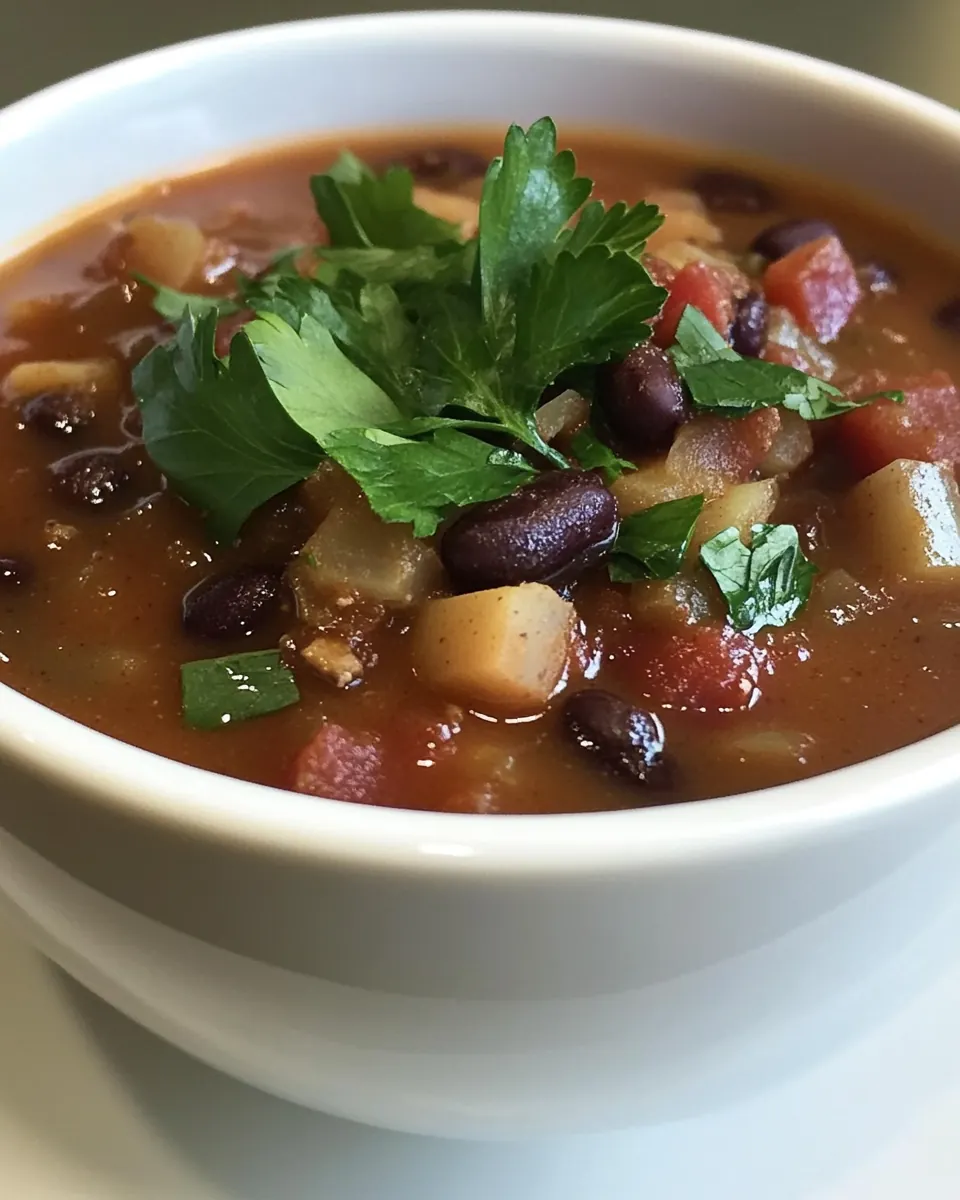
These steps move you from warming pantry items to a harmonized, simmered chili. Below I unpack each direction into sensory cues, the why behind the technique, and common pitfalls to avoid so you can feel confident at every turn.
- Microwave broth and tomatoes in a microwave-safe container on high power until steamy hot, about 5 minutes.: Steam rising from the container will smell faintly of tomato and vegetable stock, a warm, inviting scent that signals the liquids are ready to melt into the pot. Warming these first prevents shocking the pot with cold liquid, which helps maintain a steady simmer and keeps flavors blending smoothly. A common mistake is overheating until the tomatoes explode, which can cause splatter; stop when steam is visible and the temperature feels uniformly hot. Use oven mitts carefully when handling the container as it will retain heat.
- Meanwhile, heat oil in a Dutch oven or small soup kettle over medium-high heat. Add onions and peppers; sauté until soft and golden brown, about 5 minutes. Add chili powder, cumin and oregano; sauté until fragrant, a minute or so. Add beans and hominy along with hot broth mixture. Bring to a simmer, reduce heat to low and simmer, partially covered, until vegetables are tender and flavors have blended, about 20 minutes. Stir in garlic, chocolate and cilantro; simmer a couple of minutes to blend flavors. Turn off heat and let stand a few minutes if there's time. Adjust seasonings and serve.: When the oil shimmers and moves like liquid glass against the pan you know the temperature is right, and you will catch the faint toasty scent as it warms. This stage is essential because hot oil cooks aromatics evenly, extracting and amplifying flavor from the vegetables and spices. If the oil smokes the heat is too high and can impart a bitter taste, so lower the flame promptly. Avoid crowding the pan with too much at once, which cools the oil and leads to steaming rather than sautéing.
- Add onions and peppers; sauté until soft and golden brown, about 5 minutes: The sizzle when the vegetables hit the pan is an encouraging sound, and you should see the edges of the onion turn translucent and then take on golden edges. This caramelization creates sweetness and depth that underpins the entire chili. Stir frequently to ensure even browning, and scrape any fond that forms, because those browned bits are concentrated flavor. A frequent error is cooking on too high a heat, causing the exterior to burn before the interior softens, so adjust heat as needed.
- Add chili powder, cumin and oregano; sauté until fragrant, a minute or so: As the spices toast in the hot pan their aroma will bloom almost instantly, a warm, aromatic plume that tells you they are releasing essential oils. Toasting spices briefly deepens their flavors and removes any raw, powdery edge, which is crucial for a rounded spice profile. Stir constantly to prevent burning, which will cause bitterness. If your spices are old and faint, consider increasing the quantity slightly, but measure carefully to maintain balance.
- Add beans and hominy along with hot broth mixture: When you pour in the warmed broth and tomatoes, the pot will hiss softly and begin to steam, merging the sautéed aromatics with the legumes. This integration step allows beans and hominy to absorb the seasoned liquid, ensuring each bite carries flavor. Stir gently to combine and bring everything to a cohesive consistency. A common misstep is adding cold liquids, which can drop the temperature too much and lengthen cooking time, so always warm them first as directed.
- Bring to a simmer, reduce heat to low and simmer, partially covered, until vegetables are tender and flavors have blended, about 20 minutes: A gentle bubbling at the surface and aromatic steam indicates the chili is working, simmering slowly to fuse flavors. Simmering partially covered traps enough steam to keep things moist while allowing some evaporation so the chili thickens. Stir occasionally and watch for visual cues like the broth reducing slightly and the vegetables becoming tender. Boiling vigorously is a mistake because it can break down textures and cause excessive evaporation, so aim for a soft, steady simmer.
- Stir in garlic, chocolate and cilantro; simmer a couple of minutes to blend flavors: When you add the minced garlic, minced chocolate and chopped cilantro near the end, the garlic provides a fresh bite, the chocolate melts into a silky background, and the cilantro adds herbaceous lift. The aroma should become noticeably layered with sweet, bitter and fresh notes, creating complexity. Simmering briefly helps meld these finishing touches without cooking them to death. Avoid adding these much earlier, or the garlic will lose its bright edge and the cilantro will wilt into a dull green.
- Turn off heat and let stand a few minutes if there's time: Letting the pot rest off heat allows flavors to continue marrying and gives the chili time to settle, making it easier to taste and adjust. During this brief rest the temperature remains warm and the seasoning balances out, often improving with just a few minutes of patience. A common oversight is serving immediately, which can result in the flavors feeling unresolved; a short pause often enhances depth and harmony.
- Adjust seasonings and serve: Tasting is crucial, and this is the moment to correct salt, spice levels, or acidity. A final taste will reveal whether the chili needs a pinch more seasoning or perhaps a touch more cilantro for brightness. Serve when the balance feels right and the texture is pleasing, with steam rising and aromas performing an inviting chorus. Do not add too much salt at once; adjust gently and taste between additions to avoid over seasoning.
Making Adjustments
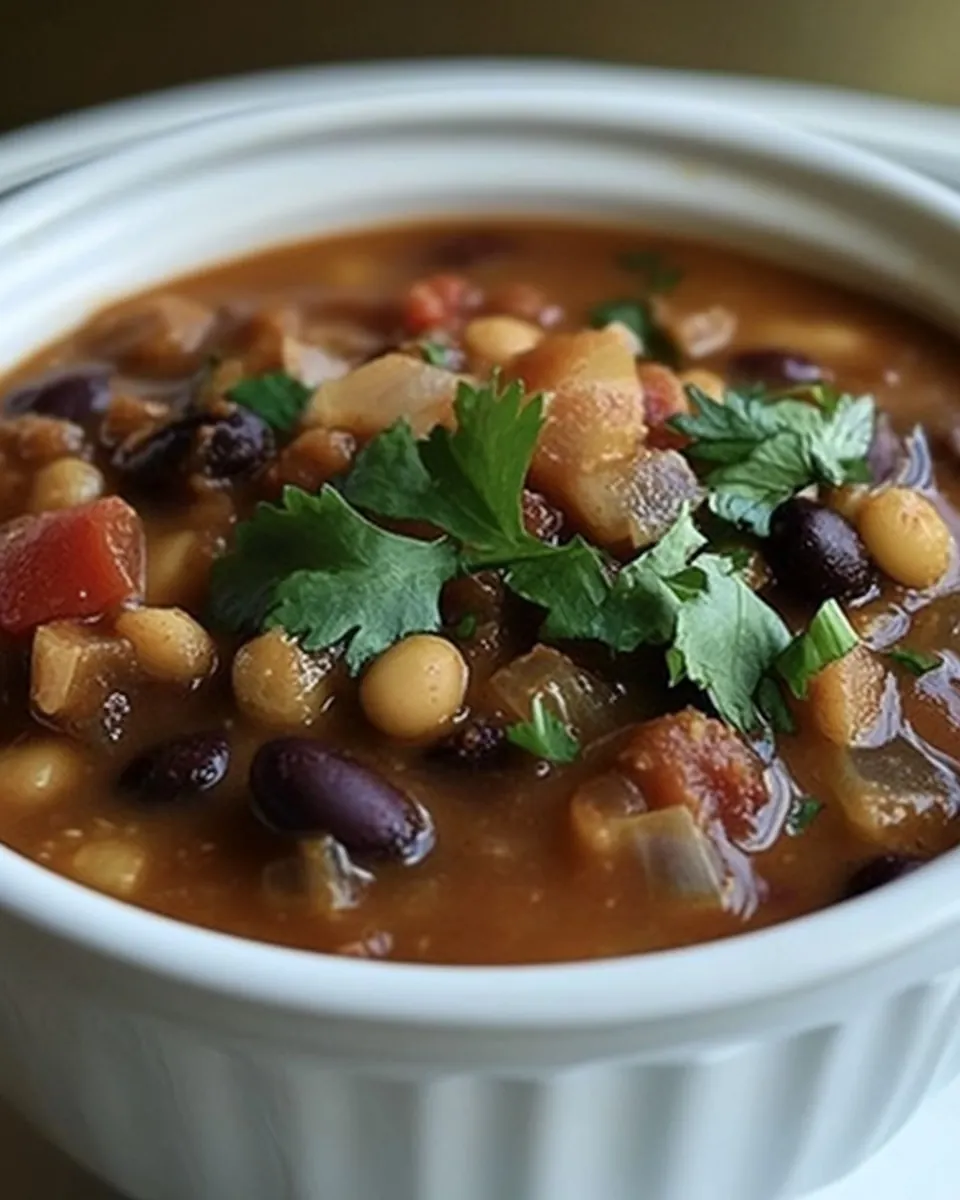
This section helps you adapt the recipe to taste, availability, and occasion. Below are practical adjustments and ideas you can use without changing the character of the chili. Each item begins with a short, bold phrase to guide your choice.
- Adjust spice level by reducing or increasing the amount of chili powder, and taste as you go to avoid overpowering the pot.
- Swap pepper color to change sweetness and color contrast, using red or orange for extra natural sweetness and visual appeal.
- Control liquid by adjusting how long you simmer partially covered to reach your preferred thickness, more time yields a thicker chili.
- Enhance depth with a small piece of bittersweet chocolate as written, stirring it near the end for a rounded finish.
- Freshen at the end by adding more chopped cilantro just before serving to keep its flavor bright and aromatic.
How to Serve Vegetarian Chili
This introduction covers serving context and pairing ideas so your bowl feels purposeful and complete. Think about temperature, texture contrasts, and the occasion when plating. Use the suggestions below to turn a pot of chili into a memorable meal.
- Classic bowl setup Serve hot in deep bowls with a sprinkle of fresh cilantro for herbaceous brightness and a wedge of lime on the side for acidity if you like.
- Comfort sides Offer crusty bread or warm tortillas to scoop and sop, which pairs well with the chili‘s broth and hearty beans.
- Occasion suggestions This recipe is ideal for lunch or dinner, casual gatherings, potlucks, and cozy nights at home when you want nutritious comfort with minimal fuss.
- Make ahead and store Chili stores well in the refrigerator for up to four days in an airtight container, and flavors often deepen overnight, making it great for meal prep.
- Reheating tips Reheat gently on the stovetop over low heat, stirring occasionally to prevent sticking, and add a splash of reserved broth if it has thickened too much.
- Seasonal pairings In cooler months enjoy with roasted root vegetables and in milder seasons pair with a crisp salad for contrast.
FAQ
Conclusion
This Vegetarian Chili stands out for its satisfying combination of hearty legumes, toasted spices, and a subtle, enriching hint of bittersweet chocolate. It is easy to prepare, scales well for gatherings, and rewards a little patience at the simmer stage with a deeply balanced flavor profile. I encourage you to give it a try on a cool evening or for your next potluck, and to make small adjustments to suit your taste. Share bowls with friends, enjoy the pleasant aromas while it simmers, and notice how a simple set of pantry ingredients can yield something warm, nourishing, and memorable.
Vegetarian Chili
Equipment
- Dutch Oven
- Microwave-safe container
- Wooden Spoon
Ingredients
- 1 quart vegetable broth Provide savory liquid and depth to the chili while carrying spices; keeps the mixture from drying out and helps meld flavors during simmering. Adds a neutral base that supports vegetables and beans without overwhelming the other ingredients. Can be adjusted for salt level and used to control final stew consistency.
- 14.5 ounces canned petite-diced tomatoes Add bright, acidic tomato pieces to contribute body and a subtle sweetness that balances the spices. Offer texture contrast with small diced chunks that break down slightly while simmering, creating a thick, flavorful sauce. Help provide umami and tomatoey richness important to classic chili profiles.
- 1 tablespoon olive oil Coat the pan and gently brown aromatics, enabling flavor development from the onion and garlic through sautéing. Contribute a mild fruity richness that complements the chili spices and helps deglaze fond from the pot. Help manage heat distribution and prevent sticking during initial cooking stages.
- 1 onion large, diced medium Provide a sweet, aromatic foundation when sautéed; soften and release natural sugars to deepen overall flavor. Offer texture and substance to the chili, contributing savory backbone and mouthfeel. Work with the bell pepper to create a classic chili vegetable base.
- 1 bell pepper color choice is yours, diced medium Contribute crisp, slightly sweet flavor and colorful freshness when sautéed or softened; add pleasant textural contrast. Complement the onion and aromatics while absorbing and showcasing the chili spices. Allow choice of color to subtly influence visual appeal without changing core flavor.
- 3 tablespoons chili powder Deliver the primary heat and characteristic chili flavor, forming the backbone of the seasoning profile. Blend smoky, earthy, and spicy notes that define the dish, and dissolve into the liquid for even distribution. Can be adjusted to taste for milder or hotter results.
- 1 teaspoon cumin ground Add warm, earthy, slightly bitter notes that round out the chili spice mix and enhance savory depth. Pair well with chili powder to provide authentic Southwestern flavor and aroma. Dissolve into the broth to integrate seamlessly with other seasonings.
- 1 teaspoon oregano dried Lend a mild, herbaceous, slightly peppery Mediterranean note that brightens and balances richer flavors. Integrate with the spice mix to create complexity and a rounded seasoning profile. Retain some fragrance even after simmering for enhanced aroma.
- 31 ounces canned black beans drained Introduce creamy, hearty texture and subtle earthy sweetness while providing protein and fiber to make the chili substantial. Drain before adding to control excess liquid and ensure consistent thickness. Offer a resilient bean bite that holds up during simmering.
- 31 ounces canned hominy drained Provide a chewy, corn-kernel-like texture and mild nutty flavor, contributing body and a unique contrast to the beans. Drain to prevent diluting the chili and to maintain desired stew consistency. Add a traditional Southwestern element that pairs well with chili spices.
- 3 garlic cloves large minced Impart robust aromatic pungency and savory depth when minced and sautéed; help brighten the overall flavor. Release flavorful oils that meld with spices and vegetables, enhancing complexity. Add a sharp note that counterbalances sweet vegetables and chocolate.
- 1 ounce bittersweet chocolate Contribute subtle bitter-sweet cocoa richness that deepens savory flavors and adds complexity to the sauce. Melt into the chili to round acidity from tomatoes and enrich mouthfeel without making the dish taste chocolaty. Serve as a small but impactful flavor enhancer that ties spices together.
- 1/4 cup cilantro fresh chopped Provide fresh, herbaceous brightness and a clean finish when stirred in near the end of cooking or used as a garnish. Add color contrast and light citrus-like notes that lift the heavier, spiced components. Chop finely to distribute flavor evenly throughout the final dish.
Instructions
- Microwave broth and tomatoes in a microwave-safe container on high power until steamy hot, about 5 minutes.: Steam rising from the container will smell faintly of tomato and vegetable stock, a warm, inviting scent that signals the liquids are ready to melt into the pot. Warming these first prevents shocking the pot with cold liquid, which helps maintain a steady simmer and keeps flavors blending smoothly. A common mistake is overheating until the tomatoes explode, which can cause splatter; stop when steam is visible and the temperature feels uniformly hot. Use oven mitts carefully when handling the container as it will retain heat.
- Meanwhile, heat oil in a Dutch oven or small soup kettle over medium-high heat. Add onions and peppers; sauté until soft and golden brown, about 5 minutes. Add chili powder, cumin and oregano; sauté until fragrant, a minute or so. Add beans and hominy along with hot broth mixture. Bring to a simmer, reduce heat to low and simmer, partially covered, until vegetables are tender and flavors have blended, about 20 minutes. Stir in garlic, chocolate and cilantro; simmer a couple of minutes to blend flavors. Turn off heat and let stand a few minutes if there's time. Adjust seasonings and serve.: When the oil shimmers and moves like liquid glass against the pan you know the temperature is right, and you will catch the faint toasty scent as it warms. This stage is essential because hot oil cooks aromatics evenly, extracting and amplifying flavor from the vegetables and spices. If the oil smokes the heat is too high and can impart a bitter taste, so lower the flame promptly. Avoid crowding the pan with too much at once, which cools the oil and leads to steaming rather than sautéing.
- Add onions and peppers; sauté until soft and golden brown, about 5 minutes: The sizzle when the vegetables hit the pan is an encouraging sound, and you should see the edges of the onion turn translucent and then take on golden edges. This caramelization creates sweetness and depth that underpins the entire chili. Stir frequently to ensure even browning, and scrape any fond that forms, because those browned bits are concentrated flavor. A frequent error is cooking on too high a heat, causing the exterior to burn before the interior softens, so adjust heat as needed.
- Add chili powder, cumin and oregano; sauté until fragrant, a minute or so: As the spices toast in the hot pan their aroma will bloom almost instantly, a warm, aromatic plume that tells you they are releasing essential oils. Toasting spices briefly deepens their flavors and removes any raw, powdery edge, which is crucial for a rounded spice profile. Stir constantly to prevent burning, which will cause bitterness. If your spices are old and faint, consider increasing the quantity slightly, but measure carefully to maintain balance.
- Add beans and hominy along with hot broth mixture: When you pour in the warmed broth and tomatoes, the pot will hiss softly and begin to steam, merging the sautéed aromatics with the legumes. This integration step allows beans and hominy to absorb the seasoned liquid, ensuring each bite carries flavor. Stir gently to combine and bring everything to a cohesive consistency. A common misstep is adding cold liquids, which can drop the temperature too much and lengthen cooking time, so always warm them first as directed.
- Bring to a simmer, reduce heat to low and simmer, partially covered, until vegetables are tender and flavors have blended, about 20 minutes: A gentle bubbling at the surface and aromatic steam indicates the chili is working, simmering slowly to fuse flavors. Simmering partially covered traps enough steam to keep things moist while allowing some evaporation so the chili thickens. Stir occasionally and watch for visual cues like the broth reducing slightly and the vegetables becoming tender. Boiling vigorously is a mistake because it can break down textures and cause excessive evaporation, so aim for a soft, steady simmer.
- Stir in garlic, chocolate and cilantro; simmer a couple of minutes to blend flavors: When you add the minced garlic, minced chocolate and chopped cilantro near the end, the garlic provides a fresh bite, the chocolate melts into a silky background, and the cilantro adds herbaceous lift. The aroma should become noticeably layered with sweet, bitter and fresh notes, creating complexity. Simmering briefly helps meld these finishing touches without cooking them to death. Avoid adding these much earlier, or the garlic will lose its bright edge and the cilantro will wilt into a dull green.
- Turn off heat and let stand a few minutes if there's time: Letting the pot rest off heat allows flavors to continue marrying and gives the chili time to settle, making it easier to taste and adjust. During this brief rest the temperature remains warm and the seasoning balances out, often improving with just a few minutes of patience. A common oversight is serving immediately, which can result in the flavors feeling unresolved; a short pause often enhances depth and harmony.
- Adjust seasonings and serve: Tasting is crucial, and this is the moment to correct salt, spice levels, or acidity. A final taste will reveal whether the chili needs a pinch more seasoning or perhaps a touch more cilantro for brightness. Serve when the balance feels right and the texture is pleasing, with steam rising and aromas performing an inviting chorus. Do not add too much salt at once; adjust gently and taste between additions to avoid over seasoning.
Notes
- Adjust spice level by reducing or increasing the amount of chili powder, and taste as you go to avoid overpowering the pot.
- Swap pepper color to change sweetness and color contrast, using red or orange for extra natural sweetness and visual appeal.
- Control liquid by adjusting how long you simmer partially covered to reach your preferred thickness, more time yields a thicker chili.
- Enhance depth with a small piece of bittersweet chocolate as written, stirring it near the end for a rounded finish.
- Freshen at the end by adding more chopped cilantro just before serving to keep its flavor bright and aromatic.
