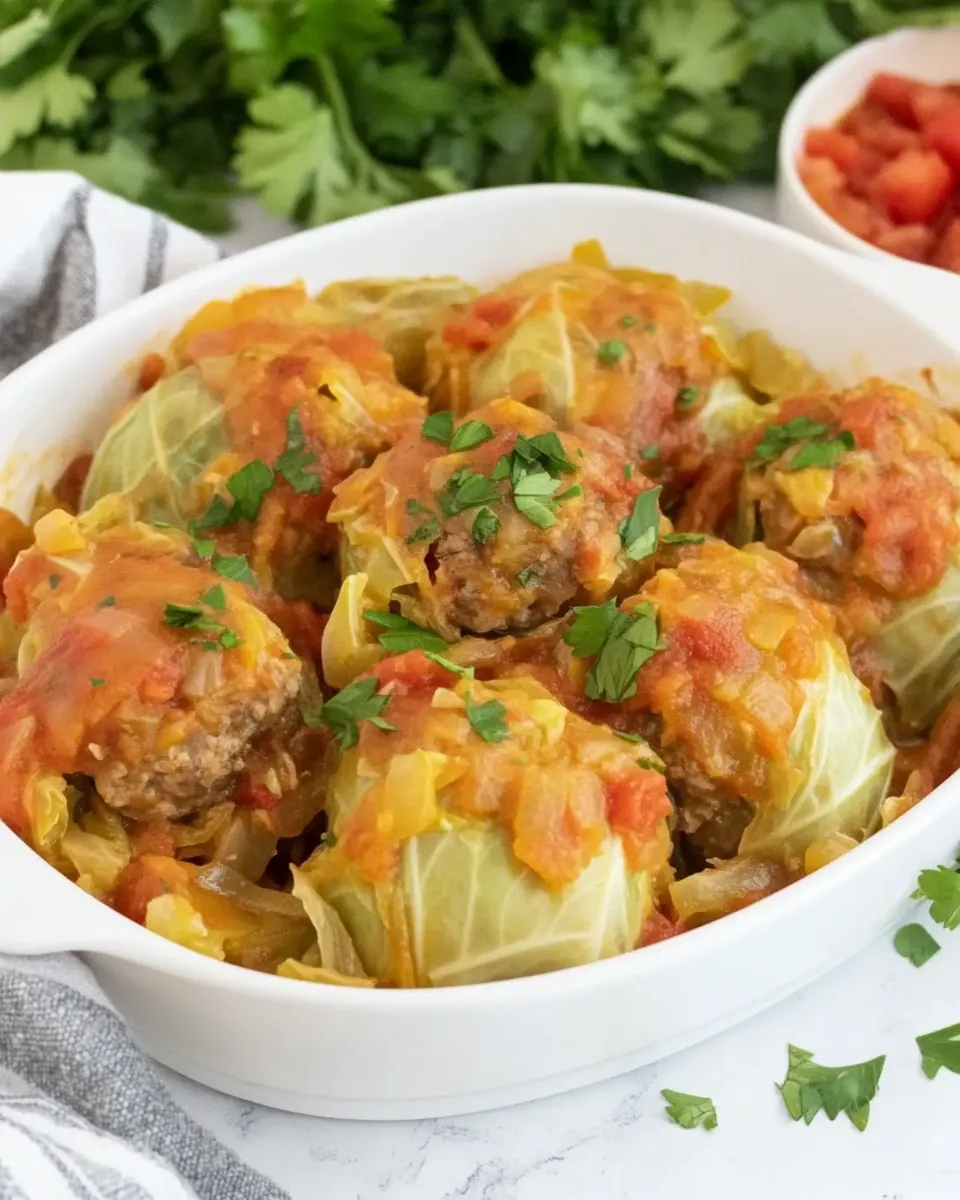
Unstuffed Cabbage Rolls
Unstuffed Cabbage Rolls is the kind of recipe I reach for when I want comfort food without the fuss of rolling tiny parcels, and the first time I made it I remember the kitchen filling with the warm scent of tomato and browned meat while a pot of cabbage softened into pure comfort.
Growing up, my family made traditional stuffed cabbage, but my version, Unstuffed Cabbage Rolls, grew from a weeknight scramble when I wanted the same flavors, but faster and with less precision. I still recall how the first spoonful tasted like nostalgia, but easier to serve to a hungry crowd. Over the years I’ve tweaked the spice balance and sauce to sing with the cabbage and meat, and now it sits in my regular rotation when I want cozy food that feels like a hug.
When friends come over, I often tell the story of how this dish transformed from a labor of love into a streamlined favorite. We pass the pot at the table, everyone dives in, and there is always that satisfied silence as forks hit plates. That communal simplicity is part of why I love Unstuffed Cabbage Rolls, it’s reliable, forgiving, and it makes the house smell wonderful for hours.
Recipe Snapshot
2 hr
30 mins
90 mins
Medium
350 kcal
American
Paleo, Gluten-Free
Dinner
Large pot, Mixing bowl
The Appeal of This Unstuffed Cabbage Rolls
Comfort without the fussy work
I adore how Unstuffed Cabbage Rolls captures all the cozy flavors of rolled cabbage, without needing delicate assembly. You get the soft, braised cabbage and juicy meat in every bite, but you save time and frustration, which means you’ll actually make this on weeknights.
Deep saucy flavor
The combination of canned tomato sauce and diced tomatoes simmers down into a rich, slightly tangy sauce that coats the cabbage and meat. I like that the lemon juice brightens the whole pot, keeping the tomato from going too heavy.
Flexible protein options
Because the recipe uses both ground beef and ground chicken, it straddles a pleasing texture and flavor line. You can go heavier on the beef for savory depth, or use just chicken for a lighter result. Either way the meatballs soak up sauce and stay tender.
Hands on, but forgiving technique
Forming meatballs directly into the pan of steaming cabbage gives you instant feedback on size and doneness, and the long, gentle simmer rewards patience. If you stir a little too roughly, the components still come together; the method forgives small mistakes.
Meal friendly and crowd pleasing
This dish scales easily, it fills a pot and feeds many, which is why I often make it for family dinners. Leftovers deepen in flavor overnight, making it a smart choice for prepping ahead. Overall, Unstuffed Cabbage Rolls feels like a dependable, flavorful meal you can trust to satisfy.
Unstuffed Cabbage Rolls Shopping List
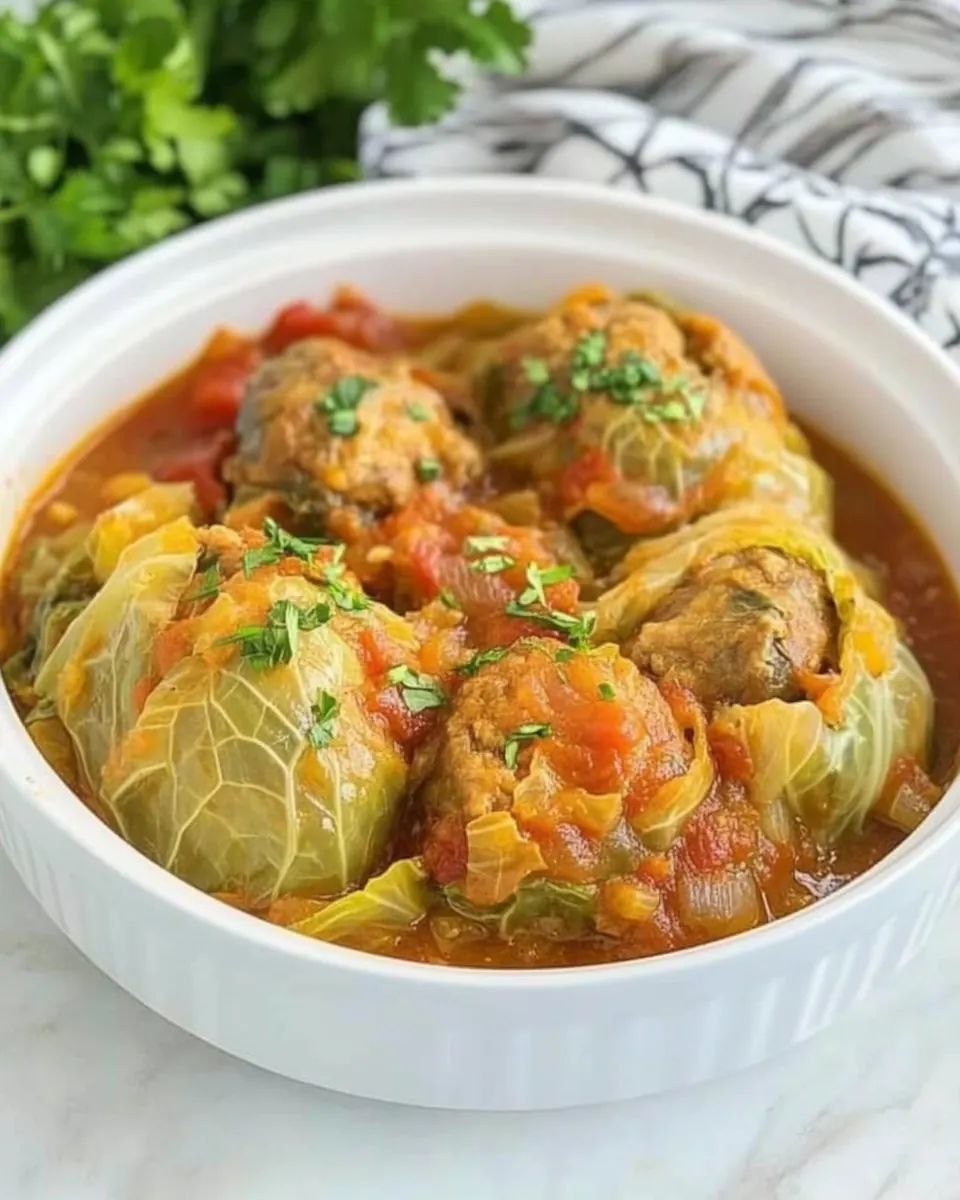
These ingredients work in harmony to deliver braised, saucy comfort. The key players are the softening cabbage, the savory mix of ground beef and ground chicken, and the tomato base that ties it all together. Simple seasonings highlight the meat and cabbage without competing, so each component can shine.
- 1 head of green cabbage, cored and cut into strips: Shred and soften to provide the bulk and cabbage flavor of the dish; cooks down into tender ribbons that mimic roll filling while absorbing sauces for texture and volume.
- 1 teaspoon paprika: Season lightly to add warm, sweet-earthy color and a mild smokiness that enhances the overall flavor profile without overpowering the other herbs and spices.
- 1/4 teaspoon garlic powder: Flavor subtly to contribute a mild garlic essence and savory depth; works well in combination with fresh herbs to round out the meat mixture and sauce.
- 1/4 teaspoon onion powder: Enhance savory notes with a delicate onion background that complements the meat and tomato components while boosting overall aroma.
- Pinch ground cloves: Accentuate warmth with a touch of aromatic spice that adds a faintly sweet, clove-like complexity useful in small amounts to deepen flavor.
- 15 ounces tomato sauce (you may substitute 3/4 cup tomato paste mixed with 1 cup of warm water for the sauce): Provide a rich tomato base and simmering liquid that binds the dish together; can be reconstituted from paste and water to control consistency and intensity.
- 1 pound lean ground beef (you may substitute ground beef for all the meat, if desired): Contribute hearty, beefy richness and fat for juiciness in the filling; can be swapped to change the protein balance or to keep a consistent flavor profile across meats.
- 1 pound ground chicken (you may substitute ground chicken or turkey for all the meat, if desired): Supply lean protein with a milder flavor and lighter texture that blends with beef for a balanced, tender filling; can be replaced to adjust taste or dietary preference.
- 1 large egg: Bind mixture ingredients together to improve texture and help formed lumps hold shape while also adding slight richness and structure when cooked.
- 1/2 cup unsalted bread crumbs or matzo meal () (optional): Absorb moisture and help bind the meat mixture for a firmer, cohesive texture; optional choice influences carb content and can be omitted for a looser filling.
- 2 tablespoons minced fresh parsley: Brighten flavors with fresh herbal aroma and a hint of green color; adds freshness that lightens the richness of the meat and tomato sauce.
- 15 ounces diced tomatoes (1 can): Add chunky tomato texture and acidity that complements the sauce; provides additional liquid and tomato flavor variation for depth in the pan.
- 2 teaspoons lemon juice: Lift acidity and brighten the sauce with a citrus tang that balances tomato sweetness and enhances overall freshness in the finished dish.
- 1 teaspoon sugar ( – omit for low carb) (optional): Balance tomato acidity by introducing a touch of sweetness; optional to maintain lower carbohydrate goals while smoothing sharp flavors.
- 1/2 teaspoon salt, or more to taste: Season to taste and enhance all savory notes; controls overall saltiness of the dish and should be adjusted based on other salty components.
- 1/4 teaspoon black pepper, or more to taste: Provide mild heat and peppery depth to sharpen flavors; helps to balance richness and can be increased for more pronounced spice.
- Crushed red pepper flakes (, to taste) (optional): Add optional heat and visual interest with flakes that impart brisk spice; used sparingly to elevate flavor without dominating the profile.
How to Cook Unstuffed Cabbage Rolls
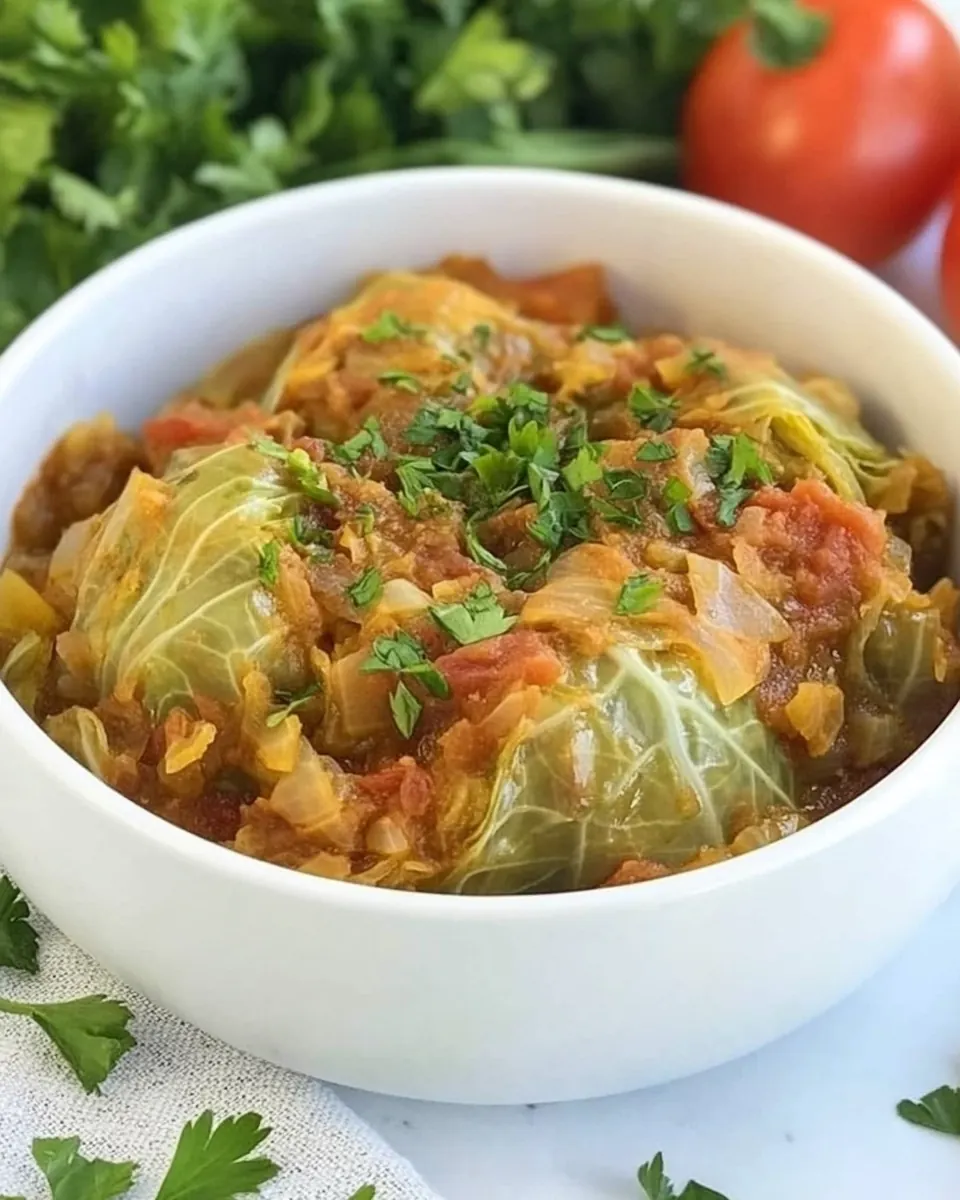
I like to approach cooking Unstuffed Cabbage Rolls as a leisurely, sensory process. You’ll notice aromas changing as the sauce reduces and the cabbage softens, and small adjustments along the way make a big difference in the final depth of flavor.
- Pour 1 cup of water into a large pot, bring to a boil. Place cabbage strips into the pot.: Steam will rise and the scent of fresh cabbage will become green and sweet, signaling the start of breakdown. You want vigorous bubbling at first so the strips soften quickly, but avoid a rolling boil that could tear the leaves. A common mistake is overcrowding the pot, which leads to uneven cooking; give the strips a little room so hot water and steam can circulate.
- Cover the pot. Steam cabbage over medium heat for 15 minutes, stirring occasionally to make sure it doesn’t burn.: As the cabbage softens, its color lightens and it develops a gentle sweetness. Stirring occasionally prevents sticking and ensures even steaming, especially where heat concentrates on the pot s bottom. Be careful not to over stir which can bruise the leaves; gentle turns are enough.
- Meanwhile, combine paprika, garlic powder, onion powder, ground cloves, 1/2 tsp of salt, 1/4 tsp of black pepper, and 1/4 the can of tomato sauce at the bottom of a large bowl. Stir until well blended.: The spices will bloom when mixed with the tomato sauce , releasing a warm, fragrant aroma that hints at the finished dish. This step layers flavor into the meat, so mixing thoroughly ensures every meatball will carry the same seasoning. A typical oversight is under mixing, which leaves uneven pockets of seasoning.
- Add the ground beef and chicken, egg, bread crumbs or matzo meal, and fresh minced parsley. Adding the bread crumbs will help bind the meatballs and will allow you to make a few more meatballs (stretching the meat), but if you're on a low carb or gluten free diet you can omit them and still get very tasty results. They'll just be a little harder to form smoothly (the meat will be sticky) – but the meatballs will firm up as they cook.: When you fold these into the seasoned base, the raw mixture will have a sticky, cohesive feel. The egg and optional bread crumbs help bind, while parsley brings a fresh note. Avoid packing the mixture too tightly which makes dense meatballs; aim for a tender but formed texture.
- Mix with a fork or knead with clean hands until all ingredients are thoroughly blended and meat is evenly seasoned.: Use tactile feedback to know when the mixture is ready you should feel the seasoning distributed evenly and no large streaks of unblended paste. The aroma will shift from raw meat to seasoned mixture. Overworking will make the meat tough, so stop once uniformity is achieved.
- Uncover the cabbage and reduce heat to low. Form the meat mixture into 2-inch meatballs and place them in a single layer on the surface of the cabbage. Take care when adding them to the hot pot—don’t burn your arm!: Dropping the meatballs into the steaming pot should produce a soft sizzle and a faint hiss as juices hit the hot surface. This gentle sear helps the exterior set, sealing juices inside. Common mistakes include forming meatballs that are too large which lengthens cooking time and may lead to uneven doneness.
- Pour remaining tomato sauce into a mixing bowl with the diced tomatoes, lemon juice, and sugar (the sugar is optional – it cuts the acid in the tomato sauce). Stir until blended, then season the sauce with salt and pepper to taste.: The sauce should smell bright and slightly sweet, with the lemon lifting the tomato s acidity. Blending the diced tomatoes creates texture contrast in the finished dish. If you skip seasoning, the final pot will taste flat, so taste and adjust now.
- Pour the sauce over the meatballs. Bring mixture to a simmer and reduce heat to medium low. Cover pot and cook for 75-90 minutes over medium low heat until the meatballs are cooked and cabbage is very tender. Stir every 20-30 minutes. If the cabbage seems dry towards the end of cooking, add a little hot water to the pan.: As the sauce simmers, it will thicken and coat the cabbage , and the aroma will deepen into a slow cooked richness. Stirring periodically prevents sticking and ensures meatballs cook evenly. A frequent error is leaving the pot unattended; low and slow needs occasional attention to prevent scorching and to maintain moisture.
- Bring mixture to a simmer and reduce heat to medium low. Cover pot and cook for 75-90 minutes over medium low heat until the meatballs are cooked and cabbage is very tender. Stir every 20-30 minutes. If the cabbage seems dry towards the end of cooking, add a little hot water to the pan.: During this extended simmer the sauce melds with the meat and cabbage , creating a unified flavor. You'll notice the sound change from active bubbling to a gentle, steady simmer and the sauce will cling to the cabbage. Resist increasing heat to speed up cooking which risks toughening the meat and unevenly cooked cabbage.
- Give the pot a gentle stir at the end of cooking to blend the sauce, cabbage, and meatballs.: The final stir releases pockets of steam and reveals the texture you achieved, from tender, silky cabbage to moist meatballs glazed with sauce. This is when you can check seasoning and add finishing salt if needed. Avoid vigorous stirring which can break the meatballs apart; gentle folding is best.
- Serve meatballs on top of the soft cooked cabbage. Garnish with more minced fresh parsley, if desired. Crushed red pepper flakes may be added for spice, according to taste. Serve.: When plated, the visual contrast of red sauce against pale cabbage is inviting, and the first bite should offer warm tomato, savory meat, and softly sweet cabbage. Garnish adds a fresh aroma and a hint of color. A common serving mistake is serving it too hot; let it rest briefly so flavors settle and you avoid steam burns.
Substitutions and Tips
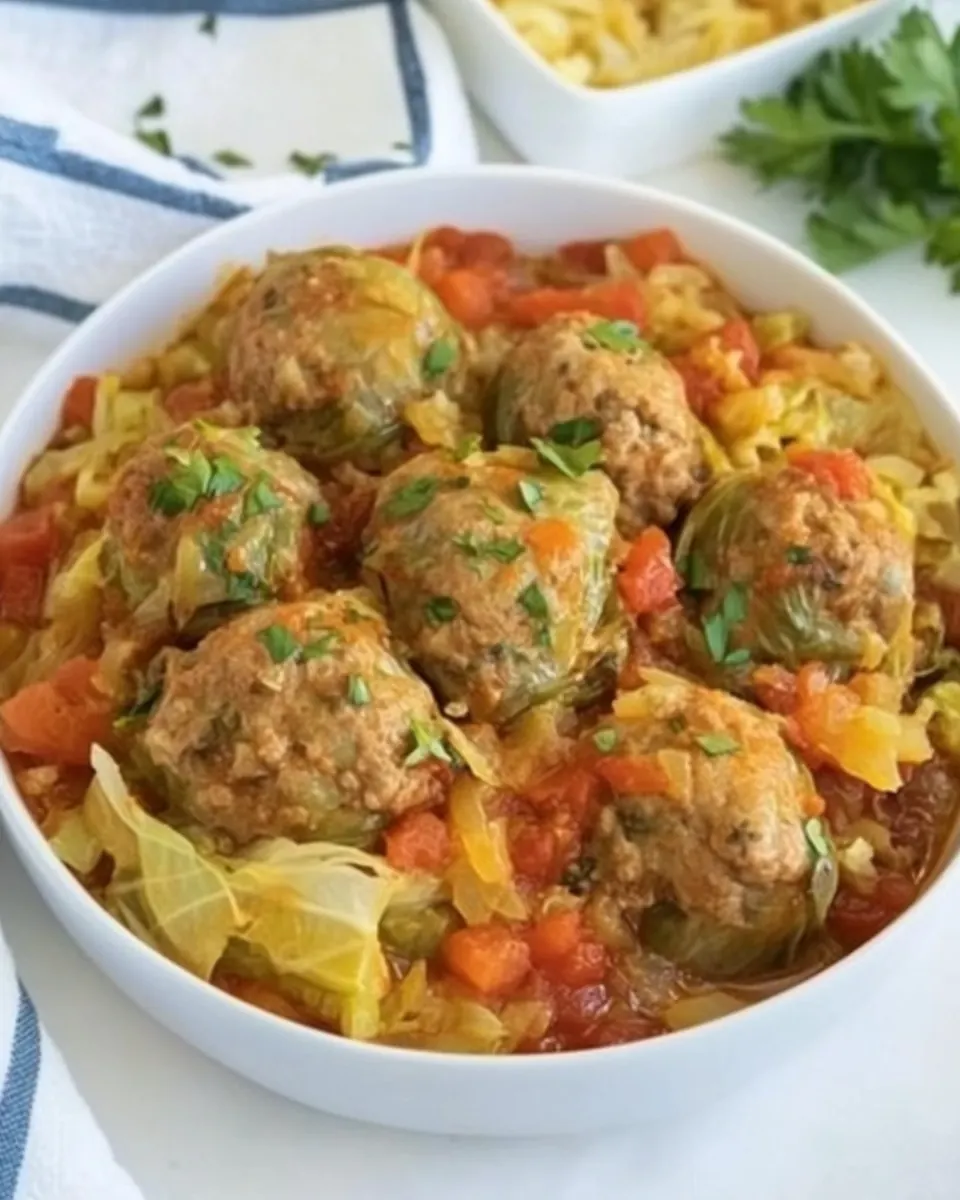
I like to offer practical swaps and little tricks that make this recipe more adaptable. Below are focused tips to help whether you want lighter meat, gluten free binders, or ways to boost flavor without changing the heart of the dish.
- Use one meat only: If you prefer only ground chicken or only ground beef, you can use all of one type; expect slightly different richness and adjust seasoning accordingly.
- Breadcrumb alternatives: If you need to avoid gluten, use matzo meal as called out or a fine gluten free breadcrumb to help with binding and texture during shaping.
- Tomato paste swap: If you only have tomato paste, mix 3 quarters of a cup with 1 cup warm water to approximate the canned tomato sauce called for, stirring to combine until smooth.
- Adjust acidity: If the sauce tastes too sharp, a small teaspoon of sugar tamps acidity; if its too flat, a splash of the called for lemon juice brightens the whole pot.
- Make ahead: This dish tastes even better the next day when flavors have melded. Reheat gently over low heat, adding a splash of water if the sauce has thickened too much.
- Spice control: Crushed red pepper flakes are optional; add at the table so guests can control heat without altering the main pots flavor profile.
Serve This Unstuffed Cabbage Rolls With
This dish is hearty and rounds into a full meal with simple accompaniments. Below are serving ideas, occasions, and storage notes to help you present it well and plan for leftovers.
- Simple starches: Serve over steamed rice or boiled potatoes to soak up the sauce, making the meal feel complete and comforting for lunch or dinner.
- Family dinners: This is ideal for a casual dinner where everyone helps themselves from the pot, a warm choice for cooler evenings in fall when the cabbage is seasonal.
- Meal prep and leftovers: Store cooled portions in airtight containers, refrigeration keeps them for several days and flavors deepen, making reheated servings even more robust.
- Holiday or gathering: It scales well for a crowd, so it suits gatherings where you want a hearty, familiar dish that fills plates and satisfies diverse eaters.
- Seasonal pairing: In fall, pair with simple roasted root vegetables for an earthy complement to the bright tomato sauce and tender cabbage.
- Storage tip: Freeze portions in a sauce lined container for up to three months; thaw overnight in the refrigerator and reheat gently to preserve texture.
FAQ
Conclusion
Unstuffed Cabbage Rolls takes all the classic flavors of stuffed cabbage and simplifies them into one soulful pot that is easy to make and deeply satisfying. If you want a warming, hands on meal that still leaves you time for conversation, this recipe is a perfect choice. Give it a try on a cool evening, and enjoy the way the tomato sauce, tender cabbage, and savory meatballs come together to feel both nostalgic and effortless. I hope it becomes a favorite for your family too.
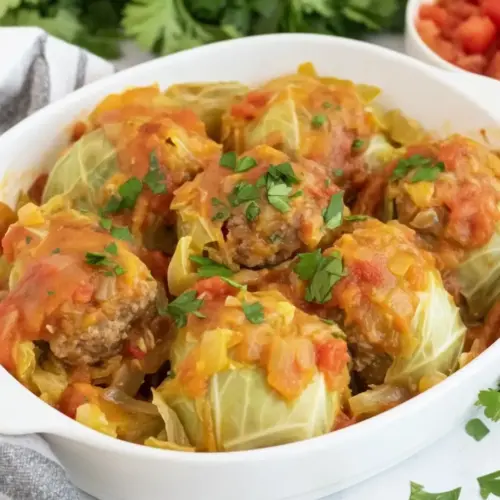
Unstuffed Cabbage Rolls
Equipment
- Large Pot
- Mixing Bowl
Ingredients
- 1 head of green cabbage, cored and cut into strips Shred and soften to provide the bulk and cabbage flavor of the dish; cooks down into tender ribbons that mimic roll filling while absorbing sauces for texture and volume.
- 1 teaspoon paprika Season lightly to add warm, sweet-earthy color and a mild smokiness that enhances the overall flavor profile without overpowering the other herbs and spices.
- 1/4 teaspoon garlic powder Flavor subtly to contribute a mild garlic essence and savory depth; works well in combination with fresh herbs to round out the meat mixture and sauce.
- 1/4 teaspoon onion powder Enhance savory notes with a delicate onion background that complements the meat and tomato components while boosting overall aroma.
- Pinch ground cloves Accentuate warmth with a touch of aromatic spice that adds a faintly sweet, clove-like complexity useful in small amounts to deepen flavor.
- 15 ounces tomato sauce (you may substitute 3/4 cup tomato paste mixed with 1 cup of warm water for the sauce) Provide a rich tomato base and simmering liquid that binds the dish together; can be reconstituted from paste and water to control consistency and intensity.
- 1 pound lean ground beef (you may substitute ground beef for all the meat, if desired) Contribute hearty, beefy richness and fat for juiciness in the filling; can be swapped to change the protein balance or to keep a consistent flavor profile across meats.
- 1 pound ground chicken (you may substitute ground chicken or turkey for all the meat, if desired) Supply lean protein with a milder flavor and lighter texture that blends with beef for a balanced, tender filling; can be replaced to adjust taste or dietary preference.
- 1 large egg Bind mixture ingredients together to improve texture and help formed lumps hold shape while also adding slight richness and structure when cooked.
- 1/2 cup unsalted bread crumbs or matzo meal (optional) Absorb moisture and help bind the meat mixture for a firmer, cohesive texture; optional choice influences carb content and can be omitted for a looser filling.
- 2 tablespoons minced fresh parsley Brighten flavors with fresh herbal aroma and a hint of green color; adds freshness that lightens the richness of the meat and tomato sauce.
- 15 ounces diced tomatoes (1 can) Add chunky tomato texture and acidity that complements the sauce; provides additional liquid and tomato flavor variation for depth in the pan.
- 2 teaspoons lemon juice Lift acidity and brighten the sauce with a citrus tang that balances tomato sweetness and enhances overall freshness in the finished dish.
- 1 teaspoon sugar (optional – omit for low carb) Balance tomato acidity by introducing a touch of sweetness; optional to maintain lower carbohydrate goals while smoothing sharp flavors.
- 1/2 teaspoon salt, or more to taste Season to taste and enhance all savory notes; controls overall saltiness of the dish and should be adjusted based on other salty components.
- 1/4 teaspoon black pepper, or more to taste Provide mild heat and peppery depth to sharpen flavors; helps to balance richness and can be increased for more pronounced spice.
- Crushed red pepper flakes (optional, to taste) Add optional heat and visual interest with flakes that impart brisk spice; used sparingly to elevate flavor without dominating the profile.
Instructions
- Pour 1 cup of water into a large pot, bring to a boil. Place cabbage strips into the pot.: Steam will rise and the scent of fresh cabbage will become green and sweet, signaling the start of breakdown. You want vigorous bubbling at first so the strips soften quickly, but avoid a rolling boil that could tear the leaves. A common mistake is overcrowding the pot, which leads to uneven cooking; give the strips a little room so hot water and steam can circulate.
- Cover the pot. Steam cabbage over medium heat for 15 minutes, stirring occasionally to make sure it doesn’t burn.: As the cabbage softens, its color lightens and it develops a gentle sweetness. Stirring occasionally prevents sticking and ensures even steaming, especially where heat concentrates on the pot s bottom. Be careful not to over stir which can bruise the leaves; gentle turns are enough.
- Meanwhile, combine paprika, garlic powder, onion powder, ground cloves, 1/2 tsp of salt, 1/4 tsp of black pepper, and 1/4 the can of tomato sauce at the bottom of a large bowl. Stir until well blended.: The spices will bloom when mixed with the tomato sauce , releasing a warm, fragrant aroma that hints at the finished dish. This step layers flavor into the meat, so mixing thoroughly ensures every meatball will carry the same seasoning. A typical oversight is under mixing, which leaves uneven pockets of seasoning.
- Add the ground beef and chicken, egg, bread crumbs or matzo meal, and fresh minced parsley. Adding the bread crumbs will help bind the meatballs and will allow you to make a few more meatballs (stretching the meat), but if you're on a low carb or gluten free diet you can omit them and still get very tasty results. They'll just be a little harder to form smoothly (the meat will be sticky) – but the meatballs will firm up as they cook.: When you fold these into the seasoned base, the raw mixture will have a sticky, cohesive feel. The egg and optional bread crumbs help bind, while parsley brings a fresh note. Avoid packing the mixture too tightly which makes dense meatballs; aim for a tender but formed texture.
- Mix with a fork or knead with clean hands until all ingredients are thoroughly blended and meat is evenly seasoned.: Use tactile feedback to know when the mixture is ready you should feel the seasoning distributed evenly and no large streaks of unblended paste. The aroma will shift from raw meat to seasoned mixture. Overworking will make the meat tough, so stop once uniformity is achieved.
- Uncover the cabbage and reduce heat to low. Form the meat mixture into 2-inch meatballs and place them in a single layer on the surface of the cabbage. Take care when adding them to the hot pot—don’t burn your arm!: Dropping the meatballs into the steaming pot should produce a soft sizzle and a faint hiss as juices hit the hot surface. This gentle sear helps the exterior set, sealing juices inside. Common mistakes include forming meatballs that are too large which lengthens cooking time and may lead to uneven doneness.
- Pour remaining tomato sauce into a mixing bowl with the diced tomatoes, lemon juice, and sugar (the sugar is optional – it cuts the acid in the tomato sauce). Stir until blended, then season the sauce with salt and pepper to taste.: The sauce should smell bright and slightly sweet, with the lemon lifting the tomato s acidity. Blending the diced tomatoes creates texture contrast in the finished dish. If you skip seasoning, the final pot will taste flat, so taste and adjust now.
- Pour the sauce over the meatballs. Bring mixture to a simmer and reduce heat to medium low. Cover pot and cook for 75-90 minutes over medium low heat until the meatballs are cooked and cabbage is very tender. Stir every 20-30 minutes. If the cabbage seems dry towards the end of cooking, add a little hot water to the pan.: As the sauce simmers, it will thicken and coat the cabbage , and the aroma will deepen into a slow cooked richness. Stirring periodically prevents sticking and ensures meatballs cook evenly. A frequent error is leaving the pot unattended; low and slow needs occasional attention to prevent scorching and to maintain moisture.
- Bring mixture to a simmer and reduce heat to medium low. Cover pot and cook for 75-90 minutes over medium low heat until the meatballs are cooked and cabbage is very tender. Stir every 20-30 minutes. If the cabbage seems dry towards the end of cooking, add a little hot water to the pan.: During this extended simmer the sauce melds with the meat and cabbage , creating a unified flavor. You'll notice the sound change from active bubbling to a gentle, steady simmer and the sauce will cling to the cabbage. Resist increasing heat to speed up cooking which risks toughening the meat and unevenly cooked cabbage.
- Give the pot a gentle stir at the end of cooking to blend the sauce, cabbage, and meatballs.: The final stir releases pockets of steam and reveals the texture you achieved, from tender, silky cabbage to moist meatballs glazed with sauce. This is when you can check seasoning and add finishing salt if needed. Avoid vigorous stirring which can break the meatballs apart; gentle folding is best.
- Serve meatballs on top of the soft cooked cabbage. Garnish with more minced fresh parsley, if desired. Crushed red pepper flakes may be added for spice, according to taste. Serve.: When plated, the visual contrast of red sauce against pale cabbage is inviting, and the first bite should offer warm tomato, savory meat, and softly sweet cabbage. Garnish adds a fresh aroma and a hint of color. A common serving mistake is serving it too hot; let it rest briefly so flavors settle and you avoid steam burns.
Notes
- Use one meat only: If you prefer only ground chicken or only ground beef, you can use all of one type; expect slightly different richness and adjust seasoning accordingly.
- Breadcrumb alternatives: If you need to avoid gluten, use matzo meal as called out or a fine gluten free breadcrumb to help with binding and texture during shaping.
- Tomato paste swap: If you only have tomato paste, mix 3 quarters of a cup with 1 cup warm water to approximate the canned tomato sauce called for, stirring to combine until smooth.
- Adjust acidity: If the sauce tastes too sharp, a small teaspoon of sugar tamps acidity; if its too flat, a splash of the called for lemon juice brightens the whole pot.
- Make ahead: This dish tastes even better the next day when flavors have melded. Reheat gently over low heat, adding a splash of water if the sauce has thickened too much.
- Spice control: Crushed red pepper flakes are optional; add at the table so guests can control heat without altering the main pots flavor profile.
