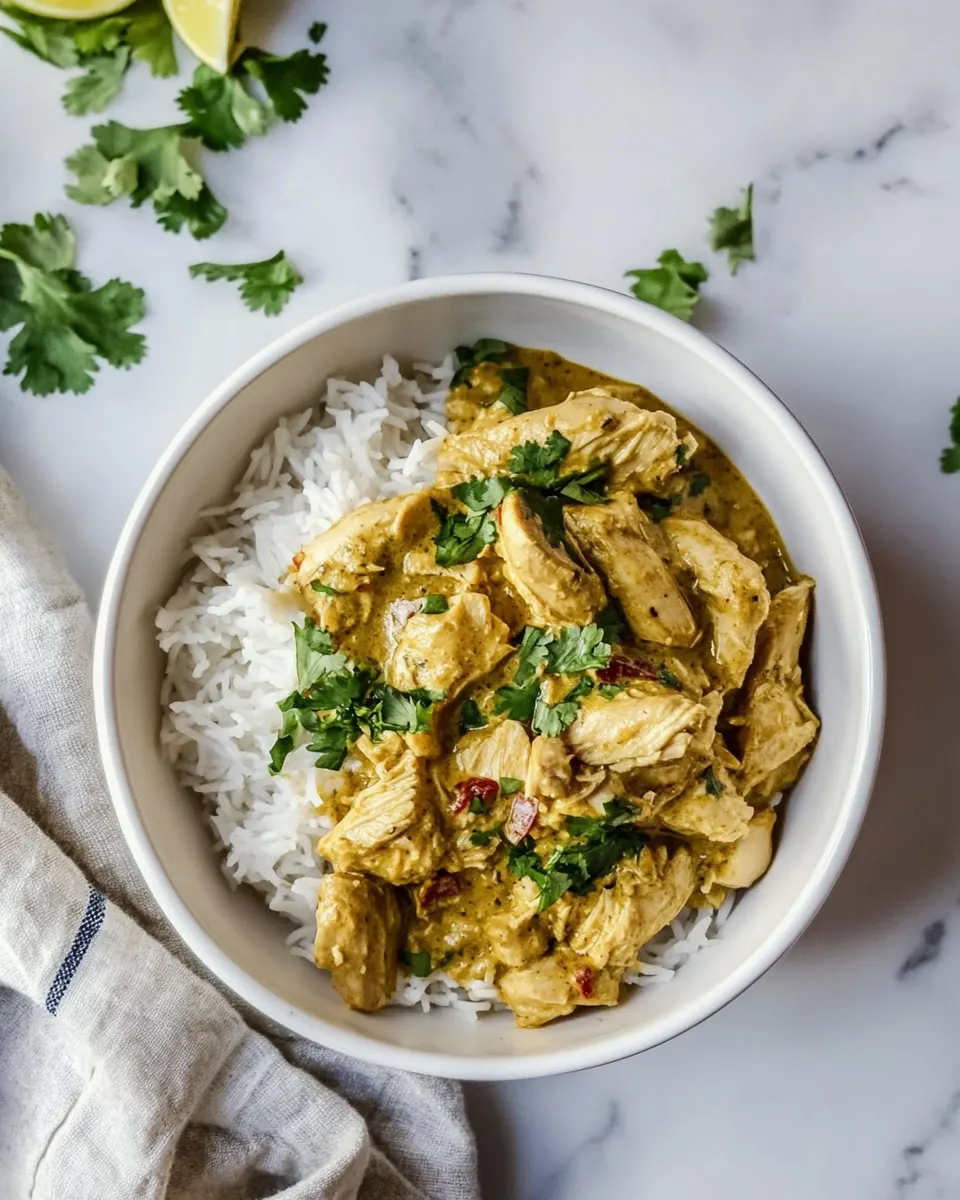
Slow Cooker Chicken Curry
Slow Cooker Chicken Curry is the kind of dish I reach for when life feels busy but my craving for comfort is loud. The aroma of warm spices fills the kitchen and I remember the first time I made it, juggling a chaotic week while letting the slow cooker do the heavy lifting. I love how the house slowly transforms into a cozy haven, and that first spoonful always brings a small, grateful smile.
There is something intimate about stirring a pot and trusting time, and this Slow Cooker Chicken Curry has become my secret for weeknight dinners and weekend leftovers alike. Each ingredient plays its part, and I often catch myself lingering by the counter just to breathe in the fragrant steam. When guests arrive, I enjoy watching their faces light up at the scent, which somehow feels like a warm welcome.
Over the years I have adjusted little things, learning when to nudge the heat or when a squeeze of lime brightens the whole bowl. This recipe is forgiving, practical, and reliably satisfying, so it often finds its way onto my rotation when I want something effortless but impressive. I hope you find it as comforting and dependable as I do.
Recipe Snapshot
4 hr 5 mins
5 mins
240 mins
Hard
450 kcal
Indian
Gluten-Free, Paleo
Dinner
Slow Cooker, Forks
The Magic of This Slow Cooker Chicken Curry
One pot, endless comfort
I love that this Slow Cooker Chicken Curry cooks itself, letting flavors deepen slowly while I handle other parts of my day. The gentle, steady heat coaxing the spices into the coconut milk creates a rich, layered base that feels indulgent without being fussy. For busy evenings, that’s a relief I value deeply.
Texture that sings
The way the chicken becomes tender and shreddable is a highlight for me. As the meat breaks apart, it soaks up the spiced, creamy sauce, giving every bite a pleasing contrast between silky sauce and soft meat. That mouthfeel is a big reason I return to this recipe again and again.
Balanced bright and savory notes
I appreciate how the lime juice cuts through the richness of the full fat coconut milk, keeping things lively. The fish sauce adds a subtle umami backbone without making the dish taste fishy, and the sesame oil brings a hint of toasted depth. Together these elements keep the curry from feeling one dimensional.
Flexible and approachable
I often tweak proportions based on what I have on hand, and the recipe holds up. Whether you want it slightly sweeter, spicier, or with more acid, small adjustments are safe. That flexibility gives cooks confidence to make the dish their own, while still relying on a dependable method.
Great for feeding others
Because it makes multiple servings and keeps well, I love preparing it for casual gatherings. It warms people up and invites conversation, and it stores easily for those days when you need a quick, satisfying meal. I usually find the flavors deepen after a day, making leftovers even better.
Ingredients Overview for Slow Cooker Chicken Curry
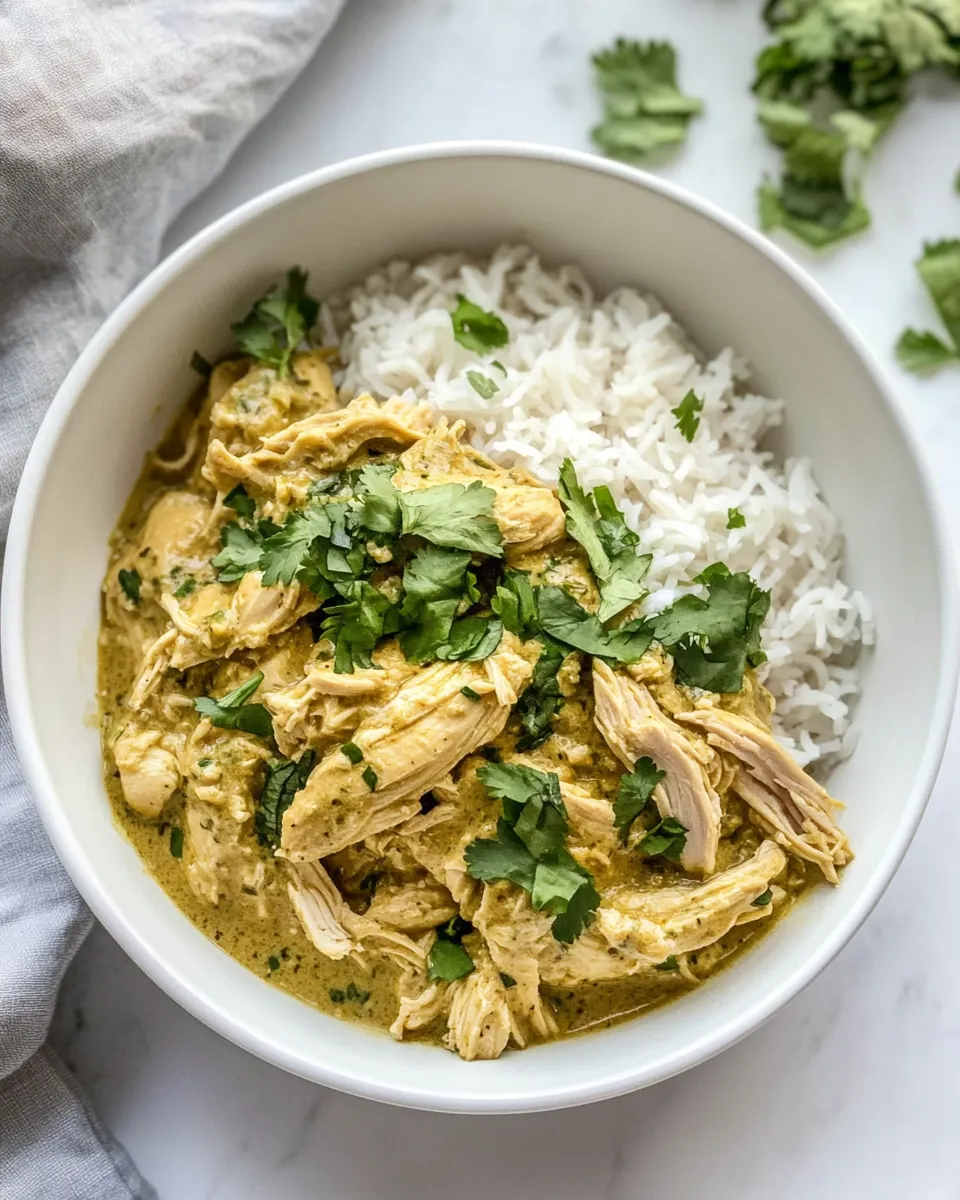
The ingredients here are simple but purposeful, working together to create a layered curry that is both comforting and lively. The coconut milk brings creaminess, aromatics like onion, garlic, and ginger build the savory backbone, and spices plus condiments round everything into a cohesive sauce. The chicken soaks up these flavors, becoming tender and luscious as it cooks low and slow.
- 1 onion sliced: Sliced to provide a sweet, savory base and soft texture that melts into the curry; sautéeing or slow cooking releases natural sugars that balance spices. Adds aromatic depth and body to the sauce, helping it thicken slightly as it breaks down during long cooking. Works as the foundational vegetable that complements coconut milk and curry powder.
- 1 (14 ounce) can full-fat coconut milk: Full-fat coconut milk adds rich, creamy body and tropical sweetness that mellows spice heat and creates a silky curry sauce. Contributes fat that carries flavors and helps emulsify the sauce, producing a luxurious mouthfeel. Balances acidic and salty elements while supporting slow cooker cooking without curdling.
- 4 garlic cloves minced: Minced to infuse bright, pungent garlic flavor throughout the curry and enhance savory depth; releases aromatic oils when cooked slowly. Helps layer savory complexity and pairs with ginger and curry spices to create an aromatic base. Small pieces distribute evenly so each bite gains subtle garlic warmth.
- 1 tablespoon minced ginger: Minced to provide a sharp, warming, slightly spicy aroma that accents the curry's aromatic profile and aids digestion. Brings fresh citrusy-pungent notes that brighten the rich coconut base and harmonize with garlic and curry powder. Offers a zesty backbone that lifts the overall flavor.
- 1 tablespoon fish sauce: Used to introduce savory umami and subtle oceanic saltiness that deepens the sauce and balances sweetness from coconut milk and sugar. Enhances complexity without overpowering, and helps highlight other flavors in the slow-cooked curry. Adds authentic Southeast Asian savory character.
- 1 lime juiced: Juiced to contribute bright acidity and a fresh citrus tang that cuts through richness and lifts flavors at the end of cooking. Balances sweetness and salt, rounding out the curry and adding a refreshing finish. Squeezed in later to preserve lively citrus aroma and flavor.
- 1 teaspoon sesame oil: Added in small amount to lend a toasty, nutty aroma and concentrate flavors; enhances the savory profile without adding overwhelming oiliness. Works as a flavor accent that complements Asian-inspired elements like fish sauce and sesame notes. A little goes a long way to deepen complexity.
- 2 teaspoons coconut sugar: Dissolved to provide gentle sweetness and help balance salty and acidic components while enhancing caramelized notes during slow cooking. Stabilizes flavor profile so spices and coconut milk remain rounded and harmonious. Helps create a well-balanced, slightly sweet curry finish.
- 2 tablespoons curry powder: Incorporated to supply the primary spice blend, offering warm, earthy, and aromatic notes like turmeric, coriander, and cumin that define the curry. Imparts color, depth, and complexity to the sauce while infusing the chicken during slow cooking. Adjusting amount controls the overall spice intensity.
- 1 teaspoon fine sea salt: Added to season and elevate all flavors, ensuring proper seasoning in the slow-cooked sauce and chicken; dissolves into the liquid for even distribution. Balances sweetness and acidity while preventing a flat-tasting dish. Helps highlight aromatic spices and fresh garnishes.
- 1/2 teaspoon black pepper: Sprinkled to introduce gentle heat and subtle complexity that complements curry spices without overwhelming the dish. Contributes aromatic peppery notes and mild warmth that can be adjusted to taste. Enhances overall seasoning and rounds out the palate.
- Pinch red pepper flakes more to taste: Included as a small heat enhancer to add bright, lingering spice and kick that can be increased for preference; integrates into the sauce as it simmers. Offers concentrated chili flavor without changing texture, giving optional spiciness to the curry. Serves as a customizable heat control.
- 1 1/2 pound boneless chicken breasts: Trimmed and added as the main protein, providing tender, lean meat that absorbs the curry flavors during long slow-cooker cooking. Cooks slowly to stay moist while soaking up the coconut sauce and spices, delivering substantial texture and heartiness to the meal. Sliced or shredded after cooking for easy serving.
- Cilantro for serving: Chopped and used as a fresh herb garnish to contribute bright, citrusy, and slightly peppery notes that brighten the rich curry at serving. Adds color contrast and aromatic lift, offering a fresh finish to each spoonful. Sprinkled on top just before serving to retain vibrancy.
- Chopped scallions for serving: Chopped finely and scattered as a fresh, mild oniony garnish to add crunch, color, and subtle bite to each serving; complements cilantro and lime. Provides a crisp textural contrast to the creamy curry and enhances presentation. Adds light savory-sweet green onion flavor as a finishing touch.
Making Slow Cooker Chicken Curry
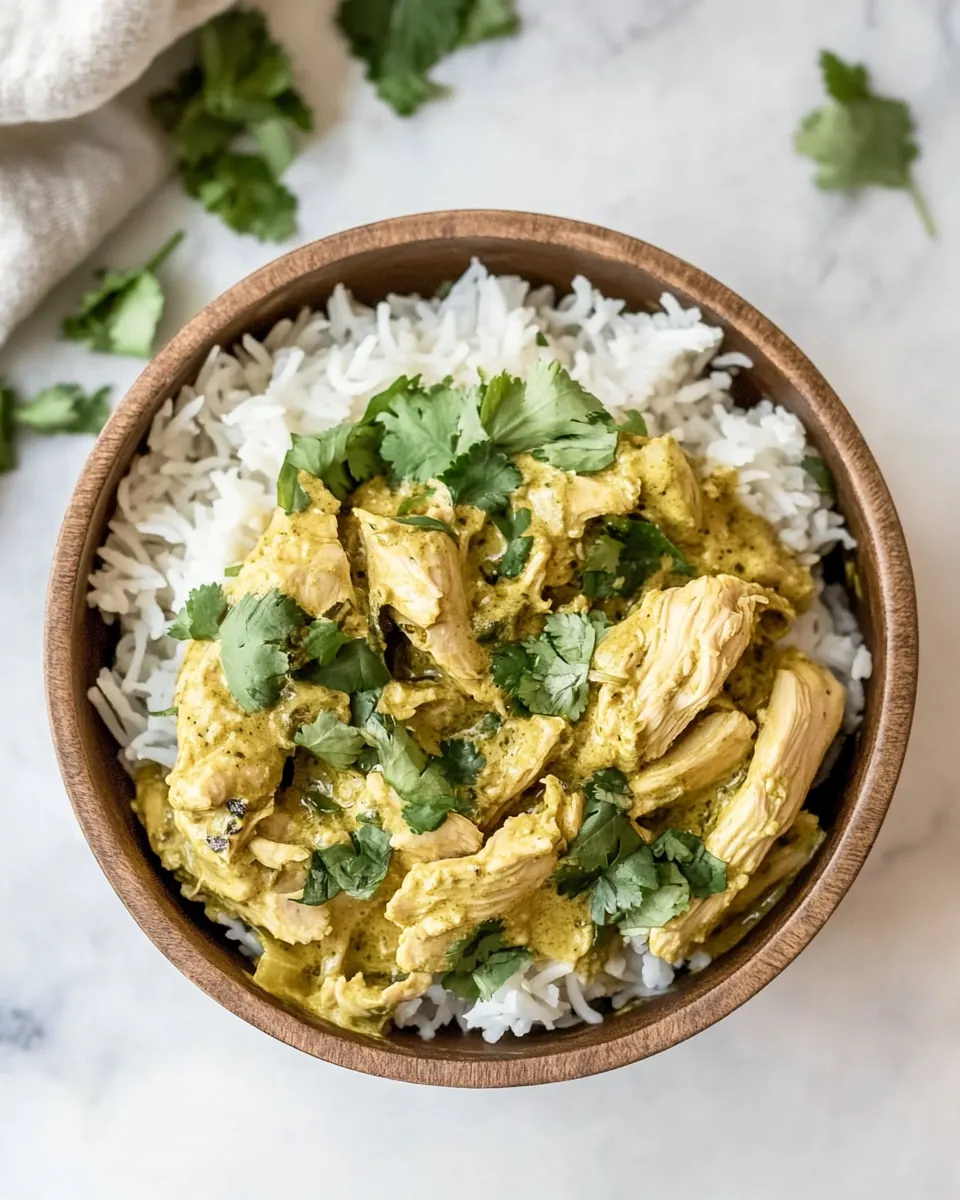
This recipe is straightforward, and I like to take a relaxed approach while still paying attention to a few sensory cues. Below you will find the original directions, expanded into detailed, personal steps that highlight smells, textures, and troubleshooting tips to help you succeed. Read each step for guidance on what to listen for, what to look for, and why each action matters.
- Place sliced onion in the bottom of the insert of your slow cooker.: As the onions nestle into the bottom, they will soften and slowly release a sweet, fragrant aroma that forms the base of the curry. You should notice a gentle, warming scent as the sugars begin to break down, which blends into the sauce later, creating a mellow backbone. This layer helps prevent sticking and ensures the onion melds into the coconut milk rather than staying harsh. A common misstep is piling other ingredients directly on a dry pot, which can cause uneven cooking or scorching along the sides; laying down the onions first builds a protective cushion.
- Add coconut milk, garlic, ginger, fish sauce, lime juice, sesame oil, sugar, and spices. Toss to combine.: Once the coconut milk meets the aromatics, you will see a creamy pale mixture dotted with minced garlic and ginger , and the smell will shift from raw onion to a savory, almost sweet perfume. Stirring at this stage distributes the curry powder so it blooms into the fat of the coconut milk, unlocking deeper flavors. You want the mixture uniformly combined so the spices season everything consistently, which is why a gentle toss matters. Avoid vigorous whisking that can cause splashing or breaking the coconut milk separation, and be mindful to scrape the pot bottom so nothing is left to caramelize unevenly.
- Add in chicken and mix to coat.: When the chicken pieces are nestled into the spiced coconut mixture, their surfaces should glisten from the sauce, signaling good contact with the flavors. As the meat warms, it will begin absorbing the savory-sweet notes; this is the moment the protein starts to contract and firm up, which is expected. Coat each piece thoroughly so no dry patches remain, because uncoated meat can cook blandly compared to well-seasoned portions. A frequent oversight is overcrowding the pot, which restricts even flavor absorption; arrange the pieces in a single layer if possible.
- Set on high for 4 hours. When done, shred with two forks.: Over the course of cooking, the kitchen fills with an inviting, rounded aroma as the spices and coconut milk reduce slightly and the chicken softens. At the four hour mark on high, the meat should be tender enough that two forks pull it apart into silky shreds that catch sauce between fibers for perfect bites. Use forks to tease the meat gently, creating a texture that soaks up sauce rather than falling apart into mush. If the meat is still resistant, give it an extra 20 to 30 minutes; undercooked, tough slices are a common result of rushing this stage.
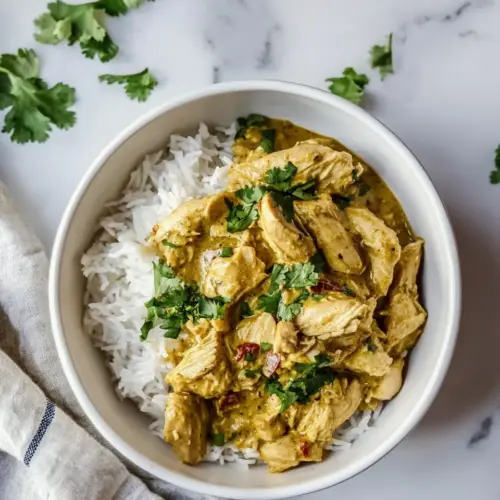
- Serve over white rice or cauliflower rice, garnish, and enjoy.: When plating, the steam will carry the curry scent up in waves, and you will notice the sauce clinging to the shredded meat with a glossy sheen, ready for a squeeze of additional lime or a sprinkle of fresh herbs. Serving on a bed of rice provides a neutral balance to the robust sauce, while cauliflower rice keeps things lighter and lets the curry shine. Garnishes like chopped scallions and cilantro add a fresh contrast both visually and in texture. Beware of letting the curry sit too long uncovered, as the surface can reduce and thicken beyond your desired consistency.
Pro Tips and Tweaks
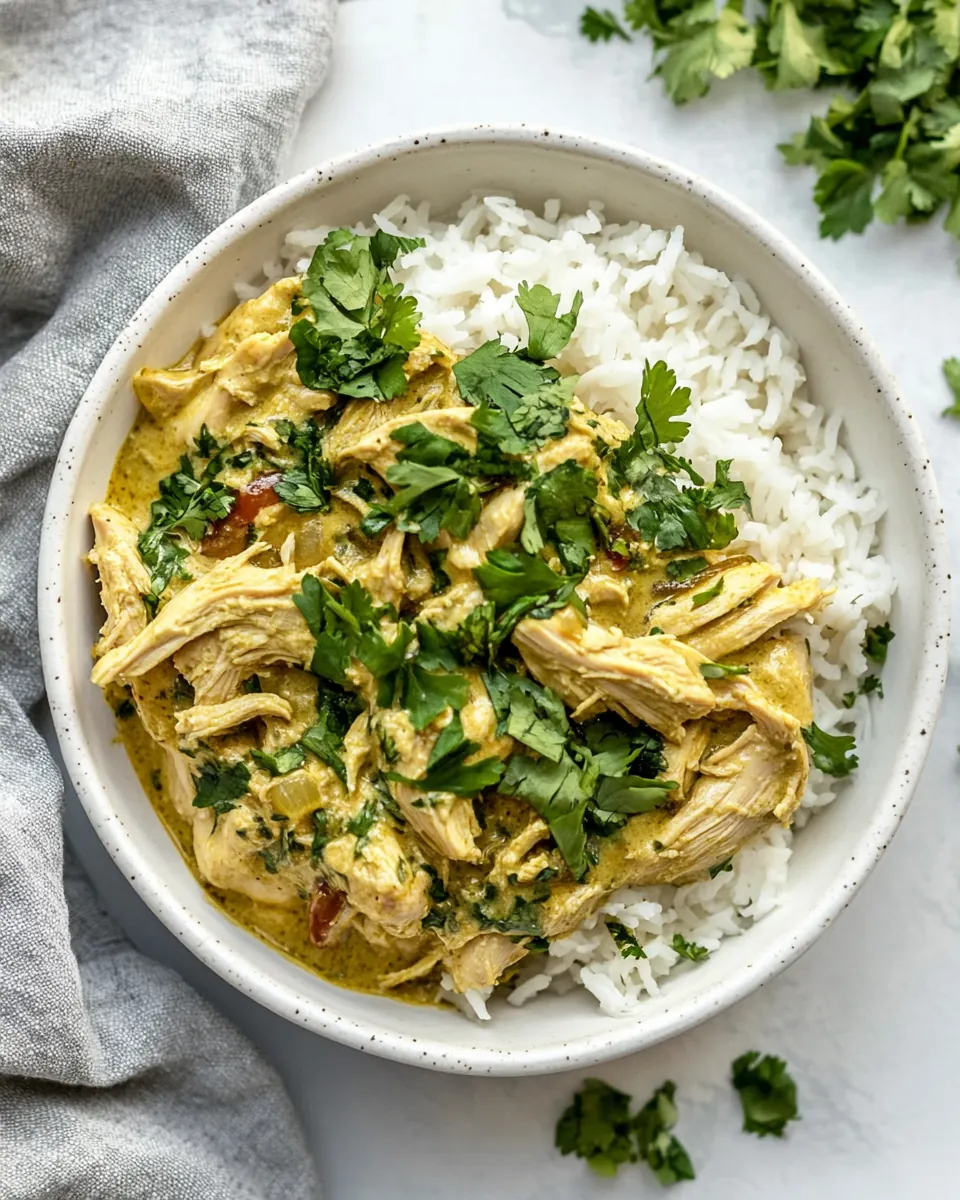
I like to offer tips that help you customize texture and flavor confidently. These suggestions cover timing, seasoning, storage, and how to adapt for different preferences. Each tip begins with a concise suggestion followed by practical detail so you can make choices that suit your taste.
- Use full fat coconut milk for the creamiest texture and best flavor extraction, since the fat carries spices and creates a silky sauce that clings to the chicken.
- Reserve lime juice for finishing if you prefer a brighter, fresher acidity; adding it at the end preserves the lively citrus notes and prevents them from fading during the long cook.
- Adjust heat with red pepper flakes so you control spiciness; add conservatively at first and taste after shredding because heat can concentrate slightly as the sauce reduces.
- Shred the chicken in the pot to capture maximum sauce clinging to the meat, which yields juicier, more flavorful strands than shredding outside and then returning to the sauce.
- Store leftovers properly by cooling quickly and transferring to airtight containers, refrigerating up to five days or freezing up to three months for reliable future meals.
Serving Ideas for Slow Cooker Chicken Curry
This curry is versatile enough for weeknight dinners, casual gatherings, or meal prep. Below are serving suggestions, pairing ideas, and storage notes to help you present and preserve the dish beautifully.
- Serve over white rice to provide a neutral starch that soaks up the sauce, making each bite balanced and satisfying.
- Swap in cauliflower rice for a lower carb option that still catches the sauce and keeps the meal light and bright.
- Offer fresh garnishes like chopped scallions and cilantro to add color, crunch, and herbal contrast against the creamy curry.
- Pair with simple sides such as steamed vegetables or a crisp cucumber salad to introduce freshness and texture variety on the plate.
- Occasion suggestions include cozy winter dinners, casual entertaining, or meal prep for busy weeks when you want comforting reheatable meals.
- Storage tips recommend refrigerating in airtight containers for up to five days, or freezing portions for up to three months, then thawing in the fridge before reheating gently.
FAQ
Conclusion
What makes this recipe special is how it combines simple ingredients into a deeply flavorful, comforting meal with minimal hands on time. Give this Slow Cooker Chicken Curry a try when you want a reliable, cozy dinner that rewards patience and fills your home with wonderful aromas. It’s forgiving, adaptable, and perfect for sharing, so I hope it becomes a go to in your rotation.
Slow Cooker Chicken Curry
Equipment
- Slow Cooker
- Forks
Ingredients
- 1 onion sliced Sliced to provide a sweet, savory base and soft texture that melts into the curry; sautéeing or slow cooking releases natural sugars that balance spices. Adds aromatic depth and body to the sauce, helping it thicken slightly as it breaks down during long cooking. Works as the foundational vegetable that complements coconut milk and curry powder.
- 1 (14 ounce) can full-fat coconut milk Full-fat coconut milk adds rich, creamy body and tropical sweetness that mellows spice heat and creates a silky curry sauce. Contributes fat that carries flavors and helps emulsify the sauce, producing a luxurious mouthfeel. Balances acidic and salty elements while supporting slow cooker cooking without curdling.
- 4 garlic cloves minced Minced to infuse bright, pungent garlic flavor throughout the curry and enhance savory depth; releases aromatic oils when cooked slowly. Helps layer savory complexity and pairs with ginger and curry spices to create an aromatic base. Small pieces distribute evenly so each bite gains subtle garlic warmth.
- 1 tablespoon minced ginger Minced to provide a sharp, warming, slightly spicy aroma that accents the curry's aromatic profile and aids digestion. Brings fresh citrusy-pungent notes that brighten the rich coconut base and harmonize with garlic and curry powder. Offers a zesty backbone that lifts the overall flavor.
- 1 tablespoon fish sauce Used to introduce savory umami and subtle oceanic saltiness that deepens the sauce and balances sweetness from coconut milk and sugar. Enhances complexity without overpowering, and helps highlight other flavors in the slow-cooked curry. Adds authentic Southeast Asian savory character.
- 1 lime juiced Juiced to contribute bright acidity and a fresh citrus tang that cuts through richness and lifts flavors at the end of cooking. Balances sweetness and salt, rounding out the curry and adding a refreshing finish. Squeezed in later to preserve lively citrus aroma and flavor.
- 1 teaspoon sesame oil Added in small amount to lend a toasty, nutty aroma and concentrate flavors; enhances the savory profile without adding overwhelming oiliness. Works as a flavor accent that complements Asian-inspired elements like fish sauce and sesame notes. A little goes a long way to deepen complexity.
- 2 teaspoons coconut sugar Dissolved to provide gentle sweetness and help balance salty and acidic components while enhancing caramelized notes during slow cooking. Stabilizes flavor profile so spices and coconut milk remain rounded and harmonious. Helps create a well-balanced, slightly sweet curry finish.
- 2 tablespoons curry powder Incorporated to supply the primary spice blend, offering warm, earthy, and aromatic notes like turmeric, coriander, and cumin that define the curry. Imparts color, depth, and complexity to the sauce while infusing the chicken during slow cooking. Adjusting amount controls the overall spice intensity.
- 1 teaspoon fine sea salt Added to season and elevate all flavors, ensuring proper seasoning in the slow-cooked sauce and chicken; dissolves into the liquid for even distribution. Balances sweetness and acidity while preventing a flat-tasting dish. Helps highlight aromatic spices and fresh garnishes.
- 1/2 teaspoon black pepper Sprinkled to introduce gentle heat and subtle complexity that complements curry spices without overwhelming the dish. Contributes aromatic peppery notes and mild warmth that can be adjusted to taste. Enhances overall seasoning and rounds out the palate.
- Pinch red pepper flakes more to taste Included as a small heat enhancer to add bright, lingering spice and kick that can be increased for preference; integrates into the sauce as it simmers. Offers concentrated chili flavor without changing texture, giving optional spiciness to the curry. Serves as a customizable heat control.
- 1 1/2 pound boneless chicken breasts Trimmed and added as the main protein, providing tender, lean meat that absorbs the curry flavors during long slow-cooker cooking. Cooks slowly to stay moist while soaking up the coconut sauce and spices, delivering substantial texture and heartiness to the meal. Sliced or shredded after cooking for easy serving.
- Cilantro for serving Chopped and used as a fresh herb garnish to contribute bright, citrusy, and slightly peppery notes that brighten the rich curry at serving. Adds color contrast and aromatic lift, offering a fresh finish to each spoonful. Sprinkled on top just before serving to retain vibrancy.
- Chopped scallions for serving Chopped finely and scattered as a fresh, mild oniony garnish to add crunch, color, and subtle bite to each serving; complements cilantro and lime. Provides a crisp textural contrast to the creamy curry and enhances presentation. Adds light savory-sweet green onion flavor as a finishing touch.
Instructions
- Place sliced onion in the bottom of the insert of your slow cooker.: As the onions nestle into the bottom, they will soften and slowly release a sweet, fragrant aroma that forms the base of the curry. You should notice a gentle, warming scent as the sugars begin to break down, which blends into the sauce later, creating a mellow backbone. This layer helps prevent sticking and ensures the onion melds into the coconut milk rather than staying harsh. A common misstep is piling other ingredients directly on a dry pot, which can cause uneven cooking or scorching along the sides; laying down the onions first builds a protective cushion.
- Add coconut milk, garlic, ginger, fish sauce, lime juice, sesame oil, sugar, and spices. Toss to combine.: Once the coconut milk meets the aromatics, you will see a creamy pale mixture dotted with minced garlic and ginger , and the smell will shift from raw onion to a savory, almost sweet perfume. Stirring at this stage distributes the curry powder so it blooms into the fat of the coconut milk, unlocking deeper flavors. You want the mixture uniformly combined so the spices season everything consistently, which is why a gentle toss matters. Avoid vigorous whisking that can cause splashing or breaking the coconut milk separation, and be mindful to scrape the pot bottom so nothing is left to caramelize unevenly.
- Add in chicken and mix to coat.: When the chicken pieces are nestled into the spiced coconut mixture, their surfaces should glisten from the sauce, signaling good contact with the flavors. As the meat warms, it will begin absorbing the savory-sweet notes; this is the moment the protein starts to contract and firm up, which is expected. Coat each piece thoroughly so no dry patches remain, because uncoated meat can cook blandly compared to well-seasoned portions. A frequent oversight is overcrowding the pot, which restricts even flavor absorption; arrange the pieces in a single layer if possible.
- Set on high for 4 hours. When done, shred with two forks.: Over the course of cooking, the kitchen fills with an inviting, rounded aroma as the spices and coconut milk reduce slightly and the chicken softens. At the four hour mark on high, the meat should be tender enough that two forks pull it apart into silky shreds that catch sauce between fibers for perfect bites. Use forks to tease the meat gently, creating a texture that soaks up sauce rather than falling apart into mush. If the meat is still resistant, give it an extra 20 to 30 minutes; undercooked, tough slices are a common result of rushing this stage.
- Serve over white rice or cauliflower rice, garnish, and enjoy.: When plating, the steam will carry the curry scent up in waves, and you will notice the sauce clinging to the shredded meat with a glossy sheen, ready for a squeeze of additional lime or a sprinkle of fresh herbs. Serving on a bed of rice provides a neutral balance to the robust sauce, while cauliflower rice keeps things lighter and lets the curry shine. Garnishes like chopped scallions and cilantro add a fresh contrast both visually and in texture. Beware of letting the curry sit too long uncovered, as the surface can reduce and thicken beyond your desired consistency.
Notes
- Use full fat coconut milk for the creamiest texture and best flavor extraction, since the fat carries spices and creates a silky sauce that clings to the chicken.
- Reserve lime juice for finishing if you prefer a brighter, fresher acidity; adding it at the end preserves the lively citrus notes and prevents them from fading during the long cook.
- Adjust heat with red pepper flakes so you control spiciness; add conservatively at first and taste after shredding because heat can concentrate slightly as the sauce reduces.
- Shred the chicken in the pot to capture maximum sauce clinging to the meat, which yields juicier, more flavorful strands than shredding outside and then returning to the sauce.
- Store leftovers properly by cooling quickly and transferring to airtight containers, refrigerating up to five days or freezing up to three months for reliable future meals.
