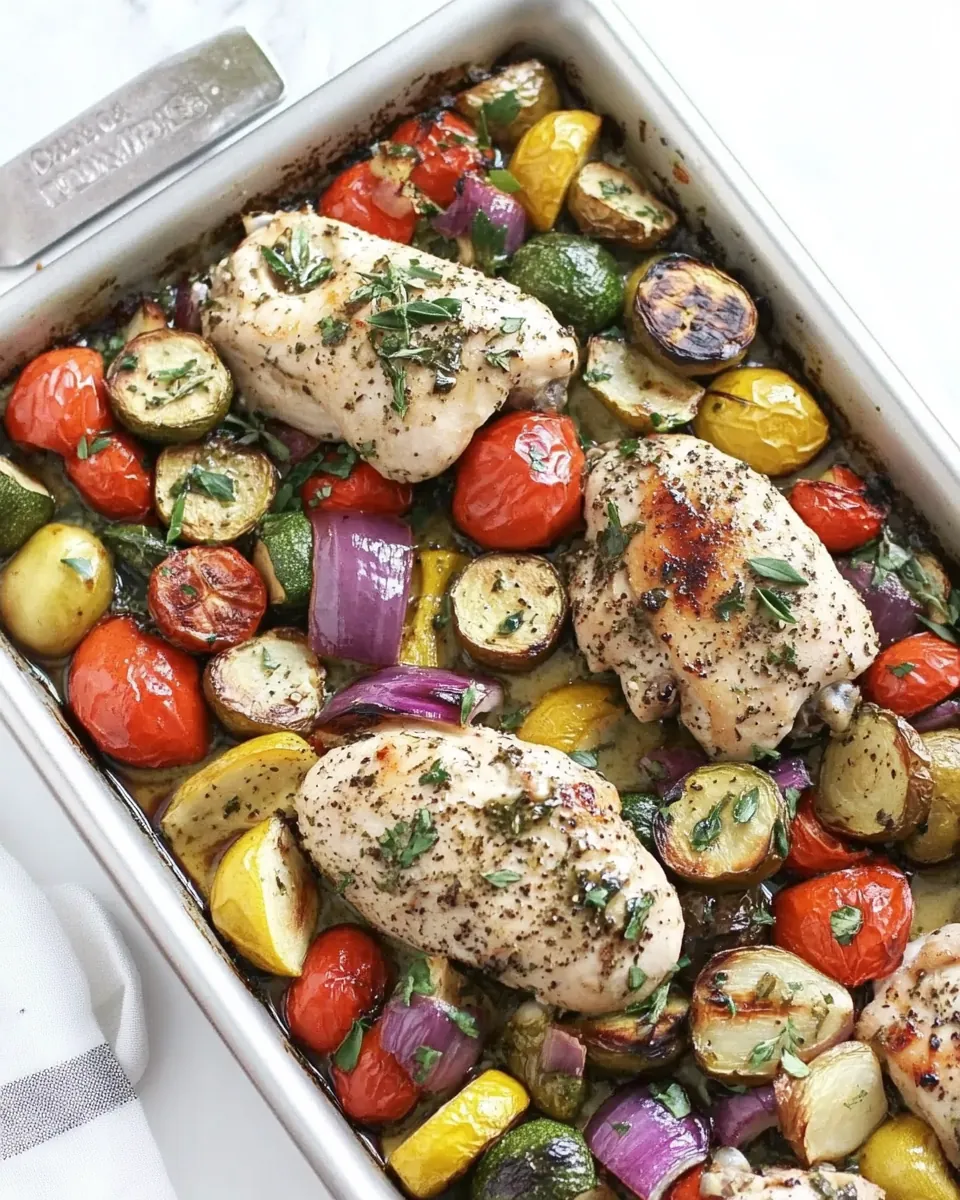
Sheet Pan Balsamic Herb Chicken and Vegetables
Sheet Pan Balsamic Herb Chicken and Vegetables is one of those dinners I turn to on chaotic weeknights when I want something that tastes thoughtful but does not demand babysitting.
I remember the first time I made this, coming home with arms full of groceries, exhausted from a long day, and deciding to roast everything together on one tray. The kitchen filled with a warm, tangy balsamic aroma as the chicken and vegetables began to sing in the oven. That evening felt like a small victory, because dinner was both colorful and comforting, and cleanup was delightfully minimal, which meant more time to sit, unwind, and actually enjoy the meal.
Over time I learned little tricks that made the result reliably juicy, and the roasted vegetables caramelized in just the right way. I often tweak the herb amounts depending on what I have on hand, and I love how the simple combination of balsamic vinegar, extra-virgin olive oil, and garlic turns humble ingredients into something memorable. If you crave a no-fuss winner that still feels homemade, this recipe is a dependable friend.
Recipe Snapshot
40 mins
15 mins
25 mins
Easy
350 kcal
American
Keto, Paleo
Dinner
Sheet pan, Parchment paper, Large bowl
What We Adore About This Sheet Pan Balsamic Herb Chicken and Vegetables
Roast Everything on One Pan for Effortless Cleanup
I love that Sheet Pan Balsamic Herb Chicken and Vegetables simplifies the evening routine. Using a single sheet pan means fewer dishes and a focused cooking window, so you can concentrate on setting the table or chatting with family while the oven does the heavy lifting.
Balanced Flavors without Fuss
The marriage of balsamic vinegar and extra-virgin olive oil gives the chicken and vegetables bright acidity and rounded richness. I find that the garlic and chopped herbs add aromatic lift, creating a profile that feels composed, not overworked.
Vegetables and Protein Cook in Harmony
I appreciate how the chosen vegetables, from bell pepper to cauliflower, have compatible roast times. This harmony ensures tender, slightly caramelized vegetables and a juicy chicken without complicated timing. When everything hits the oven together, the flavors mingle in a way that tastes cohesive.
Flexible and Seasonal
This dish adapts well to what’s in the market. I like to think of it as a template: swap similar vegetables and adjust the herbs, and you still get a satisfying meal. That flexibility keeps it fresh on repeat.
Great for Prep and Leftovers
Beyond the immediate meal, this recipe stores beautifully. I often portion leftovers into containers for easy lunches, and when reheated gently they retain texture and flavor. That reliability makes it one of my go-to meal prep solutions.
What to Buy for Sheet Pan Balsamic Herb Chicken and Vegetables
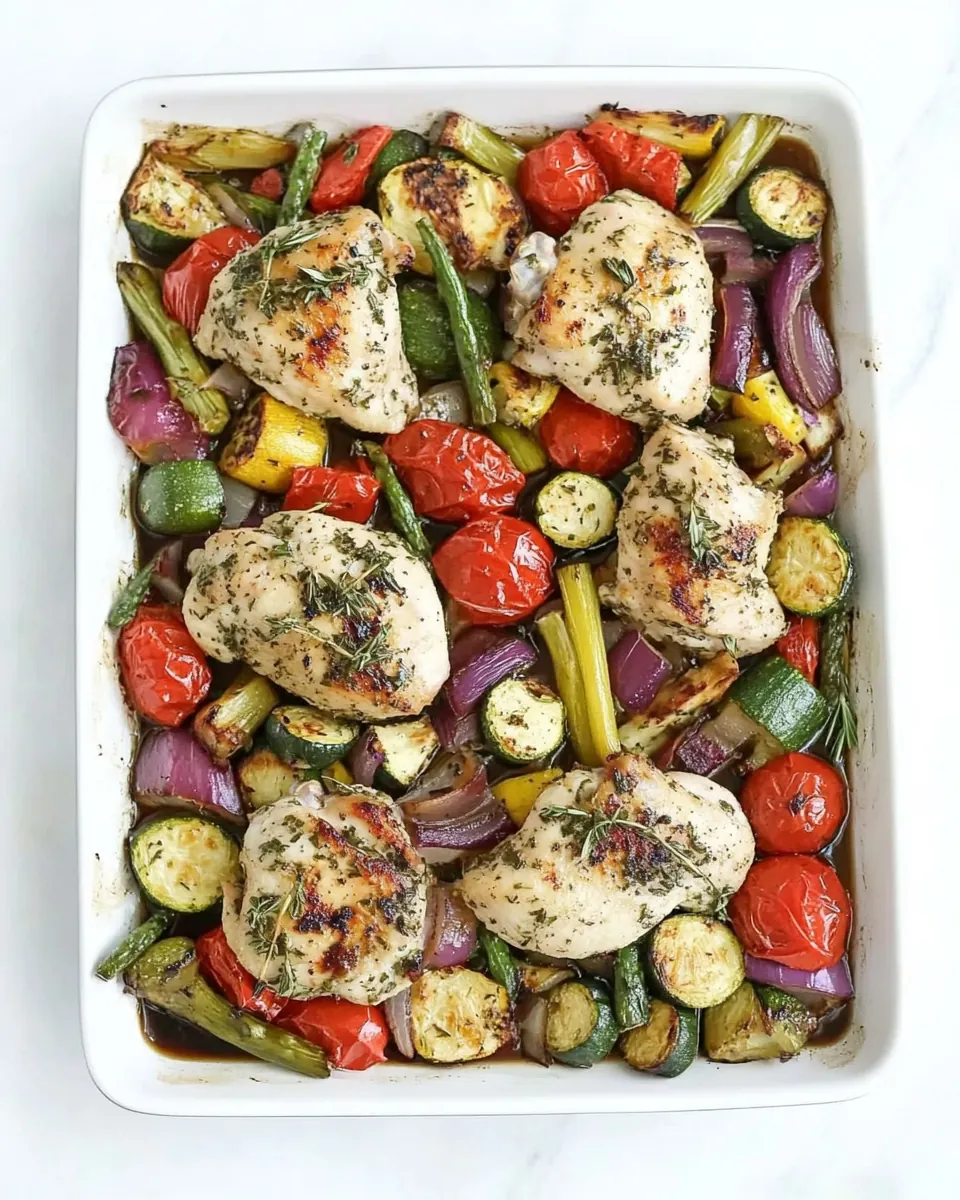
These ingredients are deliberately straightforward, aimed at producing bright, roasted flavor with minimal effort. The key players are the chicken for protein, the assortment of vegetables for texture and color, and the balsamic based dressings that tie everything together. When combined, they roast into an aromatic, savory meal that feels both wholesome and slightly indulgent.
- 16 ounces boneless, skinless chicken breasts, halved: Provide lean protein and serve as the main component of the dish; halve breasts to ensure even cooking and quicker roasting on the sheet pan, absorbing marinades and flavors while staying tender when not overcooked.
- 1 tbsp balsamic vinegar: Add bright acidity and a touch of sweetness to balance the savory components; drizzle over the chicken and vegetables to deglaze pan juices and concentrate flavor during roasting or finishing.
- 1/2 tbsp extra-virgin olive oil: Coat and help brown the ingredients while carrying fat-soluble flavors; use sparingly for a lighter dish while ensuring vegetables and chicken develop a pleasant roasted texture.
- 2 cloves crushed garlic: Infuse pungent aromatic depth and savory bite; crush garlic to release oils and distribute flavor throughout the marinade and the roasted vegetables for aromatic complexity.
- 2 teaspoons chopped basil: Provide warm, sweet herbal notes and a fresh finish; chop basil finely to blend into the marinade and sprinkle over the finished dish to enhance brightness.
- 1 teaspoon chopped parsley: Bring a clean, slightly peppery herbal flavor and freshness; chop parsley and mix into the marinade or garnish to add color and a subtle grassy note.
- 3/4 teaspoon kosher salt: Season and enhance natural flavors while helping to tenderize proteins slightly; kosher salt measured precisely ensures balanced seasoning across chicken and vegetables.
- olive oil spray: Prevent sticking and promote even roasting with minimal added fat; spray the sheet pan lightly to create a nonstick surface and encourage browning without excess oil.
- 1 large red bell pepper, cored and cut into 1-inch pieces: Contribute sweet, crisp texture and vibrant color; core and cut into 1-inch pieces so the pepper roasts evenly and melds with the other vegetables on the sheet pan.
- 1 medium, 7-ounce zucchini, quartered lengthwise and cut into 1-inch cubes: Offer tender, moist flesh with mild flavor and absorb marinades; quarter and cube zucchini to uniform 1-inch pieces to ensure consistent cooking alongside other vegetables.
- 1 cup asparagus, cut into 1-inch pieces: Add tender-crisp green notes and a slight grassy flavor; cut asparagus into 1-inch pieces for quick roasting that retains texture and complements the other vegetables.
- 1 medium red onion, cut into 1-inch pieces, layers separated: Provide sharp, slightly sweet undertones and textural layers; separate layers and cut the onion into 1-inch pieces so it caramelizes and softens evenly during roasting.
- 1 cup cauliflower florets: Introduce nutty, slightly sweet crunch and body; use small cauliflower florets to roast until tender and lightly browned, adding variety in texture to the sheet pan.
- 2 tbsp balsamic vinegar: Enhance glaze, deepen flavor, and add balanced acidity; use a second portion of balsamic vinegar to finish or toss with roasted vegetables for concentrated sweet-tart notes.
- 1 1/2 tbsp extra-virgin olive oil: Bind and carry flavors while promoting caramelization; additional extra–virgin olive oil helps coat the vegetables for even roasting and encourages golden edges.
- 1 teaspoon kosher salt: Provide final seasoning to the vegetables and chicken with controlled salinity; kosher salt measured for the vegetable mix ensures harmonious overall taste.
- freshly ground black pepper: Add a subtle sharpness and heat to taste while rounding out flavors; freshly ground black pepper complements the herbs and vinegar without overpowering the dish.
- 2 teaspoons chopped basil: Deliver aromatic, sweet, and peppery herbal lift; sprinkle chopped basil over the finished dish or mix into the vegetable seasoning to reinforce fresh herb character.
- 1 teaspoon chopped parsley: Contribute bright, clean green flavor and a finishing touch; chopped parsley used in the final seasoning or garnish adds color contrast and a mild herbaceous note.
Cooking Method for Sheet Pan Balsamic Herb Chicken and Vegetables
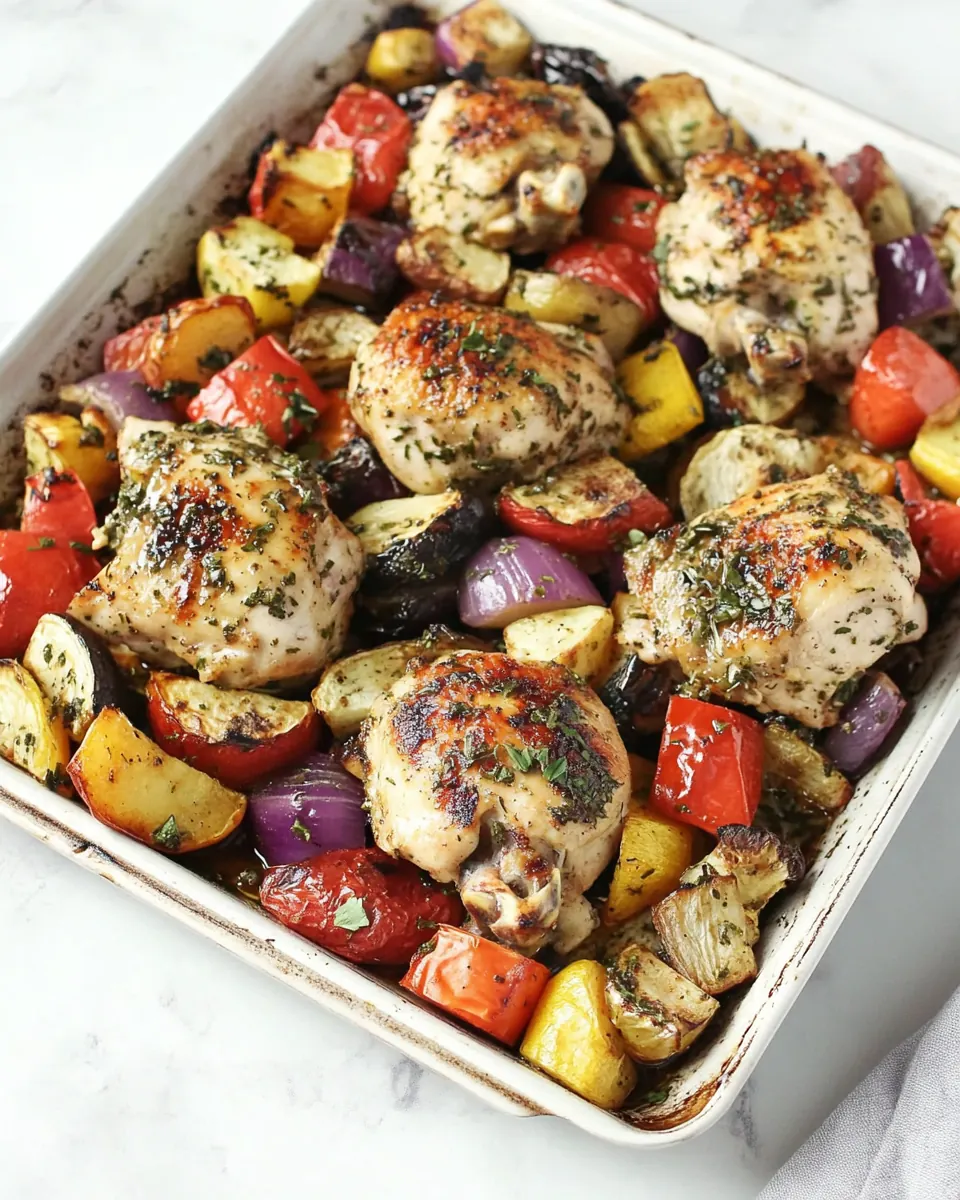
This method keeps things direct and tactile, letting the oven transform the ingredients. Roast times are designed to deliver tender vegetables and fully cooked chicken in one go, while the balsamic and herbs concentrate into a glossy finish.
- Preheat the oven to 450 degrees F. Line a large sheet pan with parchment, if desired.: You will smell the faint warm, dry heat of the oven as it reaches temperature, a sign that you are creating the environment for caramelization, which turns sugars into complex roasted flavors. The high heat encourages Maillard browning on the surface of the chicken and edges of the vegetables, making them golden and slightly crisp. Using parchment reduces sticking and cleanup, but make sure the pan is stable and the parchment sits flat to avoid hot spots. A common mistake is not preheating long enough, which causes a delayed sear and soggy vegetables, so wait until the thermometer reads the target.
- Season chicken with 1 tablespoon balsamic, 1/2 tablespoon olive oil, garlic, 2 teaspoons dried basil, 1 teaspoon dried parsley and 3/4 teaspoon salt.: When the seasonings meet the chicken , the aroma of crushed garlic and herbs wakes up immediately, offering an upfront savory note. The vinegar tenderizes slightly and adds a bright foil to the oil, which promotes even browning. Rubbing the mixture into the surface helps the flavors adhere and creates a thin seasoned crust during roasting. Avoid over-salting, and ensure pieces are evenly coated so some parts do not become bland while others are too salty.
- Marinate while you prep the vegetables, the longer the better.: During this rest, the chicken absorbs the balsamic and herb aromas, which deepens the flavor without extra work. You may notice the meat taking on a subtle sheen and scent, and even 10 minutes makes a difference. Don't let it sit too long at room temperature for safety reasons; if you need more time, refrigerate briefly. A typical misstep is leaving it out too long, which risks food safety concerns, so mind the clock.
- In a large bowl toss the vegetables with 2 tablespoon balsamic, 1 1/2 tablespoons olive oil, 3/4 teaspoon salt, black pepper, 2 teaspoon basil and 1 teaspoon parsley.: As you toss, the vegetables glisten and release a gentle vegetal perfume, signaling that the dressing is adhering. The oil helps transfer heat evenly and encourages caramelization on contact with the hot pan, while the balsamic adds a sweet tang that will concentrate as moisture evaporates. Toss thoroughly so every piece gets a light coating; unmixed clumps will cook unevenly. Avoid overseasoning at this point, because the flavors will intensify in the oven.
- Spread out onto the sheet pan. Nestle the chicken in with the vegetables and roast until tender in the lower rack of the oven, about 20 minutes until the chicken is cooked through.: Arrange everything in a single layer so steam can escape and surfaces can brown. The sound will shift from quiet to a low, steady sizzle as juices meet the hot metal. Visual cues include golden edges on the vegetables and opaque, slightly firm chicken . Using the lower rack gives a balanced heat that crisps the bottoms without drying the tops. A common error is overcrowding the pan, which traps steam, leading to limp vegetables and pale meat; give the ingredients breathing room for best texture.
- Serve right away.: The final plate should bloom with warm, glossy vegetables and slices of juicy chicken , and you may notice a concentrated balsamic note that ties each bite together. Serving immediately preserves the contrast between caramelized edges and tender centers. If you wait too long, moisture redistribution can soften textures and mute bright flavors, so aim to move from oven to table promptly.
Substitutions and Tips
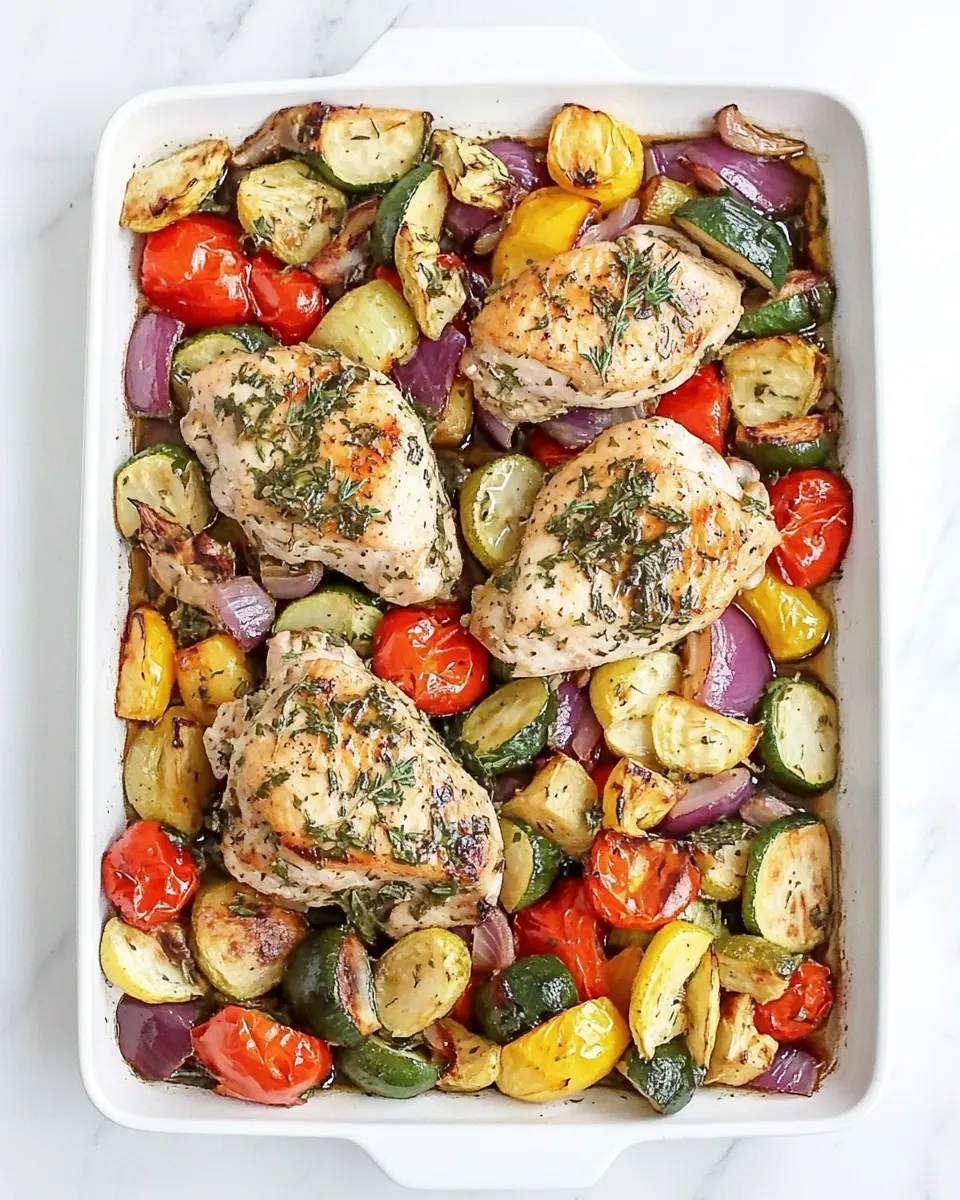
These tips are drawn from testing and simple kitchen sense, aimed at making the recipe forgiving and adaptable. Below are practical suggestions that will keep the results consistent whether you are cooking for two or four.
- Adjust roast time for thicker breasts If your chicken breasts are thicker than usual, increase roasting time slightly and check with a thermometer to reach 165 degrees F in the center.
- Swap similar vegetables If you do not have one listed vegetable, choose another with similar density to keep cook times consistent, maintaining bite and texture.
- Use dried herbs when fresh are unavailable Dried basil and parsley work fine; use about one third the volume of fresh because they are more concentrated.
- Reserve some balsamic for finishing A light drizzle after roasting brightens flavors and adds a glossy finish without extra cooking time.
- Cool completely before freezing As the notes suggest, cool the dish fully before portioning to preserve texture and prevent ice crystals from forming in the containers.
Serving Options for Sheet Pan Balsamic Herb Chicken and Vegetables
This recipe presents nicely for casual family dinners and also works for meal prep or weekend lunches. Below are serving ideas, pairing suggestions, and storage guidance to help you plan the perfect occasion.
- Weeknight dinner Serve hot from the oven with a wedge of crusty bread to soak up juices, keeping the meal simple and homey.
- Meal prep lunches Portion cooled leftovers into containers for easy reheating, and they hold well in the refrigerator for several days.
- Light dinner for guests Plate the chicken atop warmed vegetables for a composed presentation that still feels effortless.
- Seasonal pairing This works well in spring when asparagus is at its best, tying the season into the plate.
- Storage tip Freeze cooled portions in airtight containers for up to three months, and thaw overnight in the refrigerator before reheating gently in a low oven.
FAQ
Conclusion
Sheet Pan Balsamic Herb Chicken and Vegetables shines because it marries simple ingredients into a flavorful, low fuss meal that roasts beautifully in one pan. Give it a try on a busy weeknight to enjoy juicy chicken and caramelized vegetables with minimal cleanup. It’s a practical, flavorful recipe that becomes a dependable option in your weeknight rotation, offering both comfort and bright, herby notes.
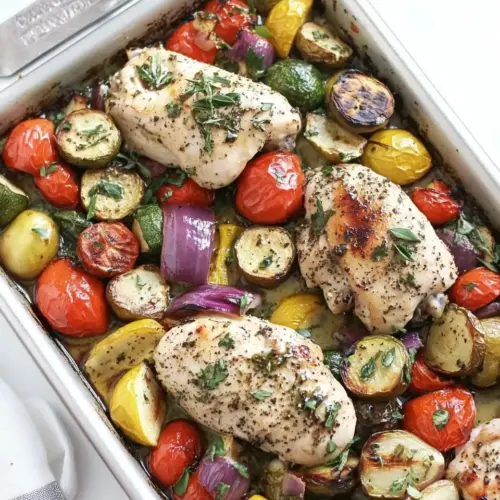
Sheet Pan Balsamic Herb Chicken and Vegetables
Equipment
- Sheet Pan
- Parchment Paper
- Large Bowl
Ingredients
- 16 ounces boneless, skinless chicken breasts, halved Provide lean protein and serve as the main component of the dish; halve breasts to ensure even cooking and quicker roasting on the sheet pan, absorbing marinades and flavors while staying tender when not overcooked.
- 1 tbsp balsamic vinegar Add bright acidity and a touch of sweetness to balance the savory components; drizzle over the chicken and vegetables to deglaze pan juices and concentrate flavor during roasting or finishing.
- 1/2 tbsp extra-virgin olive oil Coat and help brown the ingredients while carrying fat-soluble flavors; use sparingly for a lighter dish while ensuring vegetables and chicken develop a pleasant roasted texture.
- 2 cloves crushed garlic Infuse pungent aromatic depth and savory bite; crush garlic to release oils and distribute flavor throughout the marinade and the roasted vegetables for aromatic complexity.
- 2 teaspoons chopped basil Provide warm, sweet herbal notes and a fresh finish; chop basil finely to blend into the marinade and sprinkle over the finished dish to enhance brightness.
- 1 teaspoon chopped parsley Bring a clean, slightly peppery herbal flavor and freshness; chop parsley and mix into the marinade or garnish to add color and a subtle grassy note.
- 3/4 teaspoon kosher salt Season and enhance natural flavors while helping to tenderize proteins slightly; kosher salt measured precisely ensures balanced seasoning across chicken and vegetables.
- olive oil spray Prevent sticking and promote even roasting with minimal added fat; spray the sheet pan lightly to create a nonstick surface and encourage browning without excess oil.
- 1 large red bell pepper, cored and cut into 1-inch pieces Contribute sweet, crisp texture and vibrant color; core and cut into 1-inch pieces so the pepper roasts evenly and melds with the other vegetables on the sheet pan.
- 1 medium, 7-ounce zucchini, quartered lengthwise and cut into 1-inch cubes Offer tender, moist flesh with mild flavor and absorb marinades; quarter and cube zucchini to uniform 1-inch pieces to ensure consistent cooking alongside other vegetables.
- 1 cup asparagus, cut into 1-inch pieces Add tender-crisp green notes and a slight grassy flavor; cut asparagus into 1-inch pieces for quick roasting that retains texture and complements the other vegetables.
- 1 medium red onion, cut into 1-inch pieces, layers separated Provide sharp, slightly sweet undertones and textural layers; separate layers and cut the onion into 1-inch pieces so it caramelizes and softens evenly during roasting.
- 1 cup cauliflower florets Introduce nutty, slightly sweet crunch and body; use small cauliflower florets to roast until tender and lightly browned, adding variety in texture to the sheet pan.
- 2 tbsp balsamic vinegar Enhance glaze, deepen flavor, and add balanced acidity; use a second portion of balsamic vinegar to finish or toss with roasted vegetables for concentrated sweet-tart notes.
- 1 1/2 tbsp extra-virgin olive oil Bind and carry flavors while promoting caramelization; additional extra-virgin olive oil helps coat the vegetables for even roasting and encourages golden edges.
- 1 teaspoon kosher salt Provide final seasoning to the vegetables and chicken with controlled salinity; kosher salt measured for the vegetable mix ensures harmonious overall taste.
- freshly ground black pepper Add a subtle sharpness and heat to taste while rounding out flavors; freshly ground black pepper complements the herbs and vinegar without overpowering the dish.
- 2 teaspoons chopped basil Deliver aromatic, sweet, and peppery herbal lift; sprinkle chopped basil over the finished dish or mix into the vegetable seasoning to reinforce fresh herb character.
- 1 teaspoon chopped parsley Contribute bright, clean green flavor and a finishing touch; chopped parsley used in the final seasoning or garnish adds color contrast and a mild herbaceous note.
Instructions
- Preheat the oven to 450 degrees F. Line a large sheet pan with parchment, if desired.: You will smell the faint warm, dry heat of the oven as it reaches temperature, a sign that you are creating the environment for caramelization, which turns sugars into complex roasted flavors. The high heat encourages Maillard browning on the surface of the chicken and edges of the vegetables, making them golden and slightly crisp. Using parchment reduces sticking and cleanup, but make sure the pan is stable and the parchment sits flat to avoid hot spots. A common mistake is not preheating long enough, which causes a delayed sear and soggy vegetables, so wait until the thermometer reads the target.
- Season chicken with 1 tablespoon balsamic, 1/2 tablespoon olive oil, garlic, 2 teaspoons dried basil, 1 teaspoon dried parsley and 3/4 teaspoon salt.: When the seasonings meet the chicken , the aroma of crushed garlic and herbs wakes up immediately, offering an upfront savory note. The vinegar tenderizes slightly and adds a bright foil to the oil, which promotes even browning. Rubbing the mixture into the surface helps the flavors adhere and creates a thin seasoned crust during roasting. Avoid over-salting, and ensure pieces are evenly coated so some parts do not become bland while others are too salty.
- Marinate while you prep the vegetables, the longer the better.: During this rest, the chicken absorbs the balsamic and herb aromas, which deepens the flavor without extra work. You may notice the meat taking on a subtle sheen and scent, and even 10 minutes makes a difference. Don't let it sit too long at room temperature for safety reasons; if you need more time, refrigerate briefly. A typical misstep is leaving it out too long, which risks food safety concerns, so mind the clock.
- In a large bowl toss the vegetables with 2 tablespoon balsamic, 1 1/2 tablespoons olive oil, 3/4 teaspoon salt, black pepper, 2 teaspoon basil and 1 teaspoon parsley.: As you toss, the vegetables glisten and release a gentle vegetal perfume, signaling that the dressing is adhering. The oil helps transfer heat evenly and encourages caramelization on contact with the hot pan, while the balsamic adds a sweet tang that will concentrate as moisture evaporates. Toss thoroughly so every piece gets a light coating; unmixed clumps will cook unevenly. Avoid overseasoning at this point, because the flavors will intensify in the oven.
- Spread out onto the sheet pan. Nestle the chicken in with the vegetables and roast until tender in the lower rack of the oven, about 20 minutes until the chicken is cooked through.: Arrange everything in a single layer so steam can escape and surfaces can brown. The sound will shift from quiet to a low, steady sizzle as juices meet the hot metal. Visual cues include golden edges on the vegetables and opaque, slightly firm chicken . Using the lower rack gives a balanced heat that crisps the bottoms without drying the tops. A common error is overcrowding the pan, which traps steam, leading to limp vegetables and pale meat; give the ingredients breathing room for best texture.
- Serve right away.: The final plate should bloom with warm, glossy vegetables and slices of juicy chicken , and you may notice a concentrated balsamic note that ties each bite together. Serving immediately preserves the contrast between caramelized edges and tender centers. If you wait too long, moisture redistribution can soften textures and mute bright flavors, so aim to move from oven to table promptly.
Notes
- Adjust roast time for thicker breasts If your chicken breasts are thicker than usual, increase roasting time slightly and check with a thermometer to reach 165 degrees F in the center.
- Swap similar vegetables If you do not have one listed vegetable, choose another with similar density to keep cook times consistent, maintaining bite and texture.
- Use dried herbs when fresh are unavailable Dried basil and parsley work fine; use about one third the volume of fresh because they are more concentrated.
- Reserve some balsamic for finishing A light drizzle after roasting brightens flavors and adds a glossy finish without extra cooking time.
- Cool completely before freezing As the notes suggest, cool the dish fully before portioning to preserve texture and prevent ice crystals from forming in the containers.
