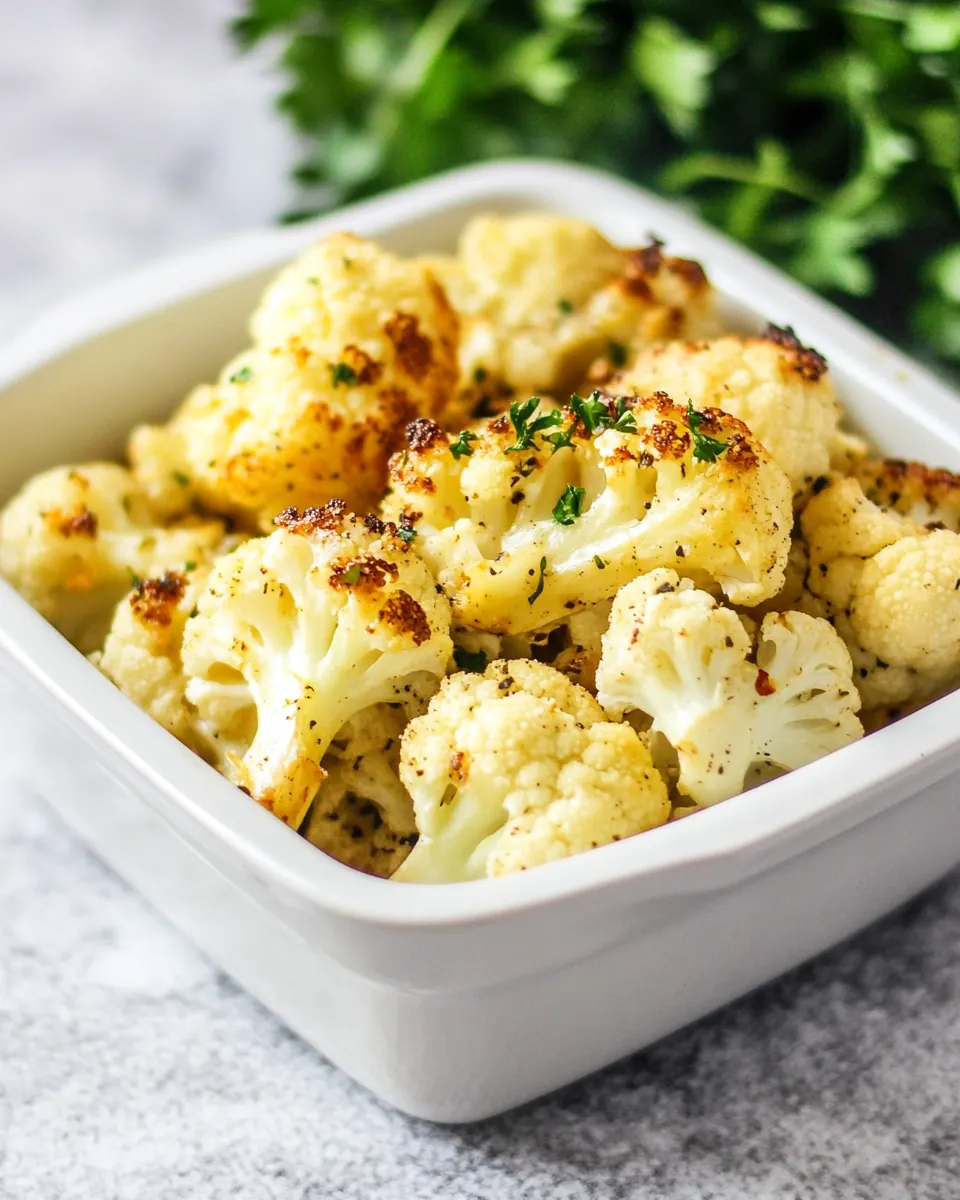
Roasted Cauliflower
Roasted Cauliflower has been one of those dishes I turn to when I want something simple yet surprisingly comforting. The first time I made it, I remember the kitchen filling with a warm, toasty aroma as the edges of the florets caramelized, and a weeknight that started out hectic somehow settled into something gentle and satisfying.
I like how this recipe feels honest, nothing fussy, just good cauliflower, a splash of olive oil, and a few pantry seasonings that let the vegetable shine. Over the years I have adapted small details based on what my family preferred, but the core of the dish stayed the same, proving that bold flavors can come from very few elements.
When guests arrive, I often serve a big tray straight from the oven, and everyone reaches in without hesitation. The exterior gets a delicate brown crust, while the inside stays tender, and that contrast is really what keeps people coming back for more. It is the sort of recipe I trust for everyday dinners and casual gatherings alike, and it rarely lasts long on the plate.
Recipe Snapshot
40 mins
10 mins
30 mins
Easy
150 kcal
American
Vegan, Gluten-Free
Side Dishes
Oven, Rimmed baking sheet
Why You Need This Roasted Cauliflower
Simple ingredients, big payoff
I love that Roasted Cauliflower needs so little to taste great. With just cauliflower, olive oil, and a handful of seasonings, you get layers of flavor that feel more complex than the ingredient list suggests. I rely on this dish when I want something approachable but impressive.
Versatility on the table
This recipe moves between roles effortlessly. I serve Roasted Cauliflower as a rustic side at weeknight dinners, a warm salad component, or part of a larger spread for guests. Because it pairs with many flavors, I find myself reaching for it when planning menus for different occasions.
Low effort, high satisfaction
One of my favorite things about this recipe is how little attention it demands. After tossing the cauliflower with olive oil and seasonings, the oven does most of the work. That hands off approach means I can prep other parts of the meal while the kitchen fills with that enticing roasted scent.
Textures that delight
The contrast between the slightly crisp outer edges and the tender core of each floret is what makes me keep coming back to Roasted Cauliflower. A touch of golden color signals caramelization, which brings a gentle sweetness and depth that simple steaming cannot achieve.
Accessible for cooks at every level
You do not need fancy equipment or advanced techniques to succeed here. I often encourage friends who are new to cooking to try this one, because the instructions are clear and the result is reliably good. That reliability makes it a kitchen win for busy evenings.
Everything You Need for Roasted Cauliflower
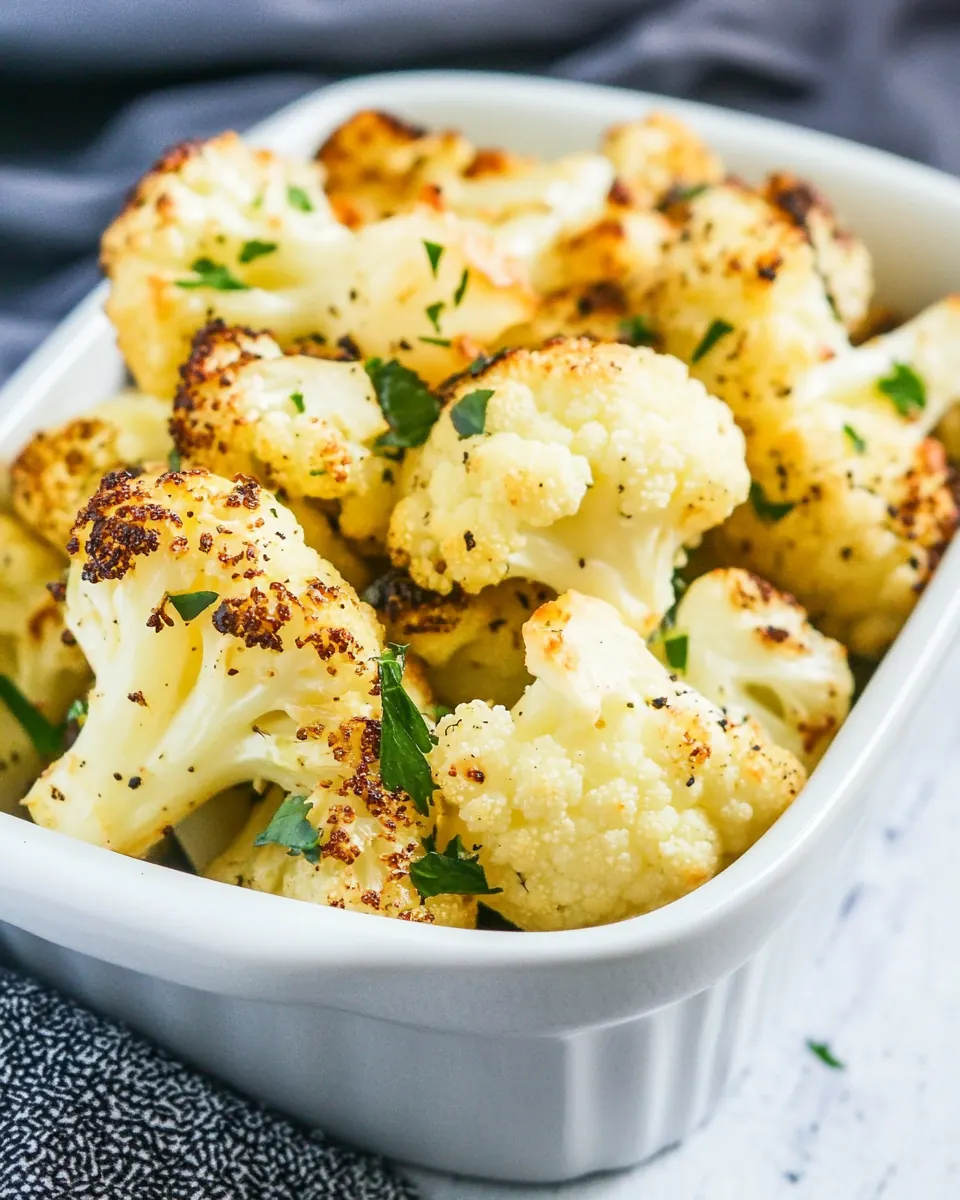
These ingredients are intentionally minimal. The philosophy is to highlight the natural, nutty character of the main player while using oil and seasoning to coax out caramelized notes. The cauliflower provides texture and sweetness when roasted, while olive oil promotes browning and carries flavor. Salt and pepper round things out, and garlic powder gives a savory lift without any fresh aromatics overwhelming the pan.
- 1 medium head of cauliflower cut into florets: Provides a firm, slightly nutty base and hearty texture when roasted; florets caramelize at high heat to develop sweet, savory flavors and a tender interior. Supports seasoning absorption and makes the dish substantial as a vegetable-centric main or side.
- 2 tbsp olive oil: Adds a fruity, peppery fat that promotes even browning and crisping during roasting; coats the florets to help seasonings adhere and enhances mouthfeel. Contributes healthy monounsaturated fats and a subtle aromatic quality to the finished dish.
- 1 tsp fine sea salt: Seasones and elevates overall flavor with balanced salinity; dissolves on the surface to draw out moisture and concentrate natural cauliflower sugars during roasting. Enhances taste perception and helps harmonize other spices.
- 1/4 tsp freshly-cracked black pepper: Imparts a sharp, warming heat and subtle aromatic complexity when freshly cracked; disperses evenly to accentuate roasted notes without overpowering. Provides a mild counterpoint to the cauliflower's sweetness and enriches overall flavor depth.
- 1/2 tsp garlic powder: Delivers concentrated savory-garlic notes that penetrate during roasting; sprinkles evenly to add umami-like depth without moisture. Complements roasted caramelization and reinforces the savory profile of the dish.
Recipe Steps for Roasted Cauliflower
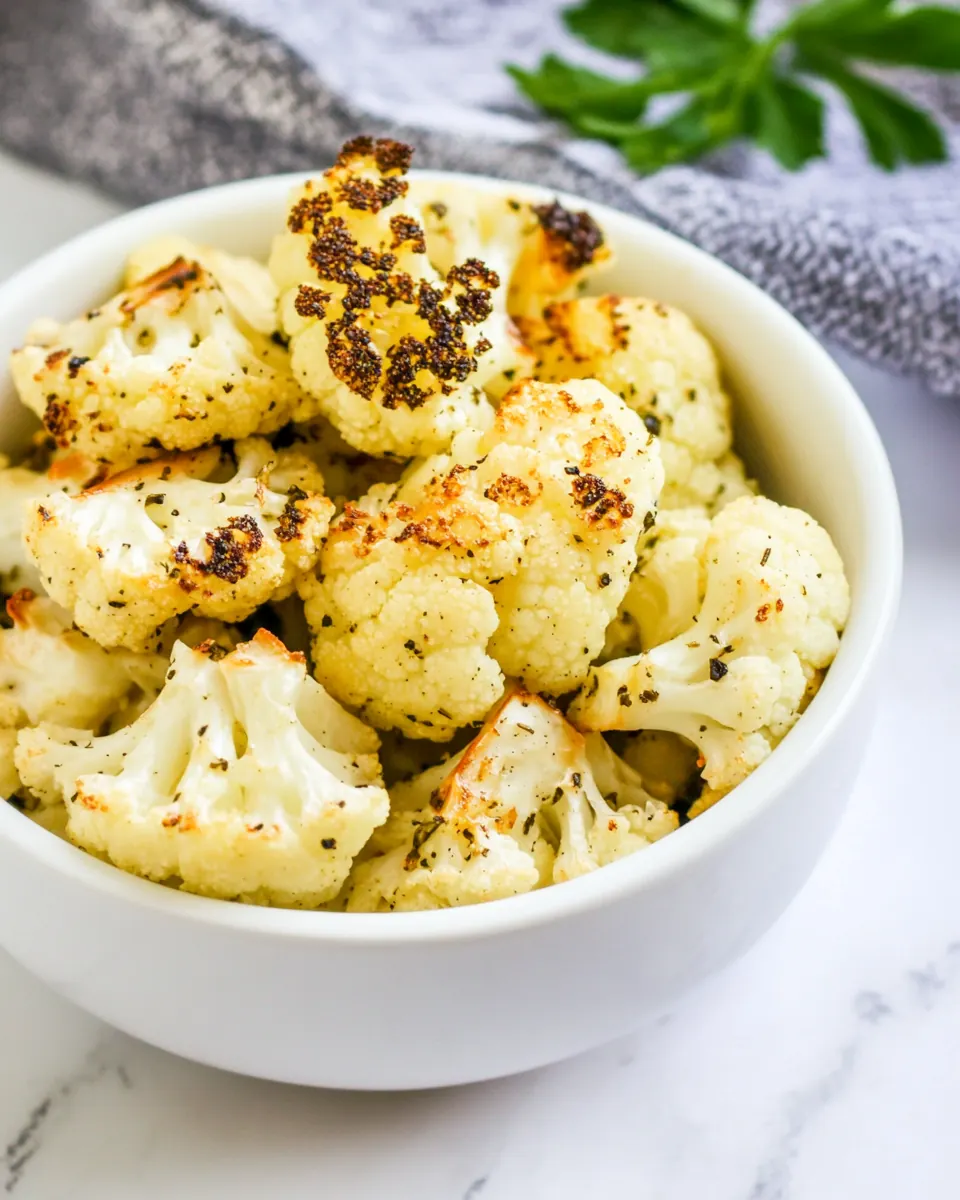
These steps are straightforward, but I like to describe exactly what to look for so you know the Roasted Cauliflower is heading in the right direction. Work steadily, notice the smells and colors, and you will be rewarded with perfectly roasted florets.
- Preheat oven to 425 degrees F. Spray a large rimmed baking sheet with non-stick spray.: Right away you will notice the warm, dry heat building in the oven, which is essential for encouraging those golden, caramelized edges on the cauliflower . The sound of the oven clicking and the faint whoosh as it stabilizes is your cue that the environment is ready. Preheating ensures the moment the florets hit the hot sheet they start to brown rather than steam, and spraying the pan helps prevent sticking which can tear delicate edges during tossing. A common mistake is to skip preheating, which often results in softer, less caramelized florets, so wait until the temperature is steady before you roast.
- Spread the cauliflower out on the baking sheet. Drizzle olive oil over the top of the cauliflower. Sprinkle seasonings over the top. Toss gently to coat cauliflower.: As you spread the florets, aim for a single layer so hot air can circulate and every surface can brown, you should be able to see gaps between pieces. When you drizzle the olive oil , notice how it beads and glistens, beginning to carry the seasonings. Tossing gently helps each floret get an even sheen of oil and seasoning, which promotes even color and flavor; if you overcrowd the tray or pile the pieces, they will steam rather than roast, and you will miss out on those toasty notes. One tip is to use a light hand when tossing, since aggressive stirring can break the florets apart.
- Bake for 25-30 minutes, until soft and lightly golden.: During roasting you will sense a deepening aroma as the natural sugars in the cauliflower caramelize, and you might hear a slight crackle as moisture leaves the surface. Look for tips of florets turning golden to deep amber, and test a larger piece with a fork for tenderness. The texture should be soft in the center while the outer edges have a gentle crispness. Avoid opening the oven too often, because heat loss can extend the time needed and prevent consistent browning. If you notice uneven color partway through, rotate the pan to even out hot spots in the oven.
- Serve immediately.: Right out of the oven, the dish will be at its peak, with a warm, fragrant scent and contrasting textures that make it irresistible. Serving promptly preserves the crisp edges and tender interior; as it cools, the outer crispness softens and the experience changes. A common oversight is letting the florets sit on the hot baking sheet too long, which can steam them and dull the texture, so transfer to a serving dish quickly for the best mouthfeel and presentation.
Helpful Hints
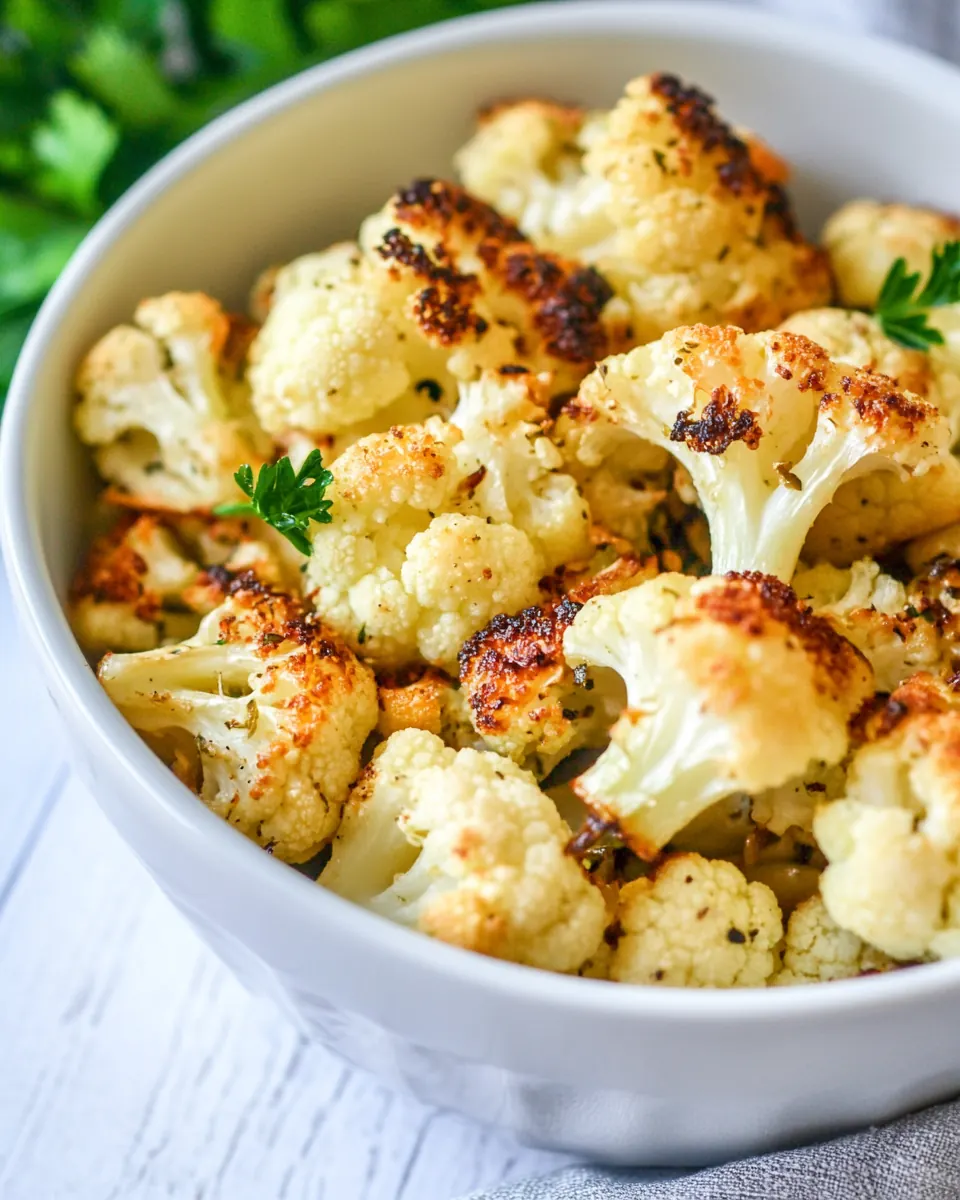
I like to keep these practical hints close at hand when I roast a head of cauliflower. They are small adjustments that make a consistent difference, and they help the dish shine whether it is for a weeknight plate or a guest table.
- Choose a firm head: Pick a cauliflower that feels heavy and compact for its size, with no dark spots, so it roasts up tender and sweet.
- Dry thoroughly: After washing, pat cauliflower dry so oil and seasonings stick better and you get more even browning.
- Even pieces: Cut the florets into similar sizes so everything cooks at the same rate, preventing some pieces from being mushy while others are too browned.
- Single layer roasting: Arrange florets in a single layer with space between them so air circulates and edges crisp up instead of steaming.
- Adjust seasoning after roasting: Taste a floret and add a pinch more sea salt or a grind of black pepper if you prefer bolder flavors, seasoning can be tuned at the end.
What Complements This Roasted Cauliflower
Roasted Cauliflower fits into many meal plans and occasions. It works well for casual weeknight dinners and makes a pleasant addition to a holiday platter, and I often turn to it during seasonal menus because its earthy flavor pairs with a wide range of components. Here are detailed serving ideas and pairings to elevate the dish.
- Simple weeknight pairing: Serve Roasted Cauliflower alongside a grain like rice or quinoa for an easy, balanced plate that is satisfying and quick to assemble.
- Family dinner: Add the roasted florets to a bowl with a drizzle of extra olive oil and a squeeze of lemon for a fresh counterpoint, making the dish feel bright and complete.
- Holiday or gathering: Present the florets on a large platter garnished with a sprinkle of extra seasoning so guests can help themselves, the warm, toasty notes fit neatly into celebratory spreads.
- Storage tips: Store leftover Roasted Cauliflower in an airtight container in the refrigerator for up to three days; reheat in a hot oven to revive the edges rather than using the microwave which can soften them.
- Seasonal adaptations: This recipe is comfortable any time of year, pairing especially well with autumnal roasted vegetables when you want a cohesive, warm plate for cooler evenings.
FAQ
Conclusion
Roasted Cauliflower stands out because it transforms a humble vegetable into something warm, flavorful, and texturally satisfying. The combination of caramelized edges and tender centers makes it a dependable side that fits both everyday meals and casual gatherings. I encourage you to try it, paying attention to even pieces and a hot oven, because small choices make a big difference in the final result. Serve it right from the pan and enjoy how a few simple pantry items can create something memorable.
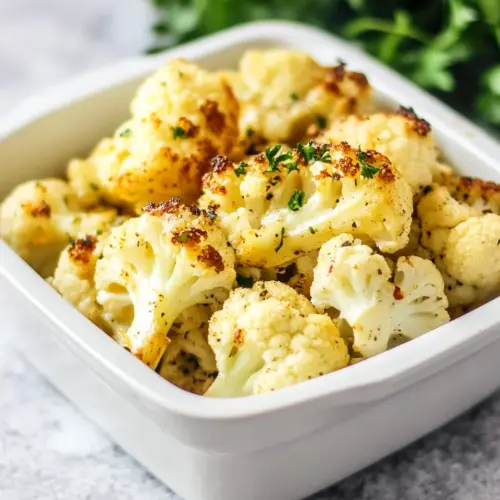
Roasted Cauliflower
Equipment
- Oven
- Rimmed Baking Sheet
Ingredients
- 1 medium head of cauliflower cut into florets Provides a firm, slightly nutty base and hearty texture when roasted; florets caramelize at high heat to develop sweet, savory flavors and a tender interior. Supports seasoning absorption and makes the dish substantial as a vegetable-centric main or side.
- 2 tbsp olive oil Adds a fruity, peppery fat that promotes even browning and crisping during roasting; coats the florets to help seasonings adhere and enhances mouthfeel. Contributes healthy monounsaturated fats and a subtle aromatic quality to the finished dish.
- 1 tsp fine sea salt Seasones and elevates overall flavor with balanced salinity; dissolves on the surface to draw out moisture and concentrate natural cauliflower sugars during roasting. Enhances taste perception and helps harmonize other spices.
- 1/4 tsp freshly-cracked black pepper Imparts a sharp, warming heat and subtle aromatic complexity when freshly cracked; disperses evenly to accentuate roasted notes without overpowering. Provides a mild counterpoint to the cauliflower's sweetness and enriches overall flavor depth.
- 1/2 tsp garlic powder Delivers concentrated savory-garlic notes that penetrate during roasting; sprinkles evenly to add umami-like depth without moisture. Complements roasted caramelization and reinforces the savory profile of the dish.
Instructions
- Preheat oven to 425 degrees F. Spray a large rimmed baking sheet with non-stick spray.: Right away you will notice the warm, dry heat building in the oven, which is essential for encouraging those golden, caramelized edges on the cauliflower . The sound of the oven clicking and the faint whoosh as it stabilizes is your cue that the environment is ready. Preheating ensures the moment the florets hit the hot sheet they start to brown rather than steam, and spraying the pan helps prevent sticking which can tear delicate edges during tossing. A common mistake is to skip preheating, which often results in softer, less caramelized florets, so wait until the temperature is steady before you roast.
- Spread the cauliflower out on the baking sheet. Drizzle olive oil over the top of the cauliflower. Sprinkle seasonings over the top. Toss gently to coat cauliflower.: As you spread the florets, aim for a single layer so hot air can circulate and every surface can brown, you should be able to see gaps between pieces. When you drizzle the olive oil , notice how it beads and glistens, beginning to carry the seasonings. Tossing gently helps each floret get an even sheen of oil and seasoning, which promotes even color and flavor; if you overcrowd the tray or pile the pieces, they will steam rather than roast, and you will miss out on those toasty notes. One tip is to use a light hand when tossing, since aggressive stirring can break the florets apart.
- Bake for 25-30 minutes, until soft and lightly golden.: During roasting you will sense a deepening aroma as the natural sugars in the cauliflower caramelize, and you might hear a slight crackle as moisture leaves the surface. Look for tips of florets turning golden to deep amber, and test a larger piece with a fork for tenderness. The texture should be soft in the center while the outer edges have a gentle crispness. Avoid opening the oven too often, because heat loss can extend the time needed and prevent consistent browning. If you notice uneven color partway through, rotate the pan to even out hot spots in the oven.
- Serve immediately.: Right out of the oven, the dish will be at its peak, with a warm, fragrant scent and contrasting textures that make it irresistible. Serving promptly preserves the crisp edges and tender interior; as it cools, the outer crispness softens and the experience changes. A common oversight is letting the florets sit on the hot baking sheet too long, which can steam them and dull the texture, so transfer to a serving dish quickly for the best mouthfeel and presentation.
Notes
- Choose a firm head: Pick a cauliflower that feels heavy and compact for its size, with no dark spots, so it roasts up tender and sweet.
- Dry thoroughly: After washing, pat cauliflower dry so oil and seasonings stick better and you get more even browning.
- Even pieces: Cut the florets into similar sizes so everything cooks at the same rate, preventing some pieces from being mushy while others are too browned.
- Single layer roasting: Arrange florets in a single layer with space between them so air circulates and edges crisp up instead of steaming.
- Adjust seasoning after roasting: Taste a floret and add a pinch more sea salt or a grind of black pepper if you prefer bolder flavors, seasoning can be tuned at the end.