Roasted Cabbage in the Oven
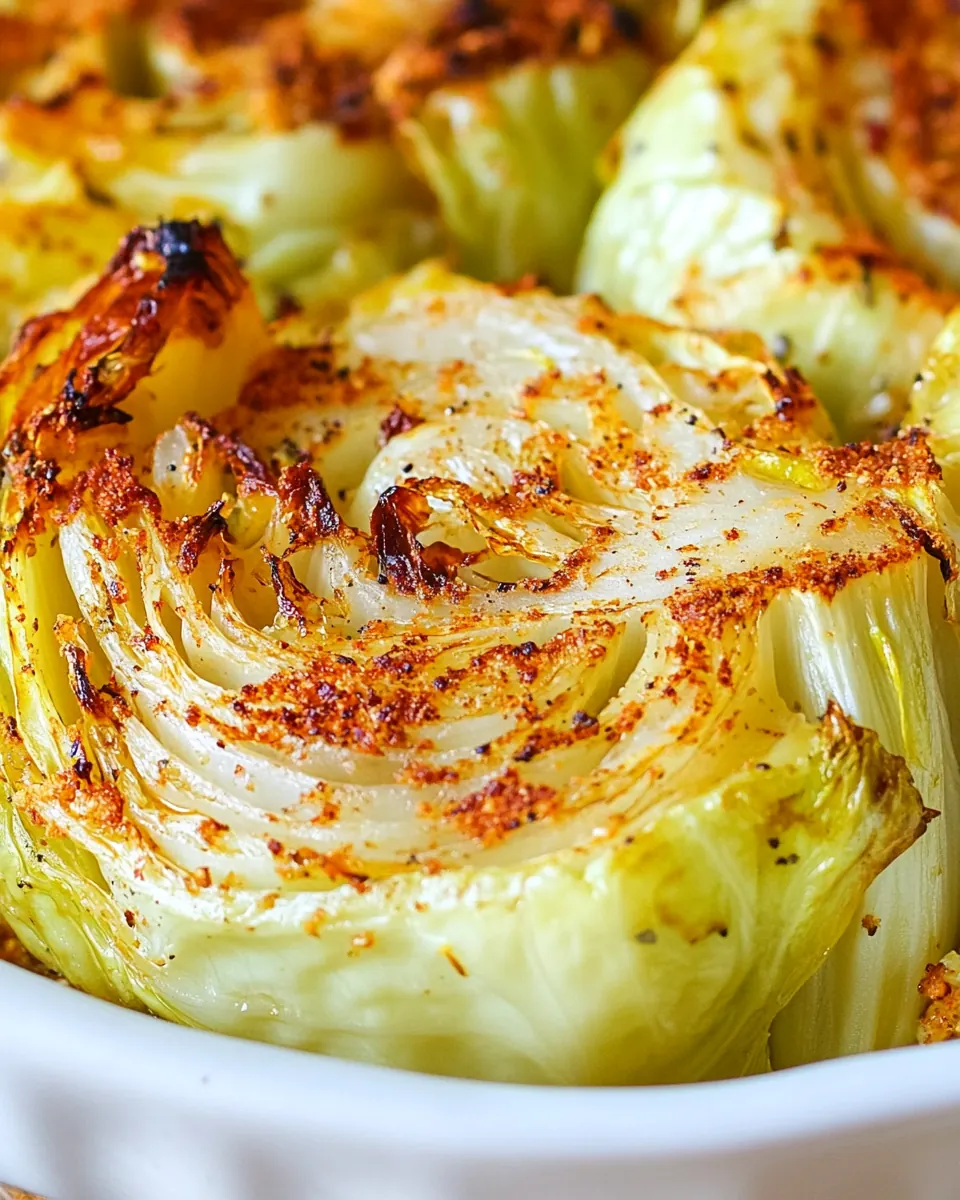
Roasted Cabbage in the Oven is the kind of side I reach for when I want something simple that still feels thoughtful.
One autumn evening I sliced into a dense, green head and remembered how my grandmother used to coax flavor from humble vegetables, using nothing more than oil, salt, and patience. I wanted to recreate that cozy, caramelized edge while keeping the center tender enough to melt on the tongue. That memory led me to roast cabbage rounds until their edges crisped and their cores softened, a technique that turns a plain vegetable into something savory and slightly sweet.
There is comfort in routines, and for me this dish became one of those go to solutions when I need a fast, nourishing plate with a little textural drama. I like to brush the rounds with oil and let simple spices do the heavy lifting, because they let the natural cabbage flavor sing through without masking it. When guests come over, the browned edges and fragrant spices always spark compliments, and I love how little fuss is required for big results.
Recipe Snapshot
35 mins
10 mins
25 mins
Easy
150 kcal
American
Vegan, Gluten-Free
Side Dishes
Baking sheet, Parchment paper, Pastry brush, Knife
Why This Roasted Cabbage in the Oven Stands Out
Deep, caramelized flavor from a humble vegetable
I love how roasting coaxed out a sweet, slightly nutty character from plain cabbage. The high oven heat concentrates the natural sugars, giving a rich mouthfeel without any heavy sauces, which is why I often choose this recipe when I want simple but bold flavors.
Easy and forgiving technique
I’ve found this method to be remarkably forgiving. Even if your rounds are not perfectly uniform, the oven evens things out. That ease makes it a great choice for busy weeknights, because you can prep quickly and let the oven do the work while you finish other dishes.
Flexible seasoning options
Whether you prefer smoky paprika, bright lemon herb notes, or a spicy red pepper kick, this preparation acts like a blank canvas. I enjoy experimenting with the blends in the notes, they each bring a different personality to the same basic roast.
Impressive enough for guests
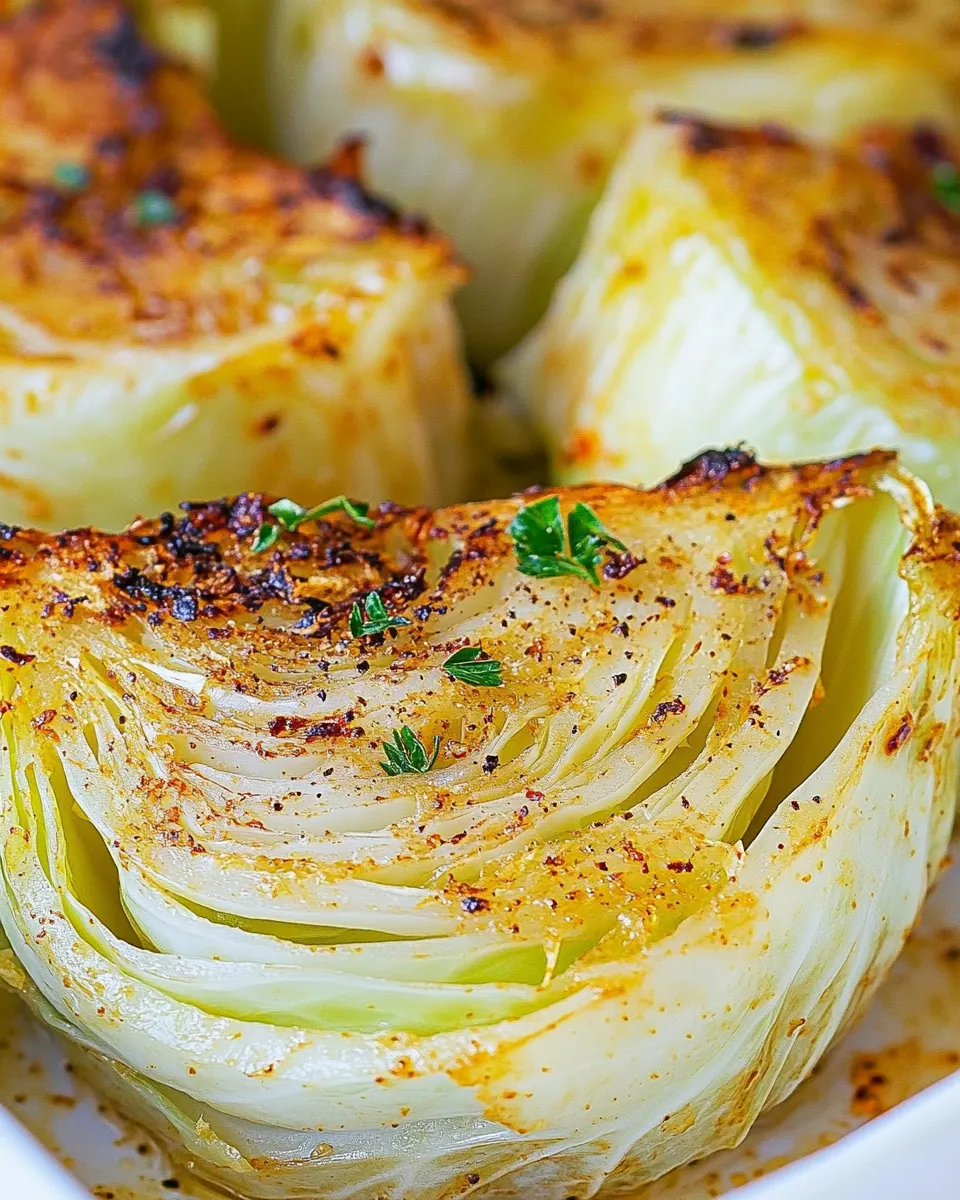
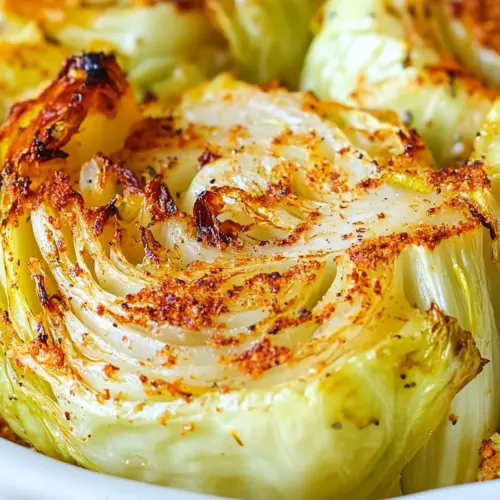
Serve a platter of golden edged rounds and people assume more time went into the meal than actually did. The visual appeal is high, and plating these steaks with a drizzle or a sprinkle feels decidedly modern, making them suitable for casual dinners or small gatherings.
Comforting and versatile
This recipe satisfies on its own for a light meal, or it pairs beautifully with heartier mains. I often double the batch when I know company is coming, because folks tend to go back for seconds.
Ingredient List for Roasted Cabbage in the Oven
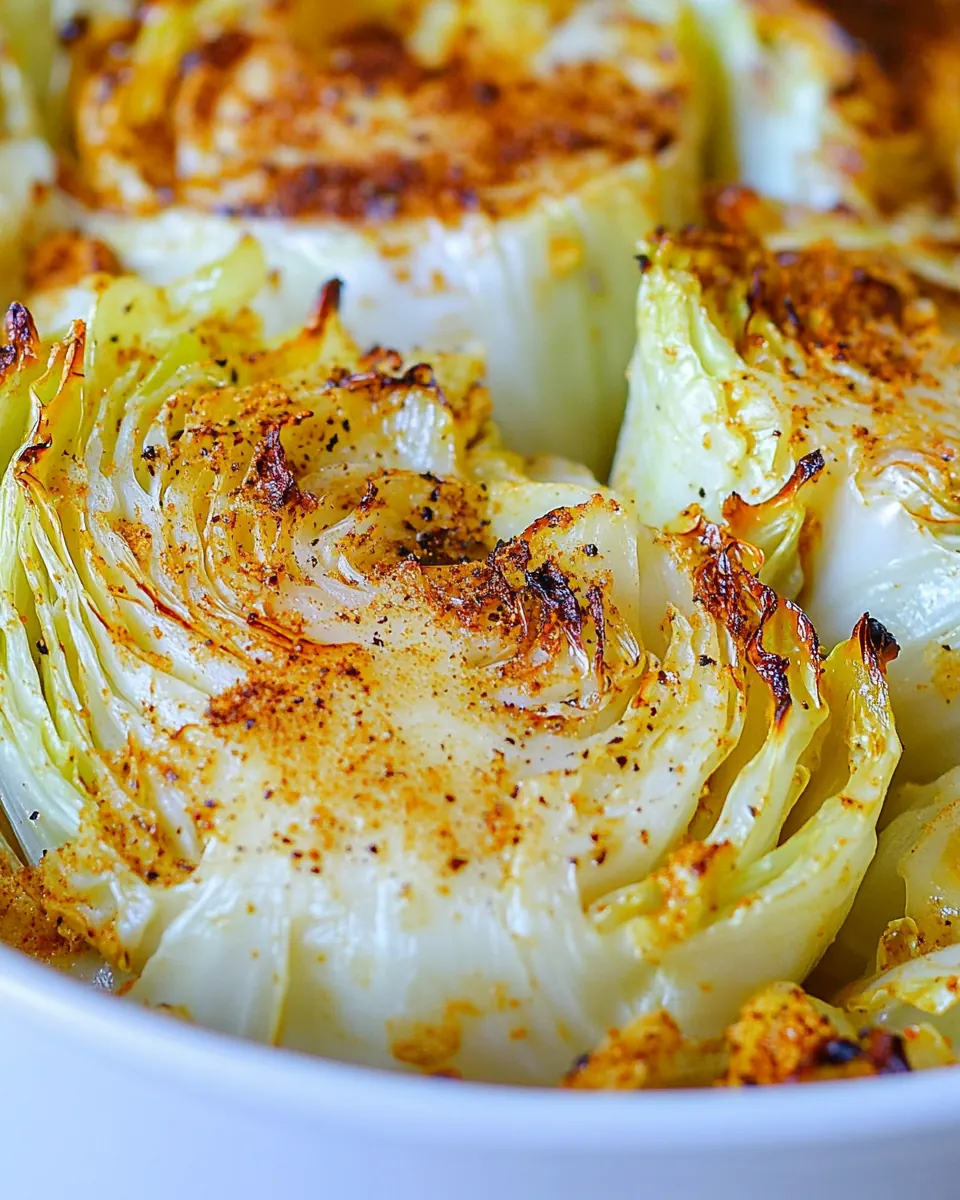
These ingredients are intentionally simple, each one playing a clear role. The cabbage is the star, while the olive oil promotes browning and the spices enhance aroma and depth. Together they create a balance of texture and flavor, letting the vegetable’s sweetness bloom while adding savory, smoky, and spicy accents depending on the spice choices.
- 1 medium-sized head fresh cabbage sliced into 1 inch thick rounds, about 4: Provide a sturdy vegetal base for the dish by supplying bulk and structure; when sliced into 1-inch rounds the cabbage holds shape while roasting and develops tender leaves with slightly charred edges. Offer mild, slightly sweet and earthy flavors that caramelize in the oven, adding complexity; core pieces can be removed or cooked for uniform tenderness.
- 2 tablespoons olive oil: Add a rich, fruity fat to coat the cabbage surfaces so they brown evenly and avoid drying out during roasting. Help carry and meld seasonings while contributing a silky mouthfeel and subtle Mediterranean aroma that complements the cabbage.
- Garlic powder to taste: Impart warm, savory undertones and a gentle garlicky aroma without introducing moisture; sprinkling garlic powder allows even distribution across rounds and infuses flavor into crevices as the cabbage roasts. Enhance depth of flavor in a controlled way, especially useful when fresh garlic would overpower or burn.
- Paprika to taste: Contribute smoky, slightly sweet heat that enhances the roasted profile and adds color contrast to the cabbage edges; paprika aids in developing a visually appealing crust. Balance other seasonings by introducing mild complexity and subtle warmth without overwhelming the primary cabbage flavor.
- Salt to taste: Season for taste balance by enhancing natural flavors and aiding in the caramelization process; salting before roasting draws out some moisture to concentrate taste and texture. Create savory contrast that makes the cabbage more satisfying and helps other spices shine.
- Black Pepper to taste: Provide bright, sharp heat and fragrance that cuts through the cabbage's sweetness and rounds out the seasoning profile; freshly ground black pepper adds a subtle bite and aromatic lift. Encourage palate interest and contrast with toasted, peppery notes as the cabbage roasts.
- Red pepper flakes to taste: Introduce optional concentrated heat and a lingering spicy kick that complements the smoky paprika and black pepper; a light sprinkle of red pepper flakes adds visual flecks and controlled spiciness. Allow diners to adjust intensity while roasting distributes heat into the cabbage layers.
How to Prepare Roasted Cabbage in the Oven
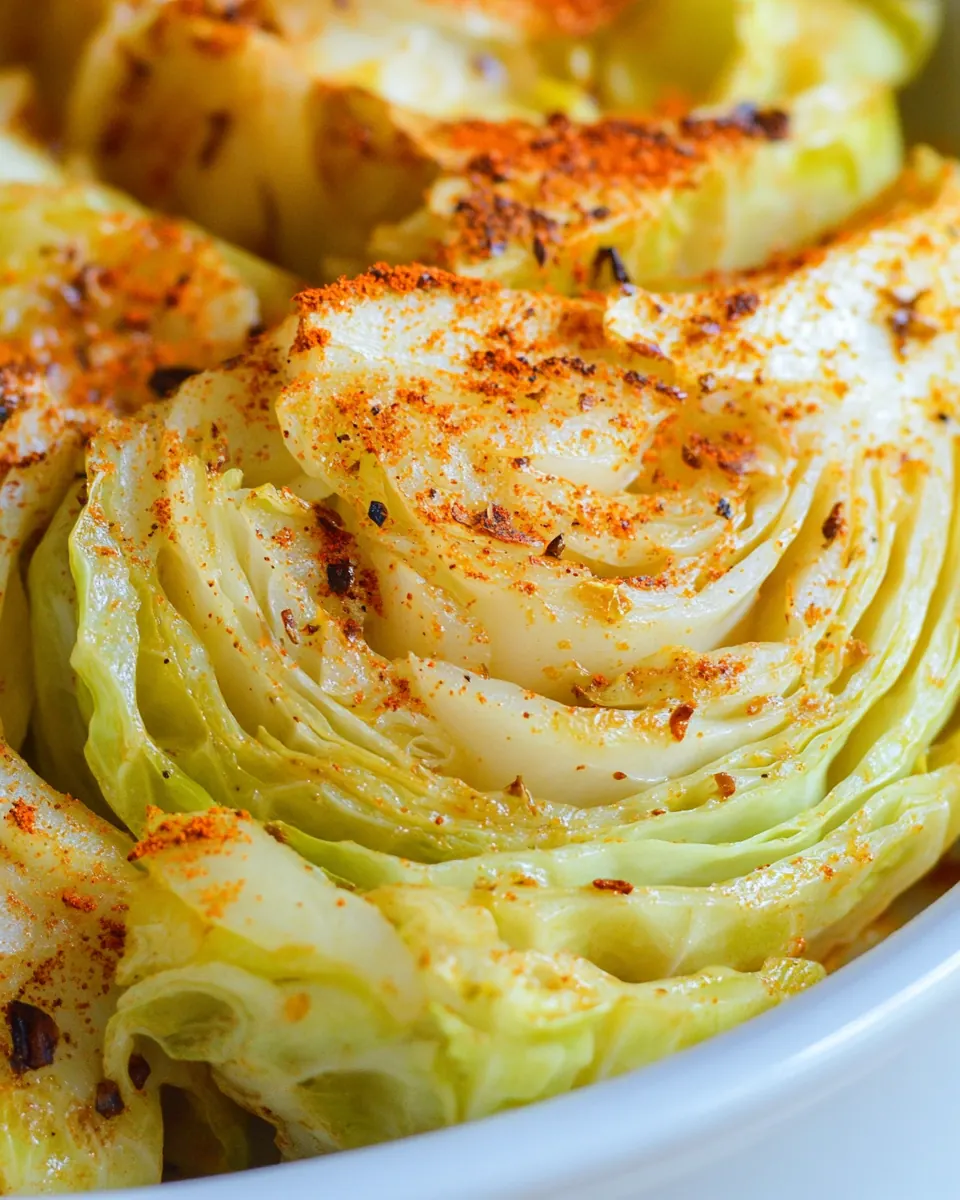
I like to keep the instructions conversational and reassuring, because this is a technique anyone can master with a little attention to visual and aromatic cues. Read each step and listen for the oven signs, then rely on the sensory notes to guide you to success.
- Preheat your oven to 400°F (200°C) and line a baking sheet with parchment paper. Set it aside.: The mouthwatering scent of roasting begins as the oven approaches temperature, a warm, slightly sweet aroma that foreshadows caramelization. I always let the oven fully reach 400°F so the surfaces of the cabbage begin to brown on contact, which is key for crisp edges. One common mistake is putting the cabbage in too soon, which leads to steaming rather than roasting; if your oven temperature is uneven, rotate the pan halfway through to ensure even color.
- Cut the cabbage into rounds approximately 1 inch thick. Remove the stem and the round end, aiming for about four rounds from the head of cabbage. Carefully place each round onto the prepared baking sheet.: You will notice a subtle sizzle as oil meets the hot sheet, and parchment helps prevent sticking while making cleanup simple. Using parchment also encourages even airflow under the steaks, helping the undersides brown without burning. Avoid overcrowding the sheet, as that traps steam and prevents crisping, so give each round space to breathe.
- Using a pastry brush, coat one side of each cabbage round with olive oil. Generously sprinkle garlic powder, paprika, salt, and pepper over the oiled side. Flip the cabbage steaks over and repeat the process on the other side. Finally, sprinkle red pepper flakes on top for a bit of heat.: The crunch of the knife through firm layers is satisfying and indicates freshness. Aim for about four rounds from a medium head, removing the core to keep the steaks intact. Uniform thickness ensures consistent cooking; if some rounds are thinner, they will cook faster and may become too soft, so monitor them closely and remove earlier if needed.
- Bake the cabbage in the preheated oven for about 25 minutes or until the center is tender and the edges are slightly crispy.: Trimming the ends creates a stable, even surface for each round to lay flat on the baking sheet, which helps with even browning. I gently press on the steaks to check for wobble; a stable steak will brown more predictably. A common slip is leaving too much core which prevents heat from penetrating, making the center slow to soften.
- Remove the cabbage steaks from the oven and serve them hot. Each steak makes a decent-sized serving, but you can cut them in half if you're serving more people.: As you set them down, you will see their layers relax and flatten slightly, which is a visual cue they are ready for seasoning. Space them evenly to allow hot air circulation. If pieces are touching, the areas of contact will steam and not crisp, so keep gaps between rounds.
- Using a pastry brush, coat one side of each cabbage round with olive oil: When the oil glistens on the surface, you know you have enough; it should look glossy but not pooled. The oil helps transfer heat, encouraging even browning, and it also helps the spices adhere. A common pitfall is under oiling which leaves dry patches, or over oiling which produces a greasy finish, so aim for an even sheen.
- Generously sprinkle garlic powder, paprika, salt, and pepper over the oiled side: As the spices hit the warm oil, their aromas open up, giving you an immediate olfactory hint of the final flavor. Layering spices on the oil enhances adhesion and toasting during roasting. Be careful not to oversalt, since flavors concentrate in the oven, and taste experience shows a little restraint often yields a more balanced result.
- Flip the cabbage steaks over and repeat the process on the other side: When you flip, the underside will reveal how much color has developed and whether you need a touch more oil. Coating the second side ensures both faces achieve golden edges and similar texture. If you find uneven seasoning, gently press the spices into the surface to improve contact and avoid clumping.
- Finally, sprinkle red pepper flakes on top for a bit of heat: The flakes will toast slightly in the oven, releasing a faint smokiness and an aromatic bite. This final accent elevates the dish with a controlled, lingering heat. If you are sensitive to spice, add them sparingly at first since they intensify during roasting.
- Bake the cabbage in the preheated oven for about 25 minutes or until the center is tender and the edges are slightly crispy: As they roast you will hear a gentle hiss and see edges go from pale to golden then brown, producing a tantalizing aroma reminiscent of toasted nuts. The timing allows the centers to become tender while the surfaces brown, creating contrast between soft interior and crisp rim. A usual mistake is relying strictly on time; check visually and by inserting a thin knife to confirm tenderness, since oven variability affects the finish.
- Remove the cabbage steaks from the oven and serve them hot: The release of hot steam when you lift them is a sensory cue they are ready to eat, and serving immediately preserves their crisp edges. I like to plate them while warm so the textures remain distinct. If you let them sit too long, residual steam softens the crust, so serve promptly for the best mouthfeel.
- Each steak makes a decent-sized serving, but you can cut them in half if you're serving more people: Cutting them reveals the tender layered interior and makes them easier to share, while leftovers can be reheated briefly to restore some crispness. A tip is to reheat under the broiler for a couple of minutes to bring back the edge crunch. Avoid microwaving straight away, since it tends to make them uniformly soft and loses the roasted texture.
Recipe Notes about Roasted Cabbage in the Oven
I like to think of these notes as a toolkit. They expand on the seasoning blends and reheating tricks so you can adapt the recipe to your pantry and palate. Below are practical, tested pointers to help you get consistent, delicious results every time.
- Italian Herb Blend: Use the suggested garlic powder, dried oregano, dried basil, dried thyme, and grated Parmesan cheese to create a savory, aromatic profile that echoes classic Mediterranean flavors. Sprinkle sparingly before roasting so the herbs toast but do not burn, and consider finishing with a tiny extra dusting of grated Parmesan just before serving for an extra savory lift.
- Smoky Paprika Blend: Combine smoked paprika, garlic powder, onion powder, ground cumin, salt, and pepper for a warm, smoky aroma that pairs beautifully with the browned edges. This mix works especially well when you want a deeper, roasted character without adding liquid.
- Lemon Herb Blend: Blend lemon zest, dried rosemary, dried thyme, and garlic powder for a brighter, herbaceous finish. Add the lemon zest after roasting if you want the citrus oils to remain vibrant and forward rather than baked flat.
- Mediterranean Blend: Mix dried oregano, dried parsley, garlic powder, and lemon zest to produce a fresh, herb forward option. This is great for balancing the natural sweetness of the cabbage and complements a wide range of main dishes.
- Spicy Cajun Blend: Use paprika, garlic powder, onion powder, dried thyme, and cayenne pepper for a spicy, aromatic kick. Start light on the cayenne and taste in between, because the heat accentuates during roasting.
- Savory Mustard Blend: Combine dry mustard powder, garlic powder, onion powder, smoked paprika, salt, and pepper for a tangy, robust profile. The mustard powder gives a gentle tang that toasts well, adding a background lift to the cabbage‘s sweetness.
What Complements This Roasted Cabbage in the Oven
This section focuses on pairing and serving ideas, from casual weeknight meals to festive gatherings. I like to present serving suggestions that are practical and seasonally appropriate, and I highlight storage and reheating tips to keep leftovers tasting fresh.
- Serve with roasted root vegetables: Pairing with roasted carrots and potatoes creates a hearty, rustic plate perfect for a fall dinner. The textures complement each other, with the cabbage adding a crisp contrast.
- Make it a light weeknight meal: Present two steaks per person with a simple grain or salad for a quick, balanced dinner. The cabbage provides a satisfying, vegetable forward main that feels substantial without heaviness.
- Holiday or special occasion side: For gatherings, roast extra steaks and arrange them on a platter with fresh herbs for visual appeal. The browned edges look elegant and pair well with mains centered on roasted or braised proteins.
- Storage tips: Refrigerate leftovers in an airtight container for up to three days. Reheat under a hot broiler or in a skillet to refresh the edges and restore some crispness instead of using the microwave.
- Seasonal pairings: This recipe shines in fall when cabbage is at its peak, pairing nicely with other seasonal produce like squash and apples for a balanced menu.
- Occasions: Great for lunch, dinner, and communal gatherings such as potlucks where simple, shareable sides are appreciated. The presentation makes it suited for informal celebrations as well.
FAQ
Conclusion
Roasted Cabbage in the Oven stands out for turning an everyday vegetable into a dish with caramelized edges and a tender heart, all with minimal fuss. This recipe rewards simple ingredients and a bit of patience, producing a side that works for weeknights and casual gatherings alike. I encourage you to try it with one of the spice blends suggested and watch how the flavor evolves in the oven. It’s approachable, adaptable, and a quiet way to make dinner feel a touch more special.
Roasted Cabbage in the Oven
Equipment
- Baking Sheet
- Parchment Paper
- Pastry Brush
- Knife
Ingredients
- 1 medium-sized head fresh cabbage sliced into 1 inch thick rounds, about 4 Provide a sturdy vegetal base for the dish by supplying bulk and structure; when sliced into 1-inch rounds the cabbage holds shape while roasting and develops tender leaves with slightly charred edges. Offer mild, slightly sweet and earthy flavors that caramelize in the oven, adding complexity; core pieces can be removed or cooked for uniform tenderness.
- 2 tablespoons olive oil Add a rich, fruity fat to coat the cabbage surfaces so they brown evenly and avoid drying out during roasting. Help carry and meld seasonings while contributing a silky mouthfeel and subtle Mediterranean aroma that complements the cabbage.
- Garlic powder to taste Impart warm, savory undertones and a gentle garlicky aroma without introducing moisture; sprinkling garlic powder allows even distribution across rounds and infuses flavor into crevices as the cabbage roasts. Enhance depth of flavor in a controlled way, especially useful when fresh garlic would overpower or burn.
- Paprika to taste Contribute smoky, slightly sweet heat that enhances the roasted profile and adds color contrast to the cabbage edges; paprika aids in developing a visually appealing crust. Balance other seasonings by introducing mild complexity and subtle warmth without overwhelming the primary cabbage flavor.
- Salt to taste Season for taste balance by enhancing natural flavors and aiding in the caramelization process; salting before roasting draws out some moisture to concentrate taste and texture. Create savory contrast that makes the cabbage more satisfying and helps other spices shine.
- Black Pepper to taste Provide bright, sharp heat and fragrance that cuts through the cabbage's sweetness and rounds out the seasoning profile; freshly ground black pepper adds a subtle bite and aromatic lift. Encourage palate interest and contrast with toasted, peppery notes as the cabbage roasts.
- Red pepper flakes to taste Introduce optional concentrated heat and a lingering spicy kick that complements the smoky paprika and black pepper; a light sprinkle of red pepper flakes adds visual flecks and controlled spiciness. Allow diners to adjust intensity while roasting distributes heat into the cabbage layers.
Instructions
- Preheat your oven to 400°F (200°C) and line a baking sheet with parchment paper. Set it aside.: The mouthwatering scent of roasting begins as the oven approaches temperature, a warm, slightly sweet aroma that foreshadows caramelization. I always let the oven fully reach 400°F so the surfaces of the cabbage begin to brown on contact, which is key for crisp edges. One common mistake is putting the cabbage in too soon, which leads to steaming rather than roasting; if your oven temperature is uneven, rotate the pan halfway through to ensure even color.
- Cut the cabbage into rounds approximately 1 inch thick. Remove the stem and the round end, aiming for about four rounds from the head of cabbage. Carefully place each round onto the prepared baking sheet.: You will notice a subtle sizzle as oil meets the hot sheet, and parchment helps prevent sticking while making cleanup simple. Using parchment also encourages even airflow under the steaks, helping the undersides brown without burning. Avoid overcrowding the sheet, as that traps steam and prevents crisping, so give each round space to breathe.
- Using a pastry brush, coat one side of each cabbage round with olive oil. Generously sprinkle garlic powder, paprika, salt, and pepper over the oiled side. Flip the cabbage steaks over and repeat the process on the other side. Finally, sprinkle red pepper flakes on top for a bit of heat.: The crunch of the knife through firm layers is satisfying and indicates freshness. Aim for about four rounds from a medium head, removing the core to keep the steaks intact. Uniform thickness ensures consistent cooking; if some rounds are thinner, they will cook faster and may become too soft, so monitor them closely and remove earlier if needed.
- Bake the cabbage in the preheated oven for about 25 minutes or until the center is tender and the edges are slightly crispy.: Trimming the ends creates a stable, even surface for each round to lay flat on the baking sheet, which helps with even browning. I gently press on the steaks to check for wobble; a stable steak will brown more predictably. A common slip is leaving too much core which prevents heat from penetrating, making the center slow to soften.
- Remove the cabbage steaks from the oven and serve them hot. Each steak makes a decent-sized serving, but you can cut them in half if you're serving more people.: As you set them down, you will see their layers relax and flatten slightly, which is a visual cue they are ready for seasoning. Space them evenly to allow hot air circulation. If pieces are touching, the areas of contact will steam and not crisp, so keep gaps between rounds.
- Using a pastry brush, coat one side of each cabbage round with olive oil: When the oil glistens on the surface, you know you have enough; it should look glossy but not pooled. The oil helps transfer heat, encouraging even browning, and it also helps the spices adhere. A common pitfall is under oiling which leaves dry patches, or over oiling which produces a greasy finish, so aim for an even sheen.
- Generously sprinkle garlic powder, paprika, salt, and pepper over the oiled side: As the spices hit the warm oil, their aromas open up, giving you an immediate olfactory hint of the final flavor. Layering spices on the oil enhances adhesion and toasting during roasting. Be careful not to oversalt, since flavors concentrate in the oven, and taste experience shows a little restraint often yields a more balanced result.
- Flip the cabbage steaks over and repeat the process on the other side: When you flip, the underside will reveal how much color has developed and whether you need a touch more oil. Coating the second side ensures both faces achieve golden edges and similar texture. If you find uneven seasoning, gently press the spices into the surface to improve contact and avoid clumping.
- Finally, sprinkle red pepper flakes on top for a bit of heat: The flakes will toast slightly in the oven, releasing a faint smokiness and an aromatic bite. This final accent elevates the dish with a controlled, lingering heat. If you are sensitive to spice, add them sparingly at first since they intensify during roasting.
- Bake the cabbage in the preheated oven for about 25 minutes or until the center is tender and the edges are slightly crispy: As they roast you will hear a gentle hiss and see edges go from pale to golden then brown, producing a tantalizing aroma reminiscent of toasted nuts. The timing allows the centers to become tender while the surfaces brown, creating contrast between soft interior and crisp rim. A usual mistake is relying strictly on time; check visually and by inserting a thin knife to confirm tenderness, since oven variability affects the finish.
- Remove the cabbage steaks from the oven and serve them hot: The release of hot steam when you lift them is a sensory cue they are ready to eat, and serving immediately preserves their crisp edges. I like to plate them while warm so the textures remain distinct. If you let them sit too long, residual steam softens the crust, so serve promptly for the best mouthfeel.
- Each steak makes a decent-sized serving, but you can cut them in half if you're serving more people: Cutting them reveals the tender layered interior and makes them easier to share, while leftovers can be reheated briefly to restore some crispness. A tip is to reheat under the broiler for a couple of minutes to bring back the edge crunch. Avoid microwaving straight away, since it tends to make them uniformly soft and loses the roasted texture.
Notes
- Italian Herb Blend: Use the suggested garlic powder, dried oregano, dried basil, dried thyme, and grated Parmesan cheese to create a savory, aromatic profile that echoes classic Mediterranean flavors. Sprinkle sparingly before roasting so the herbs toast but do not burn, and consider finishing with a tiny extra dusting of grated Parmesan just before serving for an extra savory lift.
- Smoky Paprika Blend: Combine smoked paprika, garlic powder, onion powder, ground cumin, salt, and pepper for a warm, smoky aroma that pairs beautifully with the browned edges. This mix works especially well when you want a deeper, roasted character without adding liquid.
- Lemon Herb Blend: Blend lemon zest, dried rosemary, dried thyme, and garlic powder for a brighter, herbaceous finish. Add the lemon zest after roasting if you want the citrus oils to remain vibrant and forward rather than baked flat.
- Mediterranean Blend: Mix dried oregano, dried parsley, garlic powder, and lemon zest to produce a fresh, herb forward option. This is great for balancing the natural sweetness of the cabbage and complements a wide range of main dishes.
- Spicy Cajun Blend: Use paprika, garlic powder, onion powder, dried thyme, and cayenne pepper for a spicy, aromatic kick. Start light on the cayenne and taste in between, because the heat accentuates during roasting.
- Savory Mustard Blend: Combine dry mustard powder, garlic powder, onion powder, smoked paprika, salt, and pepper for a tangy, robust profile. The mustard powder gives a gentle tang that toasts well, adding a background lift to the cabbage's sweetness.