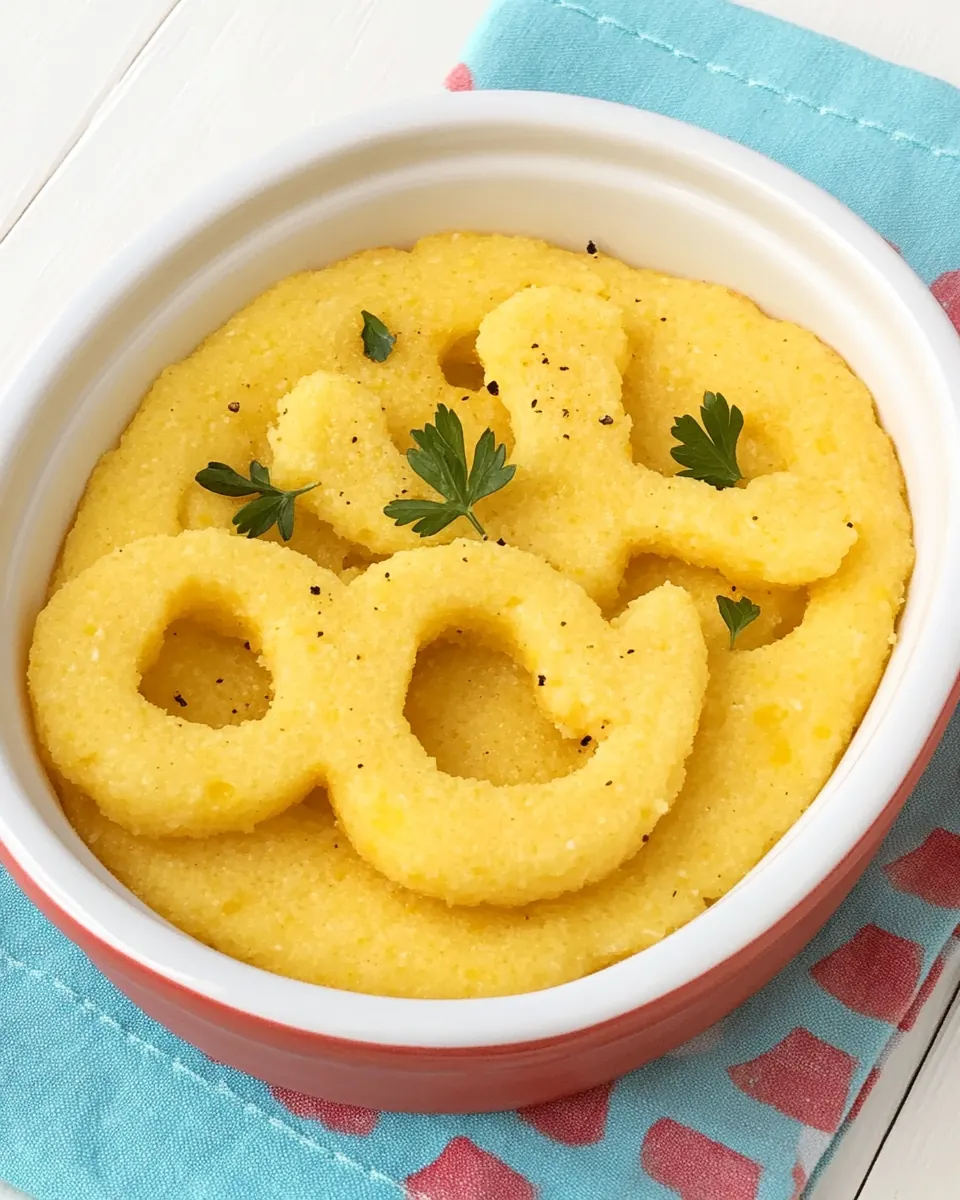
Polenta Cutouts
Polenta Cutouts are one of those recipes I turn to when I want something both comforting and a little playful, a dish that started out as a pantry experiment and became a weekend favorite. The first time I made Polenta Cutouts I was testing textures, wondering if the creamy spoonable polenta could be transformed into crisp little bites that still carried that soft corn flavor. My kitchen filled with the faint sweet corn aroma as the pot bubbled, and I remember thinking how clever it felt to press the warm polenta into a sheet and later stamp out shapes, a grown up version of cookie cutters for savory snacks.
Over several tries I learned which moments mattered most, like the exact moment to stir in the parmesan cheese and butter so the mixture held together without becoming gluey. I serve these for relaxed get togethers, where people pick them up with their fingers and debate whether to warm them or enjoy them chilled. Each batch brings back memories of casual Sunday afternoons, kids drawing on the kitchen table, and the satisfying clink when those cutouts hit a hot pan and sizzled into golden edges.
Recipe Snapshot
15 mins
10 mins
5 mins
Medium
200 kcal
Italian
Keto, Gluten-Free
Side Dishes
Sheet tray, Foil, Saucepan, Whisk, Wooden spoon, Cookie cutters, Saute pan
What We Adore About This Polenta Cutouts
They are unexpectedly versatile
I love how Polenta Cutouts can be a simple snack, a side for a hearty main, or a playful starter. The texture shifts from creamy to firm, then to crisp, giving you options depending on how you serve them.
They are easy to scale
Because the base is mostly water and instant polenta, you can double or halve the batch without fuss. I often make a big tray when I know friends are coming over, and refrigerate extras for a fast reheat.
Comfort meets technique
There is real satisfaction in the method. Stirring the polenta until it thickens, stirring in parmesan cheese and butter, then smoothing it on a sheet tray feels like a small ritual. That attention yields a firm, sliceable sheet that holds its shape when cut and seared.
Great for informal entertaining
I appreciate how these cutouts work on a buffet or as finger food. They look charming if you stamp out fun shapes, and they travel well if you want to prep ahead. I often bring a tray to potlucks because they stay intact and people always ask for the recipe.
Simple ingredient heroics
With only a few ingredients, each element matters. The instant polenta provides structure, while the grated parmesan cheese contributes savory depth, and the butter enriches mouthfeel. I find these minimal components create a memorable, textural snack without fuss.
Everything You Need for Polenta Cutouts
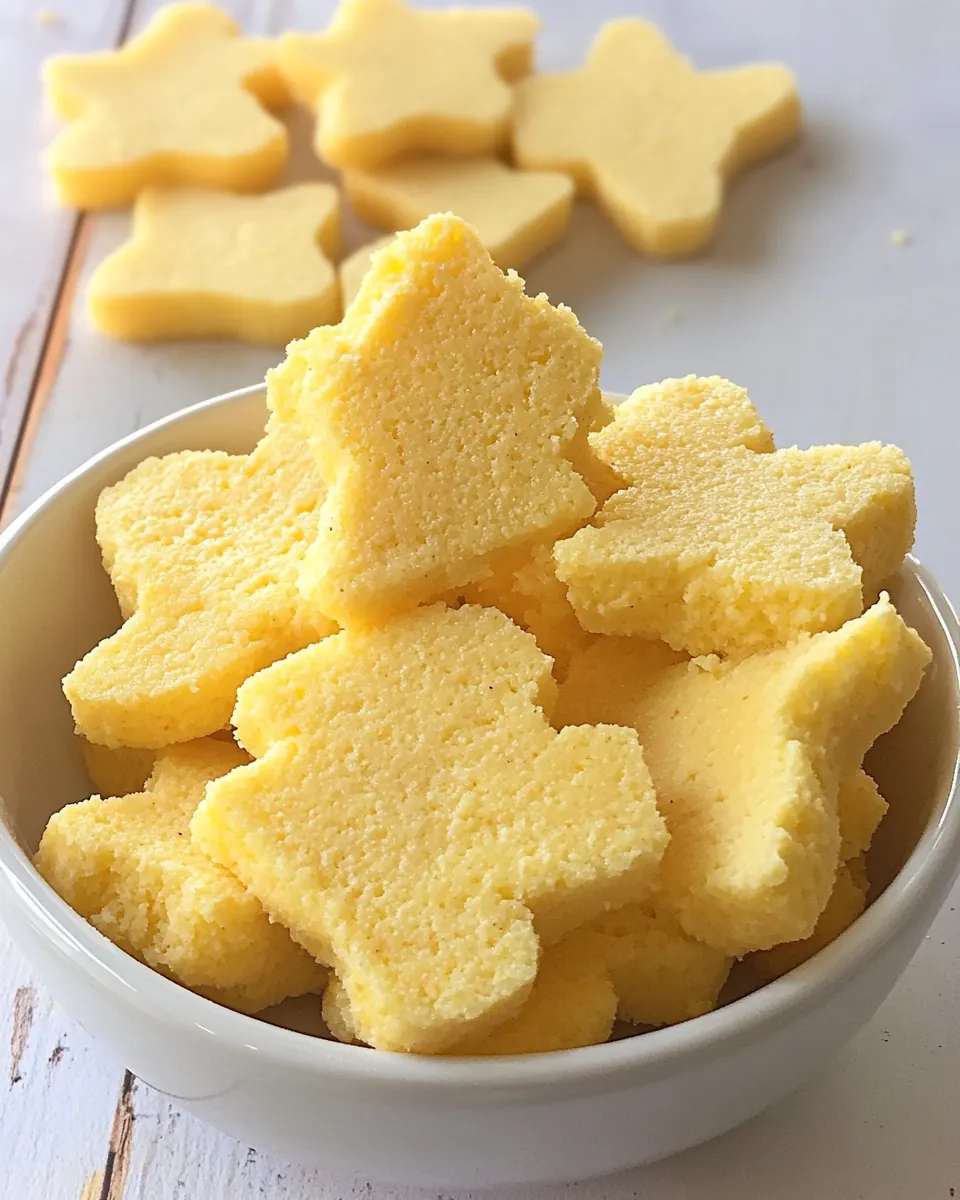
These ingredients are pared back and purposeful. The star is the instant polenta, which gives quick structure. Water hydrates the cornmeal into a creamy base, while parmesan cheese and butter add savory depth and silkiness. The kosher salt enhances flavor. Together they produce a polenta that is smooth when warm, firm when chilled, and crisp at the edges when sautéed.
- 7 cups water: Bring water to a rolling boil to properly hydrate and cook the instant polenta; it provides the necessary liquid foundation for achieving a smooth, creamy texture. Maintain a steady simmer while whisking to prevent lumps and ensure even cooking throughout the mixture.
- 1 box instant polenta (13 oz): Pour instant polenta into boiling water while whisking continuously to avoid clumps; it serves as the base starch that will set firm when cooled. Follow package timing for quick thickening, then spread or chill the polenta to create cuttable shapes for crisping or serving.
- 2 teaspoons kosher salt: Season with kosher salt to enhance and balance the overall flavor profile; its coarse crystals dissolve reliably in hot liquids, allowing for gradual seasoning. Taste the polenta as it cooks and adjust to avoid under- or oversalting the finished cutouts.
- 3/4 cup parmesan cheese: Stir in grated parmesan cheese to add savory umami and a creamy, slightly granular richness; it helps bind the polenta and contributes a golden flavor when browned. Combine gradually off heat so the cheese melts smoothly and integrates without becoming stringy.
- 3 tablespoons butter, plus more for sautéing: Incorporate butter for silkiness and mouthfeel, and reserve extra for sautéing to achieve golden, crisp edges on the cutouts. Add the fat at the end of cooking to enrich the polenta and use more butter in the pan to develop a flavorful, caramelized exterior.
Instructions for Polenta Cutouts
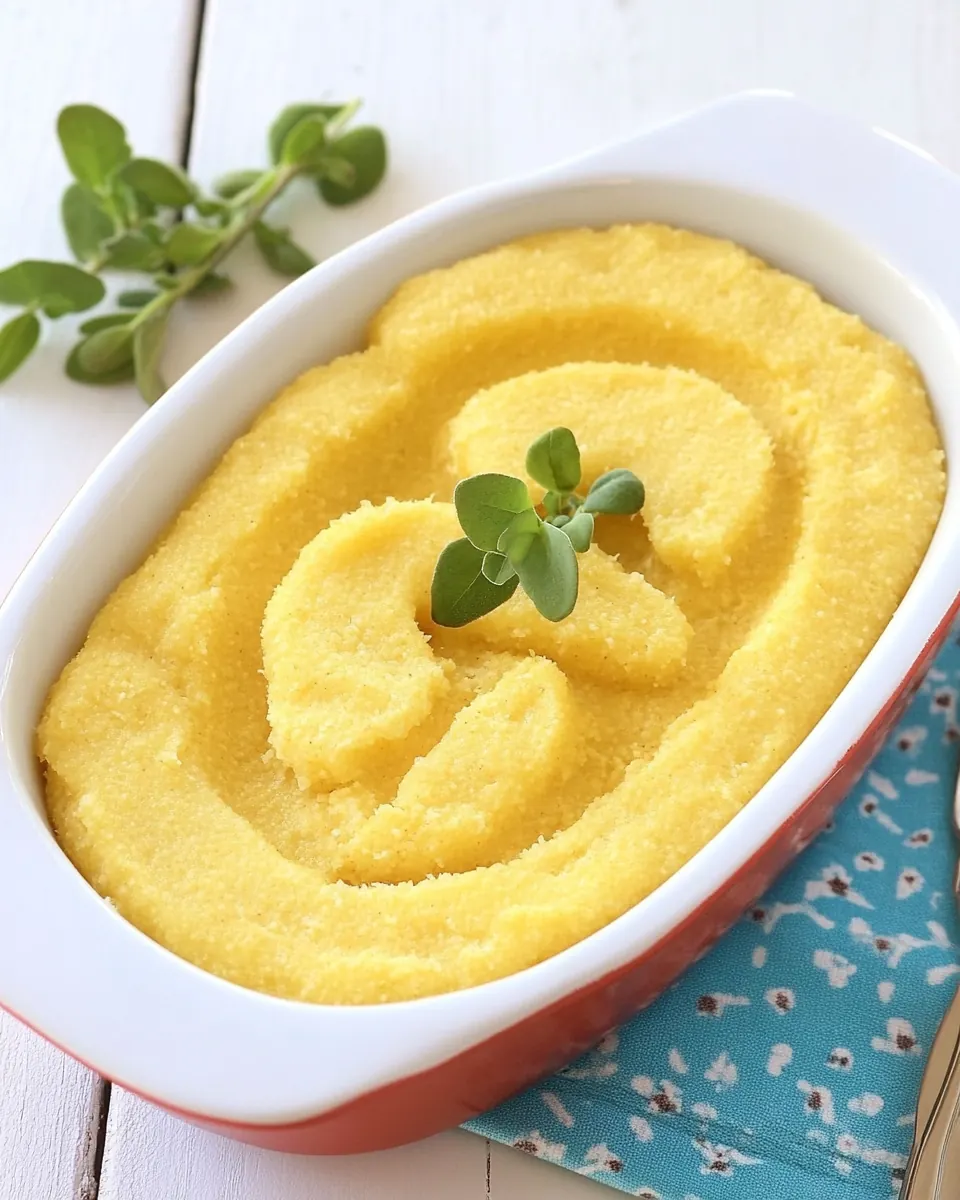
These directions take you from a bubbling pot to crisp little shapes you can pick up with your hands. Read each step slowly, focus on the sensory cues, and you will feel confident about the texture and timing.
- Line a sheet tray with foil and coat with cooking spray.: As you prepare, notice the smooth sheen when you spread the foil, this protective layer keeps the polenta from sticking and makes unmolding easy. The foil should be pressed into the tray corners so the polenta cools in an even layer. A poor lining job will lead to tearing when you remove the set polenta, so take a moment here.
- Bring 7 cups of water and salt to a boil.: You will hear the water move from a quiet simmer to a rolling boil, and steam will rise briskly. Adding the kosher salt at this stage dissolves it thoroughly and seasons the entire cooking liquid. If the water only simmers, the polenta may clump when added, so aim for a purposeful boil.
- Add polenta in a slow stream while whisking continuously to avoid lumps.: The moment the instant polenta hits the boiling water, whip it in with a steady motion, and you will feel the mixture thicken under the whisk. Keep a quick rhythm, because if the polenta drops in too fast it can form granules that never fully dissolve. A common pitfall is walking away during this pour, which often causes stubborn lumps.
- Turn heat to low and continue to stir with a wooden spoon until polenta thickens, 5-8 minutes (you may add more boiling water as needed to keep the polenta a smooth consistency).: As the heat lowers, the pot will emit a gentle bubbling and the polenta will pull away from the sides in waves, signaling it is thickening. Using a wooden spoon gives you tactile feedback; the mixture should feel smooth and slightly resistant on the spoon. If it becomes excessively stiff, whisk in splashes of hot water to regain creaminess. Avoid over stirring at high heat, as prolonged aggressive stirring can break down texture.
- Turn the heat off and add parmesan and butter. Stir to combine.: With the heat off, toss in the grated parmesan cheese and the measured butter , then stir until the cheese melts and the butter vanishes into the mass. The aroma will shift to a nutty, savory note as the cheese incorporates. If you add these while the pot is too cool, they may not melt smoothly, so mix briskly to achieve a silky finish.
- Pour onto a sheet tray and spread with the back of a spoon to cover the tray evenly. Cool.: Pouring releases a warm, velvety stream that you smooth into an even sheet; the surface should look glossy and free of peaks. The thickness you spread will determine how tall your cutouts are, so aim for uniformity. If you leave air pockets, you may get uneven set points, so press and smooth carefully.
- Refrigerate the polenta for 30 minutes or covered up to 2 days.: As the polenta chills, it transitions from soft to firm, and the texture will become sliceable. You will notice condensation on the cover if it sits longer, which is fine. Chilling longer firms the center more, but be aware that extended refrigeration can slightly dry the edges, so cover tightly to maintain moisture.
- Remove the sheet tray from the refrigerator and use cookie cutters to stamp out shapes.: When you press cookie cutters into the chilled polenta, you can hear a subtle give as the edges separate cleanly. Press straight down and lift gently to keep shapes intact. If the polenta is too cold and cracks, let it sit at room temperature for a few minutes to soften slightly before cutting.
- Heat 1 tbsp of butter in a saute pan over medium heat and cook the polenta shapes for 3-5 minutes on each side or until golden (you can also serve these cold).: As the shapes meet the hot pan, you will hear a satisfying sizzle and smell the rich butter notes. Watch for a golden brown crust forming around the edges, that contrast between crisp exterior and tender interior is the goal. Avoid flipping too early, or they will fall apart; wait until the underside releases easily from the pan.
- Eat polenta shapes on their own or serve with a red sauce.: These cutouts offer a warm, creamy center beneath a toasted surface, and the first bite should present a gentle corn sweetness followed by savory cheese. Serving with a bright red sauce amplifies acidity and complements the buttery richness. If the textures seem uniform, consider a quick pan sear to reintroduce contrast.
Expert Tips about Polenta Cutouts
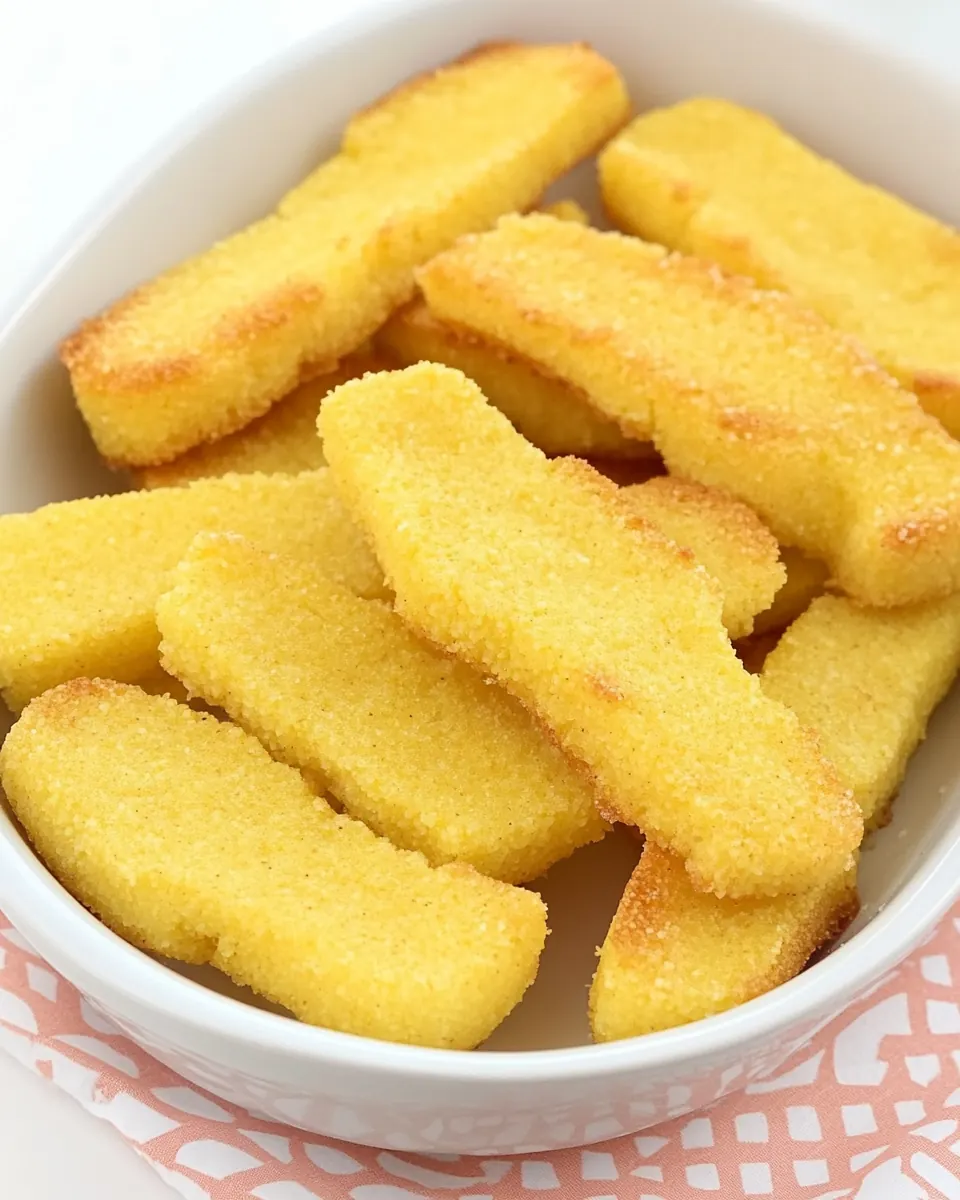
I like to think of these tips as small tricks that make a big difference. They center on timing, texture, and flavor balance so your Polenta Cutouts come out perfect every time.
- Boiling first ensures the instant polenta disperses smoothly into the liquid, preventing lumps that can ruin the final texture.
- Even thickness when spreading on the sheet tray is crucial, because uneven thickness leads to some pieces overcooking while others remain too soft.
- Grate fine for the parmesan cheese so it melts quickly and integrates fully, creating a cohesive, savory base.
- Low and slow stirring after adding the polenta yields a creamy mouthfeel without overworking the starches, which preserves a pleasant texture.
- Rest before cutting let the polenta chill thoroughly so cookie cutters produce clean shapes and the interiors do not crumble.
- Sear in butter for the most appealing crust and aroma, but monitor the heat so the butter does not brown too quickly and burn.
Serving Suggestions
These servings ideas lean into casual entertaining and practical storage. Treat the Polenta Cutouts as a versatile base that adapts to many occasions and pairings.
- As a finger food serve warm or cold on a platter for parties, letting guests pick up the shapes easily.
- With a red sauce spoon a bright tomato sauce on the side for dipping, which cuts through the richness and adds acidity.
- Buffet style lay them out with small forks for brunch or casual dinners, they travel well from kitchen to table.
- Make ahead prepare and chill up to 2 days before, then reheat in a pan to bring back the crisp edges.
- Seasonal pairing these fit well into fall menus, accompanying roasted vegetables or a simple green salad for balance.
FAQ
Conclusion
What makes Polenta Cutouts special is how few ingredients deliver a lot of textural fun, turning creamy polenta into crisp, handheld shapes. Give them a try because they are easy to prepare, flexible for entertaining, and satisfying to eat whether warm or chilled. I hope this recipe inspires you to play with shapes and textures in your kitchen, and that it becomes one of those simple favorites you reach for on relaxed weekends or busy weeknights.
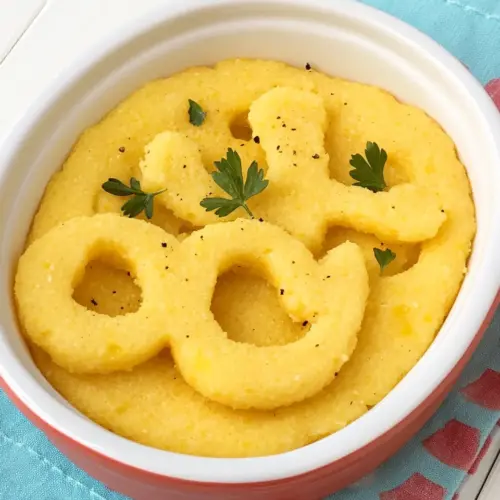
Polenta Cutouts
Equipment
- Sheet tray
- Foil
- Saucepan
- Whisk
- Wooden Spoon
- Cookie cutters
- Sauté Pan
Ingredients
- 7 cups water Bring water to a rolling boil to properly hydrate and cook the instant polenta; it provides the necessary liquid foundation for achieving a smooth, creamy texture. Maintain a steady simmer while whisking to prevent lumps and ensure even cooking throughout the mixture.
- 1 box instant polenta (13 oz) Pour instant polenta into boiling water while whisking continuously to avoid clumps; it serves as the base starch that will set firm when cooled. Follow package timing for quick thickening, then spread or chill the polenta to create cuttable shapes for crisping or serving.
- 2 teaspoons kosher salt Season with kosher salt to enhance and balance the overall flavor profile; its coarse crystals dissolve reliably in hot liquids, allowing for gradual seasoning. Taste the polenta as it cooks and adjust to avoid under- or oversalting the finished cutouts.
- 3/4 cup parmesan cheese Stir in grated parmesan cheese to add savory umami and a creamy, slightly granular richness; it helps bind the polenta and contributes a golden flavor when browned. Combine gradually off heat so the cheese melts smoothly and integrates without becoming stringy.
- 3 tablespoons butter, plus more for sautéing Incorporate butter for silkiness and mouthfeel, and reserve extra for sautéing to achieve golden, crisp edges on the cutouts. Add the fat at the end of cooking to enrich the polenta and use more butter in the pan to develop a flavorful, caramelized exterior.
Instructions
- Line a sheet tray with foil and coat with cooking spray.: As you prepare, notice the smooth sheen when you spread the foil, this protective layer keeps the polenta from sticking and makes unmolding easy. The foil should be pressed into the tray corners so the polenta cools in an even layer. A poor lining job will lead to tearing when you remove the set polenta, so take a moment here.
- Bring 7 cups of water and salt to a boil.: You will hear the water move from a quiet simmer to a rolling boil, and steam will rise briskly. Adding the kosher salt at this stage dissolves it thoroughly and seasons the entire cooking liquid. If the water only simmers, the polenta may clump when added, so aim for a purposeful boil.
- Add polenta in a slow stream while whisking continuously to avoid lumps.: The moment the instant polenta hits the boiling water, whip it in with a steady motion, and you will feel the mixture thicken under the whisk. Keep a quick rhythm, because if the polenta drops in too fast it can form granules that never fully dissolve. A common pitfall is walking away during this pour, which often causes stubborn lumps.
- Turn heat to low and continue to stir with a wooden spoon until polenta thickens, 5-8 minutes (you may add more boiling water as needed to keep the polenta a smooth consistency).: As the heat lowers, the pot will emit a gentle bubbling and the polenta will pull away from the sides in waves, signaling it is thickening. Using a wooden spoon gives you tactile feedback; the mixture should feel smooth and slightly resistant on the spoon. If it becomes excessively stiff, whisk in splashes of hot water to regain creaminess. Avoid over stirring at high heat, as prolonged aggressive stirring can break down texture.
- Turn the heat off and add parmesan and butter. Stir to combine.: With the heat off, toss in the grated parmesan cheese and the measured butter , then stir until the cheese melts and the butter vanishes into the mass. The aroma will shift to a nutty, savory note as the cheese incorporates. If you add these while the pot is too cool, they may not melt smoothly, so mix briskly to achieve a silky finish.
- Pour onto a sheet tray and spread with the back of a spoon to cover the tray evenly. Cool.: Pouring releases a warm, velvety stream that you smooth into an even sheet; the surface should look glossy and free of peaks. The thickness you spread will determine how tall your cutouts are, so aim for uniformity. If you leave air pockets, you may get uneven set points, so press and smooth carefully.
- Refrigerate the polenta for 30 minutes or covered up to 2 days.: As the polenta chills, it transitions from soft to firm, and the texture will become sliceable. You will notice condensation on the cover if it sits longer, which is fine. Chilling longer firms the center more, but be aware that extended refrigeration can slightly dry the edges, so cover tightly to maintain moisture.
- Remove the sheet tray from the refrigerator and use cookie cutters to stamp out shapes.: When you press cookie cutters into the chilled polenta, you can hear a subtle give as the edges separate cleanly. Press straight down and lift gently to keep shapes intact. If the polenta is too cold and cracks, let it sit at room temperature for a few minutes to soften slightly before cutting.
- Heat 1 tbsp of butter in a saute pan over medium heat and cook the polenta shapes for 3-5 minutes on each side or until golden (you can also serve these cold).: As the shapes meet the hot pan, you will hear a satisfying sizzle and smell the rich butter notes. Watch for a golden brown crust forming around the edges, that contrast between crisp exterior and tender interior is the goal. Avoid flipping too early, or they will fall apart; wait until the underside releases easily from the pan.
- Eat polenta shapes on their own or serve with a red sauce.: These cutouts offer a warm, creamy center beneath a toasted surface, and the first bite should present a gentle corn sweetness followed by savory cheese. Serving with a bright red sauce amplifies acidity and complements the buttery richness. If the textures seem uniform, consider a quick pan sear to reintroduce contrast.
Notes
- Boiling first ensures the instant polenta disperses smoothly into the liquid, preventing lumps that can ruin the final texture.
- Even thickness when spreading on the sheet tray is crucial, because uneven thickness leads to some pieces overcooking while others remain too soft.
- Grate fine for the parmesan cheese so it melts quickly and integrates fully, creating a cohesive, savory base.
- Low and slow stirring after adding the polenta yields a creamy mouthfeel without overworking the starches, which preserves a pleasant texture.
- Rest before cutting let the polenta chill thoroughly so cookie cutters produce clean shapes and the interiors do not crumble.
- Sear in butter for the most appealing crust and aroma, but monitor the heat so the butter does not brown too quickly and burn.
