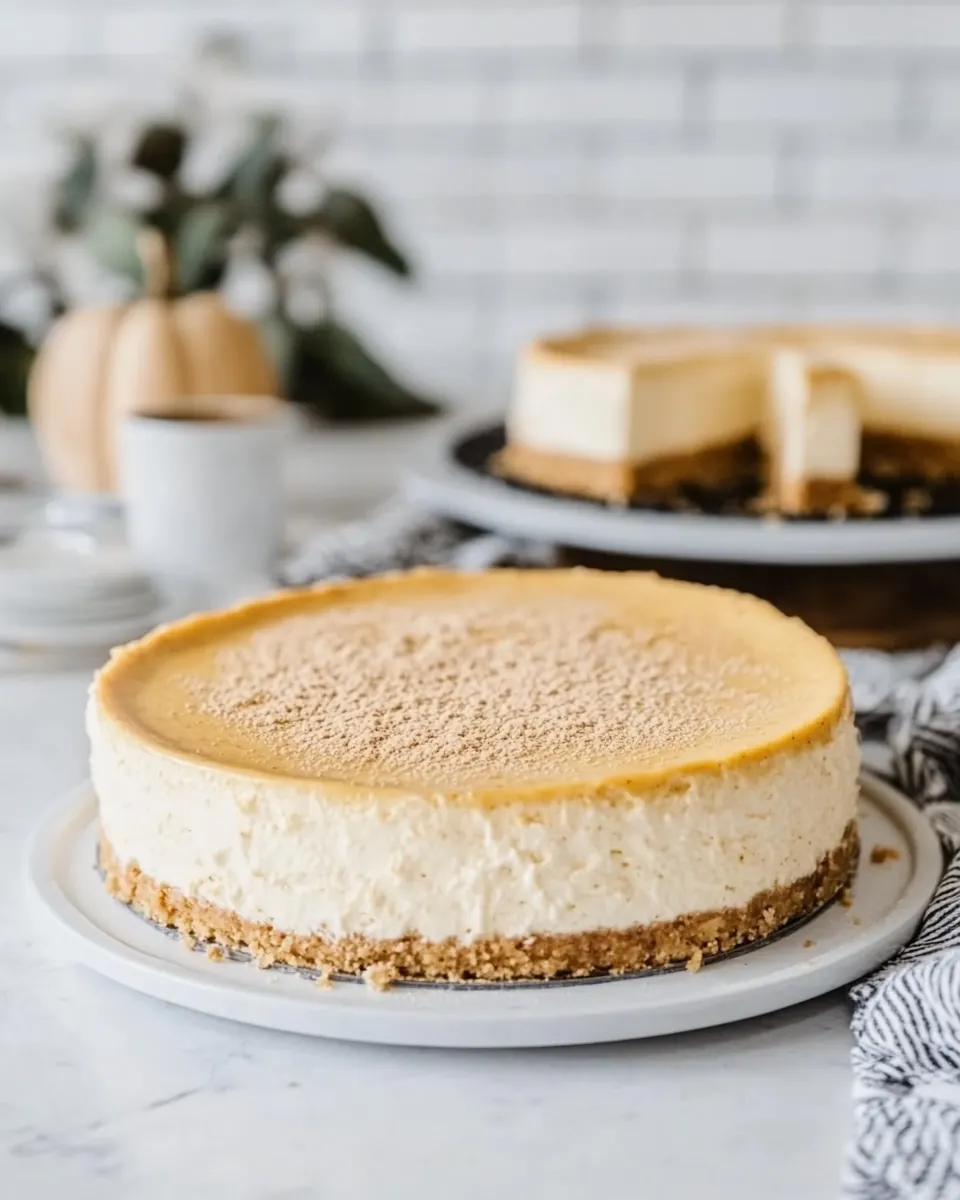
Perfectly Perfect Pumpkin Cheesecake
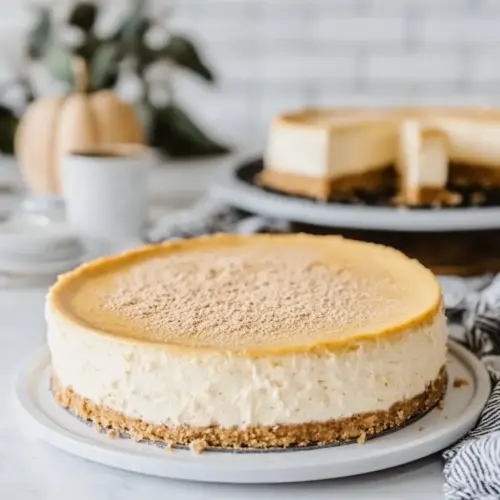
Perfectly Perfect Pumpkin Cheesecake is the one dessert that tucks autumn into a forkful, and the moment I pull it from the fridge I feel like I have a small victory to celebrate. The first time I made this riff on pumpkin and cream cheese I was chasing a texture that felt indulgent yet not overly heavy, and this version landed exactly where I wanted it, silky and warmly spiced without being cloying.
I remember a chilly Saturday afternoon when I tested the recipe for the first time, the house filled with the faint snap of gingersnap crumbs as I pulsed them, and the oven emitting that comforting, breadlike warmth. While the cake rested in its water bath I wandered the kitchen balancing a mug on the counter and scribbling notes, convinced that the right balance of spice was the difference between ordinary and unforgettable.
What makes Perfectly Perfect Pumpkin Cheesecake so satisfying is not just the flavors, it is the way the components behave together. The gingersnap crust gives that first crunchy contrast, then the filling yields a dense, creamy mouthfeel that carries cinnamon and nutmeg through each bite. Friends who prefer a classic pumpkin pie often tell me they love how this cheesecake feels familiar but elevated.
Over time I learned a few small habits that help every attempt succeed, from bringing the cream cheese to true room temperature to wrapping the pan so water does not seep into the crust. Those details matter, and they are simple to adopt. If you enjoy seasonal baking that impresses without fuss, this recipe will become a repeat performer in your repertoire.
Recipe Snapshot
2 hr 5 mins
25 mins
100 mins
Hard
320 kcal
American
Gluten-Free, Low FODMAP
Desserts
9 inch springform pan, Food processor, Roasting pan, Heavy duty aluminum foil, Electric mixer, Wire rack
The Beauty of This Perfectly Perfect Pumpkin Cheesecake
Comforting texture that still feels elegant
I adore how Perfectly Perfect Pumpkin Cheesecake manages to be both dense and tender. The texture is creamy yet substantial, which means each slice walks the line between homey and refined. When I serve this, people reach for seconds because it feels like a treat, not just a heavy finish to a meal.
Spice balance that sings instead of shouting
We use a mix of ground cinnamon, ground ginger, ground nutmeg, and ground cloves in just the right amounts. I tuned the spices so they complement the pumpkin purée rather than overpower it, giving warm notes that persist on the palate without taking over the cheesecake.
Gingersnap crust for contrast and personality
The gingersnap cookie crumb base introduces a crisp, slightly spicy crunch that offsets the silken filling. I love the way the crust holds its structure while offering a burst of flavor that changes the mouthfeel with every forkful.
Reliable technique for stress free baking
The water bath and careful mixing steps reduce cracks and create a smooth top. I learned that small technique choices, like beating the eggs one at a time and running a knife around the pan after baking, dramatically improve appearance and texture. These steps make success feel attainable even for busy bakers.
Great make ahead potential
This cheesecake benefits from chilling, so it is perfect for holidays or entertaining. I often bake it the day before, and the flavors deepen overnight. It saves time on the big day, and slices cleanly when fully chilled.
Ingredients for Perfectly Perfect Pumpkin Cheesecake
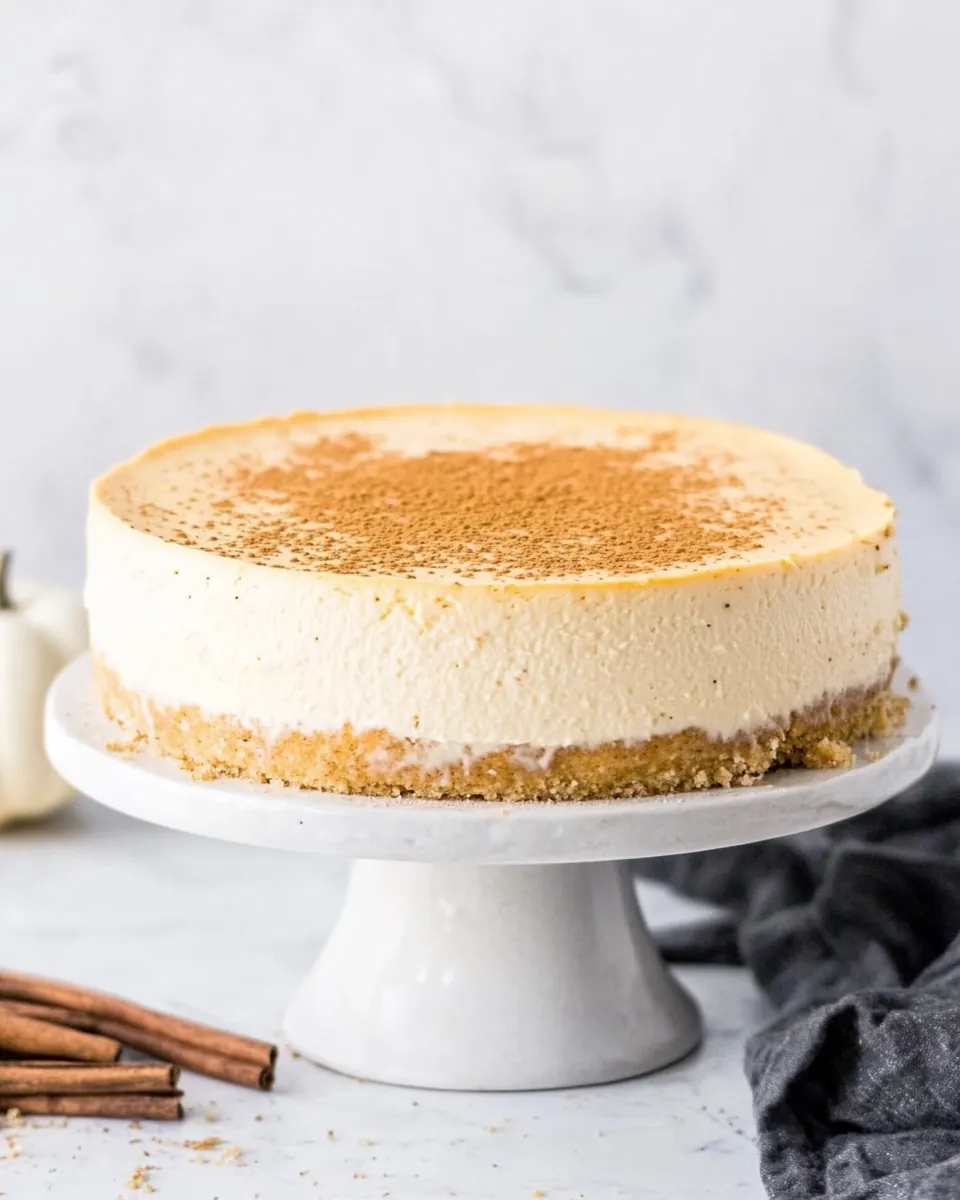
These ingredients form a thoughtful partnership where each player has a clear role. The gingersnap crumbs create texture and spice, the unsalted butter binds the crust, and the trio of cream cheese, pumpkin purée, and eggs build the creamy, structured filling. Spices and a touch of sugar round out the flavor profile so that the cheesecake tastes rich but balanced.
- 1 3/4 cups gingersnap cookie crumbs from about 40 gingersnap wafers: Provide a crunchy, spiced base by using finely crushed gingersnap cookies to form the cheesecake crust; their molasses and ginger flavor complement the pumpkin filling and add texture contrast. Press firmly into the pan to create an even layer that supports the filling and prevents sogginess during baking. Using about 40 wafers yields the measured volume needed for a standard springform pan crust.
- 3 tablespoons brown sugar: Add a touch of caramelized sweetness by incorporating brown sugar into the crust mixture; its moisture helps bind the cookie crumbs and enriches the overall flavor. Measure accurately to balance sweetness without overwhelming the spiced gingersnaps, and mix thoroughly with the crumbs for even distribution.
- 1/2 teaspoon ground cinnamon: Enhance the warm spice profile in the crust by blending ground cinnamon into the cookie crumbs; a small amount lifts the aromatic character and ties the base to the pumpkin filling. Stir well to ensure consistent spice throughout the crust so every bite harmonizes with the filling.
- 1/2 teaspoon kosher salt: Balance sweetness and heighten other flavors by mixing kosher salt into the crust; it sharpens the gingersnap and brown sugar notes and prevents the crust from tasting flat. Use measured amounts appropriate for kosher salt’s larger granules to avoid over-salting.
- 1/4 cup unsalted butter melted and slightly cooled: Bind and moisten the cookie crumbs by adding melted unsalted butter so the crust holds together when pressed into the pan and bakes to a slightly crisp finish. Cool the butter slightly before combining to prevent melting the crumbs excessively and to ensure an even texture.
- 3 packages 8 ounces each regular cream cheese (not low fat or nonfat), at room temperature: Soften and enrich the filling base by using room–temperature regular cream cheese, which provides a dense, creamy texture and tangy backbone to the cheesecake. Beat until smooth to eliminate lumps and create a velvety consistency that pairs well with the pumpkin and spices.
- 1 can 15 ounces pumpkin purée (not pre-spiced pumpkin pie filling): Provide the primary pumpkin flavor and moistness with canned pumpkin purée, ensuring it is pure pumpkin rather than pre-spiced pie filling so spices can be controlled in the recipe. Fold in gently to retain a smooth, homogeneous filling and to avoid overworking the batter.
- 3 large eggs: Add structure and richness to the filling by incorporating whole large eggs; they help set the cheesecake during baking and contribute to a smooth, custardy texture. Beat just until combined to prevent excess air, which can cause cracking or puffing.
- 1 large egg yolk: Increase richness and improve the custard’s stability by adding one large egg yolk, which boosts fat content and yields a silkier mouthfeel while aiding in a creamier finished texture. Combine thoroughly with the other eggs and dairy for an even bake.
- 1/4 cup regular sour cream not low fat or non-fat: Contribute a mild tang and additional creaminess by stirring in regular sour cream, which lightens the filling and balances the sweetness with a subtle acidity. Use full-fat sour cream for optimal flavor and smoothness, avoiding low-fat versions that can affect texture.
- 1 1/2 cups sugar: Sweeten the filling uniformly by adding granulated sugar, which dissolves into the batter to provide consistent sweetness and influence the final texture and browning. Measure carefully to achieve the intended sweetness level without overpowering the pumpkin and spices.
- 1 teaspoon ground cinnamon: Deepen the warm spice character in the filling by incorporating ground cinnamon, which complements the pumpkin and enhances aromatic complexity. Distribute evenly through the batter to ensure consistent flavor in every slice.
- 1/2 teaspoon ground ginger: Brighten the spice blend with ground ginger, adding a sharp, slightly peppery note that complements both the gingersnap crust and the pumpkin filling. Use measured amounts to impart warmth without dominating the overall spice profile.
- 1/8 teaspoon ground nutmeg: Add a subtle sweet-woody warmth by including ground nutmeg, which works well in small quantities to round out the pie-spice blend and contribute complexity. Mix thoroughly into the batter to avoid concentrated pockets of spice.
- 1/8 teaspoon ground cloves: Introduce a deep, clove-like warmth using ground cloves sparingly, as its potent flavor enhances the autumnal spice mix and adds depth to the pumpkin filling. Ensure even dispersion to maintain balance with the other spices.
- 1/4 teaspoon kosher salt: Enhance overall flavor balance and seasoning by adding kosher salt to the filling, which accentuates sweetness and rounds out the spice notes for a well-balanced cheesecake. Adjust quantity to account for kosher salt’s coarser grain compared with table salt.
- 2 teaspoons all-purpose flour: Stabilize the filling slightly and improve texture by whisking in all-purpose flour, which can help prevent cracking and yield a smoother set without noticeably altering flavor. Blend in uniformly to avoid lumps and ensure even thickening during baking.
- 1 teaspoon pure vanilla extract: Round out and elevate the flavor profile by incorporating pure vanilla extract, which adds aromatic depth and complements the pumpkin and spices for a more complex taste. Add toward the end of mixing to preserve its fragrant notes.
Making Perfectly Perfect Pumpkin Cheesecake
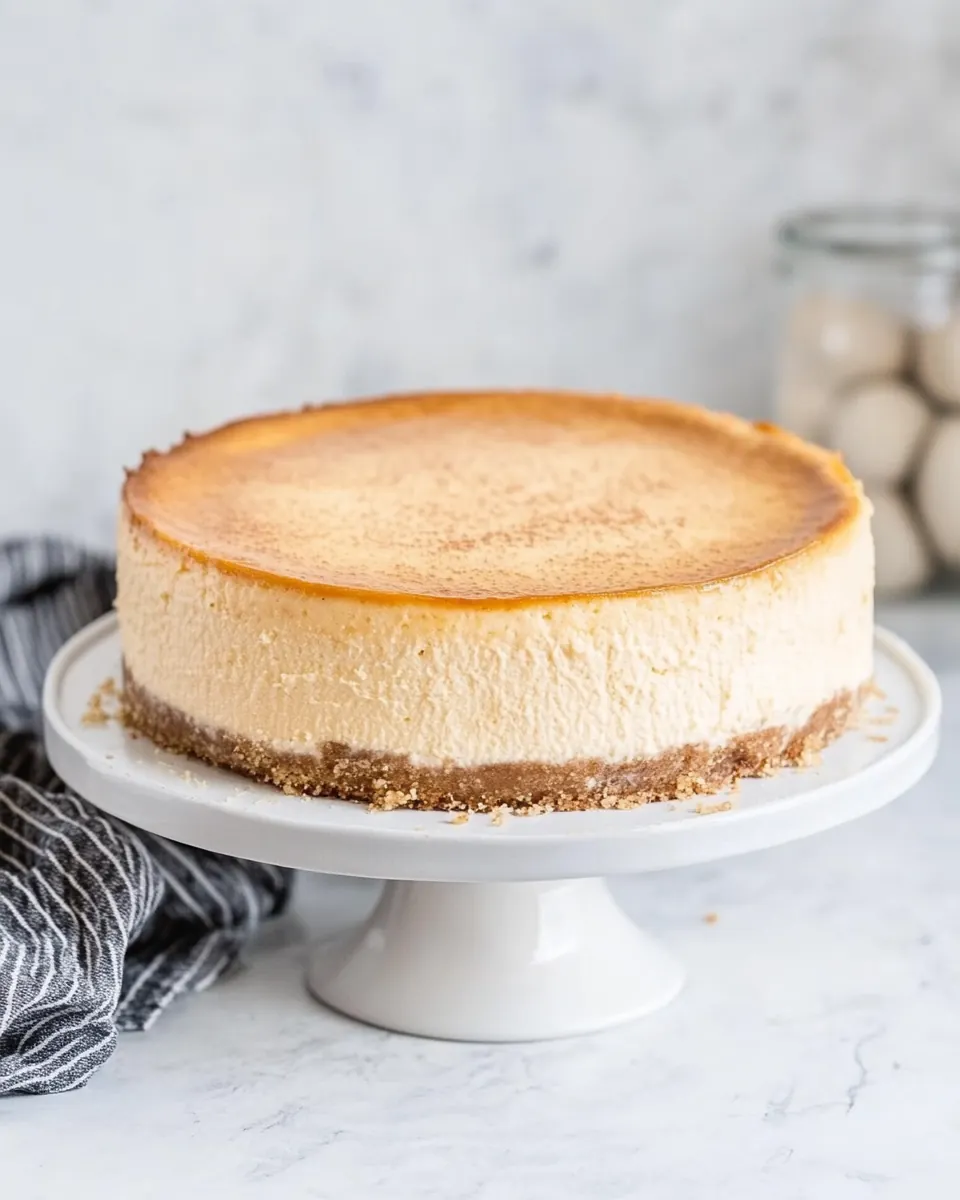
This baking method is thoughtfully paced to coax a glossy, crack free top and a tender, set center. I approach the steps deliberately, leaning into sensory cues and small techniques that make a big difference in the end result.
- Preheat oven to 350° F. Prepare a 9″ springform pan by lightly spraying with cooking spray.: As the oven warms, you will notice the air shift from cool to gently warm, a subtle signal that the baking environment is stabilizing. The preheat ensures even oven spring and predictable color on the crust, which matters since the crumb base needs a short bake. Spraying the springform pan helps prevent sticking, though I also recommend a light parchment circle for added insurance. One common mistake is skipping preheating which can lead to longer bake times and uneven texture. Keep the oven stable, and use the moment to ready your ingredients so nothing sits cold while baking begins.
- For the crust: In a food processor, pulse the cookies until crumbs are uniform. Add brown sugar, cinnamon, and salt, and pulse to combine. Transfer to a medium bowl and add the melted butter. Combine thoroughly with a fork. When the mixture is evenly moist, crumbly, and holds together when you squeeze a handful, it’s ready. Press the mixture evenly over the bottom, and very slightly up the sides, of your springform pan. Chill for 5 minutes, then bake for 10 minutes. Let cool completely.: In a food processor, pulse the cookies until crumbs are uniform. Add brown sugar, cinnamon, and salt, and pulse to combine. Transfer to a medium bowl and add the melted butter. Combine thoroughly with a fork. When the mixture is evenly moist, crumbly, and holds together when you squeeze a handful, it’s ready. Press the mixture evenly over the bottom, and very slightly up the sides, of your springform pan. Chill for 5 minutes, then bake for 10 minutes. Let cool completely. : At this stage the scent of gingersnap will bloom, warm and spicy, as the crumbs release aromatic oils. The goal is a mixture that clumps when squeezed; that tactile test tells you the butter is distributed well. Pressing firmly ensures the crust bonds and supports the filling, and chilling briefly helps it set so it does not slough off when baked. Baking for 10 minutes toast the crumbs, deepening flavor and producing a slightly firmer base, but avoid overbaking which can make the crust dry and brittle. If the crust seems oily, you likely used butter that was too hot; let it cool a touch before combining next time.
- Prepare a water bath while the crust cools. Heat a kettle or pan of water to a soft boil. Have a larger baking dish or roasting pan ready to set the springform pan inside. Once the crust is cooled, set the springform pan on a double layer of heavy-duty aluminum foil and wrap the foil up around the outside of the pan.: The first hiss of the hot water is a small comfort, signaling that you are building a gentle, humid oven environment. Wrapping the pan in foil is your barrier against leaks, and placing the springform into the larger pan creates a bath that regulates baking temperature and prevents the cheesecake edges from becoming grainy or cracked. Water in the bath steams as the cheesecake bakes slowly, producing a tender custard. Skipping the water bath often leads to dry edges and cracks, so take the few minutes to prepare it correctly. Ensure the foil is snug but not piercing the pan surface to avoid seepage.
- For the filling: Beat the cream cheese until smooth. Add the pumpkin purée and combine. Add the eggs and egg yolk, one at a time, incorporating each egg thoroughly before adding the next, and scraping down the sides of the bowl after each one. Beat in the sour cream. Then add the sugar, cinnamon, ginger, nutmeg, cloves, salt, and flour. Beat just until combined, then beat in the vanilla.: Beat the cream cheese until smooth. Add the pumpkin purée and combine. Add the eggs and egg yolk, one at a time, incorporating each egg thoroughly before adding the next, and scraping down the sides of the bowl after each one. Beat in the sour cream. Then add the sugar, cinnamon, ginger, nutmeg, cloves, salt, and flour. Beat just until combined, then beat in the vanilla. : The sound of the mixer changes as the cream cheese transforms from lumpy to glossy, a clear textural cue you are heading the right direction. Adding the pumpkin purée next softens the mixture, and incorporating the eggs slowly ensures a stable emulsion, which keeps the filling silky instead of curdled. Scraping the bowl is critical to avoid pockets of unmixed cheese that become lumps after baking. After adding the dry spices and sugar , mixing gently prevents over aeration that can cause cracks. A common pitfall here is rushing the eggs into a cold mixture, which can introduce lumps; make sure the cream cheese is fully softened before starting.
- Scrape the filling into the cooled crust and spread evenly. Set the springform pan in the larger roasting pan and add enough hot water from the kettle to come about halfway up the sides of the springform pan.: The visual of a smooth, glossy filling leveled across the crust is satisfying, and you will notice a faint steam rising from the water bath as it sits in the oven. The hot water temperature helps prevent a shock to the batter and supports even baking. Fill carefully so no water spills into the cheesecake, as moisture can create soggy edges. One troubleshooting tip: if the filling seems aerated or frothy, let it rest briefly to allow bubbles to settle before baking, because trapped air can cause cracking.
- Bake until the top of the cheesecake is a deep golden color and the center is set, about 90 to 100 minutes. It’s ok if there is a slight jiggle to the center of the filling. Remove the cheesecake from the oven and run a thin-bladed knife between the perimeter of the cheesecake and the pan. Let cheesecake cool to room temperature in the pan on a wire rack. Then cover and chill for at least four hours or overnight before serving. Serve chilled, topping individual slices with fresh whipped cream.: As the cheesecake bakes, the kitchen fills with a roasted, pumpkin aroma and the top slowly deepens to a warm gold. The slight jiggle in the center indicates the custard is set but still tender; overbaking will make it dry and dense, while underbaking leaves it too loose. Running a thin knife between the cake and the pan right after baking detaches the edges and prevents large cracks as it cools and contracts. Cooling on a rack allows steam to dissipate rather than collect and soften the crust. Chilling overnight improves slicing and flavor melding. A frequent mistake is slicing too soon; the filling needs time to finish setting in the fridge.
Recipe Notes about Perfectly Perfect Pumpkin Cheesecake
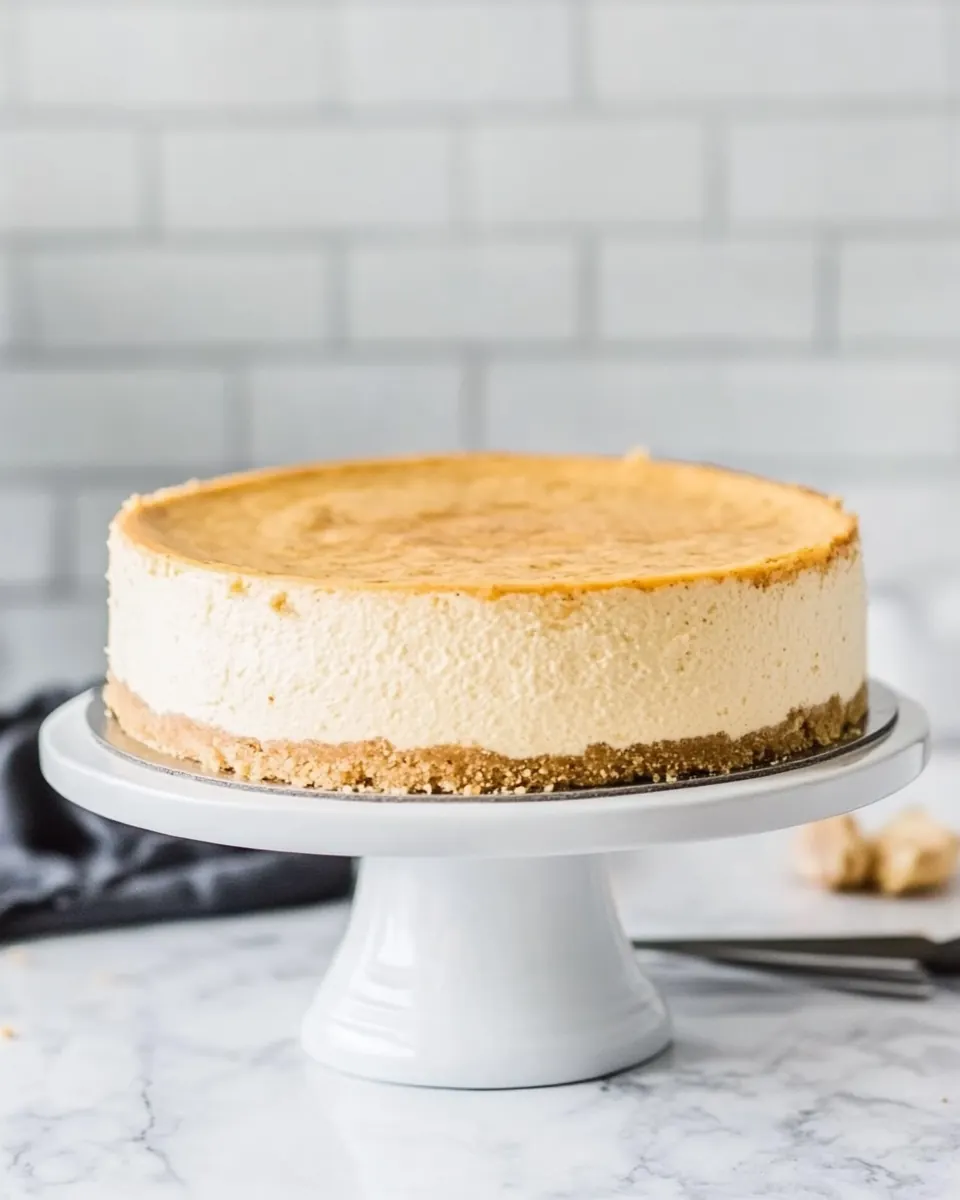
These notes collect small techniques and serving ideas that have consistently improved results for me. They are practical, focused on flavor and texture, and meant to keep your baking calm and reliable.
- Room temperature full fat dairy Ensure all tubs of cream cheese and the sour cream are at room temperature so the filling blends smooth without lumps.
- Test the jiggle not the timer Look for a gentle wobble in the center as the best doneness cue, rather than relying solely on minutes, since ovens vary.
- Water bath care Use hot water when pouring into the roasting pan and fill to halfway up the springform to stabilize baking and prevent a dry edge.
- Chill thoroughly Refrigerate for at least four hours or preferably overnight to let flavors meld and the texture firm up for clean slices.
- Room temp butter for crust Melt the butter and cool slightly before combining so it coats crumbs without making them greasy.
- Knife run while warm Running a thin knife around the edge right after baking reduces cracking and yields a neater appearance.
Serving Suggestions
This cheesecake shines at festive gatherings and quiet dinners alike, and the way you present it can elevate the experience. It works beautifully for holiday meals, cozy autumn dinners, or as a showstopper dessert for a weekend get together. Serve chilled and allow guests a moment for the flavors to register on the palate.
- Classic plating Serve a slice chilled with a dollop of freshly whipped cream on top; the cold whipped cream contrasts pleasantly with the dense filling.
- Holiday centerpiece This cake is ideal for Thanksgiving as a seasonal centerpiece, offering a rich alternative to traditional pie while still honoring fall spices.
- Casual gatherings Slice into moderate pieces so guests can sample with a hot cup of coffee or tea; the density makes smaller servings feel satisfying.
- Storage tips Cover the chilled cheesecake tightly and store in the refrigerator for up to five days; for longer storage, freeze slices wrapped in plastic and foil for up to two months.
- Serving temperature Keep the cheesecake chilled until ready to serve, then allow slices to rest for five to ten minutes at room temperature to soften slightly for the perfect mouthfeel.
- Seasonal pairings Complement the dessert with spiced nuts or a simple compote if you desire extra textural contrast, though the cake stands strong on its own.
FAQ
Conclusion
This cheesecake stands out because it balances a crunchy, spiced gingersnap base with a lush, spice kissed pumpkin filling that feels both celebratory and soothing. I encourage you to give Perfectly Perfect Pumpkin Cheesecake a try, especially when you want a dessert that can be made ahead and still impress. The technique is approachable, and the sensory payoff is big, from the toasty aroma of the crust to the cool, creamy chew of a chilled slice. Share it with friends and family, and enjoy the quiet satisfaction of a recipe that reliably delivers comforting, elevated results.
Perfectly Perfect Pumpkin Cheesecake
Equipment
- 9-inch Springform Pan
- Food Processor
- Roasting Pan
- Heavy duty aluminum foil
- Electric Mixer
- Wire Rack
Ingredients
- 1 3/4 cups gingersnap cookie crumbs from about 40 gingersnap wafers Provide a crunchy, spiced base by using finely crushed gingersnap cookies to form the cheesecake crust; their molasses and ginger flavor complement the pumpkin filling and add texture contrast. Press firmly into the pan to create an even layer that supports the filling and prevents sogginess during baking. Using about 40 wafers yields the measured volume needed for a standard springform pan crust.
- 3 tablespoons brown sugar Add a touch of caramelized sweetness by incorporating brown sugar into the crust mixture; its moisture helps bind the cookie crumbs and enriches the overall flavor. Measure accurately to balance sweetness without overwhelming the spiced gingersnaps, and mix thoroughly with the crumbs for even distribution.
- 1/2 teaspoon ground cinnamon Enhance the warm spice profile in the crust by blending ground cinnamon into the cookie crumbs; a small amount lifts the aromatic character and ties the base to the pumpkin filling. Stir well to ensure consistent spice throughout the crust so every bite harmonizes with the filling.
- 1/2 teaspoon kosher salt Balance sweetness and heighten other flavors by mixing kosher salt into the crust; it sharpens the gingersnap and brown sugar notes and prevents the crust from tasting flat. Use measured amounts appropriate for kosher salt’s larger granules to avoid over-salting.
- 1/4 cup unsalted butter melted and slightly cooled Bind and moisten the cookie crumbs by adding melted unsalted butter so the crust holds together when pressed into the pan and bakes to a slightly crisp finish. Cool the butter slightly before combining to prevent melting the crumbs excessively and to ensure an even texture.
- 3 packages 8 ounces each regular cream cheese (not low fat or nonfat), at room temperature Soften and enrich the filling base by using room-temperature regular cream cheese, which provides a dense, creamy texture and tangy backbone to the cheesecake. Beat until smooth to eliminate lumps and create a velvety consistency that pairs well with the pumpkin and spices.
- 1 can 15 ounces pumpkin purée (not pre-spiced pumpkin pie filling) Provide the primary pumpkin flavor and moistness with canned pumpkin purée, ensuring it is pure pumpkin rather than pre-spiced pie filling so spices can be controlled in the recipe. Fold in gently to retain a smooth, homogeneous filling and to avoid overworking the batter.
- 3 large eggs Add structure and richness to the filling by incorporating whole large eggs; they help set the cheesecake during baking and contribute to a smooth, custardy texture. Beat just until combined to prevent excess air, which can cause cracking or puffing.
- 1 large egg yolk Increase richness and improve the custard’s stability by adding one large egg yolk, which boosts fat content and yields a silkier mouthfeel while aiding in a creamier finished texture. Combine thoroughly with the other eggs and dairy for an even bake.
- 1/4 cup regular sour cream not low fat or non-fat Contribute a mild tang and additional creaminess by stirring in regular sour cream, which lightens the filling and balances the sweetness with a subtle acidity. Use full-fat sour cream for optimal flavor and smoothness, avoiding low-fat versions that can affect texture.
- 1 1/2 cups sugar Sweeten the filling uniformly by adding granulated sugar, which dissolves into the batter to provide consistent sweetness and influence the final texture and browning. Measure carefully to achieve the intended sweetness level without overpowering the pumpkin and spices.
- 1 teaspoon ground cinnamon Deepen the warm spice character in the filling by incorporating ground cinnamon, which complements the pumpkin and enhances aromatic complexity. Distribute evenly through the batter to ensure consistent flavor in every slice.
- 1/2 teaspoon ground ginger Brighten the spice blend with ground ginger, adding a sharp, slightly peppery note that complements both the gingersnap crust and the pumpkin filling. Use measured amounts to impart warmth without dominating the overall spice profile.
- 1/8 teaspoon ground nutmeg Add a subtle sweet-woody warmth by including ground nutmeg, which works well in small quantities to round out the pie-spice blend and contribute complexity. Mix thoroughly into the batter to avoid concentrated pockets of spice.
- 1/8 teaspoon ground cloves Introduce a deep, clove-like warmth using ground cloves sparingly, as its potent flavor enhances the autumnal spice mix and adds depth to the pumpkin filling. Ensure even dispersion to maintain balance with the other spices.
- 1/4 teaspoon kosher salt Enhance overall flavor balance and seasoning by adding kosher salt to the filling, which accentuates sweetness and rounds out the spice notes for a well-balanced cheesecake. Adjust quantity to account for kosher salt’s coarser grain compared with table salt.
- 2 teaspoons all-purpose flour Stabilize the filling slightly and improve texture by whisking in all-purpose flour, which can help prevent cracking and yield a smoother set without noticeably altering flavor. Blend in uniformly to avoid lumps and ensure even thickening during baking.
- 1 teaspoon pure vanilla extract Round out and elevate the flavor profile by incorporating pure vanilla extract, which adds aromatic depth and complements the pumpkin and spices for a more complex taste. Add toward the end of mixing to preserve its fragrant notes.
Instructions
- Preheat oven to 350° F. Prepare a 9″ springform pan by lightly spraying with cooking spray.: As the oven warms, you will notice the air shift from cool to gently warm, a subtle signal that the baking environment is stabilizing. The preheat ensures even oven spring and predictable color on the crust, which matters since the crumb base needs a short bake. Spraying the springform pan helps prevent sticking, though I also recommend a light parchment circle for added insurance. One common mistake is skipping preheating which can lead to longer bake times and uneven texture. Keep the oven stable, and use the moment to ready your ingredients so nothing sits cold while baking begins.
- For the crust: In a food processor, pulse the cookies until crumbs are uniform. Add brown sugar, cinnamon, and salt, and pulse to combine. Transfer to a medium bowl and add the melted butter. Combine thoroughly with a fork. When the mixture is evenly moist, crumbly, and holds together when you squeeze a handful, it’s ready. Press the mixture evenly over the bottom, and very slightly up the sides, of your springform pan. Chill for 5 minutes, then bake for 10 minutes. Let cool completely.: In a food processor, pulse the cookies until crumbs are uniform. Add brown sugar, cinnamon, and salt, and pulse to combine. Transfer to a medium bowl and add the melted butter. Combine thoroughly with a fork. When the mixture is evenly moist, crumbly, and holds together when you squeeze a handful, it’s ready. Press the mixture evenly over the bottom, and very slightly up the sides, of your springform pan. Chill for 5 minutes, then bake for 10 minutes. Let cool completely. : At this stage the scent of gingersnap will bloom, warm and spicy, as the crumbs release aromatic oils. The goal is a mixture that clumps when squeezed; that tactile test tells you the butter is distributed well. Pressing firmly ensures the crust bonds and supports the filling, and chilling briefly helps it set so it does not slough off when baked. Baking for 10 minutes toast the crumbs, deepening flavor and producing a slightly firmer base, but avoid overbaking which can make the crust dry and brittle. If the crust seems oily, you likely used butter that was too hot; let it cool a touch before combining next time.
- Prepare a water bath while the crust cools. Heat a kettle or pan of water to a soft boil. Have a larger baking dish or roasting pan ready to set the springform pan inside. Once the crust is cooled, set the springform pan on a double layer of heavy-duty aluminum foil and wrap the foil up around the outside of the pan.: The first hiss of the hot water is a small comfort, signaling that you are building a gentle, humid oven environment. Wrapping the pan in foil is your barrier against leaks, and placing the springform into the larger pan creates a bath that regulates baking temperature and prevents the cheesecake edges from becoming grainy or cracked. Water in the bath steams as the cheesecake bakes slowly, producing a tender custard. Skipping the water bath often leads to dry edges and cracks, so take the few minutes to prepare it correctly. Ensure the foil is snug but not piercing the pan surface to avoid seepage.
- For the filling: Beat the cream cheese until smooth. Add the pumpkin purée and combine. Add the eggs and egg yolk, one at a time, incorporating each egg thoroughly before adding the next, and scraping down the sides of the bowl after each one. Beat in the sour cream. Then add the sugar, cinnamon, ginger, nutmeg, cloves, salt, and flour. Beat just until combined, then beat in the vanilla.: Beat the cream cheese until smooth. Add the pumpkin purée and combine. Add the eggs and egg yolk, one at a time, incorporating each egg thoroughly before adding the next, and scraping down the sides of the bowl after each one. Beat in the sour cream. Then add the sugar, cinnamon, ginger, nutmeg, cloves, salt, and flour. Beat just until combined, then beat in the vanilla. : The sound of the mixer changes as the cream cheese transforms from lumpy to glossy, a clear textural cue you are heading the right direction. Adding the pumpkin purée next softens the mixture, and incorporating the eggs slowly ensures a stable emulsion, which keeps the filling silky instead of curdled. Scraping the bowl is critical to avoid pockets of unmixed cheese that become lumps after baking. After adding the dry spices and sugar , mixing gently prevents over aeration that can cause cracks. A common pitfall here is rushing the eggs into a cold mixture, which can introduce lumps; make sure the cream cheese is fully softened before starting.
- Scrape the filling into the cooled crust and spread evenly. Set the springform pan in the larger roasting pan and add enough hot water from the kettle to come about halfway up the sides of the springform pan.: The visual of a smooth, glossy filling leveled across the crust is satisfying, and you will notice a faint steam rising from the water bath as it sits in the oven. The hot water temperature helps prevent a shock to the batter and supports even baking. Fill carefully so no water spills into the cheesecake, as moisture can create soggy edges. One troubleshooting tip: if the filling seems aerated or frothy, let it rest briefly to allow bubbles to settle before baking, because trapped air can cause cracking.
- Bake until the top of the cheesecake is a deep golden color and the center is set, about 90 to 100 minutes. It’s ok if there is a slight jiggle to the center of the filling. Remove the cheesecake from the oven and run a thin-bladed knife between the perimeter of the cheesecake and the pan. Let cheesecake cool to room temperature in the pan on a wire rack. Then cover and chill for at least four hours or overnight before serving. Serve chilled, topping individual slices with fresh whipped cream.: As the cheesecake bakes, the kitchen fills with a roasted, pumpkin aroma and the top slowly deepens to a warm gold. The slight jiggle in the center indicates the custard is set but still tender; overbaking will make it dry and dense, while underbaking leaves it too loose. Running a thin knife between the cake and the pan right after baking detaches the edges and prevents large cracks as it cools and contracts. Cooling on a rack allows steam to dissipate rather than collect and soften the crust. Chilling overnight improves slicing and flavor melding. A frequent mistake is slicing too soon; the filling needs time to finish setting in the fridge.
Notes
- Room temperature full fat dairy Ensure all tubs of cream cheese and the sour cream are at room temperature so the filling blends smooth without lumps.
- Test the jiggle not the timer Look for a gentle wobble in the center as the best doneness cue, rather than relying solely on minutes, since ovens vary.
- Water bath care Use hot water when pouring into the roasting pan and fill to halfway up the springform to stabilize baking and prevent a dry edge.
- Chill thoroughly Refrigerate for at least four hours or preferably overnight to let flavors meld and the texture firm up for clean slices.
- Room temp butter for crust Melt the butter and cool slightly before combining so it coats crumbs without making them greasy.
- Knife run while warm Running a thin knife around the edge right after baking reduces cracking and yields a neater appearance.
