Parsnip Puree
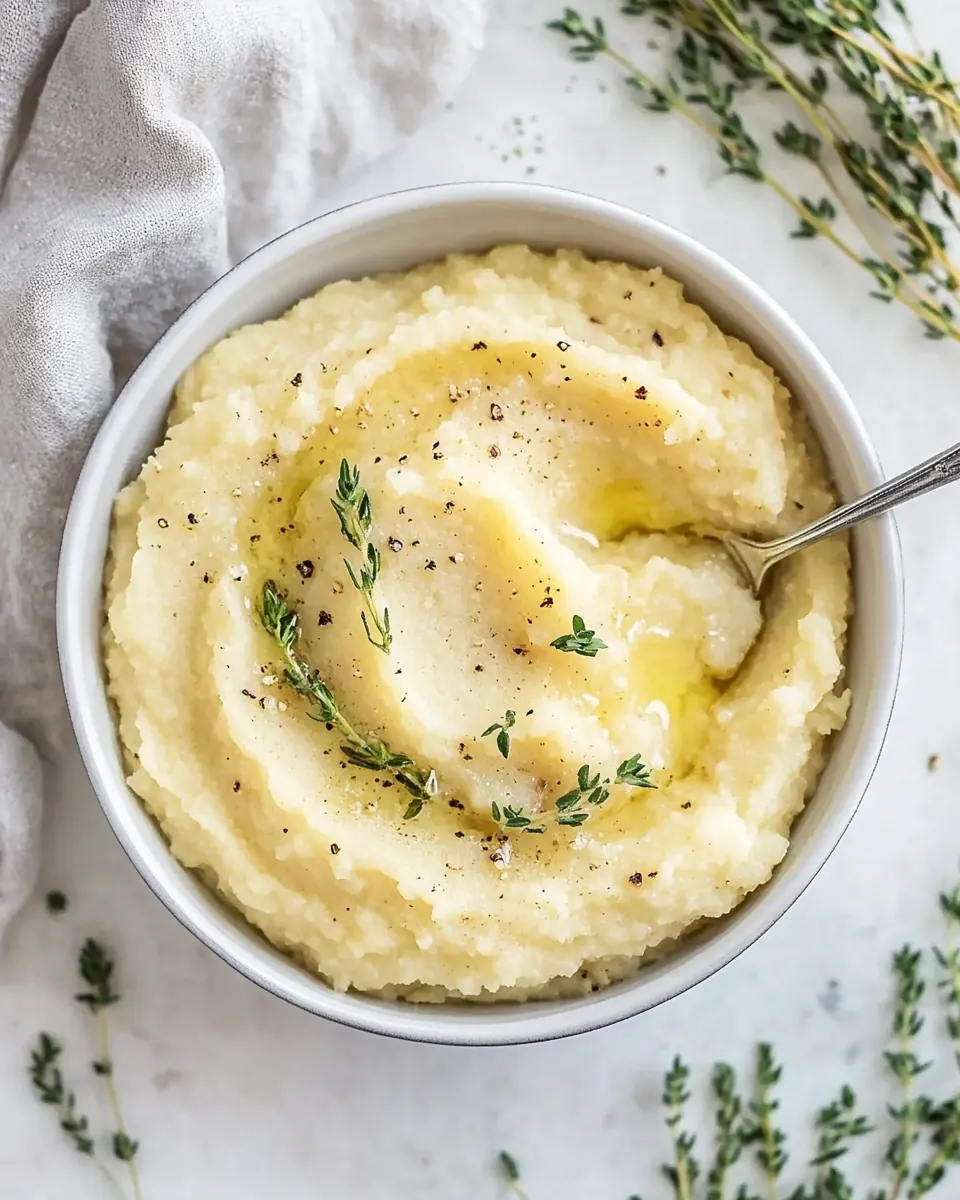
Parsnip Puree is one of those comfort side dishes I turn to when I want something silky, subtly sweet, and quietly special on the plate.
Growing up, my family always had a vegetable that felt a little unexpected but somehow essential, and for me that turned out to be the humble parsnip. I remember the first time I roasted a head of garlic to fold into a soft, warm mash of root vegetables, and how that caramelized aroma filled the kitchen and stopped everyone in their tracks. Over time I refined the method until the texture felt like velvet and the balance of savory and sweet was just right, and the result became my go to for winter dinners and holiday spreads alike.
When I make Parsnip Puree now, I like to think of it as more than a side, it is a quiet supporting actor that elevates a main course. The roast garlic is key, lending a mellow, nutty depth without sharpness, while the little bit of Yukon Gold potato helps the texture become luxuriously smooth. A splash of half & half and a few tablespoons of unsalted butter bind everything into a creamy, luscious finish that warms from the inside out. I often garnish with fresh thyme and a dusting of Parmesan to add an herbaceous lift and a touch of savory saltiness.
Recipe Snapshot
1 hr 10 mins
15 mins
55 mins
Medium
220 kcal
American
Gluten-Free, Low FODMAP
Side Dishes
Oven, Foil, Medium saucepan, Immersion blender, Oven safe dish
What’s Great About This Parsnip Puree
Comforting creamy texture
I adore how Parsnip Puree transforms simple roots into something silky and lush. The combination of boiled parsnips and a small amount of Yukon Gold potato produces a body that is both stable and indulgent, so you get that luxurious mouthfeel without feeling heavy.
Layered savory flavor
Roasting a head of garlic before folding it in gives the puree a mellow, caramel like sweetness that complements the natural sweet notes of the parsnips. I find that the balance between the roasted garlic, nutty Parmesan, and bright thyme keeps the dish interesting on the palate.
Versatile side for many occasions
Whether I am hosting a quiet winter supper or plating a holiday spread, Parsnip Puree fits in seamlessly. It pairs beautifully with roasted proteins or vegetarian mains, and it can be dressed up with extra herbs or a drizzle of good olive oil for company.
Make ahead and simple to reheat
I appreciate recipes that give me breathing room, and this puree reheats very well. Stored in an airtight container, it keeps for a few days and can be refreshed with a bit more half & half and a quick whisk or gentle heat to bring back its creamy consistency.
Elegant but forgiving technique
The methods here are approachable, so I often recommend it to cooks who want to expand their repertoire. The immersion blender gives you control over texture, and you can choose chunky or perfectly smooth depending on your mood.
Ingredients Required for Parsnip Puree
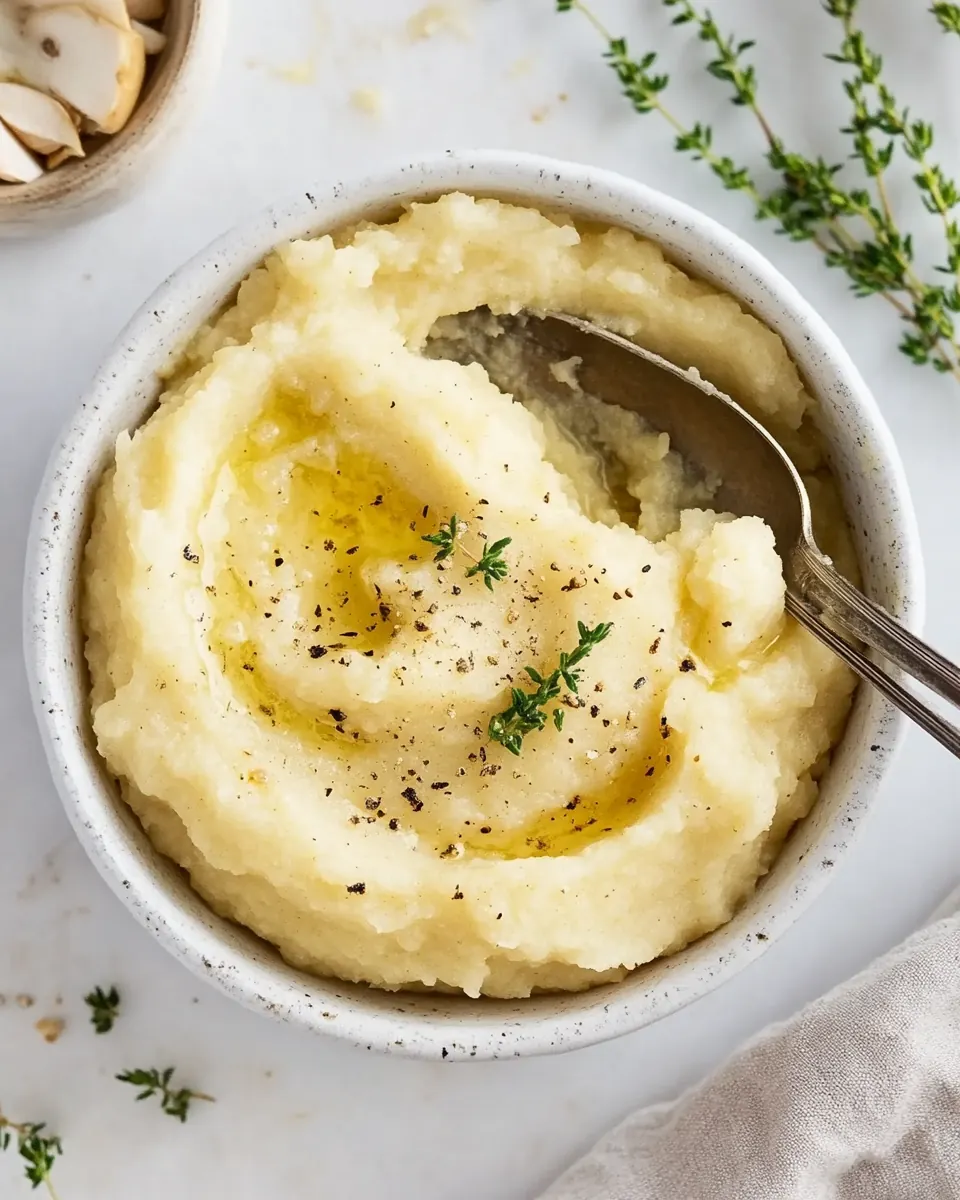
These ingredients are intentionally few but purposeful. The core idea is to highlight the sweet, earthy character of parsnips while using a small amount of Yukon Gold potato to improve texture. The roasted garlic contributes depth without harshness, and dairy like half & half and unsalted butter provide creaminess. A touch of Parmesan and fresh thyme rounds the flavor profile with savory and herbal notes.
- 1 medium-sized head garlic: Roast or soften to mellow pungency and create a sweet, caramelized base that enriches the puree; heads can be halved and roasted whole or minced and lightly sautéed to release flavor and aroma over low heat.
- 1 teaspoon olive oil: Use sparingly to coat and sauté aromatics, preventing sticking while adding a hint of fruitiness that complements the puréed vegetables without overpowering them.
- 4 cups peeled diced parsnips about 5 large parsnips: Boil or simmer until tender to provide the primary body and sweet, earthy flavor of the puree; diced form ensures even cooking and smooth blending for a velvety texture.
- 1/2 cup peeled and diced Yukon Gold potato about 1 medium potato: Cook alongside parsnips to add creamy starchiness and help achieve a smoother, silkier mouthfeel in the final purée while balancing sweetness with subtle butteriness.
- 1 1/2 teaspoons Morton kosher salt divided: Season during cooking to enhance natural flavors and balance sweetness; dividing allows initial seasoning of the cooking water and later adjustment for finishing taste.
- 1/4 teaspoon freshly cracked black pepper: Season lightly to provide a mild, fruity heat that lifts the overall flavor profile without dominating delicate parsnip notes; freshly cracked form gives brighter aromatics.
- 1/4 cup half & half: Add richness and a touch of creaminess when warmed and stirred in, helping to create a smoother, more luxurious texture while softening sharper flavors.
- 4 tablespoons unsalted butter: Enrich the puree with fat for a glossy finish and creamy mouthfeel; melt into the hot purée to bind and round flavors while contributing a buttery taste.
- 1 teaspoon minced fresh thyme plus a bit more for garnish: Infuse fresh herbal brightness and subtle woodsy notes; minced form distributes flavor evenly and a small additional amount as garnish enhances aroma and presentation.
- 1/2 cup grated Parmesan: Fold in for savory, nutty umami and a slightly salty finish that deepens flavor complexity; grating allows it to melt smoothly into the hot purée for cohesive taste.
Cooking Instructions for Parsnip Puree
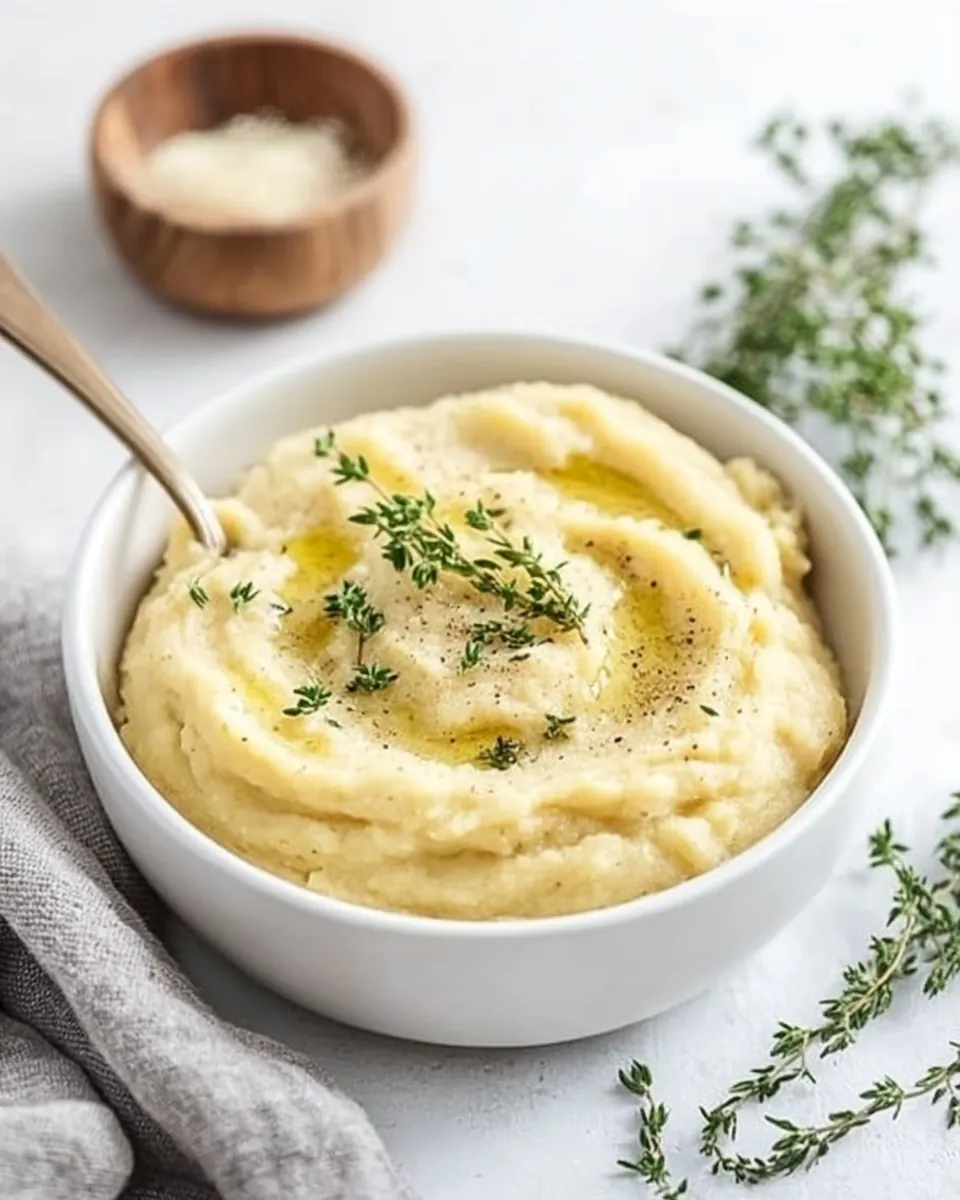
These instructions will guide you through roasting, boiling, and pureeing with mindful sensory cues so you can nail the texture and flavor. Keep an ear out for gentle simmering and look for golden roasted notes from the garlic.
- Preheat oven to 400° F.: You should smell a faint clean warmth from your oven as it reaches temperature, which ensures even garlic roasting. Use an oven thermometer if yours is unreliable. Common mistake, setting the wrong temperature leads to under roasted garlic .
- Cut 1/4” off the top of the head of garlic, making sure that all of the cloves are cut open and the root and bulb remain intact. Place garlic bulb on a double layer of foil, then drizzle the cut side of the garlic with olive oil.: The exposed tops will caramelize and release a heady, sweet aroma when roasted, signaling readiness. Keep the bulb intact so cloves steam gently rather than drying out. Avoid slicing too deeply, which can cause the cloves to fall out and burn.
- Wrap the garlic up loosely with the foil and place it in a small oven-safe dish. Roast for about 35 minutes, or until the garlic is golden brown, softened, and fragrant. Set aside to cool.: The oil encourages browning and gives the garlic a glossy, golden finish. The scent should shift from sharp to warm and toasty as it roasts. Too little oil can result in dry, unevenly roasted cloves.
- Add the parsnips, potato, and 1 teaspoon salt to a medium saucepan. Add enough water to just barely cover the vegetables and then place the pan over high heat.: Wrapping retains steam while allowing the cut surface to roast, producing tender, squeezable cloves. The dish catches any drips and keeps the oven clean. Wrapping too tightly can trap moisture and reduce caramelization.
- Bring the water to a boil and then reduce the heat to medium to medium-high. Boil for 17-20 minutes, or until the parsnips are fork tender.: When done you will see deeply golden tips and feel soft cloves when pressed, the smell will be sweet and nutty rather than sharp. Let it cool slightly so you can handle it. If you remove it too early the garlic will taste raw and pungent.
- Drain the water and return the vegetables to the pan. Add the remaining 1/2 teaspoon salt, pepper, half & half, butter, and thyme.: Cooling lets the garlic mellow further and makes squeezing the cloves out much easier without burns. Rushing this step can lead to lost juices or burns when handling hot cloves.
- Squeeze the roasted garlic out of the skins and into the parsnip puree.: At this stage you will notice the fresh vegetal scent of the chopped parsnips and Yukon Gold potato . The salt in the water begins seasoning from the inside out, which is key for depth of flavor. Overcrowding the pan will cause uneven cooking.
- Use an immersion blender on low speed to mash the vegetables. Increase the speed of the blender and continue to puree until you reach your desired consistency. Blend as little or as much as you like, from a bit chunky to completely smooth.: The visual cue is the water line just above the pieces so they steam and boil evenly rather than dilute. Starting on high brings the liquid to a boil efficiently. Too much water will leach flavor into the cooking liquid.
- Stir in the grated Parmesan and season with additional salt and pepper, if needed. Transfer to a serving dish, if desired. Sprinkle with additional fresh thyme leaves, if desired. Enjoy hot.: Listen for a lively boil that calms to a steady simmer, which is ideal for even tenderizing without falling apart. You want a gentle rolling bubble, not a violent boil. Boiling too hard can shred the pieces and make them mushy.
- Boil for 17 to 20 minutes or until the parsnips are fork tender.: Test by piercing a chunk with a fork, it should slide in easily and feel soft but not collapsing. The kitchen will begin to smell sweet and starchy as the roots cook. Undercooking will leave fibrous bits, overcooking will waterlog the vegetables.
- Drain the water and return the vegetables to the pan.: Drain thoroughly so the puree does not become watery, then place the warm pieces back into the pan to allow residual steam to evaporate a touch. Leaving excess water will dilute flavor and affect texture.
- Add the remaining 1/2 teaspoon salt pepper half & half butter and thyme.: As these warm ingredients hit the hot vegetables you will see a gentle glossy sheen and smell a rich, herbaceous lift from the thyme . The dairy and butter help bind and enrich the final mouthfeel. Adding cold dairy straight from the fridge can momentarily cool the mixture.
- Squeeze the roasted garlic out of the skins and into the parsnip puree.: The roasted cloves should be soft and spreadable, releasing a sweet, caramel like perfume that melds into the mix. Work carefully to avoid any papery bits from the skins. If the garlic is under roasted it will bring a harsh edge.
- Use an immersion blender on low speed to mash the vegetables.: Start low to break down the pieces gently, you will hear a soft whir and see the texture begin to smooth. This preserves a creamy body without overworking starches. A common error is blasting at high speed from the start which can create a gluey texture.
- Increase the speed of the blender and continue to puree until you reach your desired consistency.: As the speed increases the mixture will transform visually into a cohesive, velvety mass, and the aroma becomes richer and more integrated. Stop when you achieve the balance you want, from slightly chunky to silky smooth. Over blending for too long can warm the puree excessively and change the mouthfeel.
- Blend as little or as much as you like from a bit chunky to completely smooth.: The choice affects texture and how the puree pairs with a main dish, chunkier for rustic plates and smoother for elegant presentations. Taste as you go to adjust seasonings. Forgetting to taste is a common oversight that can leave the dish under seasoned.
- Stir in the grated Parmesan and season with additional salt and pepper if needed.: Off heat, the Parmesan melts into the warm puree adding savory umami and a rounded finish, and additional seasoning should be adjusted carefully to avoid over salting. Test a small spoonful to balance. Adding cheese while the mixture is too hot can make it stringy rather than integrated.
- Transfer to a serving dish if desired.: Look for a smooth shine and even texture as you spoon it into a bowl, finishing with a flourish of fresh thyme for color and aroma. Present warm for best texture and flavor. Letting it sit too long will form a skin and cool the fats.
- Sprinkle with additional fresh thyme leaves if desired.: The herb adds a final visual and aromatic note, the green flecks contrast with the pale puree and release a bright scent when served. Add just before serving for maximum freshness. Over garnishing can mask the delicate root flavors.
- Enjoy hot.: Serve promptly so the texture is luxuriously warm and the flavors are vivid, and notice how the garlic and Parmesan harmonize with the sweet parsnips . Leaving it to cool will dull the flavors and tighten the texture.
Variations to Try
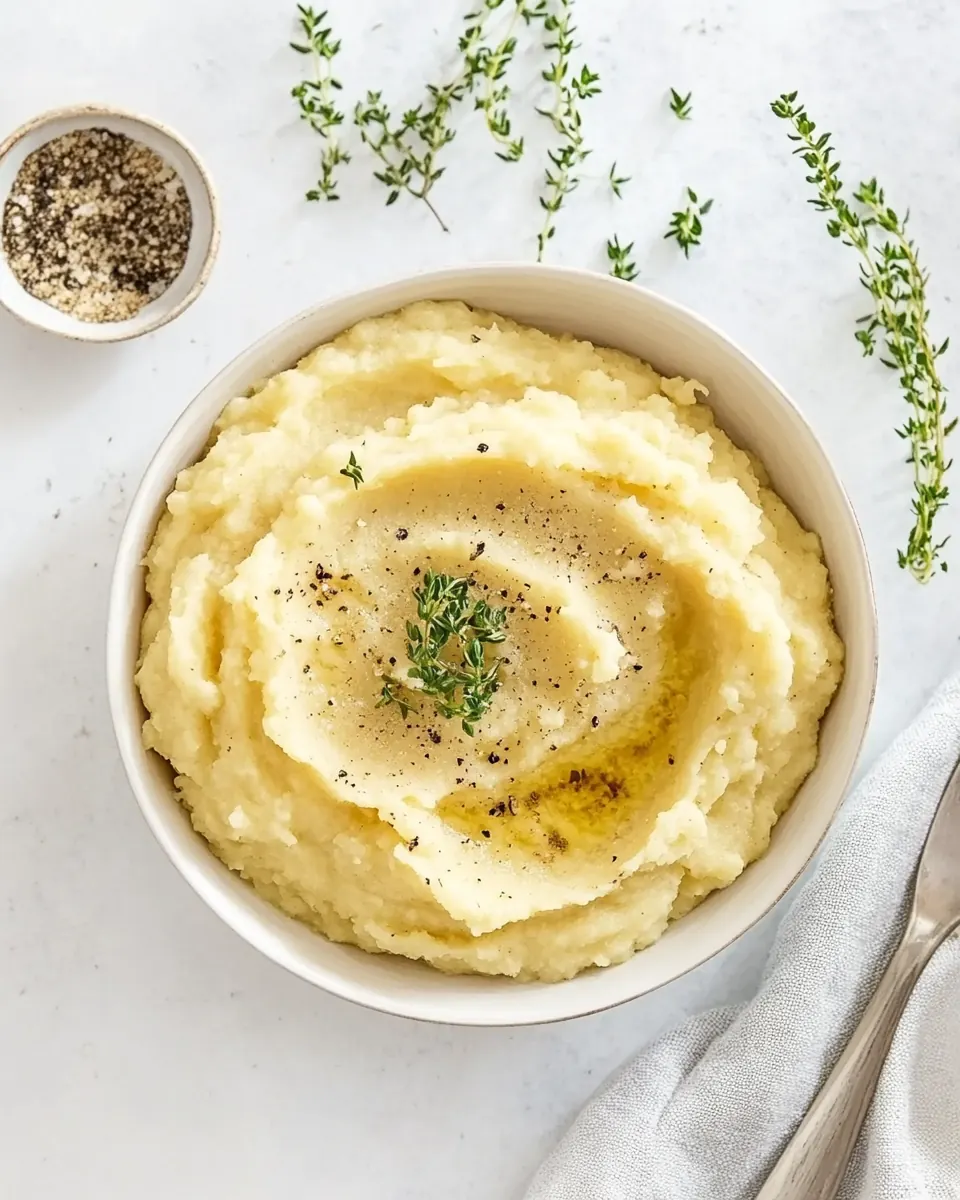
This puree is a great canvas for small tweaks. Below are practical variations and ideas to change texture or flavor, each expanded into a full tip to help you decide how to adapt the recipe for different meals.
- Smoky finish: Add a very small amount of smoked ingredient like smoked paprika or smoked salt sparingly to introduce a hint of smoke that complements the sweet parsnips without overpowering them.
- Herb intensive: Fold in extra fresh minced herbs such as finely chopped thyme at the end for a brighter aromatic profile that lifts the creamy base.
- Extra creamy: Increase the half & half slightly or substitute with a higher fat dairy if you want a richer mouthfeel, being careful to rewarm gently so it integrates smoothly.
- Chunky rustic: Pulse less with the immersion blender and reserve some diced cooked parsnips for texture, which works nicely with heartier mains.
- Cheesy boost: Stir in a touch more Parmesan for additional umami, tasting as you go to prevent over salting.
Perfect Pairings for Parsnip Puree
Parsnip Puree is versatile and warms the table for winter meals or special gatherings. Here are serving ideas, occasions, storage suggestions, and seasonal notes to help you pair it beautifully.
- Classic roast pairing: Serve alongside roasted beef or lamb for a comforting winter dinner, the puree adding creaminess that complements robust roasted flavors.
- Poultry and herbs: Pair with roasted chicken or turkey, using extra fresh thyme on both elements to create a cohesive herb driven plate ideal for holiday meals.
- Vegetarian plate: Offer as the centerpiece for a composed vegetarian main with roasted mushrooms and braised greens, the puree acting as a creamy base for toppings.
- Occasions: Ideal for winter dinners, weekend family meals, or holiday spreads where you want an elegant but approachable side dish that everyone will enjoy.
- Presentation tips: Serve warm in a shallow bowl with a pat of melted butter or a sprinkle of grated Parmesan and a few thyme leaves for a polished look.
- Storage: Refrigerate leftovers in an airtight container for up to three days, and reheat gently with a splash of half & half to restore creaminess.
- Seasonal pairing: This puree shines in winter when parsnips are at their sweetest, making it an excellent accompaniment to root vegetable focused menus.
FAQ
Conclusion
What makes this recipe special is how it elevates humble roots into a silky, flavorful side that feels both cozy and refined. I encourage you to try it because the technique is simple yet rewarding, and a small roast of garlic transforms the dish more than you might expect. Whether for a weeknight meal or a holiday table, this puree brings warmth, balance, and a touch of elegance to the plate while remaining approachable and forgiving to prepare.
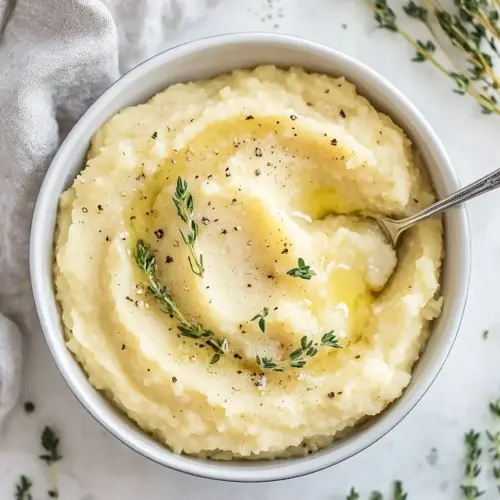
Parsnip Puree
Equipment
- Oven
- Foil
- Medium Saucepan
- Immersion Blender
- Oven-safe Dish
Ingredients
- 1 medium-sized head garlic Roast or soften to mellow pungency and create a sweet, caramelized base that enriches the puree; heads can be halved and roasted whole or minced and lightly sautéed to release flavor and aroma over low heat.
- 1 teaspoon olive oil Use sparingly to coat and sauté aromatics, preventing sticking while adding a hint of fruitiness that complements the puréed vegetables without overpowering them.
- 4 cups peeled diced parsnips about 5 large parsnips Boil or simmer until tender to provide the primary body and sweet, earthy flavor of the puree; diced form ensures even cooking and smooth blending for a velvety texture.
- 1/2 cup peeled and diced Yukon Gold potato about 1 medium potato Cook alongside parsnips to add creamy starchiness and help achieve a smoother, silkier mouthfeel in the final purée while balancing sweetness with subtle butteriness.
- 1 1/2 teaspoons Morton kosher salt divided Season during cooking to enhance natural flavors and balance sweetness; dividing allows initial seasoning of the cooking water and later adjustment for finishing taste.
- 1/4 teaspoon freshly cracked black pepper Season lightly to provide a mild, fruity heat that lifts the overall flavor profile without dominating delicate parsnip notes; freshly cracked form gives brighter aromatics.
- 1/4 cup half & half Add richness and a touch of creaminess when warmed and stirred in, helping to create a smoother, more luxurious texture while softening sharper flavors.
- 4 tablespoons unsalted butter Enrich the puree with fat for a glossy finish and creamy mouthfeel; melt into the hot purée to bind and round flavors while contributing a buttery taste.
- 1 teaspoon minced fresh thyme plus a bit more for garnish Infuse fresh herbal brightness and subtle woodsy notes; minced form distributes flavor evenly and a small additional amount as garnish enhances aroma and presentation.
- 1/2 cup grated Parmesan Fold in for savory, nutty umami and a slightly salty finish that deepens flavor complexity; grating allows it to melt smoothly into the hot purée for cohesive taste.
Instructions
- Preheat oven to 400° F.: You should smell a faint clean warmth from your oven as it reaches temperature, which ensures even garlic roasting. Use an oven thermometer if yours is unreliable. Common mistake, setting the wrong temperature leads to under roasted garlic .
- Cut 1/4” off the top of the head of garlic, making sure that all of the cloves are cut open and the root and bulb remain intact. Place garlic bulb on a double layer of foil, then drizzle the cut side of the garlic with olive oil.: The exposed tops will caramelize and release a heady, sweet aroma when roasted, signaling readiness. Keep the bulb intact so cloves steam gently rather than drying out. Avoid slicing too deeply, which can cause the cloves to fall out and burn.
- Wrap the garlic up loosely with the foil and place it in a small oven-safe dish. Roast for about 35 minutes, or until the garlic is golden brown, softened, and fragrant. Set aside to cool.: The oil encourages browning and gives the garlic a glossy, golden finish. The scent should shift from sharp to warm and toasty as it roasts. Too little oil can result in dry, unevenly roasted cloves.
- Add the parsnips, potato, and 1 teaspoon salt to a medium saucepan. Add enough water to just barely cover the vegetables and then place the pan over high heat.: Wrapping retains steam while allowing the cut surface to roast, producing tender, squeezable cloves. The dish catches any drips and keeps the oven clean. Wrapping too tightly can trap moisture and reduce caramelization.
- Bring the water to a boil and then reduce the heat to medium to medium-high. Boil for 17-20 minutes, or until the parsnips are fork tender.: When done you will see deeply golden tips and feel soft cloves when pressed, the smell will be sweet and nutty rather than sharp. Let it cool slightly so you can handle it. If you remove it too early the garlic will taste raw and pungent.
- Drain the water and return the vegetables to the pan. Add the remaining 1/2 teaspoon salt, pepper, half & half, butter, and thyme.: Cooling lets the garlic mellow further and makes squeezing the cloves out much easier without burns. Rushing this step can lead to lost juices or burns when handling hot cloves.
- Squeeze the roasted garlic out of the skins and into the parsnip puree.: At this stage you will notice the fresh vegetal scent of the chopped parsnips and Yukon Gold potato . The salt in the water begins seasoning from the inside out, which is key for depth of flavor. Overcrowding the pan will cause uneven cooking.
- Use an immersion blender on low speed to mash the vegetables. Increase the speed of the blender and continue to puree until you reach your desired consistency. Blend as little or as much as you like, from a bit chunky to completely smooth.: The visual cue is the water line just above the pieces so they steam and boil evenly rather than dilute. Starting on high brings the liquid to a boil efficiently. Too much water will leach flavor into the cooking liquid.
- Stir in the grated Parmesan and season with additional salt and pepper, if needed. Transfer to a serving dish, if desired. Sprinkle with additional fresh thyme leaves, if desired. Enjoy hot.: Listen for a lively boil that calms to a steady simmer, which is ideal for even tenderizing without falling apart. You want a gentle rolling bubble, not a violent boil. Boiling too hard can shred the pieces and make them mushy.
- Boil for 17 to 20 minutes or until the parsnips are fork tender.: Test by piercing a chunk with a fork, it should slide in easily and feel soft but not collapsing. The kitchen will begin to smell sweet and starchy as the roots cook. Undercooking will leave fibrous bits, overcooking will waterlog the vegetables.
- Drain the water and return the vegetables to the pan.: Drain thoroughly so the puree does not become watery, then place the warm pieces back into the pan to allow residual steam to evaporate a touch. Leaving excess water will dilute flavor and affect texture.
- Add the remaining 1/2 teaspoon salt pepper half & half butter and thyme.: As these warm ingredients hit the hot vegetables you will see a gentle glossy sheen and smell a rich, herbaceous lift from the thyme . The dairy and butter help bind and enrich the final mouthfeel. Adding cold dairy straight from the fridge can momentarily cool the mixture.
- Squeeze the roasted garlic out of the skins and into the parsnip puree.: The roasted cloves should be soft and spreadable, releasing a sweet, caramel like perfume that melds into the mix. Work carefully to avoid any papery bits from the skins. If the garlic is under roasted it will bring a harsh edge.
- Use an immersion blender on low speed to mash the vegetables.: Start low to break down the pieces gently, you will hear a soft whir and see the texture begin to smooth. This preserves a creamy body without overworking starches. A common error is blasting at high speed from the start which can create a gluey texture.
- Increase the speed of the blender and continue to puree until you reach your desired consistency.: As the speed increases the mixture will transform visually into a cohesive, velvety mass, and the aroma becomes richer and more integrated. Stop when you achieve the balance you want, from slightly chunky to silky smooth. Over blending for too long can warm the puree excessively and change the mouthfeel.
- Blend as little or as much as you like from a bit chunky to completely smooth.: The choice affects texture and how the puree pairs with a main dish, chunkier for rustic plates and smoother for elegant presentations. Taste as you go to adjust seasonings. Forgetting to taste is a common oversight that can leave the dish under seasoned.
- Stir in the grated Parmesan and season with additional salt and pepper if needed.: Off heat, the Parmesan melts into the warm puree adding savory umami and a rounded finish, and additional seasoning should be adjusted carefully to avoid over salting. Test a small spoonful to balance. Adding cheese while the mixture is too hot can make it stringy rather than integrated.
- Transfer to a serving dish if desired.: Look for a smooth shine and even texture as you spoon it into a bowl, finishing with a flourish of fresh thyme for color and aroma. Present warm for best texture and flavor. Letting it sit too long will form a skin and cool the fats.
- Sprinkle with additional fresh thyme leaves if desired.: The herb adds a final visual and aromatic note, the green flecks contrast with the pale puree and release a bright scent when served. Add just before serving for maximum freshness. Over garnishing can mask the delicate root flavors.
- Enjoy hot.: Serve promptly so the texture is luxuriously warm and the flavors are vivid, and notice how the garlic and Parmesan harmonize with the sweet parsnips . Leaving it to cool will dull the flavors and tighten the texture.
Notes
- Smoky finish: Add a very small amount of smoked ingredient like smoked paprika or smoked salt sparingly to introduce a hint of smoke that complements the sweet parsnips without overpowering them.
- Herb intensive: Fold in extra fresh minced herbs such as finely chopped thyme at the end for a brighter aromatic profile that lifts the creamy base.
- Extra creamy: Increase the half & half slightly or substitute with a higher fat dairy if you want a richer mouthfeel, being careful to rewarm gently so it integrates smoothly.
- Chunky rustic: Pulse less with the immersion blender and reserve some diced cooked parsnips for texture, which works nicely with heartier mains.
- Cheesy boost: Stir in a touch more Parmesan for additional umami, tasting as you go to prevent over salting.