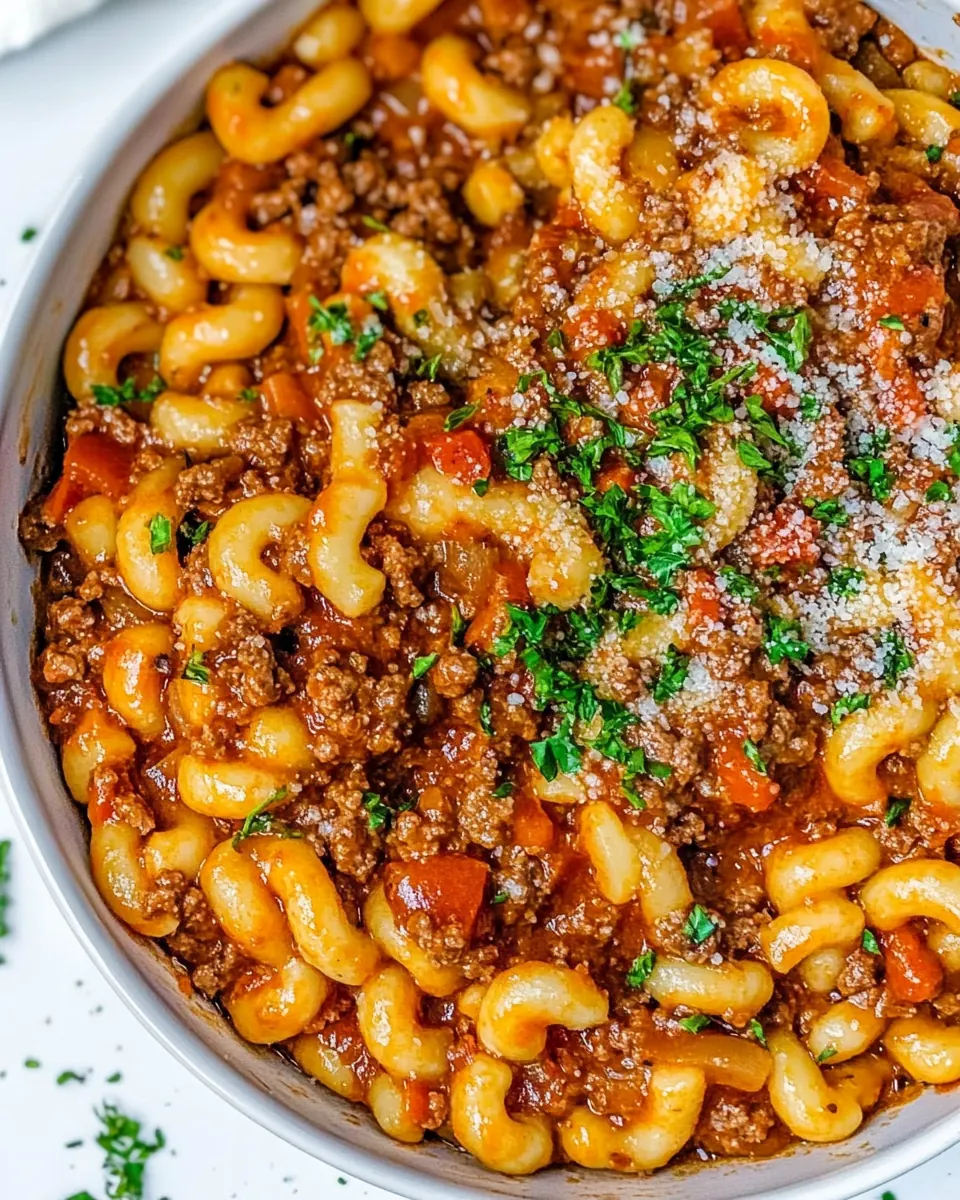
Classic American Goulash
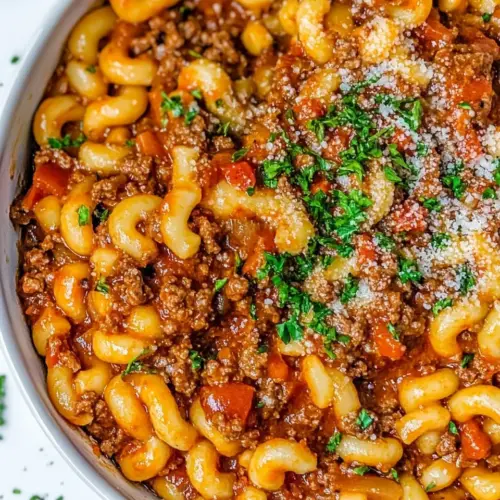
Classic American Goulash has been a kitchen lifesaver in my house for years, the kind of meal I turn to when I need something hearty, straightforward, and crowd pleasing. I learned to make it from my grandmother, who would call it a weeknight miracle, and I still remember the way the scent of simmering tomatoes and browned beef filled her small kitchen, making everyone gravitate toward the stove. Over time I tweaked a few things to suit our tastes, and this version is the one I go back to when I want comfort without fuss.
There are evenings when I come home tired from work, and the idea of elaborate prep feels impossible, yet I still want a real, homey dinner. That is when I reach for the pantry staples and the trusty dutch oven, and within an hour we have a bubbling pot of Classic American Goulash. Kids love it for the cheesy finish, and adults appreciate the savory depth from a splash of soy sauce and the balance of diced tomatoes plus passata.
Recipe Snapshot
60 mins
15 mins
45 mins
Medium
500 kcal
American
Keto, Gluten-Free
Dinner
6 Quart Dutch Oven
Why You Need This Classic American Goulash
It is unfussy weeknight comfort
I adore how Classic American Goulash turns minimal effort into a full bodied meal. You do not need complicated techniques or rare pantry items, so it is the kind of recipe I can make after a long day and still feel proud to serve.
It stretches well for families
When I serve this, there is always enough for seconds and often for lunches the next day. The recipe scales easily, so if friends drop by, I can double the batch without changing the process, which is a big reason I keep it in heavy rotation.
The flavors are layered but accessible
Between the browned ground beef, aromatic onion, and the tomato blend of diced tomatoes plus passata, every bite hits comforting savory notes. The subtle umami from the soy sauce lifts the sauce without tasting overtly soy forward, and that little trick is something I rely on to deepen the profile.
It is versatile and kid friendly
My kids always ask for extra cheddar cheese stirred in at the end, and I happily oblige. You can serve it plain, or dress it up a bit for guests. That adaptability makes it a staple in my weeknight lineup, because it satisfies picky eaters and adults at once.
Leftovers improve the dish
I actually prefer leftovers the next day, when the flavors have had time to meld. If I know I will be eating it again, I make a touch less broth to encourage a thicker texture that reheats beautifully with a splash of extra broth if needed.
What Goes Into Classic American Goulash
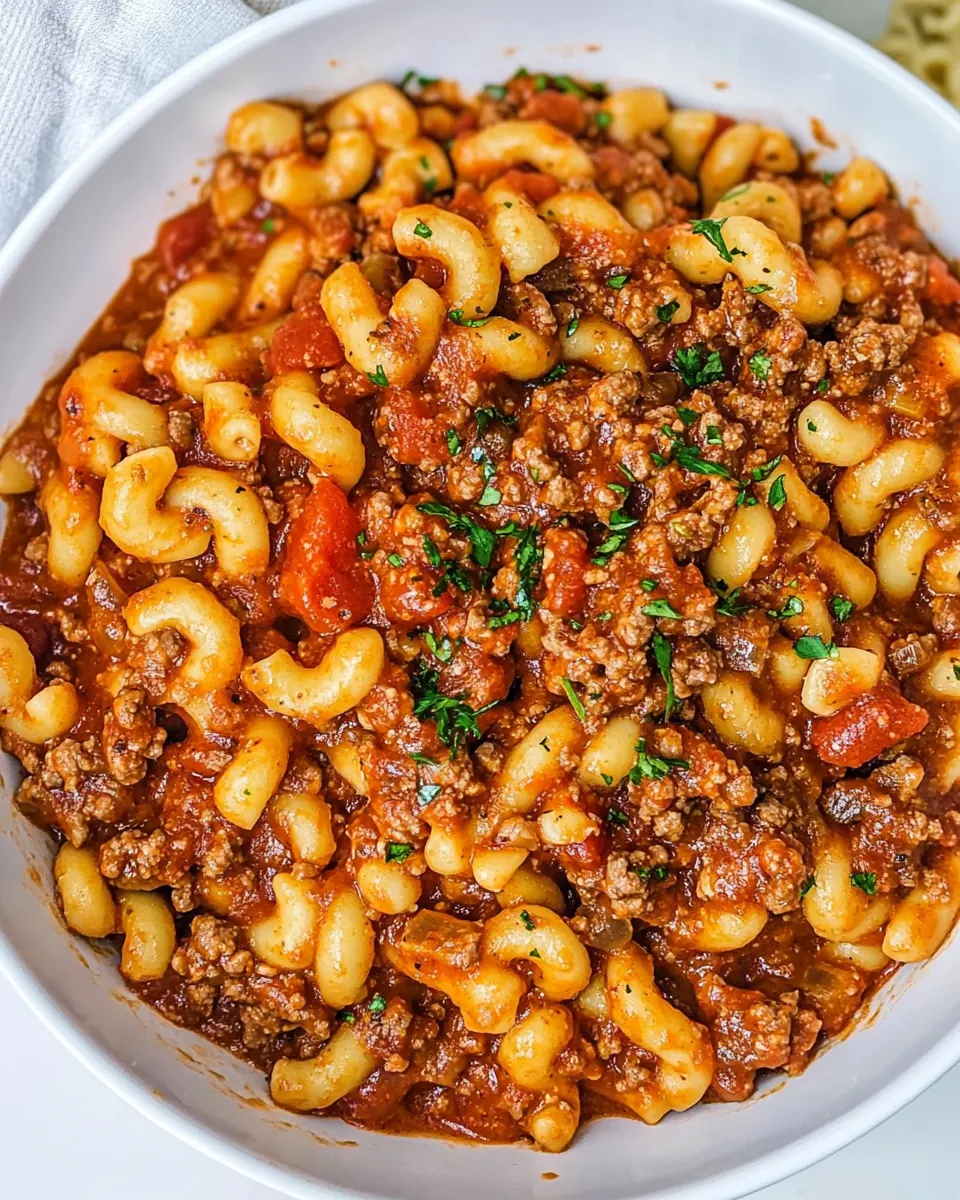
These ingredients are simple pantry and fridge staples that work in harmony. I think of the ground beef and beef broth as the backbone, giving meatiness and body. The tomato combo provides both texture and silky sauciness, while the elbow macaroni soaks up the sauce and makes each bite satisfying. Aromatics like onion and garlic build base flavor, and the finishing cheddar cheese adds creaminess and a familiar, comforting note.
- 1 tablespoon olive oil: Sauté briefly to provide a healthy cooking fat and a subtle fruity base that helps brown and flavor the meat; enhances mouthfeel and prevents sticking during browning.
- 1 1/2 pounds ground beef (lean or extra lean): Brown thoroughly to form savory caramelized bits that build the dish’s meaty depth and provide protein and texture; choose lean for less fat and extra lean to reduce rendered grease.
- 1/2 teaspoons salt (or to taste): Season judiciously to balance and enhance overall flavors; helps bring out natural sweetness in tomatoes and ties salt-sensitive components together.
- 1/2 teaspoon pepper (or to taste): Season sparingly to add mild heat and complexity while lifting savory notes; balances richness from the beef and cheese for a rounded flavor profile.
- 1 tablespoon Italian seasoning: Season generously to introduce aromatic Mediterranean herbs that add warmth and complexity; blends with tomato components to create an herbaceous backbone.
- 1 medium yellow onion (chopped): Sweat until softened to release natural sugars and aromatic richness; creates a savory foundation that melds with garlic and seasonings.
- 3 cloves garlic (minced): Mince finely to infuse sharp, pungent aromatic flavor throughout the sauce; provides a fragrant counterpoint to tomatoes and beef.
- 28 ounces diced tomatoes (1 can): Simmer as a chunky acidic base that contributes sweetness, acidity, and texture; combines with passata to create layered tomato flavor and contributes liquid for cooking pasta.
- 2 cups passata (or tomato sauce): Pour in to create a smooth, concentrated tomato body that thickens the sauce and provides consistent tomato flavor; helps achieve a cohesive sauce texture.
- 2 tablespoons soy sauce: Add modestly to deepen umami and saltiness, enhancing savory complexity; helps round flavors when reduced with the sauce.
- 2 cups beef broth (low sodium): Pour in to supply a savory liquid medium for simmering and cooking the pasta; contributes beefy depth while controlling overall salt and dilution.
- 2 bay leaves: Steep during simmering to impart subtle floral and herbal notes that enhance complexity; remove before serving to avoid an overpowering herbal taste.
- 2 cups elbow macaroni (dry, uncooked): Cook until al dente to provide the classic tender, slightly chewy pasta component that soaks up sauce; acts as the carbohydrate base that makes the dish hearty and filling.
- 1 1/2 cups cheddar cheese: Shred and melt to add creamy, tangy richness and a gooey topping that binds components; contributes salty, sharp flavor and pleasing mouthfeel when stirred in or sprinkled on top.
- 1 tablespoon parsley (freshly chopped, for garnish): Garnish freshly to add bright color and a hint of herbaceous freshness; provides visual contrast and a light vegetal finish to cut through richness.
The Method for Classic American Goulash
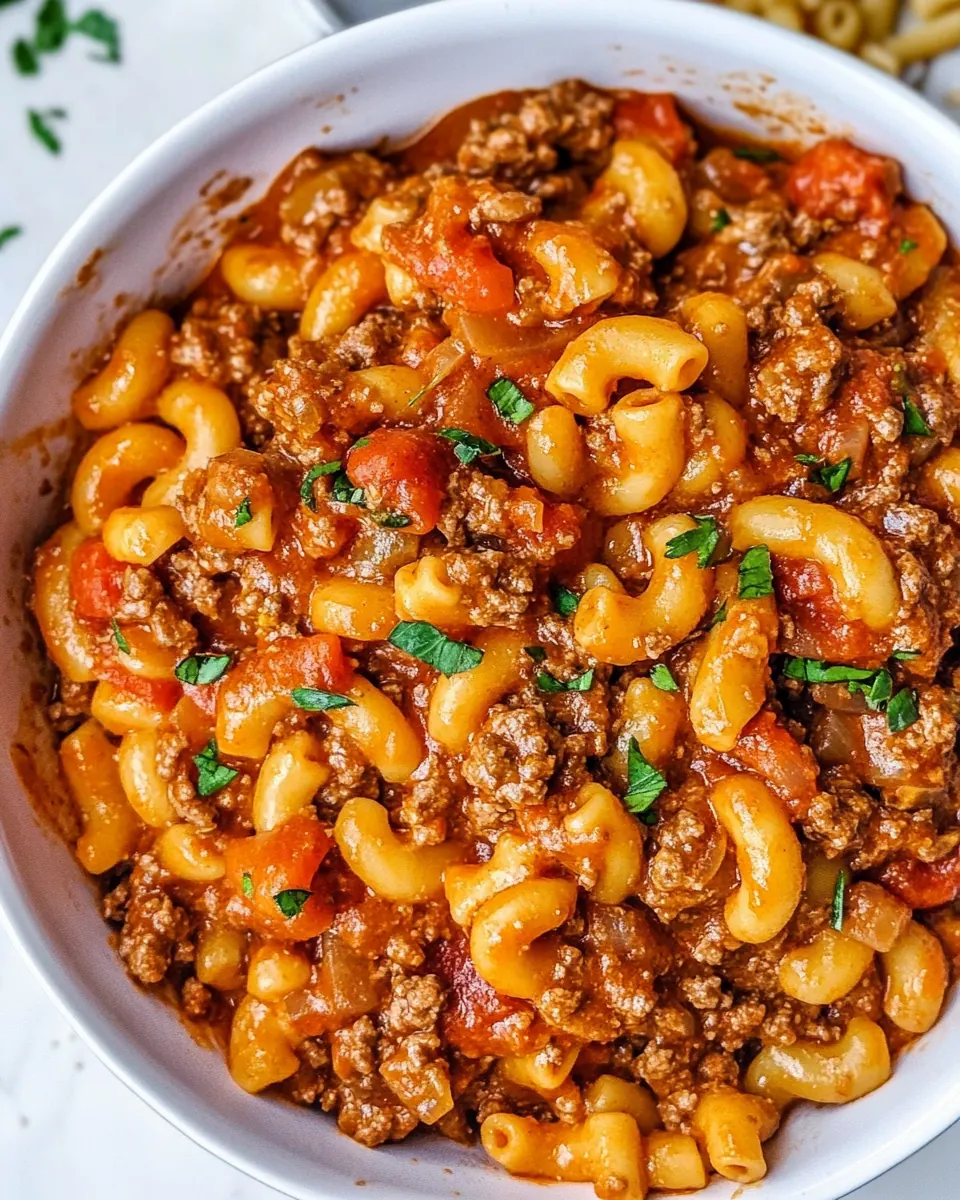
I like a relaxed, hands on approach when making Classic American Goulash. Grab your 6 Quart Dutch Oven and plan to watch the sauce as it simmers so the flavors develop. The steps below follow the original directions but I expand on sensory cues and troubleshooting so you know when you are on the right track.
- Add the olive oil to a large dutch oven over medium-high heat. Add the ground beef, salt and pepper, and cook for 3-4 minutes, breaking it up as it cooks. If needed, discard excess grease from the pan, leaving behind 1-2 tablespoons.: You will hear a lively sizzle as the olive oil meets the hot surface and the ground beef goes in, releasing an immediate savory aroma. As the meat browns, the pan will produce little browned bits that smell nutty and meaty, and these are flavor gold for the sauce. Use a sturdy spoon to break the meat into bite sized pieces so it browns evenly rather than steaming. The visual cue to look for is that the beef changes from bright pink to a deep tan with some darker sear spots. If the pan seems overly greasy, carefully pour off excess fat until only a thin coating remains, leaving a tablespoon or two so the sauce remains flavorful. A common mistake is overcrowding the pan, which causes the meat to steam instead of brown, so work at medium high heat and give the meat room to sear.
- Stir in the Italian seasoning and onion. Cook for another 3-4 minutes, or until the onion softens and becomes translucent. Add the garlic and cook for 1 minute, or until aromatic.: When the onion hits the pot, it should hiss faintly and begin to sweat, releasing a sweet, savory aroma as its edges turn glossy and translucent. The Italian seasoning will release herbal notes that marry with the meat. After the onion softens, adding the minced garlic will create a fragrant lift that you can smell right away; cook it just until you can smell that familiar roasted garlic scent, maybe a minute, because garlic burns quickly and will add bitterness if left too long. Look for softened onion pieces that have lost their raw crunch; that indicates readiness. A typical misstep here is adding garlic too early or cooking it at too high a heat, which gives a burnt, acrid flavor.
- Stir in the diced tomatoes, passata, soy sauce, beef broth, and bay leaves. Bring the mixture to a boil, then reduce the heat to a simmer. Cover and simmer the sauce for 20 minutes, stirring occasionally.: As the canned diced tomatoes and passata hit the pan, the mixture will hiss and then settle into a rolling simmer. You will notice steam rising with a tangy tomato perfume that slowly softens into a deeper, rounded aroma as it cooks. The small addition of soy sauce will subtly deepen the savory base without announcing itself. Bringing it to a gentle boil first helps everything combine and activates the flavors, then lowering to a simmer ensures the sauce thickens slowly, developing body and complexity. Covering helps keep moisture even, but lift the lid occasionally to stir so nothing sticks to the bottom. Over boiling aggressively can reduce too quickly and leave the pasta without enough liquid later, so maintain a steady gentle simmer.
- Add the macaroni and cook, covered, stirring occasionally, for 12-15 minutes or until the noodles are tender.: When you add the elbow macaroni , you will see the pasta sink into the tomato mixture and the surface will look fuller and cloudier as starches release. Keep the pot covered to trap heat and cook the pasta through in the sauce, which allows each piece to absorb flavor. Stir every few minutes to prevent the pasta from clumping and to redistribute heat, especially toward the end when the sauce thickens. The sensory cues are a thicker sauce, softened pasta that yields under a fork but still has slight bite, and a fragrant, cohesive aroma. Undercook and the pasta will feel chalky, overcook and it will be mushy, so start checking at 12 minutes for the right texture.
- Stir in the cheese, garnish with parsley, and serve.: With the pot off the heat or on the lowest setting, stirring in shredded cheddar cheese will create ribbons of creamy orange melting through the sauce, adding a silky mouthfeel and rich finish. The temperature should be warm enough to melt the cheese but not so hot it separates; the ideal cue is a smooth, glossy texture. Finish with freshly chopped parsley for a bright, herbal contrast and a pop of color. A common error is adding cheese to a boiling pot, which can make it grainy, so remove from high heat before incorporating the cheese.
Recipe Variations about Classic American Goulash
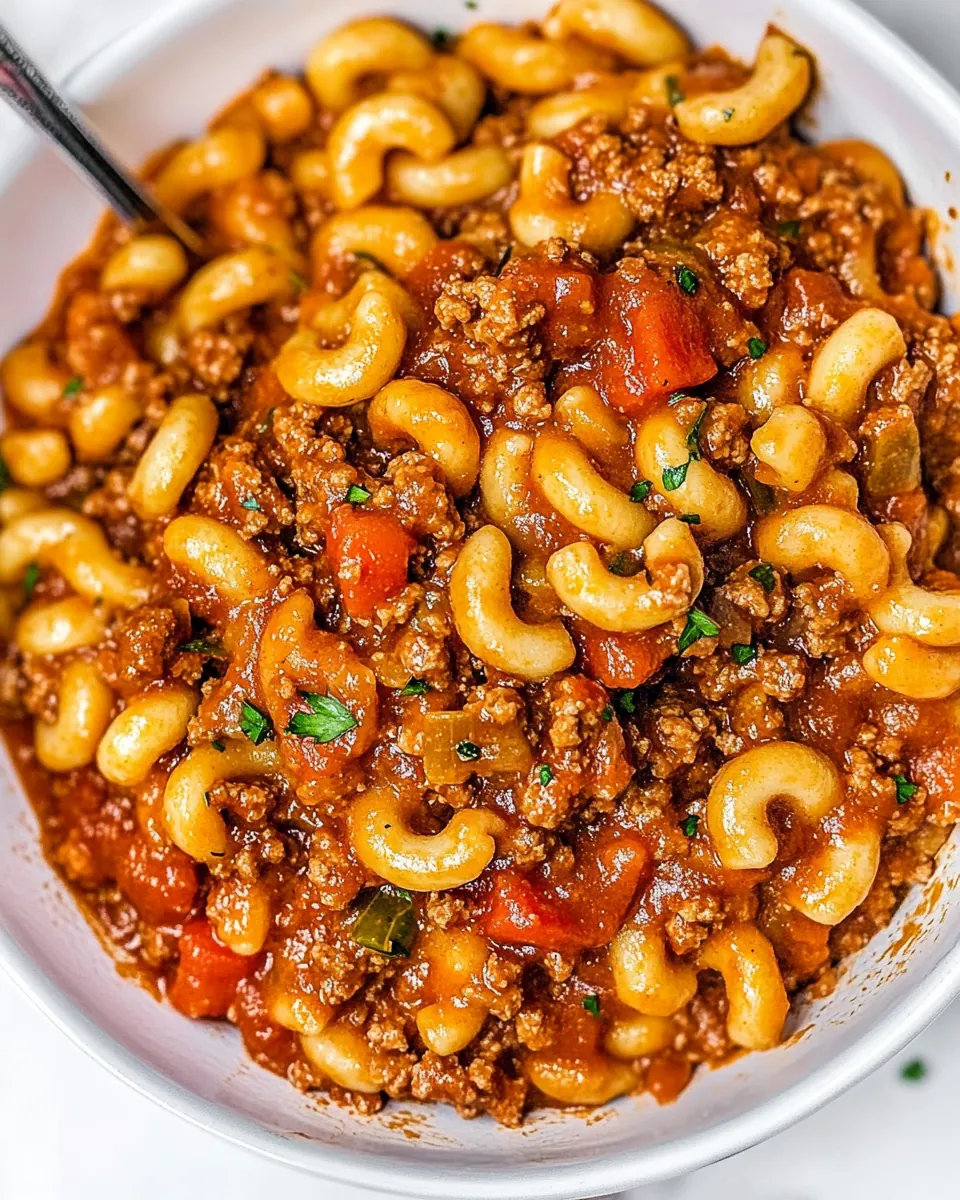
I like to offer a few variations that keep the heart of Classic American Goulash intact while letting you tailor it to what you have on hand. Below are thoughtful tweaks and ideas to change texture, richness, or presentation without straying from the familiar comfort of the dish.
- Make it extra cheesy: Stir an additional half cup of shredded cheddar cheese into each serving right before eating to boost creaminess and melted appeal.
- Pasta swap: Use another short pasta in place of elbow macaroni such as small shells or rotini for different sauce cling characteristics, keeping the cooking time similar.
- Sauce texture tweak: Increase the passata slightly and reduce the diced tomatoes if you prefer a smoother, more uniform sauce without tomato chunks.
- Lower sodium option: Use low sodium beef broth and adjust the salt at the end to better control overall sodium content.
- Make ahead strategy: Prepare the goulash a day early and refrigerate, then reheat gently with a splash of beef broth to loosen the sauce and refresh the texture.
What Complements This Classic American Goulash
This dish pairs with simple sides and is suitable for many occasions, from casual weeknight dinners to packed lunches. Below I outline serving styles, side dish ideas, storage notes, and occasions where this goulash shines, so you can present it confidently.
- Serve with a crisp green salad: A lightly dressed salad adds a refreshing contrast to the warm, hearty goulash and balances richness on the plate.
- Offer crusty bread: A slice of bread lets guests soak up extra sauce, and makes the meal feel more substantial for dinner occasions.
- Family friendly occasions: This is ideal for busy weeknights and casual gatherings where you want comforting food without fuss.
- Make ahead and storage: Store in an airtight container in the refrigerator for up to four days; freeze in portions for longer storage. When reheating, add a little beef broth to restore creaminess.
- Seasonal pairing: In colder months like winter, this hearty goulash is especially comforting and warms up the table with robust flavors.
FAQ
Conclusion
This recipe stands out because it combines familiar, pantry ingredients into a reliably comforting and flavorful one pot meal. I encourage you to give this version of Classic American Goulash a try, whether for a busy weeknight or a cozy weekend dinner. It is forgiving, adaptable, and rewards small adjustments like extra cheese or a splash of broth the next day. Serve it warm, garnish with parsley, and enjoy the kind of easy satisfaction that brings everyone to the table.
Classic American Goulash
Equipment
- 6-quart Dutch Oven
Ingredients
- 1 tablespoon olive oil Sauté briefly to provide a healthy cooking fat and a subtle fruity base that helps brown and flavor the meat; enhances mouthfeel and prevents sticking during browning.
- 1 1/2 pounds ground beef (lean or extra lean) Brown thoroughly to form savory caramelized bits that build the dish’s meaty depth and provide protein and texture; choose lean for less fat and extra lean to reduce rendered grease.
- 1/2 teaspoons salt (or to taste) Season judiciously to balance and enhance overall flavors; helps bring out natural sweetness in tomatoes and ties salt-sensitive components together.
- 1/2 teaspoon pepper (or to taste) Season sparingly to add mild heat and complexity while lifting savory notes; balances richness from the beef and cheese for a rounded flavor profile.
- 1 tablespoon Italian seasoning Season generously to introduce aromatic Mediterranean herbs that add warmth and complexity; blends with tomato components to create an herbaceous backbone.
- 1 medium yellow onion (chopped) Sweat until softened to release natural sugars and aromatic richness; creates a savory foundation that melds with garlic and seasonings.
- 3 cloves garlic (minced) Mince finely to infuse sharp, pungent aromatic flavor throughout the sauce; provides a fragrant counterpoint to tomatoes and beef.
- 28 ounces diced tomatoes (1 can) Simmer as a chunky acidic base that contributes sweetness, acidity, and texture; combines with passata to create layered tomato flavor and contributes liquid for cooking pasta.
- 2 cups passata (or tomato sauce) Pour in to create a smooth, concentrated tomato body that thickens the sauce and provides consistent tomato flavor; helps achieve a cohesive sauce texture.
- 2 tablespoons soy sauce Add modestly to deepen umami and saltiness, enhancing savory complexity; helps round flavors when reduced with the sauce.
- 2 cups beef broth (low sodium) Pour in to supply a savory liquid medium for simmering and cooking the pasta; contributes beefy depth while controlling overall salt and dilution.
- 2 bay leaves Steep during simmering to impart subtle floral and herbal notes that enhance complexity; remove before serving to avoid an overpowering herbal taste.
- 2 cups elbow macaroni (dry, uncooked) Cook until al dente to provide the classic tender, slightly chewy pasta component that soaks up sauce; acts as the carbohydrate base that makes the dish hearty and filling.
- 1 1/2 cups cheddar cheese Shred and melt to add creamy, tangy richness and a gooey topping that binds components; contributes salty, sharp flavor and pleasing mouthfeel when stirred in or sprinkled on top.
- 1 tablespoon parsley (freshly chopped, for garnish) Garnish freshly to add bright color and a hint of herbaceous freshness; provides visual contrast and a light vegetal finish to cut through richness.
Instructions
- Add the olive oil to a large dutch oven over medium-high heat. Add the ground beef, salt and pepper, and cook for 3-4 minutes, breaking it up as it cooks. If needed, discard excess grease from the pan, leaving behind 1-2 tablespoons.: You will hear a lively sizzle as the olive oil meets the hot surface and the ground beef goes in, releasing an immediate savory aroma. As the meat browns, the pan will produce little browned bits that smell nutty and meaty, and these are flavor gold for the sauce. Use a sturdy spoon to break the meat into bite sized pieces so it browns evenly rather than steaming. The visual cue to look for is that the beef changes from bright pink to a deep tan with some darker sear spots. If the pan seems overly greasy, carefully pour off excess fat until only a thin coating remains, leaving a tablespoon or two so the sauce remains flavorful. A common mistake is overcrowding the pan, which causes the meat to steam instead of brown, so work at medium high heat and give the meat room to sear.
- Stir in the Italian seasoning and onion. Cook for another 3-4 minutes, or until the onion softens and becomes translucent. Add the garlic and cook for 1 minute, or until aromatic.: When the onion hits the pot, it should hiss faintly and begin to sweat, releasing a sweet, savory aroma as its edges turn glossy and translucent. The Italian seasoning will release herbal notes that marry with the meat. After the onion softens, adding the minced garlic will create a fragrant lift that you can smell right away; cook it just until you can smell that familiar roasted garlic scent, maybe a minute, because garlic burns quickly and will add bitterness if left too long. Look for softened onion pieces that have lost their raw crunch; that indicates readiness. A typical misstep here is adding garlic too early or cooking it at too high a heat, which gives a burnt, acrid flavor.
- Stir in the diced tomatoes, passata, soy sauce, beef broth, and bay leaves. Bring the mixture to a boil, then reduce the heat to a simmer. Cover and simmer the sauce for 20 minutes, stirring occasionally.: As the canned diced tomatoes and passata hit the pan, the mixture will hiss and then settle into a rolling simmer. You will notice steam rising with a tangy tomato perfume that slowly softens into a deeper, rounded aroma as it cooks. The small addition of soy sauce will subtly deepen the savory base without announcing itself. Bringing it to a gentle boil first helps everything combine and activates the flavors, then lowering to a simmer ensures the sauce thickens slowly, developing body and complexity. Covering helps keep moisture even, but lift the lid occasionally to stir so nothing sticks to the bottom. Over boiling aggressively can reduce too quickly and leave the pasta without enough liquid later, so maintain a steady gentle simmer.
- Add the macaroni and cook, covered, stirring occasionally, for 12-15 minutes or until the noodles are tender.: When you add the elbow macaroni , you will see the pasta sink into the tomato mixture and the surface will look fuller and cloudier as starches release. Keep the pot covered to trap heat and cook the pasta through in the sauce, which allows each piece to absorb flavor. Stir every few minutes to prevent the pasta from clumping and to redistribute heat, especially toward the end when the sauce thickens. The sensory cues are a thicker sauce, softened pasta that yields under a fork but still has slight bite, and a fragrant, cohesive aroma. Undercook and the pasta will feel chalky, overcook and it will be mushy, so start checking at 12 minutes for the right texture.
- Stir in the cheese, garnish with parsley, and serve.: With the pot off the heat or on the lowest setting, stirring in shredded cheddar cheese will create ribbons of creamy orange melting through the sauce, adding a silky mouthfeel and rich finish. The temperature should be warm enough to melt the cheese but not so hot it separates; the ideal cue is a smooth, glossy texture. Finish with freshly chopped parsley for a bright, herbal contrast and a pop of color. A common error is adding cheese to a boiling pot, which can make it grainy, so remove from high heat before incorporating the cheese.
Notes
- Make it extra cheesy: Stir an additional half cup of shredded cheddar cheese into each serving right before eating to boost creaminess and melted appeal.
- Pasta swap: Use another short pasta in place of elbow macaroni such as small shells or rotini for different sauce cling characteristics, keeping the cooking time similar.
- Sauce texture tweak: Increase the passata slightly and reduce the diced tomatoes if you prefer a smoother, more uniform sauce without tomato chunks.
- Lower sodium option: Use low sodium beef broth and adjust the salt at the end to better control overall sodium content.
- Make ahead strategy: Prepare the goulash a day early and refrigerate, then reheat gently with a splash of beef broth to loosen the sauce and refresh the texture.
