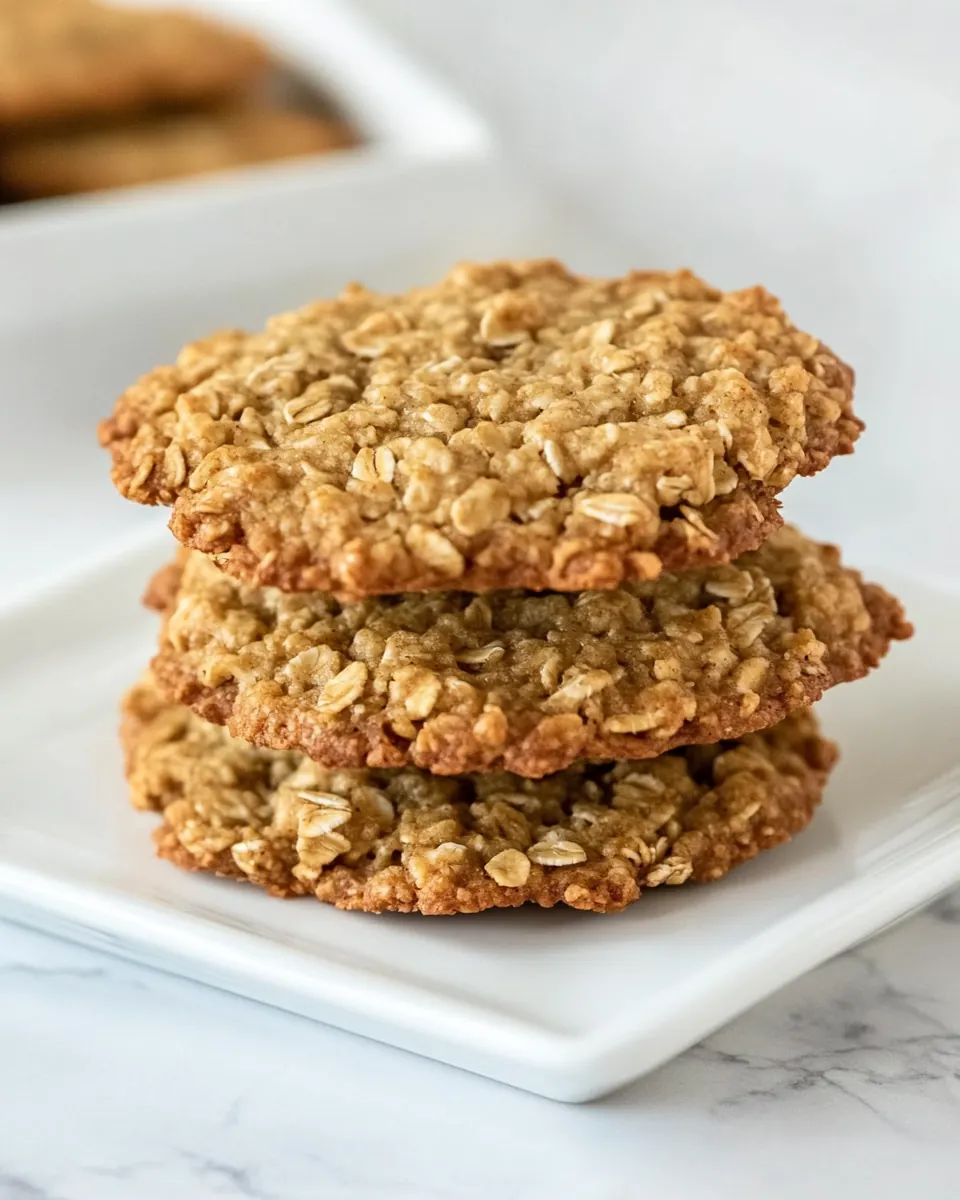
Oatmeal Scotchies
Oatmeal Scotchies are the kind of cookie I reach for when I want something nostalgic, buttery, and a little chewy with pockets of caramel like sweetness.
I remember the first time I made these, my kitchen filled with the warm scent of cinnamon and toasted oats, and my neighbor popped over because the smell was irresistible. We ended up sampling straight from the cooling rack, comparing which bites were chewier and which were crispier, and that little impromptu taste test became one of my favorite baking memories.
Since then, I always keep a stash of butterscotch chips in my pantry for when I need a quick, satisfying bake. These cookies are forgiving, fast, and perfect for gifting, and I love how the simple lineup of pantry staples turns into something comforting and reliably delightful.
Recipe Snapshot
25 mins
5 mins
20 mins
Easy
150 kcal
American
Gluten-Free, Low FODMAP
Desserts
Stand mixer or electric mixer, Mixing bowls, Baking sheets, Parchment paper or silicone mats, Wire racks, Cookie scoop
What’s Great About This Oatmeal Scotchies
Comfort in every bite
I adore how Oatmeal Scotchies deliver a cozy, homey flavor profile. The combination of old-fashioned rolled oats and butterscotch chips creates a texture that’s both tender and slightly chewy, so each bite feels like a small treat from childhood.
Speed and simplicity
There is something liberating about a cookie that comes together quickly. I appreciate that the batter whips up in minutes, and the baking time is short, so you get a fresh batch fast. For busy evenings when I want to bake without fuss, these cookies are my go to.
Versatile results
I like that you can lean the cookies chewy or crisp just by a few minutes in the oven. When I want a soft, pillowy cookie for dunking, I pull them out sooner. For gift boxes that need to travel, I bake a touch longer for a sturdier, crisp texture.
Reliable pantry heroes
Most of the ingredients are pantry staples, which means I rarely need a special trip to the store. That reliability makes these cookies ideal for last minute gatherings, bake sales, and weekday treats when you want something impressive without a long ingredient list.
Perfect for sharing
These cookies scale well, so I often double the batch for parties or halve it for an afternoon snack. The butterscotch chips give a unique twist on a classic oatmeal cookie, and people always ask for the recipe after tasting them.
What You’ll Need for Oatmeal Scotchies
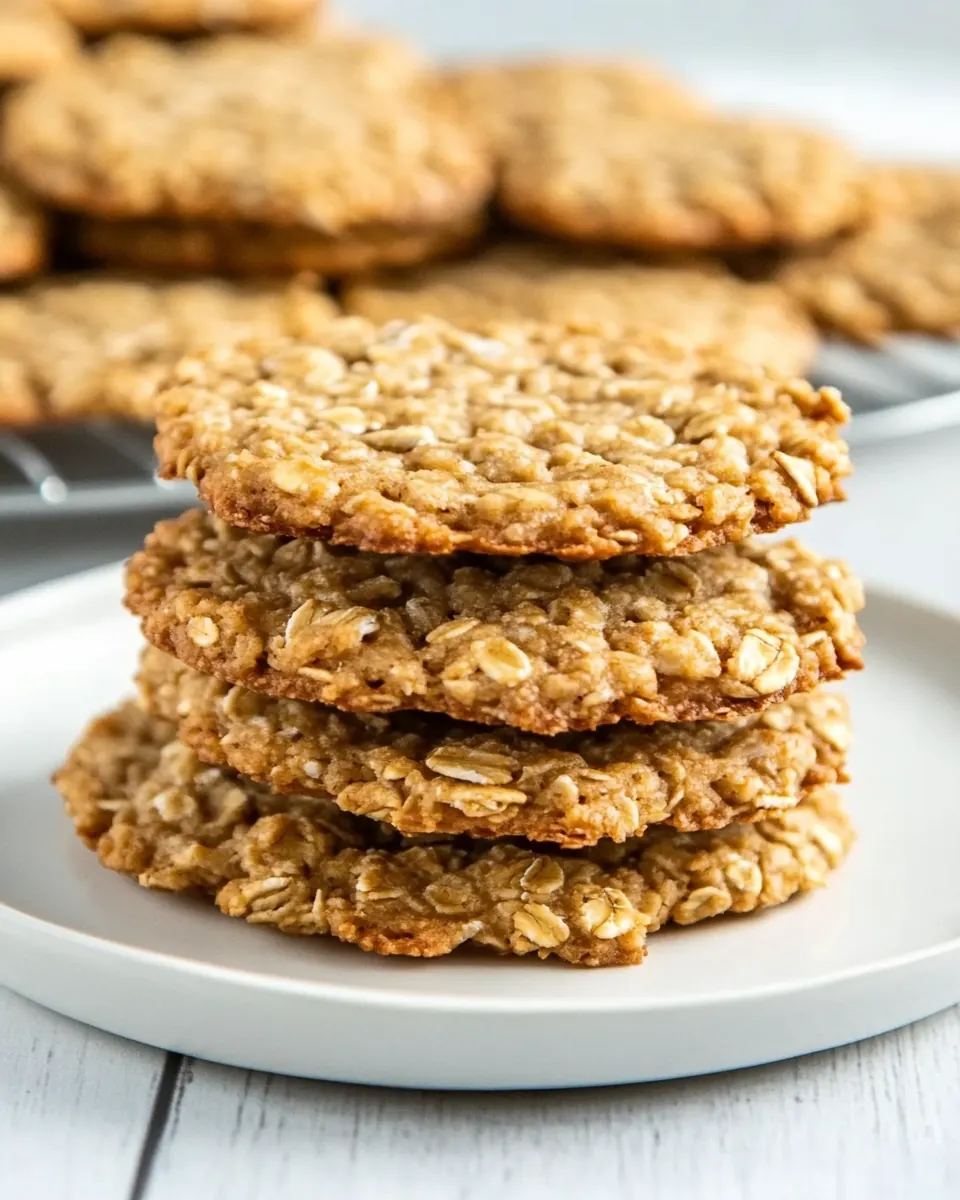
These ingredients are simple and complementary. The flour and baking soda provide structure, while old-fashioned rolled oats add chew and texture. Butter and sugars create the tender, caramelized base that helps the butterscotch chips shine. Each player is essential for the trademark texture and flavor of Oatmeal Scotchies.
- 1 1/4 cups all-purpose flour: Provide structure and bulk to the cookie dough, creating a tender crumb when combined with fats and leaveners. Work with wet ingredients to form the dough matrix and help absorb moisture for proper consistency. Sift or whisk with the leavening agents for even distribution and lighter texture.
- 1 teaspoon baking soda: Leaven the cookies by producing carbon dioxide when activated, helping them rise and spread appropriately. Dissolve evenly into the dry mix to prevent metallic or uneven flavor pockets. Measure accurately to maintain proper texture and avoid over-risen or flat cookies.
- 1/2 teaspoon salt: Enhance overall flavor balance by moderating sweetness and amplifying other flavors while ensuring proper chemical reactions in baking. Stabilize dough moisture and contribute to the finished cookie's mouthfeel. Combine smoothly with other dry ingredients for uniformness.
- 1/2 teaspoon ground cinnamon: Add warm, aromatic spice notes that complement the butterscotch and oats, enhancing flavor complexity. Blend thoroughly into the dry ingredients to disperse the spice evenly throughout the dough. Use measured amount to avoid overpowering the delicate cookie flavors.
- 1 cup butter softened (see note 1): Provide richness, tenderness, and moisture to the cookie dough through its fat content, contributing to spread and soft texture. Cream with sugars to incorporate air, aiding lightness in the final cookies. Soften to room temperature for easier mixing and even distribution throughout the batter.
- 3/4 cup granulated sugar: Contribute primary sweetness and help with creaming to incorporate air, promoting a lighter cookie texture. Assist in achieving browning and slight caramelization at the edges during baking. Measure and cream properly with butter for optimal structure and flavor balance.
- 3/4 cup light brown sugar packed: Add deep, molasses-like sweetness and moistness that enhances chewiness and rich flavor in the cookies. Work with granulated sugar during creaming to create proper aeration and tender crumb. Pack accurately to ensure consistent sweetness and texture in each batch.
- 2 eggs: Provide liquid, protein, and structure through coagulation during baking, binding ingredients and contributing to chewiness. Add moisture and help with leavening by trapping air during creaming with sugars and butter. Beat lightly to combine without overmixing for tender cookies.
- 1 teaspoon vanilla extract: Offer aromatic sweetness and a subtle flavor lift that rounds out the cookie profile and complements butterscotch. Blend into wet ingredients to distribute flavor evenly throughout the dough. Use measured amount to maintain a balanced, pleasant vanilla presence.
- 3 cups old-fashioned rolled oats (see note 2): Deliver hearty texture, nutty flavor, and chewiness while adding fiber and body to the dough for classic oatmeal cookies. Absorb moisture from the wet ingredients to help yield the desired chewy consistency without becoming greasy. Stir in last to keep oats intact and evenly distributed.
- 1 2/3 cups butterscotch chips (11 ounces): Provide concentrated sweet, buttery, and caramel-like pockets throughout the cookies for signature butterscotch flavor. Melt partially during baking to create gooey centers and contribute to overall sweetness and texture contrasts. Fold in gently to avoid overmixing the dough while ensuring even chip distribution.
How to Assemble Oatmeal Scotchies
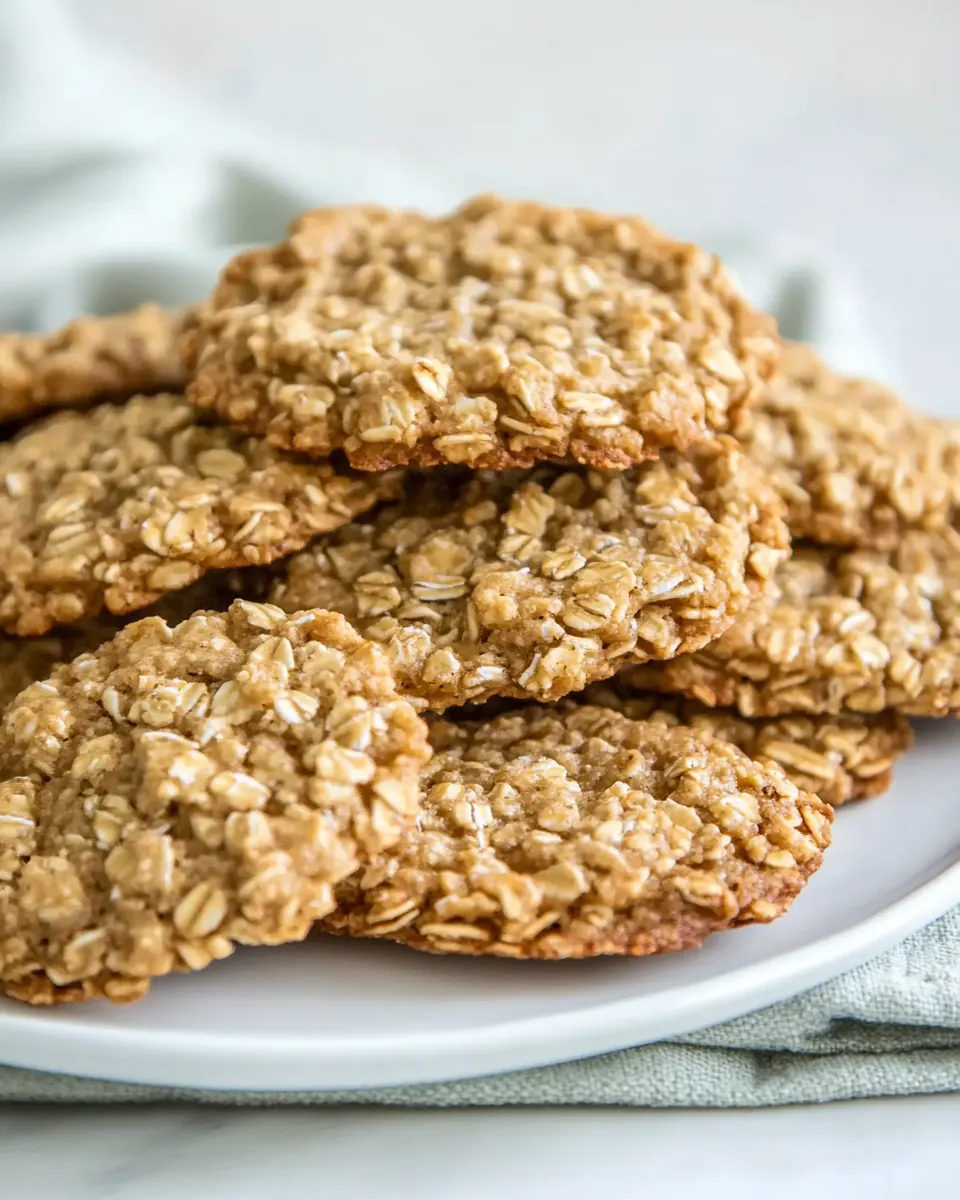
These instructions walk you through from preheating to cooling, with sensory cues so you can know when each step is done. Take your time to notice the aroma and texture at each stage, and you will consistently get satisfying cookies.
- Adjust oven racks to the upper middle and lower middle positions and preheat oven to 375 degrees. Line 2 baking sheets with parchment paper or silicone mats. In a medium bowl, combine flour, baking soda, salt and cinnamon.: When you preheat, you should smell a faint warmth after a few minutes, but no strong odors. A fully preheated oven ensures even rise and consistent browning across batches. If the oven is not fully hot, cookies can spread unevenly and bake too long, resulting in a dry interior. A common mistake is underestimating preheat time, so wait until the oven reaches the set temperature before baking.
- In a stand mixer fit with the paddle attachment on medium speed, or with an electric mixer, beat together butter, white sugar, brown sugar, eggs, and vanilla extract.: The surface should feel dry and slightly textured under your parchment or mat. These liners prevent sticking and help the bottom of the cookies brown evenly without burning. Without liners, cookies can stick and break when you transfer them, so always prepare sheets ahead of time. A typical error is using a thin sheet that allows hot spots, so choose a heavy cookie sheet if possible.
- Reduce speed to low and gradually add the flour mixture. By hand, stir in the oats and butterscotch chips until just combined (if you use an electric mixer, you may break the chips).: As you whisk these, you will notice the cinnamon scent rising, which signals even distribution of the spice. This dry mix ensures every bite gets balanced flavor and even leavening. If you skip sifting or mixing well, the cookies may have pockets of baking soda or uneven spice. Avoid large clumps in the flour by stirring thoroughly.
- Working with 1 heaping tablespoon of dough at a time, roll dough into 1 1/2-inch balls and lay on prepared baking sheets about 2 inches apart. (I use the OXO medium cookie scoop, a size 40 portioner, and do 12 scoops of dough per baking sheet).: The bowl will become creamy and pale as air gets incorporated, and the sugar will start to dissolve into the butter. This creaming step traps tiny air pockets that improve texture and lightness. If the butter is too cold, it will not cream well, producing dense cookies. Common pitfalls include overbeating which can introduce too much air, leading to excessive spread.
- Bake for 7 to 8 minutes for chewy cookies, or 9 to 10 minutes for crispy cookies. Cool on baking sheets for 2 minutes and transfer to wire racks to cool completely (if you don't let the cookies cool, they may crumble).: As you add the dry mix slowly, the dough will go from glossy to thicker and more cohesive, with a faint floury aroma subsiding. Gradual addition prevents pockets of dry flour and overworking the dough. If you add everything at once, you risk clumping and uneven hydration. Avoid mixing on high which can toughen the dough from excess gluten development.
- By hand, stir in the oats and butterscotch chips until just combined (if you use an electric mixer, you may break the chips): You will feel the dough become studded and textured, and the sweet butterscotch pieces will glint through the mixture. Stirring by hand preserves the shape of the chips and keeps the oats intact for ideal chew. Overmixing can crush chips and mangle the oats, so stop when combined. A frequent error is using the mixer here which can pulverize the chips, losing their character.
- Working with 1 heaping tablespoon of dough at a time, roll dough into 1 1/2 inch balls and lay on prepared baking sheets about 2 inches apart: The dough should feel slightly tacky but hold its shape when rolled; you will see flecks of oats and chips in each ball. Proper spacing allows air to circulate and prevents cookies from merging into each other. If the dough is too warm, the balls can flatten prematurely, so chill briefly if needed. Many bakers crowd the sheet and end up with unevenly baked, unevenly shaped cookies.
- (I use the OXO medium cookie scoop, a size 40 portioner, and do 12 scoops of dough per baking sheet): Using a scoop creates uniform cookies that bake evenly and look professional on the plate. The metallic click or release feels satisfying and consistent every time. If you eyeball portions, you will get uneven sizes and differing bake times, so a scoop is a worthwhile tool. Avoid overfilling the scoop which creates oversized cookies that may not bake through.
- Bake for 7 to 8 minutes for chewy cookies, or 9 to 10 minutes for crispy cookies: You will notice the edges turn a light golden brown and the centers may still look slightly soft and puffy; that is the moment to pull chewy cookies. For crisp cookies, allow the centers to take on a bit more color and firmness. Timing matters because residual heat continues to cook the cookie after removal, so underbaking leaves them unset and overbaking leaves them dry. Do not open the oven repeatedly which causes temperature drops and can ruin texture.
- Cool on baking sheets for 2 minutes and transfer to wire racks to cool completely (if you don't let the cookies cool, they may crumble): The cookies will feel firmer at the edges and slightly soft in the center during that brief rest, and transferring to a rack lets air circulate so the bottoms do not steam. Cooling sets the structure and helps the chips solidify back into pleasant morsels. If you try to move them too soon they will break, and if left too long on a hot sheet they can overcook. A common mistake is stacking warm cookies which causes them to stick together.
Tips for Success
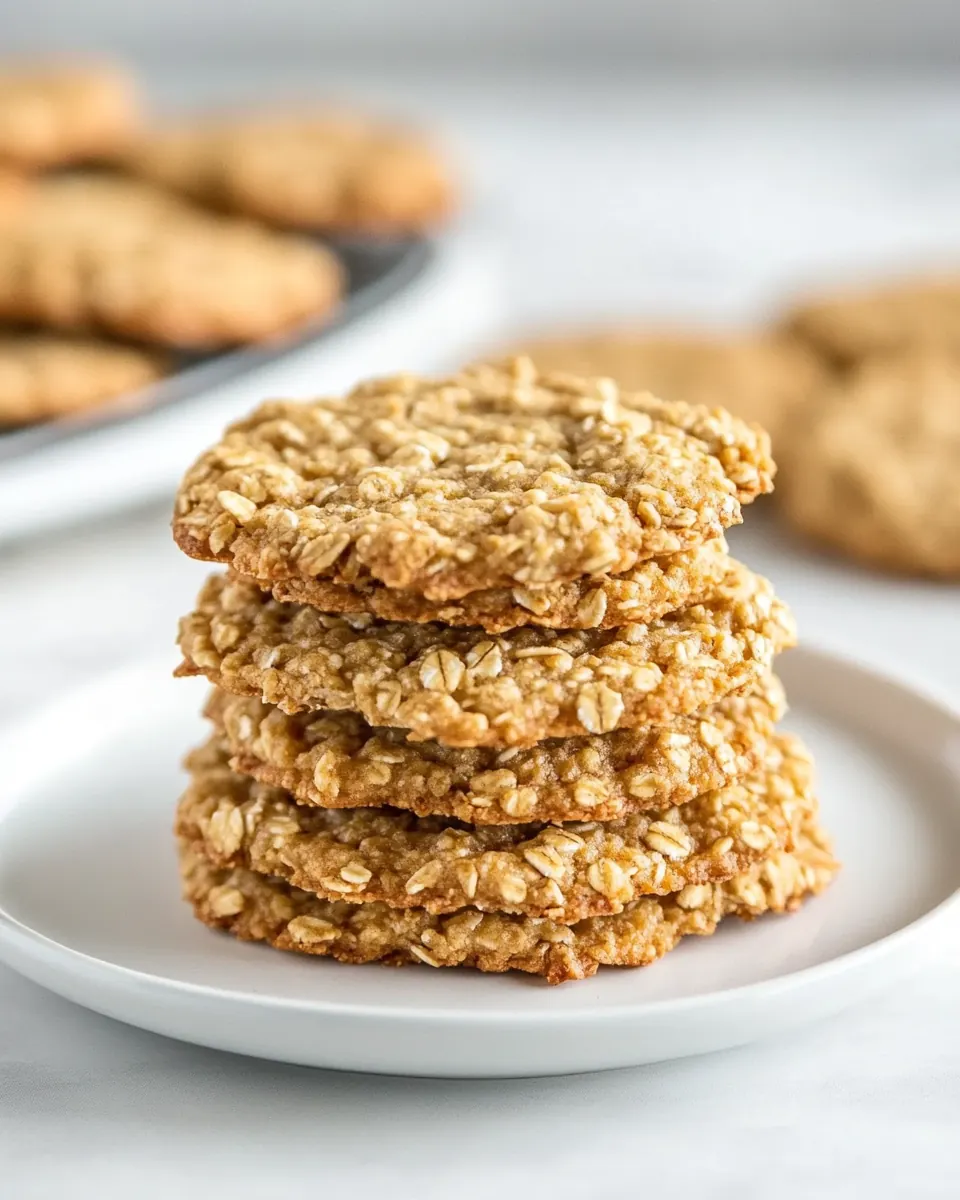
A few focused tips make a big difference with Oatmeal Scotchies. Below are practical, experience based pointers to help you get consistent results and to troubleshoot common issues.
- Soften butter properly — Let the butter sit at room temperature until it yields slightly to pressure, but is not oily. This ensures proper creaming with the sugars and prevents greasy, flat cookies.
- Pack brown sugar — Firmly pack the light brown sugar into the measuring cup to get the moisture and molasses intensity the recipe expects, which affects chewiness.
- Preserve chip shape — Fold in butterscotch chips by hand at the end to avoid breaking them, preserving pockets of sweet caramel flavor in the finished cookie.
- Use old fashioned oats — These oats provide the chewy texture that defines the cookie, unlike quick oats which produce a different crumb structure.
- Watch bake time closely — Set a timer and check a minute early to control final texture, pulling earlier for soft cookies and later for crisp ones.
- Cool properly — Allow cookies to rest on the baking sheet for two minutes before transferring to a wire rack so they set and do not fall apart.
How to Serve Oatmeal Scotchies
These cookies are versatile for casual snacks and special occasions. Below are serving ideas, storage suggestions, and pairing notes to make the most of them.
- Afternoon snack — Serve a few cookies with a warm beverage for a comforting break at work or school.
- Party platter — Arrange cookies on a large tray with small signs that say chewy or crispy so guests can choose their preference.
- Gifting — Pack cooled cookies in a decorative tin with parchment to keep them fresh for neighbors and friends.
- Storage — Keep extras in an airtight container at room temperature for up to four days, or freeze for up to two months and thaw at room temperature when ready to enjoy.
- Occasions — Great for bake sales, school treats, holiday cookie exchanges, or anytime you want a crowd pleasing sweet.
- Portioning — For smaller households, halve the batch to avoid surplus, or freeze dough balls and bake as needed for fresh cookies anytime.
FAQ
Conclusion
What makes these cookies special is the contrast of chewy oats and sweet, buttery butterscotch chips in a fast, approachable bake. The simplicity of pantry ingredients and short hands on time mean you can have warm, nostalgic cookies with minimal fuss. Try them when you need a quick crowd pleaser or a cozy solo treat, and don’t be surprised if they become a repeat request. I hope you enjoy baking and sharing these as much as I do.
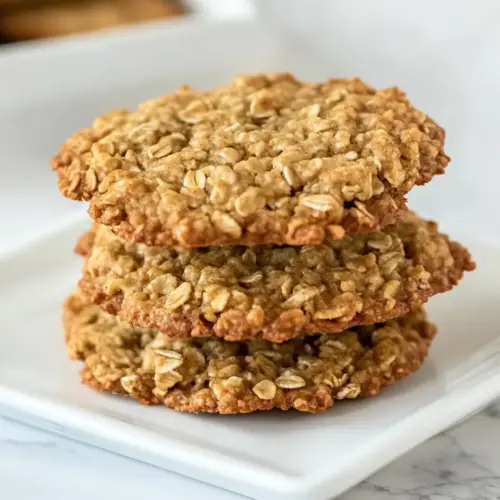
Oatmeal Scotchies
Equipment
- Stand mixer or electric mixer
- Mixing Bowls
- Baking Sheets
- Parchment paper or silicone mats
- Wire racks
- Cookie Scoop
Ingredients
- 1 1/4 cups all-purpose flour Provide structure and bulk to the cookie dough, creating a tender crumb when combined with fats and leaveners. Work with wet ingredients to form the dough matrix and help absorb moisture for proper consistency. Sift or whisk with the leavening agents for even distribution and lighter texture.
- 1 teaspoon baking soda Leaven the cookies by producing carbon dioxide when activated, helping them rise and spread appropriately. Dissolve evenly into the dry mix to prevent metallic or uneven flavor pockets. Measure accurately to maintain proper texture and avoid over-risen or flat cookies.
- 1/2 teaspoon salt Enhance overall flavor balance by moderating sweetness and amplifying other flavors while ensuring proper chemical reactions in baking. Stabilize dough moisture and contribute to the finished cookie's mouthfeel. Combine smoothly with other dry ingredients for uniformness.
- 1/2 teaspoon ground cinnamon Add warm, aromatic spice notes that complement the butterscotch and oats, enhancing flavor complexity. Blend thoroughly into the dry ingredients to disperse the spice evenly throughout the dough. Use measured amount to avoid overpowering the delicate cookie flavors.
- 1 cup butter softened (see note 1) Provide richness, tenderness, and moisture to the cookie dough through its fat content, contributing to spread and soft texture. Cream with sugars to incorporate air, aiding lightness in the final cookies. Soften to room temperature for easier mixing and even distribution throughout the batter.
- 3/4 cup granulated sugar Contribute primary sweetness and help with creaming to incorporate air, promoting a lighter cookie texture. Assist in achieving browning and slight caramelization at the edges during baking. Measure and cream properly with butter for optimal structure and flavor balance.
- 3/4 cup light brown sugar packed Add deep, molasses-like sweetness and moistness that enhances chewiness and rich flavor in the cookies. Work with granulated sugar during creaming to create proper aeration and tender crumb. Pack accurately to ensure consistent sweetness and texture in each batch.
- 2 eggs Provide liquid, protein, and structure through coagulation during baking, binding ingredients and contributing to chewiness. Add moisture and help with leavening by trapping air during creaming with sugars and butter. Beat lightly to combine without overmixing for tender cookies.
- 1 teaspoon vanilla extract Offer aromatic sweetness and a subtle flavor lift that rounds out the cookie profile and complements butterscotch. Blend into wet ingredients to distribute flavor evenly throughout the dough. Use measured amount to maintain a balanced, pleasant vanilla presence.
- 3 cups old-fashioned rolled oats (see note 2) Deliver hearty texture, nutty flavor, and chewiness while adding fiber and body to the dough for classic oatmeal cookies. Absorb moisture from the wet ingredients to help yield the desired chewy consistency without becoming greasy. Stir in last to keep oats intact and evenly distributed.
- 1 2/3 cups butterscotch chips (11 ounces) Provide concentrated sweet, buttery, and caramel-like pockets throughout the cookies for signature butterscotch flavor. Melt partially during baking to create gooey centers and contribute to overall sweetness and texture contrasts. Fold in gently to avoid overmixing the dough while ensuring even chip distribution.
Instructions
- Adjust oven racks to the upper middle and lower middle positions and preheat oven to 375 degrees. Line 2 baking sheets with parchment paper or silicone mats. In a medium bowl, combine flour, baking soda, salt and cinnamon.: When you preheat, you should smell a faint warmth after a few minutes, but no strong odors. A fully preheated oven ensures even rise and consistent browning across batches. If the oven is not fully hot, cookies can spread unevenly and bake too long, resulting in a dry interior. A common mistake is underestimating preheat time, so wait until the oven reaches the set temperature before baking.
- In a stand mixer fit with the paddle attachment on medium speed, or with an electric mixer, beat together butter, white sugar, brown sugar, eggs, and vanilla extract.: The surface should feel dry and slightly textured under your parchment or mat. These liners prevent sticking and help the bottom of the cookies brown evenly without burning. Without liners, cookies can stick and break when you transfer them, so always prepare sheets ahead of time. A typical error is using a thin sheet that allows hot spots, so choose a heavy cookie sheet if possible.
- Reduce speed to low and gradually add the flour mixture. By hand, stir in the oats and butterscotch chips until just combined (if you use an electric mixer, you may break the chips).: As you whisk these, you will notice the cinnamon scent rising, which signals even distribution of the spice. This dry mix ensures every bite gets balanced flavor and even leavening. If you skip sifting or mixing well, the cookies may have pockets of baking soda or uneven spice. Avoid large clumps in the flour by stirring thoroughly.
- Working with 1 heaping tablespoon of dough at a time, roll dough into 1 1/2-inch balls and lay on prepared baking sheets about 2 inches apart. (I use the OXO medium cookie scoop, a size 40 portioner, and do 12 scoops of dough per baking sheet).: The bowl will become creamy and pale as air gets incorporated, and the sugar will start to dissolve into the butter. This creaming step traps tiny air pockets that improve texture and lightness. If the butter is too cold, it will not cream well, producing dense cookies. Common pitfalls include overbeating which can introduce too much air, leading to excessive spread.
- Bake for 7 to 8 minutes for chewy cookies, or 9 to 10 minutes for crispy cookies. Cool on baking sheets for 2 minutes and transfer to wire racks to cool completely (if you don't let the cookies cool, they may crumble).: As you add the dry mix slowly, the dough will go from glossy to thicker and more cohesive, with a faint floury aroma subsiding. Gradual addition prevents pockets of dry flour and overworking the dough. If you add everything at once, you risk clumping and uneven hydration. Avoid mixing on high which can toughen the dough from excess gluten development.
- By hand, stir in the oats and butterscotch chips until just combined (if you use an electric mixer, you may break the chips): You will feel the dough become studded and textured, and the sweet butterscotch pieces will glint through the mixture. Stirring by hand preserves the shape of the chips and keeps the oats intact for ideal chew. Overmixing can crush chips and mangle the oats, so stop when combined. A frequent error is using the mixer here which can pulverize the chips, losing their character.
- Working with 1 heaping tablespoon of dough at a time, roll dough into 1 1/2 inch balls and lay on prepared baking sheets about 2 inches apart: The dough should feel slightly tacky but hold its shape when rolled; you will see flecks of oats and chips in each ball. Proper spacing allows air to circulate and prevents cookies from merging into each other. If the dough is too warm, the balls can flatten prematurely, so chill briefly if needed. Many bakers crowd the sheet and end up with unevenly baked, unevenly shaped cookies.
- (I use the OXO medium cookie scoop, a size 40 portioner, and do 12 scoops of dough per baking sheet): Using a scoop creates uniform cookies that bake evenly and look professional on the plate. The metallic click or release feels satisfying and consistent every time. If you eyeball portions, you will get uneven sizes and differing bake times, so a scoop is a worthwhile tool. Avoid overfilling the scoop which creates oversized cookies that may not bake through.
- Bake for 7 to 8 minutes for chewy cookies, or 9 to 10 minutes for crispy cookies: You will notice the edges turn a light golden brown and the centers may still look slightly soft and puffy; that is the moment to pull chewy cookies. For crisp cookies, allow the centers to take on a bit more color and firmness. Timing matters because residual heat continues to cook the cookie after removal, so underbaking leaves them unset and overbaking leaves them dry. Do not open the oven repeatedly which causes temperature drops and can ruin texture.
- Cool on baking sheets for 2 minutes and transfer to wire racks to cool completely (if you don't let the cookies cool, they may crumble): The cookies will feel firmer at the edges and slightly soft in the center during that brief rest, and transferring to a rack lets air circulate so the bottoms do not steam. Cooling sets the structure and helps the chips solidify back into pleasant morsels. If you try to move them too soon they will break, and if left too long on a hot sheet they can overcook. A common mistake is stacking warm cookies which causes them to stick together.
Notes
- Soften butter properly — Let the butter sit at room temperature until it yields slightly to pressure, but is not oily. This ensures proper creaming with the sugars and prevents greasy, flat cookies.
- Pack brown sugar — Firmly pack the light brown sugar into the measuring cup to get the moisture and molasses intensity the recipe expects, which affects chewiness.
- Preserve chip shape — Fold in butterscotch chips by hand at the end to avoid breaking them, preserving pockets of sweet caramel flavor in the finished cookie.
- Use old fashioned oats — These oats provide the chewy texture that defines the cookie, unlike quick oats which produce a different crumb structure.
- Watch bake time closely — Set a timer and check a minute early to control final texture, pulling earlier for soft cookies and later for crisp ones.
- Cool properly — Allow cookies to rest on the baking sheet for two minutes before transferring to a wire rack so they set and do not fall apart.
