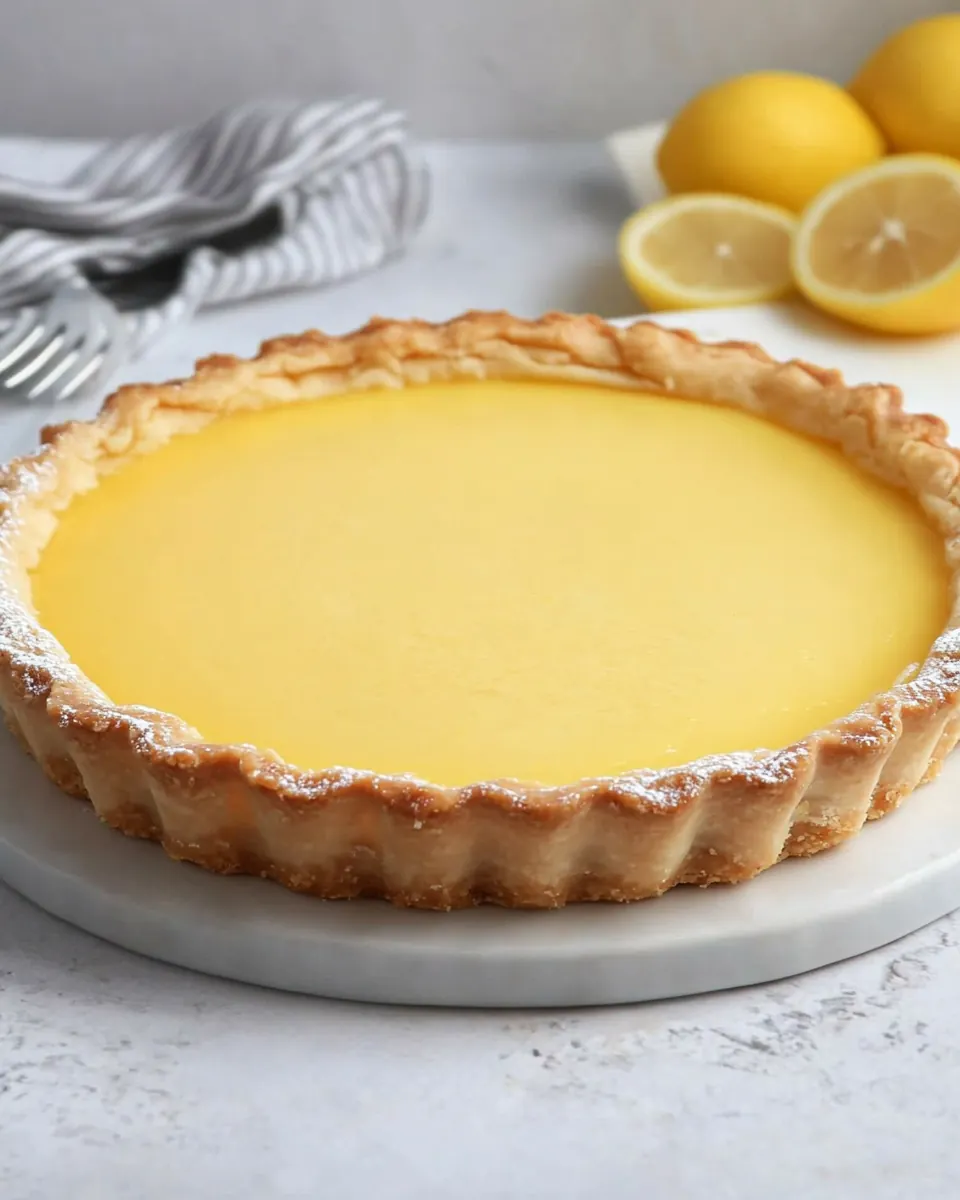
Lemon Tart
Lemon Tart has been my go to when I want something that feels both elegant and comforting at once. The first time I made this I was nervous about the bright lemon filling meeting a delicate crust, but the result was a sunny, balanced dessert that everyone at the table kept asking about. I still remember the way the kitchen filled with a warm citrus perfume as the filling simmered, and how the crisp crust provided a gentle contrast to the silky curd.
Over the years I have played with small adjustments, and this version became the one I return to when I want a fail safe crowd pleaser. What I love is the simplicity, and how a handful of pantry staples transform into something special. When friends drop by unexpectedly I often reach for this recipe because it stretches nicely from casual tea to celebratory dinner.
Recipe Snapshot
50 mins
20 mins
30 mins
Medium
350 kcal
American
Gluten-Free, Low FODMAP
Desserts
Mixing bowl, Tart pan 9 inch, Saucepan, Fine mesh strainer
The Best Thing About This Lemon Tart
Bright but balanced flavor
I love how Lemon Tart delivers a vivid lemon punch without tasting sour or one dimensional. The combination of fresh lemon juice and lemon zest layers bright aromatics with citrusy tartness, while the sugar and butter round everything so the filling tastes polished and smooth. I find that this balance makes it approachable for people who think they do not like overly tart desserts.
Textural contrast that sings
The crisp, buttery crust and the silky lemon curd sing together. When I press the chilled dough into the pan, I know the final bite will have that delicate snap that offsets the creamy filling. That interplay of textures keeps every forkful interesting, and it is one reason I keep this in my rotation for gatherings.
Reliable technique, forgiving process
I appreciate that the method is straightforward, and there is room to correct small mistakes. Chilling the dough, pricking and blind baking the crust briefly, then finishing with a short bake after filling, means you can recover if the dough is slightly warm or if the curd needs extra time to set. I often tell friends that patience during chilling pays dividends in the final texture.
Elegant presentation with minimal effort
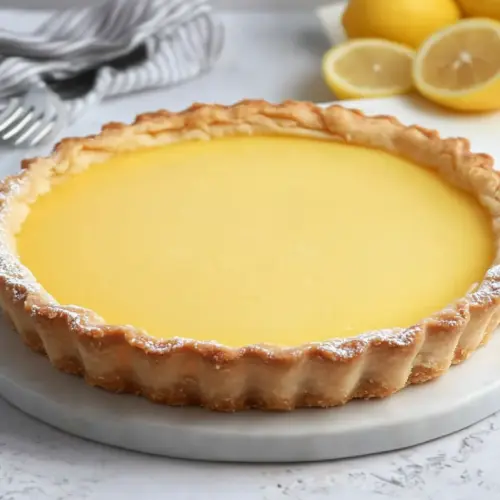
I often serve Lemon Tart at dinner parties because it looks refined without fussy decoration. A light dusting of sugar or a few thin lemon slices is enough. The clean, glossy surface of the set curd makes it a showstopper that does not require extensive plating skills, which I appreciate after a busy prep day.
Seasonal and versatile
This tart feels especially right in spring, when citrus seems to brighten longer evenings, but it works year round. I like that it pairs well with tea, coffee, or a simple fruit salad, so it fits a range of occasions from casual brunches to formal dinners. That flexibility is one reason I always keep the recipe close by.
What You Need for Lemon Tart
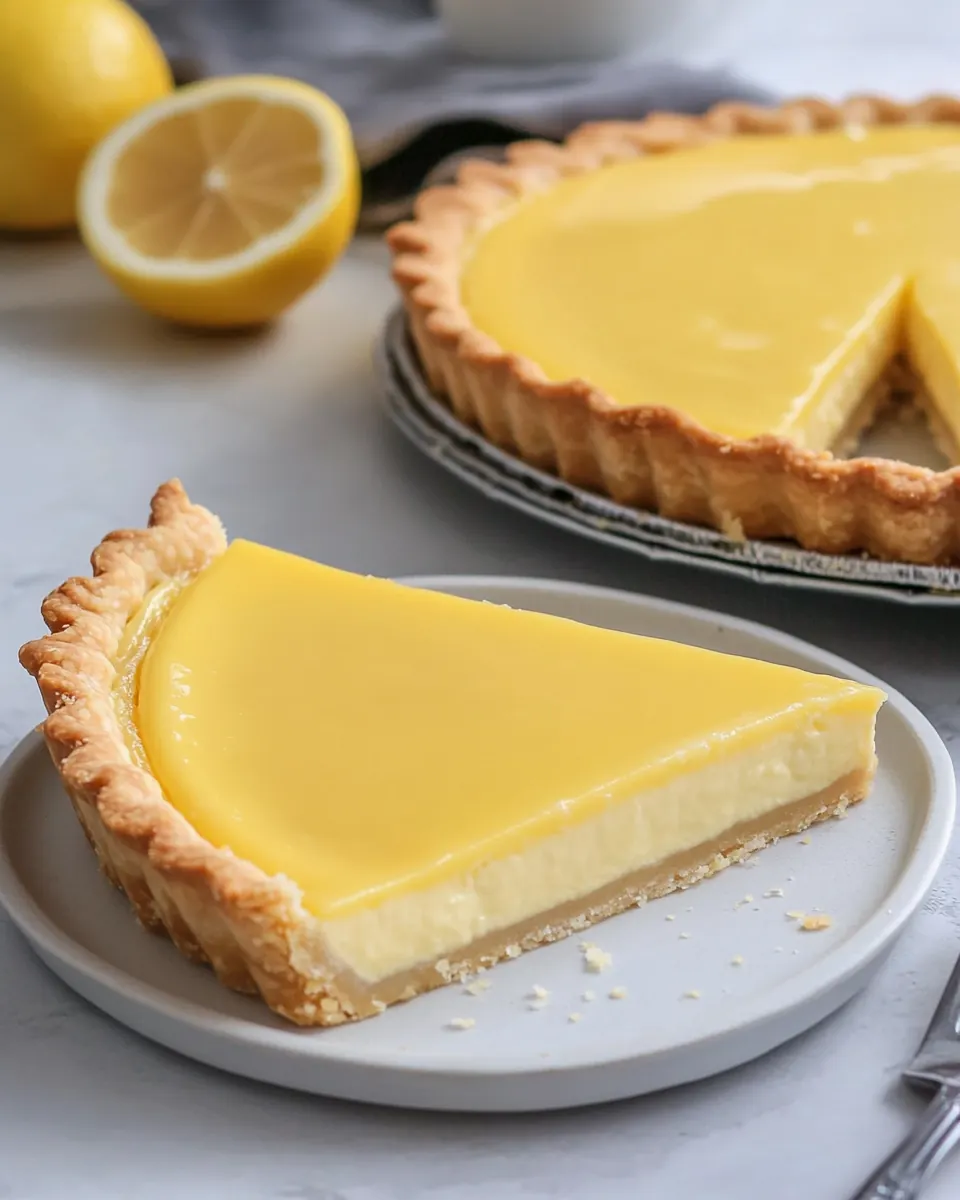
The philosophy behind these ingredients is simple: a handful of good quality staples combine to deliver a crisp, buttery shell and a bright, silky lemon filling. The crust relies on all purpose flour, unsalted butter, a touch of granulated sugar, and a binding egg yolk with a dash of heavy cream to create a tender yet sturdy base. The filling leans on fresh citrus and eggs for structure, while butter and sugar round the flavor.
- 1 1/4 cups all-purpose flour: Provide structure and bulk to the tart crust by forming the dough base; sifted to ensure even texture and tender crumb, it combines with fat to create a flaky shortcrust. Use measured flour to avoid a dense crust and handle dough minimally to maintain flakiness.
- Pinch kosher salt: Enhance overall flavor balance and amplify other ingredients by cutting through sweetness; dissolve a small pinch into the crust mixture to subtly elevate savory notes. Use kosher salt for consistent crystal size and even distribution.
- 1/4 cup granulated sugar: Sweeten and stabilize the crust dough while promoting slight caramelization when baked; sugar also helps tenderize the pastry by interfering with gluten formation. Measure precisely to keep crust from spreading or becoming overly crisp.
- 4 ounces unsalted butter cold and cubed: Contribute richness, moisture, and flakiness to the crust when cold and cubed; cold butter creates pockets of steam that produce a layered texture during baking. Keep butter well chilled to prevent overworking the dough and to maintain the intended crumb.
- 1 egg yolk: Bind the pastry dough together by adding richness and emulsifying fats and liquids; the yolk promotes a tender, pliable dough that is easier to roll and shapes well in the tart pan. Use only yolk for a richer color and silkier texture without excess water.
- 1 1/2 tablespoons heavy cream: Add moisture and tenderness to the dough while aiding in binding; heavy cream enriches the crust and lends a delicate, melt-in-the-mouth finish. Incorporate just enough cream to bring the dough together without making it sticky.
- 3/4 cup fresh lemon juice: Provide bright acidity and primary lemon flavor for the filling; fresh juice yields the best vibrant citrus character and sets custard-like fillings through acid interaction. Use freshly squeezed juice for clarity of flavor and natural brightness.
- 1 1/2 tablespoons lemon zest: Intensify lemon aroma and deepen citrus complexity by contributing concentrated essential oils found in the peel; zest enhances fragrance far beyond juice alone. Measure and zest over the mixing bowl to capture maximum aromatic oils.
- 1 1/2 cups granulated sugar: Sweeten and balance the tart’s acidity while contributing to a smooth, set filling as sugar dissolves during cooking and helps control texture. Use granulated sugar to create a glossy, stable lemon curd with proper sweetness.
- 6 ounces unsalted butter: Enrich the filling with fat for creaminess, silkiness, and a smooth mouthfeel; unsalted butter added warm or melted helps stabilize and gloss the curd while carrying flavor. Use unsalted butter to control seasoning and avoid excess salt in the filling.
- 6 large eggs: Provide structure, volume, and coagulation proteins that set the lemon filling as it cooks; whole eggs contribute body and help the custard thicken into a sliceable tart. Beat gently and temper if adding hot liquid to prevent curdling and ensure a silky texture.
- 3 egg yolks: Increase richness and improve the custard’s stability while intensifying yellow color and silkiness; additional yolks yield a more luxurious, custardy filling that sets firmly. Whisk yolks thoroughly and temper gradually for a smooth, lump-free curd.
Step by Step Instructions for Lemon Tart
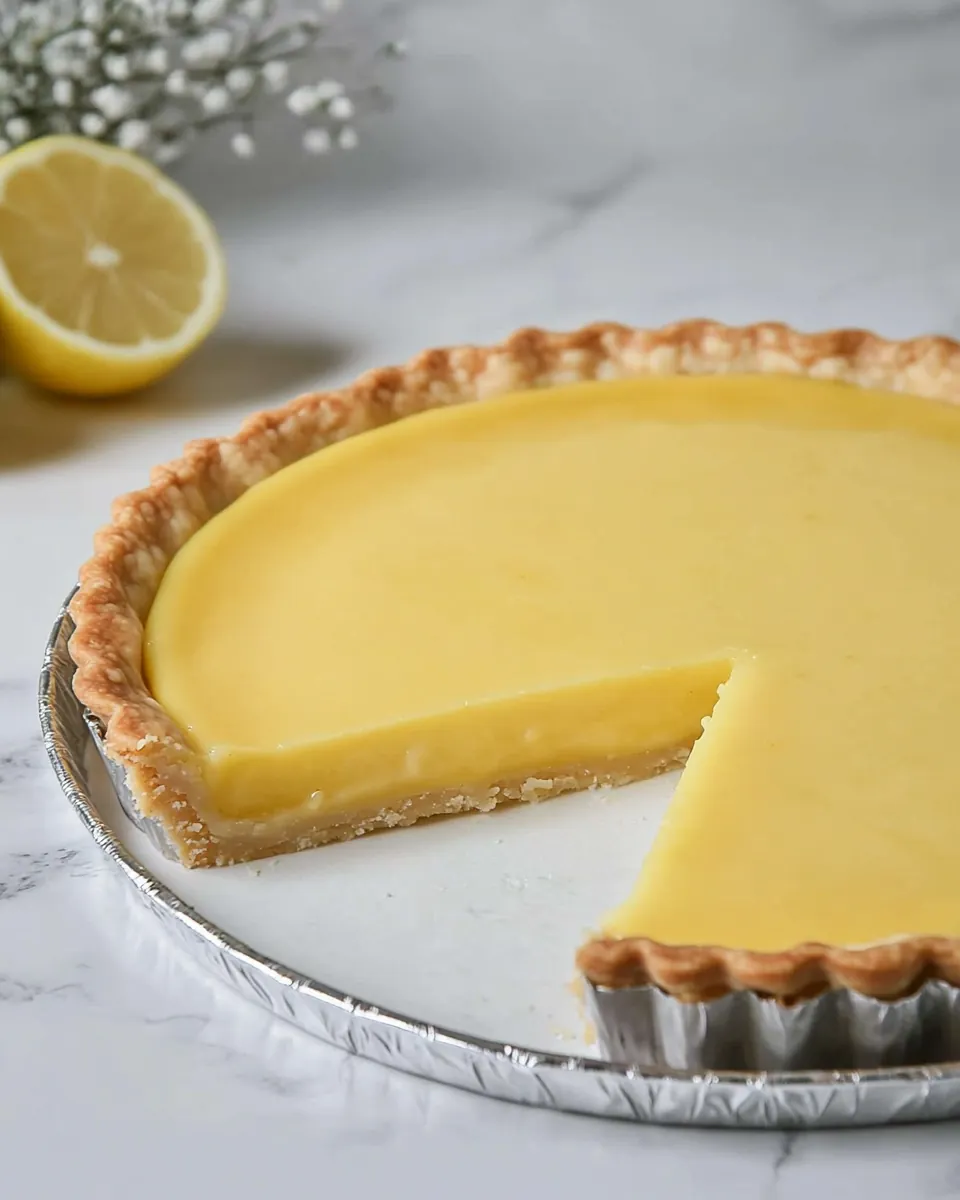
These directions will guide you from a crumbly dough to a glossy, set lemon tart. I like to work methodically, pausing between steps to rest or chill as instructed, because patience here makes a noticeable difference in texture and final appearance.
- In a mixing bowl, combine flour, salt, and granulated sugar.: You will first notice the cool dry aroma of the all purpose flour mingling with the faint sweet scent of granulated sugar , which feels oddly reassuring and clean. This dry mix is the scaffold for the crust, so combining it evenly ensures every bite bakes uniformly. If you spot lumps, break them up with your fingertips so the butter can distribute evenly later. A common mistake is skimping on even mixing, which can leave pockets of salt or sugar that show up as uneven flavor in the finished crust.
- Incorporate cubed butter into the flour mixture. Mix until it achieves a crumbly texture. Add the egg yolk and heavy cream and mix gently until a dough forms.: The moment the cold, cubed unsalted butter hits the flour you will hear tiny clumps break and feel the mixture turn sandy, like coarse crumbs under your fingers. Work quickly so the butter stays cold, pulse or rub until pea sized bits remain. When you add the egg yolk and heavy cream , they bind the crumbs into a cohesive dough, which should hold together without being sticky. Overmixing at this stage develops gluten, which makes the baked crust tough, so stop as soon as it comes together.
- Press the dough into a disc, wrap in plastic, and chill in the refrigerator for 1 hour.: After shaping the dough into a disc, you will notice it becomes slightly smoother and less crumbly as it rests. Chilling firms the butter , which preserves the flaky pockets that produce a tender crust, and it allows the gluten to relax, reducing shrinkage during baking. A frequent oversight is not chilling long enough, which can lead to spreading or a dense crust. If the dough warms during handling, pop it back in the fridge for a short reset.
- Press the chilled dough into a 9-inch tart pan and prick the bottom with a fork. Chill in the freezer for 30 minutes.: Pressing the cold dough into the pan should feel smooth and satisfying as it fills corners. Pricking the bottom with a fork prevents air pockets and helps the crust bake evenly. Freezing the pan for thirty minutes firms the butter so the crust keeps its shape when it hits heat, yielding crisper edges. Rushing this step often results in a crust that shrinks away from the pan sides as it bakes.
- Preheat oven to 375°F. Bake crust for 20 minutes or until golden. Cool.: As the oven warms to 375°F , you will smell a toasty, slightly nutty aroma as the dough bakes and the sugars caramelize. Watch the edges for a pale golden hue and the surface for a faint sheen; these visual cues signal it is done. Cooling is essential so the crust firms and the filling does not make it soggy. A common pitfall is opening the oven too often, which cools the environment and can prevent even browning.
- In a saucepan, combine lemon juice, lemon zest, sugar, butter, eggs, and egg yolks.: As you combine fresh lemon juice and lemon zest with the sugar , the citrus oils will perfume the air with bright, floral notes. Adding the eggs and egg yolks creates the base for a silky custard, while the butter will later give lucidity and richness. Mixing these together before heat helps them integrate smoothly once warmed. Avoid adding cold butter all at once, which can make emulsification harder.
- Cook over medium heat, stirring constantly, until the mixture thickens.: As the mixture warms, you will hear a soft, steady bubbling and smell the lemon deepen into a warm, candied scent. Stirring constantly is key to preventing the eggs from scrambling and to encourage even thickening; the curd should coat the back of a spoon. The texture will shift from runny to noticeably thicker and glossy. A common error is cooking too quickly over high heat, which causes grainy curd or curdled eggs, so keep the temperature steady.
- Strain the mixture into the cooled tart crust. Bake at 350°F for 10 minutes or until the edges are set. Chill in the fridge for 2 hours.: Straining removes any tiny cooked bits of egg and yields a silken finish, which is why I always pass the curd through a fine mesh before filling the crust. Once in the tart shell, a short bake at 350°F sets the edges while keeping the center slightly wobbly, which becomes perfectly firm after chilling. The final chill solidifies the texture and deepens the flavors. A frequent misstep is skipping the chill; without it, slices will be too soft to cut neatly.
Tips and Tricks about Lemon Tart
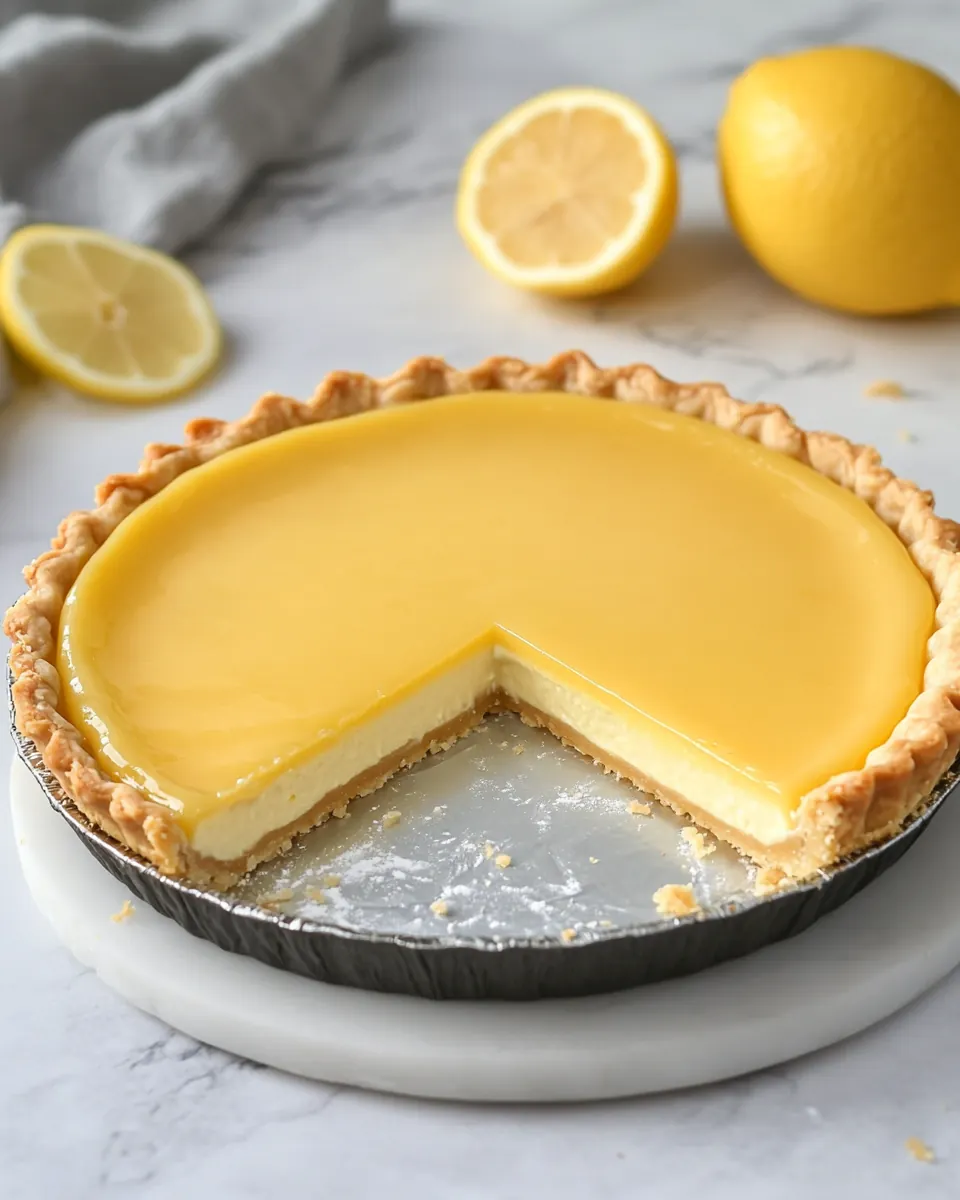
I like to collect a few practical tips that make this tart foolproof. These help with timing, texture, and flavor so the finished tart looks polished and tastes balanced.
- Keep everything cold: Cold unsalted butter and chilling the dough prevent shrinkage and promote a flaky crust, so work quickly and chill as directed.
- Fine grate the zest: Zest releases aromatic oils best when you remove only the yellow layer, avoiding bitter pith that can alter the filling’s brightness.
- Use a shallow pan: A 9 inch tart pan gives a thin, elegant filling layer that sets evenly; deeper pans may require longer baking and chilling.
- Temper the eggs: If the lemon mixture is hot, add a small amount to the beaten eggs first to raise their temperature gently, which prevents scrambling.
- Strain for silkiness: Passing the curd through a fine mesh ensures a smooth, glossy surface without any cooked bits.
Perfect Matches for Lemon Tart
This tart pairs beautifully with light accompaniments that let the citrus shine. I like to serve it with something creamy or subtly sweet to round the bright lemon, and I also think about the occasion when choosing sides.
- Light whipped cream: A dollop of unsweetened or lightly sweetened cream softens the tartness and adds a pillowy texture.
- Fresh berries: Raspberries or strawberries add a contrasting fruity note and vibrant color, perfect for spring brunches.
- Simple tea service: Pair slices with herbal or black tea for a relaxed afternoon gathering, letting the citrus cut through the beverage.
- Elegant dinner dessert: Serve the tart after a rich main course to refresh the palate, offering a bright finish to the meal.
- Storage tips: Keep covered in the refrigerator for up to three days, and for cleaner slices chill thoroughly before cutting.
FAQ
Conclusion
This Lemon Tart shines because it pairs a crisp, buttery crust with a glossy, intensely lemony filling that feels both sophisticated and homey. I encourage you to try it the next time you want a dessert that looks special but comes together from simple ingredients and straightforward steps. With a little patience during chilling and attentive stirring while cooking the curd, you will be rewarded with clean slices and bright flavor that friends and family will remember.
Lemon Tart
Equipment
- Mixing Bowl
- Tart pan 9 inch
- Saucepan
- Fine-mesh strainer
Ingredients
- 1 1/4 cups all-purpose flour Provide structure and bulk to the tart crust by forming the dough base; sifted to ensure even texture and tender crumb, it combines with fat to create a flaky shortcrust. Use measured flour to avoid a dense crust and handle dough minimally to maintain flakiness.
- Pinch kosher salt Enhance overall flavor balance and amplify other ingredients by cutting through sweetness; dissolve a small pinch into the crust mixture to subtly elevate savory notes. Use kosher salt for consistent crystal size and even distribution.
- 1/4 cup granulated sugar Sweeten and stabilize the crust dough while promoting slight caramelization when baked; sugar also helps tenderize the pastry by interfering with gluten formation. Measure precisely to keep crust from spreading or becoming overly crisp.
- 4 ounces unsalted butter cold and cubed Contribute richness, moisture, and flakiness to the crust when cold and cubed; cold butter creates pockets of steam that produce a layered texture during baking. Keep butter well chilled to prevent overworking the dough and to maintain the intended crumb.
- 1 egg yolk Bind the pastry dough together by adding richness and emulsifying fats and liquids; the yolk promotes a tender, pliable dough that is easier to roll and shapes well in the tart pan. Use only yolk for a richer color and silkier texture without excess water.
- 1 1/2 tablespoons heavy cream Add moisture and tenderness to the dough while aiding in binding; heavy cream enriches the crust and lends a delicate, melt-in-the-mouth finish. Incorporate just enough cream to bring the dough together without making it sticky.
- 3/4 cup fresh lemon juice Provide bright acidity and primary lemon flavor for the filling; fresh juice yields the best vibrant citrus character and sets custard-like fillings through acid interaction. Use freshly squeezed juice for clarity of flavor and natural brightness.
- 1 1/2 tablespoons lemon zest Intensify lemon aroma and deepen citrus complexity by contributing concentrated essential oils found in the peel; zest enhances fragrance far beyond juice alone. Measure and zest over the mixing bowl to capture maximum aromatic oils.
- 1 1/2 cups granulated sugar Sweeten and balance the tart’s acidity while contributing to a smooth, set filling as sugar dissolves during cooking and helps control texture. Use granulated sugar to create a glossy, stable lemon curd with proper sweetness.
- 6 ounces unsalted butter Enrich the filling with fat for creaminess, silkiness, and a smooth mouthfeel; unsalted butter added warm or melted helps stabilize and gloss the curd while carrying flavor. Use unsalted butter to control seasoning and avoid excess salt in the filling.
- 6 large eggs Provide structure, volume, and coagulation proteins that set the lemon filling as it cooks; whole eggs contribute body and help the custard thicken into a sliceable tart. Beat gently and temper if adding hot liquid to prevent curdling and ensure a silky texture.
- 3 egg yolks Increase richness and improve the custard’s stability while intensifying yellow color and silkiness; additional yolks yield a more luxurious, custardy filling that sets firmly. Whisk yolks thoroughly and temper gradually for a smooth, lump-free curd.
Instructions
- In a mixing bowl, combine flour, salt, and granulated sugar.: You will first notice the cool dry aroma of the all purpose flour mingling with the faint sweet scent of granulated sugar , which feels oddly reassuring and clean. This dry mix is the scaffold for the crust, so combining it evenly ensures every bite bakes uniformly. If you spot lumps, break them up with your fingertips so the butter can distribute evenly later. A common mistake is skimping on even mixing, which can leave pockets of salt or sugar that show up as uneven flavor in the finished crust.
- Incorporate cubed butter into the flour mixture. Mix until it achieves a crumbly texture. Add the egg yolk and heavy cream and mix gently until a dough forms.: The moment the cold, cubed unsalted butter hits the flour you will hear tiny clumps break and feel the mixture turn sandy, like coarse crumbs under your fingers. Work quickly so the butter stays cold, pulse or rub until pea sized bits remain. When you add the egg yolk and heavy cream , they bind the crumbs into a cohesive dough, which should hold together without being sticky. Overmixing at this stage develops gluten, which makes the baked crust tough, so stop as soon as it comes together.
- Press the dough into a disc, wrap in plastic, and chill in the refrigerator for 1 hour.: After shaping the dough into a disc, you will notice it becomes slightly smoother and less crumbly as it rests. Chilling firms the butter , which preserves the flaky pockets that produce a tender crust, and it allows the gluten to relax, reducing shrinkage during baking. A frequent oversight is not chilling long enough, which can lead to spreading or a dense crust. If the dough warms during handling, pop it back in the fridge for a short reset.
- Press the chilled dough into a 9-inch tart pan and prick the bottom with a fork. Chill in the freezer for 30 minutes.: Pressing the cold dough into the pan should feel smooth and satisfying as it fills corners. Pricking the bottom with a fork prevents air pockets and helps the crust bake evenly. Freezing the pan for thirty minutes firms the butter so the crust keeps its shape when it hits heat, yielding crisper edges. Rushing this step often results in a crust that shrinks away from the pan sides as it bakes.
- Preheat oven to 375°F. Bake crust for 20 minutes or until golden. Cool.: As the oven warms to 375°F , you will smell a toasty, slightly nutty aroma as the dough bakes and the sugars caramelize. Watch the edges for a pale golden hue and the surface for a faint sheen; these visual cues signal it is done. Cooling is essential so the crust firms and the filling does not make it soggy. A common pitfall is opening the oven too often, which cools the environment and can prevent even browning.
- In a saucepan, combine lemon juice, lemon zest, sugar, butter, eggs, and egg yolks.: As you combine fresh lemon juice and lemon zest with the sugar , the citrus oils will perfume the air with bright, floral notes. Adding the eggs and egg yolks creates the base for a silky custard, while the butter will later give lucidity and richness. Mixing these together before heat helps them integrate smoothly once warmed. Avoid adding cold butter all at once, which can make emulsification harder.
- Cook over medium heat, stirring constantly, until the mixture thickens.: As the mixture warms, you will hear a soft, steady bubbling and smell the lemon deepen into a warm, candied scent. Stirring constantly is key to preventing the eggs from scrambling and to encourage even thickening; the curd should coat the back of a spoon. The texture will shift from runny to noticeably thicker and glossy. A common error is cooking too quickly over high heat, which causes grainy curd or curdled eggs, so keep the temperature steady.
- Strain the mixture into the cooled tart crust. Bake at 350°F for 10 minutes or until the edges are set. Chill in the fridge for 2 hours.: Straining removes any tiny cooked bits of egg and yields a silken finish, which is why I always pass the curd through a fine mesh before filling the crust. Once in the tart shell, a short bake at 350°F sets the edges while keeping the center slightly wobbly, which becomes perfectly firm after chilling. The final chill solidifies the texture and deepens the flavors. A frequent misstep is skipping the chill; without it, slices will be too soft to cut neatly.
Notes
- Keep everything cold: Cold unsalted butter and chilling the dough prevent shrinkage and promote a flaky crust, so work quickly and chill as directed.
- Fine grate the zest: Zest releases aromatic oils best when you remove only the yellow layer, avoiding bitter pith that can alter the filling's brightness.
- Use a shallow pan: A 9 inch tart pan gives a thin, elegant filling layer that sets evenly; deeper pans may require longer baking and chilling.
- Temper the eggs: If the lemon mixture is hot, add a small amount to the beaten eggs first to raise their temperature gently, which prevents scrambling.
- Strain for silkiness: Passing the curd through a fine mesh ensures a smooth, glossy surface without any cooked bits.
