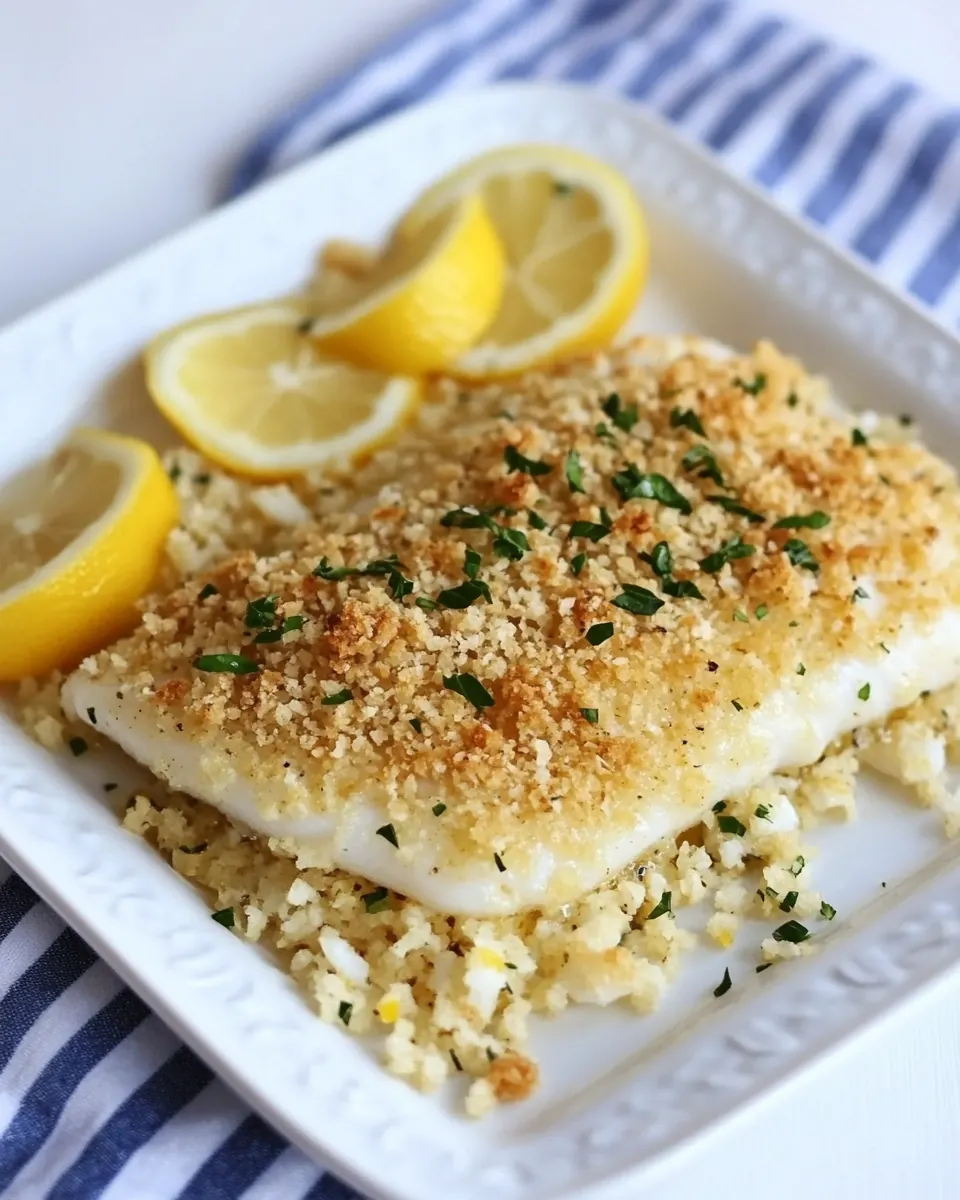
Lemon Crumb Fillet of Sole
Lemon Crumb Fillet of Sole is one of those recipes I return to when I want something bright, quick, and just a little bit fancy without the fuss. The first time I made it I was racing the end of a busy day, juggling groceries and a hungry family, and the way the lemon lifted the delicate sole felt like a small celebration. The crunchy crumb topping gave texture while the mustard and lemon juice added an unexpected savory tang that made everyone reach for seconds.
Over the years I’ve made small tweaks, but the core of the dish has stayed the same. I love how the crumb provides a satisfying contrast to the soft flakes of sole, and how a few pantry staples transform simple fish fillets into something worth lingering over. It became my go to when friends pop over unannounced, because it looks and tastes like effort without actually taking long.
Recipe Snapshot
20 mins
10 mins
10 mins
Easy
250 kcal
American
Paleo, Gluten-Free
Dinner
Food processor, Baking pan, Small bowl, Measuring spoons
The Magic of This Lemon Crumb Fillet of Sole
Bright, clean flavors that sing
I adore how the combination of grated lemon zest and freshly squeezed lemon juice lifts the mild profile of the sole. The citrus cuts through any oiliness and keeps each bite tasting fresh, which is why I often choose this dish when I want something light yet satisfying.
Textural contrast that matters
The crumb topping made from torn white bread transforms the soft flesh of the fish into a more interesting bite. When you press the crumbs onto the fillets they adhere and bake up golden, giving you crunchy edges next to tender flakes. I love that contrast, and I can tell you guests always comment on it.
Speed with style
This recipe is genuinely fast, which is why it shows up on my table on weeknights. From pulsing the crumbs to sliding the pan into a hot oven, the total clock time is kind to busy evenings. I appreciate recipes that respect my schedule while still tasting like I put in extra effort.
Flexible and forgiving
I often swap the specific white fish for whatever looks best at the market, and the method holds up. The mustard and lemon mixture clings and seasons the fillets, so minor changes in thickness or type of fish do not derail the result. That adaptability makes me reach for it when my options are limited.
Approachable technique
There is minimal equipment and a small set of clear actions, which makes this recipe great for confident beginners and seasoned cooks alike. I enjoy teaching friends this method because it builds good habits like pressing crumbs gently, tasting as you go, and watching the fish for doneness rather than relying solely on the clock.
Lemon Crumb Fillet of Sole Ingredients
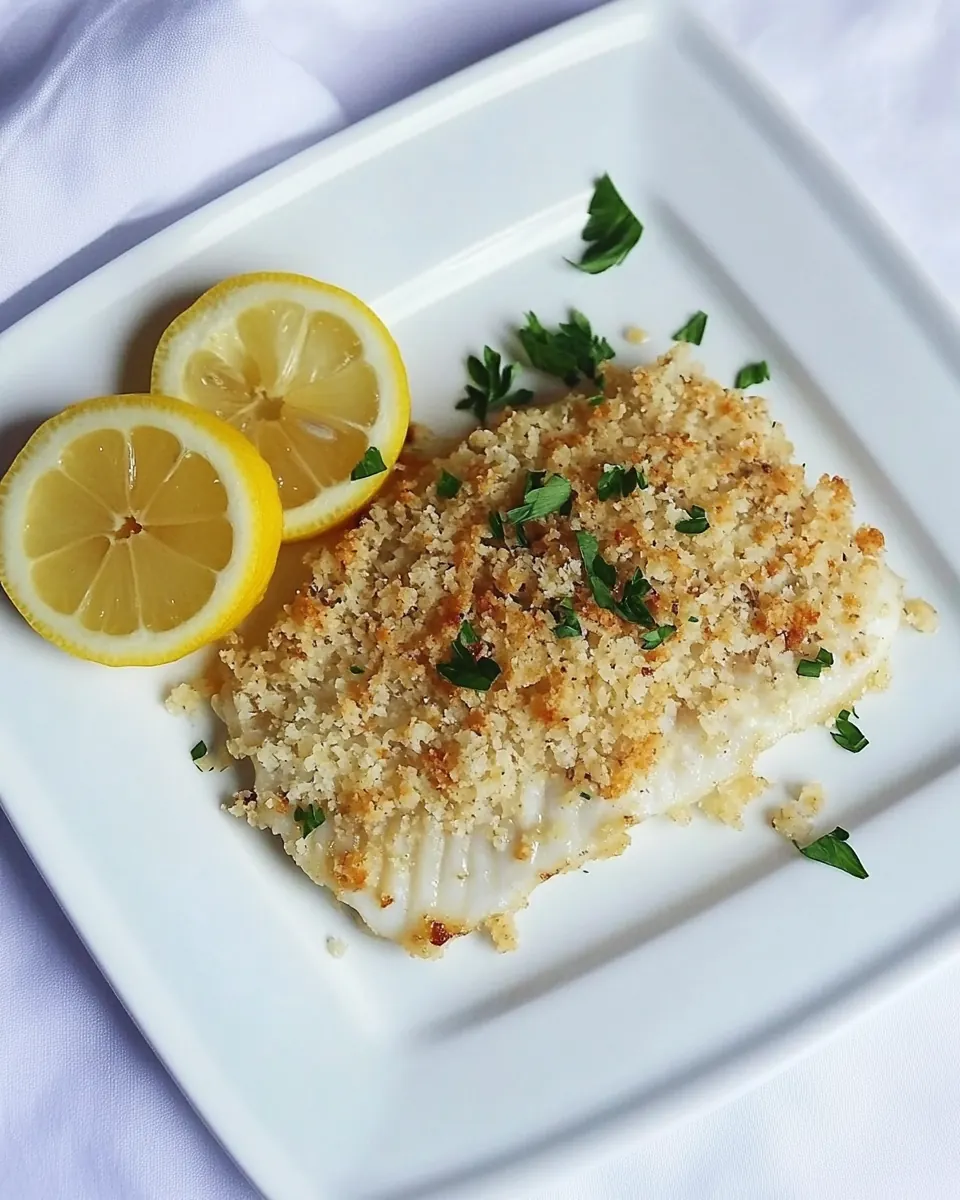
These ingredients are intentionally simple, each playing a clear role. The torn white bread becomes the crunchy crust, the grated lemon zest and freshly squeezed lemon juice bring brightness, and the whole grain Dijon mustard gives savory depth. The sole is the star, while salt and pepper season it, and lemon wedges finish it with extra acidity.
- 4 slices white bread or french bread: Provide soft, tearable crumbs by pulsing or grating to create a light coating that crisps when baked or broiled; helps form the lemony crumb layer for texture contrast.
- 2 teaspoons grated lemon zest: Add bright citrus aroma and concentrated lemon flavor that lifts the overall dish; finely grate to distribute zesty oils throughout the crumb mixture.
- 2 tablespoons whole grain Dijon mustard: Contribute sharp, tangy depth and a grainy texture that anchors the topping to the fish; spread thinly to balance the lemon and breadcrumbs without overpowering.
- 1 tablespoon freshly squeezed lemon juice: Supply fresh acidity to brighten flavors and balance richness; squeeze over the mustard or fish to add a clean lemon note before cooking.
- Four 6-ounce sole fillets: Serve as the delicate protein base that absorbs flavors and cooks quickly; choose uniform fillets for even cooking and to showcase the lemon crumb topping.
- 1/2 teaspoon kosher salt: Enhance and balance flavors by seasoning the fillets lightly; sprinkle evenly to elevate natural fish taste without masking lemony notes.
- 1/2 teaspoon freshly ground black pepper: Provide a warm, pungent counterpoint to citrus and mustard; grind fresh for best aroma and to season both fish and crumb mixture uniformly.
- 4 lemon wedges, for serving () (optional): Offer optional fresh acidity and a finishing touch for diners to add more brightness; serve alongside for squeezing over the cooked fillets to taste.
Instructions for Lemon Crumb Fillet of Sole
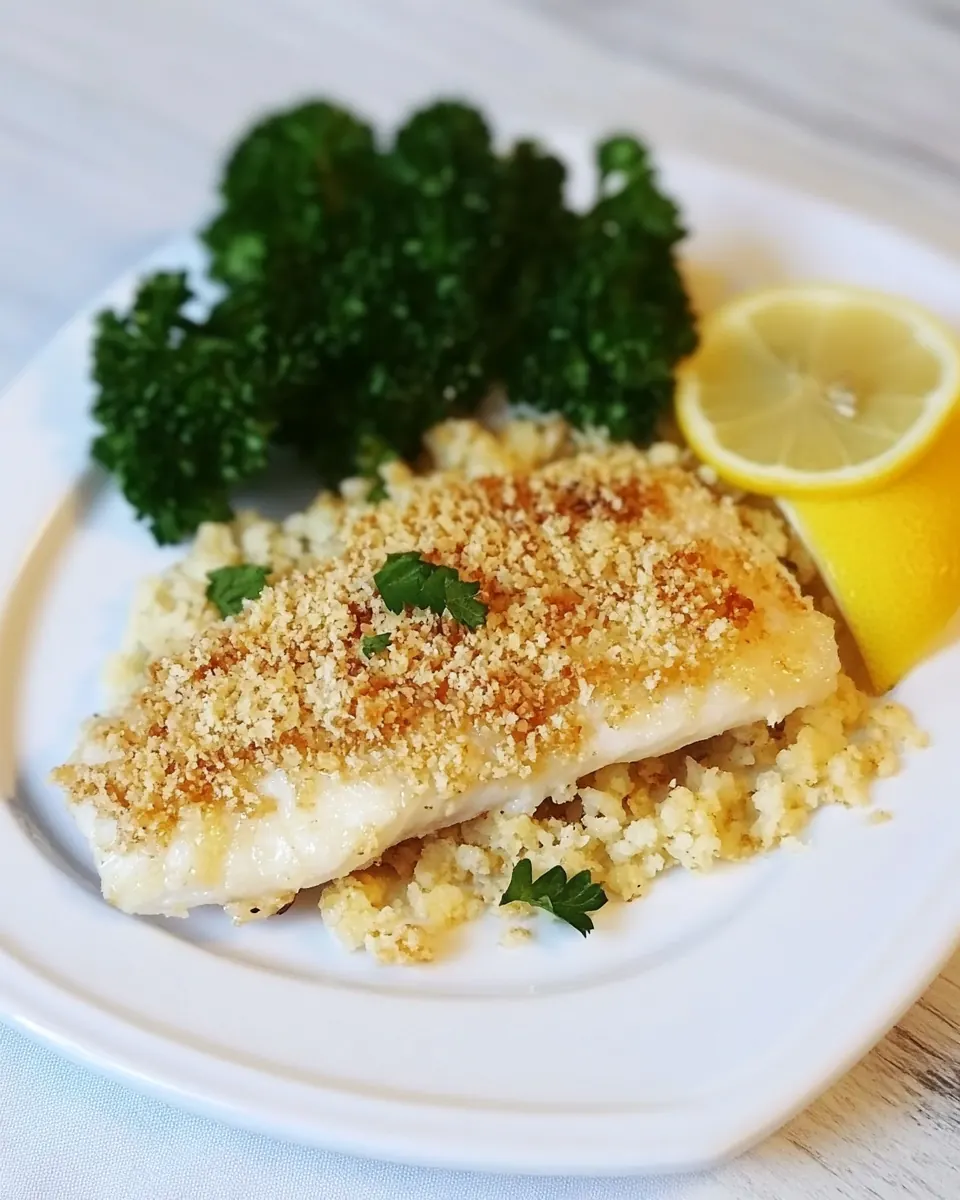
I like to approach these instructions with a relaxed rhythm, preparing mise en place first and then moving smoothly from crumb to oven. Read through the steps so you know the sequence, then preheat and assemble quickly. The oven does most of the finishing work while you tidy up and prepare any sides.
- Preheat the oven to 425°F. and spray a baking pan with nonstick spray.: The warm oven gives the crumbs a head start toward golden color and crispness. You should smell a faint toasty warmth as the oven reaches temperature and the metal of the pan will feel hot when you carefully test it with a quick hand hover, not touching. Preheating ensures the fish begins cooking immediately on contact, sealing moisture inside the flakes. A common mistake is rushing this step, which can lead to uneven cooking and soggy crumbs, so wait until the oven has reached temperature before you slide the pan in.
- Combine the bread and lemon zest in a food processor; pulse to form coarse crumbs.: When the white bread and grated lemon zest hit the processor, you will notice the citrus scent intensify as the oils release, and the visual change from torn pieces to coarse golden crumbs is immediate. Pulse in short bursts so you keep some textural variety, aiming for crumbs that are not powdery but still small enough to adhere. This texture helps the topping bake crisp rather than becoming pasty. A mistake to avoid is over processing which yields a paste that will not crisp properly.
- In a small bowl, mix together the mustard and lemon juice.: The moment the whole grain Dijon and the freshly squeezed lemon juice meet you'll see a glossy emulsion form, and the aroma will shift from sharp citrus to tangy savory. This mixture acts as both seasoning and adhesive for the crumb. Stir until smooth so the mustard seeds are evenly distributed, which helps prevent clumps on the fish . If you make it too thin the crumbs will slide off, so keep it slightly viscous for better adhesion.
- Sprinkle both sides of the fillets with salt and pepper and place them in the pan. Brush with the mustard mixture and then top with the bread crumbs, pressing down so that the crumbs adhere. Spray lightly with nonstick spray.: When you season the sole , the salt starts to work on the surface immediately, tightening the flesh just a touch. As you brush the mustard mixture on, notice how it beads and spreads, carrying scent and flavor. Pressing the crumbs gently ensures they form a unified crust, and when you spray lightly the crumbs will brown more evenly in the oven. Look for an even layer, not a clumpy mound, because thick clumps may stay soft inside. Avoid pressing too hard which can compress the fish and make it dense.
- Bake until the coating is golden and the fish is just opaque in the center, about 8 minutes. Serve with lemon wedges, if desired.: In the oven the crumbs will turn a warm golden hue and produce a faint toasty aroma, while the edges of the fish will begin to flake at the touch. The internal flesh should shift from translucent to opaque, and a fork should separate the flakes gently, revealing moist, tender layers. This quick bake preserves moisture, so watch closely near the end to avoid drying. If the crumbs brown too quickly, tent loosely with foil to let the fish finish cooking without burning the topping.
Tips for Success
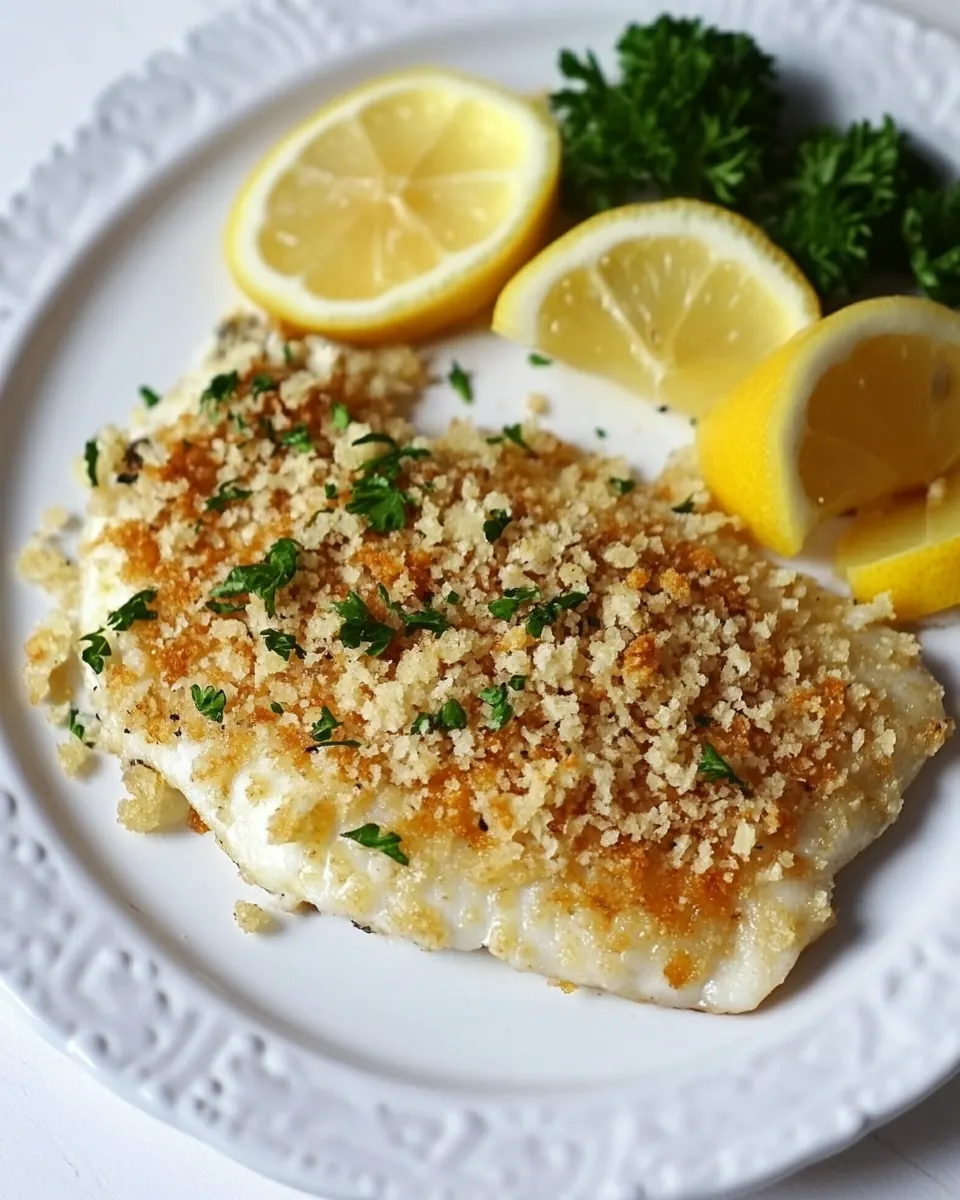
This dish is forgiving, but a few focused tips will help you get the best texture and flavor every time. Below I expand on simple techniques that make a real difference without adding time or fuss.
- Use day old or slightly stale bread: Slightly drier white bread pulses into crumbs that crisp better. Very fresh bread can become gummy if over processed, so let it sit out for a few hours if possible.
- Pulse don’t blend: Short processor bursts keep irregular crumb sizes, creating a more interesting crunchy topping rather than a uniform paste. This variation brings better texture contrast to the tender sole.
- Keep the mustard mixture slightly thick: A viscous coating helps crumbs adhere and prevents them from sliding off during baking. If it becomes too thin, add a small extra pinch of mustard or a drop more lemon juice carefully.
- Press crumbs with your fingertips: Gentle pressure ensures the crumbs bond without compacting the fish. Over pressing makes the fillet dense, under pressing risks crumbs falling away when baking.
- Check doneness visually: Rely on the opaque center and flake test with a fork rather than strictly the clock. Thickness varies by fillet, so visual cues prevent overcooking.
- Serve immediately: The crumb topping is crispiest right out of the oven. If you must hold it a short time, keep it in a warm oven at low heat but avoid prolonged holding which softens the crust.
How to Serve Lemon Crumb Fillet of Sole
This is a light yet elegant main, perfect for casual dinners and special occasions alike. I like to pair it with simple sides that complement the bright citrus and crunchy crumbs. Serve it right away for the best texture.
- Light green salad: A crisp salad with a lemon vinaigrette balances the richness of the crumb and echoes the citrus notes.
- Steamed vegetables: Gentle steamed asparagus or green beans add a fresh, tender counterpoint to the crunchy topping.
- Simple grains: Fluffy couscous or steamed rice soak up any juices and keep the meal comforting without masking the fish.
- Casual dinner occasions: This works wonderfully for weeknight family dinners when you want a little polish with minimal effort.
- Special gatherings: Serve this for a spring luncheon or light dinner party; it feels refined without being fussy.
- Storage tips: Leftovers keep for one to two days refrigerated in a shallow container, but the crumb softens. Reheat briefly in a hot oven to revive some crispness.
- Seasonal pairings: Spring produce like peas and tender lettuces highlight the bright profile of the lemon and keep the plate feeling fresh.
FAQ
Conclusion
This recipe stands out because it turns simple sole fillets into a crisp, citrus bright main with minimal effort. The combination of crunchy bread crumbs, zesty lemon, and mustard creates a pleasing mix of textures and flavors that feel special yet approachable. Give it a try the next time you want an easy weeknight dinner that still looks like you spent time on it, and enjoy how a few pantry staples can elevate a casual meal into something memorable.
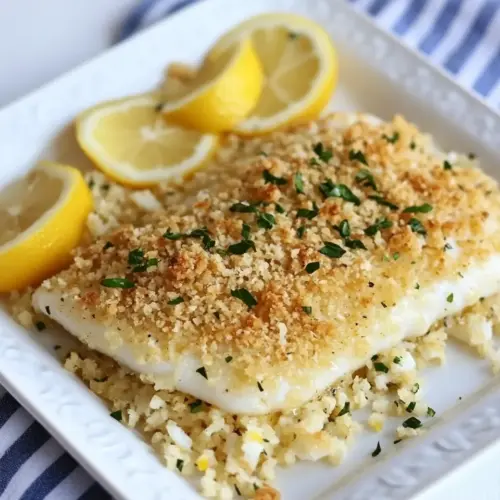
Lemon Crumb Fillet of Sole
Equipment
- Food Processor
- Baking Pan
- Small Bowl
- Measuring Spoons
Ingredients
- 4 slices white bread or french bread Provide soft, tearable crumbs by pulsing or grating to create a light coating that crisps when baked or broiled; helps form the lemony crumb layer for texture contrast.
- 2 teaspoons grated lemon zest Add bright citrus aroma and concentrated lemon flavor that lifts the overall dish; finely grate to distribute zesty oils throughout the crumb mixture.
- 2 tablespoons whole grain Dijon mustard Contribute sharp, tangy depth and a grainy texture that anchors the topping to the fish; spread thinly to balance the lemon and breadcrumbs without overpowering.
- 1 tablespoon freshly squeezed lemon juice Supply fresh acidity to brighten flavors and balance richness; squeeze over the mustard or fish to add a clean lemon note before cooking.
- Four 6-ounce sole fillets Serve as the delicate protein base that absorbs flavors and cooks quickly; choose uniform fillets for even cooking and to showcase the lemon crumb topping.
- 1/2 teaspoon kosher salt Enhance and balance flavors by seasoning the fillets lightly; sprinkle evenly to elevate natural fish taste without masking lemony notes.
- 1/2 teaspoon freshly ground black pepper Provide a warm, pungent counterpoint to citrus and mustard; grind fresh for best aroma and to season both fish and crumb mixture uniformly.
- 4 lemon wedges, for serving (optional) Offer optional fresh acidity and a finishing touch for diners to add more brightness; serve alongside for squeezing over the cooked fillets to taste.
Instructions
- Preheat the oven to 425°F. and spray a baking pan with nonstick spray.: The warm oven gives the crumbs a head start toward golden color and crispness. You should smell a faint toasty warmth as the oven reaches temperature and the metal of the pan will feel hot when you carefully test it with a quick hand hover, not touching. Preheating ensures the fish begins cooking immediately on contact, sealing moisture inside the flakes. A common mistake is rushing this step, which can lead to uneven cooking and soggy crumbs, so wait until the oven has reached temperature before you slide the pan in.
- Combine the bread and lemon zest in a food processor; pulse to form coarse crumbs.: When the white bread and grated lemon zest hit the processor, you will notice the citrus scent intensify as the oils release, and the visual change from torn pieces to coarse golden crumbs is immediate. Pulse in short bursts so you keep some textural variety, aiming for crumbs that are not powdery but still small enough to adhere. This texture helps the topping bake crisp rather than becoming pasty. A mistake to avoid is over processing which yields a paste that will not crisp properly.
- In a small bowl, mix together the mustard and lemon juice.: The moment the whole grain Dijon and the freshly squeezed lemon juice meet you'll see a glossy emulsion form, and the aroma will shift from sharp citrus to tangy savory. This mixture acts as both seasoning and adhesive for the crumb. Stir until smooth so the mustard seeds are evenly distributed, which helps prevent clumps on the fish . If you make it too thin the crumbs will slide off, so keep it slightly viscous for better adhesion.
- Sprinkle both sides of the fillets with salt and pepper and place them in the pan. Brush with the mustard mixture and then top with the bread crumbs, pressing down so that the crumbs adhere. Spray lightly with nonstick spray.: When you season the sole , the salt starts to work on the surface immediately, tightening the flesh just a touch. As you brush the mustard mixture on, notice how it beads and spreads, carrying scent and flavor. Pressing the crumbs gently ensures they form a unified crust, and when you spray lightly the crumbs will brown more evenly in the oven. Look for an even layer, not a clumpy mound, because thick clumps may stay soft inside. Avoid pressing too hard which can compress the fish and make it dense.
- Bake until the coating is golden and the fish is just opaque in the center, about 8 minutes. Serve with lemon wedges, if desired.: In the oven the crumbs will turn a warm golden hue and produce a faint toasty aroma, while the edges of the fish will begin to flake at the touch. The internal flesh should shift from translucent to opaque, and a fork should separate the flakes gently, revealing moist, tender layers. This quick bake preserves moisture, so watch closely near the end to avoid drying. If the crumbs brown too quickly, tent loosely with foil to let the fish finish cooking without burning the topping.
Notes
- Use day old or slightly stale bread: Slightly drier white bread pulses into crumbs that crisp better. Very fresh bread can become gummy if over processed, so let it sit out for a few hours if possible.
- Pulse don’t blend: Short processor bursts keep irregular crumb sizes, creating a more interesting crunchy topping rather than a uniform paste. This variation brings better texture contrast to the tender sole.
- Keep the mustard mixture slightly thick: A viscous coating helps crumbs adhere and prevents them from sliding off during baking. If it becomes too thin, add a small extra pinch of mustard or a drop more lemon juice carefully.
- Press crumbs with your fingertips: Gentle pressure ensures the crumbs bond without compacting the fish. Over pressing makes the fillet dense, under pressing risks crumbs falling away when baking.
- Check doneness visually: Rely on the opaque center and flake test with a fork rather than strictly the clock. Thickness varies by fillet, so visual cues prevent overcooking.
- Serve immediately: The crumb topping is crispiest right out of the oven. If you must hold it a short time, keep it in a warm oven at low heat but avoid prolonged holding which softens the crust.