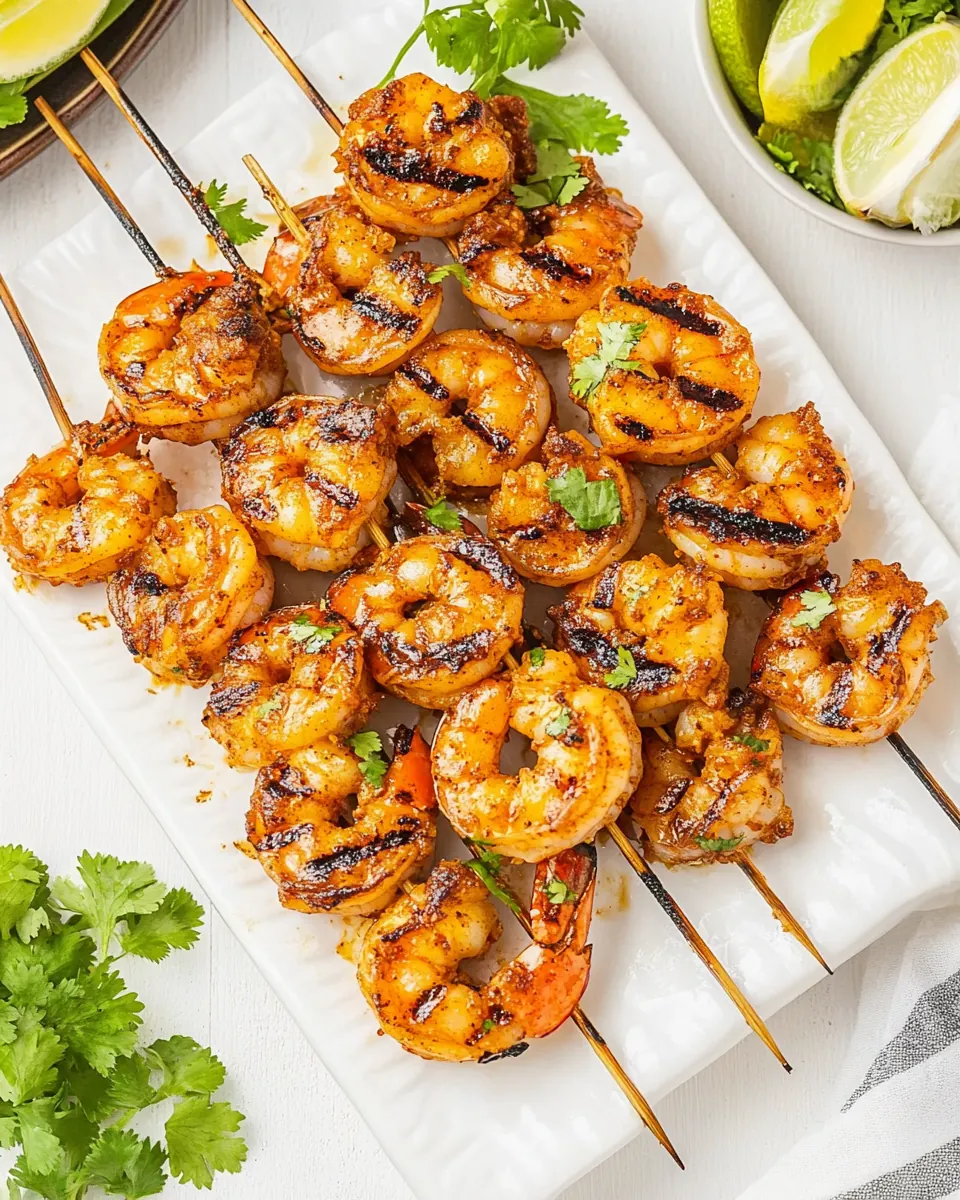
Grilled Jerk Shrimp
Grilled Jerk Shrimp is one of those recipes that immediately transports me back to sunlit weekends when I was learning to cook over charcoal and a chorus of neighborhood laughter filled the air.
I remember the first time I nailed the balance of smoky, spicy, and bright citrus in this dish, when a neighbor popped over and asked for the recipe before the plate was even empty. That moment made me realize how powerful a simple list of ingredients can be when handled with care. I tend to treat shrimp like a delicate instrument, not a blunt tool. With a confident sear or a quick grill, the texture becomes tender and the flavors sing.
There is also something satisfying about the mise en place for Grilled Jerk Shrimp. Measuring out a splash of olive oil, squeezing a lime, and whisking a spoon of soy sauce feels almost meditative, and the aroma that rises as the shrimp meet heat is unforgettable. Over time I learned to read tiny visual cues, like a gentle curve that signals perfect doneness, and I want to share those little secrets so you can serve shrimp that wow the room.
Recipe Snapshot
10 mins
5 mins
5 mins
Easy
200 kcal
Caribbean
Paleo, Gluten-Free
Dinner
outdoor (gas) grill, indoor grill pan, Wooden Skewers, large skillet
Why You Need This Grilled Jerk Shrimp
Bold Caribbean Flavors
I love how Grilled Jerk Shrimp brings a punch of warmth and smoke without overwhelming the natural sweetness of the shrimp. The jerk seasoning gives a complex backbone, so you get layers of spice and aromatic notes that make each bite exciting.
Speed and Simplicity
This recipe is wonderfully approachable. With just a few minutes of active time to whisk a marinade and a quick grill, you can have an impressive plate. I appreciate recipes that respect the home cook’s time, and this one delivers big flavor with minimal fuss.
Flexible Cooking Methods
Whether you have an outdoor grill or an indoor grill pan, Grilled Jerk Shrimp adapts easily. I often switch between skewers on the grill and a hot skillet on the stove depending on weather and what equipment I have on hand, and both ways produce great results.
Perfect Party Food
These skewers are social food at its best. They are easy to hand out at a backyard gathering, but they also plate beautifully for a weeknight dinner. I like recipes that feel celebratory without needing a lot of ceremony, and this one fits that description.
Bright Finishing Touches
The finishing squeeze of lime and a scatter of fresh herbs lift the whole dish, cutting through the spice and adding freshness. I always recommend finishing touches because they transform cooked protein into a well rounded dish with textural and flavor contrast.
Essential Ingredients for Grilled Jerk Shrimp
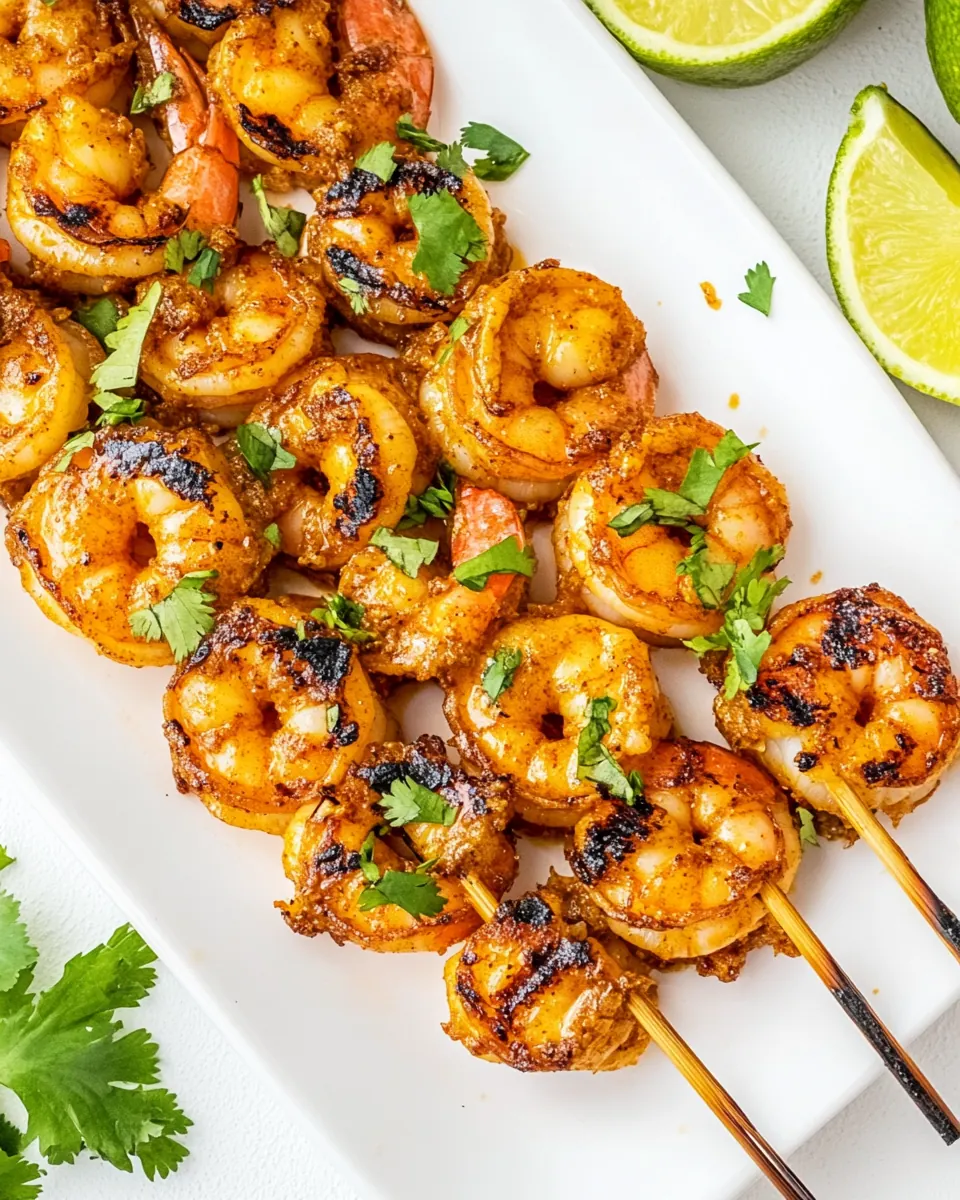
These ingredients form a straightforward yet vibrant profile. The marinade players work together to balance heat, fat, acid, and umami so the shrimp caramelize nicely and remain tender. I focus on freshness for the key items because the final result depends on bright citrus, a lively seasoning, and shrimp that are not overhandled.
- 2 tablespoons olive oil: Adds a smooth, fruity fat that helps coat shrimp for even cooking and carries flavors from marinades into the seafood.
- 2 tablespoons jerk seasoning, or to taste (see notes for homemade jerk seasoning; or check the links for store bought options): Provides bold, spicy-sweet Caribbean flavors that form the recipe's signature seasoning; adjust amount to control heat intensity.
- 1 medium lime, juiced + extra lime wedges for serving if desired: Supplies bright citrus acidity that tenderizes shrimp slightly and balances the seasoning; extra wedges offer a fresh finishing squeeze.
- 1 tablespoon honey: Contributes a touch of natural sweetness that rounds spicy and salty notes while helping the marinade glaze the shrimp during grilling.
- 1 tablespoon soy sauce, (I use reduced sodium): Adds savory umami and salt that deepens overall flavor; reduced–sodium soy sauce controls salt level while enhancing caramelization.
- 1 pound fresh medium-large shrimp, deveined with tails off or on based on your preference (about U-20 size; fresh shrimp recommended but previously uncooked shrimp that were frozen and thawed may be used): Delivers the primary protein and main component of the dish; fresh medium–large shrimp cook quickly and absorb the marinade well.
- Fresh cilantro or fresh parsley, finely minced; for garnishing (optional): Offers a fresh herbaceous garnish that adds color, a bright finish, and a hint of freshness to cut through the spiciness when sprinkled on top.
Instructions for Grilled Jerk Shrimp
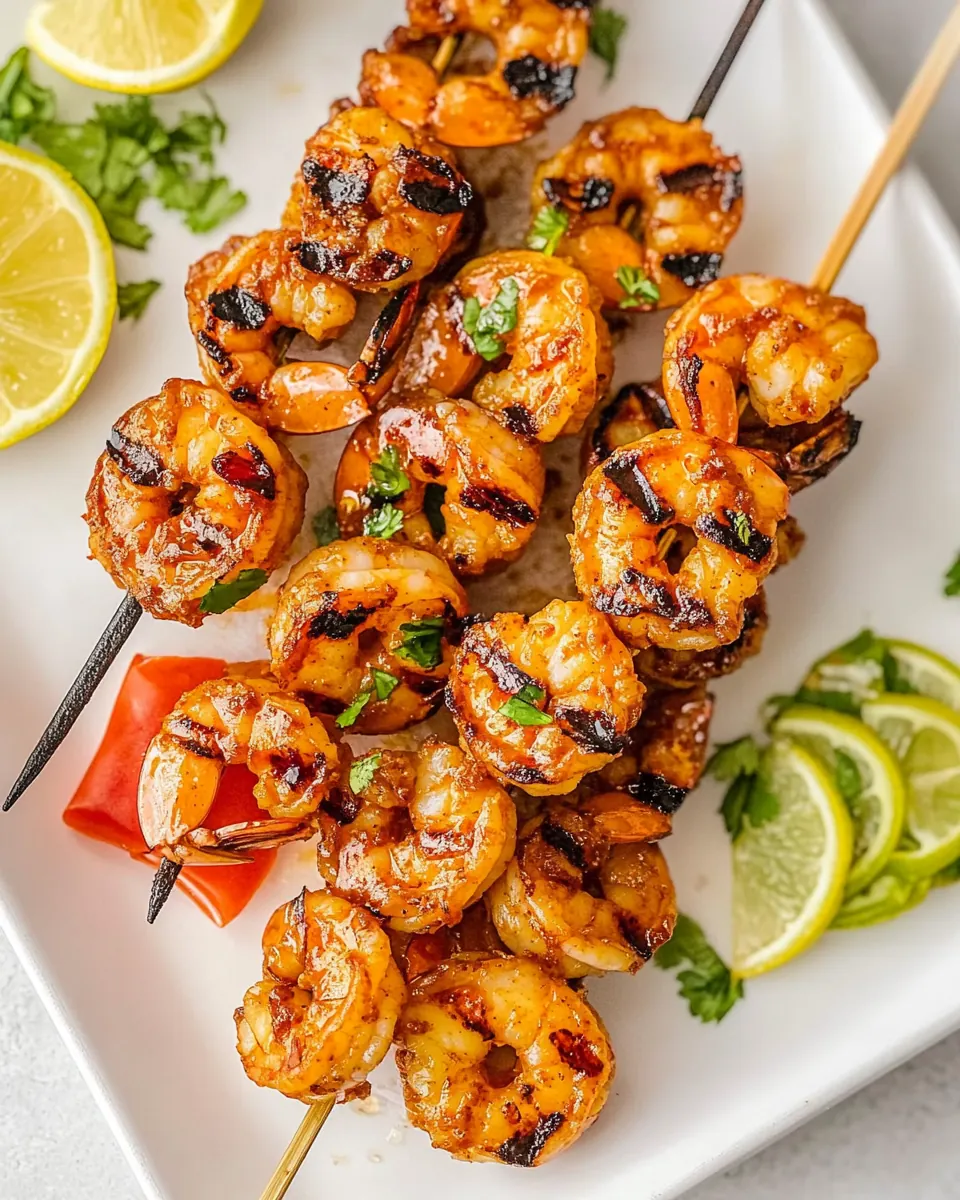
These directions walk you through marinating, prepping, and cooking the shrimp so they come out juicy and boldly flavored. I like to describe sensory cues and common mistakes so you know what to watch for while you cook.
- To a large bowl, add the olive oil, jerk seasoning, lime juice, honey, soy sauce, whisk to combine, then add the shrimp and toss to coat evenly.: The scent of the jerk seasoning blooming in the olive oil and lime is immediate, smelling peppery with citrus highlights, and when you whisk the mixture it becomes glossy and fragrant. As you fold in the shrimp , listen for a faint wet swish and notice how each piece becomes evenly coated, the marinade clinging to curves and crevices. This ensures every bite is flavorful, because uncoated spots will cook up bland. A common mistake is overcrowding the bowl, which prevents even coverage, so use a bowl with room to toss. If your marinade seems thin, it is fine, the liquid will still flavor the shrimp , but patting them almost dry before grilling helps them sear rather than steam.
- Allow the shrimp to marinate for 15-20 minutes; you can keep them on the counter. If you're going to marinate longer, cover with plastic wrap and place the bowl in the fridge. Do not allow the shrimp to marinate longer than 45-60 minutes because the lime juice will start 'cooking' them and they'll turn out tough later.: You will begin to detect the citrus mellowing the spice as the lime works on the surface proteins, but not so long that the texture changes. Marinating short keeps the shrimp tender while letting the flavors penetrate; if you leave them too long the acid can firm them into a mushy texture. If you choose to refrigerate for a longer window, cover the bowl, but do not exceed 45 to 60 minutes to avoid the lime "cooking" effect. A frequent error is assuming longer equals better, which is not true here because the texture is delicate and time sensitive.
- While the shrimp are marinating, soak wooden skewers in water if using wood rather than metal skewers.: Soaking wooden skewers prevents burning and steaming of the wood when they meet intense heat, which also keeps a cleaner smoke profile. You will notice soaked skewers feel heavier and warmer to the touch after a few minutes, ready to support the shrimp . If you skip this step, the wood can char quickly and impart an off bitter note, so even a brief soak improves presentation and safety. Metal skewers avoid this issue but will conduct heat, so be mindful of hot metal when plating.
- Preheat your grill to medium-high and oil the grates. Or place your grill pan over medium-high to high heat on your stove. Thread 5-6 shrimp onto each skewer until all shrimp are threaded. Reserve the excess marinade. If you're making this in a skillet and plan to sauté them, you don't have to thread them onto skewers.: When the grill reaches medium high, it will radiate a steady heat and you may hear an initial sizzle as a drop of water quickly evaporates. Oiling the grates helps prevent sticking and encourages those signature char marks, which add visual appeal and a toasty flavor. Threading 5 to 6 shrimp per skewer keeps them easy to flip and ensures even exposure to heat. If the shrimp feel cool to the touch and you see no bead of marinade, they are ready; overcrowding skewers creates uneven cooking, so leave a little space between pieces for air and heat to circulate.
- Grill the shrimp for about 2 minutes, flip over, brush generously with the reserved marinade, and cook an additional 2 minutes, or until the shrimp are cooked through. After basting with the reserved marinade, discard it. If you're sautéing them, add them to a large skillet with a bit of olive oil and sauté over medium-high heat for about 4 minutes or until done, flipping once midway through. Flipping/Sticking Tip– If the shrimp are sticking and don't want to release, give them another 30-45 seconds. When protein is closer to being done, it will flip/release easier than when it's raw. Cooking Tips– Shrimp cook very QUICKLY and the smaller they are, the faster they cook; total cook time is likely less than 5 minutes but of course, it will vary based on the size of the shrimp and the heat output of your grill. Outdoor grills get very hot, much hotter than your stove, so they'll likely cook even faster. Shrimp are done when they're an opaque peach-pink, and no longer a translucent. They'll also start to curve into themselves like the letter C. If they start curving into a 'tight' C shape, they're on their way to being overdone so take them off the heat. 145 F is the desired temp but shrimp give lots of visual cues so I don't tend to actually take the temperature.: Holding back some marinade lets you baste midway without reusing raw juices that contacted the raw shrimp . The reserved portion will glisten when brushed on and will caramelize slightly under heat, smelling sweet and spicy. Avoid using any marinade that sat with raw shrimp unless you boil it first, because raw seafood juices can carry bacteria. This separation reduces risk and maximizes flavor payoff when finished on the grill.
- Optionally, but recommended, garnish with fresh herbs, extra lime wedges, salsa, rice, etc. as desired and serve immediately.: As the shrimp hit the grates, you will hear a crisp sizzle and soon observe edges turning opaque with golden char. After flipping, brushing with the reserved marinade introduces a glossy, caramel hint that heightens the aroma, and the follow up cook time lets sugars in the honey toast. Watch for the shrimp to become a peachy pink and curl into a loose C shape; this signals doneness. A common pitfall is overcooking, which yields a tight C and rubbery texture, so remove them promptly when the color and curve are right. After basting, discard any used reserved marinade to stay safe.
- If you're sautéing them, add them to a large skillet with a bit of olive oil and sauté over medium high heat for about 4 minutes or until done, flipping once midway through: In a hot skillet the contact sound is an energetic sizzle, and you will see the pan develop small browned bits that smell nutty and fragrant. Sautéing concentrates flavors quickly, so the shrimp will pick up a caramelized exterior while remaining tender inside. Keep space in the pan to avoid steaming; if they sit crowded they will release moisture and not brown properly. A typical error is not preheating the pan enough, which leads to sticking and uneven color, so give the skillet time to reach full heat before adding the shrimp .
- Flipping Sticking Tip– If the shrimp are sticking and don't want to release, give them another 30 to 45 seconds: There is an audible pause when protein initially releases from the cooking surface, and forcing a flip too early tears the surface. Waiting the extra half minute often yields an easy, clean release because the caramelization has set. This also prevents tearing, which can make presentation look ragged. Overzealous flipping is the usual cause of sticking, so trust the visual cues and give the shrimp a moment to finish forming that sear.
- Cooking Tips– Shrimp cook very QUICKLY and the smaller they are, the faster they cook; total cook time is likely less than 5 minutes but of course, it will vary based on the size of the shrimp and the heat output of your grill: Pay attention to color and shape more than the clock, because grill intensity varies widely. Smaller shrimp will go from raw to overdone in the blink of an eye, while larger specimens give you a slightly wider window. If your grill runs hot, reduce cooking time and watch closely. Not monitoring visually is the main error here, so stay present and remove the shrimp at the right sign, not strictly by time alone.
- Shrimp are done when they're an opaque peach pink, and no longer a translucent: The visual transformation from translucent to opaque is the clearest indicator of doneness, and you may also feel a springy resilience as you press a piece with tongs. They should form a loose C shape; a tight C signals overcooking. If you prefer to use a thermometer, 145 F is the target, but I usually rely on those visual cues because they are simple and reliable. Relying solely on temperature probes can be awkward with small shrimp , so combine sight and touch for the best results.
- Optionally, but recommended, garnish with fresh herbs, extra lime wedges, salsa, rice, etc: A finishing shower of minced cilantro or parsley adds herbaceous brightness and a pleasing color contrast, while an extra squeeze of lime sharpens the flavors. Serving alongside plain starches like rice lets the seasoned shrimp remain center stage. The mistake to avoid is overcomplicating accompaniments which can compete with the jerk profile; keep sides simple to complement the main attraction.
Recipe Tips about Grilled Jerk Shrimp
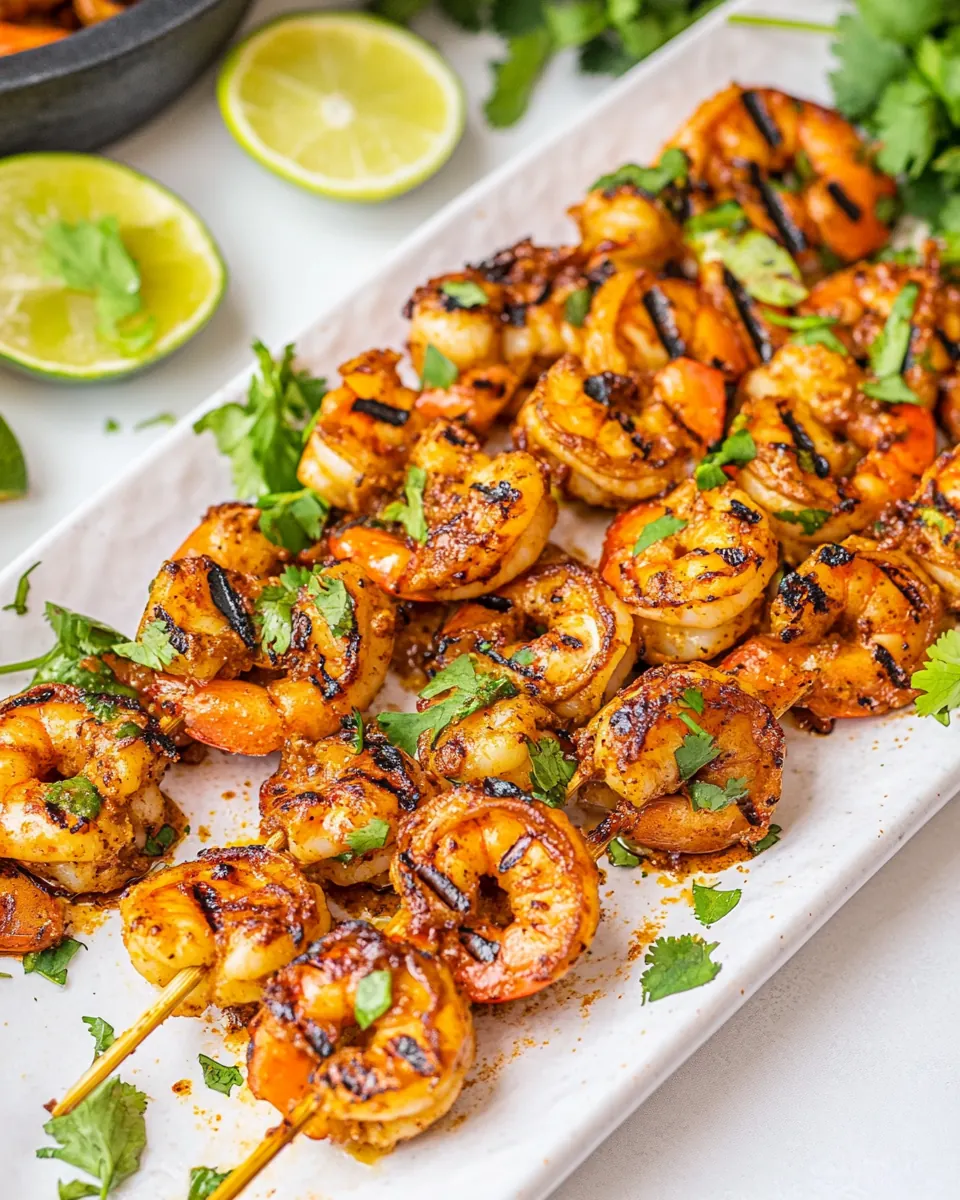
These practical tips help you get consistent results whether you are grilling outdoors or using a skillet inside. I expanded each note so you can use them at the stove and the grill with confidence.
- Choose thawed, firm shrimp, because shrimp that are fully thawed and patted dry will sear more evenly and develop a better texture. If they are still partially frozen the center will stay undercooked while the exterior overcooks. I always thaw in the fridge overnight or under cold running water for a quick method, then dry thoroughly to avoid steaming in the pan.
- Adjust jerk seasoning to your heat tolerance, since commercial blends vary widely in spice level. Taste a pinch before you season and start with less if you are unsure, because you can always add more. When entertaining, I make two bowls of marinade, one milder and one spicier, so guests can choose their preferred heat.
- Use moderate heat for a perfect sear, because too high heat risks a burnt exterior and too low heat will steam the shrimp. Aim for medium high on a grill or a well heated skillet, and remember that an outdoor grill typically runs hotter than a stovetop pan, so reduce time slightly when cooking outdoors.
- Brush with reserved marinade just once, after flipping, to build layers of flavor without reintroducing raw juices. Brushing earlier can cause sugars to burn and can spread raw contamination. After a final brush, discard any leftover reserved marinade to stay safe.
- Serve immediately for best texture, since shrimp cool quickly and lose that just cooked snappiness. I plan sides ahead so everything comes together hot; if you need to hold them briefly, place them in a warm but not hot oven to avoid additional cooking.
Serve This Grilled Jerk Shrimp With
This dish plays well with simple, flavorful sides that let the jerk profile shine. Here are ideas for plating, occasions, and storage to keep your meal balanced and practical.
- Steamed rice, because it acts as a neutral base that soaks up the flavorful juices and balances the spice. I often prepare fluffy jasmine rice that provides a fragrant counterpoint and keeps each bite harmonious.
- Fresh salsa or mango salsa, which adds a sweet and tangy contrast to the smoky spices. A bright salsa sliced finely complements the shrimp and provides a juicy texture contrast.
- Simple green salad, dressed lightly to introduce a crisp, cooling element. The peppery bite of greens and a lemon or lime vinaigrette refreshes the palate between spicy bites.
- Grilled vegetables, like corn or bell peppers, which echo the char notes of the shrimp and create a cohesive plate. Grill them alongside the skewers to synchronize flavors and timing.
- Casual gatherings, because these skewers are ideal for backyard barbecues and summer parties where guests can graze. They are also great for weeknight dinners when you need a quick, flavorful protein.
- Storage tips, store leftover cooked shrimp in an airtight container in the fridge for up to two days, because shrimp texture declines quickly. Reheat gently in a skillet on low heat or serve cold over a salad to avoid toughness.
- Seasonal pairings, serve during summer for outdoor cookouts and light evening meals, since bright citrus and fresh herbs pair beautifully with warm weather produce and alfresco occasions.
FAQ
Conclusion
What makes this recipe special is its ability to deliver bright, smoky, and spicy flavors in a matter of minutes while preserving the delicate texture of shrimp. Give it a try when you want an impressive dish that is fast to prepare and easy to scale for guests. I find the combination of a quick marinade, a hot cooking surface, and a finishing squeeze of lime turns simple ingredients into something that tastes like a celebration, and I hope you enjoy making it as much as I do.
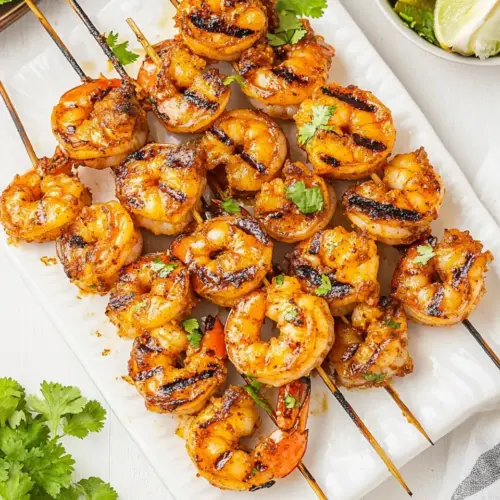
Grilled Jerk Shrimp
Equipment
- outdoor (gas) grill
- Indoor Grill Pan
- Wooden Skewers
- Large Skillet
Ingredients
- 2 tablespoons olive oil Adds a smooth, fruity fat that helps coat shrimp for even cooking and carries flavors from marinades into the seafood.
- 2 tablespoons jerk seasoning, or to taste (see notes for homemade jerk seasoning; or check the links for store bought options) Provides bold, spicy-sweet Caribbean flavors that form the recipe's signature seasoning; adjust amount to control heat intensity.
- 1 medium lime, juiced + extra lime wedges for serving if desired Supplies bright citrus acidity that tenderizes shrimp slightly and balances the seasoning; extra wedges offer a fresh finishing squeeze.
- 1 tablespoon honey Contributes a touch of natural sweetness that rounds spicy and salty notes while helping the marinade glaze the shrimp during grilling.
- 1 tablespoon soy sauce, (I use reduced sodium) Adds savory umami and salt that deepens overall flavor; reduced-sodium soy sauce controls salt level while enhancing caramelization.
- 1 pound fresh medium-large shrimp, deveined with tails off or on based on your preference (about U-20 size; fresh shrimp recommended but previously uncooked shrimp that were frozen and thawed may be used) Delivers the primary protein and main component of the dish; fresh medium-large shrimp cook quickly and absorb the marinade well.
- Fresh cilantro or fresh parsley, finely minced; optional for garnishing Offers a fresh herbaceous garnish that adds color, a bright finish, and a hint of freshness to cut through the spiciness when sprinkled on top.
Instructions
- To a large bowl, add the olive oil, jerk seasoning, lime juice, honey, soy sauce, whisk to combine, then add the shrimp and toss to coat evenly.: The scent of the jerk seasoning blooming in the olive oil and lime is immediate, smelling peppery with citrus highlights, and when you whisk the mixture it becomes glossy and fragrant. As you fold in the shrimp , listen for a faint wet swish and notice how each piece becomes evenly coated, the marinade clinging to curves and crevices. This ensures every bite is flavorful, because uncoated spots will cook up bland. A common mistake is overcrowding the bowl, which prevents even coverage, so use a bowl with room to toss. If your marinade seems thin, it is fine, the liquid will still flavor the shrimp , but patting them almost dry before grilling helps them sear rather than steam.
- Allow the shrimp to marinate for 15-20 minutes; you can keep them on the counter. If you're going to marinate longer, cover with plastic wrap and place the bowl in the fridge. Do not allow the shrimp to marinate longer than 45-60 minutes because the lime juice will start 'cooking' them and they'll turn out tough later.: You will begin to detect the citrus mellowing the spice as the lime works on the surface proteins, but not so long that the texture changes. Marinating short keeps the shrimp tender while letting the flavors penetrate; if you leave them too long the acid can firm them into a mushy texture. If you choose to refrigerate for a longer window, cover the bowl, but do not exceed 45 to 60 minutes to avoid the lime "cooking" effect. A frequent error is assuming longer equals better, which is not true here because the texture is delicate and time sensitive.
- While the shrimp are marinating, soak wooden skewers in water if using wood rather than metal skewers.: Soaking wooden skewers prevents burning and steaming of the wood when they meet intense heat, which also keeps a cleaner smoke profile. You will notice soaked skewers feel heavier and warmer to the touch after a few minutes, ready to support the shrimp . If you skip this step, the wood can char quickly and impart an off bitter note, so even a brief soak improves presentation and safety. Metal skewers avoid this issue but will conduct heat, so be mindful of hot metal when plating.
- Preheat your grill to medium-high and oil the grates. Or place your grill pan over medium-high to high heat on your stove. Thread 5-6 shrimp onto each skewer until all shrimp are threaded. Reserve the excess marinade. If you're making this in a skillet and plan to sauté them, you don't have to thread them onto skewers.: When the grill reaches medium high, it will radiate a steady heat and you may hear an initial sizzle as a drop of water quickly evaporates. Oiling the grates helps prevent sticking and encourages those signature char marks, which add visual appeal and a toasty flavor. Threading 5 to 6 shrimp per skewer keeps them easy to flip and ensures even exposure to heat. If the shrimp feel cool to the touch and you see no bead of marinade, they are ready; overcrowding skewers creates uneven cooking, so leave a little space between pieces for air and heat to circulate.
- Grill the shrimp for about 2 minutes, flip over, brush generously with the reserved marinade, and cook an additional 2 minutes, or until the shrimp are cooked through. After basting with the reserved marinade, discard it. If you're sautéing them, add them to a large skillet with a bit of olive oil and sauté over medium-high heat for about 4 minutes or until done, flipping once midway through. Flipping/Sticking Tip– If the shrimp are sticking and don't want to release, give them another 30-45 seconds. When protein is closer to being done, it will flip/release easier than when it's raw. Cooking Tips– Shrimp cook very QUICKLY and the smaller they are, the faster they cook; total cook time is likely less than 5 minutes but of course, it will vary based on the size of the shrimp and the heat output of your grill. Outdoor grills get very hot, much hotter than your stove, so they'll likely cook even faster. Shrimp are done when they're an opaque peach-pink, and no longer a translucent. They'll also start to curve into themselves like the letter C. If they start curving into a 'tight' C shape, they're on their way to being overdone so take them off the heat. 145 F is the desired temp but shrimp give lots of visual cues so I don't tend to actually take the temperature.: Holding back some marinade lets you baste midway without reusing raw juices that contacted the raw shrimp . The reserved portion will glisten when brushed on and will caramelize slightly under heat, smelling sweet and spicy. Avoid using any marinade that sat with raw shrimp unless you boil it first, because raw seafood juices can carry bacteria. This separation reduces risk and maximizes flavor payoff when finished on the grill.
- Optionally, but recommended, garnish with fresh herbs, extra lime wedges, salsa, rice, etc. as desired and serve immediately.: As the shrimp hit the grates, you will hear a crisp sizzle and soon observe edges turning opaque with golden char. After flipping, brushing with the reserved marinade introduces a glossy, caramel hint that heightens the aroma, and the follow up cook time lets sugars in the honey toast. Watch for the shrimp to become a peachy pink and curl into a loose C shape; this signals doneness. A common pitfall is overcooking, which yields a tight C and rubbery texture, so remove them promptly when the color and curve are right. After basting, discard any used reserved marinade to stay safe.
- If you're sautéing them, add them to a large skillet with a bit of olive oil and sauté over medium high heat for about 4 minutes or until done, flipping once midway through: In a hot skillet the contact sound is an energetic sizzle, and you will see the pan develop small browned bits that smell nutty and fragrant. Sautéing concentrates flavors quickly, so the shrimp will pick up a caramelized exterior while remaining tender inside. Keep space in the pan to avoid steaming; if they sit crowded they will release moisture and not brown properly. A typical error is not preheating the pan enough, which leads to sticking and uneven color, so give the skillet time to reach full heat before adding the shrimp .
- Flipping Sticking Tip– If the shrimp are sticking and don't want to release, give them another 30 to 45 seconds: There is an audible pause when protein initially releases from the cooking surface, and forcing a flip too early tears the surface. Waiting the extra half minute often yields an easy, clean release because the caramelization has set. This also prevents tearing, which can make presentation look ragged. Overzealous flipping is the usual cause of sticking, so trust the visual cues and give the shrimp a moment to finish forming that sear.
- Cooking Tips– Shrimp cook very QUICKLY and the smaller they are, the faster they cook; total cook time is likely less than 5 minutes but of course, it will vary based on the size of the shrimp and the heat output of your grill: Pay attention to color and shape more than the clock, because grill intensity varies widely. Smaller shrimp will go from raw to overdone in the blink of an eye, while larger specimens give you a slightly wider window. If your grill runs hot, reduce cooking time and watch closely. Not monitoring visually is the main error here, so stay present and remove the shrimp at the right sign, not strictly by time alone.
- Shrimp are done when they're an opaque peach pink, and no longer a translucent: The visual transformation from translucent to opaque is the clearest indicator of doneness, and you may also feel a springy resilience as you press a piece with tongs. They should form a loose C shape; a tight C signals overcooking. If you prefer to use a thermometer, 145 F is the target, but I usually rely on those visual cues because they are simple and reliable. Relying solely on temperature probes can be awkward with small shrimp , so combine sight and touch for the best results.
- Optionally, but recommended, garnish with fresh herbs, extra lime wedges, salsa, rice, etc: A finishing shower of minced cilantro or parsley adds herbaceous brightness and a pleasing color contrast, while an extra squeeze of lime sharpens the flavors. Serving alongside plain starches like rice lets the seasoned shrimp remain center stage. The mistake to avoid is overcomplicating accompaniments which can compete with the jerk profile; keep sides simple to complement the main attraction.
Notes
- Choose thawed, firm shrimp, because shrimp that are fully thawed and patted dry will sear more evenly and develop a better texture. If they are still partially frozen the center will stay undercooked while the exterior overcooks. I always thaw in the fridge overnight or under cold running water for a quick method, then dry thoroughly to avoid steaming in the pan.
- Adjust jerk seasoning to your heat tolerance, since commercial blends vary widely in spice level. Taste a pinch before you season and start with less if you are unsure, because you can always add more. When entertaining, I make two bowls of marinade, one milder and one spicier, so guests can choose their preferred heat.
- Use moderate heat for a perfect sear, because too high heat risks a burnt exterior and too low heat will steam the shrimp. Aim for medium high on a grill or a well heated skillet, and remember that an outdoor grill typically runs hotter than a stovetop pan, so reduce time slightly when cooking outdoors.
- Brush with reserved marinade just once, after flipping, to build layers of flavor without reintroducing raw juices. Brushing earlier can cause sugars to burn and can spread raw contamination. After a final brush, discard any leftover reserved marinade to stay safe.
- Serve immediately for best texture, since shrimp cool quickly and lose that just cooked snappiness. I plan sides ahead so everything comes together hot; if you need to hold them briefly, place them in a warm but not hot oven to avoid additional cooking.