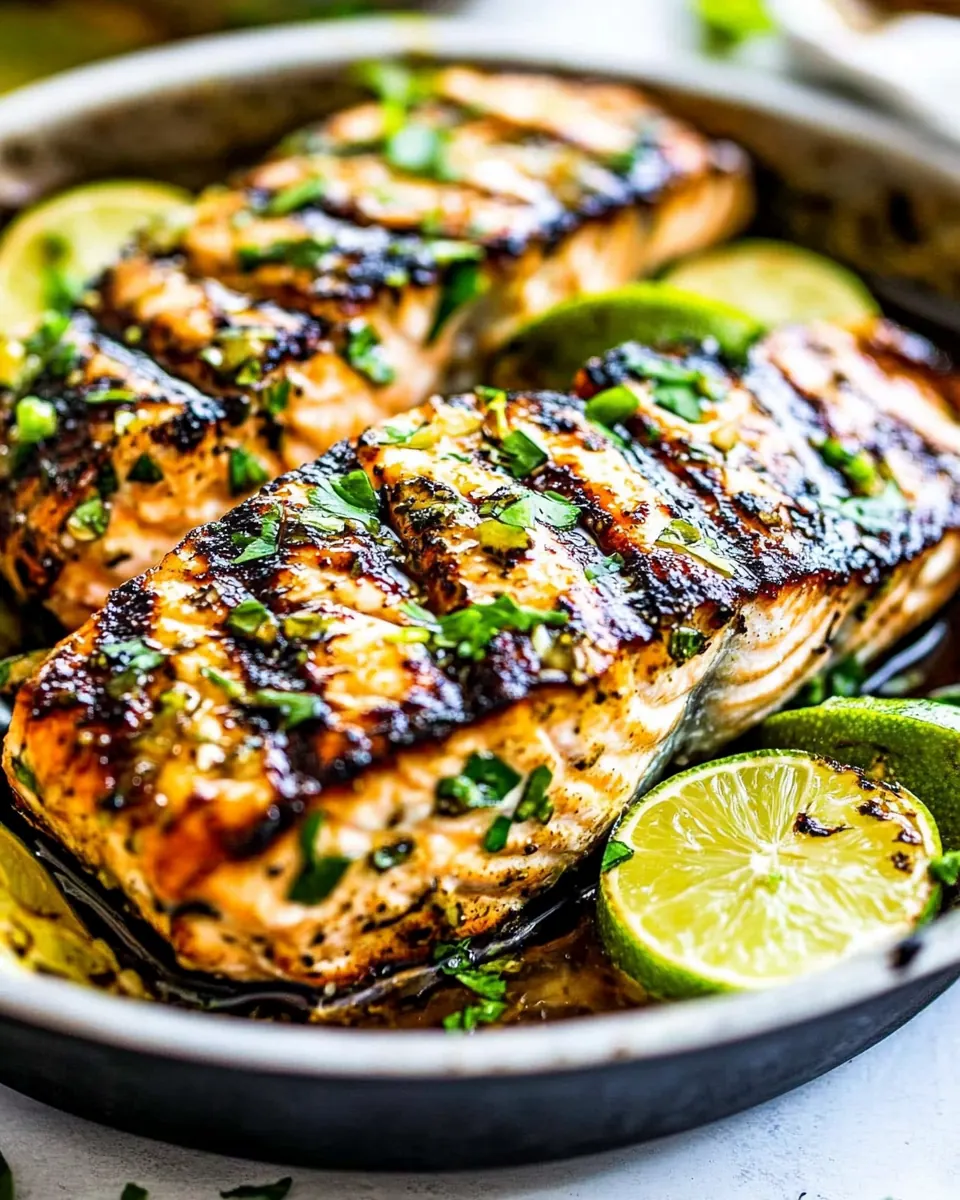
Grilled Honey Lime Salmon
Grilled Honey Lime Salmon has been my go to when I want something fast that still tastes effortless and special. The first time I made it, I was rushing home from work with a bag of salmon on ice and no clear plan, and a last minute idea to mix honey, lime, and a little butter turned into a sticky, bright glaze that had everyone asking for seconds. I remember standing at the grill, feeling the heat on my face while that sweet citrus aroma lifted off the fillets and drew my neighbor over to ask what was cooking.
Since then I’ve tweaked the balance so the glaze clings to the salmon and caramelizes without burning, and I always reserve a spoonful to brush on at the end for a glossy finish. Some evenings call for a simple sheet of foil and lime slices tucked in, other nights I’ll sear first for char and then finish in a packet to keep things tender. Each method gives a slightly different texture, but the same bright honey lime flavor that keeps this recipe in my regular rotation.
Recipe Snapshot
25 mins
15 mins
10 mins
Medium
350 kcal
American
Gluten-Free, Keto
Dinner
Grill, Tongs, Wide spatula, Mixing bowl, Whisk, Heavy duty foil
The Appeal of This Grilled Honey Lime Salmon
Bright, balanced flavor that feels fancy
I love how Grilled Honey Lime Salmon layers sweet, salty, and acidic notes without any complicated steps. The honey gives a caramelized gloss, while the lime juice and zest cut through and keep the dish lively, so it never feels too heavy.
Quick to prepare for busy nights
What sold me was how fast it comes together. A brief marinade and a hot grill means dinner can be on the table in under an hour, making it a reliable easy weeknight dinner option when time is tight.
Versatile for different textures
I like that you can get a crisp exterior from direct grilling or a tender, steam finished result from foil packets. Both approaches highlight the same core ingredients but produce slightly different mouthfeels, so you can choose depending on mood or weather.
Minimal ingredients, maximum impact
With just a few pantry items like butter, soy sauce, and garlic, the recipe feels accessible but still layered. I appreciate recipes that do a lot with a little, and this one tastes thoughtful without being fussy.
Perfect for entertaining and weeknights
I often make it for small gatherings because it looks impressive and gives me time to mingle. At the same time, it’s forgiving enough that if the grill runs hot you can finish the fish in foil and still have a beautiful plate.
Key Ingredients for Grilled Honey Lime Salmon
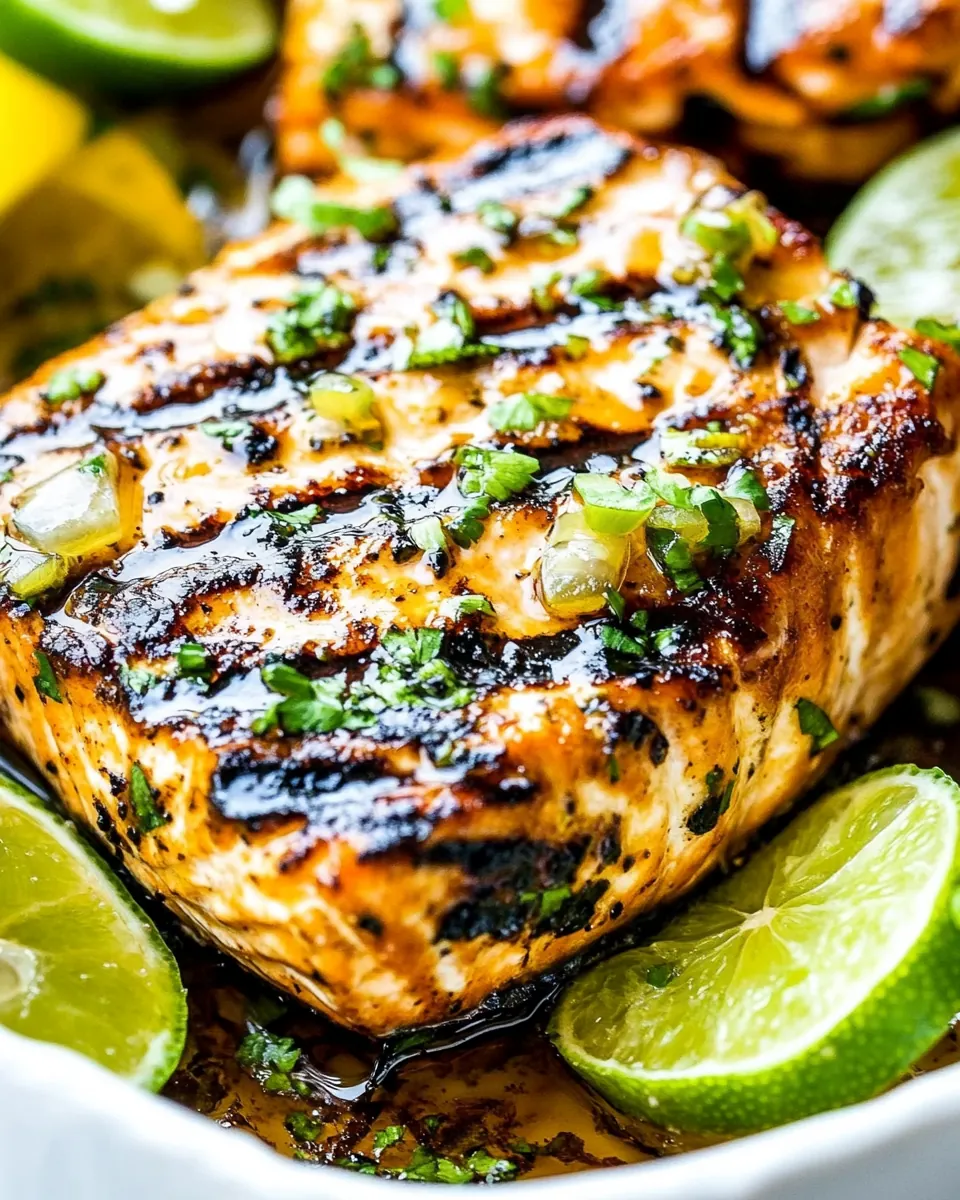
The philosophy behind these components is simple: each player has a clear job. The salmon provides rich, buttery texture. The honey adds sweetness and helps with caramelization. The lime introduces brightness and lifts the whole dish. Together with a touch of butter and soy sauce, the flavors become balanced and layered without competing.
- 4 (6 ounce) salmon fillets: Season generously with salt and pepper to enhance and balance the natural flavors of the salmon; use sparingly to avoid overpowering the fish and adjust to taste before or after cooking.
- salt and pepper to taste: Season lightly with salt and pepper to bring out sweetness and provide depth; apply evenly to each fillet for consistent flavor throughout.
- 1/3 cup melted unsalted butter: Melt and incorporate melted unsalted butter to add richness and a silky mouthfeel; brush onto the salmon and mix with other liquids to create a glossy, flavorful glaze.
- 1/3 cup honey: Sweeten naturally with honey to create caramelization and a sticky glaze when grilled; combine with lime and butter to balance savory and tart notes.
- 1 tablespoon low sodium soy sauce: Add savory umami with low sodium soy sauce to deepen the glaze without excessive saltiness; whisk into the honey–butter mixture for complexity and color.
- 4 tablespoons fresh lime juice: Brighten intensely with fresh lime juice to cut through richness and provide acidic balance; pour into the marinade to tenderize and lift flavors.
- zest from half a lime: Zest vibrantly from half a lime to infuse aromatic citrus oils and concentrated lime flavor; sprinkle into the glaze for fragrant, fresh top notes.
- 2 crushed large cloves garlic: Crush vigorously large garlic cloves to release pungent, aromatic oils and savory depth; mix into the marinade so the garlic mellows and flavors the fish during cooking.
- oil for grilling: Oil lightly for grilling to prevent sticking and promote even browning; brush the grill grates or the fillets before searing to protect delicate flesh.
- Lime slices and chopped cilantro for garnish: Garnish with lime slices and chopped cilantro to add bright citrus aroma and fresh herbal contrast; place on or beside the cooked fillets for visual appeal and a final flavor lift.
Preparation Steps for Grilled Honey Lime Salmon
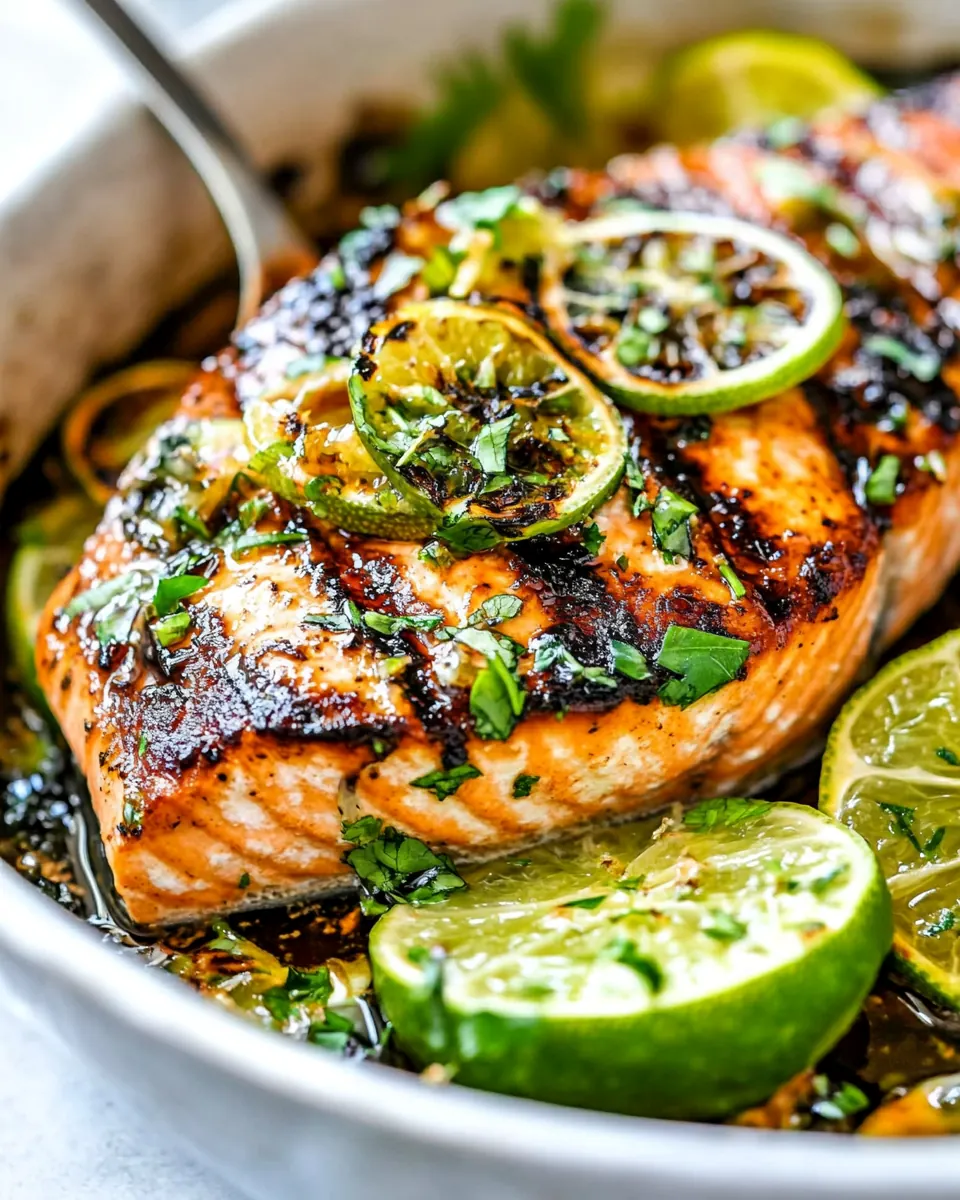
I like to approach grilling with a relaxed but attentive mindset, because fish rewards gentle handling and focused timing. Below I expand each direction into detailed, sensory steps that guide you from seasoning to serving.
- Season 4 (6 ounce) salmon fillets generously with salt and pepper. In a small bowl whisk together 1/3 cup melted unsalted butter, 1/3 cup honey, 1 tablespoon low sodium soy sauce, 4 tablespoons fresh lime juice, zest from half a lime, and 2 crushed large cloves garlic. Reserve 1-2 tablespoons of the sauce to brush on the salmon once finished cooking.: As you sprinkle the salt and pepper , you should hear the slight whisper of crystals hitting the flesh, and smell the faint oceanic scent of the salmon . This step draws out flavors and begins to firm the surface, which helps the glaze cling later. A common mistake is over seasoning too early if marinating long term, but for a short marinade this amount is fine. If you notice moisture pooling after salting, gently pat the fillets to remove excess so they sear cleanly.
- Marinate the salmon in the rest of the sauce for at least 30 minutes before grilling. Once the salmon is ready, preheat your grill to medium-high heat.: When you whisk these, watch the butter and honey emulsify into a glossy sauce, and inhale the bright citrus and savory garlic notes. The action of whisking helps disperse the oil based butter into the water based lime juice for a stable glaze. If the mixture looks separated, whisk longer or warm briefly to help bind. Avoid overheating the butter which would change the flavor profile and make the glaze greasy.
- Brush grill grates with oil for grilling. Place salmon fillets on the grill diagonally to the grill grates. Grill with the lid closed for 2-4 minutes (depending on the thickness of the salmon) or until grill marks appear. Use tongs and a wide spatula, carefully turn the fish onto the other side, so that the skin side is now on the grill grates.: Spoon a small portion of the glaze into a separate bowl so you can add a fresh glossy finish later, the reserved sauce will be vibrant and raw tasting, perfect for brushing. This reserved bit adds visual shine and a concentrated flavor punch at the end. A pitfall is forgetting to reserve, which results in less dynamic finish; keep a small ramekin set aside before marinating.
- Close the grill lid. Cook for another 2-5 minutes, again depending on the thickness of the fillets. Salmon should be just barely opaque throughout when done.: During the marinade the surface of the salmon will become tacky as the honey and butter cling, and the lime will brighten the flesh. Marinating for thirty minutes allows flavor penetration without breaking down the texture. Avoid marinating much longer, because the acid in the lime can start to firm and change the fish into a ceviche like texture if left for hours.
- Place each piece of salmon on a piece of heavy duty foil large enough to fold over and seal. Add lime slices and drizzle with a spoonful of marinade. Wrap up salmon tightly in the foil packets.: As the grill heats you should see faint wisps of smoke and feel steady radiant heat when you hold your hand above the grates, this temperature sears the glaze without burning it immediately. Preheating also prevents sticking and helps form attractive grill marks. One common mistake is starting on a cold grill, which causes the fish to stick and cook unevenly, so always allow the grates to come to temperature.
- Place the foil packets on the hot grill and cook for 10-13 minutes, flipping halfway through. Remove from grill.: Rubbing the grates with a lightly oiled cloth or using a brush creates a thin barrier that stops the delicate flesh from hugging metal. As you oil the grates the surface should shimmer slightly, and you will notice less resistance when placing the fillets. Too much oil can drip causing flare ups, so apply sparingly and away from direct flames.
- Brush the tops of the salmon with reserved sauce and serve immediately with lime slices and chopped cilantro for garnish, if desired.: Positioning the fillets diagonally helps produce classic crosshatch marks, and as the fish meets the hot metal you should hear a gentle sizzle and see the glaze begin to bubble at the edges. This visual cue indicates the Maillard reaction is starting. Avoid moving the fillets prematurely; letting them develop a sear before turning prevents tearing of the flesh.
- Grill with the lid closed for 2 to 4 minutes or until grill marks appear: With the lid down the grill builds an oven like environment, circulating heat so the fish cooks evenly. You will smell a toasty caramel note as the honey begins to darken and the edges turn opaque. A pitfall is guessing by time alone; use visual cues like firming flesh and the appearance of grill marks to judge readiness.
- Use tongs and a wide spatula, carefully turn the fish onto the other side so that the skin side is now on the grill grates: When you turn the fillet listen for that brief silence then a resumed sizzle, and notice the color change as the flesh firms. Using both tools gives support so the fillet does not fall apart. If the fish sticks when you try to turn it, it likely needs another thirty seconds to release; forcing it will tear the fillet.
- Close the grill lid: Shutting the lid traps heat and allows the fish to cook through gently while retaining moisture. Inside the grill the aroma shifts to a richer, more concentrated caramelized scent. Opening often drops temperature and prolongs cooking, which can dry the fish, so only peek when necessary.
- Cook for another 2 to 5 minutes depending on the thickness of the fillets: Expect to see the center go from translucent to just barely opaque, and the edges to feel slightly firmer under touch. The variance in time accounts for fillet thickness, so press gently to test doneness rather than relying solely on a clock. Overcooking is the main mistake here, as it yields dry flakes rather than a moist, silky texture.
- Place each piece of salmon on a piece of heavy duty foil large enough to fold over and seal: Transferring to foil creates a mini packet that traps steam when you add liquid, and as you seal the foil you will hear a soft crinkle that signals a snug environment for gentle finishing. This method keeps the fish tender and allows the marinade to mingle with the flesh. Ensure the foil is heavy duty to avoid tearing and leaking juices onto the grill.
- Add lime slices and drizzle with a spoonful of marinade: The lime slices release fragrant oils and additional juice while the enclosed steam helps infuse the salmon . As you add the marinade you will see it pool lightly and begin to meld with the fish juices. Too much added liquid can steam the fish excessively, so a spoonful is enough to impart flavor without turning the packet into a braise.
- Wrap up salmon tightly in the foil packets: Sealing the packet traps aromatic steam and keeps the fillet juicy, creating a delicate finish that contrasts with the initial sear. The packet will puff slightly as it cooks, and you should see condensation gather inside. If not sealed well, juices may drip and flare up on the grill, so crimp edges firmly.
- Place the foil packets on the hot grill and cook for 10 to 13 minutes flipping halfway through: Cooking in foil ensures even heat distribution and gentle steam, and when you flip the packets you will feel moderate resistance then continue to hear soft sizzles. The internal temperature will rise steadily, and the fish should finish tender and flaky. Avoid leaving packets too long, which can overcook the fish; check at the lower end of the time range when in doubt.
- Remove from grill: When you open the packet you should be greeted by a burst of citrus steam and glossy juices. Transfer the fillets carefully to avoid spilling the flavorful liquid. A common error is letting the fish sit too long in the packet, which can continue to cook it; serve promptly for best texture.
- Brush the tops of the salmon with reserved sauce and serve immediately with lime slices and chopped cilantro for garnish if desired: Brushing the reserved glaze adds a fresh, shiny finish and an immediate hit of concentrated flavor, and the aroma of the bright lime and herbal cilantro will make the plate sing. Serve hot so the glaze stays glossy. If you wait too long, the glaze can congeal and lose its appeal, so plate and present quickly.
Make It Your Own
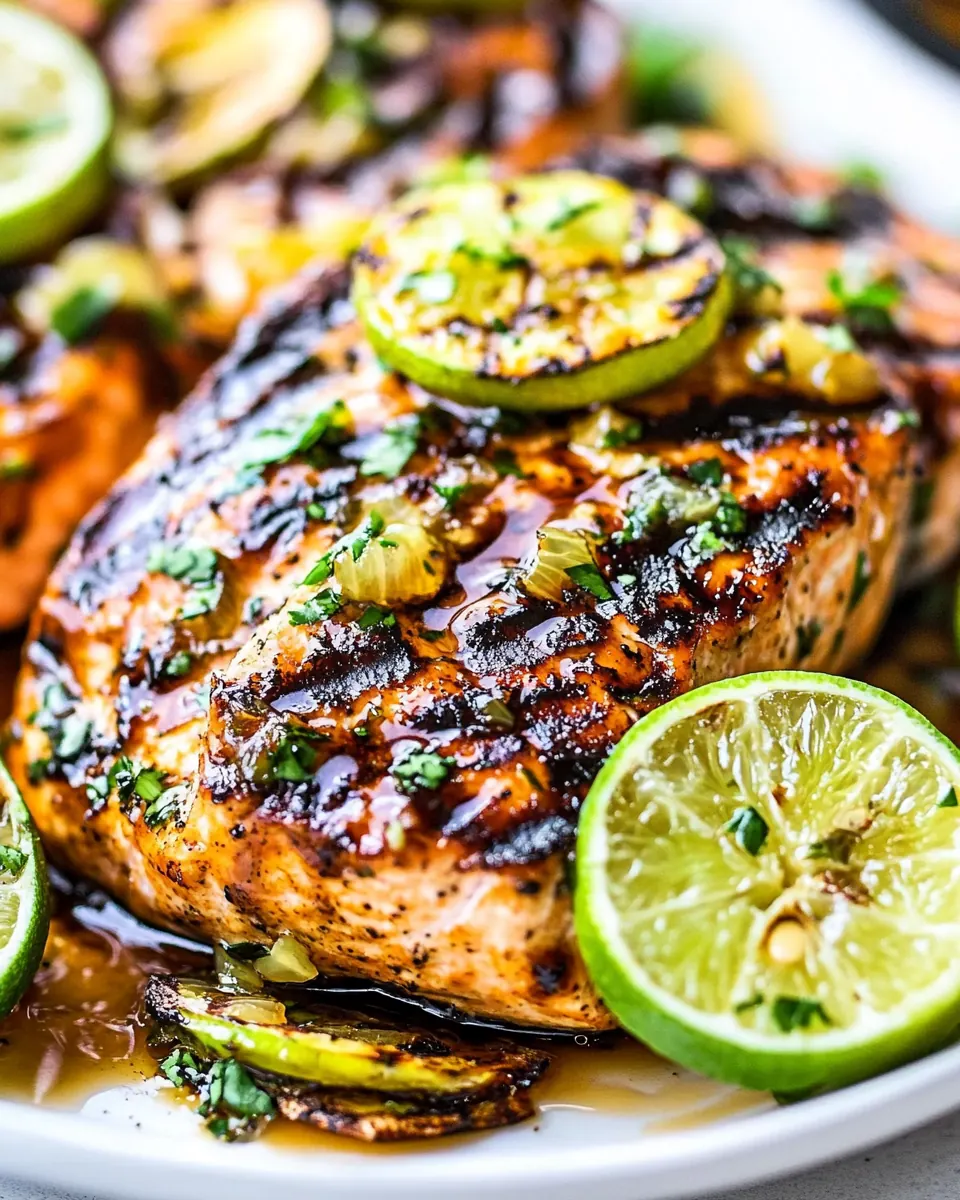
This dish is forgiving and open to small, personal touches. Below are tips you can use to adapt texture, presentation, and flavor without altering the recipe’s spirit.
- Finish With Reserved Sauce: Always set aside a small amount of the glaze before marinating, then brush it on at the end for a glossy, fresh burst that elevates the presentation and flavor.
- Vary Packet Cooking Time: If you prefer a more steamed, tender result, extend the foil packet time by a few minutes, but monitor carefully to avoid overcooking the center.
- Use Lime Zest Wisely: Add zest at the end for fragrant oils, as adding too early can mute the brightness during prolonged cooking.
- Watch Grill Zones: Create a cooler zone on the grill to move fillets if the glaze starts to char, this prevents bitterness while preserving caramelization.
- Garnish Just Before Serving: Add chopped cilantro and extra lime slices at the last moment to keep colors vibrant and aromas fresh on the plate.
How to Serve Grilled Honey Lime Salmon
This fish makes a lovely centerpiece for casual dinners or small gatherings, pairing well with simple, fresh accompaniments. Below are serving suggestions, storage tips, and occasion ideas laid out as practical options.
- Serve With Light Grains: Pair the salmon with steamed rice or a lemony quinoa to absorb the glaze and balance the meal.
- Bright Vegetables: Crisp green beans, roasted asparagus, or a simple green salad complement the citrus notes without overpowering the dish.
- Family Dinner: This recipe works well for weeknight family meals because it is fast and broadly appealing; serve with simple sides the kids already enjoy.
- Entertaining: For a small dinner party present the fillets on a platter with extra lime slices and cilantro, letting guests finish their own portions with more glaze.
- Storage: Refrigerate leftovers in an airtight container for up to two days; reheat gently in a low oven wrapped in foil to preserve moisture.
- Seasonal Pairings: In summer serve with fresh corn and tomatoes, while in cooler months pair with roasted root vegetables for a heartier plate.
FAQ
Conclusion
What makes this recipe special is the way simple ingredients like honey and lime transform an everyday fillet into something bright and memorable. The technique balances sear and steam so you get both caramelized edges and a tender center, making it a go to when you want flavor with minimal fuss. Give it a try on your next weeknight or weekend grill session, and I think you’ll be surprised at how often it earns a second helping.
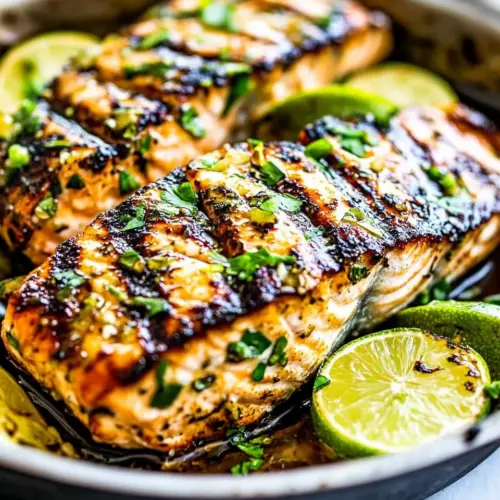
Grilled Honey Lime Salmon
Equipment
- Grill
- Tongs
- Wide spatula
- Mixing Bowl
- Whisk
- Heavy duty foil
Ingredients
- 4 (6 ounce) salmon fillets Season generously with salt and pepper to enhance and balance the natural flavors of the salmon; use sparingly to avoid overpowering the fish and adjust to taste before or after cooking.
- salt and pepper to taste Season lightly with salt and pepper to bring out sweetness and provide depth; apply evenly to each fillet for consistent flavor throughout.
- 1/3 cup melted unsalted butter Melt and incorporate melted unsalted butter to add richness and a silky mouthfeel; brush onto the salmon and mix with other liquids to create a glossy, flavorful glaze.
- 1/3 cup honey Sweeten naturally with honey to create caramelization and a sticky glaze when grilled; combine with lime and butter to balance savory and tart notes.
- 1 tablespoon low sodium soy sauce Add savory umami with low sodium soy sauce to deepen the glaze without excessive saltiness; whisk into the honey-butter mixture for complexity and color.
- 4 tablespoons fresh lime juice Brighten intensely with fresh lime juice to cut through richness and provide acidic balance; pour into the marinade to tenderize and lift flavors.
- zest from half a lime Zest vibrantly from half a lime to infuse aromatic citrus oils and concentrated lime flavor; sprinkle into the glaze for fragrant, fresh top notes.
- 2 crushed large cloves garlic Crush vigorously large garlic cloves to release pungent, aromatic oils and savory depth; mix into the marinade so the garlic mellows and flavors the fish during cooking.
- oil for grilling Oil lightly for grilling to prevent sticking and promote even browning; brush the grill grates or the fillets before searing to protect delicate flesh.
- Lime slices and chopped cilantro for garnish Garnish with lime slices and chopped cilantro to add bright citrus aroma and fresh herbal contrast; place on or beside the cooked fillets for visual appeal and a final flavor lift.
Instructions
- Season 4 (6 ounce) salmon fillets generously with salt and pepper. In a small bowl whisk together 1/3 cup melted unsalted butter, 1/3 cup honey, 1 tablespoon low sodium soy sauce, 4 tablespoons fresh lime juice, zest from half a lime, and 2 crushed large cloves garlic. Reserve 1-2 tablespoons of the sauce to brush on the salmon once finished cooking.: As you sprinkle the salt and pepper , you should hear the slight whisper of crystals hitting the flesh, and smell the faint oceanic scent of the salmon . This step draws out flavors and begins to firm the surface, which helps the glaze cling later. A common mistake is over seasoning too early if marinating long term, but for a short marinade this amount is fine. If you notice moisture pooling after salting, gently pat the fillets to remove excess so they sear cleanly.
- Marinate the salmon in the rest of the sauce for at least 30 minutes before grilling. Once the salmon is ready, preheat your grill to medium-high heat.: When you whisk these, watch the butter and honey emulsify into a glossy sauce, and inhale the bright citrus and savory garlic notes. The action of whisking helps disperse the oil based butter into the water based lime juice for a stable glaze. If the mixture looks separated, whisk longer or warm briefly to help bind. Avoid overheating the butter which would change the flavor profile and make the glaze greasy.
- Brush grill grates with oil for grilling. Place salmon fillets on the grill diagonally to the grill grates. Grill with the lid closed for 2-4 minutes (depending on the thickness of the salmon) or until grill marks appear. Use tongs and a wide spatula, carefully turn the fish onto the other side, so that the skin side is now on the grill grates.: Spoon a small portion of the glaze into a separate bowl so you can add a fresh glossy finish later, the reserved sauce will be vibrant and raw tasting, perfect for brushing. This reserved bit adds visual shine and a concentrated flavor punch at the end. A pitfall is forgetting to reserve, which results in less dynamic finish; keep a small ramekin set aside before marinating.
- Close the grill lid. Cook for another 2-5 minutes, again depending on the thickness of the fillets. Salmon should be just barely opaque throughout when done.: During the marinade the surface of the salmon will become tacky as the honey and butter cling, and the lime will brighten the flesh. Marinating for thirty minutes allows flavor penetration without breaking down the texture. Avoid marinating much longer, because the acid in the lime can start to firm and change the fish into a ceviche like texture if left for hours.
- Place each piece of salmon on a piece of heavy duty foil large enough to fold over and seal. Add lime slices and drizzle with a spoonful of marinade. Wrap up salmon tightly in the foil packets.: As the grill heats you should see faint wisps of smoke and feel steady radiant heat when you hold your hand above the grates, this temperature sears the glaze without burning it immediately. Preheating also prevents sticking and helps form attractive grill marks. One common mistake is starting on a cold grill, which causes the fish to stick and cook unevenly, so always allow the grates to come to temperature.
- Place the foil packets on the hot grill and cook for 10-13 minutes, flipping halfway through. Remove from grill.: Rubbing the grates with a lightly oiled cloth or using a brush creates a thin barrier that stops the delicate flesh from hugging metal. As you oil the grates the surface should shimmer slightly, and you will notice less resistance when placing the fillets. Too much oil can drip causing flare ups, so apply sparingly and away from direct flames.
- Brush the tops of the salmon with reserved sauce and serve immediately with lime slices and chopped cilantro for garnish, if desired.: Positioning the fillets diagonally helps produce classic crosshatch marks, and as the fish meets the hot metal you should hear a gentle sizzle and see the glaze begin to bubble at the edges. This visual cue indicates the Maillard reaction is starting. Avoid moving the fillets prematurely; letting them develop a sear before turning prevents tearing of the flesh.
- Grill with the lid closed for 2 to 4 minutes or until grill marks appear: With the lid down the grill builds an oven like environment, circulating heat so the fish cooks evenly. You will smell a toasty caramel note as the honey begins to darken and the edges turn opaque. A pitfall is guessing by time alone; use visual cues like firming flesh and the appearance of grill marks to judge readiness.
- Use tongs and a wide spatula, carefully turn the fish onto the other side so that the skin side is now on the grill grates: When you turn the fillet listen for that brief silence then a resumed sizzle, and notice the color change as the flesh firms. Using both tools gives support so the fillet does not fall apart. If the fish sticks when you try to turn it, it likely needs another thirty seconds to release; forcing it will tear the fillet.
- Close the grill lid: Shutting the lid traps heat and allows the fish to cook through gently while retaining moisture. Inside the grill the aroma shifts to a richer, more concentrated caramelized scent. Opening often drops temperature and prolongs cooking, which can dry the fish, so only peek when necessary.
- Cook for another 2 to 5 minutes depending on the thickness of the fillets: Expect to see the center go from translucent to just barely opaque, and the edges to feel slightly firmer under touch. The variance in time accounts for fillet thickness, so press gently to test doneness rather than relying solely on a clock. Overcooking is the main mistake here, as it yields dry flakes rather than a moist, silky texture.
- Place each piece of salmon on a piece of heavy duty foil large enough to fold over and seal: Transferring to foil creates a mini packet that traps steam when you add liquid, and as you seal the foil you will hear a soft crinkle that signals a snug environment for gentle finishing. This method keeps the fish tender and allows the marinade to mingle with the flesh. Ensure the foil is heavy duty to avoid tearing and leaking juices onto the grill.
- Add lime slices and drizzle with a spoonful of marinade: The lime slices release fragrant oils and additional juice while the enclosed steam helps infuse the salmon . As you add the marinade you will see it pool lightly and begin to meld with the fish juices. Too much added liquid can steam the fish excessively, so a spoonful is enough to impart flavor without turning the packet into a braise.
- Wrap up salmon tightly in the foil packets: Sealing the packet traps aromatic steam and keeps the fillet juicy, creating a delicate finish that contrasts with the initial sear. The packet will puff slightly as it cooks, and you should see condensation gather inside. If not sealed well, juices may drip and flare up on the grill, so crimp edges firmly.
- Place the foil packets on the hot grill and cook for 10 to 13 minutes flipping halfway through: Cooking in foil ensures even heat distribution and gentle steam, and when you flip the packets you will feel moderate resistance then continue to hear soft sizzles. The internal temperature will rise steadily, and the fish should finish tender and flaky. Avoid leaving packets too long, which can overcook the fish; check at the lower end of the time range when in doubt.
- Remove from grill: When you open the packet you should be greeted by a burst of citrus steam and glossy juices. Transfer the fillets carefully to avoid spilling the flavorful liquid. A common error is letting the fish sit too long in the packet, which can continue to cook it; serve promptly for best texture.
- Brush the tops of the salmon with reserved sauce and serve immediately with lime slices and chopped cilantro for garnish if desired: Brushing the reserved glaze adds a fresh, shiny finish and an immediate hit of concentrated flavor, and the aroma of the bright lime and herbal cilantro will make the plate sing. Serve hot so the glaze stays glossy. If you wait too long, the glaze can congeal and lose its appeal, so plate and present quickly.
Notes
- Finish With Reserved Sauce: Always set aside a small amount of the glaze before marinating, then brush it on at the end for a glossy, fresh burst that elevates the presentation and flavor.
- Vary Packet Cooking Time: If you prefer a more steamed, tender result, extend the foil packet time by a few minutes, but monitor carefully to avoid overcooking the center.
- Use Lime Zest Wisely: Add zest at the end for fragrant oils, as adding too early can mute the brightness during prolonged cooking.
- Watch Grill Zones: Create a cooler zone on the grill to move fillets if the glaze starts to char, this prevents bitterness while preserving caramelization.
- Garnish Just Before Serving: Add chopped cilantro and extra lime slices at the last moment to keep colors vibrant and aromas fresh on the plate.