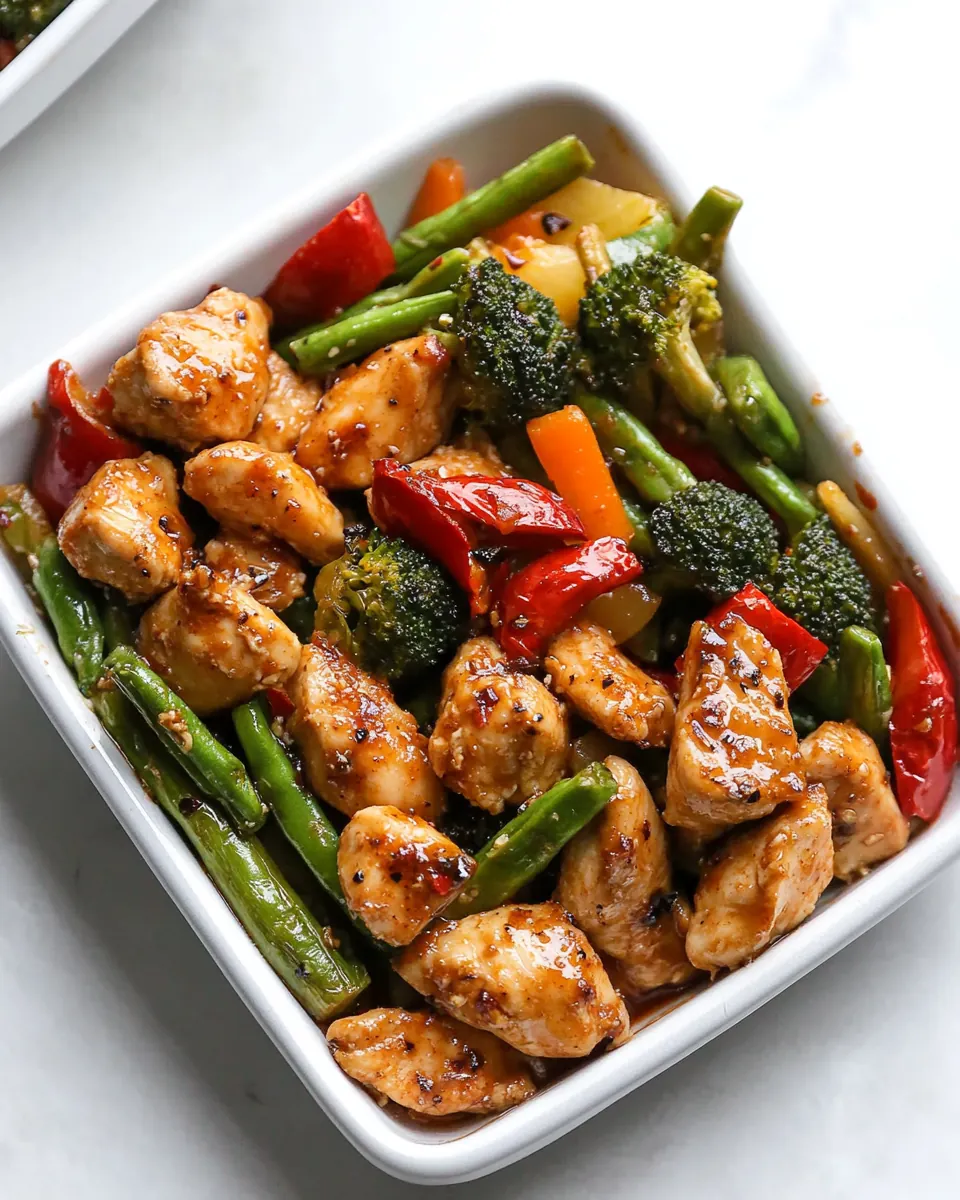
Baked Sweet Chili Chicken and Veggies
Baked Sweet Chili Chicken and Veggies is one of those dinners I turn to when I need something speedy, satisfying, and a little bit saucy. The first time I made this dish I remember juggling a work call and a hungry teenager, and this pan of chicken and vibrant vegetables saved the evening. The sticky sweet chili glaze caramelized at the edges while the broccoli kept a lively snap, and we all hovered over the baking sheet like it was the final course of a banquet.
I often make variations of this recipe depending on what’s in the fridge, but the core combination of tender chicken, crisp-tender broccoli, and a punchy sweet chili sauce is constant. I love how the sauce clings to the proteins and vegetables, creating browning where flavor concentrates. There’s comfort in the simplicity, and there’s joy in the contrast between sweet heat and earthy veg. When I plate it, a drizzle of any leftover sauce and a sprinkle of sesame seeds makes it feel finished and restaurant worthy.
Recipe Snapshot
30 mins
10 mins
20 mins
Easy
350 kcal
American
Gluten-Free, Paleo
Dinner
Baking sheet, Mixing bowl, Whisk, Measuring spoons, Oven
Why Try This Baked Sweet Chili Chicken and Veggies
Flavor that balances sweet and heat
I adore how Baked Sweet Chili Chicken and Veggies walks that fine line between comforting sweetness and a lively chili kick. The sweet chili sauce brings body and gloss, while a touch of sriracha or garlic cuts through the sugar to keep the dish interesting. Every bite gives you caramelized edges, a glossy coating, and a little pop from sesame seeds when used.
Minimal fuss, maximum payoff
One reason I make this again and again is practicality. Tossing chicken and vegetables on a sheet and sliding them into a hot oven is straightforward, and the cleanup is fast. This is an ideal easy weeknight dinner when you want bold flavor without babysitting a stovetop or leaning on complicated techniques.
Flexible and forgiving
I like recipes that adapt, and this one does. You can adjust vegetable ratios or swap varieties, and the sauce scales easily. I’ve stretched it for meal prep and for casual guests, and it always responds well to small adjustments. The technique tolerates imperfect chopping and slight timing variations, which is a big win when life gets busy.
Healthy and colorful
There’s something grounding about a dinner with a solid protein and bright vegetables. The contrast in textures makes it feel balanced, and you can portion it into containers for lunches. I appreciate how the dish can be a weeknight staple that still feels nourishing and vibrant.
Meal prep friendly
I love that this recipe scales and stores well. Cook once, enjoy multiple times, and the flavors often bloom overnight. That makes it perfect for planning, whether you’re prepping lunches or just clearing a jammed weeknight from your calendar.
What’s In This Baked Sweet Chili Chicken and Veggies
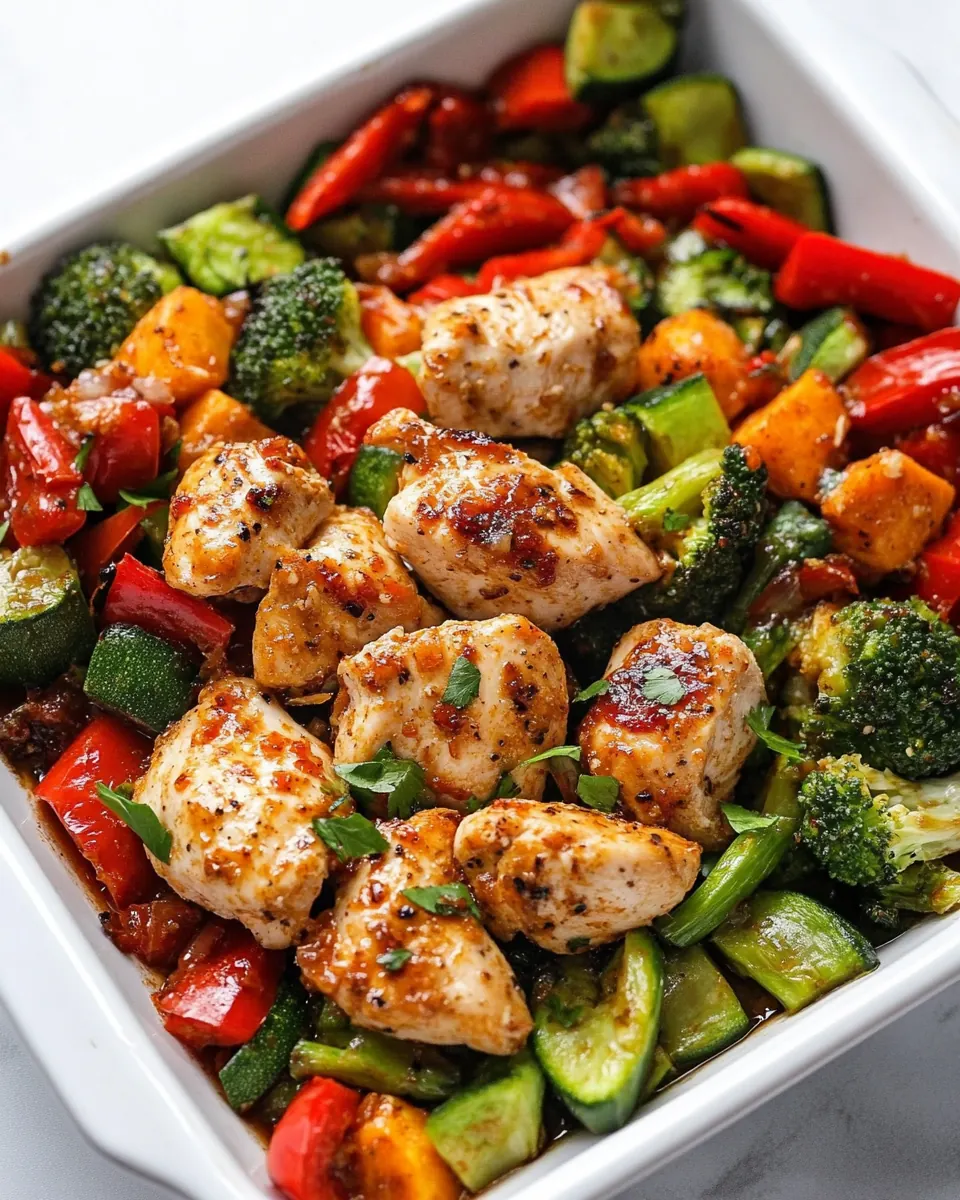
These ingredients are chosen to produce contrast and cohesion. The chicken carries the sauce and becomes tender while the broccoli and bell pepper provide crispness and color. The sauce ingredients unite salty, sweet, and spicy notes so every bite stays lively. Each element plays a role in texture, flavor, and appearance.
- 1 lb boneless skinless chicken breasts, cut into 1-inch pieces: Provide tender protein when cut into 1-inch pieces and baked, offering a neutral canvas that absorbs the sauce flavors; ensure even cooking by arranging pieces in a single layer and monitoring internal temperature for safety.
- 2 cups broccoli florets: Add bright, slightly bitter florets that contribute texture, color, and nutritional value; steam or roast alongside chicken to achieve tender-crisp doneness without becoming mushy.
- 1 bell pepper, chopped: Provide sweet, aromatic crunch and vibrant color that complement the sauce; chop into uniform pieces so they cook evenly and retain a pleasant bite.
- 1 cups nap peas: Deliver fresh, sweet snap and a crisp contrast to the other ingredients; rinse and trim before baking to maintain texture and prevent excess moisture from diluting the sauce.
- For the sauce: Introduce a distinct section for the combined liquid and aromatic components that will coat the chicken and vegetables; list placement clarifies these items are used together as a cohesive sauce component.
- 1/4 cups soy sauce: Contribute salty, umami depth and help balance the sweetness in the sauce; mix with other liquids to create a savory base that intensifies when heated.
- 1/4 cups sweet chili sauce, Mae Ploy: Bring concentrated sweet heat and tang that forms the primary flavor profile of the sauce; use a familiar brand for consistent sweetness and texture that helps the sauce cling to the chicken and veggies.
- 1 tablespoons sriracha (optional): Add optional spicy heat and complexity to the sauce, allowing customization to taste; whisk in small amounts and adjust gradually to control overall spiciness.
- 1 garlic, minced: Provide pungent aroma and savory depth when minced, brightening the sauce and enhancing overall flavor; distribute evenly for harmonious savory notes.
- 1 teaspoon cornstarch: Thicken the sauce into a glossy glaze when dissolved and warmed, ensuring it adheres nicely to chicken and vegetables; mix with a little cold liquid first to prevent lumps before combining with hot sauce.
- 1 teaspoons sesame seeds (optional): Offer optional visual interest and a mild nutty flavor when sprinkled over finished dish; toast lightly for enhanced aroma and better adherence to the sauce.
How to Make Baked Sweet Chili Chicken and Veggies
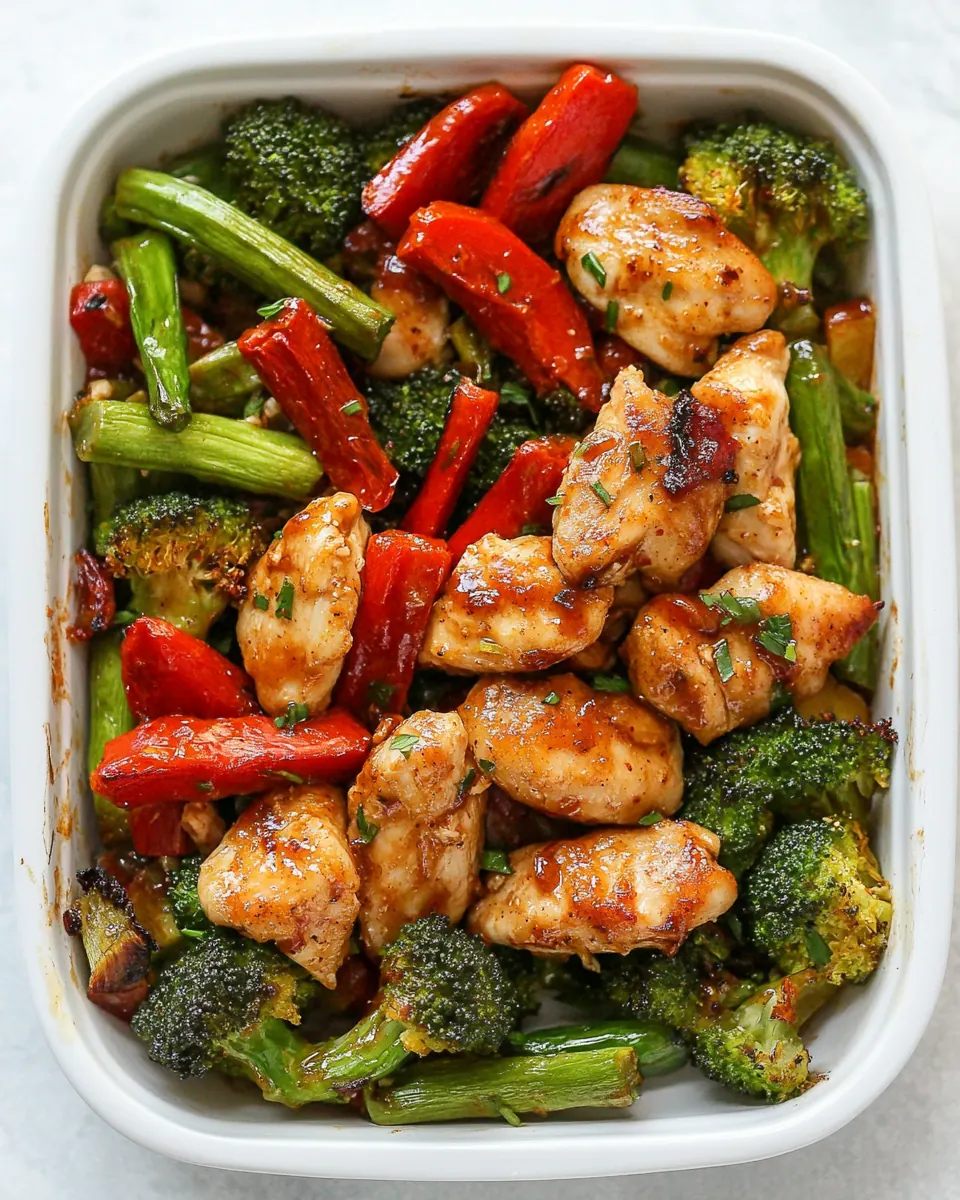
This method is straightforward and fast, and the oven does most of the work. I walk you through each step carefully so the glaze gets glossy, chicken cooks through, and vegetables keep pleasant texture. Read each step so you know the sensory cues and common pitfalls to avoid.
- Preheat oven to 425 degrees F.: You should notice the kitchen warm quickly as the oven reaches 425 degrees F , which is high enough to encourage caramelization on both the chicken and the vegetables. As it heats, the air may smell faintly of warm metal and it sets the stage for quick browning. Using a fully preheated oven prevents the food from lingering in a gradual heat where it can steam, which would reduce crisp edges. A common error is slipping in the tray too soon when the oven is still heating, causing uneven cooking. I always give the oven time to beep and stabilize before sliding the tray in, and if your oven runs cool, use an oven thermometer to confirm the temperature.
- Prepare sauce: In a small bowl, whisk together soy sauce, sweet chili sauce, sriracha, garlic, cornstarch and sesame seeds.: In a small bowl, whisk together soy sauce, sweet chili sauce, sriracha, garlic, cornstarch and sesame seeds. : When you whisk these ingredients in a bowl you can see the glossy mixture come together, the cornstarch dissolving and the sauces thinning into a consistent glaze. The aroma of minced garlic will be immediate and bright, and the sesame seeds will float, hinting at the texture they add later. Proper mixing is crucial so the cornstarch does not clump, which would otherwise create gritty pockets instead of a smooth coating. If you find lumps, press the mixture through a small sieve or whisk vigorously until smooth. A mistake people make is adding cornstarch directly to a hot pan instead of first diluting it in the liquids, which can lead to clumps.
- Spread chicken and chopped veggies on a baking sheet. Drizzle the sauce over the chicken and toss to combine. Bake in the oven for about 20 minutes or until cooked through.: The surface changes as you spread the pieces onto the sheet, colors shifting to a homogenous bed of chicken and vegetables. When you drizzle the sauce, watch it gloss the pieces and pool in the pan, then toss so every bit has a thin coat. The visual cue you want is even coverage and no thick globs, because thin coatings caramelize rather than steam. Toss gently to avoid tearing the vegetables, and arrange everything in a single layer with a little space between pieces so hot air circulates. A frequent misstep is overcrowding the sheet, which causes steam and soggy results rather than caramelized edges. If your pan is crowded, use two sheets or roast in batches.
- Serve with brown rice or noodles or divide into 4 meal-prep containers along with 1/2- 1 cup of brown rice in each container.: During baking you will hear the subtle sizzle as the sauce reduces and the edges brown, and the aroma will shift from raw to the toasty, sticky scent of caramelizing sugars. The chicken will go from pale to opaque, and any exposed edges will take on golden brown flecks. Check for doneness both visually and with a thermometer inserted into the thickest chicken pieces, which should read 165 degrees F. If the sauce seems runny after the allocated time, you can broil for 1 to 2 minutes to encourage further caramelization, watching carefully to avoid burning. A mistake to avoid is pulling the tray out too early when the chicken is still pink inside; however, overbaking will dry the meat, so aim for that safe internal temperature and moist texture.
- Serve with brown rice or noodles or divide into 4 meal-prep containers along with 1/2- 1 cup of brown rice in each container.: The final presentation brings together textures and temperature contrasts, the glossy pieces resting atop warm grains or noodles. If serving immediately, the steam rising from the grain bed complements the sticky coating and provides a neutral base to balance flavors. For meal prep, spoon the cooled mixture into containers and portion the rice accordingly, sealing to preserve freshness. One trap is sealing containers while still hot, which can create condensation and sogginess, so let things cool slightly before closing. I usually let the pan rest 5 minutes to let the sauce set up a touch before plating or packing.
Expert Tips about Baked Sweet Chili Chicken and Veggies
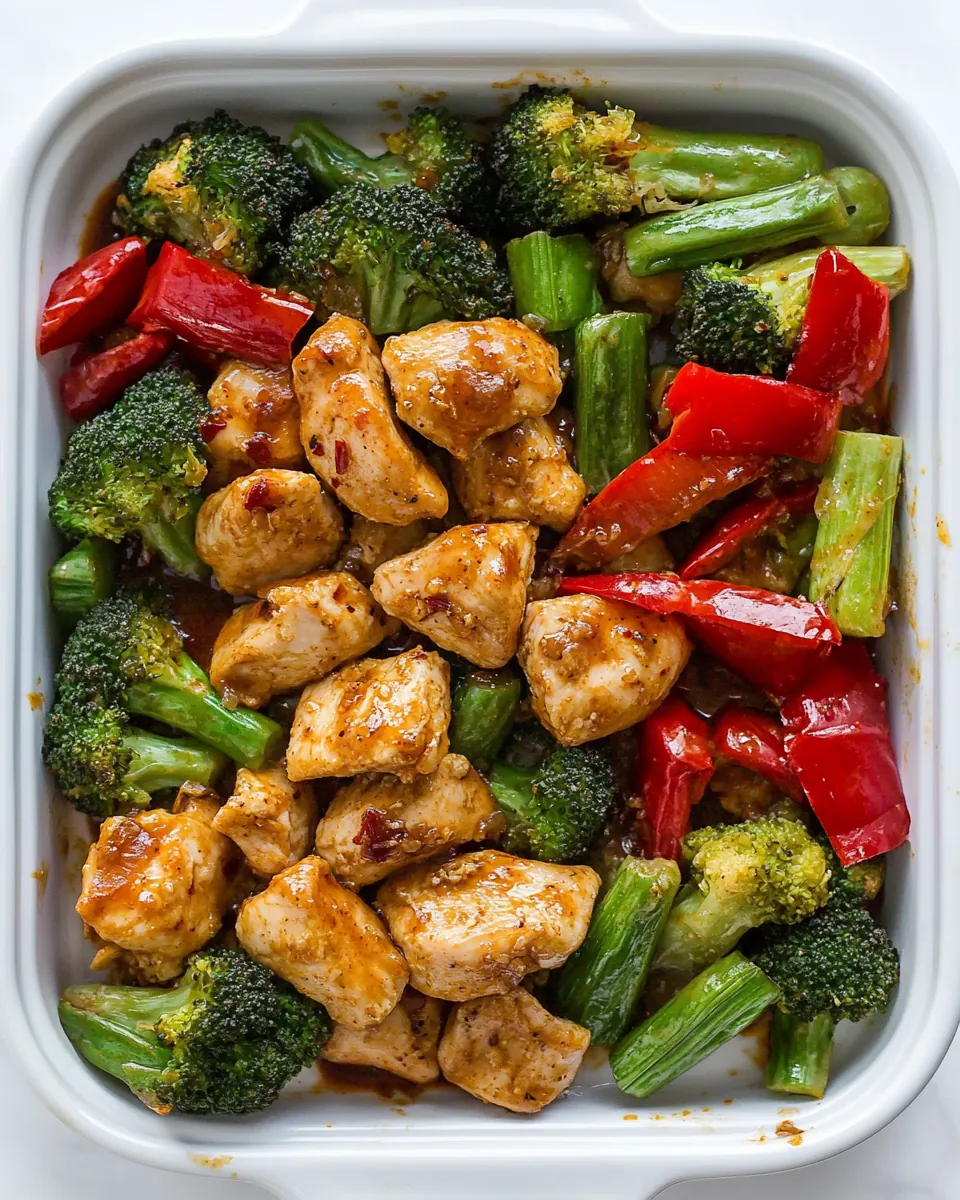
I find that a few small technique notes change this dish from good to great. Below are focused tips that address timing, texture, and flavor so your tray comes out balanced and reliable every time.
- Use consistent pieces: Cut the chicken and vegetables into similar sized pieces so everything cooks at the same rate. This prevents overcooked bits and undercooked centers and ensures a uniform mouthfeel across the dish.
- Give the pan breathing room: Arrange items in a single layer with space between pieces to encourage browning. Overcrowding produces steam and results in softer, less caramelized textures, which diminishes the contrast that makes this recipe satisfying.
- Whisk cornstarch into liquids: Dissolve the cornstarch thoroughly in the sauce mixture to create a smooth glaze. Proper dissolution prevents gritty pockets and ensures the sauce thickens and clings while baking, rather than separating or running off.
- Use a hot oven: A temperature around 425 degrees F promotes quick caramelization without drying the chicken. If your oven heats unevenly, rotate the sheet halfway through the bake to avoid hot spots and uneven browning.
- Toast sesame seeds: If using sesame seeds, toast them lightly in a dry skillet before sprinkling. This small step amplifies aroma and adds a subtle nutty crunch as a finishing touch that elevates the final plate.
- Let the dish rest briefly: After roasting, give the tray 3 to 5 minutes to cool slightly so the sauce adheres better. This pause helps the glaze set and stop pooling, which improves both texture and presentation.
Serving This Baked Sweet Chili Chicken and Veggies
This dish is versatile for weeknight dinners, meal prep, or casual gatherings. Below I outline serving suggestions, pairings, and storage methods so you can present it confidently in many contexts.
- Serve over brown rice: A classic option, brown rice soaks up the sauce and provides a nutty, chewy base that complements the sticky glaze. Portion about 1/2 to 1 cup per person depending on appetite.
- Try with noodles: Toss the tray contents with cooked noodles for a quick stir friendly bowl. Noodles give a different texture and are ideal for those who prefer a softer base.
- Pack for lunches: Divide into 4 meal prep containers, pairing about 1/2 to 1 cup of cooked brown rice in each. Let the food cool slightly before sealing to minimize condensation and preserve texture.
- Good for casual dinners: Serve family style on the table, garnished with sesame seeds. Provide extra sauce on the side for those who like it saucier or spicier, though the recipe includes a built in heat option with sriracha.
- Occasion fit: Great for weeknight dinners, potluck contributions, or Ramadan if you want a simple, balanced meal to break a fast. Its adaptability makes it suitable for many seasonal menus.
- Storage tips: Refrigerate leftovers in airtight containers for up to four days. Reheat gently in a hot oven or skillet to revive crispness, avoiding the microwave for best texture when possible.
- Seasonal pairings: Since it uses versatile vegetables, this recipe works year round. In spring and summer you might use fresh snap peas and bell peppers, while in cooler months you could swap in heartier veg that still align with the ingredient list.
FAQ
Conclusion
This recipe stands out because it delivers big flavor with minimal effort, marrying sticky sweet chili glaze with tender chicken and crisp vegetables for a balanced, weeknight friendly meal. Try it when you want something that feels special but comes together quickly, whether for family dinner or meal prep. You’ll likely find it becomes one of your steady rotation recipes for its adaptability, fast cleanup, and satisfying contrast of textures and flavors. Give it a go, and tweak the spice and veg mix to make it your own.
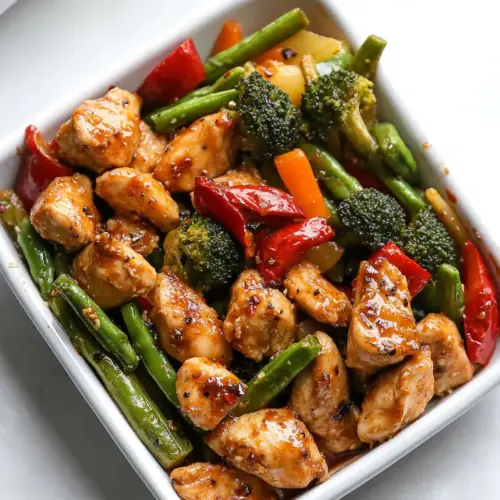
Baked Sweet Chili Chicken and Veggies
Equipment
- Baking Sheet
- Mixing Bowl
- Whisk
- Measuring Spoons
- Oven
Ingredients
- 1 lb boneless skinless chicken breasts, cut into 1-inch pieces Provide tender protein when cut into 1-inch pieces and baked, offering a neutral canvas that absorbs the sauce flavors; ensure even cooking by arranging pieces in a single layer and monitoring internal temperature for safety.
- 2 cups broccoli florets Add bright, slightly bitter florets that contribute texture, color, and nutritional value; steam or roast alongside chicken to achieve tender-crisp doneness without becoming mushy.
- 1 bell pepper, chopped Provide sweet, aromatic crunch and vibrant color that complement the sauce; chop into uniform pieces so they cook evenly and retain a pleasant bite.
- 1 cups nap peas Deliver fresh, sweet snap and a crisp contrast to the other ingredients; rinse and trim before baking to maintain texture and prevent excess moisture from diluting the sauce.
- For the sauce: Introduce a distinct section for the combined liquid and aromatic components that will coat the chicken and vegetables; list placement clarifies these items are used together as a cohesive sauce component.
- 1/4 cups soy sauce Contribute salty, umami depth and help balance the sweetness in the sauce; mix with other liquids to create a savory base that intensifies when heated.
- 1/4 cups sweet chili sauce, Mae Ploy Bring concentrated sweet heat and tang that forms the primary flavor profile of the sauce; use a familiar brand for consistent sweetness and texture that helps the sauce cling to the chicken and veggies.
- 1 tablespoons sriracha, optional Add optional spicy heat and complexity to the sauce, allowing customization to taste; whisk in small amounts and adjust gradually to control overall spiciness.
- 1 garlic, minced Provide pungent aroma and savory depth when minced, brightening the sauce and enhancing overall flavor; distribute evenly for harmonious savory notes.
- 1 teaspoon cornstarch Thicken the sauce into a glossy glaze when dissolved and warmed, ensuring it adheres nicely to chicken and vegetables; mix with a little cold liquid first to prevent lumps before combining with hot sauce.
- 1 teaspoons sesame seeds, optional Offer optional visual interest and a mild nutty flavor when sprinkled over finished dish; toast lightly for enhanced aroma and better adherence to the sauce.
Instructions
- Preheat oven to 425 degrees F.: You should notice the kitchen warm quickly as the oven reaches 425 degrees F , which is high enough to encourage caramelization on both the chicken and the vegetables. As it heats, the air may smell faintly of warm metal and it sets the stage for quick browning. Using a fully preheated oven prevents the food from lingering in a gradual heat where it can steam, which would reduce crisp edges. A common error is slipping in the tray too soon when the oven is still heating, causing uneven cooking. I always give the oven time to beep and stabilize before sliding the tray in, and if your oven runs cool, use an oven thermometer to confirm the temperature.
- Prepare sauce: In a small bowl, whisk together soy sauce, sweet chili sauce, sriracha, garlic, cornstarch and sesame seeds.: In a small bowl, whisk together soy sauce, sweet chili sauce, sriracha, garlic, cornstarch and sesame seeds. : When you whisk these ingredients in a bowl you can see the glossy mixture come together, the cornstarch dissolving and the sauces thinning into a consistent glaze. The aroma of minced garlic will be immediate and bright, and the sesame seeds will float, hinting at the texture they add later. Proper mixing is crucial so the cornstarch does not clump, which would otherwise create gritty pockets instead of a smooth coating. If you find lumps, press the mixture through a small sieve or whisk vigorously until smooth. A mistake people make is adding cornstarch directly to a hot pan instead of first diluting it in the liquids, which can lead to clumps.
- Spread chicken and chopped veggies on a baking sheet. Drizzle the sauce over the chicken and toss to combine. Bake in the oven for about 20 minutes or until cooked through.: The surface changes as you spread the pieces onto the sheet, colors shifting to a homogenous bed of chicken and vegetables. When you drizzle the sauce, watch it gloss the pieces and pool in the pan, then toss so every bit has a thin coat. The visual cue you want is even coverage and no thick globs, because thin coatings caramelize rather than steam. Toss gently to avoid tearing the vegetables, and arrange everything in a single layer with a little space between pieces so hot air circulates. A frequent misstep is overcrowding the sheet, which causes steam and soggy results rather than caramelized edges. If your pan is crowded, use two sheets or roast in batches.
- Serve with brown rice or noodles or divide into 4 meal-prep containers along with 1/2- 1 cup of brown rice in each container.: During baking you will hear the subtle sizzle as the sauce reduces and the edges brown, and the aroma will shift from raw to the toasty, sticky scent of caramelizing sugars. The chicken will go from pale to opaque, and any exposed edges will take on golden brown flecks. Check for doneness both visually and with a thermometer inserted into the thickest chicken pieces, which should read 165 degrees F. If the sauce seems runny after the allocated time, you can broil for 1 to 2 minutes to encourage further caramelization, watching carefully to avoid burning. A mistake to avoid is pulling the tray out too early when the chicken is still pink inside; however, overbaking will dry the meat, so aim for that safe internal temperature and moist texture.
- Serve with brown rice or noodles or divide into 4 meal-prep containers along with 1/2- 1 cup of brown rice in each container.: The final presentation brings together textures and temperature contrasts, the glossy pieces resting atop warm grains or noodles. If serving immediately, the steam rising from the grain bed complements the sticky coating and provides a neutral base to balance flavors. For meal prep, spoon the cooled mixture into containers and portion the rice accordingly, sealing to preserve freshness. One trap is sealing containers while still hot, which can create condensation and sogginess, so let things cool slightly before closing. I usually let the pan rest 5 minutes to let the sauce set up a touch before plating or packing.
Notes
- Use consistent pieces: Cut the chicken and vegetables into similar sized pieces so everything cooks at the same rate. This prevents overcooked bits and undercooked centers and ensures a uniform mouthfeel across the dish.
- Give the pan breathing room: Arrange items in a single layer with space between pieces to encourage browning. Overcrowding produces steam and results in softer, less caramelized textures, which diminishes the contrast that makes this recipe satisfying.
- Whisk cornstarch into liquids: Dissolve the cornstarch thoroughly in the sauce mixture to create a smooth glaze. Proper dissolution prevents gritty pockets and ensures the sauce thickens and clings while baking, rather than separating or running off.
- Use a hot oven: A temperature around 425 degrees F promotes quick caramelization without drying the chicken. If your oven heats unevenly, rotate the sheet halfway through the bake to avoid hot spots and uneven browning.
- Toast sesame seeds: If using sesame seeds, toast them lightly in a dry skillet before sprinkling. This small step amplifies aroma and adds a subtle nutty crunch as a finishing touch that elevates the final plate.
- Let the dish rest briefly: After roasting, give the tray 3 to 5 minutes to cool slightly so the sauce adheres better. This pause helps the glaze set and stop pooling, which improves both texture and presentation.