
Cream of Onion Soup
Cream of Onion Soup is one of those bowls I turn to when I want something soothing, straightforward, and richly comforting.
Growing up, my grandmother would ladle out warm bowls while we clustered around the kitchen table, sharing stories and stealing sips before the main course landed. Over the years I learned to love the gentle sweetness of slow cooked onion and the way a silky broth can feel like a culinary hug. I keep a small ritual now: when the weather leans cool and I want a quiet evening, I light a candle, put on a playlist, and let the kitchen fill with the soft scent of simmering onion. The result is always the same, a bowl that tastes like patience and home.
When I first developed this version of Cream of Onion Soup, I wanted a balance of simple pantry staples and a technique that delivers a velvety finish without fuss. It uses basic tools, and it comes together in a single pot so you can stay present rather than tied to a complicated prep. Each time I make it I learn a little more about how textures shift with tiny changes in heat and timing, and I invite you to experiment gently as you go. There is something quietly indulgent about stirring a pot and noticing how the aroma evolves from raw sharpness to mellow sweetness.
Recipe Snapshot
25 mins
10 mins
15 mins
Easy
320 kcal
American
Gluten-Free, Low FODMAP
Soups
immersion blender, 6-quart Dutch Oven
The Charm of This Cream of Onion Soup
Comforting Texture
I adore how Cream of Onion Soup turns onion into silk. Slowly cooked onion releases natural sugars that deepen in color and flavor, and when blended with a touch of cream the mouthfeel becomes decadently smooth. That contrast between savory depth and a creamy finish keeps me coming back on chilly nights.
Minimal Ingredients, Maximum Flavor
This recipe shines because it trusts a few quality components. A handful of unsalted butter, crisp celery, and plenty of onion build a layered base, while a splash of vegetable stock and a dusting of all purpose flour give body. I appreciate recipes that do more with less, and this one rewards patience with real flavor payoff.
Easy One Pot Technique
I love cooking in a single heavy pot because it concentrates aroma and keeps cleanup trivial. Using a 6 quart Dutch Oven lets the onion soften evenly without scorching, and the immersion blender lets me get a silky result without transferring hot liquid. The fewer steps, the more likely I am to make this on a weeknight.
Flexible and Friendly
What makes me smile is how forgiving this recipe is. You can use vegetable stock or chicken stock depending on what you have, and small adjustments to salt or pepper let you tailor it to your taste. It also reheats beautifully, so leftovers become an easy lunch the next day.
Great for Sharing
Finally, Cream of Onion Soup is crowd pleasing without being fussy. It works as a cozy starter, a light dinner, or a companion to a sandwich. I often bring a pot to a neighbor because the aroma alone seems to lift spirits, and that communal quality is one of my favorite parts of making soup.
Key Ingredients for Cream of Onion Soup
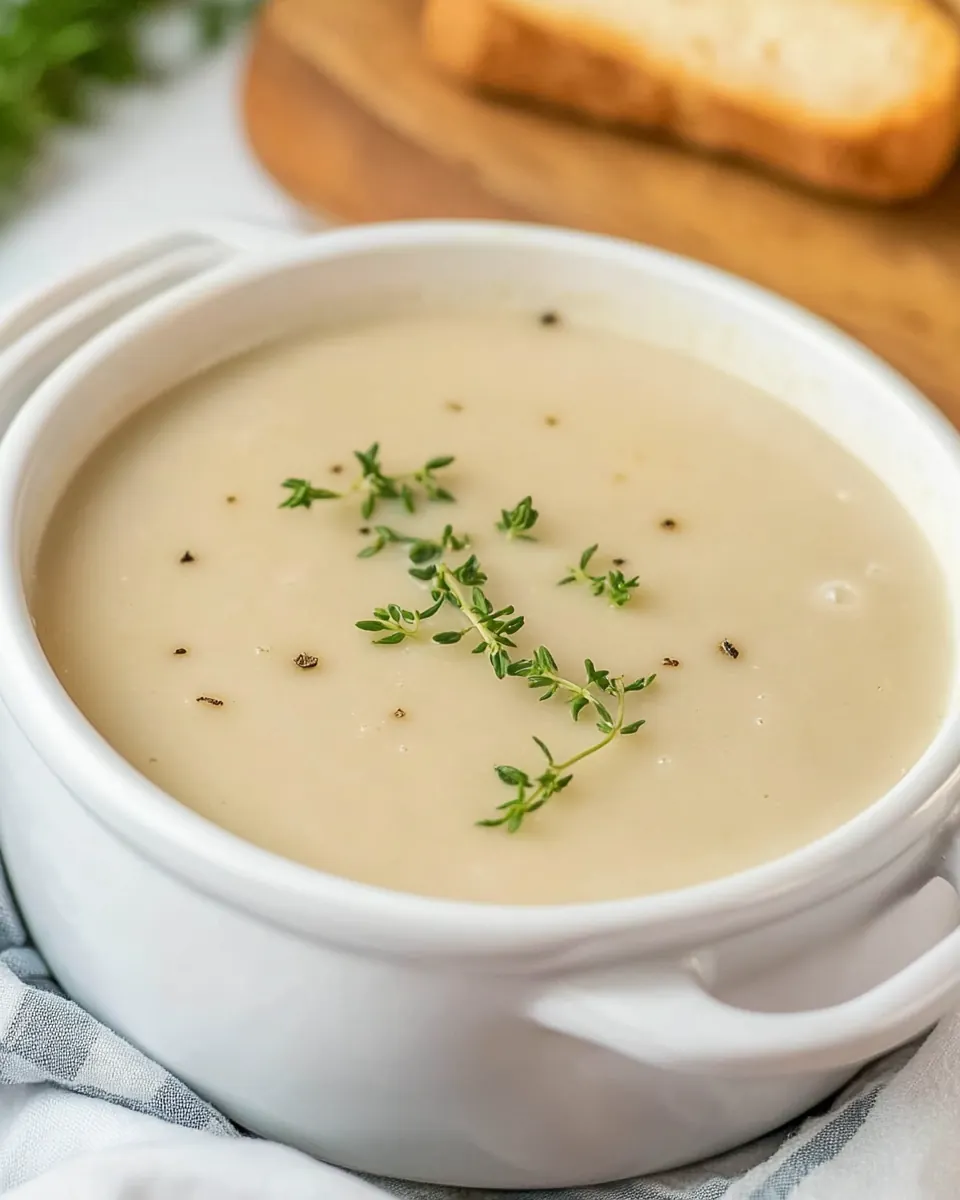
These ingredients are deliberately simple, chosen to build a clear flavor arc from aromatic base to silky finish. The key players are the onion for sweetness, the butter for richness, the flour to give a gentle body, and the cream to smooth everything into a velvety texture. Together they create a soup that feels layered, even though the list is short.
- 4 tablespoons (57 g) unsalted butter: Melted to provide a rich, silky base and help sauté other aromatics; lends a creamy mouthfeel and enhances overall flavor when browned slightly.
- 2 ribs celery chopped: Chopped to add aromatic freshness and subtle vegetal crunch; contributes a mild celeryy backbone that balances the sweetness of the onions.
- 1 pound (450 g) yellow onion peeled and thinly sliced: Peeled and thinly sliced to dissolve into a sweet, savory backbone for the soup; caramelizes when cooked to develop deep, mellow onion flavor and body.
- 1/4 cup (60 g) all-purpose flour: Whisked in to thicken the soup and create a smooth, velvety texture; forms a light roux with the butter to stabilize and slightly bind the broth.
- 1/4 teaspoon Italian seasoning: Sprinkled to introduce a fragrant herbaceous note; complements the soup with Mediterranean herb flavors that brighten the savory profile.
- 2 cups (480 ml) vegetable stock or chicken stock: Poured to build the liquid base and meld flavors; provides savory depth and the necessary volume for simmering the onions into a cohesive soup.
- 1 cup (200 ml) heavy whipping cream double cream in the UK: Stirred in to enrich and add luxurious creaminess; smooths the texture, rounds the flavors, and increases the soup’s richness and mouth-coating quality.
- 1/2 teaspoon salt: Measured to season and enhance all flavors; balances sweetness and richness while controlling overall taste intensity for a satisfying bowl.
- 1/4 teaspoon ground black pepper: Ground and added to provide a warm, mildly pungent finish; enhances aroma and adds subtle heat that lifts the savory components.
Step by Step Instructions for Cream of Onion Soup

These directions are conversational and forgiving, designed to guide you through sensory cues so you know when each stage is right. Read them before you start, then enjoy the rhythm of cooking as the soup comes together.
- In a dutch oven, over medium-high heat melt the butter. Add the celery and onions and cook stirring regularly until the onions are soft and translucent.: The kitchen should fill with a warm, nutty aroma as the unsalted butter liquefies and the surface begins to shimmer, signaling the right temperature. This step lays down the fat that carries flavor, creating a glossy surface for the vegetables to cook in. If the butter starts to brown or smoke, the heat is too high, and you should lower it immediately to prevent any bitter, burnt notes from developing. Stir once or twice so the butter melts evenly across the bottom of the pot.
- Add the flour and Italian seasoning, and cook for 1 minute while stirring.: As you add the chopped celery and thinly sliced onion , you will hear a soft sizzle that indicates the moisture is evaporating. Stir frequently to ensure even sweating and to prevent any bits from sticking to the pot walls. Over the course of several minutes the raw sharpness will mellow into a sweet, fragrant aroma and the pieces will lose their opacity, becoming tender and glossy. A common mistake here is turning the heat too high, which causes browning rather than gentle softening; if you see any browning, reduce the heat and continue cooking slowly.
- Slowly stir in the stock stirring/whisking as you add it all in.: When you sprinkle in the all purpose flour and the Italian seasoning , you should immediately begin stirring to coat the vegetables and cook out the raw flour taste. The mixture will take on a slightly pasty texture and a faint toasted scent as it cooks for about a minute. This brief cooking step ensures the flour integrates smoothly with the liquid later and avoids a chalky mouthfeel. Avoid skipping this step, since undercooked flour can leave an off taste in the final soup.
- Remove from heat and using an immersion blender, blend the soup until smooth.: Pour the vegetable stock or chicken stock in gradually while whisking or stirring vigorously so the roux disperses evenly and lumps do not form. You will notice the texture transition from thick and paste like to a loose, simmerable liquid, and steam will begin to rise as the temperature evens out. This technique helps achieve a velvety base; if you dump the liquid in quickly you risk small clumps of flour that are hard to break up. If a few small lumps appear, use a whisk and a gentle back and forth motion to smooth them out.
- Stir in the cream, season with salt and pepper. Taste the soup, and adjust seasoning to your preference. Garnish with crispy onions and parsley if desired.: Once the soup is off the heat, the aroma will be rich and slightly sweet, and blending will transform the softened pieces into a uniform silk. Using an immersion blender in the pot keeps things tidy and prevents heat loss that happens when transferring to another container. Blend in short bursts, moving the head around so everything purees evenly. A common pitfall is over blending, which can create a gluey texture; pulse and check frequently until you reach the desired creaminess.
- Stir in the cream season with salt and pepper: After blending, add the heavy whipping cream and fold it in gently so the soup becomes glossy and smooth without curdling. The smell will soften as dairy hums through the bowl, and the texture will gain a luxurious body. Add the measured salt and the ground black pepper , then taste and adjust to your preference. If you add too much salt, balance it with a splash more cream or a small starchy accompaniment; if the pepper feels too assertive, a touch more cream can mellow it.
- Taste the soup and adjust seasoning to your preference: The final tasting moment is where everything comes together. Warm a spoonful and pay attention to the layers of flavor, from the sweet background of the onion to the gentle herb note and the creamy finish. Adjust salt and pepper incrementally, stirring and tasting after each small change so you do not over season. A mistake many people make is adding too much seasoning at once, so proceed with restraint and confidence.
- Garnish with crispy onions and parsley if desired: The finishing touch of crispy onions or fresh parsley adds textural contrast and a bright visual lift to the bowl. Crispy onions provide a crunchy counterpoint to the silk, while parsley gives a fresh herbaceous note that brightens the palate. If you add crispy elements, sprinkle them just before serving so they retain their crunch, and avoid leaving them in the soup where they will quickly soften.
Recipe Notes about Cream of Onion Soup
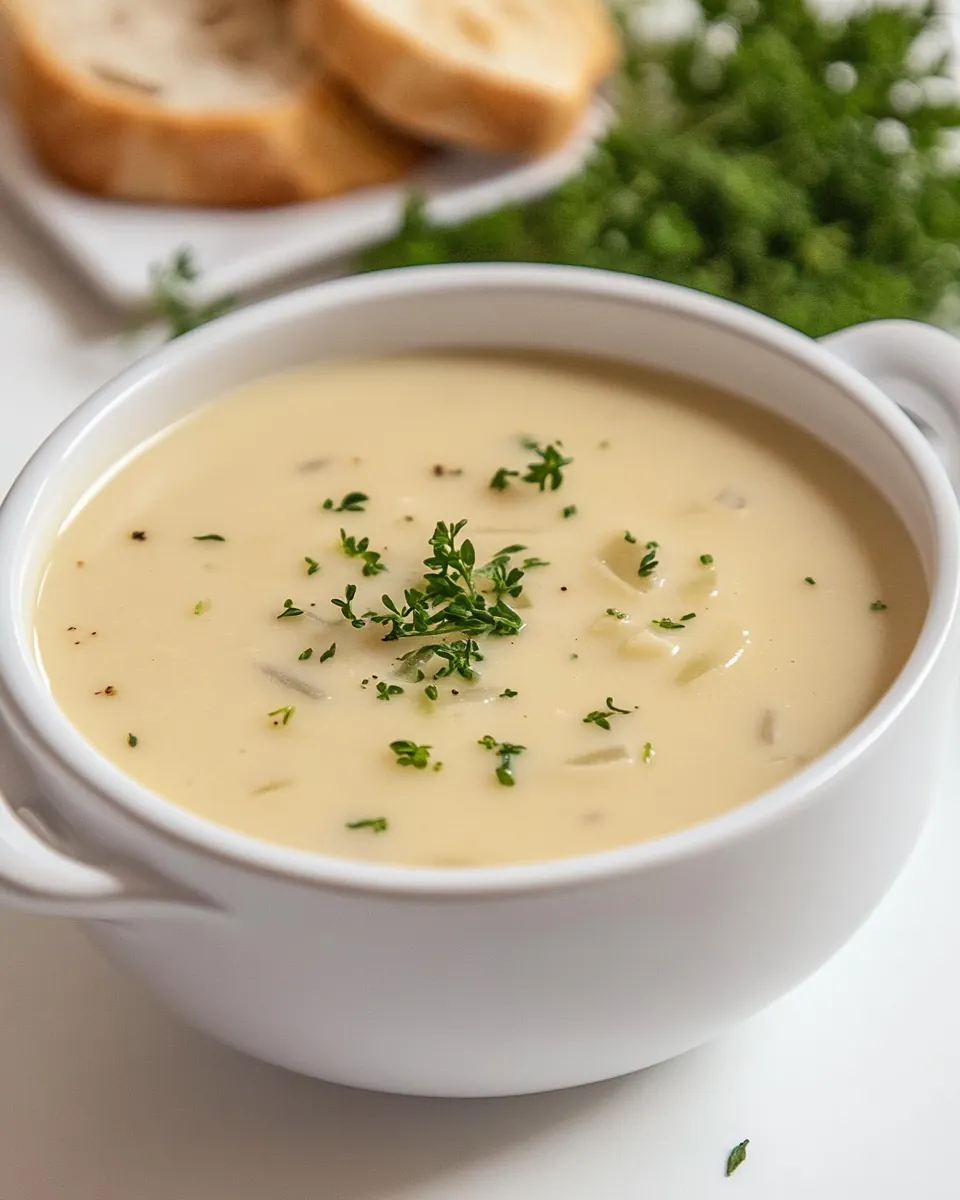
This recipe is forgiving and adaptable, but a few targeted tips will help you get an outstanding bowl every time. Below I expand on the practical details I rely on most, from blending technique to storage guidance.
- Immersion blending is safest, use an immersion blender to puree the soup directly in the pot to avoid transferring hot liquid. Work in short pulses and move the blender head so everything smooths evenly. If you use a countertop blender, cool the soup slightly and blend in small batches, venting the lid to release steam, to prevent pressure buildup and splattering.
- Keep the onions soft not brown, aim for translucent, tender onion rather than caramelized color. Browning changes the flavor profile from sweet to roasted, which is delicious but not what this recipe seeks. If you accidentally brown them, reduce heat and continue cooking gently to tame any bitter edges.
- Adjust cream for richness, the full cup of heavy whipping cream yields a luxurious finish. For a lighter bowl, reduce to three quarters cup, but expect a thinner mouthfeel. If you cut the cream, increase the stock slightly to maintain volume.
- Make it gluten free easily, swap the all purpose flour for a gluten free blend at a one to one ratio. Be sure to cook the flour substitute briefly with the vegetables, as some gluten free mixes need a moment to lose a raw taste.
- Store and reheat mindfully, keep leftover soup in an airtight container in the refrigerator for up to four days. Reheat gently on the stove over low heat, stirring to maintain a smooth texture, and add a splash of stock if it tightens up.
Perfect Pairings for Cream of Onion Soup
Cream of Onion Soup pairs beautifully with simple sides and makes a cozy choice for several occasions. Whether you serve it for a quiet weeknight or as part of a festive spread, these ideas will help you compose a satisfying meal.
- Crusty bread, a warm slice of crusty bread or a baguette is classic for dipping, offering a chewy contrast to the soup, and it also helps mellow seasoning if the bowl tastes slightly salty. Serve it warm and tear off pieces to sop up the velvety broth for a comforting bite.
- Simple green salad, a crisp mixed green salad with a light vinaigrette provides a bright, acidic counterpoint that refreshes the palate between spoonfuls. Keep the dressing restrained so it does not overpower the delicate onion flavors.
- Sandwich companion, pair the soup with a grilled cheese or a savory tart for a heartier meal. The melted cheese and toasted bread add richness and texture, turning the bowl into a full lunch or casual dinner option.
- Occasions, this soup is ideal for cozy weeknights, chilly weekends, or as a starter for a small dinner party. It also works well during winter months when you want a warming course that is still moderately light. I often make it for intimate gatherings because it feels special without being formal.
- Storage and leftovers, refrigerate in an airtight container for up to four days. For longer storage, freeze in portions, leaving headspace as the liquid will expand; thaw overnight in the refrigerator and reheat gently on the stove.
- Seasonal pairing, in winter this bowl is particularly welcome alongside roasted root vegetables or a roasted chicken main, though keep in mind the recipe itself has a delicate profile that benefits from simple, understated sides.
FAQ
Conclusion
This Cream of Onion Soup stands out because it turns humble ingredients into a silky, comforting bowl that feels both simple and special. I encourage you to give it a try on a cool evening and enjoy how the soft sweetness of the onion and the creamy finish come together in each spoonful. It is easy to make, forgiving for home cooks, and perfect for sharing when you want to offer warmth in a bowl. Let it be a small ritual of comfort in your routine.

Cream of Onion Soup
Equipment
- Immersion Blender
- 6-quart Dutch Oven
Ingredients
- 4 tablespoons (57 g) unsalted butter Melted to provide a rich, silky base and help sauté other aromatics; lends a creamy mouthfeel and enhances overall flavor when browned slightly.
- 2 ribs celery chopped Chopped to add aromatic freshness and subtle vegetal crunch; contributes a mild celeryy backbone that balances the sweetness of the onions.
- 1 pound (450 g) yellow onion peeled and thinly sliced Peeled and thinly sliced to dissolve into a sweet, savory backbone for the soup; caramelizes when cooked to develop deep, mellow onion flavor and body.
- 1/4 cup (60 g) all-purpose flour Whisked in to thicken the soup and create a smooth, velvety texture; forms a light roux with the butter to stabilize and slightly bind the broth.
- 1/4 teaspoon Italian seasoning Sprinkled to introduce a fragrant herbaceous note; complements the soup with Mediterranean herb flavors that brighten the savory profile.
- 2 cups (480 ml) vegetable stock or chicken stock Poured to build the liquid base and meld flavors; provides savory depth and the necessary volume for simmering the onions into a cohesive soup.
- 1 cup (200 ml) heavy whipping cream double cream in the UK Stirred in to enrich and add luxurious creaminess; smooths the texture, rounds the flavors, and increases the soup’s richness and mouth-coating quality.
- 1/2 teaspoon salt Measured to season and enhance all flavors; balances sweetness and richness while controlling overall taste intensity for a satisfying bowl.
- 1/4 teaspoon ground black pepper Ground and added to provide a warm, mildly pungent finish; enhances aroma and adds subtle heat that lifts the savory components.
Instructions
- In a dutch oven, over medium-high heat melt the butter. Add the celery and onions and cook stirring regularly until the onions are soft and translucent.: The kitchen should fill with a warm, nutty aroma as the unsalted butter liquefies and the surface begins to shimmer, signaling the right temperature. This step lays down the fat that carries flavor, creating a glossy surface for the vegetables to cook in. If the butter starts to brown or smoke, the heat is too high, and you should lower it immediately to prevent any bitter, burnt notes from developing. Stir once or twice so the butter melts evenly across the bottom of the pot.
- Add the flour and Italian seasoning, and cook for 1 minute while stirring.: As you add the chopped celery and thinly sliced onion , you will hear a soft sizzle that indicates the moisture is evaporating. Stir frequently to ensure even sweating and to prevent any bits from sticking to the pot walls. Over the course of several minutes the raw sharpness will mellow into a sweet, fragrant aroma and the pieces will lose their opacity, becoming tender and glossy. A common mistake here is turning the heat too high, which causes browning rather than gentle softening; if you see any browning, reduce the heat and continue cooking slowly.
- Slowly stir in the stock stirring/whisking as you add it all in.: When you sprinkle in the all purpose flour and the Italian seasoning , you should immediately begin stirring to coat the vegetables and cook out the raw flour taste. The mixture will take on a slightly pasty texture and a faint toasted scent as it cooks for about a minute. This brief cooking step ensures the flour integrates smoothly with the liquid later and avoids a chalky mouthfeel. Avoid skipping this step, since undercooked flour can leave an off taste in the final soup.
- Remove from heat and using an immersion blender, blend the soup until smooth.: Pour the vegetable stock or chicken stock in gradually while whisking or stirring vigorously so the roux disperses evenly and lumps do not form. You will notice the texture transition from thick and paste like to a loose, simmerable liquid, and steam will begin to rise as the temperature evens out. This technique helps achieve a velvety base; if you dump the liquid in quickly you risk small clumps of flour that are hard to break up. If a few small lumps appear, use a whisk and a gentle back and forth motion to smooth them out.
- Stir in the cream, season with salt and pepper. Taste the soup, and adjust seasoning to your preference. Garnish with crispy onions and parsley if desired.: Once the soup is off the heat, the aroma will be rich and slightly sweet, and blending will transform the softened pieces into a uniform silk. Using an immersion blender in the pot keeps things tidy and prevents heat loss that happens when transferring to another container. Blend in short bursts, moving the head around so everything purees evenly. A common pitfall is over blending, which can create a gluey texture; pulse and check frequently until you reach the desired creaminess.
- Stir in the cream season with salt and pepper: After blending, add the heavy whipping cream and fold it in gently so the soup becomes glossy and smooth without curdling. The smell will soften as dairy hums through the bowl, and the texture will gain a luxurious body. Add the measured salt and the ground black pepper , then taste and adjust to your preference. If you add too much salt, balance it with a splash more cream or a small starchy accompaniment; if the pepper feels too assertive, a touch more cream can mellow it.
- Taste the soup and adjust seasoning to your preference: The final tasting moment is where everything comes together. Warm a spoonful and pay attention to the layers of flavor, from the sweet background of the onion to the gentle herb note and the creamy finish. Adjust salt and pepper incrementally, stirring and tasting after each small change so you do not over season. A mistake many people make is adding too much seasoning at once, so proceed with restraint and confidence.
- Garnish with crispy onions and parsley if desired: The finishing touch of crispy onions or fresh parsley adds textural contrast and a bright visual lift to the bowl. Crispy onions provide a crunchy counterpoint to the silk, while parsley gives a fresh herbaceous note that brightens the palate. If you add crispy elements, sprinkle them just before serving so they retain their crunch, and avoid leaving them in the soup where they will quickly soften.
Notes
- Immersion blending is safest, use an immersion blender to puree the soup directly in the pot to avoid transferring hot liquid. Work in short pulses and move the blender head so everything smooths evenly. If you use a countertop blender, cool the soup slightly and blend in small batches, venting the lid to release steam, to prevent pressure buildup and splattering.
- Keep the onions soft not brown, aim for translucent, tender onion rather than caramelized color. Browning changes the flavor profile from sweet to roasted, which is delicious but not what this recipe seeks. If you accidentally brown them, reduce heat and continue cooking gently to tame any bitter edges.
- Adjust cream for richness, the full cup of heavy whipping cream yields a luxurious finish. For a lighter bowl, reduce to three quarters cup, but expect a thinner mouthfeel. If you cut the cream, increase the stock slightly to maintain volume.
- Make it gluten free easily, swap the all purpose flour for a gluten free blend at a one to one ratio. Be sure to cook the flour substitute briefly with the vegetables, as some gluten free mixes need a moment to lose a raw taste.
- Store and reheat mindfully, keep leftover soup in an airtight container in the refrigerator for up to four days. Reheat gently on the stove over low heat, stirring to maintain a smooth texture, and add a splash of stock if it tightens up.